Tag Archives: Sparrows

Birding Festivals of the West 2026!

As April proceeds apace, it’s time to greet our spring birds with the word “Tadaima!”—Japanese for “Welcome Home!” However, it’s also an excellent time to finally do something you may have contemplated for years: attend a birding festival!

Never fear, it’s not too late. Particularly as recent geopolitical events make you rethink vacationing in Paris or visiting the Egyptian pyramids, birders have the chance to seize opportunities on our very doorstep. During the past few years, Braden and I have participated in a number of birding festivals and they have always been huge fun. They have allowed us to explore places and see birds that we never imagined, and connect with great birders from all around the world. Pick up a copy of BWD or Birding and you’ll see that there are literally dozens of birding festivals to choose from throughout the year. Today, I’d like to focus on three in the West that I’ll be participating in—and that you may want to consider for yourselves.

The Ute Mountain Mesa Verde Birding Festival, Cortez, Colorado, May 6-10

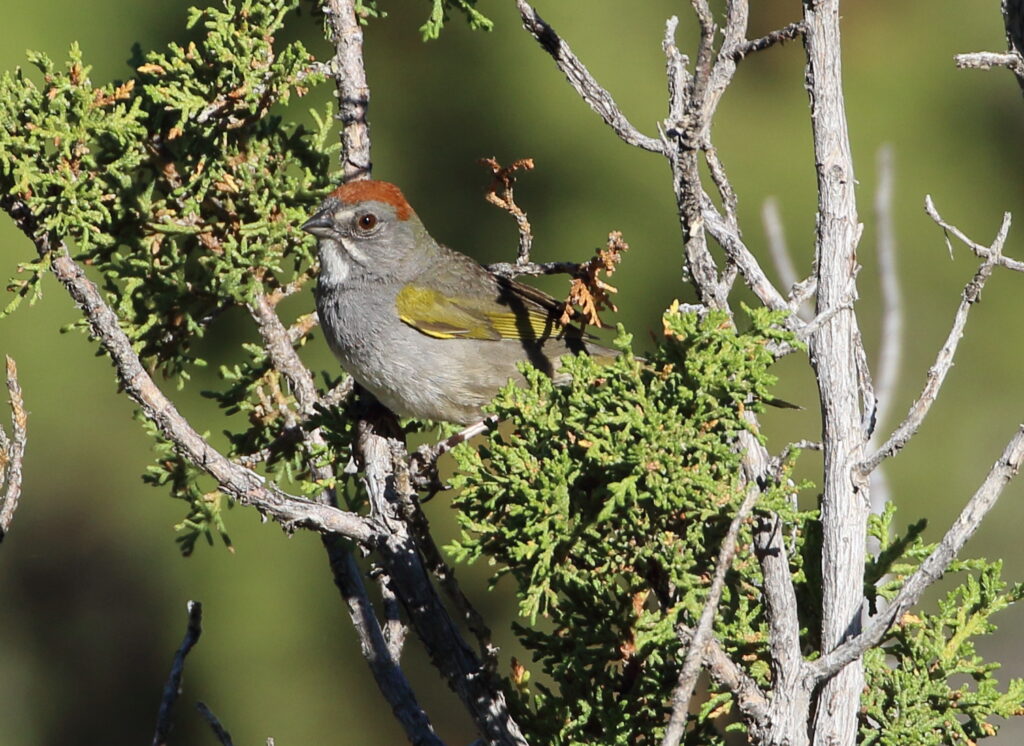
In just three weeks, I’ll be traveling to the Ute Mountain Mesa Verde Birding Festival in Cortez, Colorado, which runs from May 6 to May 10. Fun story: I was invited to this year’s festival because of a blog post I wrote last summer called In Search of the Green-tailed Towhee. The UMMV organizing committee happened to have chosen that bird as this year’s “mascot” and when they read the blog, Voila!, they invited me to give the keynote!

The charismatic Green-tailed Towhee is this year’s featured bird at the Ute Mountain Mesa Verde Birding Festival—but is only one of the cool specialties participants are likely to see!

Now I’ll admit that I’d never considered birding southwest Colorado, but as I delved into the various field trips, I grew more and more excited. The variety of birds and habitats in this part of the country is fabulous and includes many species that can be a challenge to see elsewhere. 180 species have been observed at the festival including waterfowl, shorebirds, raptors, and songbirds. Most exciting to me are the Southwestern birds I rarely get a chance to see including Black-throated and Sagebrush Sparrows, Gray Flycatcher, Woodhouse’s Scrub-Jay, Scaled Quail, Sage Thrasher, Virginia’s Warbler, Juniper Titmouse, and at top of my list, Gray Vireo.

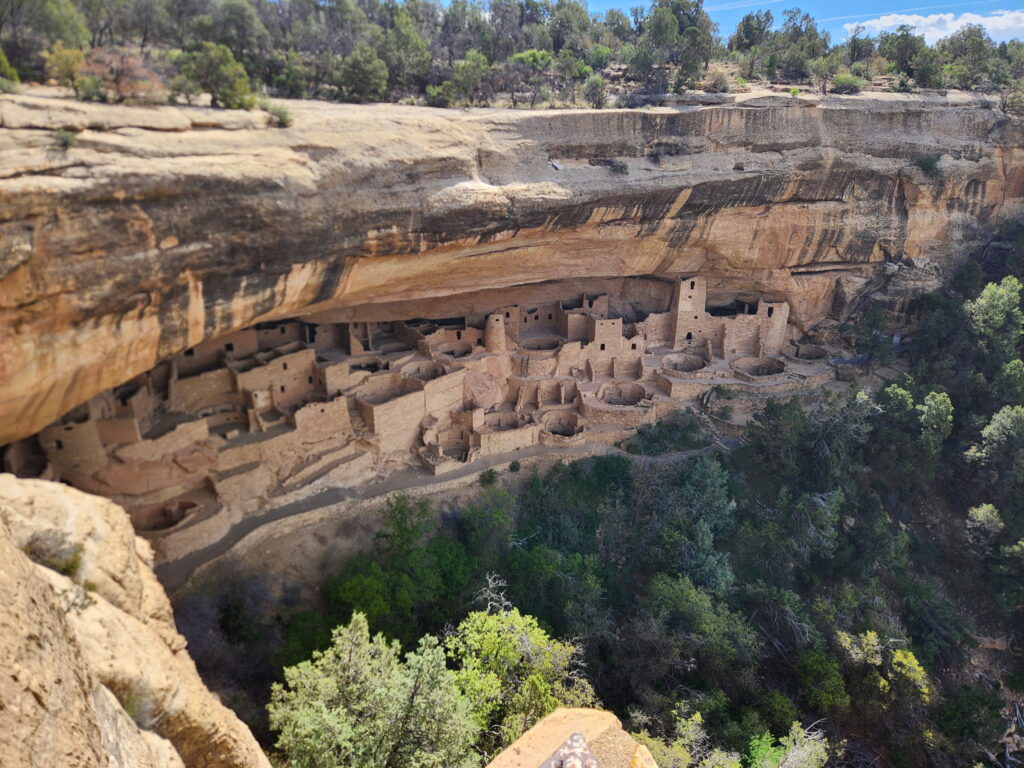
The Ute Mountain Mesa Verde Birding Festival not only offers up great birds, but a chance to explore some of our nation’s most iconic scenery and cultural sites, including Mesa Verde National Park.

What really sets this festival apart is the chance to bird while exploring some of the most breathtaking scenery in America. Think dramatic canyon country like Mesa Verde National Park (see photo above) and Ute Mountain Tribal Park. This Four Corners region is loaded with archaeological sites and a unique culture found nowhere else in the world, and just begs to be explored. In fact, my wife and I are going down a couple of days early to do just that. To get there, we’re flying into Durango and renting a car. If this intrigues you as much as it intrigues us, do check it out! https://utemountainmesaverdebirdingfestival.com/

Wings Across the Big Sky, Kalispell, Montana, June 12-14

This will be Braden’s and my fourth time participating in our home state birding festival, and we couldn’t be more excited. One of the things that makes this festival special is that it travels to different parts of the state each year, allowing birders to explore Montana’s extensive variety of habitats and birds. Braden and I are leading two field trips, including one to the CSKT Bison Range, but all of the trips offer a surprising wealth of bird life. Montana is especially known for its raptors and grassland birds, but most people don’t realize that it’s a great place to see waterfowl and songbirds, too.

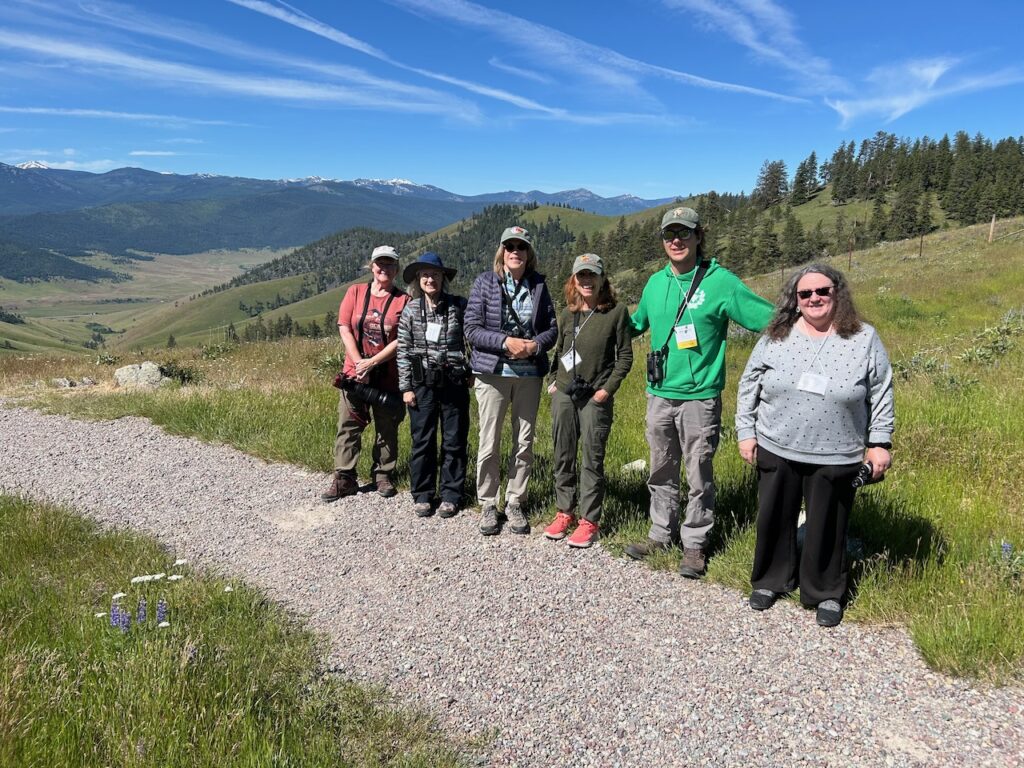
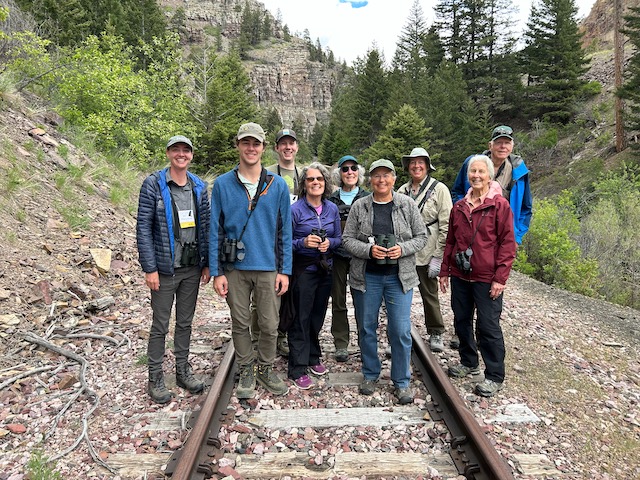
Just one of dozens of field trips at the 2024 Wings Across the Big Sky festival, including trip leaders, field biologist Hilary Turner (far left) and Andrew Guttenberg (third from left). And yes, that’s Braden towering over Hilary on the left!

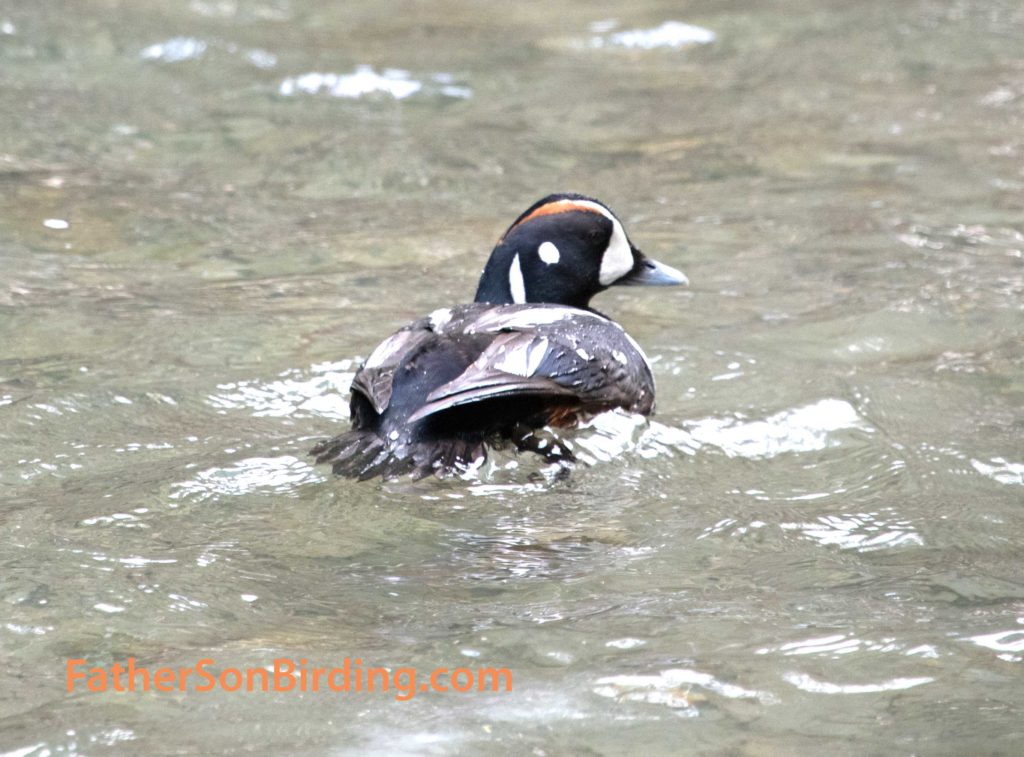
If you’ve never visited Montana before, I highly recommend the field trips to Glacier National Park. At least ten kinds of warblers can be found in the park, along with four kinds of chickadees (think Boreal Chickadee), and three kinds of grouse, including Spruce Grouse. The park is especially known for breeding Black Swifts, Harlequin Ducks, Common Loons, and American Dippers. Again, you might just want to come a few days early to explore on your own!

Glacier National Park may be the best place in the Lower 48 to score breeding Harlequin Ducks! Braden and I saw this one, our lifer, on our very first Wings Across the Big Sky festival!

Glacier, though, is not the only draw to this part of Montana. Flathead Lake is the largest natural freshwater lake in the West and hosts a great variety of birds along its shores. The Mission Mountains are truly one of the most spectacular and little-known mountain ranges in the Lower 48, and several field trips will explore the grasslands and wetlands of the Mission Valley. Passionate local trip leaders and Montana hospitality will ensure that you make this festival a regular part of your birding calendar.

For complete information, click here: Wings Across the Big Sky

Southeast Arizona Birding Festival, August 12-16, Tucson, Arizona

The Southeast Arizona Birding Festival has built a reputation as one of the nation’s premier birding festivals, and so when I was invited to speak and co-lead field trips at this year’s festival, I couldn’t have been more thrilled. Of course, the first thing you’re probably asking yourself is “Arizona? In August???” I did, but believe it or not, this is one of the best times to bird the Grand Canyon State.

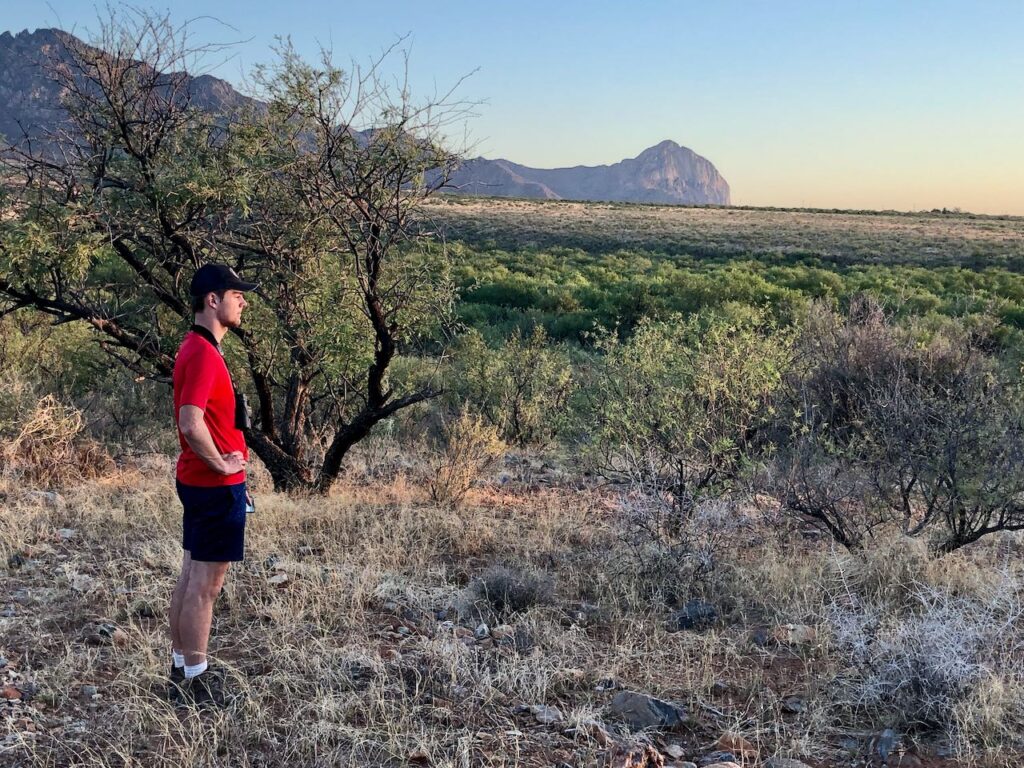
Braden contemplating a glorious sunset near the mouth of Madera Canyon—one of the field trips I’ll be co-leading during the SE Arizona Birding Festival.

Braden and I have been lucky to bird Arizona several times. See our posts “Portal Dreaming” and “Trogons and Border Walls.” One thing that always amazes us is the variety of habitats that can be found there, including wetlands, saguaro forests, and incredible canyons. Of special note are the region’s sky islands. These are mountains and mountain ranges that rise steeply out of the desert to altitudes of over ten thousand feet. Climbing up them, you quickly transition from desert through a variety of habitats, culminating with conifer forests at the top.

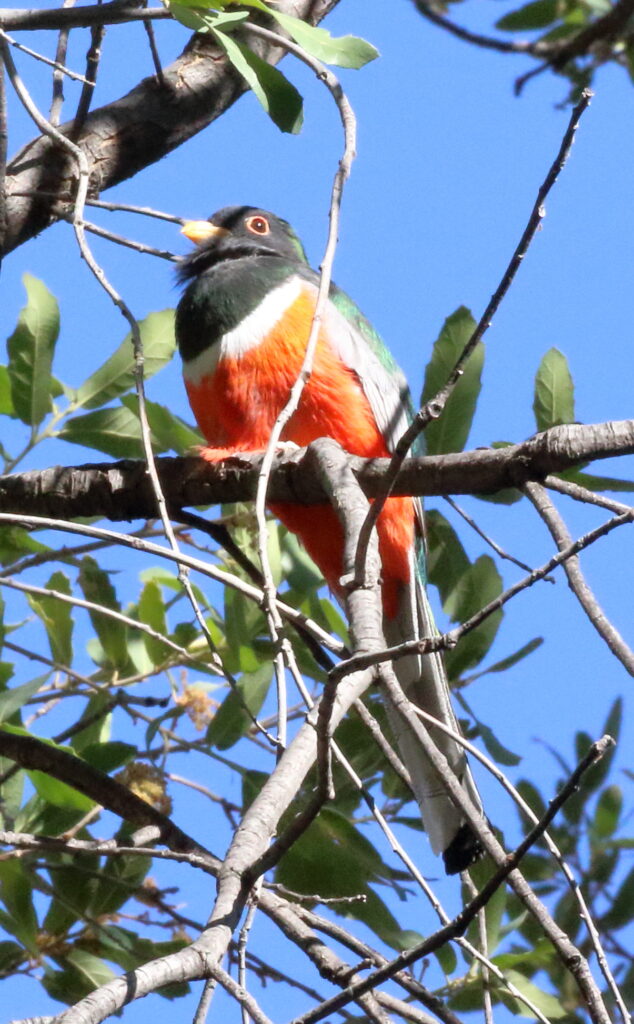
While many people travel to Arizona specifically to see the Coppery-tailed (formerly Elegant) Trogon, Arizona offers an unparalleled diversity of other specialties to US birders.

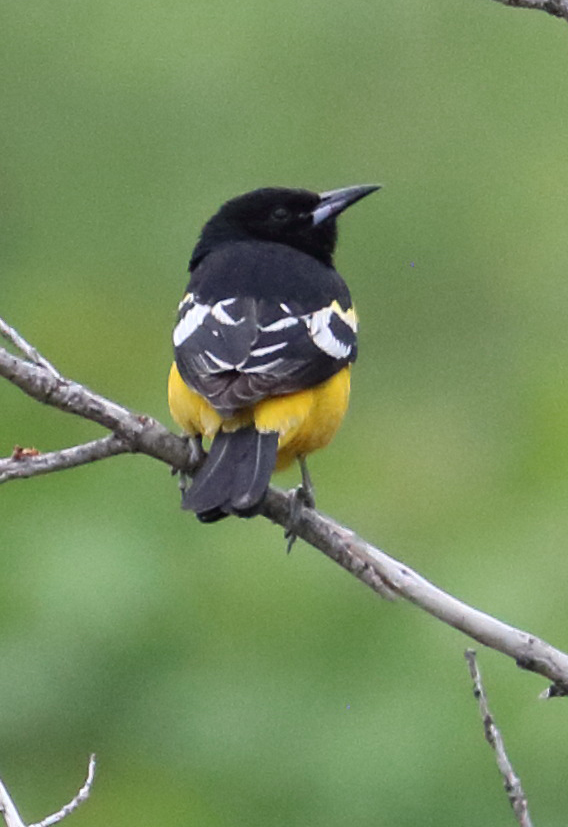
Sky islands not only provide welcome relief from Arizona’s summer valley heat, they offer an astounding variety of birds, many of which cannot be found anywhere else in the US. On our 2022 trip to Arizona, Braden and I nabbed life bird after life bird including Coppery-tailed (formerly Elegant) Trogon, Red-faced Warbler, Olive Warbler, Scott’s Oriole, Five-striped Sparrow, Mexican Whip-poor-will, and many more.

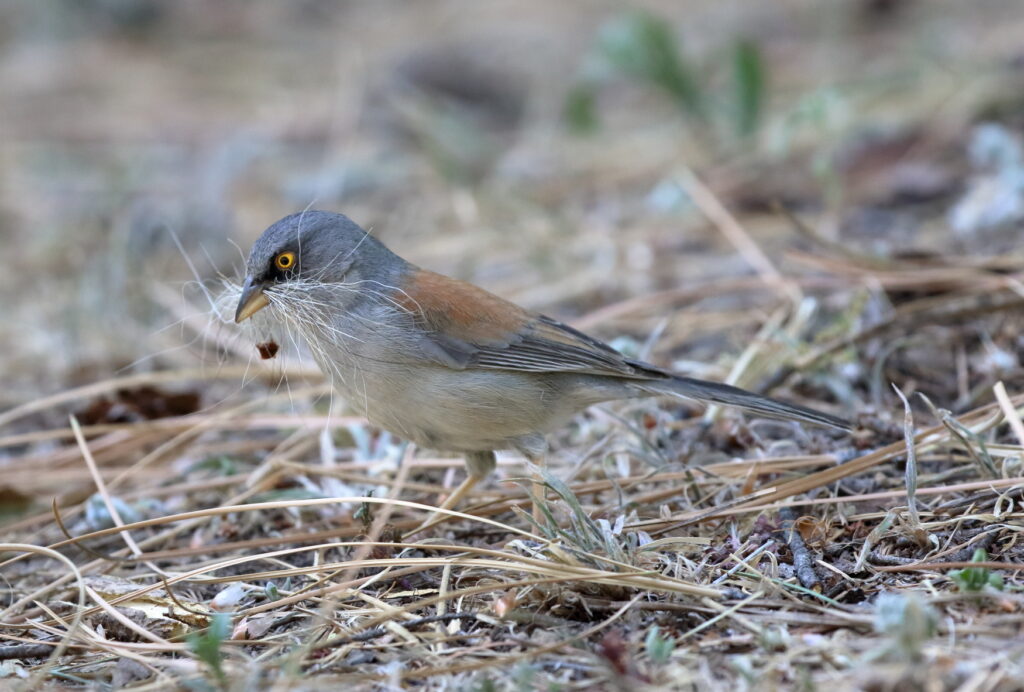
Yellow-eyed Juncos are just one of the many specialty birds that can be found in Arizona during the upcoming birding festival.

In addition to speaking at this year’s festival, I will be co-leading field trips to both Madera and Ramsey Canyons—two of my favorite places I have ever birded. But my buddy Roger and I are flying down a few days early to bird on our own. Registration for the festival begins on April 28, and if you’re interested, I wouldn’t hesitate to get on the website that day to reserve your preferred trips. The festival headquarters hotel, the Tucson Doubletree, is having some reservation issues, so you may want to call them directly as soon as possible to book a room.

SE Arizona Festival Link: https://tucsonbirds.org/festival/

So that’s it for this Festivals of the West post. We hope it has inspired you to give a birding festival a try. If the above festivals are out of reach, look into a local festival near you. For a list of festivals nationwide, check out Cornell’s All About Birds website. We can almost guarantee you’ll be glad you did! And if you spot me at one of the above festivals, please come and say Howdy!

If you’re enjoying FatherSonBirding, please consider subscribing by filling out the box in the column to the right. We won’t ever sell or give away your information and you can unsubscribe at any time. And do feel free to share this blog with others or link to it—but please contact us for any other uses! FatherSonBirding is written by REAL PEOPLE, and if you’d like to support our work, please also consider buying *new copies* of some of Sneed’s books, also shown in the column to the right.

Birding Costa Rica—Beginning at the Airport

Some of our most popular posts have focused on exotic travel destinations, and today we kick off our latest series on one of North American birders’ most popular choices: Costa Rica. Braden and I just returned from an exhilarating, intense, nine-day birding adventure to the land of Pura Vida, and over the next couple of months I’ll be posting blogs on our most memorable birding experiences interspersed with our usual entertaining “paella” of reviews, domestic birding, and other fascinating topics. Again, we do not receive compensation for our blogging efforts, so if you wish to support our work, please purchase a few new copies of Birding for Boomers, Warblers & Woodpeckers, First-Time Japan, or any of Sneed’s other books. If you already have copies, why not pick up some for your friends? With that, let’s dive into Costa Rica at—where else—the airport!

Braden and I arrived at Juan Santamaría International Airport at 10 p.m.—just time enough to get to the rental car office before it closed. After collecting our vehicle, we drove to a nearby Airbnb so we could get a fresh start in the morning. Having spent a lot of time in Costa Rica the past couple of years, Braden had organized our entire birding itinerary and even picked this first place to stay—not only because it was convenient to the airport, but because it happened to have a terrific, little-known birding spot just down the street.

Braden and I from the porch of our Airbnb in Alejuela—practically under the flight path for San Jose’s international airport, and loaded with birds!

Braden and I are big fans of birding near airports, and have often found hidden avian treasures where you’d least expect them. Just last spring, on my final morning in Texas, I had a remarkable birding session in the vacant lot behind my hotel next to the airport in San Antonio, Texas. And during his spring Costa Rica trip last year, Braden had discovered a special little place only two blocks from our Airbnb. This year, as soon as dawn crept over Alejuela (where San Jose’s airport is actually located), he and I grabbed our binoculars and cameras and headed out.

Our destination was a large city park with the even larger name of Caminito Magico de la Tranquilidad. Being unfamiliar with the rather poor-looking neighborhood, I admit that I felt a bit nervous about our safety, but my concerns quickly vanished. At the park, people were jogging, biking, doing exercises, visiting over coffee, and walking around as in any park anywhere. The park covered several hectares, mostly devoted to playing fields, but a lot of trees threaded the fields and lined the park’s perimeter, and Braden led the way in guiding us on a full circuit.

Even at dawn, Caminito Magico de la Tranquilidad park was bustling with people—and birds! Note the giant mall rising in the background—a good place to escape the heat and grab a bite, though a much better little soda (cafe) sits only a block from the park entrance.

I had spent two months in Costa Rica in 1994, but tragically, that was before I took an interest in birds. Since Braden and I started birding a dozen years ago, I had been fortunate to bird in Latin America several times—most recently in Colombia con mi amigo, Roger—but it was fair to say that I was a novice at Costa Rican birds. I had been studying, however, and to my delight Caminito Magico park presented a perfect warm up for the week ahead.

Entering the park, a Squirrel Cuckoo immediately flew across a soccer field in front of us. Braden identified Orange-chinned and Crimson-fronted Parakeets loudly squawking overhead, and I was thrilled to see my first ever Hoffman’s Woodpecker land in a nearby tree.

My very first Hoffman’s Woodpecker put me in an ebullient mood as we kicked off our first Costa Rican birding session!

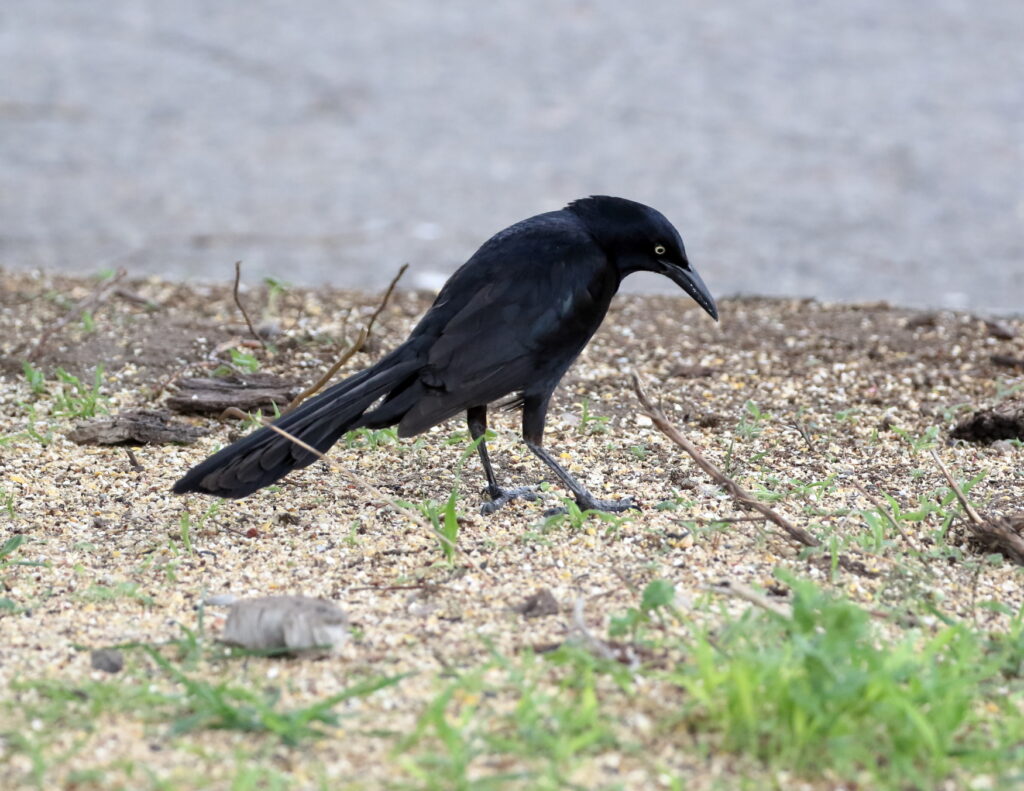
The park was filled with many of the more common birds any visiting birder will quickly get acquainted with. These included five kinds of pigeons and doves, Tropical Kingbirds, Great Kiskadees, Great-tailed Grackles, and Costa Rica’s national bird, Clay-colored Thrushes. Blue-gray Tanagers flew between trees while Blue-and-White Swallows darted for insects overhead.

Baltimore Orioles are common throughout Costa Rica—and never fail to raise a smile for a visiting Norteamericano birder!

As we reached the far perimeter, I was delighted to find that a creek skirted about half of the park’s boundary. Trees grew thickly here, and following the pleasant path, the birds got even more interesting. Braden began pointing out Chestnut-capped, Northern Yellow, and Tennessee Warblers while I focused in on a stunning male Baltimore Oriole in a flowering tree. Braden also detected several kinds of wrens: Southern House Wren, Rufous-and-White Wren, Cabanis’s Wren, and the beautiful bruisers of the bunch, Rufous-backed Wrens.

This would be the only location on our trip where we would see the “giant” Rufous-backed Wren—another reason to bird the San Jose area before heading into Costa Rica’s hinterland.

This being in the heart of Costa Rica’s largest city, I gotta tell you that I had no expectations for the creek itself, especially because it was strewn with an assortment of trash. The birds apparently didn’t care and almost immediately, Braden pointed out one of the birds I had most wanted to see on the trip—Bare-throated Tiger-Heron! I was thrilled, but hardly had time to appreciate it as we spotted a quail-sized coot-like bird skulking the banks—a Gray-cowled Wood-Rail!

For me, seeing a Bare-throated Tiger-Heron and Gray-cowled Wood-Rail (above) were stunning surprises in the heart of Costa Rica’s largest city!

Soon after, Braden pointed out a Northern Waterthrush while I spotted a Green Heron along the opposite bank. This, of course, is one of the magical things about birding the neotropics: how in the midst of all of these amazing new tropical birds, we find many species that are totally familiar to us in North America. It begs the definition of just what a neotropical bird is since in reality, many species we Norteamericanos consider “our birds” are just visiting us for a short time, and can more rightly be considered tropical species. Maybe that’s how this park got the name “Magico”?

Seeing “North American” warblers such as this Northern Waterthrush in the tropics makes you rethink what we consider “our” birds.

Our delightful discoveries were far from over. At the far corner of the park, we met an amateur naturalist who visited this spot almost daily to monitor wildlife, and he generously shared that only minutes before, he had seen one of the San Jose Valley’s most intriguing endemics. We hurried down the trail and only fifty meters later saw them: Cabanis’s Ground-Sparrows.

These are birds that Braden especially wanted to show me—but didn’t think he could. These handsome little guys live only in central Costa Rica, specifically in the valley occupied by San Jose. While not rare, they often tend to be pretty shy, making them challenging to see. They prefer scrubby, disturbed places like forest edges, coffee plantations, and apparently, city parks with lots of places to hide. Braden and I both began clicking off photos, but mostly we enjoyed watching them, one of dozens of unexpected surprises we would encounter over the next nine days.

As we were winding down our visit with the Cabanis’s Ground-Sparrows, I saw a larger bird swoop past us and land on a nearby branch. “Braden,” I hissed. “Look!” It was a final gift from this amazing city park: a Lesson’s Motmot! Not only that, it struck an incredible, leisurely pose. Motmots, of course, are some of Latin America’s most distinctive tropical birds and always high on a visitor’s to-see list. I was no exception, and felt enormously grateful to see one in our very first hour or two of Costa Rica birding.

Seeing a Lesson’s Motmot in our first birding session left no doubt that we were birding somewhere far different from Montana!

We finished our list with 47 species—almost as many birds as I’d seen in Montana in the first seven weeks of 2026! It was an awesome kick-start to our expedition, and we celebrated by grabbing our first Tico breakfast of rice, beans, eggs, and fruit at a little family diner only a few meters from the park entrance. We couldn’t predict how many highs and lows the next nine days would hold for us, but we were grateful and happy for such a promising start!

Caminito Magico de la Tranquilidad checklist: https://ebird.org/checklist/S302412338

Keep Costa Rica rolling with our next post on antbirds! https://fathersonbirding.com/arenal-for-antbirds-birding-costa-rica-part-2/

Braden has a passionate fondness for Costa Rican food, and after our first birding session we wasted no time in getting him a traditional Tico breakfast just a block from the park entrance!

World Series Birds in the Golden State

A happy by-product of our second child going to school in California is that Amy and I have the perfect excuse to go visit the Golden State. Not that I would ever do any birding during a family trip, but you know, it’s hard not to see some great birds when you just happen to stop at a wildlife refuge or stumble into a local park that happens to be a bright red eBird hotspot!

I was especially excited to head to California a couple of weeks ago because, as previously reported, I was perilously close to breaking my all-time single year species record of 527 birds. In fact, when Amy and I landed in Sacramento and headed up to Chico, I needed only one bird to hit 528 species for the year. What would my “go ahead bird” be? (And yes, that is an homage to the upcoming World Series, which happens to feature a team named after birds!)

Visiting our youngest in California has given me a great opportunity to see friends and get in some bonus birding!

When we arrived, I quickly finagled a couple of birding opportunities, but saw only species I had seen on our last trip to California in August: California Scrub-Jays, Acorn Woodpeckers, Yellow-rumped Warblers and the like. My biggest discovery was a White-winged Dove at the Panera’s near the hotel! It was a rare bird so far north in California’s Central Valley, but not unheard of. Still, I felt proud to have spotted the distinct white stripe across each wing as it flew—undoubtedly hoping to score one of Panera’s kitchen sink cookies!

The next morning, I headed out to the home of a close childhood friend who just happens to live outside of Chico in an agricultural area. I had almost reached her place, when I noticed birds feeding on a coyote carcass on the side of the road. I saw Turkey Vultures and ravens. Then, I saw something that got my heart racing: magpies!

My All-Time Best Year Record Breaker: Yellow-Billed Magpie! Whoo-Hoo! (Photo from earlier trip.)

Not just any magpies. I knew that the Black-billed Magpies we had back home in Montana were unlikely in this part of California. No, these were Yellow-billed Magpies—a bird I had failed to see on our last trip in August! Ka-ching! My record shattered like falling glass! And with a California endemic species no less! Personally, I couldn’t have been happier. YBMAs are some of my favorite birds, and hold an interesting history, too:

“This species was named by John James Audubon in 1837 (as Corvus nutallii, corrected the following year to nuttalli) in honor of the ornithologist Thomas Nuttall, who collected the first specimen near Santa Barbara, California. Nuttall was a prodigious botanical collector and ornithologist who authored a Manual of the Ornithology of the United States and of Canada.”Birds of the World database by Cornell Lab of Ornithology (accessed Oct. 19, 2025)

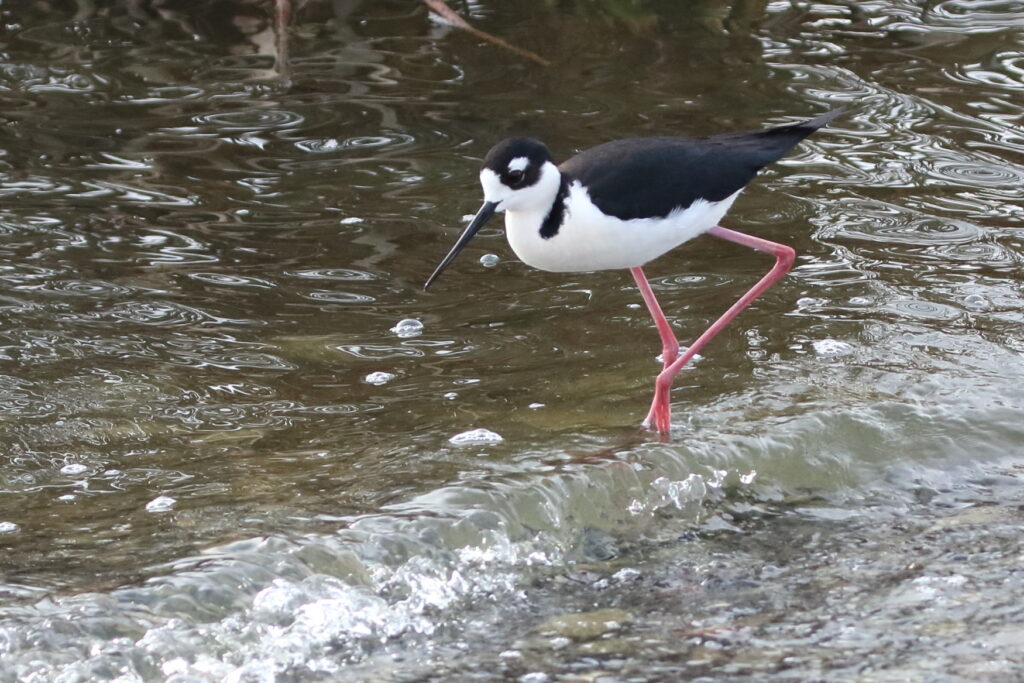
Later that day, I picked up an “insurance bird” at the Llano Seco refuge just southwest of Chico, where Amy and I delighted in Sandhill Cranes, Black-necked Stilts, and my 529th bird of the year, Greater White-fronted Goose.

Greater White-fronted Goose was a great “insurance bird” for my record-breaking year—just in case the Birding Powers That Be decided to lump a couple of species together or I found a mistake in my earlier checklists!

But my fall California birding adventures had just begun!

After a few wonderful days with our child, Amy flew home from Sacramento, and my high school buddy Scott (see Scott’s Guest Post about the Morro Bay Bird Festival), picked me up for an additional four days of exploration. As I’ve mentioned, my emphasis lately has not been so much chasing target species, but exploring places I’ve never before birded, and Scott indulged me to the hilt. After he collected me in Sacramento we explored the Sacramento River delta, hitting Cosumnes River Preserve, where we got a little shorebird action—and a LOT more Sandhill Cranes and Greater White-fronted Geese. On the following days, we hit a huge variety of habitats as we hiked through oak woodlands, explored the large abandoned—and very birdy—grounds of the Sonoma Developmental Center, and scoured rocky shores and intertidal areas in American Canyon, Golden Gate National Recreational Area, Bolinas, and Bodega Bay. I loved every location and, not surprisingly, my “insurance bird” list grew.

Scott and I enjoyed a wet hike through Sugarloaf Ridge State Park in Sonoma County and fortunately, the rain did not dissuade the birds as we sighted a host of classic oak woodland species including Oak Titmouse, Golden-crowned Sparrow, and Nuttall’s Woodpecker.

I picked up Mute Swan in American Canyon as Scott and I gleefully observed thousands of shorebirds including Western and Least Sandpipers, Long-billed Dowitchers, Marbled Godwits, and Black-bellied Plovers. That afternoon, we saw my FOY (First Of Year) White-tailed Kites at a place called Buchli Station Road.

Our adventures gave us plenty of time to learn more about peeps as we picked out the subtle details of Least and these Western Sandpipers. Note the rufous shoulder patch (not always present), black legs, and longer, curving bill that distinguishes these Westerns from Least’s.

Our favorite—and most productive—day happened October 15th. With a visit to Rodeo Lagoon, we found one of my favorite California birds, Wrentits, along with Western Gulls, which I had somehow managed not to see the entire year! At the nearby Bolinas Lagoon, we also observed hundreds of Elegant Terns and my trip MVB (Most Valuable Bird), a Whimbrel.

This Whimbrel at Bolinas Lagoon nabbed Bird of the Trip honors as it was the first WHIM I’d seen in more than six years.

Another bird I had somehow failed to see all year was Red-shouldered Hawk, but as we made our way north toward Point Reyes, Scott suddenly shouted, “Red-shouldered!” We pulled over to look at this handsome creature perched on a power line and even got to see it nab some kind of morsel from roadside weeds. The funny part? We saw four more Red-shouldered Hawks on our drive back to Scott’s house in Glen Ellen! I call that a Grand Slam!

I don’t know that I’ve ever appreciated Red-shouldered Hawks more than I did this one—especially when it launched after some prey!

One thing that made the trip so fun was eating lots of great food and kicking back to watch the MLB playoffs with Scott each evening. I hadn’t seriously watched baseball since Amy and I were still childless more than twenty years before, and it was wonderful to lean back, relax, and watch grown adults try to hit balls with sticks. Goooo Ohtani!

For our final day of birding, Scott drove me to Bodega Bay, one of my favorite places in California. While studying at Cal I had taken an ichthyology course here one summer, and now that I was a birder, the place held even more charm. On the rocks below Bodega Head, Scott and I were astonished to see a group of sixteen Surfbirds—far more than I had ever seen in one place! We also got great looks at both Brandt’s and Pelagic Cormorants, and spotted a Pigeon Guillemot in the far distance.

Since Braden and I saw our first Surfbird from a distance during our first pelagic cruise in Monterey in 2016, these birds have held a special place in our hearts. Never, though, have I seen so many in one place! (Can you also find the lone Black Turnstone in this photo?)

After a lunch of fish tacos, we headed up to the beaches north of Bodega Bay and were treated to a second Whimbrel sighting and more than 120 Surf Scoters casually ducking the breakers offshore. It was a wonderful way to wrap up the trip, and I am grateful to Scott both for being such a great host and for his patience when I was experiencing a blood sugar meltdown at Bodega Head. Of course, you may be wondering where my year list stands now, and I’m happy to report that I am now at 537 species. Will there be any more? I don’t know, but 550 seems awfully tempting, so stay tuned!

Update: Just before posting this, I picked up bird #538 for the year, Lapland Longspur, in some fields northwest of Billings!

Can one ever get tired of Surf Scoters? I don’t THINK so!

Just for fun, can you name the birds and places above? Answers in the nest—I mean next—post!

Gray Flycatcher Science

One of our goals at FatherSonBirding is to encourage support of scientists and nonprofits working to protect our planet’s many imperiled bird species. We hope that you will consider sending a donation to Montana Bird Advocacy, whose work is featured in today’s blog. You can do this by clicking here. It will be money well spent!

Late July often ushers in the birding doldrums. Having finished courtship and breeding, most birds get super quiet. They often disperse from their breeding territories, too, making them more difficult—or at least unpredictable—to find. But this year I was in luck: I had a writing assignment that would guarantee I see at least a few very cool birds.

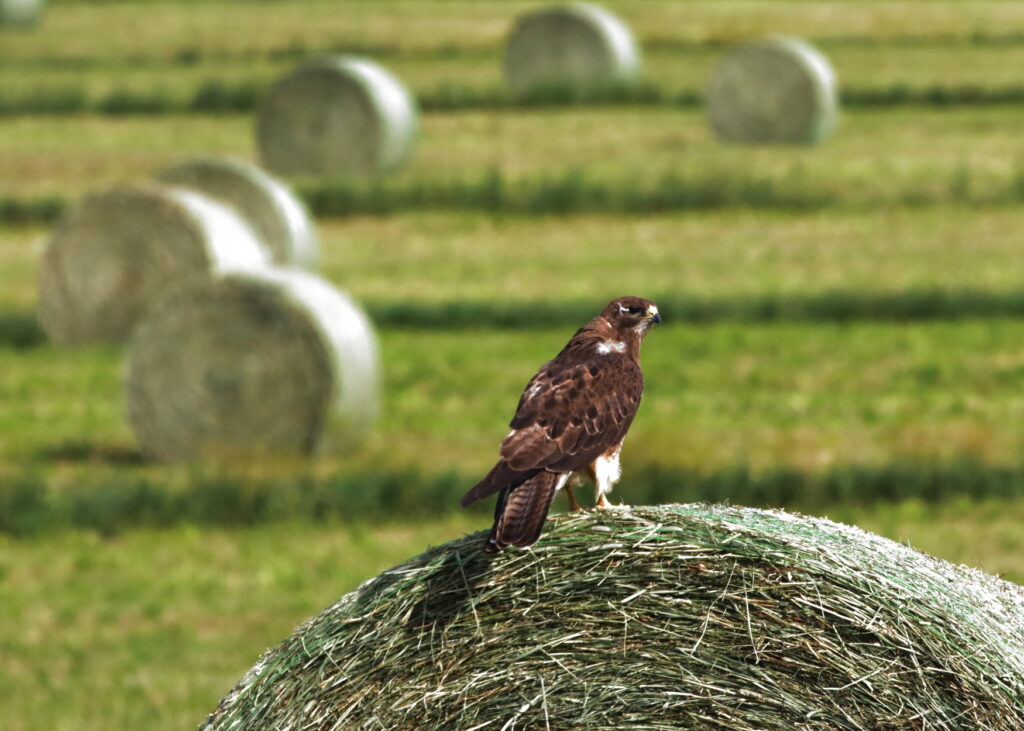
My best look yet at a stunning Ferruginous Hawk proved a delightful bonus to my day near Bannack.

You may recall my unsuccessful June trip down to Beaverhead County (see post In Search of the Green-tailed Towhee) to visit with biologist Jeff Marks, founder of the nonprofit scientific research group Montana Bird Advocacy.  There, Jeff and colleague Paul Hendricks are performing a long-term study on one of Montana’s little-known birds, the Gray Flycatcher. When I visited, Paul wasn’t there, but I also got to meet biologist and research assistant Nate Kohler, who has been playing a pivotal role in the study.

The word “gulch” conjured up a much more verdant image to my mind, but as you can see it takes some pretty special adaptations to survive in this rugged country.

Although my June trip allowed me to see many wonderful birds and interview Jeff and Nate, my intention to see the Gray Flycatchers got squashed by a freak winter storm. Worse, the storm wiped out a whole crop of nestling Gray Flycatchers. The good news? The adults had laid second clutches of eggs, and the babies were getting ready to fledge as I again headed down there the last week of July. This time, the weather would be ideal for seeing them.

Jeff and I headed out at 8:00 a.m. and made our way up Bannack Bench Road, which borders the study area. This was the third season of the study, and its purpose is to figure out some of the basic biology of a bird that scientists know very little about. To do that, Jeff, Paul, and Nate have been banding adult flycatchers with color bands that allow field identification and observation of individual birds.  The birds have been a challenge to catch, but the biologists have managed to band about a dozen each year—and with fascinating results. I won’t reveal too much about those results here since I’m also writing an article for Montana Outdoors magazine that will be out next year. However, I will tell you that seeing where these birds nest and what they are doing was a thrill.

Biologist Jeff Marks takes notes on a Gray Flycatcher nest in his Beaverhead County study area.

When Jeff first told me they were working in a place called Sheep Corral Gulch, I imagined sagebrush plants bordering some kind of verdant riparian zone, perhaps lined with aspens or junipers. Imagine my surprise to see nothing but sagebrush in every direction! Gray Flycatchers breed throughout the Great Basin, but one of the fascinating things about them is that they choose different habitats in different places. In other states, they nest in juniper, pinyon pine, and even ponderosa pine, but in this part of Montana the birds breed almost exclusively in sagebrush plants along dry washes. One thing that these places share in common is that they have open ground for foraging.

Color-banded adults allow Jeff and the Montana Bird Advocacy team to make detailed observations about mating and behavior of these little-known birds.

In Beaverhead County, though, not just any sagebrush will do. The birds nest only in taller plants four to eight feet high—plants that can mainly be found growing in the (usually) dry main stream channels of gulches. This year, Jeff and his colleagues located about a dozen nests, one to two hundred meters apart, and as Jeff and I began hiking, it wasn’t long before we spotted an adult bird up ahead. Using GPS coordinates, it took only minutes for Jeff to locate the bird’s nest—a nest with babies!

“They will fledge any day now,” Jeff told me, “and it looks like both parents are feeding them.” Having two involved parents gives the nestlings a huge survival advantage, and as we watched, we saw a parent deliver a juicy grasshopper to its ravenous chicks.

Most of the Gray Flycatcher nests were bursting with babies itching to head out on their own—after a few more meals from Mom and Dad!

For the next three hours, I followed Jeff as we visited one nest after another, and most were jam-packed with two or three babies champing at the bit to head out on their own. We, of course, made sure to stay well back so as not to spook them out of the nests before they were ready.

An unbanded adult Gray Flycatcher keeps watch on us as we move through its territory: “Move on. Nothing to see here, folks.”

I thought we would see a lot of other birds as we hiked, but especially this time of year, the birds stayed out of sight. We saw a couple of Brewer’s and Vesper sparrows, and a single Sage Thrasher and Northern Harrier. What a contrast from a month earlier when I spotted Sage Thrashers and Brewer’s Sparrows almost everywhere I looked! Nonetheless, I couldn’t have been more thrilled to get these up-close-and-personal looks at one of Montana’s most uncommon species.

Sage Thrashers were noticeably more elusive than only a month earlier, but this one did pose nicely on a fencepost along Bannack Bench Road.

You may be wondering just where Gray Flycatchers can be found in Montana. That itself is a fascinating story, because they apparently arrived in our state only recently. The first official record occurred in 1999, and Jeff believes that the birds may only have reached the Treasure State as part of an expansion northward from the Great Basin that occurred in the 1970s. Their Montana strongholds are in Beaverhead and Carbon counties (see post Bear Canyon—Montana’s “Tropical Birding” Paradise), but it takes careful observation and listening to distinguish the birds from almost identical-looking Dusky Flycatchers. The fact that the birds are so restricted here in Montana, though, points out how important it is that we protect our fragile sagebrush communities. It also underscores the great value of the work that Montana Bird Advocacy is conducting, because only by understanding the biology of the Gray Flycatcher and other sagebrush species can we know how to protect them.

Please consider supporting the ongoing work of MBA by clicking here and making a donation. The flycatchers will thank you—as will generations of future birders!

While getting ready for the next day at the study site, MBA’s rental cabin offered an idyllic view of pastureland, complete with deer, coyotes, and gobs of Common Nighthawks. Donate to Montana Bird Advocacy by clicking on this picture.

In Search of the Green-tailed Towhee

Please support our efforts at FatherSonBirding by buying a *New* copy of Birding for Boomers or one of Sneed’s other books shown to the right—and by donating to Montana Bird Advocacy, a wonderful grassroots scientific organization doing novel and unique research on Montana birds.

Confession: Despite the title of this blog, the the main purpose of last weekend was not to find Green-tailed Towhees; it was to learn about a wonderful study of Gray Flycatchers with biologists Jeff Marks and Nate Kohler. However, as I set out Saturday morning, defiant of the grim weather forecast for the next day, I did have a secondary mission in mind—to find and visit with some of the birds in the arid southwest corner of the state. Over the years, these sagebrush areas, from Bear Canyon (see Bear Canyon—Montana’s “Tropical Birding” Paradise) all the way west to Beaverhead County, had become some of my favorite parts of Montana. I credit that partly to my own childhood living in the dry chaparral country of southern California, but I also just love the ecosystems and birds in this part of Montana. I’d have trouble calling myself a real birder if I didn’t get down there at least once each year.

Since you’re pressing me on the issue, I also had a third objective for this trip—to move closer to breaking my all-time one-year species record. The record belonged to 2017, when our family traveled to Ecuador and Peru and I recorded a total of 527 species for the year. This year, thanks to last-minute invitations to Colombia (see THIS POST) and Texas (see THAT POST) I unexpectedly found myself at 498 species—perilously close to setting a new record. That task loomed more difficult than it might appear since once spring migration has passed and breeding season gets underway, it becomes much more difficult to find new species. Still, a trip to the southwest part of Montana promised to nudge me closer to this new goal, and my first target was one of the state’s coolest birds: Green-tailed Towhee.

On Braden’s advice, my first real birding stops of the trip were along the Jefferson River before Lewis & Clark Caverns.

Green-tailed Towhees winter in the American Southwest and Mexico, but generally breed in the the Great Basin region of the West, including southern Montana. Though the birds are not strictly rare, I could count the number of times I had ever seen one, and I felt eager for another GTTO encounter. To find this bizarre, poorly understood beauty, I hit I-90 at dawn and steered toward Lewis and Clark Caverns, two-and-a-half hours to the east. To entertain me along the way, I had checked out an audio version of Eat, Pray, Love, a book that invites all kinds of snarky comments but, I found, actually proved moderately amusing. On Braden’s advice, I pulled over alongside the road leading to the caverns and was rewarded with a wonderful assortment of river and cliff birds including Rock Wren, Lazuli Buntings, and White-throated Swifts. Once inside Lewis and Clark Caverns State Park itself, I focused on finding Green-tailed Towhees.

I struck out. I spent a good hour and a half checking along the road, up around the main parking area, and in the campground. Merlin’s Sound ID picked up a putative GTTO song at one point, but I neither heard nor saw a trace of the bird.

I have to admit that this made me feel like a total failure. I mean, here was my first target bird of the trip, and one that shouldn’t be that hard to find, and I totally “whiffed” on it, as Braden might say. I didn’t plunge into despair exactly, but it definitely put a damper on my mood as I began questioning just what I thought I was doing out here pretending to be a birder! Well, I thought, maybe I’ll have better luck at my next destination.

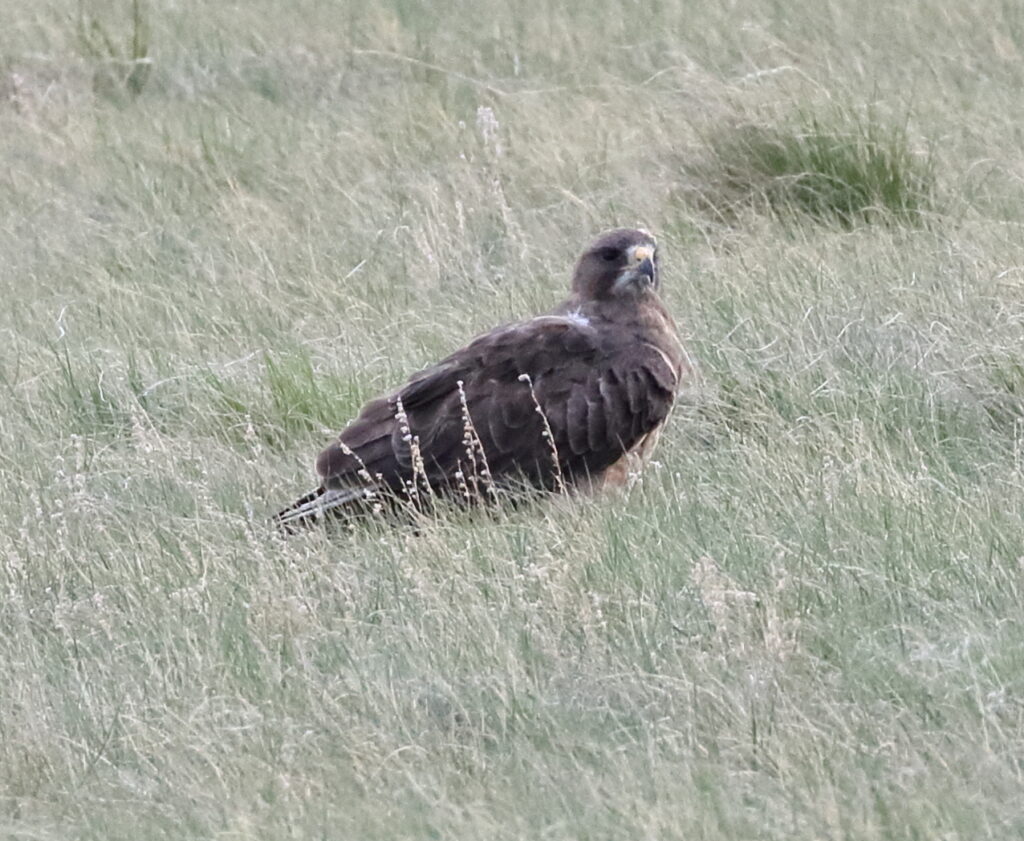
Which happened to be Birch Creek Road north of Dillon in Beaverhead County. Several years before, Braden and I had found our lifer Thick-billed (formerly McCown’s) Longspur on this road, and once again, the road delivered. I’d driven only a mile before I saw a suspicious dark shape on a fence. I actually didn’t think it was a Thick-billed, but my binoculars revealed otherwise. “Yay!” I exclaimed, feeling the weight of my earlier “whiff” lifting slightly. A few minutes later, I was examining another TBLO when I noticed a large shape sitting in a field about one hundred yards away. “Clearly a hawk,” I thought, “but what kind?” The answer: the best kind, at least for my goals for the trip—a ferruginous hawk. This was another bird I needed for the year and one that isn’t always easy to find in the state.

Digging out the peanut butter sandwich I’d made earlier, I tooled down I-15 for my next destination, Clark Canyon Reservoir. Braden and I had only ever birded here once before, and as near as I recall, we hadn’t found much, so I kept my expectations low. I stopped at one overlook and was surprised to see a Common Loon on the water below, along with a Double-crested Cormorant and a couple of Ring-billed Gulls. Violet-green swallows swirled around me and, as always, they brought a smile.

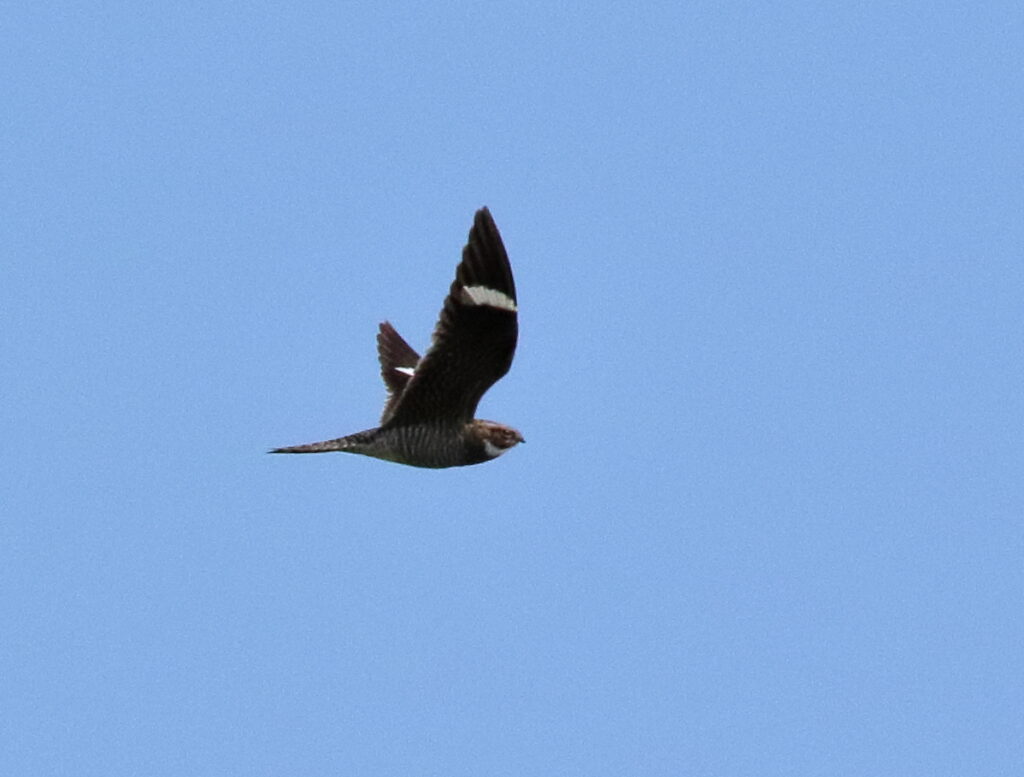
Snaking around the reservoir, I approached a sign for Horse Prairie Campground and spontaneously swerved left onto a dirt access road. The reason? Tall, healthy-looking sagebrush! Hm, this just might have one of my other target birds for the day. Almost immediately, I saw a really cool bird that had not been on my target list—a Common Nighthawk peacefully chillin’ on the split-rail fence. The bird barely blinked as I fired away with my camera through the car window from only thirty feet away.

The first of three Common Nighthawks I spotted chilling on the wooden fence leading down to Horse Prairie Campground.

Creeping slowly forward, I heard a song I didn’t recognize—which was no great surprise in itself, but I did have a guess of what it was. Sound ID confirmed it: Brewer’s Sparrow! This bird loves healthy sagebrush and makes up for the world’s dullest plumage with a vigorous song that bewitches any birdwatcher who hears it. A few moments later, one even sat still long enough for a decent photo. Check. Another target bird—but not the one I expected to find here!

One of Montana’s drabbest birds, the Brewer’s Sparrow has an enchanting song.

I kept driving slowly toward the campground and spotted a medium-sized, slender bird up ahead. Wishfully, I thought it might be a Say’s Phoebe—another bird I happened to need for my year list—but it flew off before I got close. As I pulled into the campground, though, two brownish birds were chasing each other around. I assumed they were robins, but when one landed on a “Day Use Only” sign, I realized with a start that it was exactly the bird I had hoped to find here—a Sage Thrasher!

Sage Thrashers are so flighty that seeing one on a sign was about the last thing I expected!

Braden and I have never met a thrasher we didn’t like, but Sage Thrashers hold a special place in our birding hearts. For one, they’re the world’s smallest thrashers—which is why I mistook them for robins or phoebes. For another, they are charismatic songsters and often are the most common bird you see in sage country. As I sat in the car, in fact, I counted three more Sage Thrashers around me. Whoo-Hoo!

One of our favorite Montana birds, Sage Thrashers seemed to be everywhere I looked this afternoon.

Later, on the road where I was to meet up with Jeff Marks and Nate Kohler, I encountered seven more Sage Thrashers! It was a veritable thrasher party—by far the best experience I had ever had with these good-looking birds.

Unfortunately, the next morning, heavy rain and spitting snow kept me from seeing Gray Flycatchers with Jeff and Nate. More on that in another post. Almost as bad, I began the drive home without a Green-tailed Towhee under my belt and no expectations of seeing one. But bless Nate Kohler’s heart. He told me about a canyon I should check out on the way home. It was still raining when I got there, but I drove slowly and stopped frequently, listening and watching. Lazuli Buntings chattered everywhere and I saw a good variety of birds—but no towhee. Finally, I put on my raincoat, got out of the car and played a Green-tailed Towhee song. Almost immediately, a small shape darted up out of the sagebrush—the bird I was looking for! Not only that, it held still long enough for a photo—but the story hadn’t quite finished.

I worked hard for this Green-tailed Towhee—only to find that it wasn’t a year bird after all!

Once I got home and posted all of my checklists for the trip, I was surprised that eBird hadn’t added GTTO to my year list. What’s going on? I thought, and did a quick search to see if I had somehow seen one down in Texas and forgotten about it. Nope. What I did forget was the rare vagrant GTTO I had seen in Victoria, BC during Amy’s and my January trip (see Birding Victoria, BC)! So this one was not a year bird after all, but still a lot of fun to see. Meanwhile, my year list swelled to 503 species thanks to the Thick-billed Longspur, Ferruginous Hawk, Brewer’s Sparrow, Sage Thrasher, and a Prairie Falcon I had spotted the afternoon before. Not exactly the trip I expected, but one I already cherished.