Category Archives: Travel

The Nocs Zero Tube 10X25 Monocular (FSB Equipment Review)

If you’d like to support our work at FSB, please consider purchasing *new copies* of Sneed’s books shown to the right—and support a group such as Birdlife International or Audubon that is working hard to protect birds against climate change and many other perils. Remember: all of our posts are written and photographed by REAL PEOPLE!

Not long ago, I was fortunate to be able to review my first monocular, the Nocs Field Tube 10X32. Today I’m happy to review Nocs’ next-generation monocular, the Zero Tube 10X25.

In past reviews, I have extolled the virtues of Nocs as a company (see this post and this post), and many of you have read of the excellent performance of the Pro Issue binoculars on Braden’s and my very wet recent trip to Costa Rica. With the Zero Tube, it’s clear Nocs is continuing to turn out great products with an ethical mindset, and in talking about this product, it’s perhaps most useful to compare it to their Field Tube that I reviewed earlier.

The first thing cost-conscious birders will notice is that the Zero lists for $179.95, a $50 premium to the Field Tube. Let’s take the Zero’s features one by one to see if it’s worth that extra fifty bucks.

Setting the Zero Tube (right) next to the Field Tube (left) immediately reveals some big—and important—differences between the two. Note especially that the Zero Tube has eliminated the large, bulky focusing knob and comes with a convenient clip for you “pocket protector” types. (Photo by Sneed Collard)

When reviewing the Field Tube, I was impressed by how small and portable it is—which is kind of the whole point of monoculars, verdad? Upon pulling the Zero Tube out of the box, I have to say that I was even more impressed and surprised by how much sleeker it is than the Field Tube! The Zero Tube measures 4.5 inches, a good half-inch shorter than the Field Tube. Better yet, while the Field Tube weighs a very modest 8.6 ounces with the wrist strap, the Zero weighs in at a minuscule 6.8 ounces. To give you an idea of how light that is, my wallet weighs 6.3 ounces—with my Costco card in it!

Like the Field Tube, the Zero Tube is waterproof and features a ridged rubber grip that even the muddiest, wettest hands will have no trouble hanging on to. Like its other products, Nocs provides the Zero Tube with a lifetime warranty—not to mention the fun styling the company is known for.

While creating a sleeker, lighter, and sharper product, Nocs has not neglected the fun styling the company is known for.

Setting the Field Tube and Zero Tube side by side, you’ll immediately note that the Field Tube features a focusing knob on top of the main tube while the Zero Tube has eliminated this. Instead, you focus the Zero by twisting the forward part of the tube. This keeps the Zero Tube from getting hung up on pockets and other compartments, making it truly easy to slip in and out for use. The only downside of eliminating the top focus knob is that the knob allows you to focus while holding the Field Tube in one hand. The Zero Tube pretty much requires you have both hands to hold and focus it. A huge improvement of the Zero Tube, however, is that you do not need to twist it nearly as far to bring it from near to far focus—an essential bonus for a birder.


Though I have not done this myself, digiscoping should be a cinch with Nocs monoculars, especially with the improved optics the Zero Tube provides.

Despite all of its other advantages, the best part of the Zero Tube is the sharpness and clarity of the image. Just last week, I let my friend Bruce experiment with the Zero Tube as we hiked some nearby trails and, really, he was having so much fun I was afraid he wouldn’t give it back! He focused the Zero Tube on some Western Bluebirds in a tree and remarked, “Wow, this really gives you a sharp look!” In my try-outs, I agree, and it’s clear that Nocs’ use of better optics in the Zero Tube has paid off big. To my mind, that alone easily justifies paying $50 more for this fine product.

Compact monoculars do come with some compromises. The most notable is their relatively narrow field of view—6.5 degrees for the Zero and 6.3 degrees for the Field Tube 10X32s. Still, and as I’ve stated before, they aren’t meant to replace binoculars, but to offer a convenient, compact alternative for travel and outdoor activities. If this is a niche that needs filling in your birding activities, you’ll be happy you picked up a Zero Tube.

The many improved features makes paying a little more for the Zero Tube a no-brainer for birders.

Photos (except where noted) and review equipment provided by Nocs.

Birding Festivals of the West 2026!

As April proceeds apace, it’s time to greet our spring birds with the word “Tadaima!”—Japanese for “Welcome Home!” However, it’s also an excellent time to finally do something you may have contemplated for years: attend a birding festival!

Never fear, it’s not too late. Particularly as recent geopolitical events make you rethink vacationing in Paris or visiting the Egyptian pyramids, birders have the chance to seize opportunities on our very doorstep. During the past few years, Braden and I have participated in a number of birding festivals and they have always been huge fun. They have allowed us to explore places and see birds that we never imagined, and connect with great birders from all around the world. Pick up a copy of BWD or Birding and you’ll see that there are literally dozens of birding festivals to choose from throughout the year. Today, I’d like to focus on three in the West that I’ll be participating in—and that you may want to consider for yourselves.

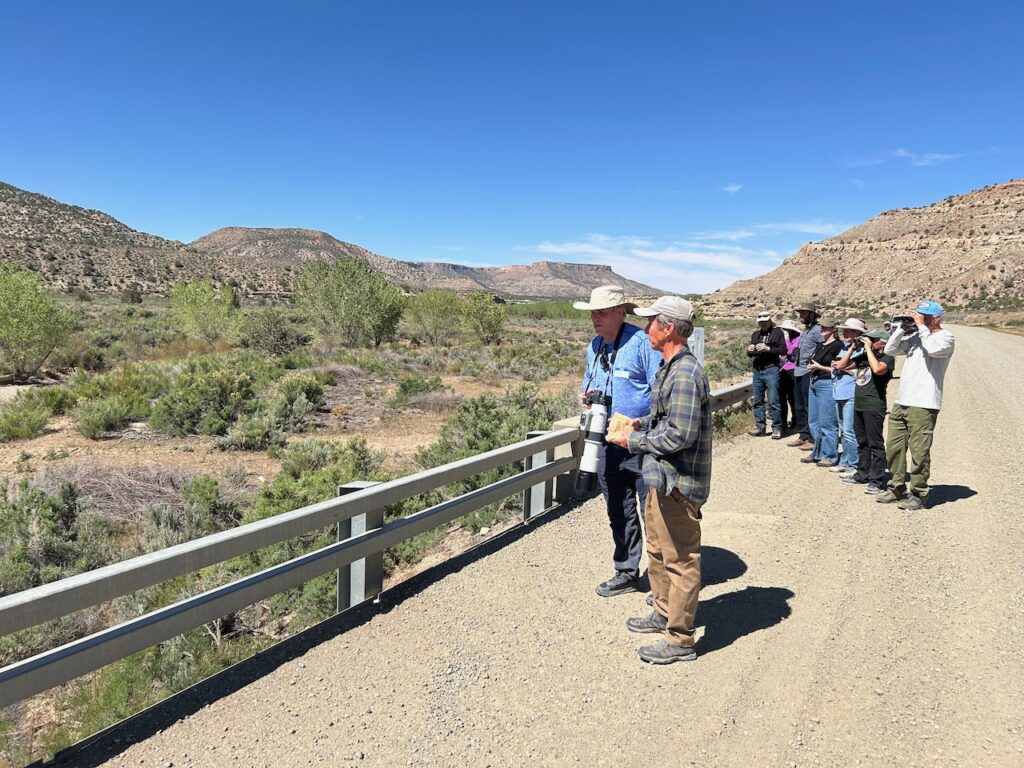
The Ute Mountain Mesa Verde Birding Festival, Cortez, Colorado, May 6-10

In just three weeks, I’ll be traveling to the Ute Mountain Mesa Verde Birding Festival in Cortez, Colorado, which runs from May 6 to May 10. Fun story: I was invited to this year’s festival because of a blog post I wrote last summer called In Search of the Green-tailed Towhee. The UMMV organizing committee happened to have chosen that bird as this year’s “mascot” and when they read the blog, Voila!, they invited me to give the keynote!

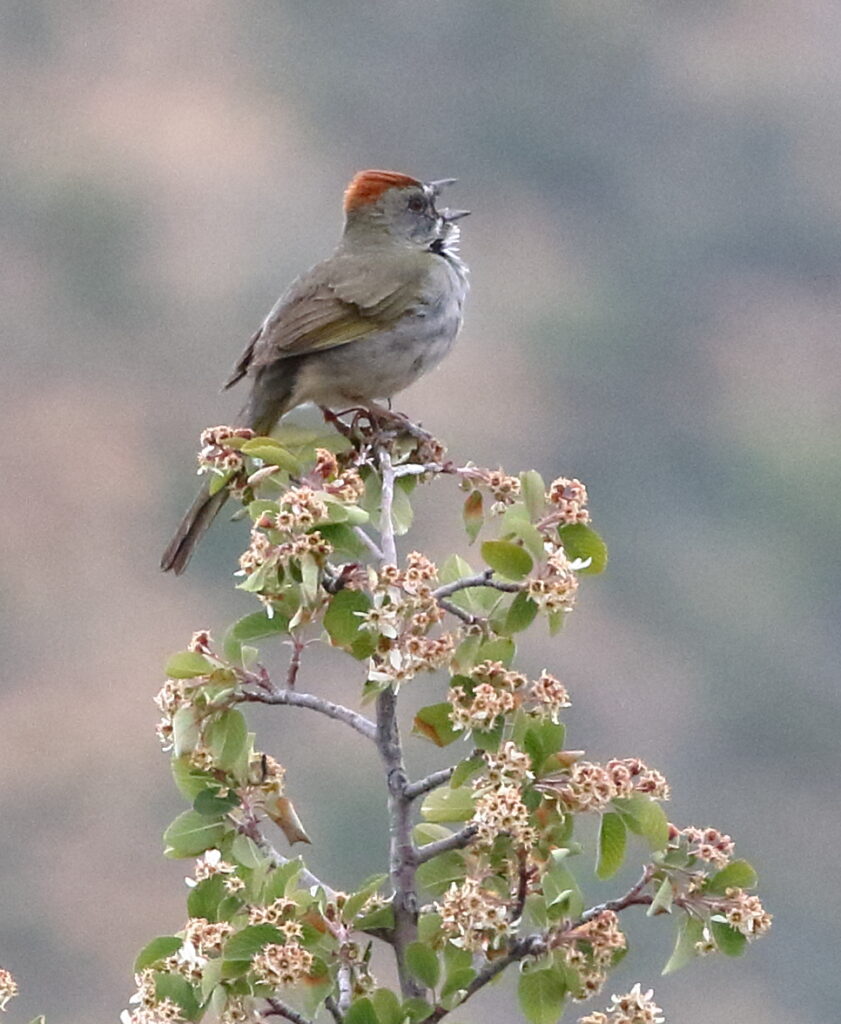
The charismatic Green-tailed Towhee is this year’s featured bird at the Ute Mountain Mesa Verde Birding Festival—but is only one of the cool specialties participants are likely to see!

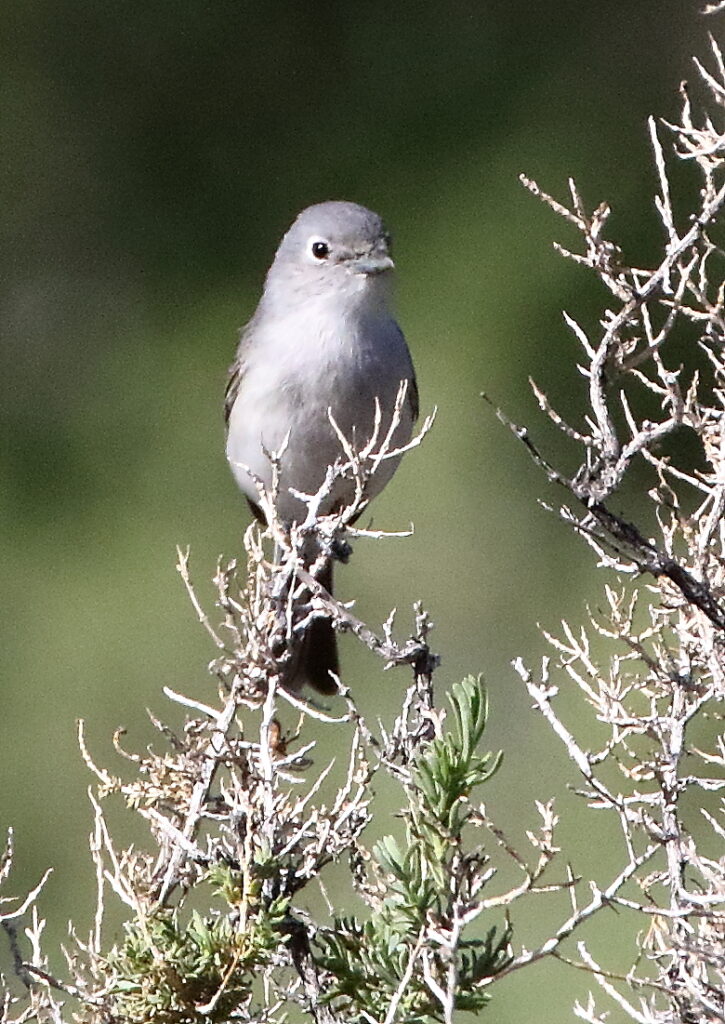
Now I’ll admit that I’d never considered birding southwest Colorado, but as I delved into the various field trips, I grew more and more excited. The variety of birds and habitats in this part of the country is fabulous and includes many species that can be a challenge to see elsewhere. 180 species have been observed at the festival including waterfowl, shorebirds, raptors, and songbirds. Most exciting to me are the Southwestern birds I rarely get a chance to see including Black-throated and Sagebrush Sparrows, Gray Flycatcher, Woodhouse’s Scrub-Jay, Scaled Quail, Sage Thrasher, Virginia’s Warbler, Juniper Titmouse, and at top of my list, Gray Vireo.

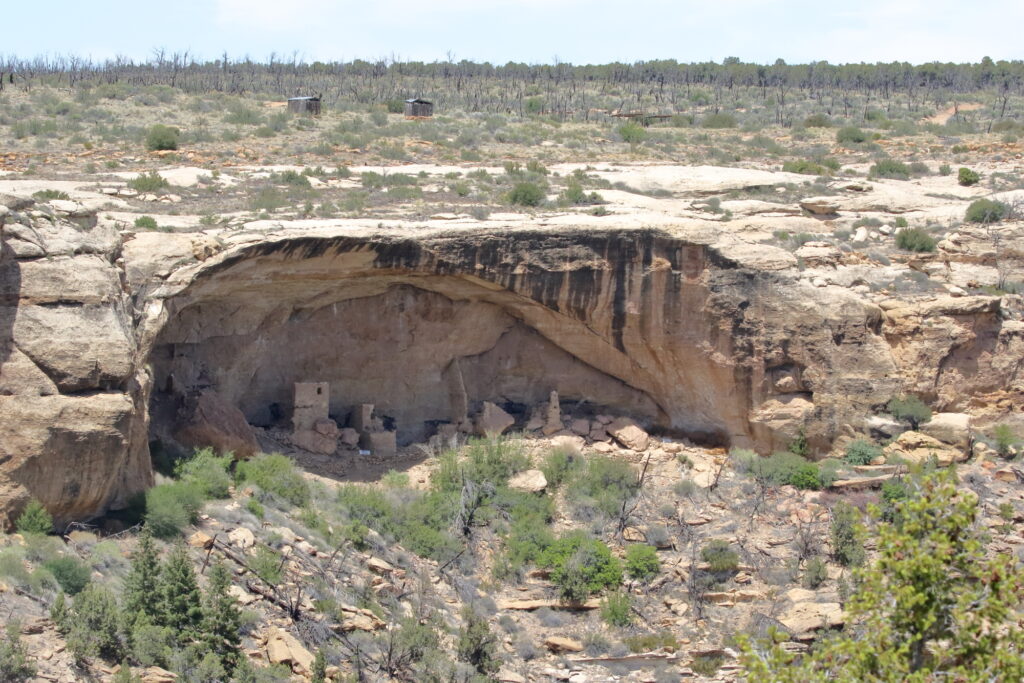
The Ute Mountain Mesa Verde Birding Festival not only offers up great birds, but a chance to explore some of our nation’s most iconic scenery and cultural sites, including Mesa Verde National Park.

What really sets this festival apart is the chance to bird while exploring some of the most breathtaking scenery in America. Think dramatic canyon country like Mesa Verde National Park (see photo above) and Ute Mountain Tribal Park. This Four Corners region is loaded with archaeological sites and a unique culture found nowhere else in the world, and just begs to be explored. In fact, my wife and I are going down a couple of days early to do just that. To get there, we’re flying into Durango and renting a car. If this intrigues you as much as it intrigues us, do check it out! https://utemountainmesaverdebirdingfestival.com/

Wings Across the Big Sky, Kalispell, Montana, June 12-14

This will be Braden’s and my fourth time participating in our home state birding festival, and we couldn’t be more excited. One of the things that makes this festival special is that it travels to different parts of the state each year, allowing birders to explore Montana’s extensive variety of habitats and birds. Braden and I are leading two field trips, including one to the CSKT Bison Range, but all of the trips offer a surprising wealth of bird life. Montana is especially known for its raptors and grassland birds, but most people don’t realize that it’s a great place to see waterfowl and songbirds, too.

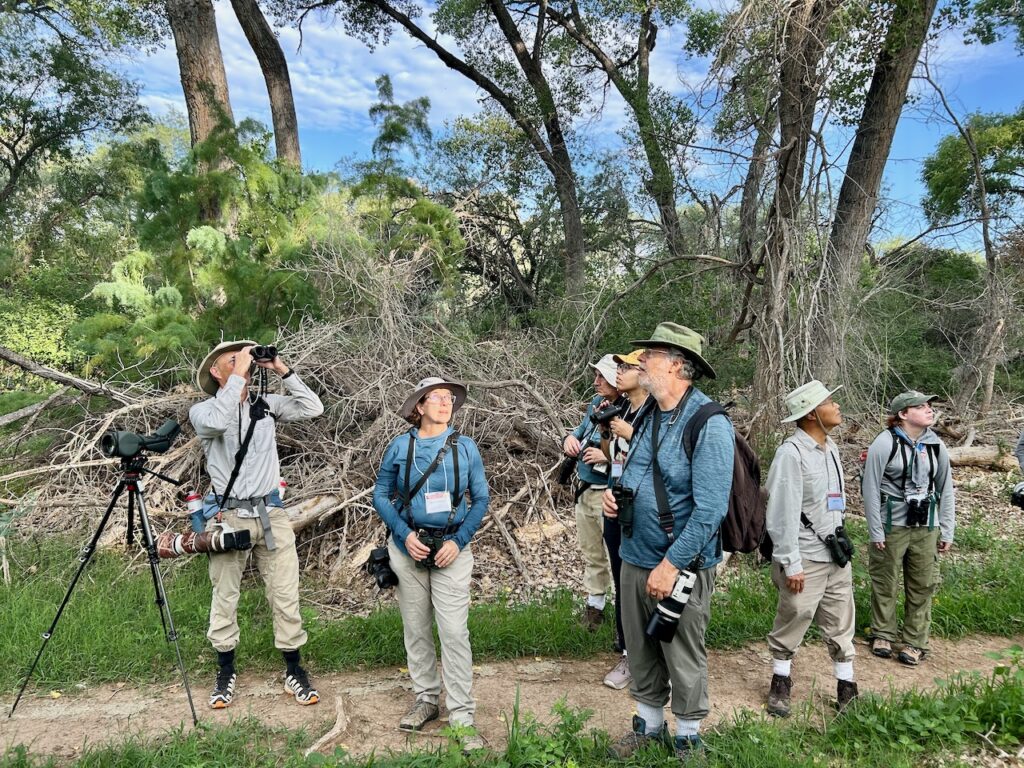
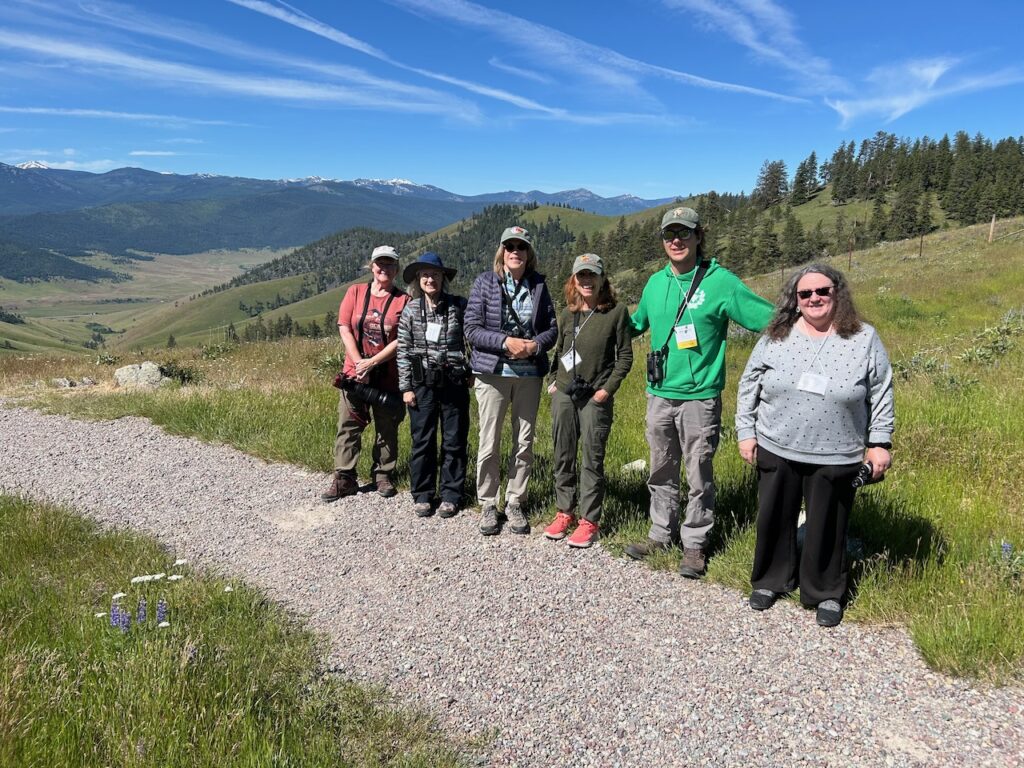
Just one of dozens of field trips at the 2024 Wings Across the Big Sky festival, including trip leaders, field biologist Hilary Turner (far left) and Andrew Guttenberg (third from left). And yes, that’s Braden towering over Hilary on the left!

If you’ve never visited Montana before, I highly recommend the field trips to Glacier National Park. At least ten kinds of warblers can be found in the park, along with four kinds of chickadees (think Boreal Chickadee), and three kinds of grouse, including Spruce Grouse. The park is especially known for breeding Black Swifts, Harlequin Ducks, Common Loons, and American Dippers. Again, you might just want to come a few days early to explore on your own!

Glacier National Park may be the best place in the Lower 48 to score breeding Harlequin Ducks! Braden and I saw this one, our lifer, on our very first Wings Across the Big Sky festival!

Glacier, though, is not the only draw to this part of Montana. Flathead Lake is the largest natural freshwater lake in the West and hosts a great variety of birds along its shores. The Mission Mountains are truly one of the most spectacular and little-known mountain ranges in the Lower 48, and several field trips will explore the grasslands and wetlands of the Mission Valley. Passionate local trip leaders and Montana hospitality will ensure that you make this festival a regular part of your birding calendar.

For complete information, click here: Wings Across the Big Sky

Southeast Arizona Birding Festival, August 12-16, Tucson, Arizona

The Southeast Arizona Birding Festival has built a reputation as one of the nation’s premier birding festivals, and so when I was invited to speak and co-lead field trips at this year’s festival, I couldn’t have been more thrilled. Of course, the first thing you’re probably asking yourself is “Arizona? In August???” I did, but believe it or not, this is one of the best times to bird the Grand Canyon State.

Braden contemplating a glorious sunset near the mouth of Madera Canyon—one of the field trips I’ll be co-leading during the SE Arizona Birding Festival.

Braden and I have been lucky to bird Arizona several times. See our posts “Portal Dreaming” and “Trogons and Border Walls.” One thing that always amazes us is the variety of habitats that can be found there, including wetlands, saguaro forests, and incredible canyons. Of special note are the region’s sky islands. These are mountains and mountain ranges that rise steeply out of the desert to altitudes of over ten thousand feet. Climbing up them, you quickly transition from desert through a variety of habitats, culminating with conifer forests at the top.

While many people travel to Arizona specifically to see the Coppery-tailed (formerly Elegant) Trogon, Arizona offers an unparalleled diversity of other specialties to US birders.

Sky islands not only provide welcome relief from Arizona’s summer valley heat, they offer an astounding variety of birds, many of which cannot be found anywhere else in the US. On our 2022 trip to Arizona, Braden and I nabbed life bird after life bird including Coppery-tailed (formerly Elegant) Trogon, Red-faced Warbler, Olive Warbler, Scott’s Oriole, Five-striped Sparrow, Mexican Whip-poor-will, and many more.

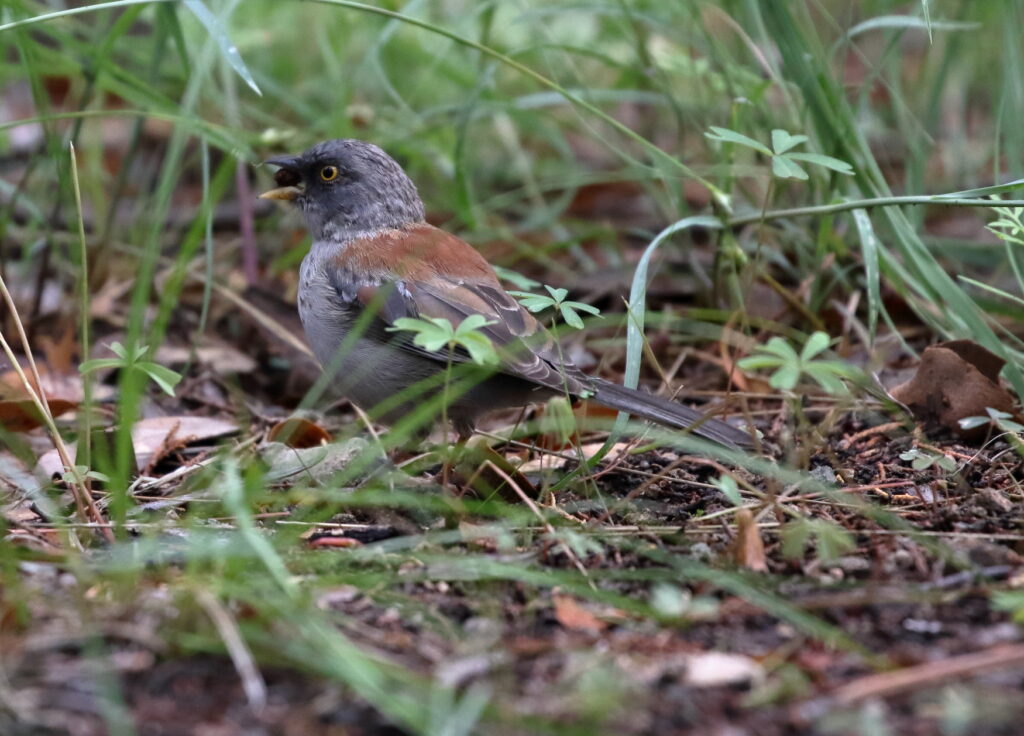
Yellow-eyed Juncos are just one of the many specialty birds that can be found in Arizona during the upcoming birding festival.

In addition to speaking at this year’s festival, I will be co-leading field trips to both Madera and Ramsey Canyons—two of my favorite places I have ever birded. But my buddy Roger and I are flying down a few days early to bird on our own. Registration for the festival begins on April 28, and if you’re interested, I wouldn’t hesitate to get on the website that day to reserve your preferred trips. The festival headquarters hotel, the Tucson Doubletree, is having some reservation issues, so you may want to call them directly as soon as possible to book a room.

SE Arizona Festival Link: https://tucsonbirds.org/festival/

So that’s it for this Festivals of the West post. We hope it has inspired you to give a birding festival a try. If the above festivals are out of reach, look into a local festival near you. For a list of festivals nationwide, check out Cornell’s All About Birds website. We can almost guarantee you’ll be glad you did! And if you spot me at one of the above festivals, please come and say Howdy!

If you’re enjoying FatherSonBirding, please consider subscribing by filling out the box in the column to the right. We won’t ever sell or give away your information and you can unsubscribe at any time. And do feel free to share this blog with others or link to it—but please contact us for any other uses! FatherSonBirding is written by REAL PEOPLE, and if you’d like to support our work, please also consider buying *new copies* of some of Sneed’s books, also shown in the column to the right.

Caño Negro: Costa Rica’s Epic Wetland (Birding Costa Rica, Part 3)

If you’re enjoying FatherSonBirding, please consider subscribing by filling out the box down and to the right. We won’t ever sell or give away your information and you can unsubscribe at any time. And do feel free to share this blog with others or link to it—but please contact us for any other uses!

When blogging about a birding trip to Costa Rica, it’s almost impossible to choose which things to cover. As anyone who’s been there knows, every day offers avian delights, whether you’re walking through rainforest or hanging out in a town or city. One place we simply cannot overlook, however, is Caño Negro Wildlife Refuge.

The lagoon area of Cano Negro, at high water because of recent rains.

Caño Negro is one of Costa Rica’s rare, large interior freshwater wetland areas and lies almost within sight of the Nicaraguan border. I had never heard of it until Braden sang its praises when he studied abroad down there two years ago. As he planned our itinerary for this year’s trip, he left no doubt it was a must-see destination. To reach it, we left the La Fortuna area (see our post Arenal for Antbirds) and drove an hour and a half up highway 35 through flat agricultural country, before turning west on the access road to the refuge.

Seeing such large numbers of Northern Jacanas was a first for me!

The access road is one of those tricks perpetuated with great amusement on tourists. Paved for its first few miles, it suddenly degenerates into a cratered track that reduces the speed of rational drivers to about 10 km/hour. Nonetheless, this road is not to be endured, but to be birded. Along its stretch are a rich variety of grasslands, mini-wetlands, and patches of trees that are loaded with birds. I was thrilled to see my first Northern Jacanas and Purple Gallinules of the trip, but these were quickly overshadowed by the Variable and Morelet’s Seedeaters (see our post Chasing Morelet’s Seedeaters), and Thick-billed and Nicaraguan Seed-Finches. The highlight of the drive was a brief, but spectacular view of yet another lifer for Braden—a Black-collared Hawk!

These overcompensating “giant-billed” Nicaraguan Seed-Finches are a specialty of the northeast part of Costa Rica.

The next morning, we eagerly met our guide, Chambita, and his boat driver/assistant, Yalvin, at one of the town boat docks. Because of the heavy unseasonable rains, the Rio Frio was running higher than usual, but still flowed along at a placid pace perfect for birding. Most birding boat tours have two components—the river itself and a lagoon that feeds into it. From Braden’s past comments, I was most excited about the lagoon, but the river relentlessly amazed us.

Chambita and Braden proved a dynamic duo in detecting Caño Negro’s astonishing bird life.

As we began slowly making our way downstream, I was thrilled to see both new and familiar species. Over the first hour, the kingfishers stole the show, as we saw five of Costa Rica’s six kingfisher species, missing only the most common one—our own Belted Kingfisher that we enjoy back home. The ones we saw included both the big bruiser Ringed Kingfishers and the two that are hardest to find: Green-and-Rufous Kingfisher and American Pygmy Kingfisher.

I’m a sucker for kingfishers and was ecstatic at seeing FIVE species, including this American Pygmy Kingfisher.

Chambita, though, quickly demonstrated why he is a local legend among expert birders by calling out dozens of other bird songs and calls, many of them flycatchers that I had no hope of recognizing, but that Braden raptly absorbed. Then, we spotted a species Braden most hoped to see—Snowy Cotingas.

I’ll just say it: Cotingas are bizarre. And I’m not alone in thinking so. Birds of the World remarks, “No family of birds exhibits more diversity of auditory, behavioral, and plumage elaborations, all the result of rampant sexual selection, than do the cotingas.”

We saw five Snowy Cotingas on our outing—an unusually high number that pretty much made Braden’s entire day.

I actually didn’t think I’d ever seen a cotinga until Braden informed me that two of Latin America’s most spectacular birds, the Andean Cock-of-the-Rock and Three-wattled Bellbird, are cotingas. Even then, I only started getting interested in them as a group when mi amigo Roger and I saw Black-tipped Cotingas last year in Colombia, inspiring a spate of jealousy from Braden.

Today, when we saw the Snowy Cotingas, I had to restrain Braden from jumping out of the boat. “I wanted to see them,” he gushed, “but I didn’t think we would!” That, of course, got me super excited about them, too—delicate white birds perched atop trees high above the river.

Though not rare, Sungrebes can be shy and difficult to find, so we felt lucky to see one. The birds are actually more closely related to rails than grebes.

The river offered many other treasures including a rare Sungrebe, eight species of warblers, three kinds of orioles, and four kinds each of woodpeckers and parrots. Oh, and caimans and monkeys, too. And that’s before we turned around and went to the lagoon.

A troop of Squirrel Monkeys provided us with a welcome bonus as they fearlessly leaped a twenty-foot gap between trees. Look closely and you can see a baby on this one’s back! Talk about Livin’ on a Prayer!

When we reached it, the lagoon presented a totally different view than Braden had previously experienced. On his past visits, the water had been relatively low, i.e. perfect for wading birds. Recent rains, however, had raised the water dramatically. We still found a great diversity of birds, but numbers were lower than usual.

Ever since seeing a Fasciated Tiger-Heron with Roger in Colombia last year, I have been in love with tiger-herons, and this was my first chance to get good looks at Bare-throated Tiger-Herons!

Still, all manner of wading birds presented themselves. My favorites were Bare-throated Tiger-Herons and the uber-strange Boat-billed Herons. It was a tough call, though, with Tricolored Herons, a Roseate Spoonbill, Little Blue Herons, Green Herons, and three kinds of ibises—Glossy, White-faced, and Green—all competing for our attention.

A yawning Boat-Billed Heron is a bird after my own heart. Not only is it one of the coolest birds in Costa Rica, it needs its afternoon nap, just like moi!

A special treat for both Braden and me was getting to see our first Lesser Yellow-headed Vulture, which Chambita identified from a distance as it swooped down low over the lagoon and passed within a couple hundred yards of our boat. Resembling a Turkey Vulture—and sharing many of its characteristics—the Lesser Yellow-headed’s yellow head became visible only as it approached more closely. I love vultures.

This intriguing Lesser Yellow-headed Vulture was a special first for both Braden and me.

As we continued to explore, many more species kept showing up including a couple of Wood Storks, a Greater Yellowlegs, and both Crested and Yellow-headed Caracaras.

Roger and I had seen a Yellow-headed Caracara leap up onto a cow last year in Colombia, but this guy gave Braden and me an even better show.

A couple more of our favorite finds were a pair of Yellow-tailed Orioles and a Black-headed Trogon, all of which offered close up incredible looks.

We were happy that Chambita and Yalvin seemed as excited by the day as we were. They spent far more time with us than was strictly necessary and you can bet we appreciated it.

After bidding them farewell, we headed back out the same cratered road we came in on and were rewarded as richly as on the day before. On the drive, we paused to enjoy Green Kingfishers, Common Tody-Flycatchers, a Fork-tailed Flycatcher, and the perfect capstone to the day—our lifer Red-breasted Meadowlarks! We ended the day with more than 130 species, one of our best days of birding ever. Pura Vida!

Our Caño Negro checklist: https://ebird.org/checklist/S303336007

I was especially thrilled to see a Red-breasted Meadowlark after recently reading that the similar-looking South American Pampas Meadowlark is critically endangered. Loss of grassland habitat and rampant use of pesticides has drastically reduced populations of many meadowlark species, including those found in the US.

To arrange a trip with Chambita, check out his Facebook page: https://www.facebook.com/profile.php?id=100047210666376.

Lower 48 Life List Countdown: Crissal Thrasher

Today, we take a break in posting about our recent Costa Rica adventure to share one of Braden’s most memorable domestic birding experiences of 2026. His mission: to see a bird with very specific habitat requirements—and one that had frustrated him several times before. If you’re in Vegas for March Madness you will definitely want to read this post!

In 2025, I saw a lot of birds. Besides international trips to Oaxaca and Costa Rica, I birded across the United States and Canada in places I’d never been before—a road trip from Maine to Montana and another from Montana to southern California, with a side detour through southeastern Arizona. Not surprisingly, I racked up tons of life birds, including Whooping Crane, Roseate Tern, Kirtland’s Warbler, Buff-breasted Flycatcher and California Gnatcatcher. As 2025 came to a close, though, I started to wonder: how many regularly-occurring US species were left out there that I haven’t seen?

In considering the question, I didn’t count Hawaiian or Alaskan birds; those are species that will take extra, dedicated trips to see. I also cut out seabirds that require pelagic boat trips, a style of birding that is exclusive, expensive, and not particularly appealing to a landlubber such as myself. My list omitted rarities—birds that do not regularly occur in the United States—because I much prefer finding a species in its proper habitat as opposed to chasing a single individual bird in the wrong place found by another birder. Finally, I did not include three species that only breed in the Florida Keys—Mangrove Cuckoo, Antillean Nighthawk and Black-whiskered Vireo—because they only occur there in summer, a decidedly miserable time to visit the Sunshine State. I also believed that I’d encounter these species elsewhere when I eventually visited the Caribbean some day.

Before Braden’s return to Las Vegas, Least Bittern is one of just sixteen “regular” birds he needed to complete his Lower 48 life list.

So, by my very specific standards, I came up with the following list of regularly-occurring US birds that I had yet to see as of January 1st, 2026:

  • Least Bittern
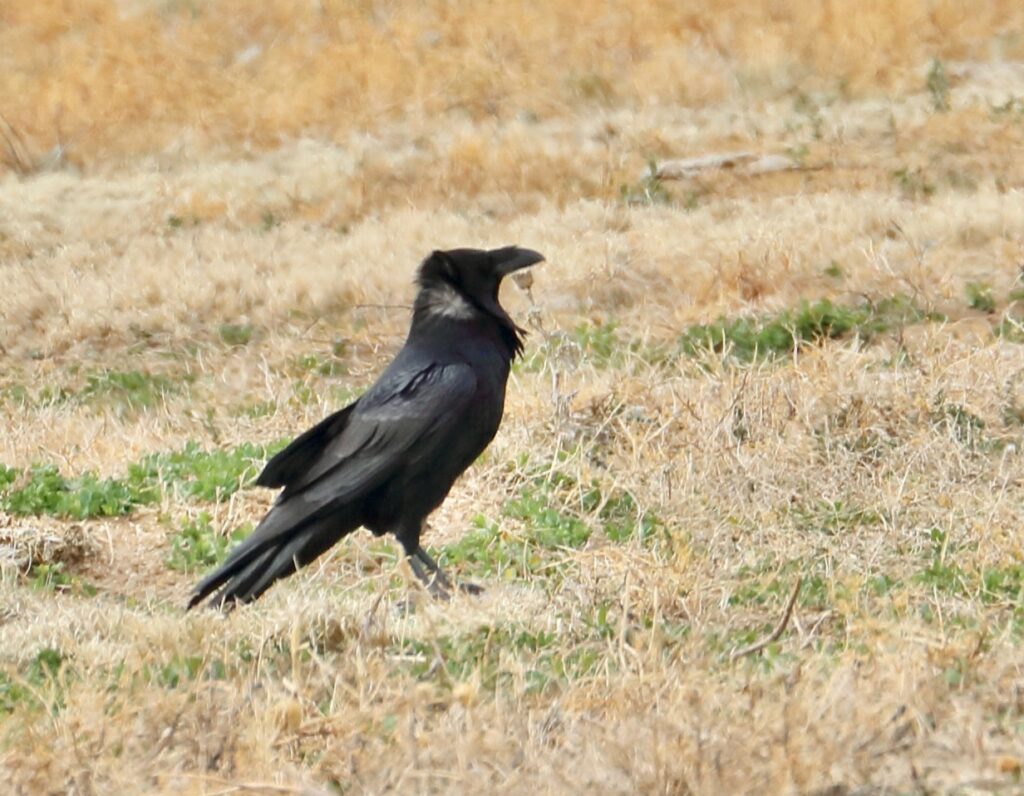
  • Chihuahuan Raven
  • King Rail
  • Swainson’s Warbler
  • Black-chinned Sparrow
  • Fulvous Whistling-Duck
  • Connecticut Warbler
  • Golden-cheeked Warbler
  • Black-capped Vireo
  • Island Scrub-Jay
  • Smith’s Longspur
  • Colima Warbler
  • Boreal Owl
  • Lesser Prairie-chicken
  • Gunnison Sage-grouse
  • Crissal Thrasher

16 birds. 16 birds left in the US that I care about seeing that I’ve never seen before. Some of them I have pursued many times (looking at you, Least Bittern and Boreal Owl). Others, I’ve never even tried for once, because I’ve never been within their ranges. 

When I realized that I would be driving back to California after spending Christmas in Montana, however, and saw that the shortest route took me through Las Vegas, I knew that I needed to take another stab at Crissal Thrasher. This is the last US mimid (member of the family Mimidae) that I’d never seen before—and one that had frustrated me before.

Like all other US thrashers except Sage Thrasher, this Long-billed Thrasher (and the Sage Thrasher featured at the beginning of this post) belong to the bird family Mimidae. As this family name suggests, thrashers and other mimids have a remarkable ability to mimic other birds. No wonder they are some of our favorite birds here at FSB!

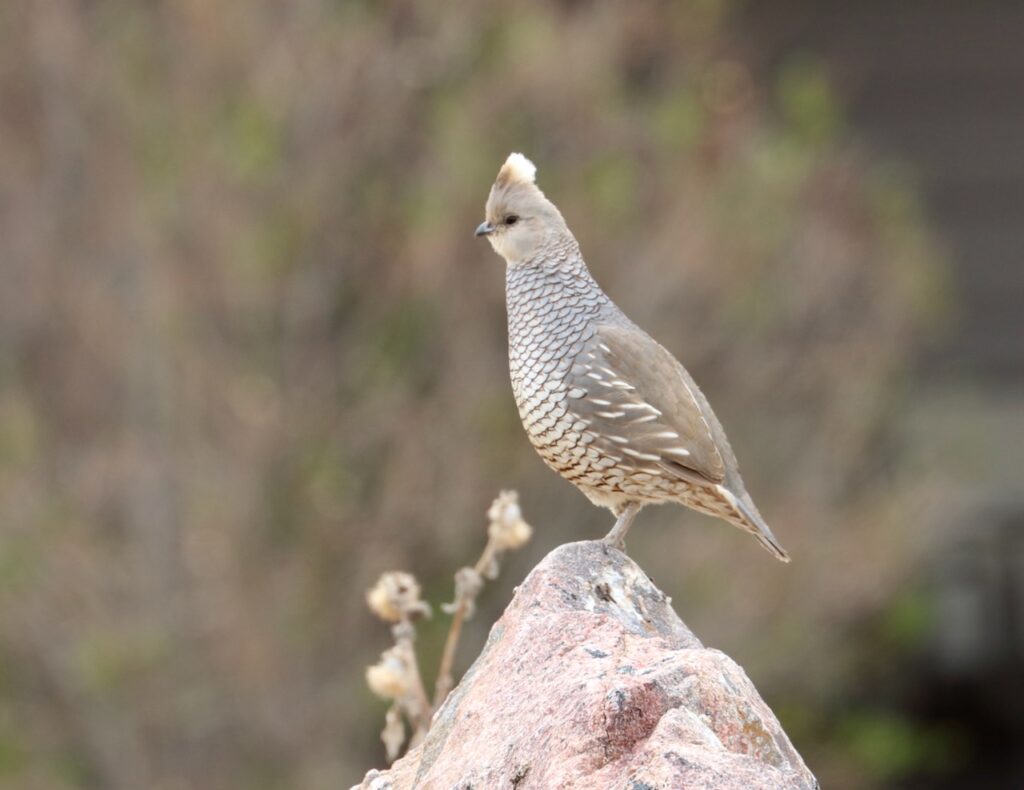
My dad and I had looked for Crissal Thrashers when we visited Arizona in May of 2022, in Yuma, Arizona. They were also on my target list when I visited the Chiricahuas in August of 2025, and while I did find my lifer Cassin’s Sparrow and Scaled Quail out in the desert near Portal, there were no Crissal Thrashers to be found. However, my most recent—and heartbreaking—near-miss had happened just a few weeks previously, at the beginning of December, 2025.

During one of our last weekends of work, three friends and I decided, almost on a whim, to drive four hours and camp near Death Valley National Park. On Saturday morning, my friend Sam and I snuck out of our tents early, staying quiet so as not to wake the others, and drove an hour west to a spot known for having Crissal Thrashers. The habitat featured tall, brushy vegetation growing along a desert wash. I’d later learn that Crissal Thrashers preferred this riparian desert habitat, and were much more common in this environment than out in the middle of the desert, away from water. 

The place Sam and I visited that morning in December was called Shoshone Village, nothing more than a trail looping through the desert. We started to hike and immediately spotted some of the more common Mojave Desert birds—Phainopeplas and Gambel’s Quail. As we rounded a bend and entered some more dense vegetation, Sam pulled out his phone and ran the Merlin app.

Phainopeplas greeted Sam and me on our previous search for Crissal Thrasher—a search that ended in muddy disappointment!

“Crissal Thrasher,” he said, looking at me. Suddenly, I heard what the app had been hearing—the squeaky, repeating song of a thrasher coming from around the corner. I felt disappointed that I hadn’t picked up on it—the bird was singing quite loudly—but figured that it wouldn’t matter that an app had identified the bird if we got eyes on it. Unfortunately, a large mud puddle sat in the trail between us and the thrasher.

I carefully made my way around the edge of the slippery puddle, moving thorny branches out of the way and stooping underneath thick tree limbs. After about a minute of careful effort, I reached the other side, turning around to help guide Sam around it. Sam followed in my footsteps until halfway around the puddle he suddenly slipped into the mud puddle with a splash! Not only was Sam soaked and muddy (including the large seagull onesie he was wearing), but the commotion of us trying to avoid the puddle caused the thrasher to stop singing.

We never saw the bird.

Flash forward to the Clark County Wetlands, only two months later. Clark County Wetlands sits on the eastern edge of Sin City, just upriver from Lake Mead, the giant, now-shrinking reservoir created when President Herbert Hoover decided to dam the Colorado River, and it just so happens to be one of the best places in Nevada to find a Crissal Thrasher. The presence of year-round water (a rare commodity in these parts) in the Las Vegas Wash allows for the existence of perfect thrasher habitat, complete with more extensive, green vegetation than can be found elsewhere in the Mojave.

It was a decidedly odd experience searching for on of my last Lower 48 bird species within sight of perhaps the most “unnatural” city in North America, Las Vegas!

As I stepped out into the landscape of mesquite, palo verde, and barrel cacti, I immediately regretted wearing shorts and a tee-shirt. In contrast to the 100-plus temperatures during my last visit here, this morning I shivered in cool 45-degree air. Nonetheless, birds were far more vocal than they had been back in December. Mockingbirds called from atop the trees. Black-tailed Gnatcatchers and Verdins were in nearly every little scrap of brush. Again, there were Phainopeplas and Gambel’s Quail, as well as lots of wintering birds—Yellow-rumped Warblers, Ruby-crowned Kinglets, Northern Flickers.

Then, as I rounded a corner, I heard the song again—the same song I’d heard from the leeward side of that mud puddle in Shoshone Village. This time I was ready, with no puddle standing between me and my bounty. I bushwhacked off the trail, into the desert scrub, and soon spotted it, a long-tailed bird with a long, curving beak silhouetted against the early morning sky!

I didn’t manage any still photos of my lifer Crissal Thrasher, but this video captures the moment even better!

Me and that thrasher spent a good fifteen minutes together, with bare desert mountains looming on one horizon and the Las Vegas Strip looming on the other. Eventually, the thrasher flitted away, only to take up another perch a dozen meters away. After spending more minutes admiring it, I walked back to the trail, happy and at peace.

To be honest, that thrasher wasn’t even the coolest bird experience I had that day. As I continued along the trail, I got to watch an adult male Costa’s Hummingbird performing its flight display above my head. I found two rarities, a long-continuing Northern Parula and a Golden-crowned Kinglet that no one had reported. And from the deck of the Clark County Wetlands Visitor Center, a beautifully-designed educational building, I got to watch three Greater Roadrunners chase each other, constantly clacking their bills. The last time I’d been to Las Vegas had been a hot, emotionally turbulent week, but this morning that I spent at Clark County Wetlands was so enjoyable that it is now what I recall when I think of that gambler’s haven in the desert.

Watching a trio of Greater Roadrunners from the visitor’s center added a great bonus to seeing a bird that had frustrated me multiple times before.

The content found on FatherSonBirding is fully protected under US copyright law. Please feel free to share our posts with others or include links to them on your own sites, but any other use—including training AI models—is strictly prohibited without our express permission.

Arenal for Antbirds: Birding Costa Rica, Part 2

Like all FSB posts, this one is written by REAL PEOPLE. Feel free to share it and support real writers and artists everywhere by shunning artificial intelligence. Despite the hype, AI is not “just a tool.” Its primary utility these days is to increase profits by putting people out of work. Don’t make it easy for the giant corporations that control it and are participating in the greatest theft of intellectual and artistic property the world has ever known.

After our surprising morning birding near San Jose’s Juan Santamaría International Airport (see our previous post), Braden and I wasted no time heading into the heart of the region where we would spend the next nine days—the northern Caribbean slope of Costa Rica. Our first destination? The flanks of Arenal Volcano.

Despite having spent more than two months in Costa Rica back in 1994 (when I was writing my books The Forest in the Clouds and Monteverde: Science and Scientists in a Costa Rican Cloud Forest), I had never before explored this region. During his semester abroad here, however, Braden had thoroughly scoured the country for birds and had put together an itinerary that would give us the most bang for our birding buck. The Arenal area—near the bustling tourist town of La Fortuna—held many avian riches, but Braden and I had one group of birds we especially wanted to see: antbirds.

The area around Arenal Volcano was the first major destination of our nine-day itinerary. Unfortunately, heavy rains greeted us during this supposed dry season!

If you’re unfamiliar with them, antbirds are a group of birds that shadow army ant swarms—not to eat them, but to snag the many other invertebrates that the swarms dislodge during their ravenous raiding parties. I had seen many ant swarms during my time in Costa Rica, but again (and tragically), that was before I became a birder and if any antbirds were around, I had cluelessly overlooked them. Braden had, of course, been more alert and seen several kinds of antbirds—but never in the classic “insect-palooza” situation one reads about in scientific narratives.

Braden and I looked forward to finding an antbird flock as much as any other birds on our trip. Note the army ants below the leaf upon which this Bicolored Antbird stands.

We got our first shot at antbirds on our second morning in the country when we birded the internationally famous Arenal Observatory Lodge & Trails, a rather pricey destination with a fabulous sweep of nature to offer visitors. Fortunately, you don’t have to book a room to bird the place, but can simply pay a fee to spend the day. Unfortunately, waves of heavy rain greeted Braden and me when we arrived. Don’t get me wrong. We still had an incredible day here, including bird lists totaling more than 100 species and a fantastic sighting of a northern tamandua, a small, incredibly shy species of anteater—a first for both of us. Alas, we got only a brief glimpse of a single antbird—a Spotted Antbird—and encountered no army ant swarms where more antbirds might be plying their trade.

On our first day of antbird searching, we saw only a single Spotted Antbird that didn’t happen to be following any army ants. Still, a gorgeous creature, verdad? (Note: the featured image at the beginning of this post shows a female Spotted Antbird!)

Still hopeful, the next morning we headed to another nearby spot, a combo nature area and zip-lining destination called Sky Adventures. And guess what? It was again pouring down rain! After spending the previous day pretty much soaked, neither of us looked forward to another day of damp garments and soggy boots. A ray of hope was that one of the Sky Adventures guides told us that he had seen antbirds only the day before and even told us where to look.

Braden wondered if he would see any life birds on this Costa Rican adventures, but quickly spotted this Black-headed Tody-flycatcher, the first of FOUR lifers he would collect this day!

In this kind of weather, we had the trails pretty much to ourselves, and we realized that there was no shortage of birds around us. I should backtrack a bit and explain that while more than a third of the Costa Rican birds I was seeing were lifers, Braden had already seen so many birds in the country that he wondered if he’d get any lifers on our entire trip. That question got answered pretty quickly as we began crossing a spectacular hanging bridge over a lush ravine. Almost immediately, Braden said, “Black-headed Tody-Flycatcher!” Sure enough, on a branch hanging over the bridge, we spotted one of the cutest birds in the tropics—and a lifer for both of us! In fact, a huge variety of amazing birds seemed to be hanging out around the bridge, and before long a yellow and black bird landed just below us. Braden got even more excited by this one. “Black-thighed Grosbeak!” he exclaimed. Ka-ching! His second lifer in ten minutes!

Braden’s second life bird of the day, a Black-thighed Grosbeak, put in a leisurely appearance just below the hanging bridge. Look closely and you can even see the black thighs—though this is still one of the worst bird names ever!

Still, we hadn’t forgotten the antbirds and pressed across the bridge and up a winding trail. And at a sharp left, suddenly, there they were. Antbirds!

I confess that it took both of us a few minutes to embrace exactly what we were looking at. Columns of army ants marched along both sides of the trail, and the antbirds skittered and skaddled all about us.

Braden, looking happily in shock at finding his best antbird mixed-flock ever!

According to Vallely’s and Dyer’s Birds of Central America, Costa Rica hosts nine species of antbirds and we recognized four working the ant columns around us. These included Bicolored, Spotted, and Zelodon’s. It also included the one we both most wanted to see. “I’ve got an Ocellated!” Braden shouted with glee—his third lifer of the day.

One of our top targets of our entire trip, Ocellated Antbirds gave us extensive, if very quick, looks for our full ant swarm visit.

Why were we so excited about this bird? All antbirds are subtly beautiful, but Ocellated has the most distinct patterns of any Costa Rican species. It sports gorgeous blue, black, and rufous colors around the face and eye, and a remarkable scalloped pattern of feathers down its back and chest. As thrilled as we were to find it, we were even more thrilled to watch what the antbirds were doing.

Only a single female Zeladon’s Antbird joined the ant swarm, and apparently these do not usually follow mixed flocks, and are not obligate ant swarm feeders. Males are black instead of brown.

Back and forth they darted snagging insects, spiders, and other arthropods that were startled by or fleeing from the army ants. Braden and I paced back and forth, mesmerized by this performance. At least fifteen or twenty antbirds surrounded us, the most abundant being the Bicolored, who were also the least shy. WATCH THE VIDEO BELOW!

Antbirds, though, aren’t the only birds that join in on following army ant columns. As we watched, we also saw Wedge-billed Woodcreepers, Northern Barred-Woodcreepers, and Fawn-throated Foliage Gleaners. As a bonus, the rain had let up by now, letting us fully enjoy what might be for me a once-in-a-lifetime spectacle. In fact, we spent at least half an hour with these remarkable birds, trying to grasp exactly what they were doing and just appreciating that things like this could still happen in the world. Finally, as the trail’s foot traffic increased, we moved on.

Woodcreepers can be intimidating birds to identify, so I relished spending time with several species at the ant swarm, including this Northern Barred-Woodcreeper.

We, of course, saw many more species on this outing—including Braden’s fourth lifer of the day, a White-throated Shrike-Tanager—but it was the antbirds that would stay with us as we headed to our next, equally spectacular destination, Caño Negro wetlands.   

Our Sky Adventures checklist: https://ebird.org/checklist/S303092147