If you’d like to support our work at FSB, please consider purchasing *new copies* of Sneed’s books shown to the right—and support a group such as Birdlife International or Audubon that is working hard to protect birds against climate change and many other perils. Remember: all of our posts are written and photographed by REAL PEOPLE!
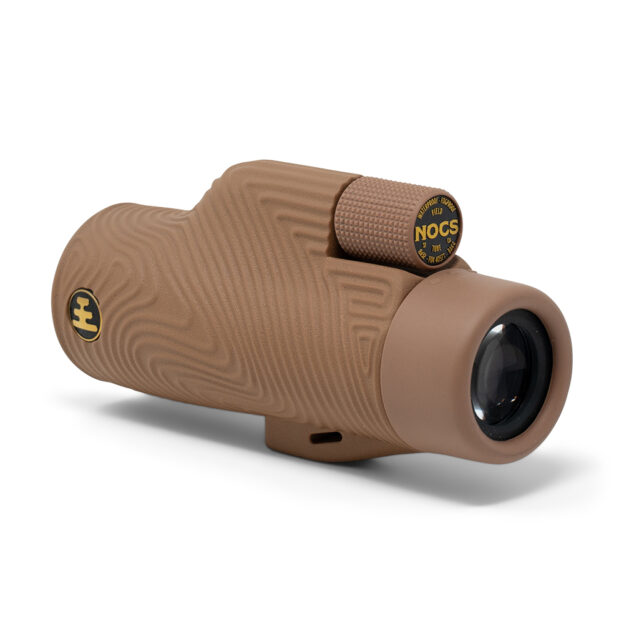
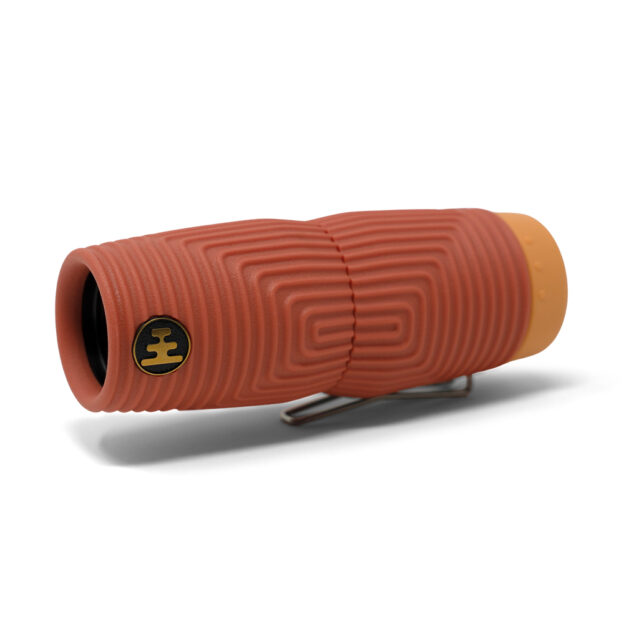
Not long ago, I was fortunate to be able to review my first monocular, the Nocs Field Tube 10X32. Today I’m happy to review Nocs’ next-generation monocular, the Zero Tube 10X25.
In past reviews, I have extolled the virtues of Nocs as a company (see this post and this post), and many of you have read of the excellent performance of the Pro Issue binoculars on Braden’s and my very wet recent trip to Costa Rica. With the Zero Tube, it’s clear Nocs is continuing to turn out great products with an ethical mindset, and in talking about this product, it’s perhaps most useful to compare it to their Field Tube that I reviewed earlier.
The first thing cost-conscious birders will notice is that the Zero lists for $179.95, a $50 premium to the Field Tube. Let’s take the Zero’s features one by one to see if it’s worth that extra fifty bucks.
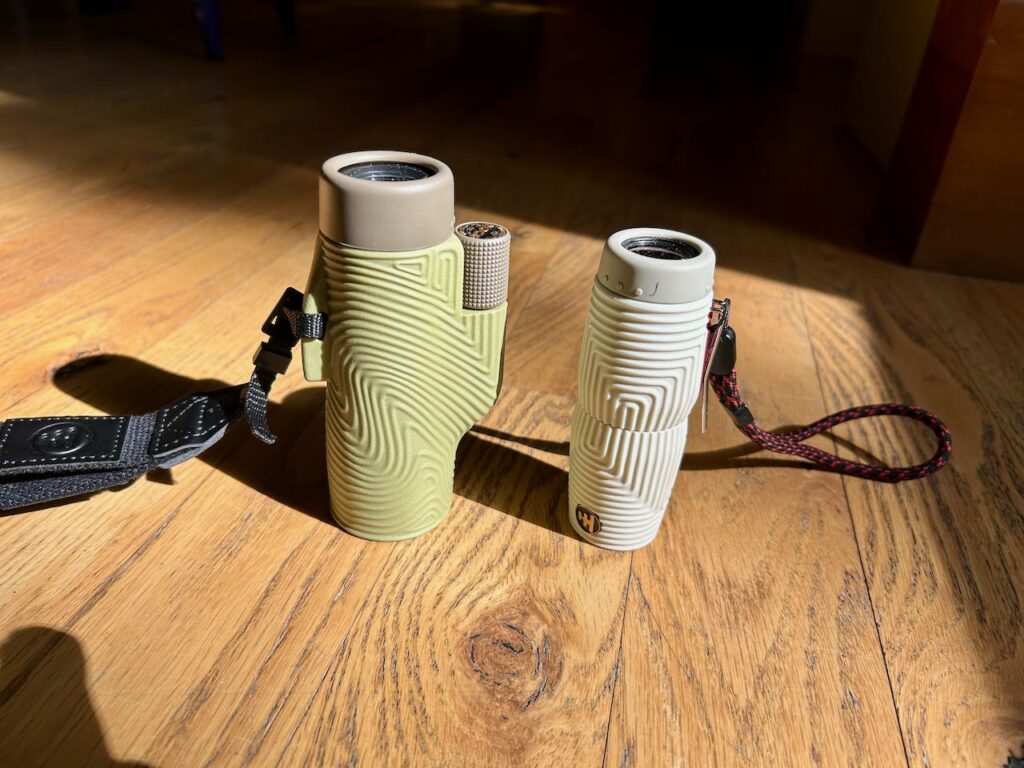
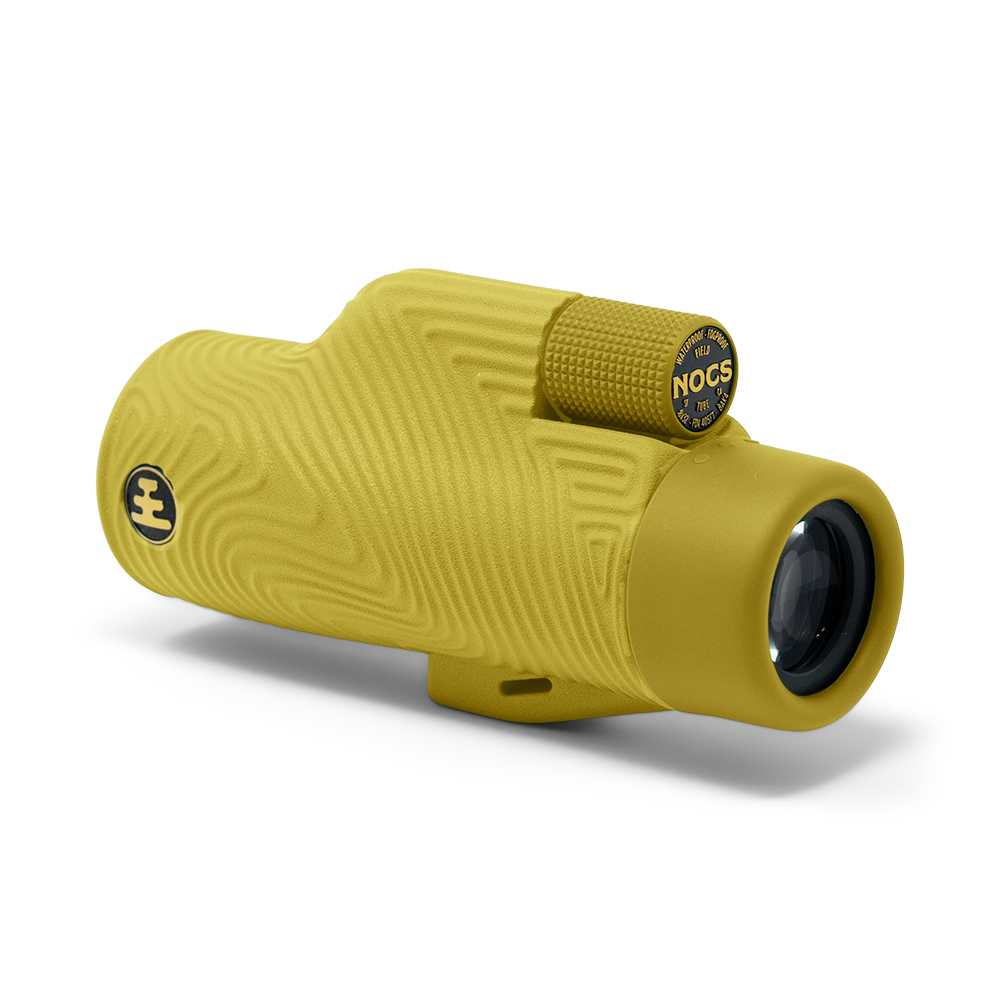
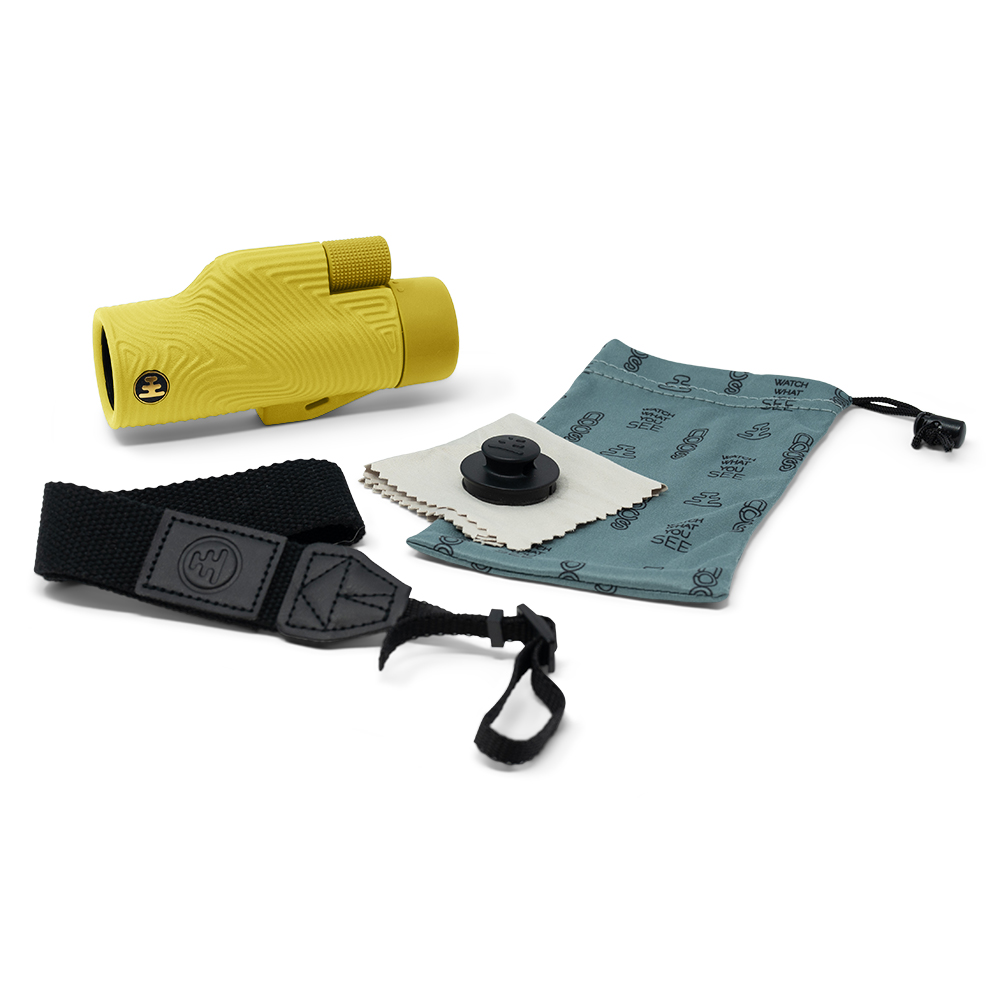
When reviewing the Field Tube, I was impressed by how small and portable it is—which is kind of the whole point of monoculars, verdad? Upon pulling the Zero Tube out of the box, I have to say that I was even more impressed and surprised by how much sleeker it is than the Field Tube! The Zero Tube measures 4.5 inches, a good half-inch shorter than the Field Tube. Better yet, while the Field Tube weighs a very modest 8.6 ounces with the wrist strap, the Zero weighs in at a minuscule 6.8 ounces. To give you an idea of how light that is, my wallet weighs 6.3 ounces—with my Costco card in it!
Like the Field Tube, the Zero Tube is waterproof and features a ridged rubber grip that even the muddiest, wettest hands will have no trouble hanging on to. Like its other products, Nocs provides the Zero Tube with a lifetime warranty—not to mention the fun styling the company is known for.
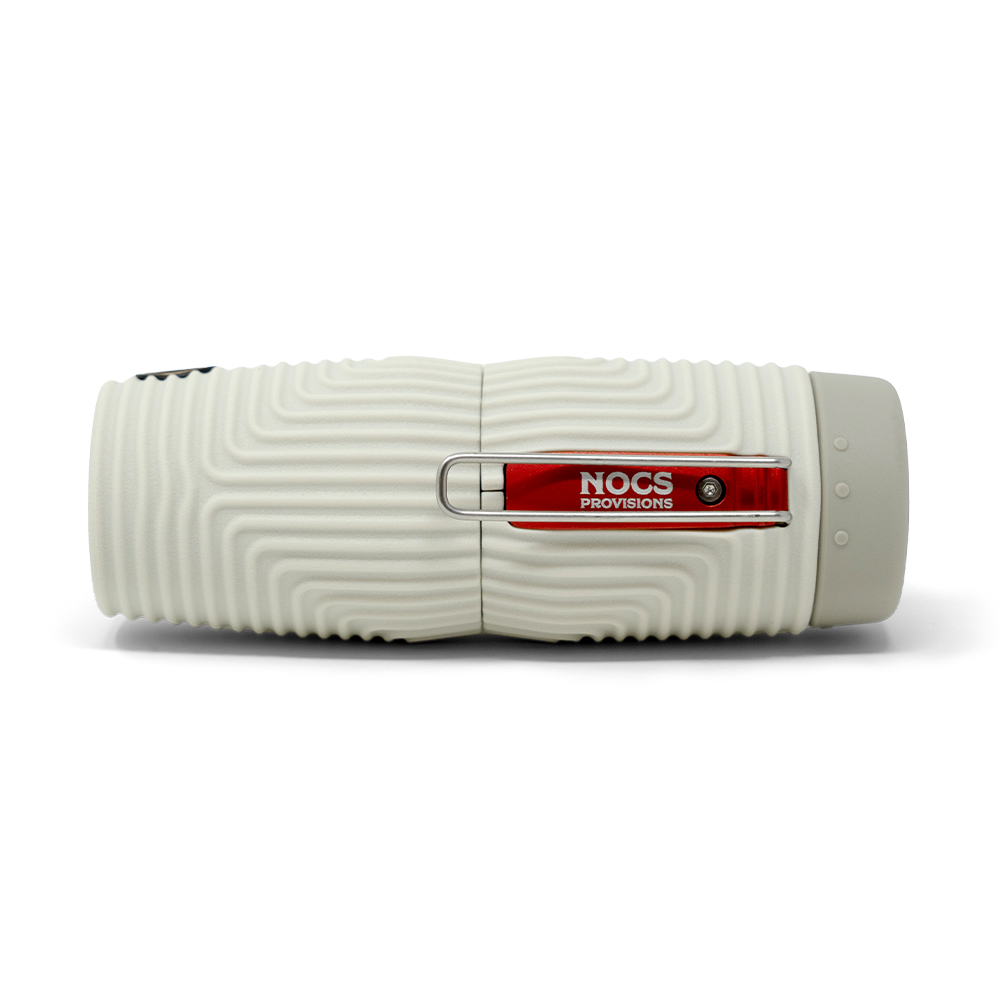
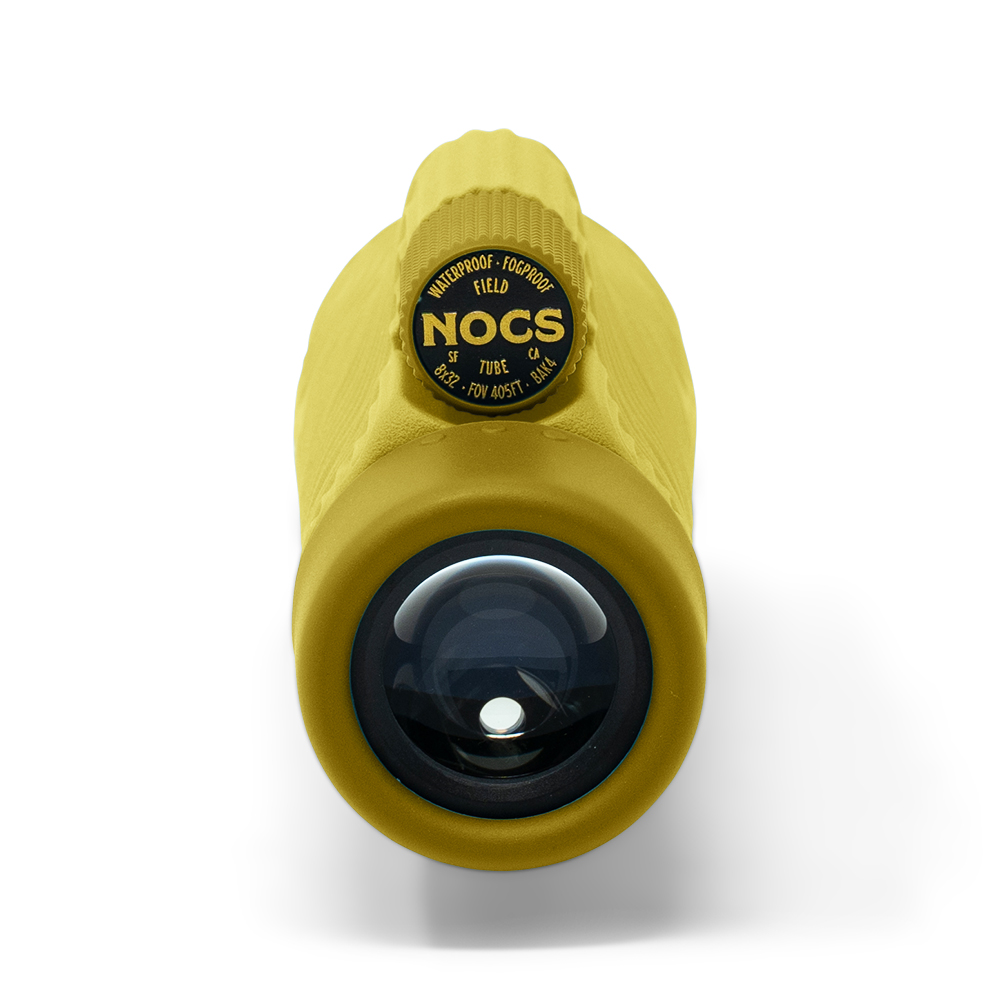
Setting the Field Tube and Zero Tube side by side, you’ll immediately note that the Field Tube features a focusing knob on top of the main tube while the Zero Tube has eliminated this. Instead, you focus the Zero by twisting the forward part of the tube. This keeps the Zero Tube from getting hung up on pockets and other compartments, making it truly easy to slip in and out for use. The only downside of eliminating the top focus knob is that the knob allows you to focus while holding the Field Tube in one hand. The Zero Tube pretty much requires you have both hands to hold and focus it. A huge improvement of the Zero Tube, however, is that you do not need to twist it nearly as far to bring it from near to far focus—an essential bonus for a birder.

Though I have not done this myself, digiscoping should be a cinch with Nocs monoculars, especially with the improved optics the Zero Tube provides.
Despite all of its other advantages, the best part of the Zero Tube is the sharpness and clarity of the image. Just last week, I let my friend Bruce experiment with the Zero Tube as we hiked some nearby trails and, really, he was having so much fun I was afraid he wouldn’t give it back! He focused the Zero Tube on some Western Bluebirds in a tree and remarked, “Wow, this really gives you a sharp look!” In my try-outs, I agree, and it’s clear that Nocs’ use of better optics in the Zero Tube has paid off big. To my mind, that alone easily justifies paying $50 more for this fine product.
Compact monoculars do come with some compromises. The most notable is their relatively narrow field of view—6.5 degrees for the Zero and 6.3 degrees for the Field Tube 10X32s. Still, and as I’ve stated before, they aren’t meant to replace binoculars, but to offer a convenient, compact alternative for travel and outdoor activities. If this is a niche that needs filling in your birding activities, you’ll be happy you picked up a Zero Tube.
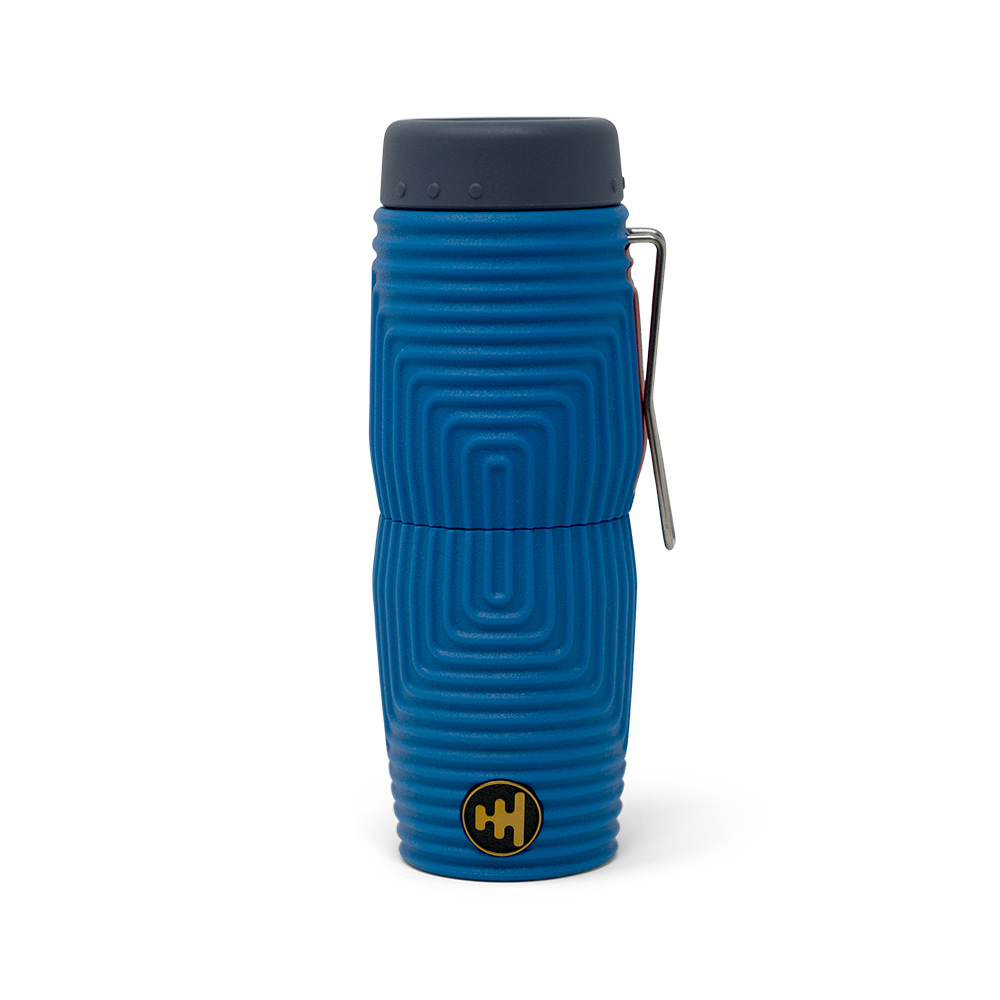
Photos (except where noted) and review equipment provided by Nocs.