Tag Archives: Colorado

Colorado’s Ute Mountain Mesa Verde Birding Festival (FSB Festival Report)

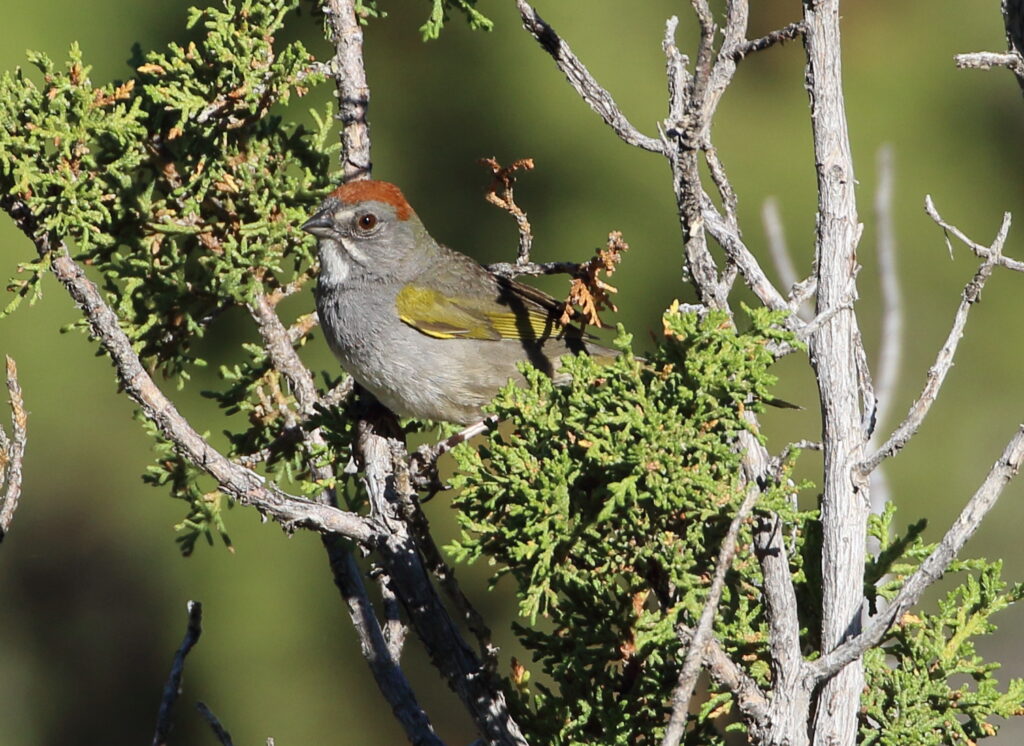
I hadn’t visited the Four Corners region of Colorado in sixty years, so when I got an email inviting me to keynote a birding festival almost literally in the shadow of Mesa Verde National Park, well, it took me about one wingbeat of a Broad-tailed Hummingbird to accept. The festival was the Ute Mountain Mesa Verde Birding Festival and why they chose me harkens back to last year’s blog post In Search of the Green-Tailed Towhee. Each year, the festival selects a different featured or mascot bird to help promote the fest, and the committee just happened to choose the GTTO (the bird, not the car) for 2026. After doing a quick web search, they found my blog—and the rest is history.

My invitation to the Ute Mountain Mesa Verde Birding Festival resulted from last year’s blog post In Search of the Green-tailed Towhee.

Well, not quite. I still, after all, had to attend the festival—and what a delight it turned out to be.

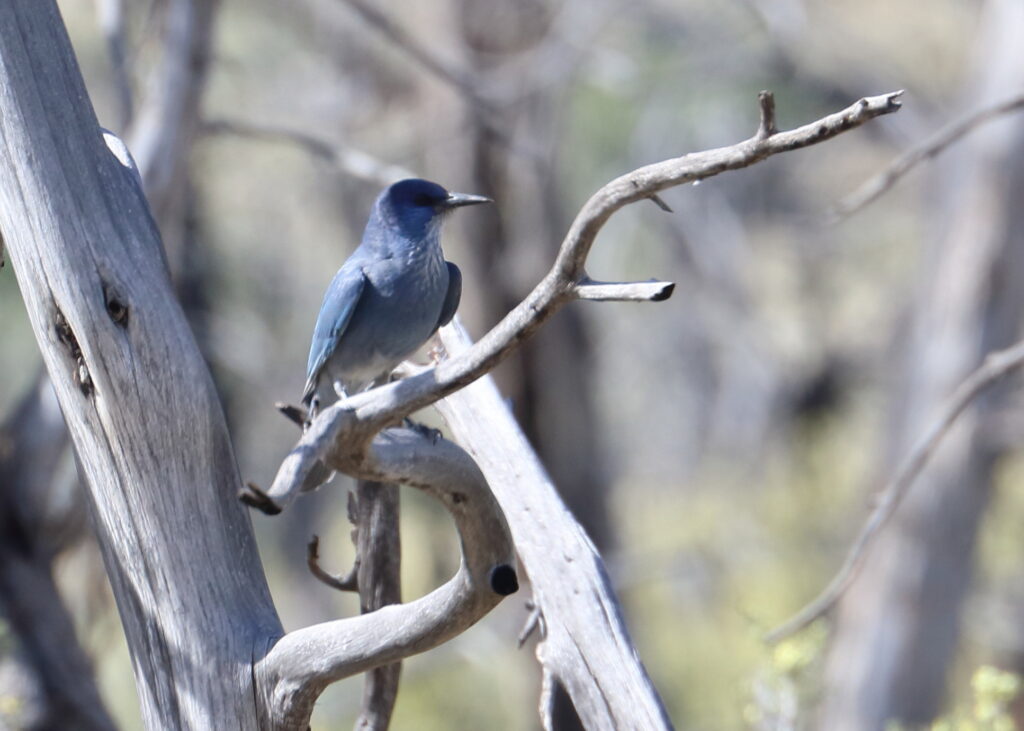
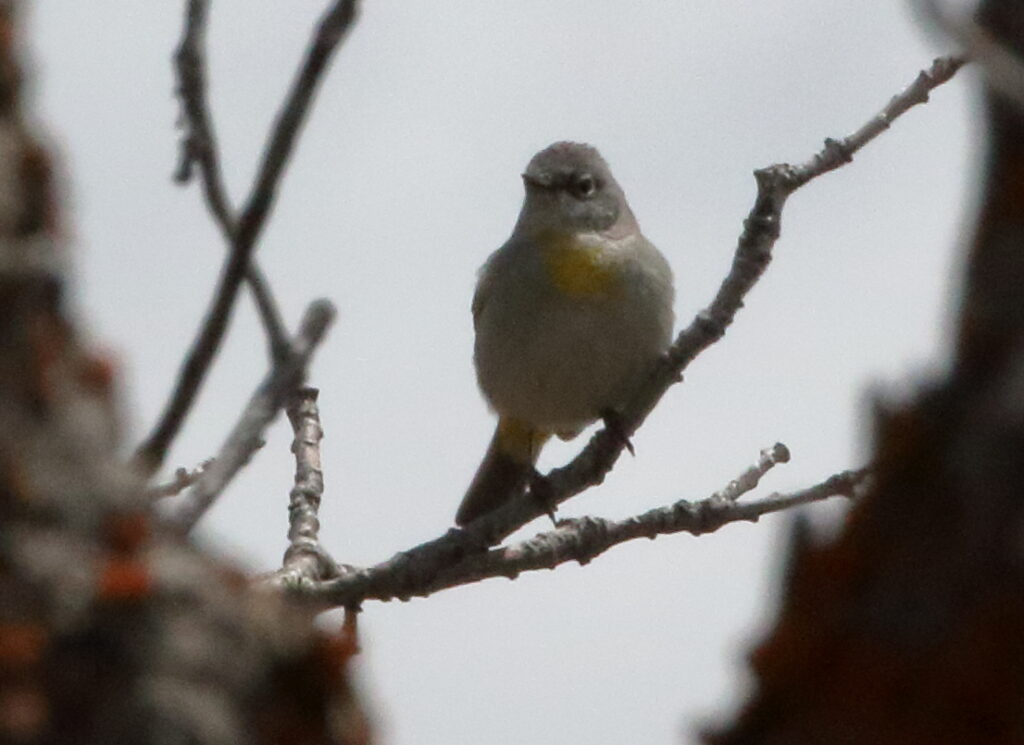
After being invited, the first thing I did was to look up what kinds of birds I might see. It was a good list, consisting of a nice mix of conifer forest, wetland, and sagebrush birds. What got me doing lizard push-ups, however, were the birds of the pinyon-juniper forests—what the locals refer to as the “PJ forest.” These birds included several species that are challenging to find in Montana such as Blue-gray Gnatcatcher, Gray Flycatcher, Pinyon Jay, and Green-tailed Towhee. Even better, it included a couple of potential lifers pour moi, especially Virginia’s Warbler and Gray Vireo.

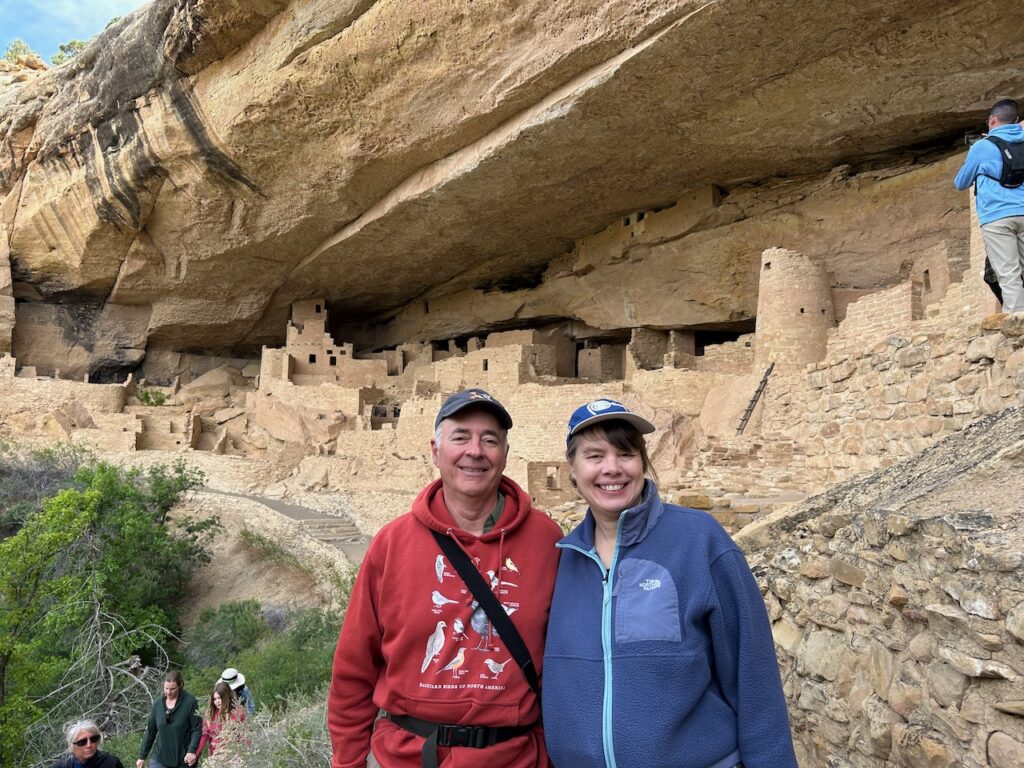
Having Amy along for the first few days helped make this trip extra special!

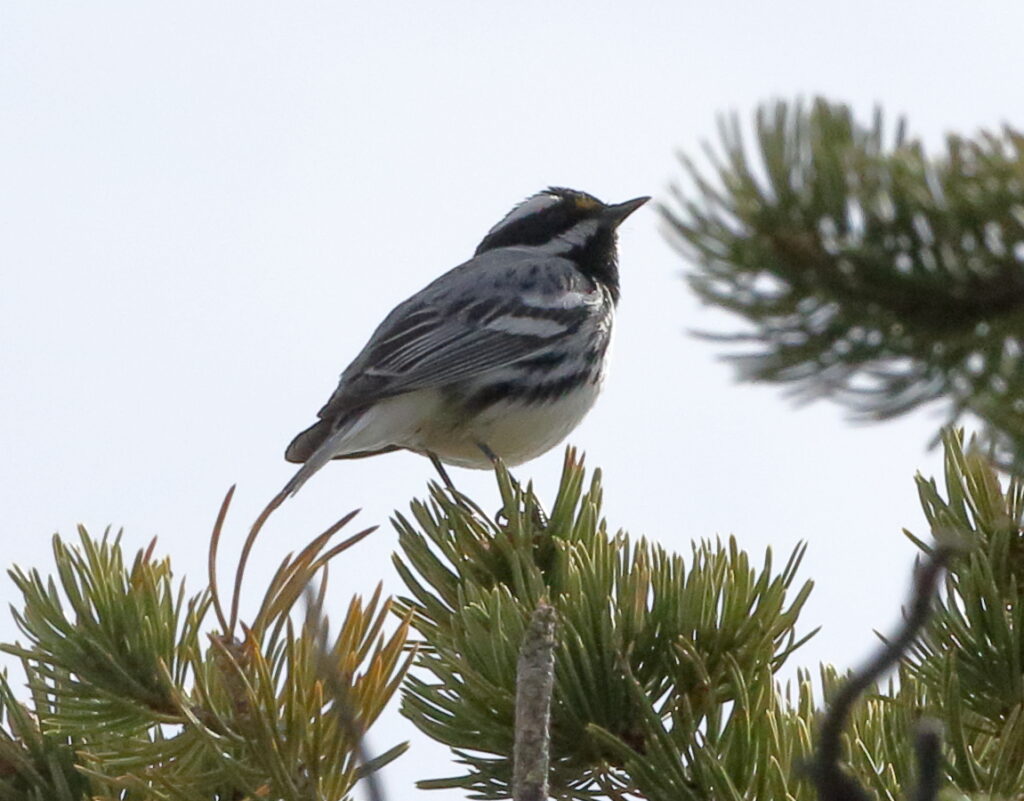
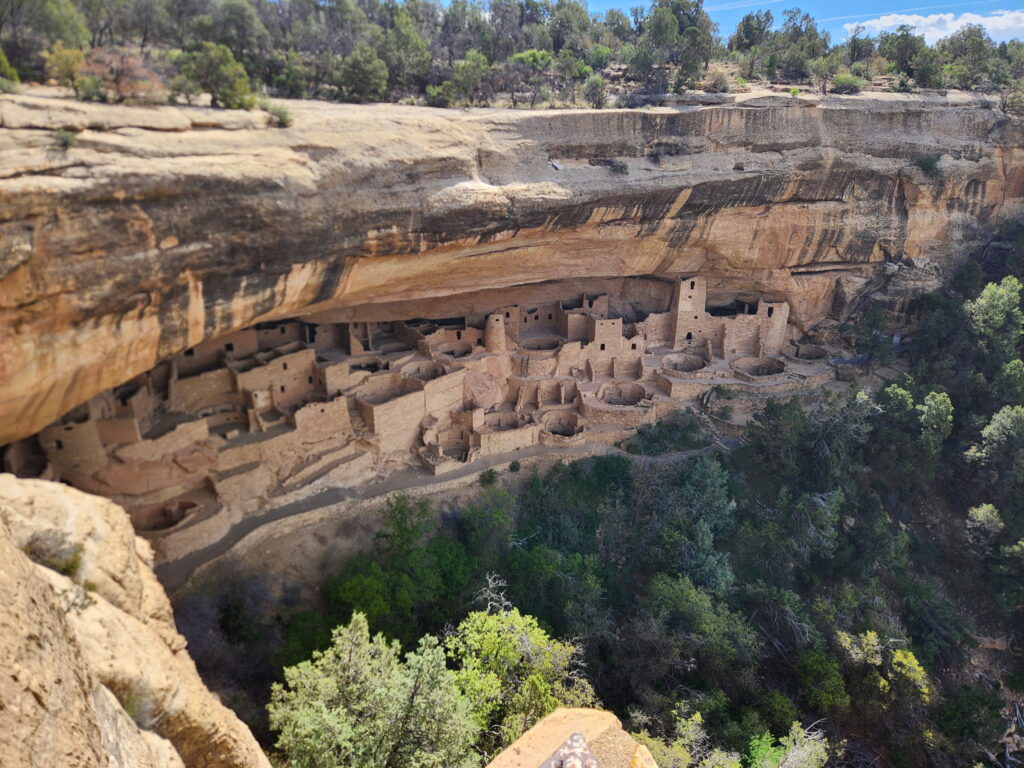
What made the trip even more exciting was that I convinced my wife Amy to fly down with me a couple of days early to explore Durango and visit Mesa Verde National Park—where we saw my first Black-throated Gray Warbler in eight or nine years and heard both Rock and Canyon Wrens right next to the famous Cliff Palace dwellings (see above photo)! Afterward, we took a delightful hike on the park’s Knife Edge Trail, and almost immediately Merlin’s Sound ID picked up one of my top trip targets: Virginia’s Warbler! It took only about five minutes to get a glimpse of this gorgeous little creature and as a bonus, the trip’s first Blue-gray Gnatcatchers joined it. Alas, Amy had to head home Wednesday, but that may have been just as well since three intensive days of birding lay ahead of me.

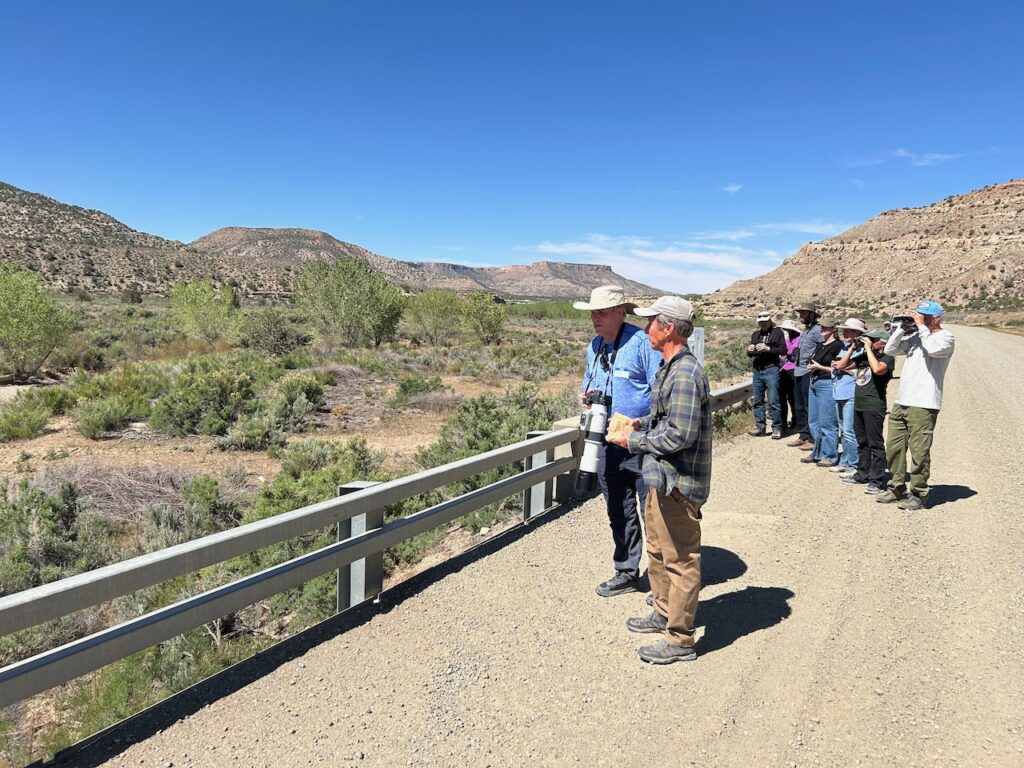
When you get invited to speak at a festival, it is common to be asked to “co-lead” field trips with local birders who are the real experts. Doing this may be the best part of the invitation, and I felt especially excited about the trips I had been assigned. The first, led by Mesa Verde’s Chief of Natural Resources, Paul Morey, took us into the little-known wilderness part of the park—a section along the Mancos River closed to the public. The river—a creek by Montana standards—led through spectacular groves of cottonwoods as well as PJ forest and sagebrush habitat, overlooked by the impressive main ridge of the park.

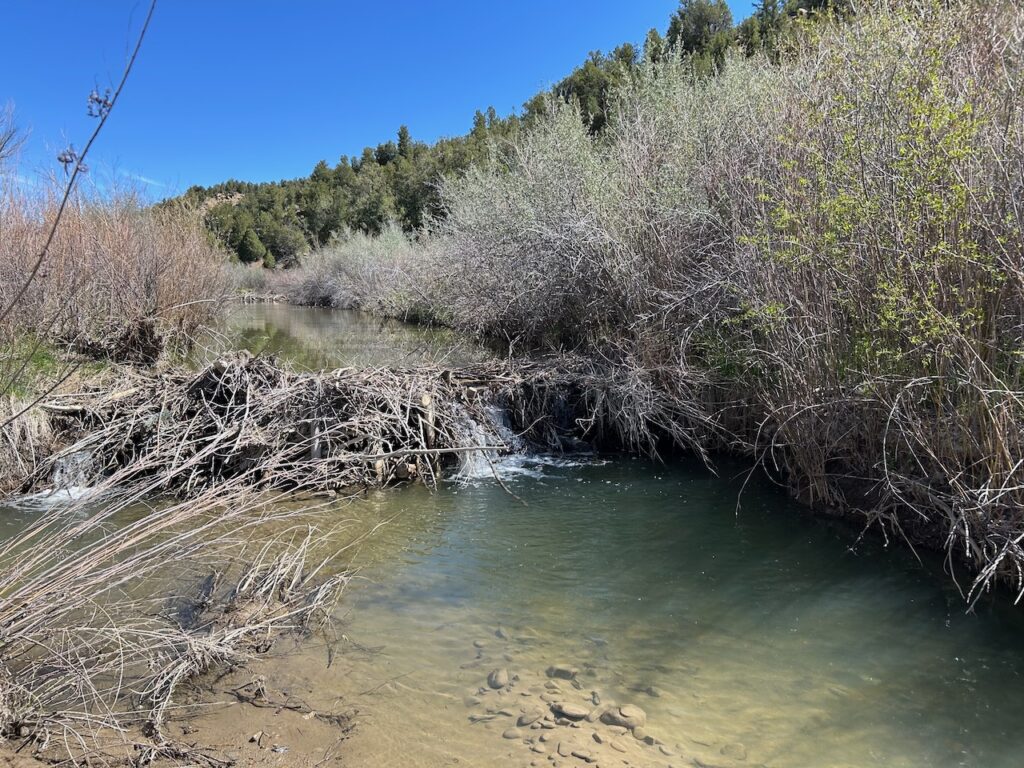
A special bonus of our Mesa Verde wilderness hike was getting to see the restoration work the park has been doing–including facilitating the return of beavers to the Mancos River. This has already improved water levels and sedimentation that the cottonwood gallery forest needs to thrive.

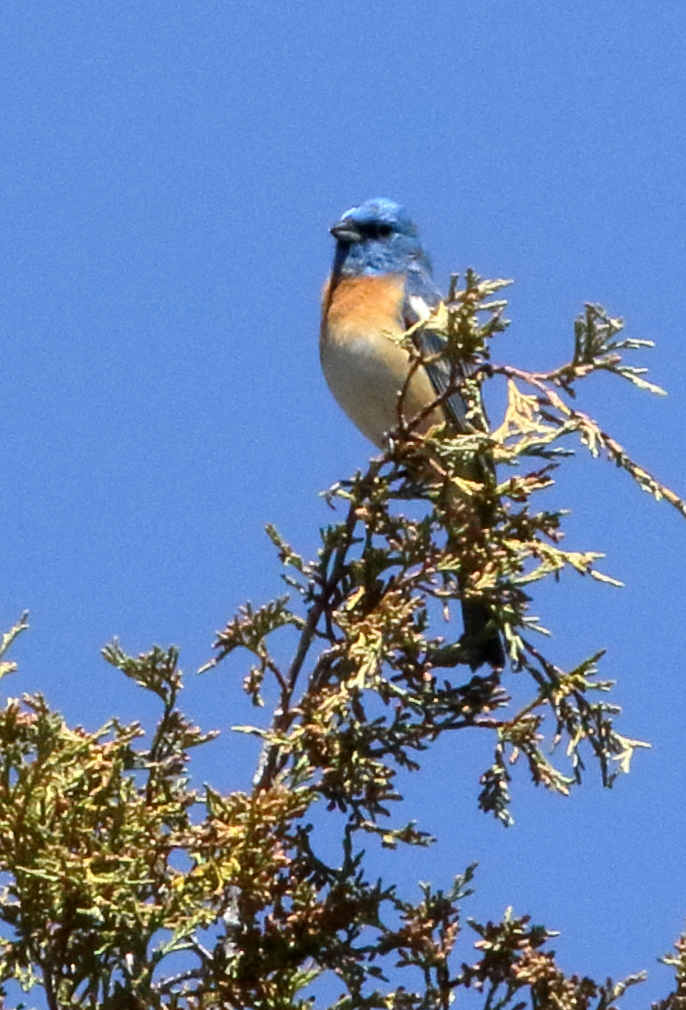
We got some nice surprises on our four-mile hike: Golden Eagles, Plumbeous Vireos, Lark Sparrows, more Virginia’s Warblers, and two Red-naped Sapsuckers. Lazuli Buntings and Yellow-breasted Chats earned crowd favorite honors, though the chats did their best to elude us visually until late in the hike. Another great thing about the trip, however, was getting to meet wonderful, bird-loving folks from all over the country—new friendships that would solidify over the next couple of days of birding.

Not surprisingly, Lazuli Buntings were one of the crowd favorites of our first-day group.

Friday’s trip took me to another place that had limited access—a downstream section of the Mancos River located in the heart of the Ute Mountain Tribal Park. To enter this area, you need to be on an official tour organized by the Tribe (see details here) and all I can say is “Do it!” I got an inkling of what we were in for as we passed the impressive Chimney Rock and entered the canyon itself. On both sides of us, incredible walls like giant Jenga constructions rose for miles upstream, the river threading through them as if nothing had changed for millennia.

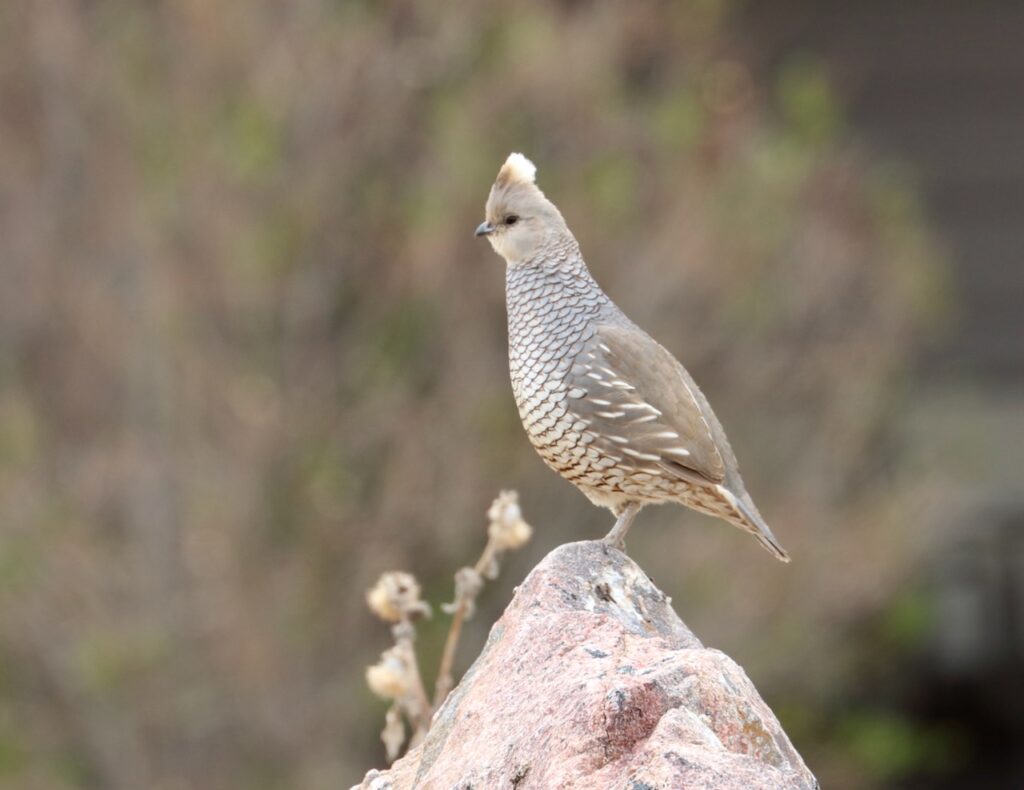
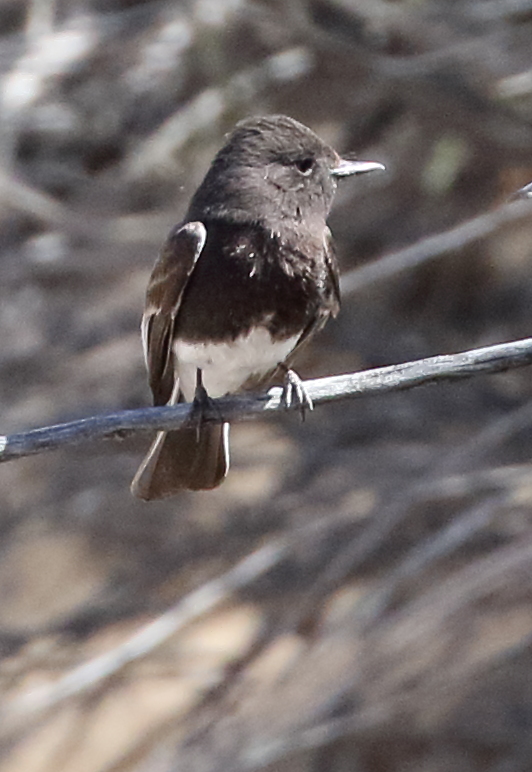
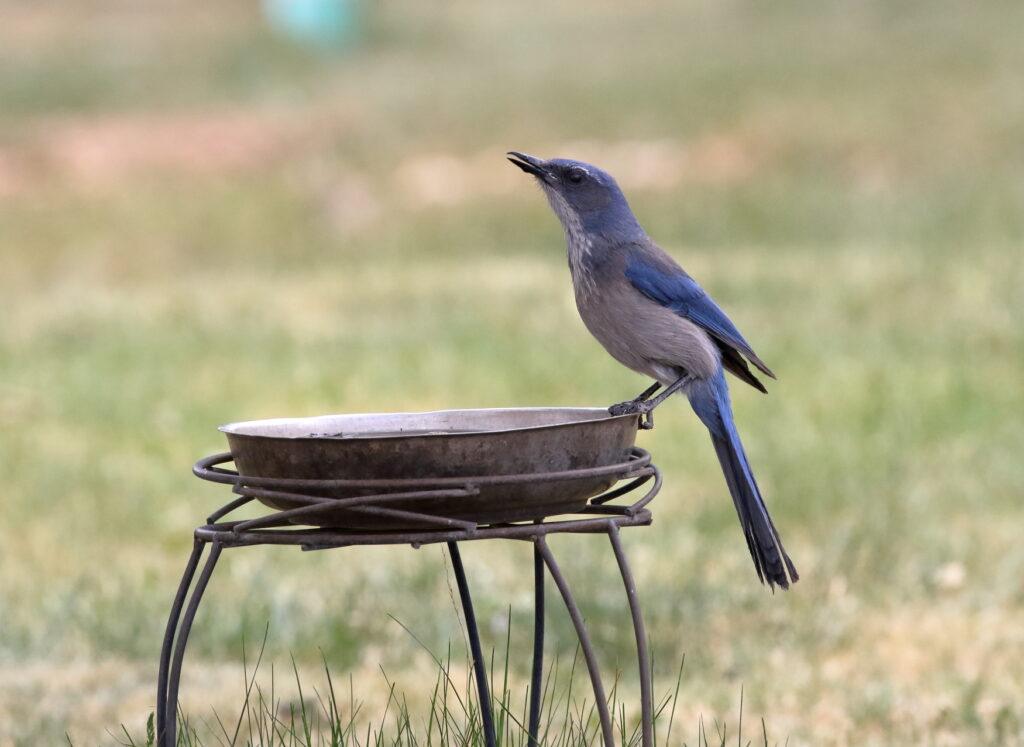
Don Marsh, our fearless leader, had us stop at many locations and the birds repeatedly surprised us. Almost immediately, we saw ten Western Tanagers moving together upstream, surely still in migration. Say’s Phoebes, Ash-throated Flycatchers, Lark Sparrows, and Woodhouse’s Scrub-Jays flitted between trees and bushes while more chats and Gambel’s Quail provided an alluring soundtrack.

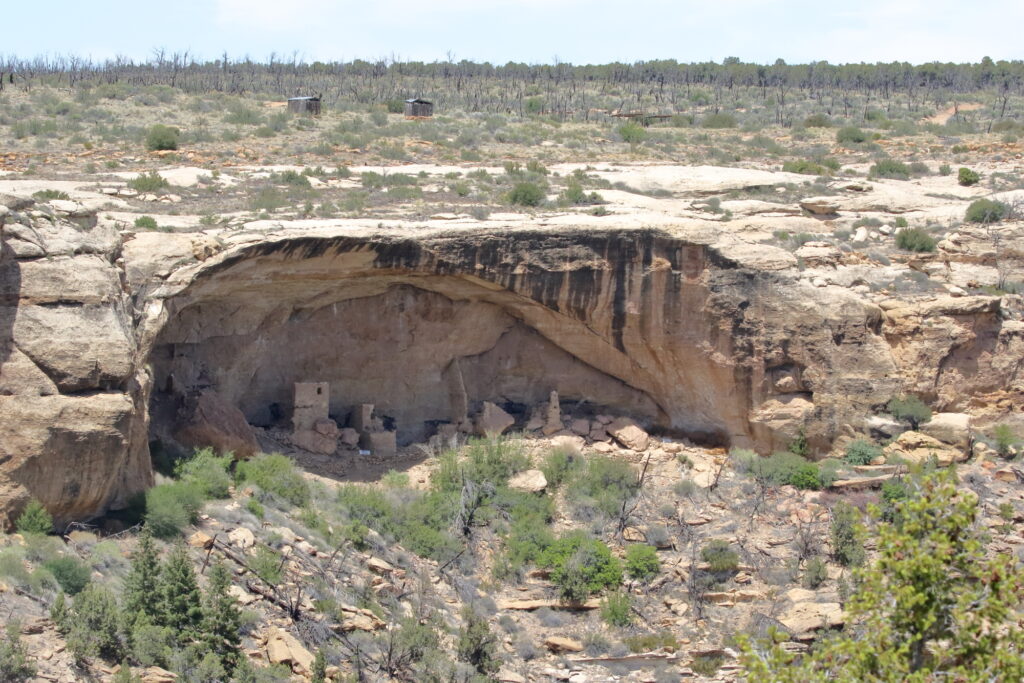
Most visitors to Mesa Verde don’t realize the remarkable number of Puebloan sites—thousands of them—that fill the area, including this spectacular cliff site in the Ute Mountain Tribal Park.

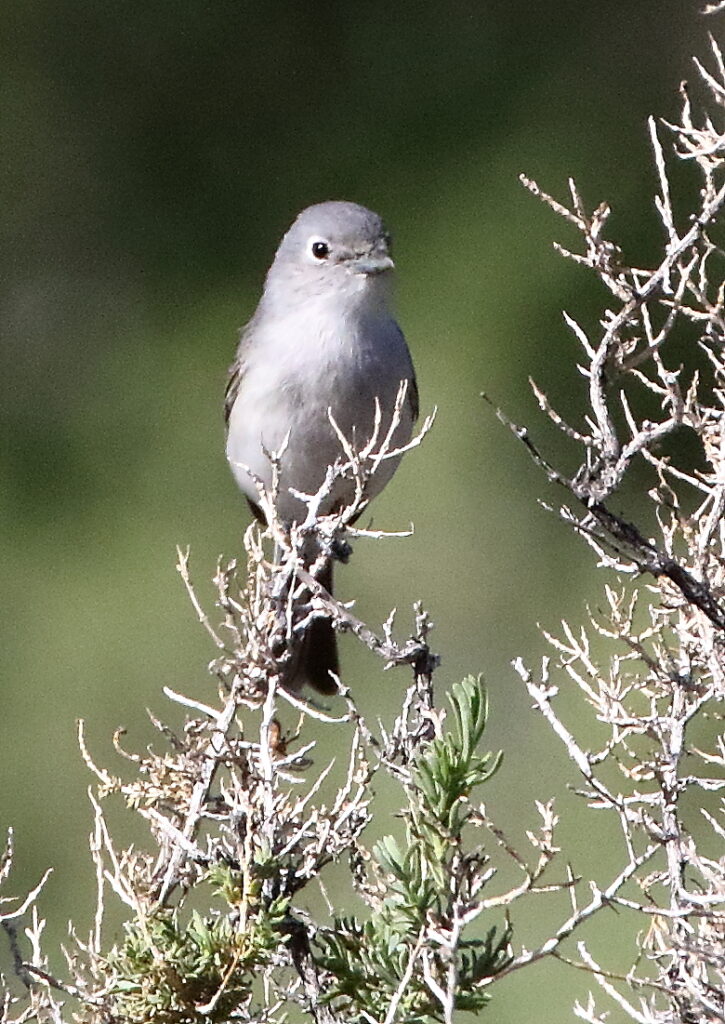
Don had been charged by festival organizer Diane Cherbak to find me my Number One Target Bird, Gray Vireo, and he set about this task with determination. On only our second or third stop, he said, “I hear one,” and for the next fifteen minutes, we doggedly tried to get a glimpse of it. The little bugger didn’t make it easy! We saw movement in bushes and others in our party shouted, “There it is!”—always a split-second late for me to see. FINALLY, the bird quit taunting us and popped up to the top of a bush where I got a lengthy, glorious glimpse of this drab, but thoroughly enchanting little bird! This trip also provided some additional adventures including a flat tire and a break to admire impressive cliff dwellings and petroglyphs few people ever get to see.

My top trip target bird did its best to stay out of sight before finally posing for a photo op. Thank you Gray Vireo—and Don, for finding this bird for me!

Saturday saw us in the good hands of Brenda Wright and Coen Dexter, two of the area’s top birders, as we explored the Canyons of the Ancients National Monument, a sprawling region northwest of Cortez. This was the heart of Pinyon-Juniper country and offered a wonderful mix of PJ forest, agricultural fields, Puebloan ruins, and yet more stunning canyons. On our explorations, we saw yet another Gray Vireo along with Brewer’s Sparrows, Cassin’s Kingbird, Juniper Titmice, both Sora and Virginia Rail, and perhaps the day’s highlight, a pair of mating dark morph Swainson’s Hawks! Fittingly, our last new species of the day here was the festival’s featured bird, a Green-tailed Towhee that I saw dive into a bush and stuck around long enough for everyone to see it.

Woodhouse’s Scrub-Jays greeted us every day of the festival—incredibly adaptable birds that I had seen only twice before.

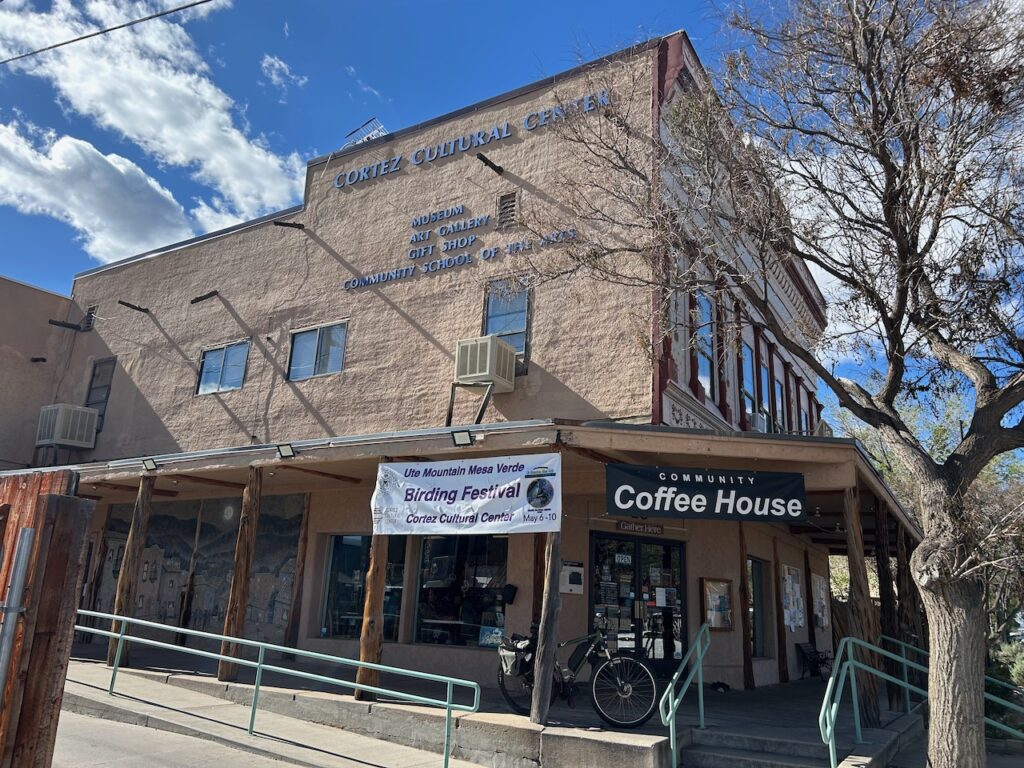
I honestly felt sad to leave this amazing festival in a remarkable part of the world—and I encourage you to give it a try. The festival offers more than twenty tours over its five days and has some of the friendliest people I’ve met anywhere. Both Durango and Cortez are fun towns to explore and hang out in, and both offer great Mexican food, fun shopping, and other cool activities. Speaking of food, a wonderful local caterer creates some of the yummiest “field lunches” I’ve ever had—so yummy that I usually ate them by 9 or 10 o’clock each day. Best of all, the festival is for a good cause, being the main fundraiser for the Cortez Cultural Center.

For more information, check out the festival website: https://utemountainmesaverdebirdingfestival.com/

I certainly hope it’s an event I’ll return to one day.

My Colorado eBird Trip Report: https://ebird.org/tripreport/519560

The Ute Mountain Mesa Verde birding festival is the major fundraiser for the Cortez Cultural Center each year. The center’s mission is to “provide programs that enrich the lives of our community and its visitors by increasing cultural awareness, promoting the arts, and educating about the area’s history, diversity and natural environment.”

Birding Festivals of the West 2026!

As April proceeds apace, it’s time to greet our spring birds with the word “Tadaima!”—Japanese for “Welcome Home!” However, it’s also an excellent time to finally do something you may have contemplated for years: attend a birding festival!

Never fear, it’s not too late. Particularly as recent geopolitical events make you rethink vacationing in Paris or visiting the Egyptian pyramids, birders have the chance to seize opportunities on our very doorstep. During the past few years, Braden and I have participated in a number of birding festivals and they have always been huge fun. They have allowed us to explore places and see birds that we never imagined, and connect with great birders from all around the world. Pick up a copy of BWD or Birding and you’ll see that there are literally dozens of birding festivals to choose from throughout the year. Today, I’d like to focus on three in the West that I’ll be participating in—and that you may want to consider for yourselves.

The Ute Mountain Mesa Verde Birding Festival, Cortez, Colorado, May 6-10

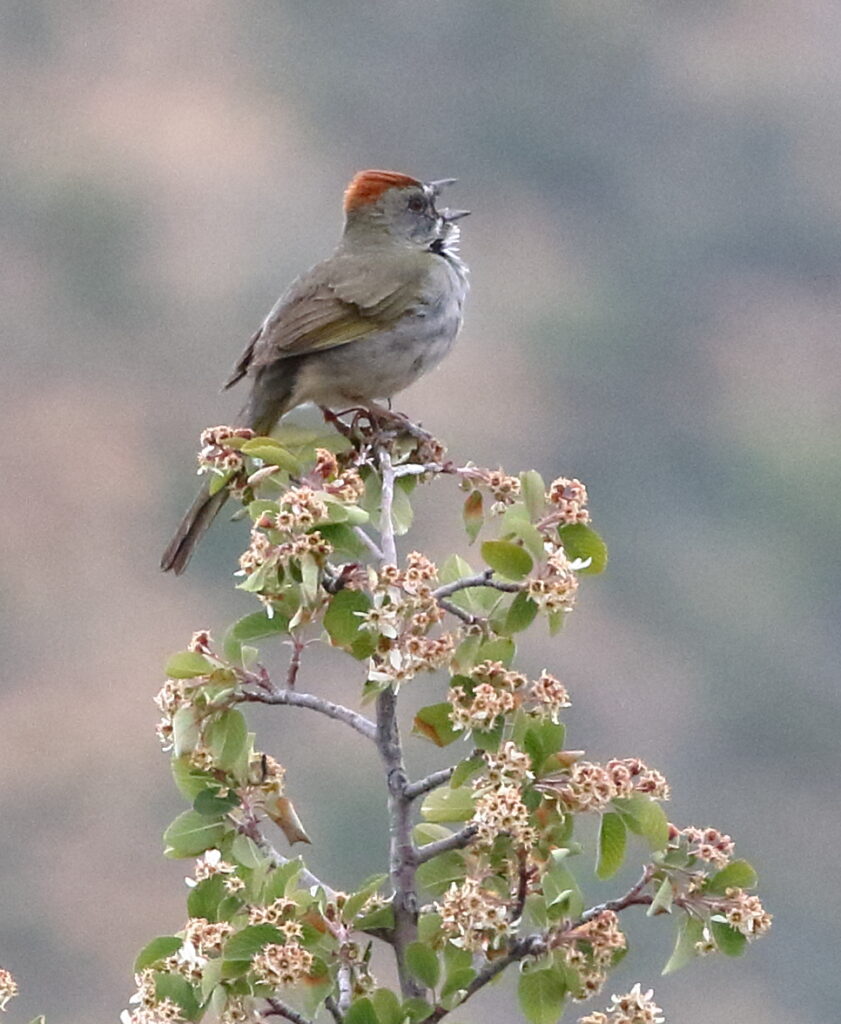
In just three weeks, I’ll be traveling to the Ute Mountain Mesa Verde Birding Festival in Cortez, Colorado, which runs from May 6 to May 10. Fun story: I was invited to this year’s festival because of a blog post I wrote last summer called In Search of the Green-tailed Towhee. The UMMV organizing committee happened to have chosen that bird as this year’s “mascot” and when they read the blog, Voila!, they invited me to give the keynote!

The charismatic Green-tailed Towhee is this year’s featured bird at the Ute Mountain Mesa Verde Birding Festival—but is only one of the cool specialties participants are likely to see!

Now I’ll admit that I’d never considered birding southwest Colorado, but as I delved into the various field trips, I grew more and more excited. The variety of birds and habitats in this part of the country is fabulous and includes many species that can be a challenge to see elsewhere. 180 species have been observed at the festival including waterfowl, shorebirds, raptors, and songbirds. Most exciting to me are the Southwestern birds I rarely get a chance to see including Black-throated and Sagebrush Sparrows, Gray Flycatcher, Woodhouse’s Scrub-Jay, Scaled Quail, Sage Thrasher, Virginia’s Warbler, Juniper Titmouse, and at top of my list, Gray Vireo.

The Ute Mountain Mesa Verde Birding Festival not only offers up great birds, but a chance to explore some of our nation’s most iconic scenery and cultural sites, including Mesa Verde National Park.

What really sets this festival apart is the chance to bird while exploring some of the most breathtaking scenery in America. Think dramatic canyon country like Mesa Verde National Park (see photo above) and Ute Mountain Tribal Park. This Four Corners region is loaded with archaeological sites and a unique culture found nowhere else in the world, and just begs to be explored. In fact, my wife and I are going down a couple of days early to do just that. To get there, we’re flying into Durango and renting a car. If this intrigues you as much as it intrigues us, do check it out! https://utemountainmesaverdebirdingfestival.com/

Wings Across the Big Sky, Kalispell, Montana, June 12-14

This will be Braden’s and my fourth time participating in our home state birding festival, and we couldn’t be more excited. One of the things that makes this festival special is that it travels to different parts of the state each year, allowing birders to explore Montana’s extensive variety of habitats and birds. Braden and I are leading two field trips, including one to the CSKT Bison Range, but all of the trips offer a surprising wealth of bird life. Montana is especially known for its raptors and grassland birds, but most people don’t realize that it’s a great place to see waterfowl and songbirds, too.

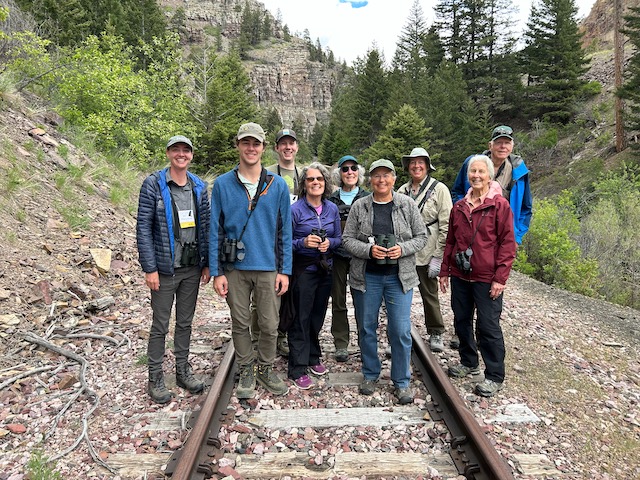
Just one of dozens of field trips at the 2024 Wings Across the Big Sky festival, including trip leaders, field biologist Hilary Turner (far left) and Andrew Guttenberg (third from left). And yes, that’s Braden towering over Hilary on the left!

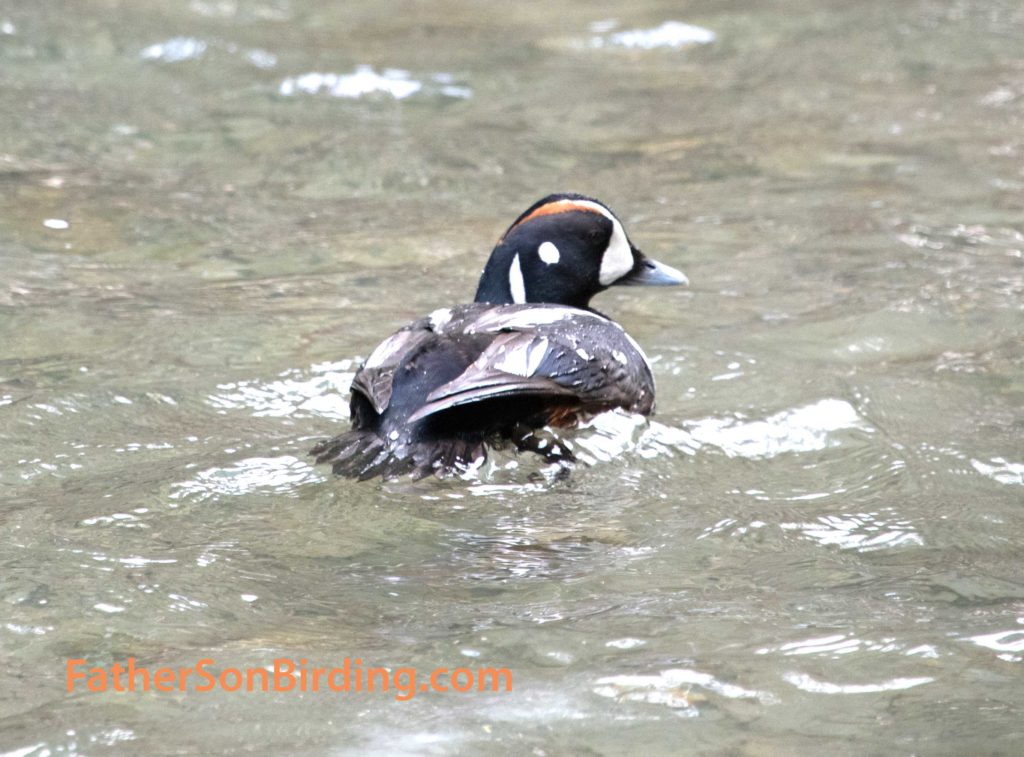
If you’ve never visited Montana before, I highly recommend the field trips to Glacier National Park. At least ten kinds of warblers can be found in the park, along with four kinds of chickadees (think Boreal Chickadee), and three kinds of grouse, including Spruce Grouse. The park is especially known for breeding Black Swifts, Harlequin Ducks, Common Loons, and American Dippers. Again, you might just want to come a few days early to explore on your own!

Glacier National Park may be the best place in the Lower 48 to score breeding Harlequin Ducks! Braden and I saw this one, our lifer, on our very first Wings Across the Big Sky festival!

Glacier, though, is not the only draw to this part of Montana. Flathead Lake is the largest natural freshwater lake in the West and hosts a great variety of birds along its shores. The Mission Mountains are truly one of the most spectacular and little-known mountain ranges in the Lower 48, and several field trips will explore the grasslands and wetlands of the Mission Valley. Passionate local trip leaders and Montana hospitality will ensure that you make this festival a regular part of your birding calendar.

For complete information, click here: Wings Across the Big Sky

Southeast Arizona Birding Festival, August 12-16, Tucson, Arizona

The Southeast Arizona Birding Festival has built a reputation as one of the nation’s premier birding festivals, and so when I was invited to speak and co-lead field trips at this year’s festival, I couldn’t have been more thrilled. Of course, the first thing you’re probably asking yourself is “Arizona? In August???” I did, but believe it or not, this is one of the best times to bird the Grand Canyon State.

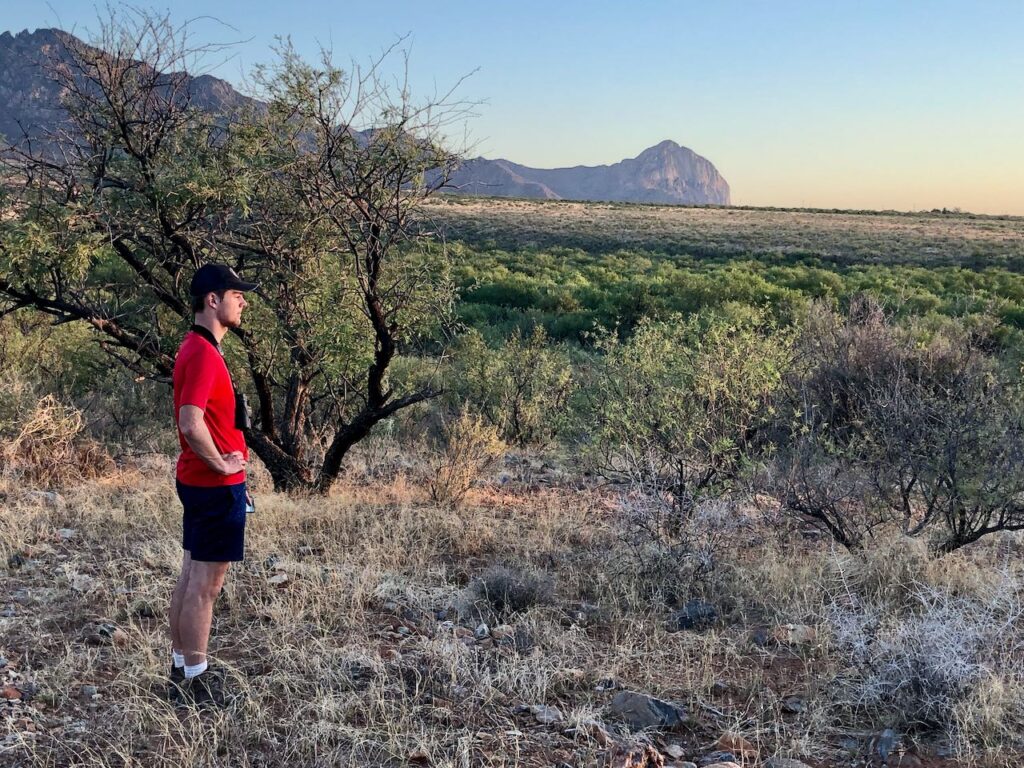
Braden contemplating a glorious sunset near the mouth of Madera Canyon—one of the field trips I’ll be co-leading during the SE Arizona Birding Festival.

Braden and I have been lucky to bird Arizona several times. See our posts “Portal Dreaming” and “Trogons and Border Walls.” One thing that always amazes us is the variety of habitats that can be found there, including wetlands, saguaro forests, and incredible canyons. Of special note are the region’s sky islands. These are mountains and mountain ranges that rise steeply out of the desert to altitudes of over ten thousand feet. Climbing up them, you quickly transition from desert through a variety of habitats, culminating with conifer forests at the top.

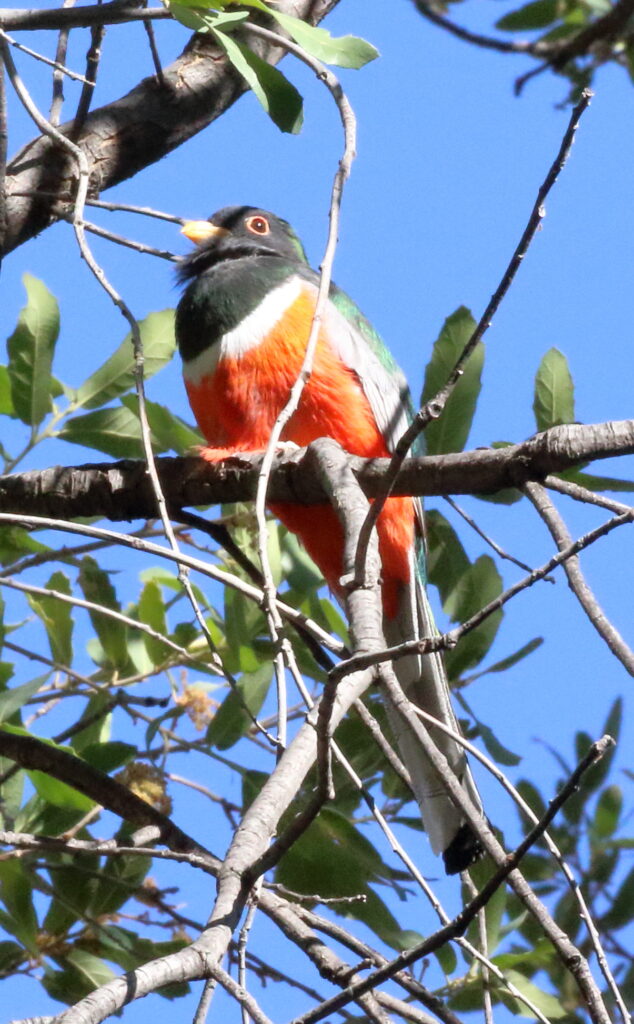
While many people travel to Arizona specifically to see the Coppery-tailed (formerly Elegant) Trogon, Arizona offers an unparalleled diversity of other specialties to US birders.

Sky islands not only provide welcome relief from Arizona’s summer valley heat, they offer an astounding variety of birds, many of which cannot be found anywhere else in the US. On our 2022 trip to Arizona, Braden and I nabbed life bird after life bird including Coppery-tailed (formerly Elegant) Trogon, Red-faced Warbler, Olive Warbler, Scott’s Oriole, Five-striped Sparrow, Mexican Whip-poor-will, and many more.

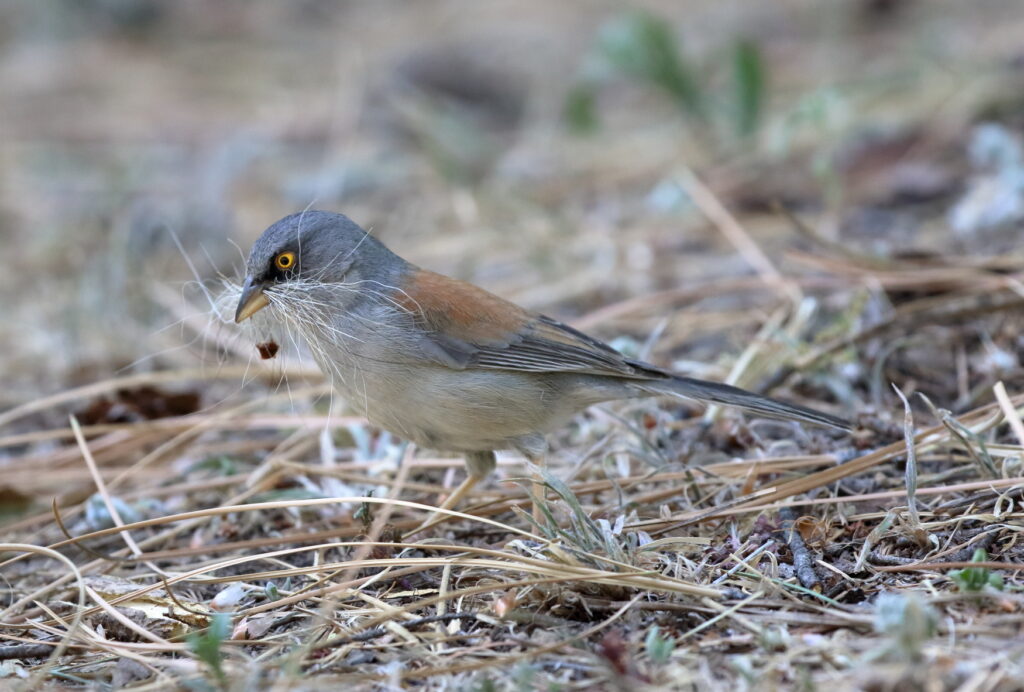
Yellow-eyed Juncos are just one of the many specialty birds that can be found in Arizona during the upcoming birding festival.

In addition to speaking at this year’s festival, I will be co-leading field trips to both Madera and Ramsey Canyons—two of my favorite places I have ever birded. But my buddy Roger and I are flying down a few days early to bird on our own. Registration for the festival begins on April 28, and if you’re interested, I wouldn’t hesitate to get on the website that day to reserve your preferred trips. The festival headquarters hotel, the Tucson Doubletree, is having some reservation issues, so you may want to call them directly as soon as possible to book a room.

SE Arizona Festival Link: https://tucsonbirds.org/festival/

So that’s it for this Festivals of the West post. We hope it has inspired you to give a birding festival a try. If the above festivals are out of reach, look into a local festival near you. For a list of festivals nationwide, check out Cornell’s All About Birds website. We can almost guarantee you’ll be glad you did! And if you spot me at one of the above festivals, please come and say Howdy!

If you’re enjoying FatherSonBirding, please consider subscribing by filling out the box in the column to the right. We won’t ever sell or give away your information and you can unsubscribe at any time. And do feel free to share this blog with others or link to it—but please contact us for any other uses! FatherSonBirding is written by REAL PEOPLE, and if you’d like to support our work, please also consider buying *new copies* of some of Sneed’s books, also shown in the column to the right.