All posts on FatherSonBirding are written and photographed by REAL PEOPLE.
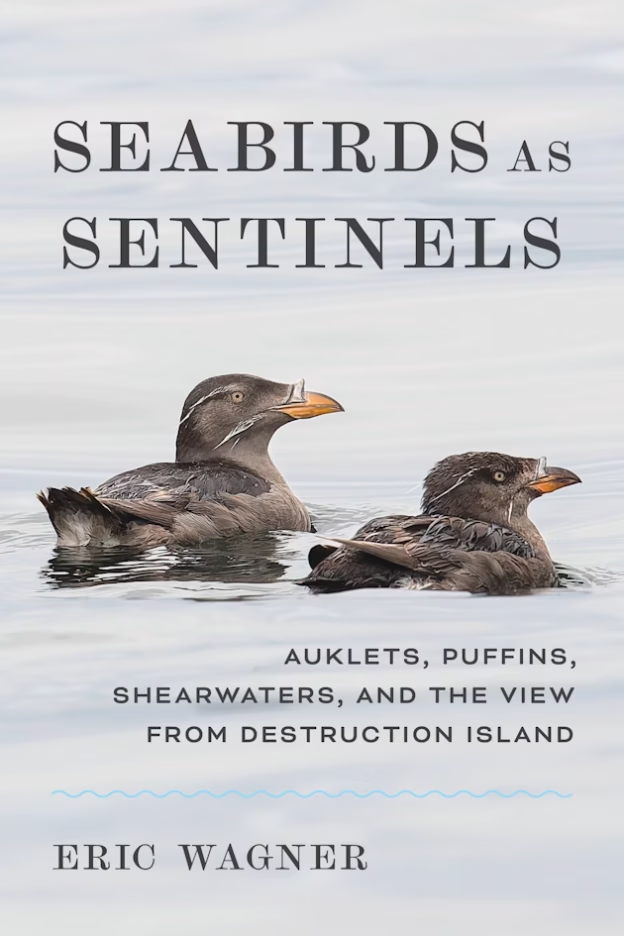
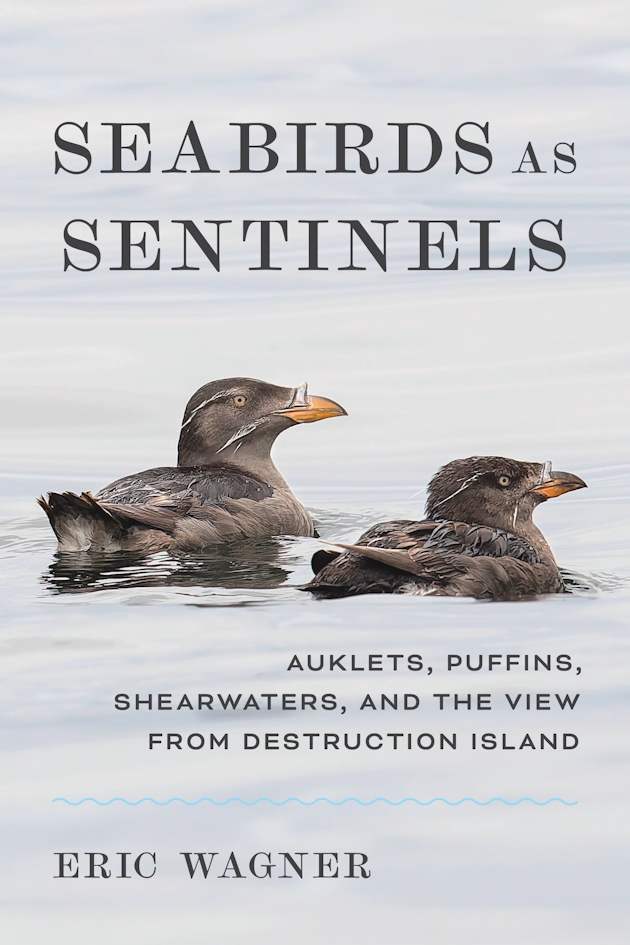
I love living in Montana, but it has one huge drawback: no ocean. This has a particular impact on me and Braden because while we do get a fair number of shorebirds breeding in and passing through the Treasure State, we almost never have the opportunity to observe, study, and enjoy seabirds. You can therefore understand my particular interest in reading Eric Wagner’s new book, Seabirds As Sentinels: Auklets, Puffins, Shearwaters, and the View from Destruction Island (University of Washington Press, 2026).
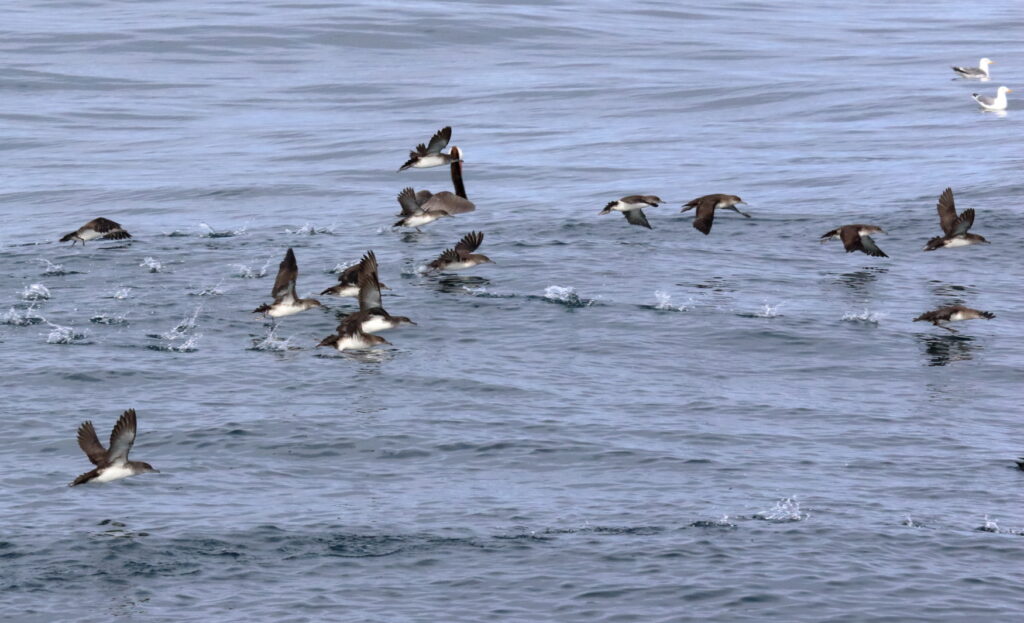
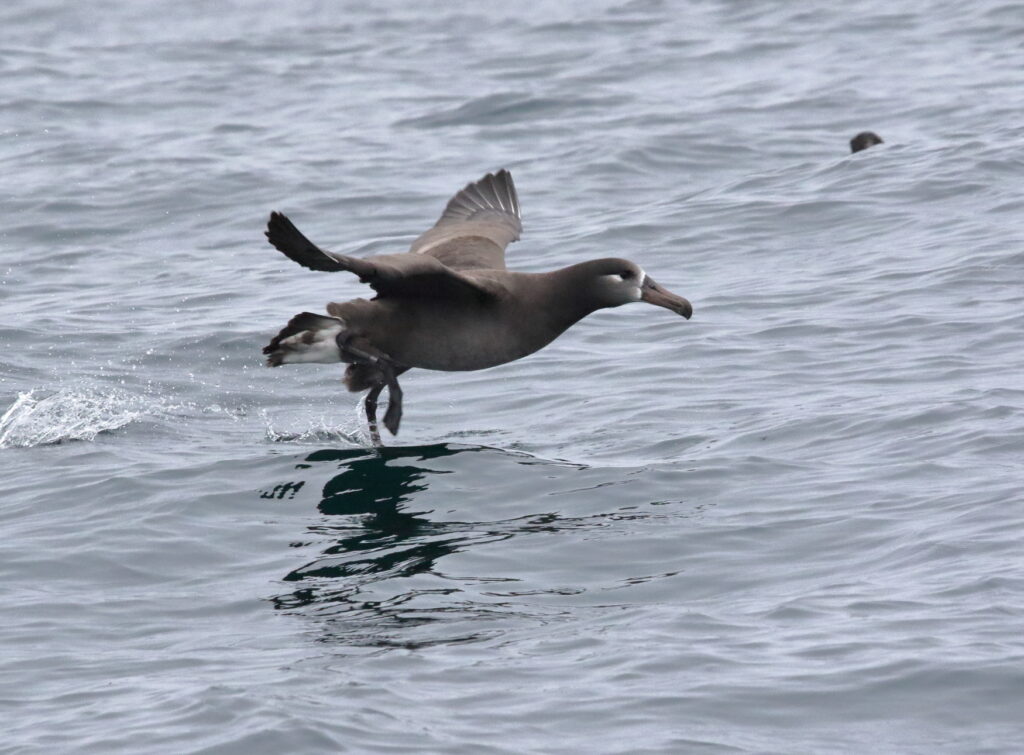
For me and many other birders, seabirds—also referred to as pelagic birds—are almost magical. Not only do they have incredible adaptations to live in what is arguably the world’s harshest environment, they are difficult, if not impossible, for most of us to watch. Loyal FSB readers will recall Braden’s and my account of our pelagic bird cruise during the San Diego Birding Festival (see post San Diego Seabirds). These and a precious few other puke-filled outings gave us rare opportunities to view shearwaters, murres, guillemots, and even albatrosses. Unfortunately, our time with these birds has been altogether too brief—a situation not likely to change anytime soon.
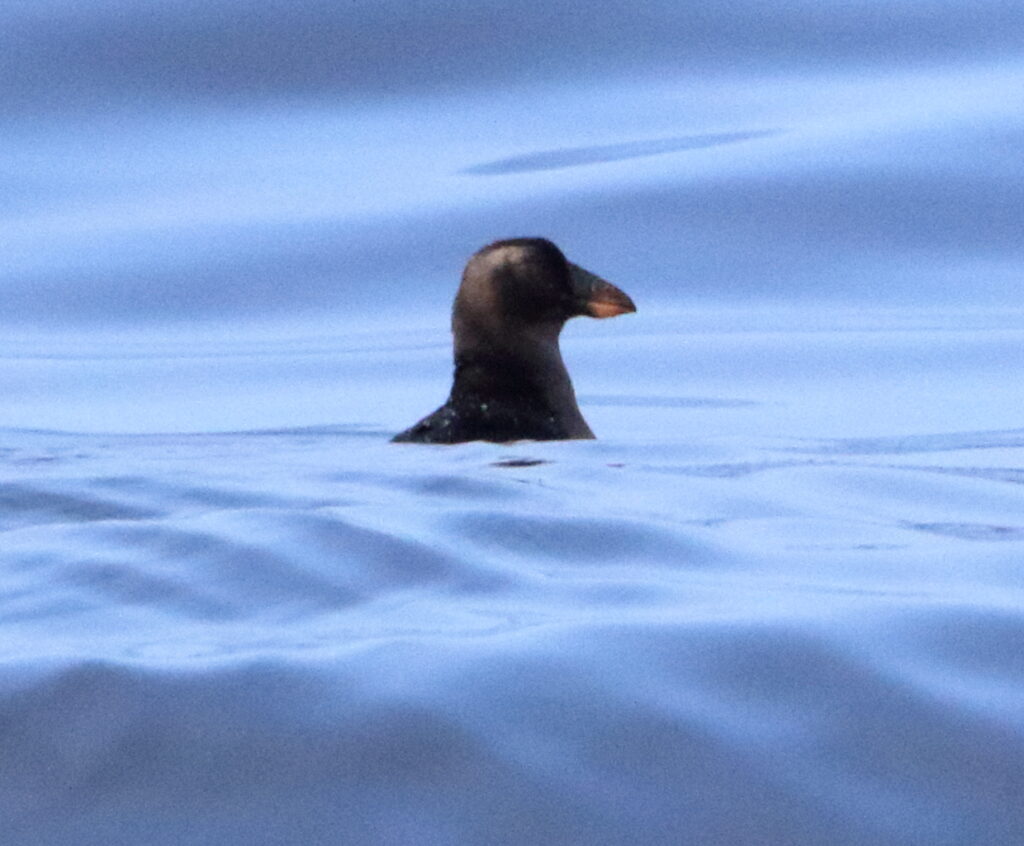
One of the real delights of Eric Wagner’s book is that he gives readers the chance to hang out with nesting Pacific Northwest seabirds, especially the Rhinoceros Auklet. Before reading Seabirds As Sentinels, I had seen Rhinoceros Auklets a couple of times, but had no idea where they bred. One answer, it turns out, is on certain islands off the coast of Washington and British Columbia. Wagner devotes a good portion of the book documenting scientists’ efforts to tag and learn about these birds as they nest on Destruction Island, only about three miles off the coast of the Olympic Peninsula.
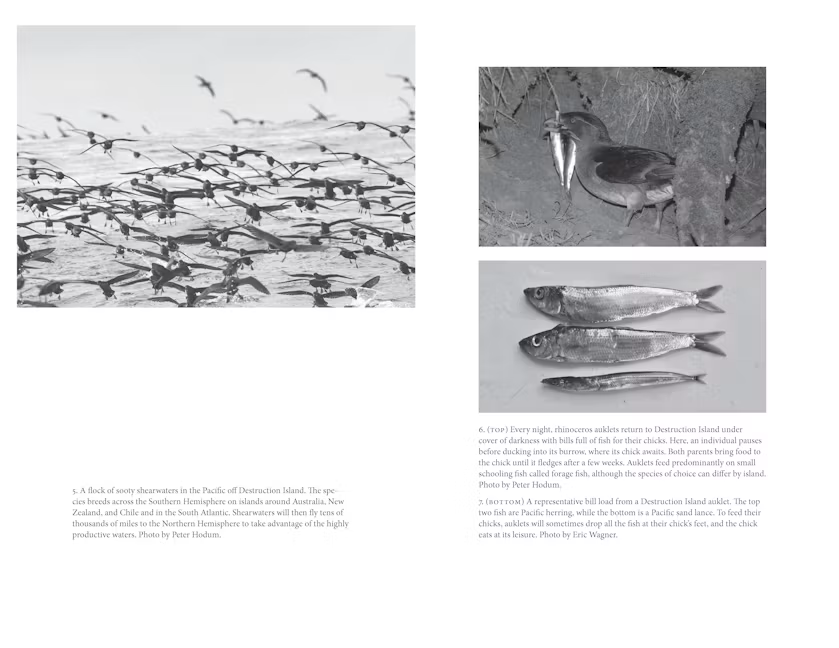
His accounts of the birds range from their comical “crash landings” as they return to the island each night to feed their chicks to the birds’ remarkable ability to locate shoals of fish and dive deep underwater to catch them. Similar discussions revolve around Sooty Shearwaters and Tufted Puffins. What makes these accounts so captivating is seeing the birds’ activities “in person” through the author’s eyes, an experience most of us will never have.
Wagner, though, also wants to educate us, and provides discussions of how the world’s primary ocean currents are generated and how these currents impact marine life. He traces the human history of the region from around the time of first European contact to modern day, including recent tribal efforts to protect an environment increasingly at risk from climate change’s many ramifications.
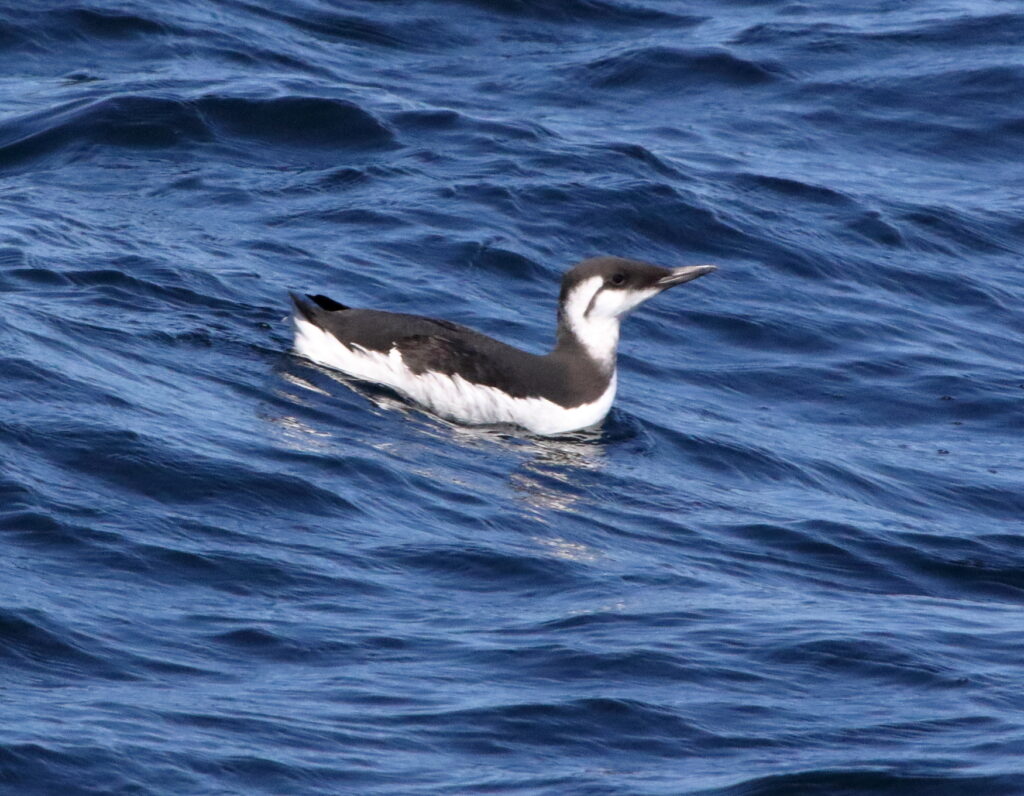
Unfortunately, it’s impossible to talk about seabirds without pointing out the cataclysmic declines in many species, and the author doesn’t shy away from the topic. As the title suggests, the decline of seabirds mirrors the dramatic impacts human activities are having on our planet. Perhaps most alarming has been the appearance of “blobs,” persistent and unprecedented areas of warm water that either kill or drive away the prey seabirds and a host of other species depend on. Estimates of how many seabirds have died during recent blobs are mind-boggling. As many as four million Common Murres alone may have starved to death as a result of the blob of 2015 and 2016—about half of Alaska’s Common Murre population.
The author doesn’t provide us with any false solutions about this and other environmental problems. After all, we all know what we have to do. We have to stop burning fossil fuels. We have to stop using our ocean as a dumping ground for plastics and other waste. We have to quit overfishing the prey species thousands of other species also depend on. What the book does do, though, is raise our awareness of why these things matter—and perhaps provide each of us with the resolve to keep working toward a solution in whatever ways we can.
If you enjoyed this post, check out our other bird-related book reviews such as The Great Auk and The Shorebirds of North America.
Review copy provided by the publisher.