
If you’d like to support our work at FSB, please consider purchasing *new copies* of Sneed’s books shown to the right—and support a group such as Birdlife International or Audubon that is working hard to protect birds against climate change and many other perils. Remember: all of our posts are written and photographed by REAL PEOPLE!
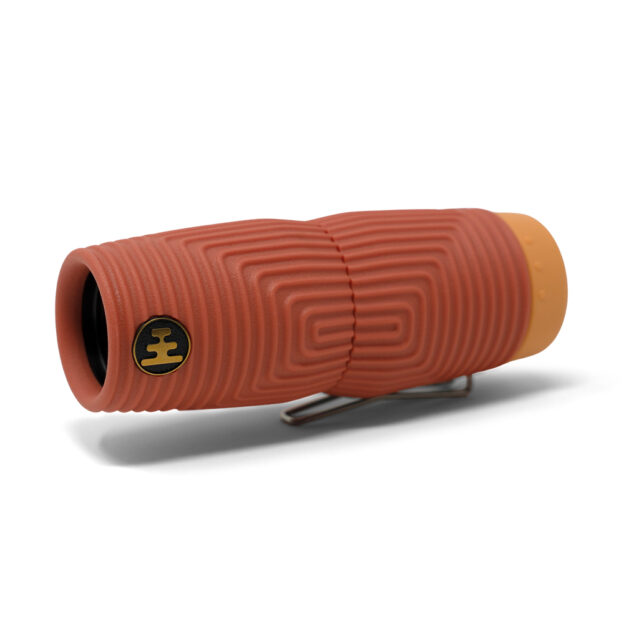
Not long ago, I was fortunate to be able to review my first monocular, the Nocs Field Tube 10X32. Today I’m happy to review Nocs’ next-generation monocular, the Zero Tube 10X25.
In past reviews, I have extolled the virtues of Nocs as a company (see this post and this post), and many of you have read of the excellent performance of the Pro Issue binoculars on Braden’s and my very wet recent trip to Costa Rica. With the Zero Tube, it’s clear Nocs is continuing to turn out great products with an ethical mindset, and in talking about this product, it’s perhaps most useful to compare it to their Field Tube that I reviewed earlier.
The first thing cost-conscious birders will notice is that the Zero lists for $179.95, a $50 premium to the Field Tube. Let’s take the Zero’s features one by one to see if it’s worth that extra fifty bucks.
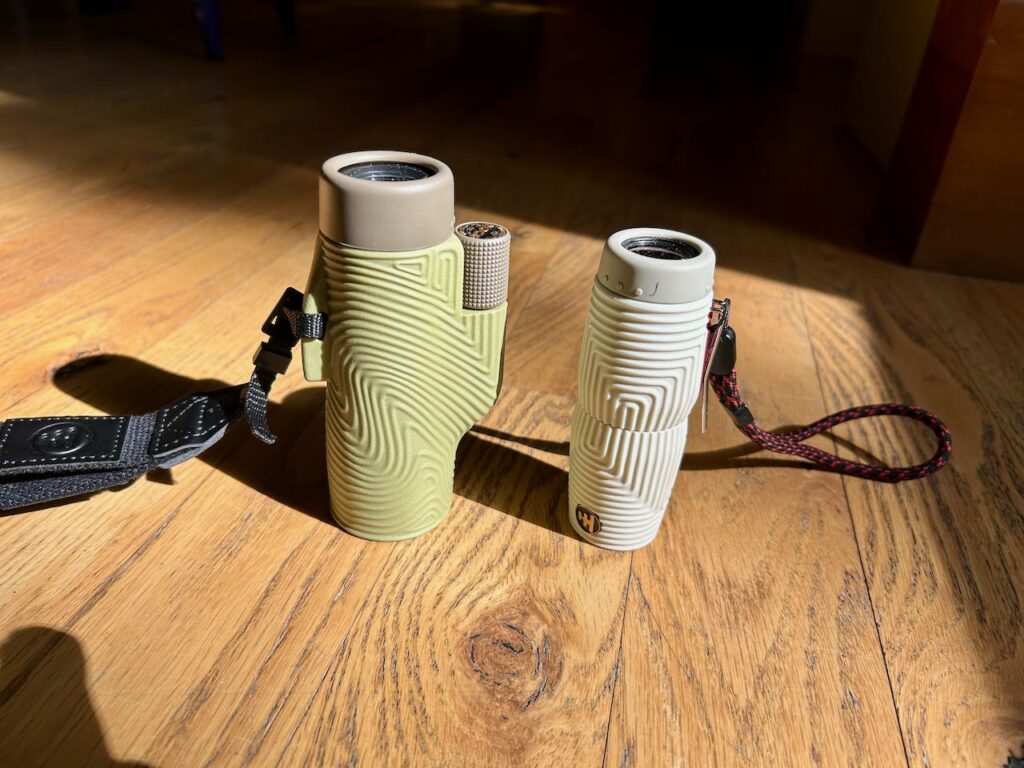
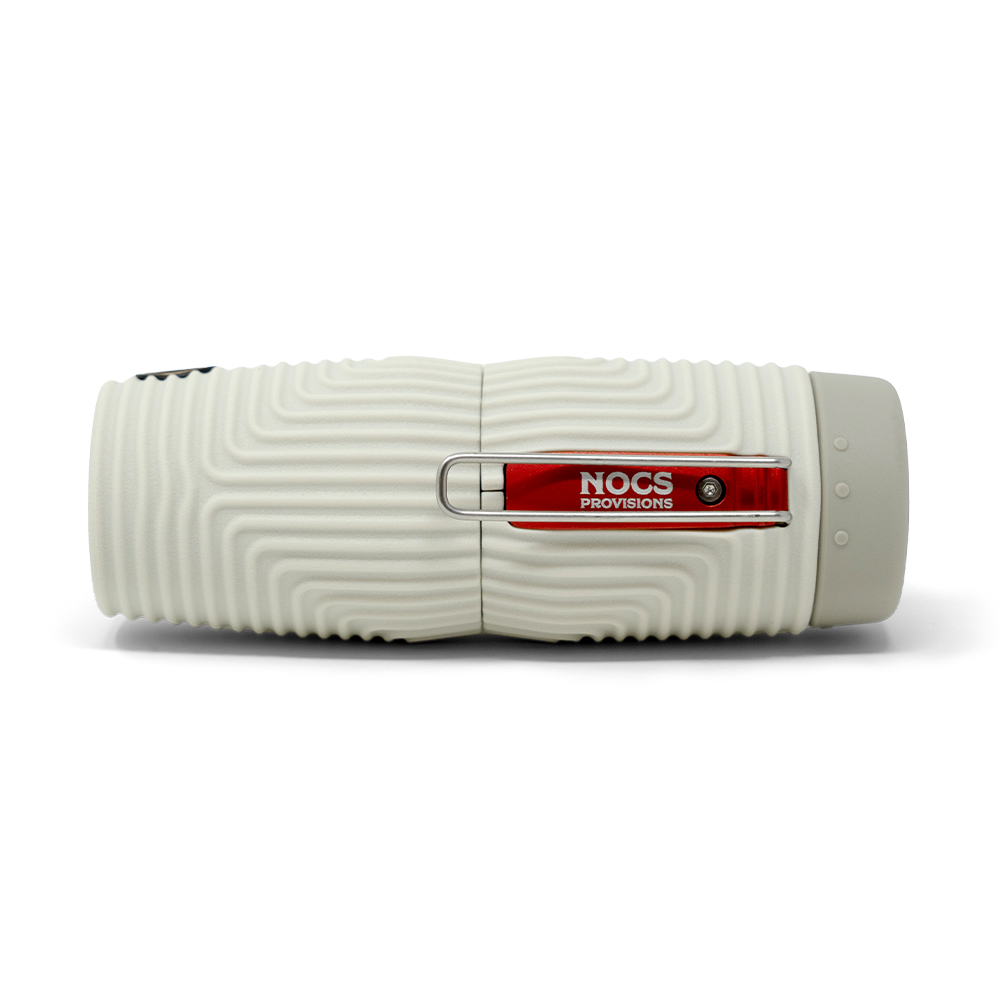
Setting the Zero Tube (right) next to the Field Tube (left) immediately reveals some big—and important—differences between the two.Note especially that the Zero Tube has eliminated the large, bulky focusing knob and comes with a convenient clip for you “pocket protector” types.(Photo by Sneed Collard)
When reviewing the Field Tube, I was impressed by how small and portable it is—which is kind of the whole point of monoculars, verdad? Upon pulling the Zero Tube out of the box, I have to say that I was even more impressed and surprised by how much sleeker it is than the Field Tube! The Zero Tube measures 4.5 inches, a good half-inch shorter than the Field Tube. Better yet, while the Field Tube weighs a very modest 8.6 ounces with the wrist strap, the Zero weighs in at a minuscule 6.8 ounces. To give you an idea of how light that is, my wallet weighs 6.3 ounces—with my Costco card in it!
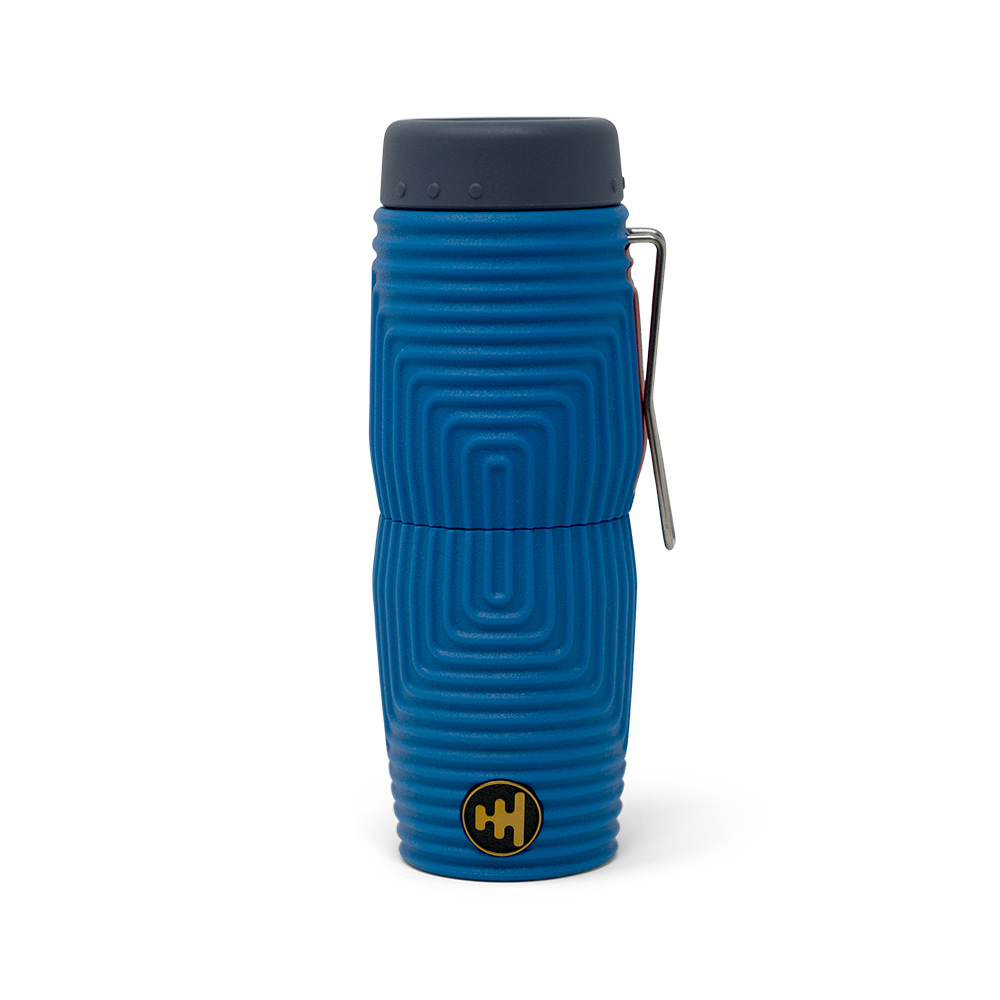
Like the Field Tube, the Zero Tube is waterproof and features a ridged rubber grip that even the muddiest, wettest hands will have no trouble hanging on to. Like its other products, Nocs provides the Zero Tube with a lifetime warranty—not to mention the fun styling the company is known for.
While creating a sleeker, lighter, and sharper product, Nocs has not neglected the fun styling the company is known for.
Setting the Field Tube and Zero Tube side by side, you’ll immediately note that the Field Tube features a focusing knob on top of the main tube while the Zero Tube has eliminated this. Instead, you focus the Zero by twisting the forward part of the tube. This keeps the Zero Tube from getting hung up on pockets and other compartments, making it truly easy to slip in and out for use. The only downside of eliminating the top focus knob is that the knob allows you to focus while holding the Field Tube in one hand. The Zero Tube pretty much requires you have both hands to hold and focus it. A huge improvement of the Zero Tube, however, is that you do not need to twist it nearly as far to bring it from near to far focus—an essential bonus for a birder.
Though I have not done this myself, digiscoping should be a cinch with Nocs monoculars, especially with the improved optics the Zero Tube provides.
Despite all of its other advantages, the best part of the Zero Tube is the sharpness and clarity of the image. Just last week, I let my friend Bruce experiment with the Zero Tube as we hiked some nearby trails and, really, he was having so much fun I was afraid he wouldn’t give it back! He focused the Zero Tube on some Western Bluebirds in a tree and remarked, “Wow, this really gives you a sharp look!” In my try-outs, I agree, and it’s clear that Nocs’ use of better optics in the Zero Tube has paid off big. To my mind, that alone easily justifies paying $50 more for this fine product.
Compact monoculars do come with some compromises. The most notable is their relatively narrow field of view—6.5 degrees for the Zero and 6.3 degrees for the Field Tube 10X32s. Still, and as I’ve stated before, they aren’t meant to replace binoculars, but to offer a convenient, compact alternative for travel and outdoor activities. If this is a niche that needs filling in your birding activities, you’ll be happy you picked up a Zero Tube.
The many improved features makes paying a little more for the Zero Tube a no-brainer for birders.
Photos (except where noted) and review equipment provided by Nocs.
As April proceeds apace, it’s time to greet our spring birds with the word “Tadaima!”—Japanese for “Welcome Home!” However, it’s also an excellent time to finally do something you may have contemplated for years: attend a birding festival!
Never fear, it’s not too late. Particularly as recent geopolitical events make you rethink vacationing in Paris or visiting the Egyptian pyramids, birders have the chance to seize opportunities on our very doorstep. During the past few years, Braden and I have participated in a number of birding festivals and they have always been huge fun. They have allowed us to explore places and see birds that we never imagined, and connect with great birders from all around the world. Pick up a copy of BWDor Birdingand you’ll see that there are literally dozens of birding festivals to choose from throughout the year. Today, I’d like to focus on three in the West that I’ll be participating in—and that you may want to consider for yourselves.
The Ute Mountain Mesa Verde Birding Festival, Cortez, Colorado, May 6-10
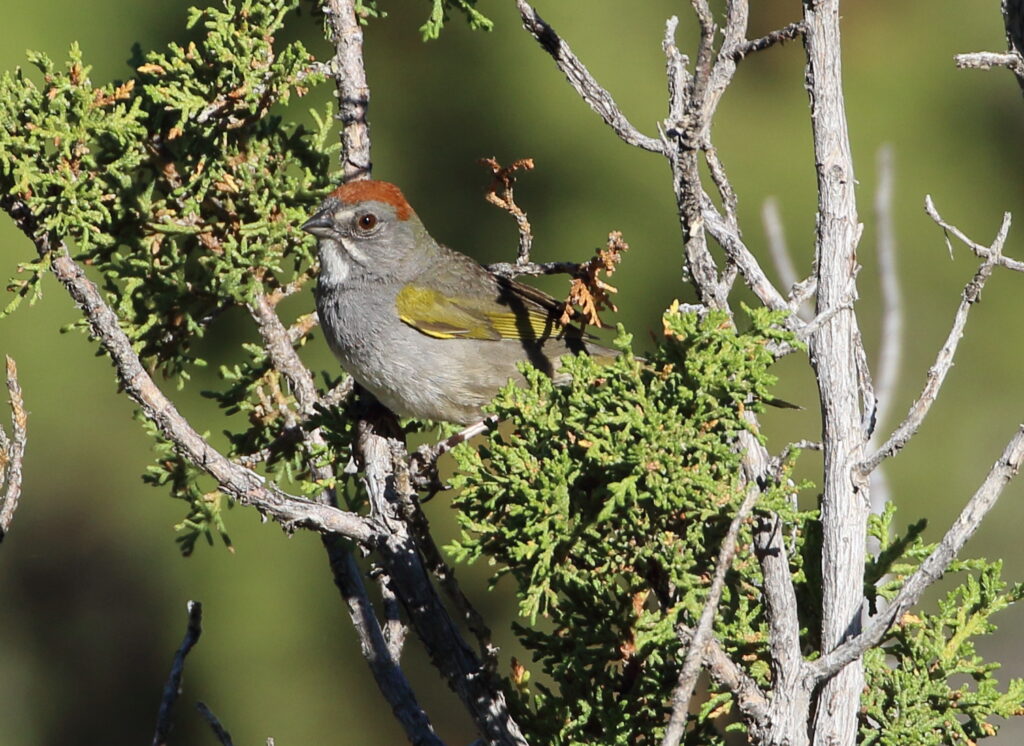
In just three weeks, I’ll be traveling to the Ute Mountain Mesa Verde Birding Festival in Cortez, Colorado, which runs from May 6 to May 10. Fun story: I was invited to this year’s festival because of a blog post I wrote last summer called In Search of the Green-tailed Towhee. The UMMV organizing committee happened to have chosen that bird as this year’s “mascot” and when they read the blog, Voila!, they invited me to give the keynote!
The charismatic Green-tailed Towhee is this year’s featured bird at the Ute Mountain Mesa Verde Birding Festival—but is only one of the cool specialties participants are likely to see!
Now I’ll admit that I’d never considered birding southwest Colorado, but as I delved into the various field trips, I grew more and more excited. The variety of birds and habitats in this part of the country is fabulous and includes many species that can be a challenge to see elsewhere. 180 species have been observed at the festival including waterfowl, shorebirds, raptors, and songbirds. Most exciting to me are the Southwestern birds I rarely get a chance to see including Black-throated and Sagebrush Sparrows, Gray Flycatcher, Woodhouse’s Scrub-Jay, Scaled Quail, Sage Thrasher, Virginia’s Warbler, Juniper Titmouse, and at top of my list, Gray Vireo.
The Ute Mountain Mesa Verde Birding Festival not only offers up great birds, but a chance to explore some of our nation’s most iconic scenery and cultural sites, including Mesa Verde National Park.
What really sets this festival apart is the chance to bird while exploring some of the most breathtaking scenery in America. Think dramatic canyon country like Mesa Verde National Park (see photo above) and Ute Mountain Tribal Park. This Four Corners region is loaded with archaeological sites and a unique culture found nowhere else in the world, and just begs to be explored. In fact, my wife and I are going down a couple of days early to do just that. To get there, we’re flying into Durango and renting a car. If this intrigues you as much as it intrigues us, do check it out! https://utemountainmesaverdebirdingfestival.com/
Wings Across the Big Sky, Kalispell, Montana, June 12-14
This will be Braden’s and my fourth time participating in our home state birding festival, and we couldn’t be more excited. One of the things that makes this festival special is that it travels to different parts of the state each year, allowing birders to explore Montana’s extensive variety of habitats and birds. Braden and I are leading two field trips, including one to the CSKT Bison Range, but all of the trips offer a surprising wealth of bird life. Montana is especially known for its raptors and grassland birds, but most people don’t realize that it’s a great place to see waterfowl and songbirds, too.
Just one of dozens of field trips at the 2024 Wings Across the Big Sky festival, including trip leaders, field biologist Hilary Turner (far left) and Andrew Guttenberg (third from left). And yes, that’s Braden towering over Hilary on the left!
If you’ve never visited Montana before, I highly recommend the field trips to Glacier National Park. At least ten kinds of warblers can be found in the park, along with four kinds of chickadees (think Boreal Chickadee), and three kinds of grouse, including Spruce Grouse. The park is especially known for breeding Black Swifts, Harlequin Ducks, Common Loons, and American Dippers. Again, you might just want to come a few days early to explore on your own!
Glacier National Park may be the best place in the Lower 48 to score breeding Harlequin Ducks! Braden and I saw this one, our lifer, on our very first Wings Across the Big Sky festival!
Glacier, though, is not the only draw to this part of Montana. Flathead Lake is the largest natural freshwater lake in the West and hosts a great variety of birds along its shores. The Mission Mountains are truly one of the most spectacular and little-known mountain ranges in the Lower 48, and several field trips will explore the grasslands and wetlands of the Mission Valley. Passionate local trip leaders and Montana hospitality will ensure that you make this festival a regular part of your birding calendar.
Southeast Arizona Birding Festival, August 12-16, Tucson, Arizona
The Southeast Arizona Birding Festival has built a reputation as one of the nation’s premier birding festivals, and so when I was invited to speak and co-lead field trips at this year’s festival, I couldn’t have been more thrilled. Of course, the first thing you’re probably asking yourself is “Arizona? In August???” I did, but believe it or not, this is one of the best times to bird the Grand Canyon State.
Braden contemplating a glorious sunset near the mouth of Madera Canyon—one of the field trips I’ll be co-leading during the SE Arizona Birding Festival.
Braden and I have been lucky to bird Arizona several times. See our posts “Portal Dreaming” and “Trogons and Border Walls.” One thing that always amazes us is the variety of habitats that can be found there, including wetlands, saguaro forests, and incredible canyons. Of special note are the region’s sky islands. These are mountains and mountain ranges that rise steeply out of the desert to altitudes of over ten thousand feet. Climbing up them, you quickly transition from desert through a variety of habitats, culminating with conifer forests at the top.
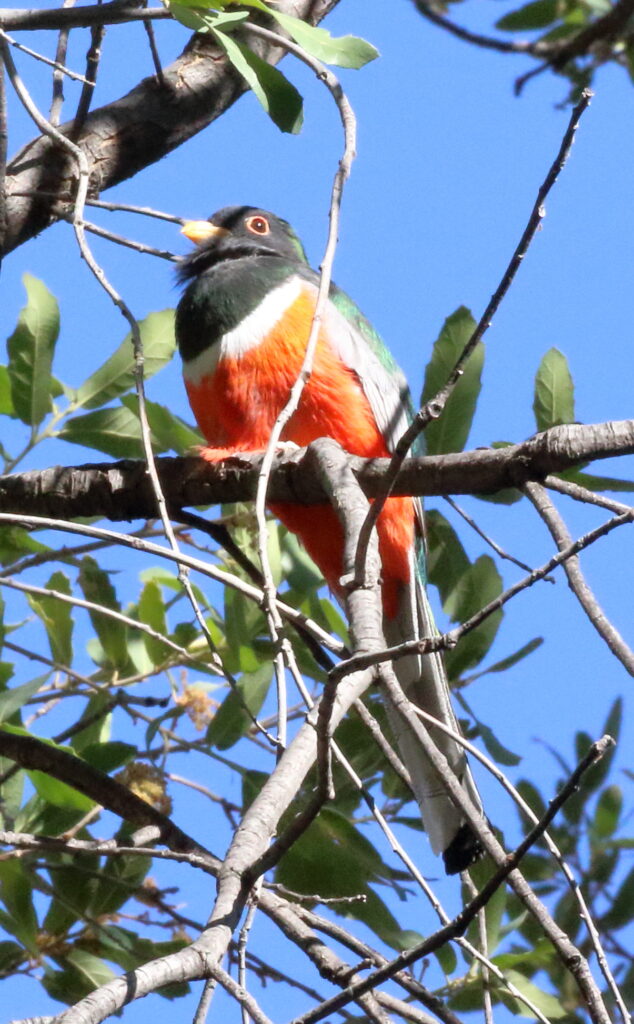
While many people travel to Arizona specifically to see the Coppery-tailed (formerly Elegant) Trogon, Arizona offers an unparalleled diversity of other specialties to US birders.
Sky islands not only provide welcome relief from Arizona’s summer valley heat, they offer an astounding variety of birds, many of which cannot be found anywhere else in the US. On our 2022 trip to Arizona, Braden and I nabbed life bird after life bird including Coppery-tailed (formerly Elegant) Trogon, Red-faced Warbler, Olive Warbler, Scott’s Oriole, Five-striped Sparrow, Mexican Whip-poor-will, and many more.
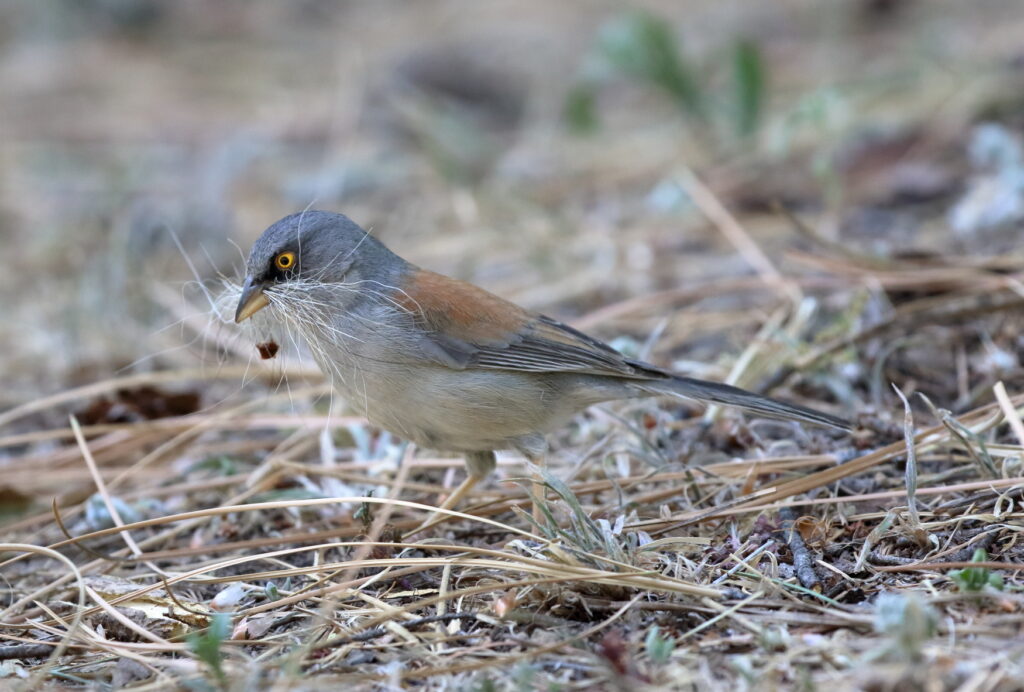
Yellow-eyed Juncos are just one of the many specialty birds that can be found in Arizona during the upcoming birding festival.
In addition to speaking at this year’s festival, I will be co-leading field trips to both Madera and Ramsey Canyons—two of my favorite places I have ever birded. But my buddy Roger and I are flying down a few days early to bird on our own. Registration for the festival begins on April 28, and if you’re interested, I wouldn’t hesitate to get on the website that day to reserve your preferred trips. The festival headquarters hotel, the Tucson Doubletree, is having some reservation issues, so you may want to call them directly as soon as possible to book a room.
So that’s it for this Festivals of the West post. We hope it has inspired you to give a birding festival a try. If the above festivals are out of reach, look into a local festival near you. For a list of festivals nationwide, check out Cornell’s All About Birds website. We can almost guarantee you’ll be glad you did! And if you spot me at one of the above festivals, please come and say Howdy!
If you’re enjoying FatherSonBirding, please consider subscribing by filling out the box in the column to the right. We won’t ever sell or give away your information and you can unsubscribe at any time. And do feel free to share this blog with others or link to it—but please contact us for any other uses! FatherSonBirding is written by REAL PEOPLE, and if you’d like to support our work, please also consider buying *new copies* of some of Sneed’s books, also shown in the column to the right.
We hope you are enjoying our reviews and other posts at FatherSonBirding. A reminder that we do not receive payment for any of our blogging efforts, so if you wish to support our work, please consider purchasing a few *new* copies of Birding for Boomers, Warblers & Woodpeckers, First-Time Japan, or any of Sneed’s other books. If you already have copies, why not pick up some for your friends?
Sometimes, you just gotta go birding. Such was my feeling recently when my friend and birding buddy Susan Snetsinger collected me for an all-day birding expedition to Butte and back. As a sizzling pink dawn crept over our neighborhood, I felt particularly excited. Why? Because today, we were going to test two spotting scopes ideal for the traveling birder: the Vortex Viper 11-33X50 and the Vortex Crossfire HD 12-36X50.
Vortex classifies both of these scopes as “Compact” in size, but I also refer to them as “travel scopes” because they are small, light, and fit easily into almost any backpack or suitcase. A few months ago I posted a very positive review of Vortex’s top-of-the line compact scope, titled “Vortex Razor HD 13-39X56 spotting scope with Mountain Pass tripod.” I recommend reading that post again before you read this review as it will help provide the entire story about these three scopes—in descending price order. As you’ll recall, the Vortex Razor HD 13-39X56 runs about $1,000 and is well worth the money. It may be out of reach for many birders, though, and that’s one reason I felt so excited about testing the more affordable Viper and Crossfire compact scopes. The Viper lists at $849.99—but can be purchased for about $600. Meanwhile, the Crossfire lists for $299.99—but can be bought for around $200. “But,” Susan and I both wondered, “how will these two more affordable scopes stack up against each other?”
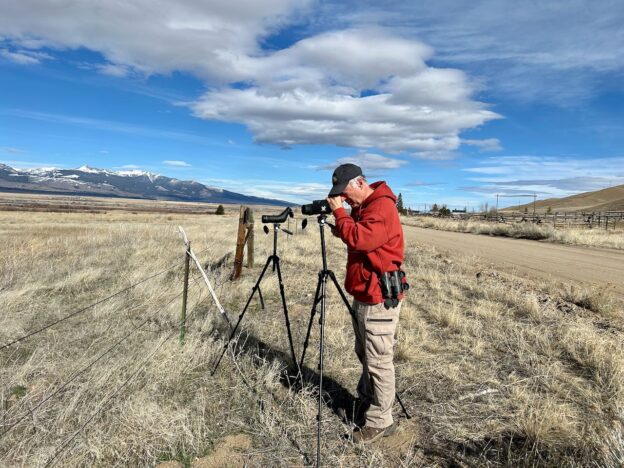
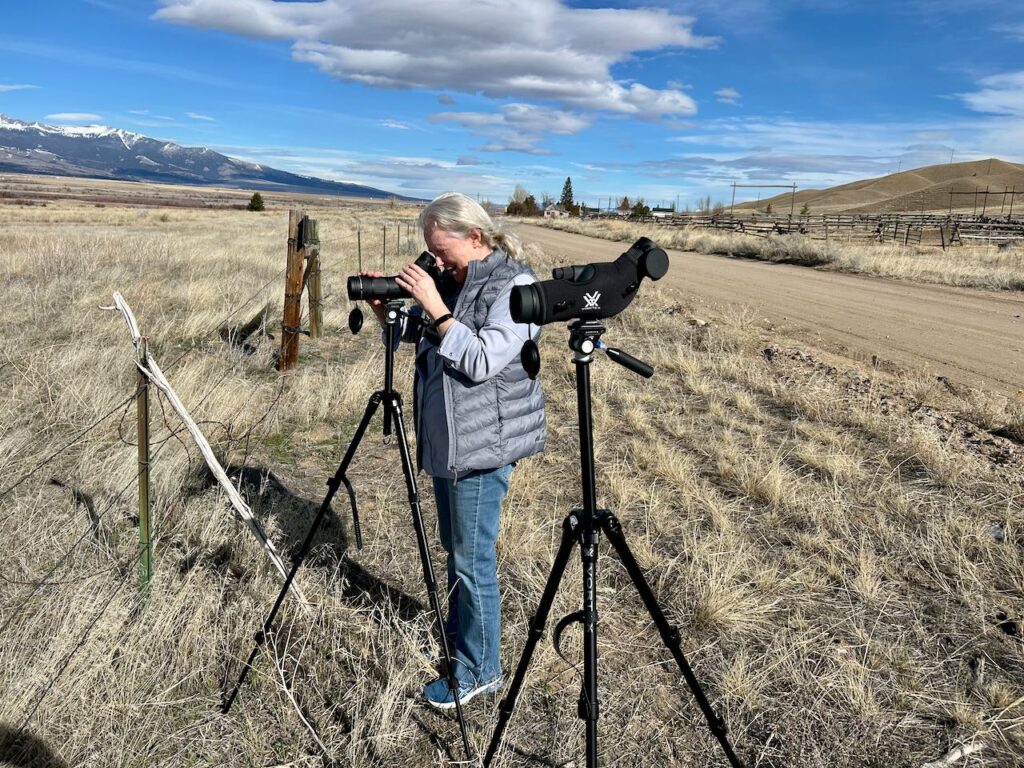
My birding pal Susan testing these scopes side by side at Warm Springs wildlife area.
First, let’s discuss what they have in common:
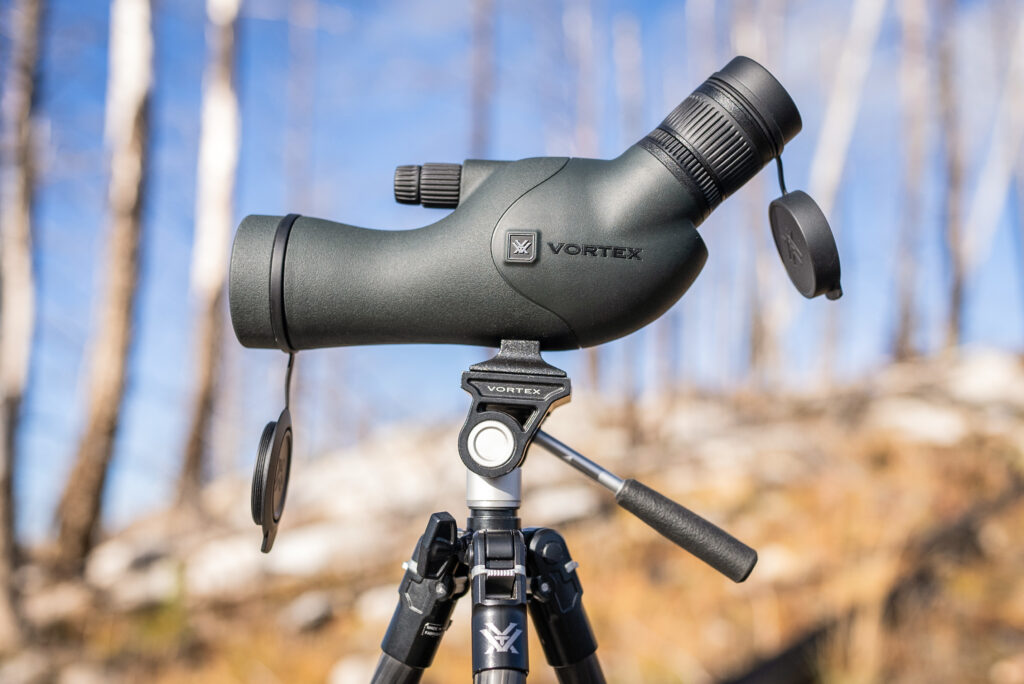
Both come in an angled configuration (see image below), which I much prefer to the straight option because it allows for a lower, more stable position on the tripod and easier viewing.
Both are about 10.3 inches long and weigh in at about thirty ounces—just under two pounds, or a bit more than an average pair of binoculars.
Both have very similar magnifications, the Viper zooming from 11 to 33X magnification, and the Crossfire 12 to 36X.
Both are built to fit the Arca-Swiss standard mount, which allows them to be directly fitted to Vortex and many other tripod heads without a pesky adaptor plate.
Both come with Vortex’s no-questions-asked lifetime warranty, making either scope a worry-free purchase from the get-go.
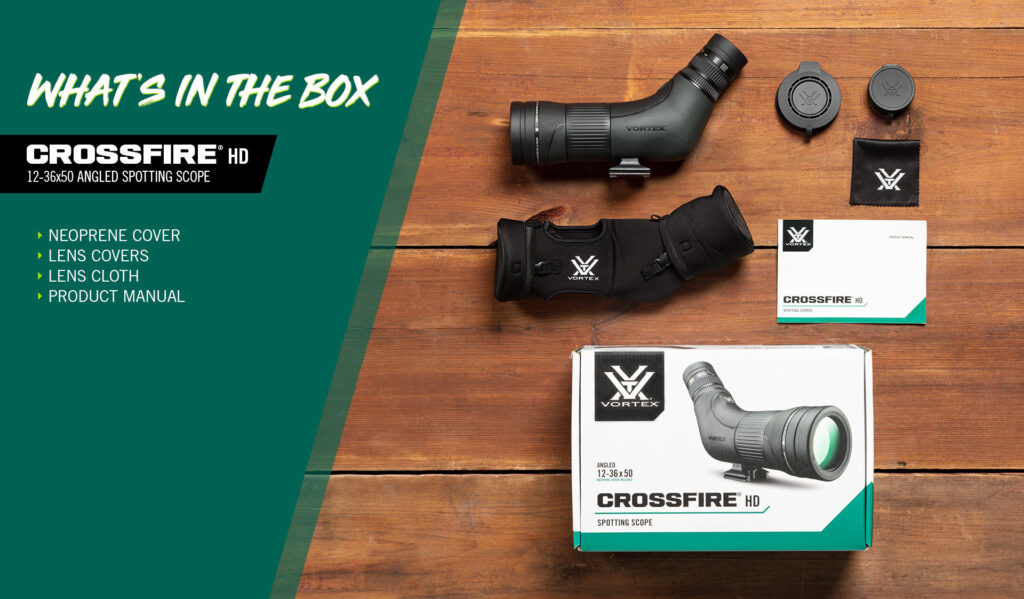
Both scopes come with easy-to-use lens caps and a neoprene sleeve for protection.(Photo provided by Vortex.)
Which leaves the primary question you’re probably asking yourself: Is the Viper worth the extra $400 I would have to spend over the Crossfire? To begin finding out, Susan and I rolled up to our first stop, Racetrack Pond just south of the town of Deer Lodge. We set up the two scopes side by side, each perched on a Vortex Mountain Pass tripod and began scanning the pond. It was still early in the season for most songbird migrants, but ducks, geese, and swans were out in full force and even as we were setting up, we were delighted to see a flock of 22 Snow Geese flying by. However, we began focusing mainly on Common Goldeneyes, American Wigeon, and Ring-billed Gulls puttering around a tiny island a hundred or so yards offshore.
Controls
As with any new equipment, it took us a few minutes to get familiar with the controls on each of the scopes. Both had eye relief tubes that easily pulled out, and both had about the same zooming range. At first we couldn’t figure out how to easily zoom the Crossfire in and out, but it turns out I hadn’t screwed in the eyepiece tightly enough when assembling the scope out of the box. Once I tightened the “knurled ring” at the base of the tripod, the zooming ring functioned just fine.
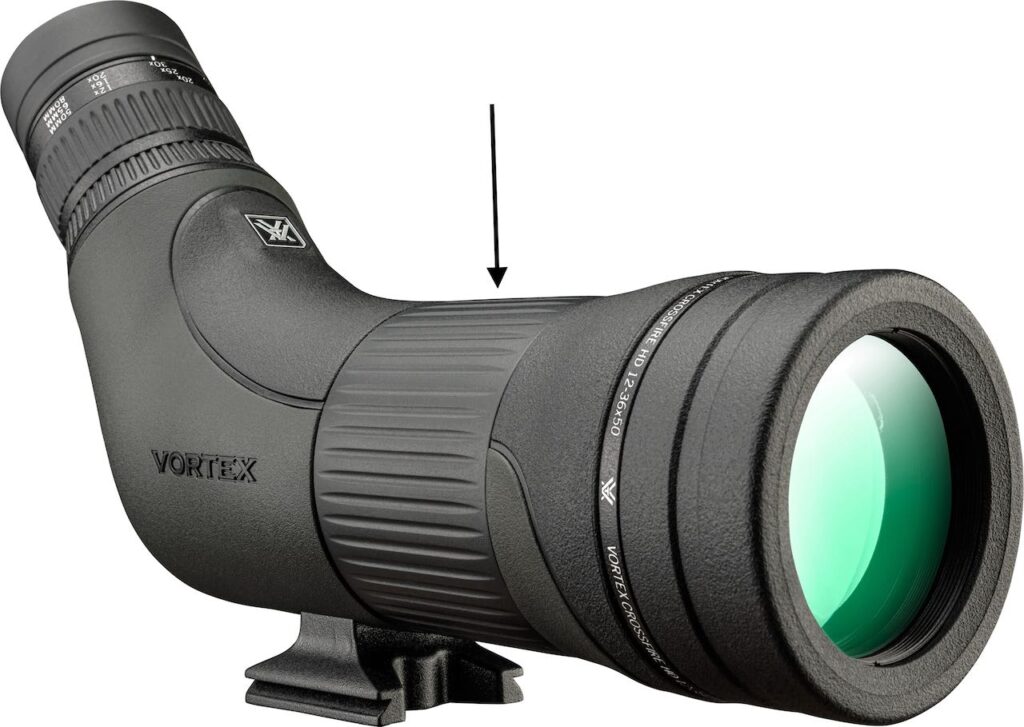
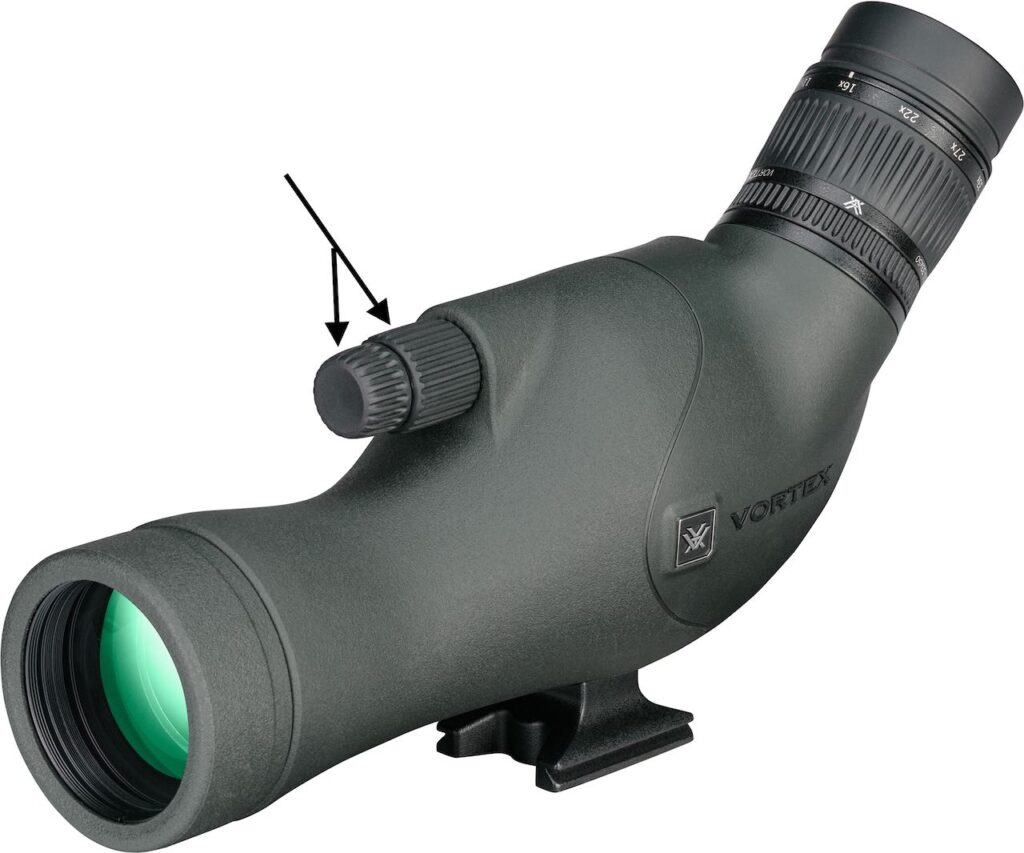
The main difference on the controls between the two scopes is the focusing mechanism (see arrows in images below). The lower-priced Crossfire comes with what’s called a helical focus. This is a ring around the entire scope tube that you twist back and forth to focus. The more expensive Viper comes with what is called a dual fine focus—two small knobs conveniently positioned on top of the scope that allow you to quickly adjust them. Spoiler alert: I’m going to just come out and say that, if you can afford it, the dual fine focus alone justifies the extra expense of buying the Viper over the Crossfire. Not only does this system achieve a sharper focus, it is much faster and more convenient to use. I watched a video about this and the host pointed out that this is especially great for digiscoping, or using your phone to take a photo through a scope. I don’t yet do this myself, but it’s good to know.
Focusing on the Crossfire is achieved by twisting a collar around the main tube of the scope.Viper focus is achieved with both rough and fine focusing knobs, conveniently located atop the scope tube.
Optical Quality
One thing I and many others have discovered is that the brightness and clarity of images through optical devices don’t at first seem that different, even between more and less expensive models. That initially seemed to be the case when Susan and I compared the Viper and the Crossfire. The more we used them during our outing, however, the more it became apparent that the Viper gave us superior images. Not only was light transmission better through the Viper, it achieved sharper, clearer focus. That’s not surprising considering that the Viper comes with better coatings on its glass lenses and prisms, but it was still interesting to notice that difference in the field. Later, I tested the two scopes under very low light conditions, and the brightness of the Viper stood out even more.
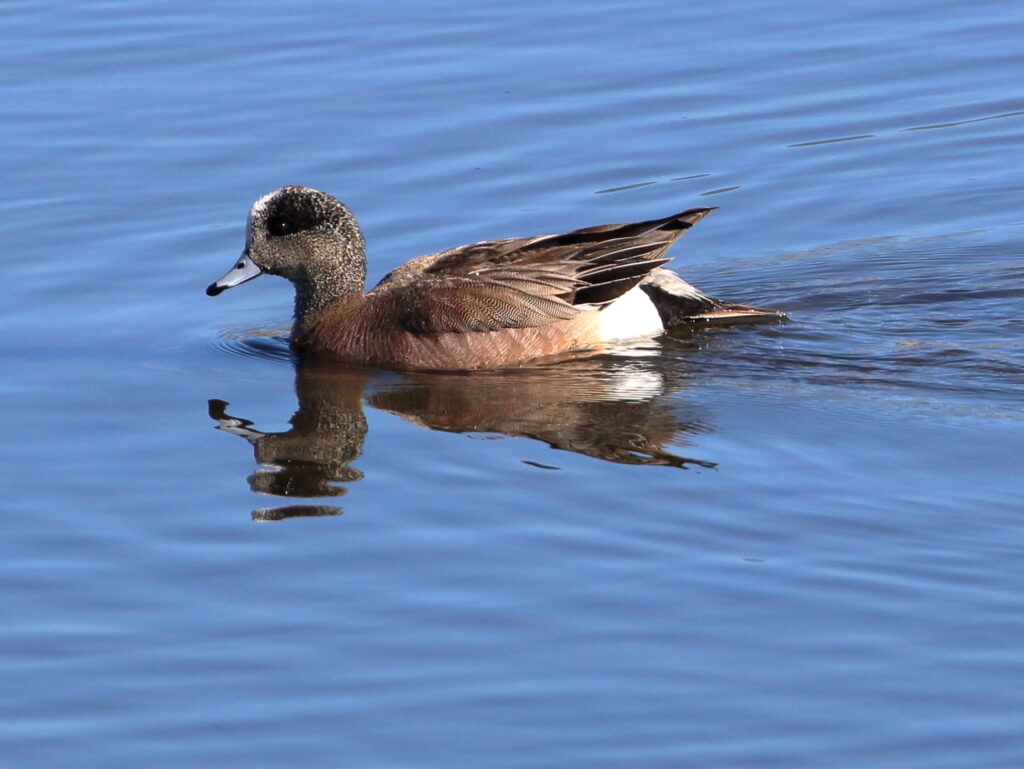
Though still early in the season, American Wigeon and other waterfowl gave us plenty of “targets” to test out the scopes.Though differences in optical quality were subtle at first, after spending a couple of hours looking through each scope, the Viper emerged a clear winner.
Build
Both the Viper and Crossfire appear to be very solid and well built. The Vortex website boasts that the Viper features “ultra rugged construction” while it makes no such claims for the Crossfire, so I assume that better manufacturing and materials go into the Viper. However, my guess is that both of these products will perform very well in the field. Both are fog proof and waterproof, essential features for anyone out watching birds. The Viper is purged with argon gas while the Crossfire is purged with the more standard nitrogen. I asked a rep what the difference meant for consumers, and he answered, “the difference isn’t actually with the optical quality, but instead the longevity of the optic. Argon has a larger atom, and will reduce the rate of leakage over long periods of time when compared to nitrogen. Argon is also less affected by sudden temperature shifts and is much more resistant to extreme temperatures.” He also admitted that most users will probably never notice this until at least 10+ years of use—if ever.
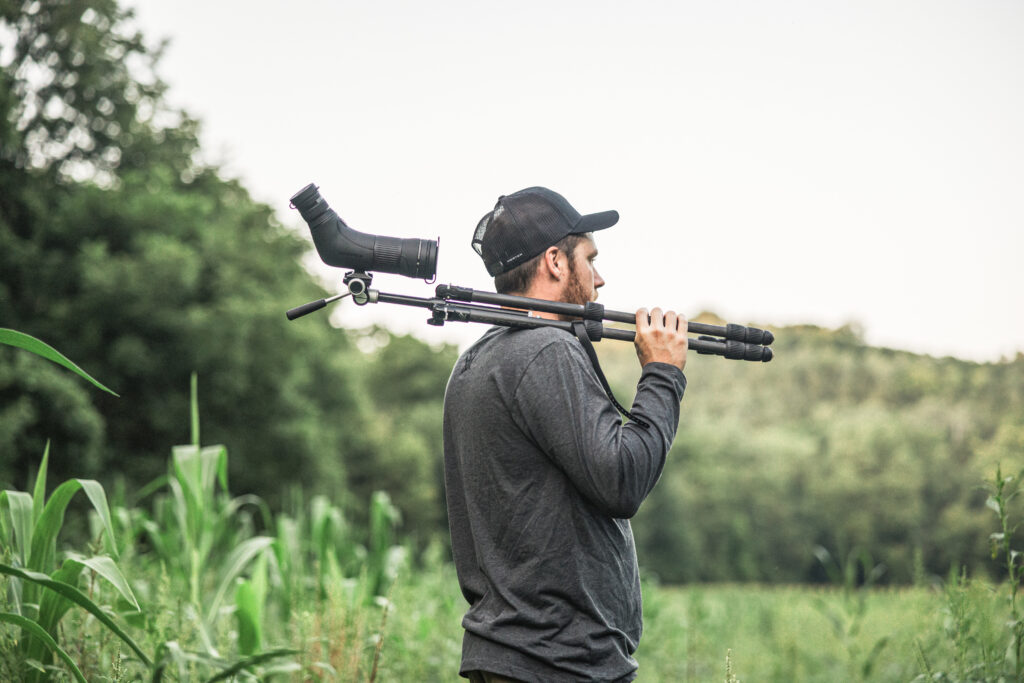
Whichever compact scope you buy, I highly recommend the Mountain Pass tripod to go with it. This combo is both easy to pack and carry over the shoulder on even a long birding hike!(Full confession: I’m not sure this is a Mountain Pass tripod in this photo provided by Vortex, but it looks as small and lightweight.)
Bottom Line
When comparing the Viper and Crossfire head to head, the Viper comes out a clear winner. Both are terrific, lightweight scopes for the traveling birder, but if you can at all afford or save up for the Viper over the Crossfire, I highly recommend it. That doesn’t mean, though, that the Crossfire doesn’t fill an important niche. It’s a great purchase for those on a budget, or those buying a first scope for a beginning birder and, honestly, many people may stay perfectly content with their Crossfires for the foreseeable future. If you need a scope to just carry around in the car or keep in a cabin without having to worry too much about it getting stolen, the Crossfire also could be just what you’re looking for.
Whichever scope you buy, I do highly recommend the Mountain Pass tripod, which is well-suited to both scopes both in weight, dimensions, and cost. I’ll also point out that both scopes work with Vortex’s Pro Car Window Mount. I have not yet used this, but plan to write up a review as soon as Braden and I can head out into Montana’s grasslands this summer.
Though both scopes offer great value for the money, after our testing we both felt that birders will be happier if they stretch their budgets for the Viper rather than going for the more inexpensive Crossfire.(Photo provided by Vortex.)
If you enjoyed this review, check out these other recommended optics for birders: