
Giving Back to Birds—with Great Breaking News! (FSB Holiday Shopping Guide, Part 3)

Holiday Joy! Back in August, we alerted FSB readers to Houston Audubon’s effort to buy a critical piece of land for their globally-important Bolivar Flats refuge. (See this post!) This is a refuge Braden and I have visited and is a vital habitat and staging area for hundreds of thousands of birds annually. When a developer planned to build a housing development smack in the middle of it, Houston Audubon negotiated an option to buy and protect the property. The problem? A $3 million price tag! We were skeptical that it could be done, but guess what? GUESS WHAT??? Thanks to donations by 1,127 donors from 47 states and 8 different countries, Houston Audubon achieved its goal! Donations included a huge check from Roku CEO/Founder Anthony Wood and his wife Susan. (I knew I loved Roku for a reason!) Everyone who donated—and those who didn’t—should be immensely pleased, because this is not only a crucial win for birds, it is a win for all of us. It also is the perfect lead into today’s blog topic—End-of-the-Year giving for birds!

Especially near the end of the year, when tax deadlines are looming, we know that a lot of you are asking yourselves, “What can I do to help birds?” We all know that birds are in big trouble, but it can feel overwhelming to figure out just how to spend our donation dollars most effectively. Today, in order to make your lives a bit easier, we are pleased to present a short list of Braden’s and my favorite groups that are helping birds, and yes, we have donated to every one of them. To find out more, just click on the underlined names below. Then, please, please break out that credit or debit card! We truly are at a global crossroads in the fight to save birds, and we guarantee that every dollar you spend will make you feel just a little bit better. While you’re at it, you might want to join your local Audubon chapter and/or the American Birding Association to help connect you to other birds, share information, and expand the love of birds!

Groups Working Internationally

Cornell Lab of Ornithology—the maker of eBird and Merlin makes huge investments in science and education to raise awareness of birds and promote conservation.
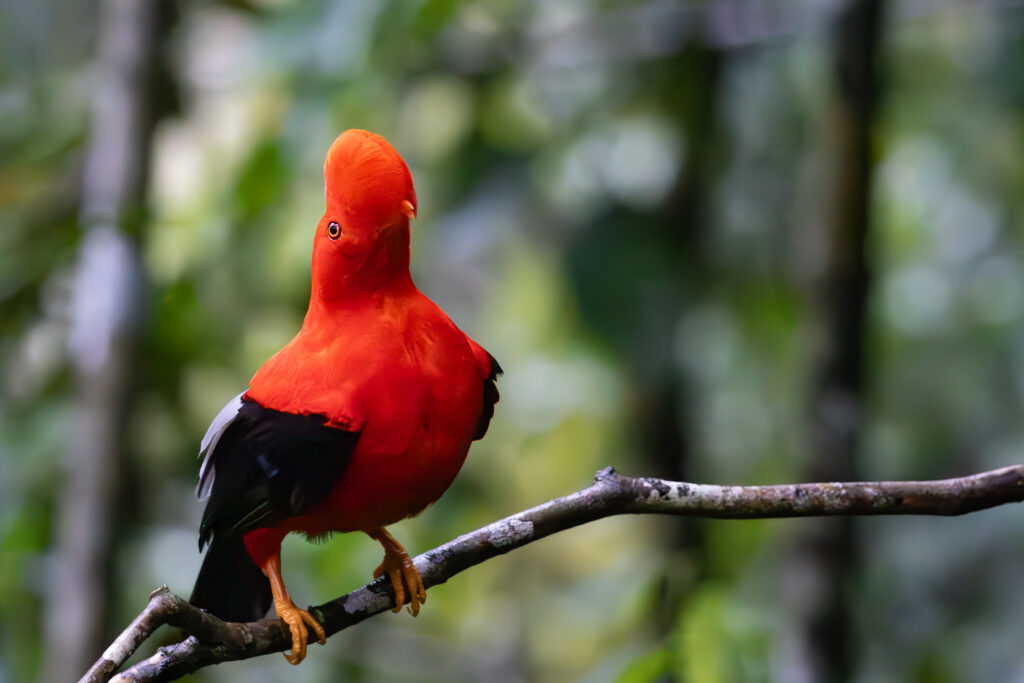
Bird Life International—Braden’s favorite group works on the entire international spectrum of bird threats, and also works with local communities to help protect birds and habitats. (Andean Cock-of-the-rock photo courtesy of Roger Kohn!)

Union of Concerned Scientists—one of Sneed’s favorite groups, we make monthly contributions to this group working to fight rampant disinformation and promote rational, scientific solutions to a host of environmental problems facing us.

Groups Focused Mainly on North America

Audubon—still the biggest name in birding, Audubon promotes bird conservation and education, and works on legislation to protect birds. (Note: the national, state, and local chapters are all independent entities. Donations to national do not trickle down, so consider donating to all three.)

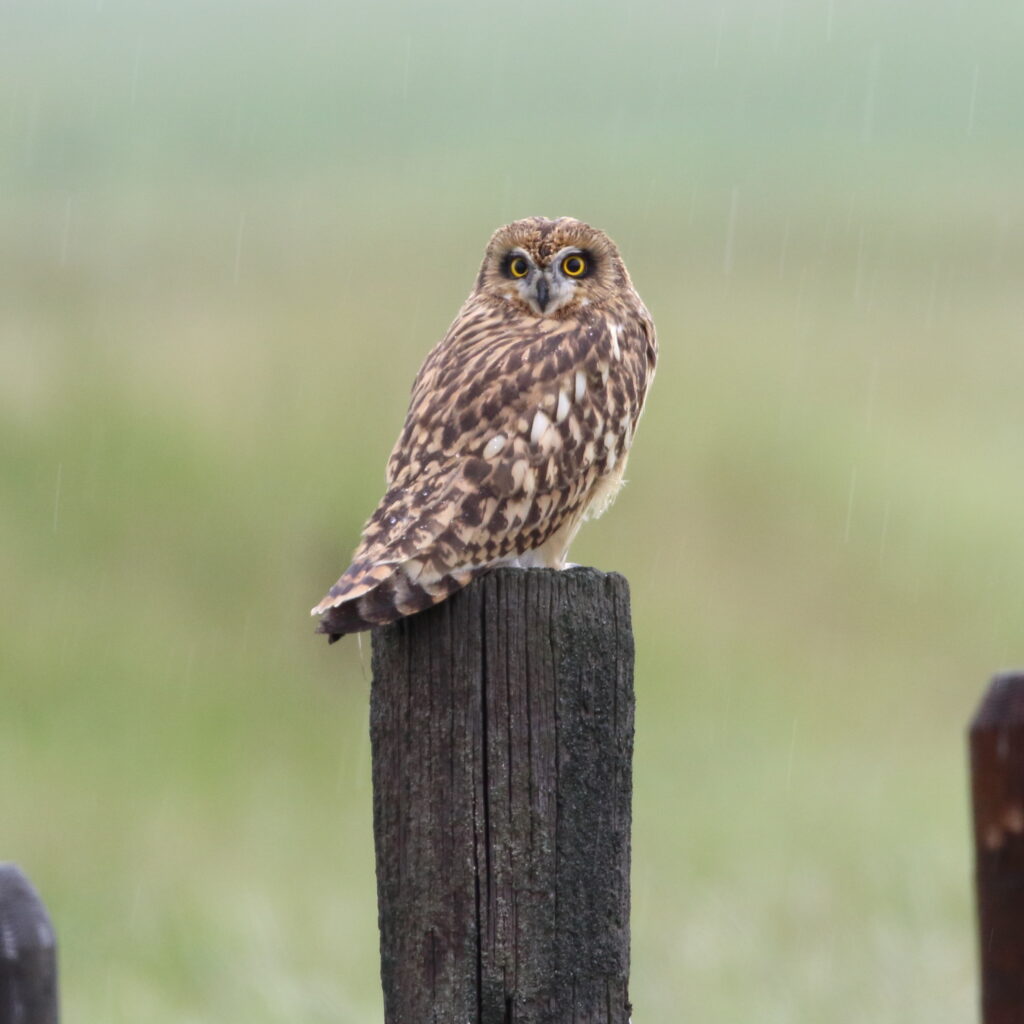
Owl Research Institute—one of the few groups focused on one of the world’s most charismatic groups of birds, ORI has been collecting data on owls for more than thirty years, sharing it with many different entities to shape science and conservation priorities. They especially work to decipher the causes behind the decline of many owl populations—including those of this Short-eared Owl.
American Bird Conservancy—also works on a wide range of bird-related issues including the urgent problem of outdoor cats.

State and Local Groups

Montana Audubon—besides putting on the wonderful Wings Across the Big Sky birding festival every year (and yes, Braden and I plan to be there in 2026!), Montana Audubon works to educate birders, identify the Treasure State’s bird conservation priorities, conduct research on endangered species, and carry out many, many other activities that benefit birds and birders.
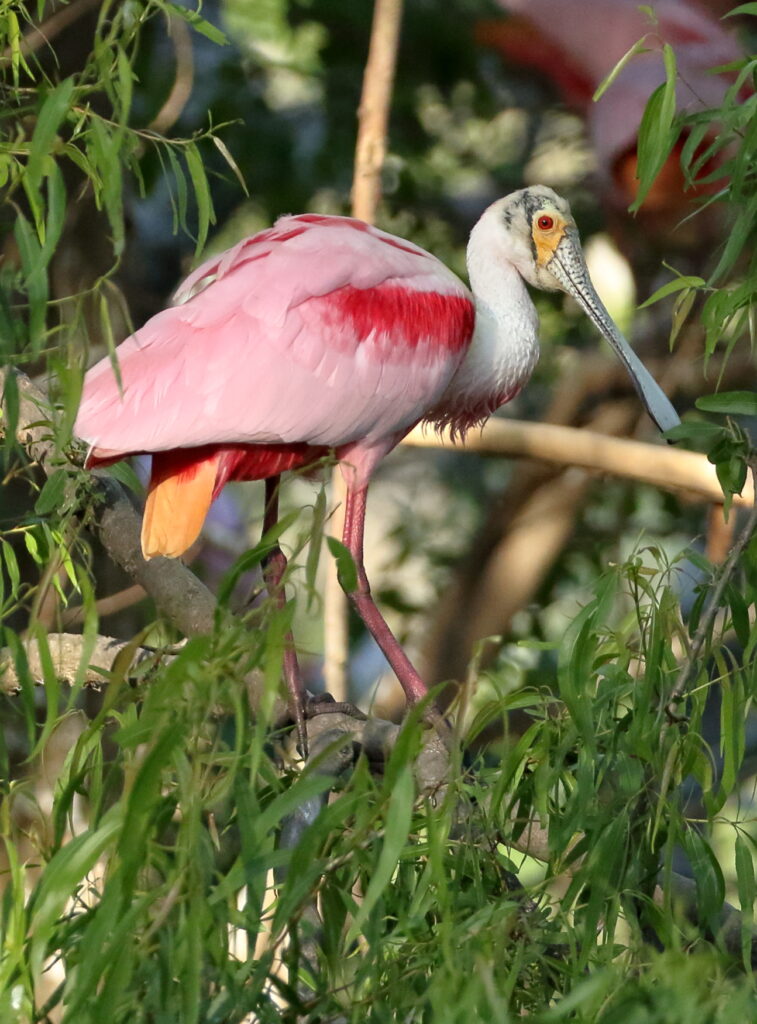
Houston Audubon Society—a regional bird powerhouse, promoting bird education and conservation, and protection of vital habitats, especially for migrating birds. Think High Island from the movie The Big Year! (Roseate Spoonbill shown.)

Bird Conservancy of the Rockies—another regional powerhouse with widespread activities including vital research into wintering grounds of grassland birds in the Southwest and Mexico.

University of Montana Bird Ecology Lab (UMBEL)—conducts important research, monitoring, and outreach activities around the region!

Montana Bird Advocacy—a grassroots research organization started by well-known Montana birding legends Jeff Marks and Paul Hendricks, MBA conducts research on little-known Montana birds such as the Gray Flycatcher. (See our post Gray Flycatcher Science.)

An unbanded adult Gray Flycatcher implores: “Donate Now!”

Books for the Happy Holiday Birder (FSB Shopping Guide, Part 2)

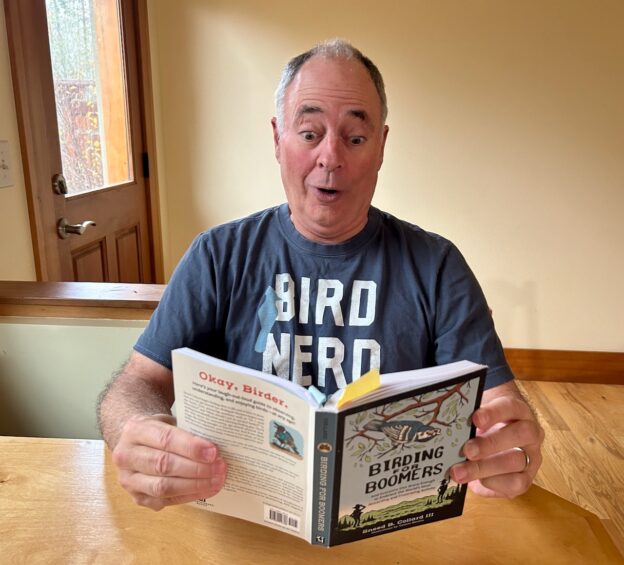
If you’re like me, you never read quite as many books as you’d like. This year, though, I was very fortunate to read and review some outstanding bird-related titles that you’re going to want to consider for your holiday buying. Most—but not all—of these were published in 2025 or late 2024. I’ve also included a few books that aren’t solely about birds—but give great insights into how to protect them. Of course, you will want to begin your shopping with eight or ten copies of my book Birding for Boomers—And Everyone Else Brave Enough to Embrace the World’s Most Rewarding and Frustrating Activity. This popular gift book has received half a dozen awards and even made a couple of bestseller’s lists. Once you’ve placed that order, however, you’ll want to check out the titles below. Please note: we receive no compensation for any of these recommendations (other than a free review copy or two), so the thoughts are all our own. Enjoy!

Purely Enjoyable Bird Storytelling

Let’s start with the “most fun” category of reading—great storytelling that just happens to be about birds. In the past, I’ve recommended such titles as Christopher Skaife’s The Ravenmaster, Joshua Hammer’s The Falcon Thief, and Tim Gallagher’s classic, Imperial Dreams. My favorite title from this year’s reading is Tim Birkhead’s The Great Auk: Its Extraordinary Life, Hideous Death and Mysterious Afterlife. This wonderful, often whimsical tale focuses on an extinct species most of us have heard of, but know little about. Birkhead gets totally into Bird Nerd mode by both explaining the biology and history of the Great Auk, and tracing some of the antics of egg collectors who were totally obsessed with obtaining Great Auk eggs. You’ll love this! See our full review here.

The Great Auk by Tim Birkhead (Bloomsbury, 2025)

Also on the short list for this category is Bruce M. Beehler’s Flight of the Godwit, a must-read for anyone interested in the remarkable lives of shorebirds—and who isn’t? Through the tales of his own peregrinations, Beehler follows the migrations of many of North America’s most charismatic shorebirds, telling us all kinds of cool things that I certainly never knew before. See our full review here.

Birding Memoirs

My top pick for this category is Christian Cooper’s 2023 book, Better Living Through Birding: Notes from a Black Man in the Natural World. I admit that I put off reading this book for a couple of years after it came out. It’s sheer popularity made me insanely jealous as an author, but once I picked it up, I was captivated. Cooper’s down-to-earth honesty about his life and passion for birds sucked me right in, both with its engaging storytelling and how it broadened my perspective on birding in our culture.

My second pick for this category is Richard L. Hutto’s new book, A Beautifully Burned Forest: Learning to Celebrate Severe Forest Fire. This book is half memoir and half science book and I enjoyed both parts equally. Perhaps as a fellow Southern Californian, I especially related to Hutto’s boyhood experiences exploring the chaparral ecosystem, but I also appreciated Hutto’s impassioned plea to bring common sense to fire management, especially when it comes to protecting burned forests from the ravages of so-called “salvage” logging. See our full review here.

Oh, and if you’re wanting to learn all about Braden’s and my early years of birding, don’t miss my classic first adult book, Warblers and Woodpeckers: A Father-Son Big Year of Birding!

In-Depth Group Guides

Advanced Bird Nerds will definitely want to add Amar Ayyash’s The Gull Guide: North America to their holiday shopping lists this year. Like most birders, I have been—and remain—incredibly intimidated by gulls. Sure, I recognize the adult plumages of many species, but when you start getting into hybrid gulls and first-, second-, and third-year plumage variations, my brain and confidence begin to melt. The Gull Guide does not solve this problem, but it does accomplish two important things. First, it gives great insight into gulls for the casual birder. Second, it offers myriad minute details for those who are bound and determined to become experts on everything gull. Both of these things are accomplished with an extensive, remarkable collection of photos that serve to educate and guide. See our full review here.

A less technical book that may be more to the taste of the casual birder is The Shorebirds of North America: A Natural History and Photographic Celebration by Pete Dunne and Kevin T. Karlson. This beautiful book strikes a nice balance between detail and readability. A lot, but not all, of the information is fairly general, but the photos are wonderful and if you’re a shorb fan, you will enjoy it. See our full review here.

Three More for the Planet

I’d be remiss if I didn’t mention three more titles that made a big impact on me this year. The first is Sea of Grass: The Conquest, Ruin, and Redemption of Nature on the American Prairie by Dave Hage and Josephine Marcotty. I thought I knew all about the tragic history of the destruction of America’s grasslands. I did not. This highly readable book provides astonishing insights into how we lost most of our grasslands—and why that destruction continues today. Grassland birds are our most imperiled group of birds, losing at least forty percent of their collective populations in just the last fifty years. If you care about these animals and want to know what we can do to slow their precipitous demise, please read this one!

Similarly, Jordan Thomas’s When It All Burns: Fighting Fire in a Transformed World, gives us an inside look at the often counterproductive politics and decision-making behind today’s “fire fighting industrial complex.” With riveting storytelling and astonishing revelations, this is a perfect companion to Hutto’s A Beautifully Burned Forest.

And if you’re wrestling with how to keep from being overwhelmed in today’s world, where we are confronted by one environmental threat after another, I highly recommend the late Thich Nhat Hanh’s Zen and the Art of Saving the Planet. I read a few pages of this every morning and I gotta say that it helps keep me sane in our complicated, highly imperiled world. Not only does it raise serious questions about how we all live, it provides approaches and encouragement for how each of us can truly make a difference.

Don’t miss our holiday guides to birding equipment and, in our next post, charitable giving!

Binoculars & Scopes for the Happy Holiday Birder (FSB Shopping Guide, Part 1)

Today, Braden and I celebrate our 250th blog post! We can hardly believe it ourselves, but it just shows what can happen when the passion of birds and birding infuses your souls. We also celebrate our first year of mixing things up by adding book and equipment reviews. Ahead of the holiday buying season, in fact, we’d like to recap some of our favorite items for that “Bird Nerd” in your life—or maybe even for yourself. If you’re tired of buying stuff, we also include some of our favorite groups working to protect birds around the globe. In Part 1 of this three-part effort, we run down great binoculars and spotting scopes. In our next two posts, we’ll talk about some of our favorite bird books and bird conservation groups. As always, we thank you for your interest and urge you to share these posts with your friends and family—especially if you want them to buy you something!

Serious about upgrading your birding optics? Read on!

As 2025 draws to a close, we don’t claim to have tested every brand and model of optics out there, but have been fortunate to put products from both Nikon and Vortex through the paces. We gotta say that if you’re in need of great optics at reasonable prices and with amazing warranties, you won’t do better than these two brands. Nikon products tend to sell close to their official list prices and can be purchased from their website here, or from third parties (see below). Vortex products, on the other hand, usually can be found at much lower prices than what they list for. To get the best price, start with your local indie sporting goods store, but if you can’t find what you want, Dick’s Sporting Goods, B&H Photo, and Land, Sea, & Sky are solid, reputable businesses we’ve had great experiences with.

Binoculars for around $100

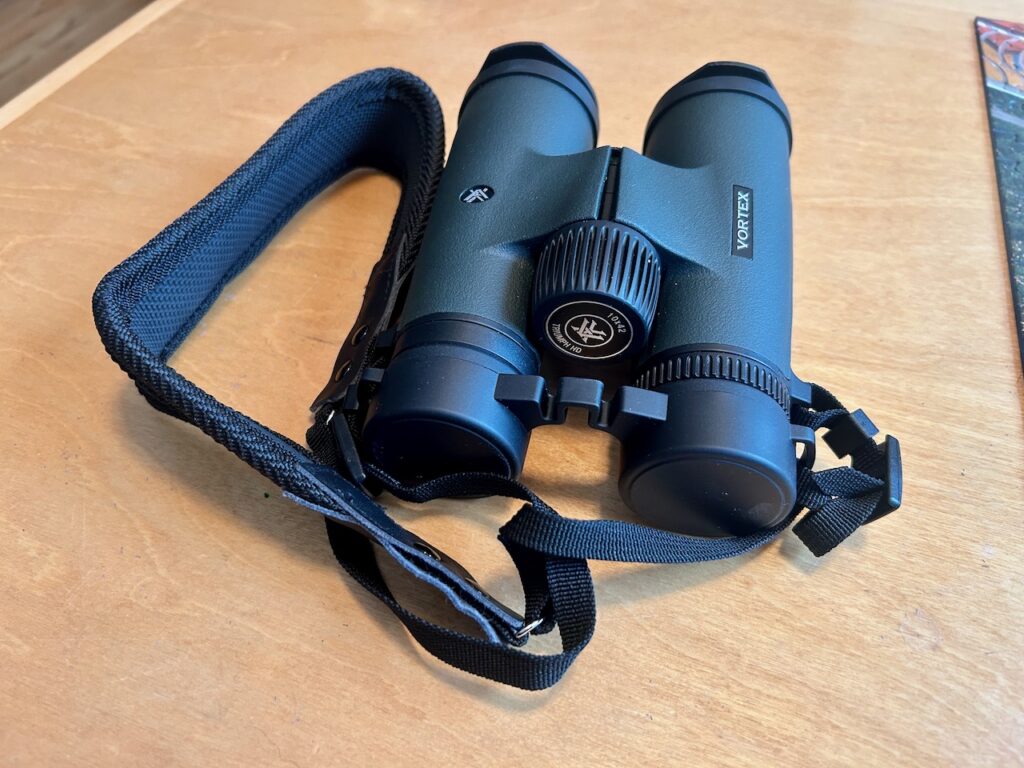
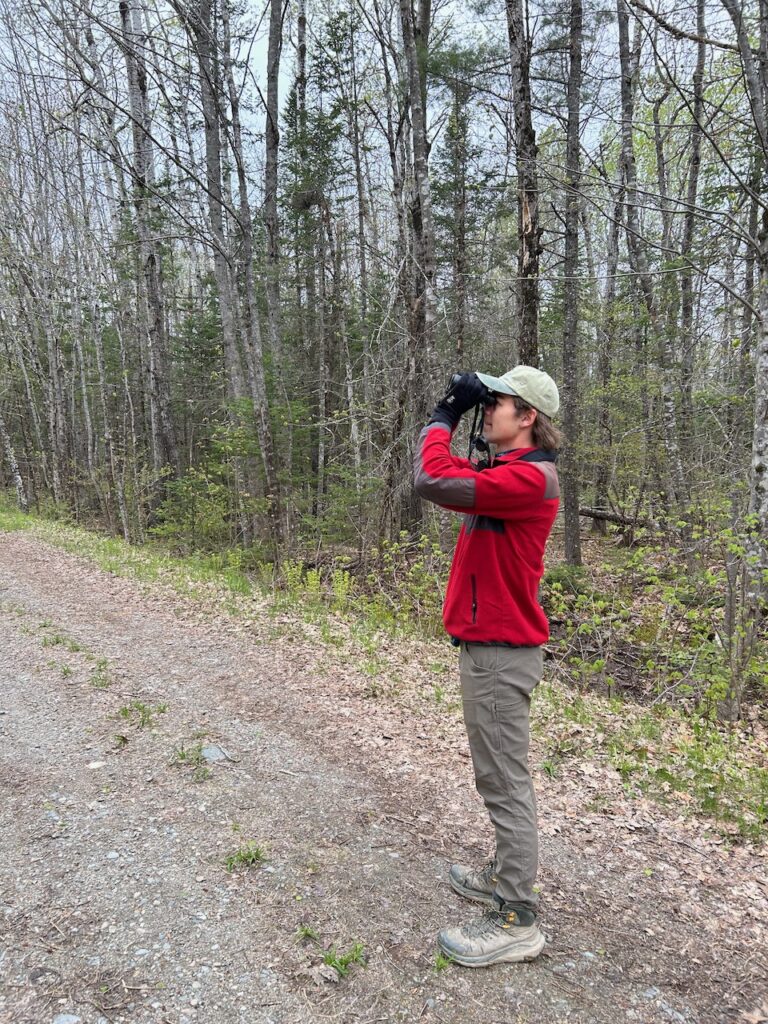
Our most popular post of this year was our review of the Vortex Triumph HD 10X42 binoculars, and for good reason. Not only do the Triumphs offer excellent quality at an amazing price, they come with Vortex’s mind-boggling no-questions-asked replacement and repair warranty, something I still can’t believe even exists! One downside to the Triumph HDs is that their minimum focal length is a fairly long 16 feet. Then again, I only need a closer focus than that once or twice a year, so a casual or beginning birder will hardly be affected. See our full review here.

Vortex Triumph HDs offer excellent value for most beginning birders and, like other Vortex products, come with a lifetime no-questions-asked warranty.

Especially if small and lightweight is your goal—or if you’re buying binoculars for the kid in your life—you will also want to consider the new Vortex Bantam HD 6.5X32. Though aimed at kids, these lightweight little gems are fantastic for travel, backpacking trips, or people with sore backs. I loaned a pair to my brother and he didn’t want to give them back! Even more amazing, they can purchased for about $70—a sizzling deal at a time when many of us have to cut back on spending. See our full review here.

Binoculars for about $300

The first serious binoculars Braden and I ever bought were Nikon 10X42 Monarch M5s—and Braden still uses them today! How can that be, you ask? Well, not only are the Monarch M5s solid, well-built binoculars with sharp, clear optics, Nikon offers great repair and replacement policies. Braden has sent his in twice for repair—and received brand-new replacements free of charge. You can’t beat that. For $300, these are an excellent investment for those on a budget, but still wanting binoculars that are up for almost any birding situation.

Braden and I both relied on our Nikon Monarch M5s for the first eight years of our birding. They are still Braden’s go-to optics!

“Best Bang” Binoculars for about $500

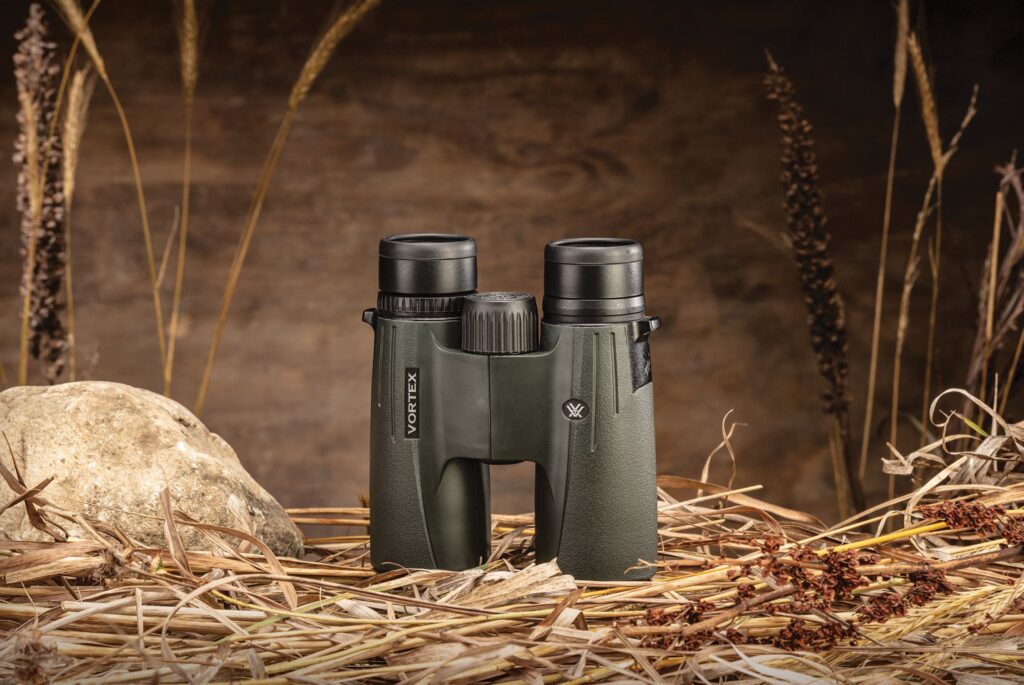
If you’re willing to shell out just a bit more, I was especially impressed with Vortex Viper HD binoculars. In fact, I’ll go so far as to say that these may deliver the best bang for your buck available. During my trip to Texas last spring, they performed extremely well in a variety of conditions. Our guest contributor Roger Kohn and his wife Claudia also use these and are very happy with them. See our full review here.

After testing products across the Vortex line, I have to say that I think Vipers deliver the biggest bang for your birding buck!

Gasp! Shelling out a Grand!

I’ll admit it: I never thought I’d be using $1,000 binoculars, but boy am I glad that I do! Especially if you bird a lot in dark, overcast conditions—or even in shockingly bright ones—stepping up the quality can really make a difference. My top pick in this price range? Nikon Monarch HG 10X42s. I took these on last winter’s trip to Colombia and was uber-impressed. My very first morning, I saw a woodpecker fly into a dark, overhanging branch of a tree at least two or three hundred yards away. I thought “No way will I be able to ID that.” When I raised my Monarch HGs to look, though, I was astonished to be able to recognize it as one of the birds I especially wanted to see: a Crimson-mantled Woodpecker! See our full review here. I must add that because these were the first binoculars I reviewed this year, I didn’t realize just how good the optics are, so if you have the cash, you will not regret getting these.

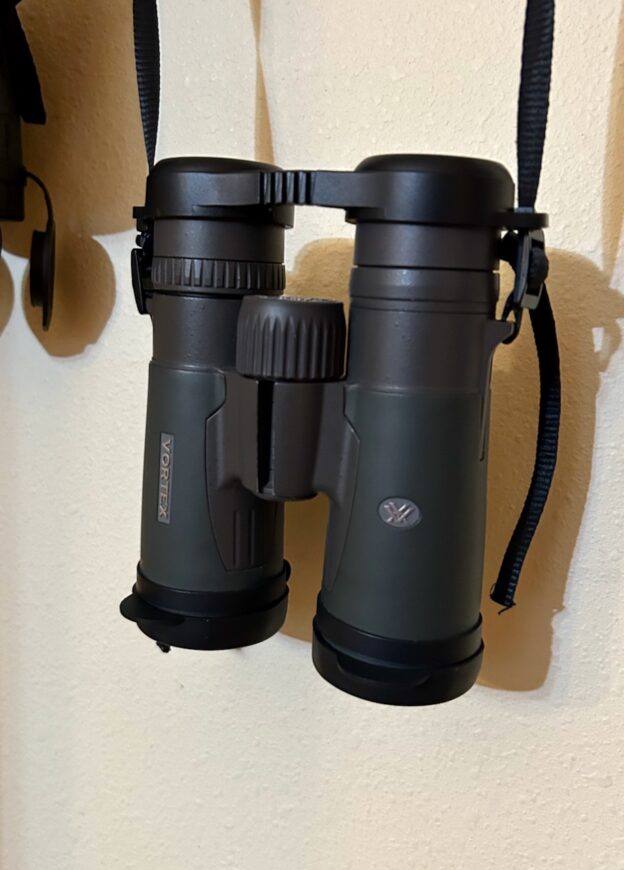
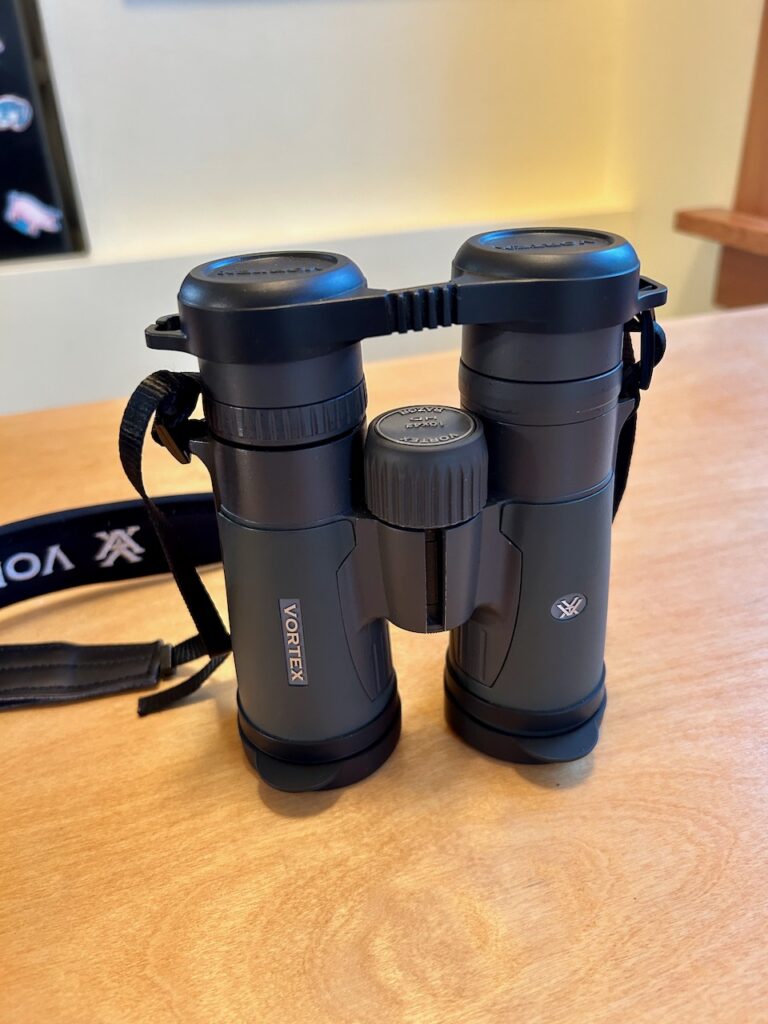
Also in this price range, you will want to check out the Vortex Razor HDs, also priced at about $1,000. I have been using the Razors extensively since last spring and have been very happy with them. I especially love the extra-smooth center focus knob. See our full review here.

Me and my birding amigo Roger in Colombia last February, where my Nikon Monarch HGs delivered superior performance! Meanwhile, Roger is shown happily birding with his trusty Vortex Vipers.

Ready for a Spotting Scope? Sure You Are!

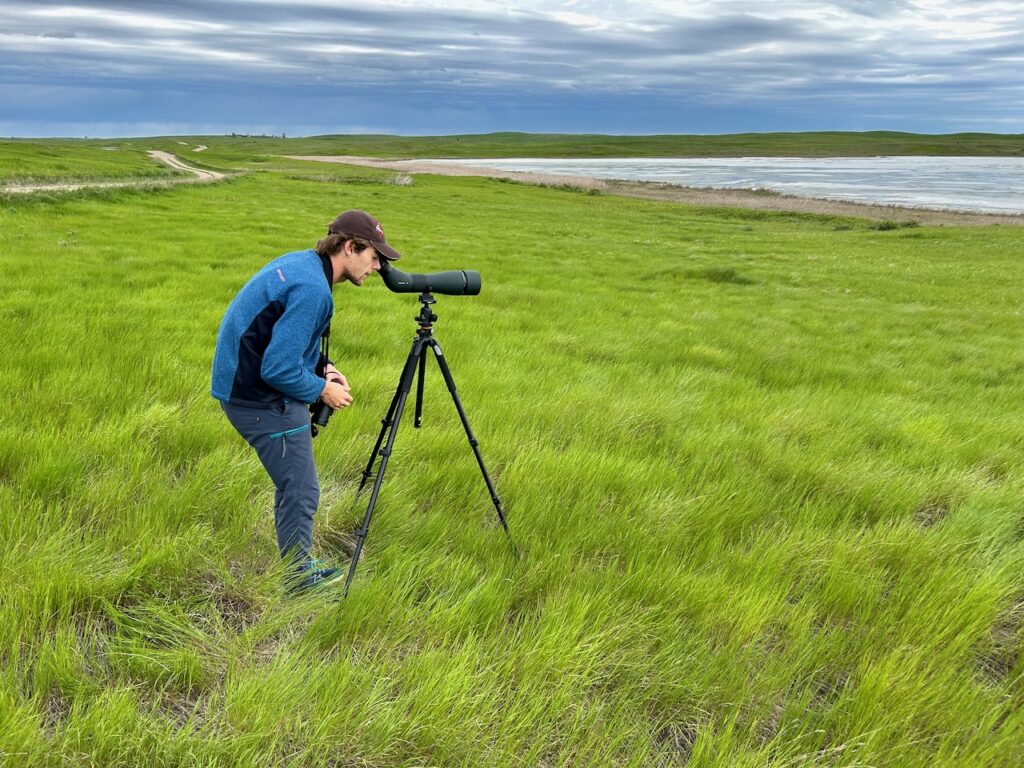
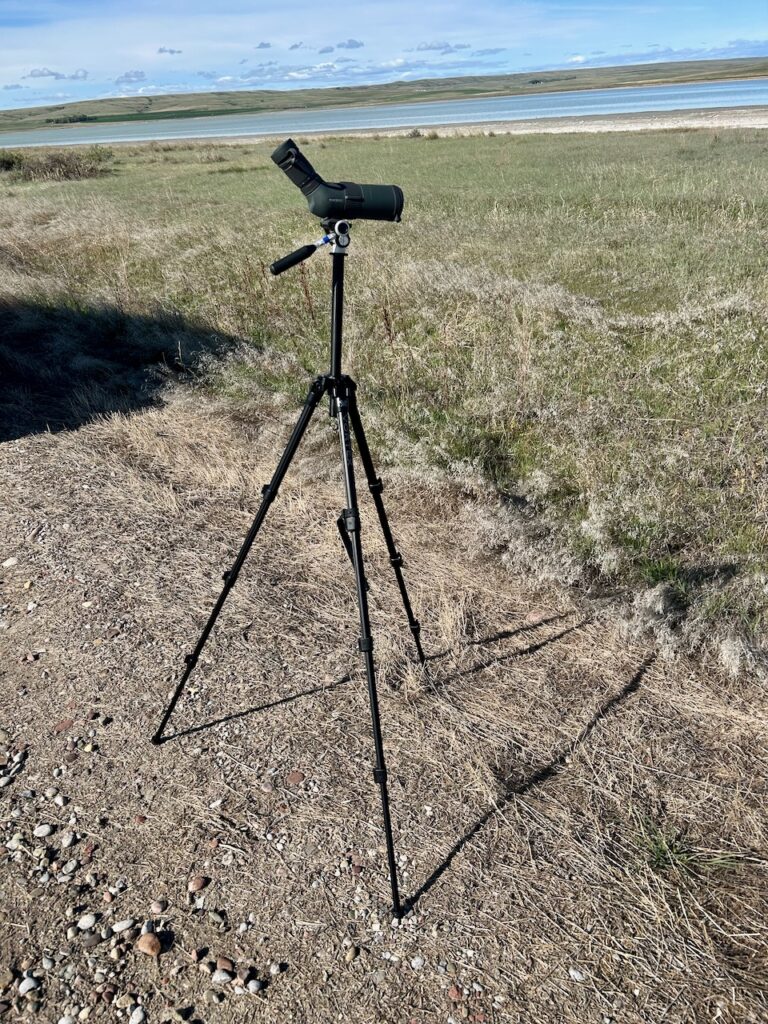
When we first started birding, Braden and I resisted getting a spotting scope because they seemed like such a pain to shlep around. Within a couple of years, we realized that scopes are essential birding equipment. Many, many manufacturers make and sell spotting scopes, but I’ll tell you, this is a purchase you will want to stretch for. We bought a cheaper scope in the $300 range—and are sorry we did. A couple years later, we sprung for a Vortex Viper HD 20-60X85, and love it. I just looked these up at B&H Photo and it looks like they can be had for about $700—a screaming deal. Don’t forget, though, that you also need a tripod to go with that scope. If you can afford it, I recommend buying a Vortex tripod to go with your Vortex scope, so that you won’t have to keep messing with a tripod adapter, which will invariably come loose as you are lugging your scope around.

Braden zeroing in on a rare Piping Plover in eastern Montana using our beloved Vortex Viper HD 20-60X85 spotting scope.

The above scope is definitely a “car model,” meaning it’s heavy enough that you won’t want to carry it more than a couple hundred yards. Last summer, though, I also tested a Vortex Razor HD 13-39X56 spotting scope with Mountain Pass tripod. At a total weight under five pounds, this lightweight combo is perfect for taking on planes in your backpack or even heading out into the wilderness if you’ve got to have a spotting scope with you. Just checking different outlets, it looks like the scope/tripod combo can be had for about $1,000 right now. It won’t pack the magnification of the bigger scope mentioned above, but it’s a great trade-off for those of us who travel a lot. In fact, I didn’t want to send my evaluation scope back to Vortex and am considering buying one for my own holiday gift! See our full review here.

In calm conditions, the Razor HD 13-39X56 and Mountain Pass tripod perform like a dream. Because they are lighter, wind produces more shake, just as it does for all but the heaviest scope/tripod combinations, but a convenient hook allows you to hang a stabilizing weight from the tripod.

Vortex Razor HD 10X42s: Holiday Optics Upgrade (FSB Equipment Review)

All photos and text on FatherSonBirding.com are strictly protected under copyright law. To request permission for use, contact Sneed at sbcollardiii@gmail.com. We encourage you to share these posts, but you DO NOT have permission to use these posts to train Artificial Intelligence models or make other use of them without our okay.

One of the highlights of my 2025 has been the opportunity to field test various bird-related equipment, especially binoculars and scopes from Vortex. In fact, our review of the Vortex Triumph HD 10X42 binoculars nabbed top spot among our most popular posts for the year, narrowly beating out our review of the Nikon Monarch HGs. And speaking of the Monarch HGs, this week I am pleased to offer my thoughts on binoculars that run in the same $1,000 price range as the HGs—the Vortex Razor HD 10X42s.

The Vortex Razor HD series of binoculars offers both superior optics and terrific build—and yet is still within reach of many (indeed, most?) serious birders.

The Vortex Razor HD series is not to be confused with the Vortex Razor UHD series—Vortex’s absolute top-of-the-line binoculars that come with price tags to boot. Maybe I’ll get a chance to review one of the UHDs sometime, but for now I am focusing on binoculars that a larger swath of typical birders can enjoy and afford—and the Razor HDs fit right in with that theme.

I’ve been using the Razor HDs for the past several months—a clue to how much I like them. Perhaps the best way to analyze them is to compare them to Vortex’s next step down, the Viper HDs, which we reviewed in this post.

Me with my buddy Scott—and my Razor HDs—during our recent outing to Bodega Head in California.

Right off the bat, I have to say that both the Vipers and Razors offer exceptional clarity and light transmission—to the point that I would be hard-pressed to place one above the other in a blind “binocular tasting” test. I have used both models in all kinds of situations, including dark and overcast conditions, and been thrilled with the images reaching my eyes. According to the Vortex website and my Vortex rep, however, the Razor HDs use a superior, tougher coating that provides better clarity and sharpness, and tougher protection so that the lenses are less likely to scratch.

Vortex has also gone to the trouble of using higher density glass for the Razors, as well as matching the lenses for better color matching at all wavelengths. Notably, in the Razors more of the image remains in focus at a range of 1,000 yards than is true of the Vipers. These things probably won’t be obvious to most users, but will, I predict, show up more in extreme conditions and as your own birding skills progress.

Where the differences between the Razors and Vipers really become obvious is in the build of each model. Both feel comfortable and solid to hold, but the Razor HD tubes are crafted from magnesium rather than from polymer—an upgrade you expect to find in all higher end binoculars.

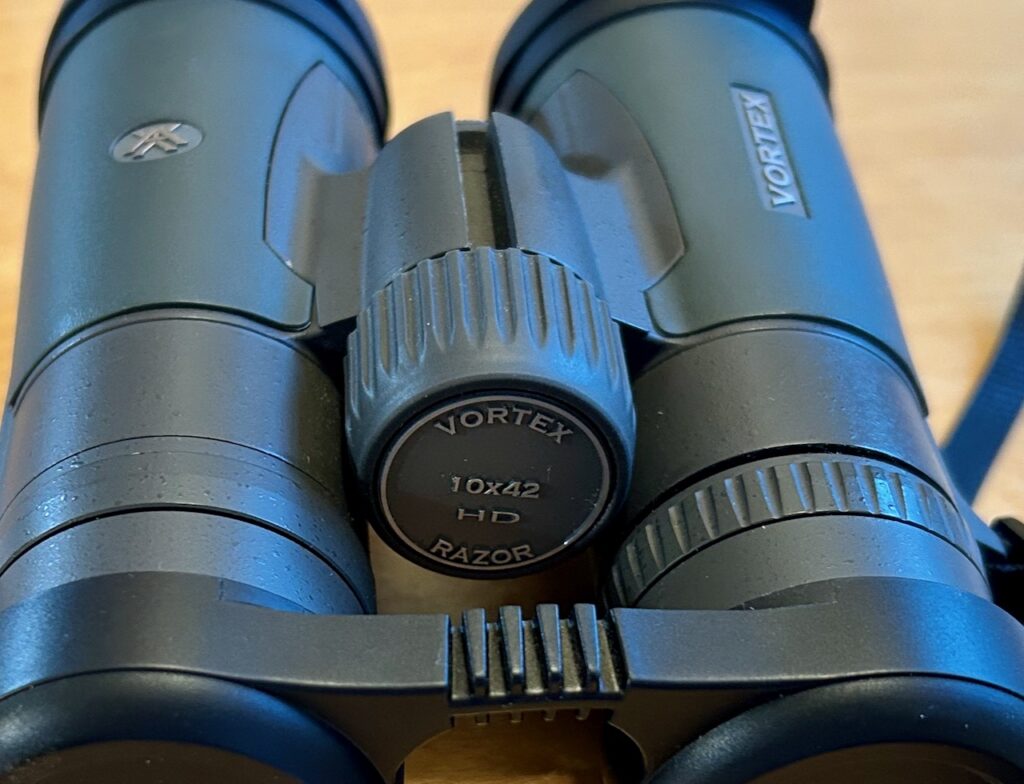
Even more impressive, the central focusing knob has much better action than you find on the less expensive models. One of my few complaints about the Viper HDs was the relative stiffness of the focusing knob, and how far you have to turn it to bring an image into focus. Vortex solves both of these problems with the Razor HDs. A single revolution of the knob takes you from a ten-foot focus to a distance of a mile or more! I can’t emphasize how awesome this is when you’re out in the field and have to switch from looking at a Lincoln’s Sparrow in front of you to a mystery raptor cruising a distant skyline. Not only that, the action is so smooth on the Razors that fine adjustments are accomplished with ease.

The smooth and functional central focusing knob is one of the features that really stands out on the Razor HDs.

Other specs on the Razors are very similar to what is found on the Vipers. The Razor HDs have a slightly wider field of view (6.9 degrees compared to 6.5 degrees) and are also .3” longer. Both weigh just under 25 ounces, light enough for most people to haul them around all day—especially if you use the Glasspak™ harness system that comes with most Vortex binoculars.

Both also have eye relief, but the Viper’s is a bit longer—17 mm versus 16.5 mm on the Razors, either of which should be fine for most people wearing glasses.

As you’d expect, the Razor HDs are waterproof, fogproof, and shockproof. Like the Vipers, the Razors also have locking diopter rings—the mechanism that corrects the central focusing knob for people whose vision is different in each eye.

The Vortex Razor HD series of binoculars is an excellent choice for those looking to step up the quality of their field optics—and not break the bank.

“But what about price?” you are undoubtedly asking—and since I’ve been comparing the Vipers with the Razors, you’re probably wondering if paying more is worth it. While the Vipers can be purchased for under $500, the Razors take a hefty jump up to about $1,000 at the time of this writing. Oh, what to do?

Let me begin by saying that if you are used to cheaper, crummy binoculars, you’ll be delighted by either one of these models. Both are covered by the amazing Vortex lifetime, no-questions-asked warranty along with excellent customer service. If the Razors simply aren’t in your budget, the Vipers are a very nice investment in your birding activities and will last you as long as you can still bird.

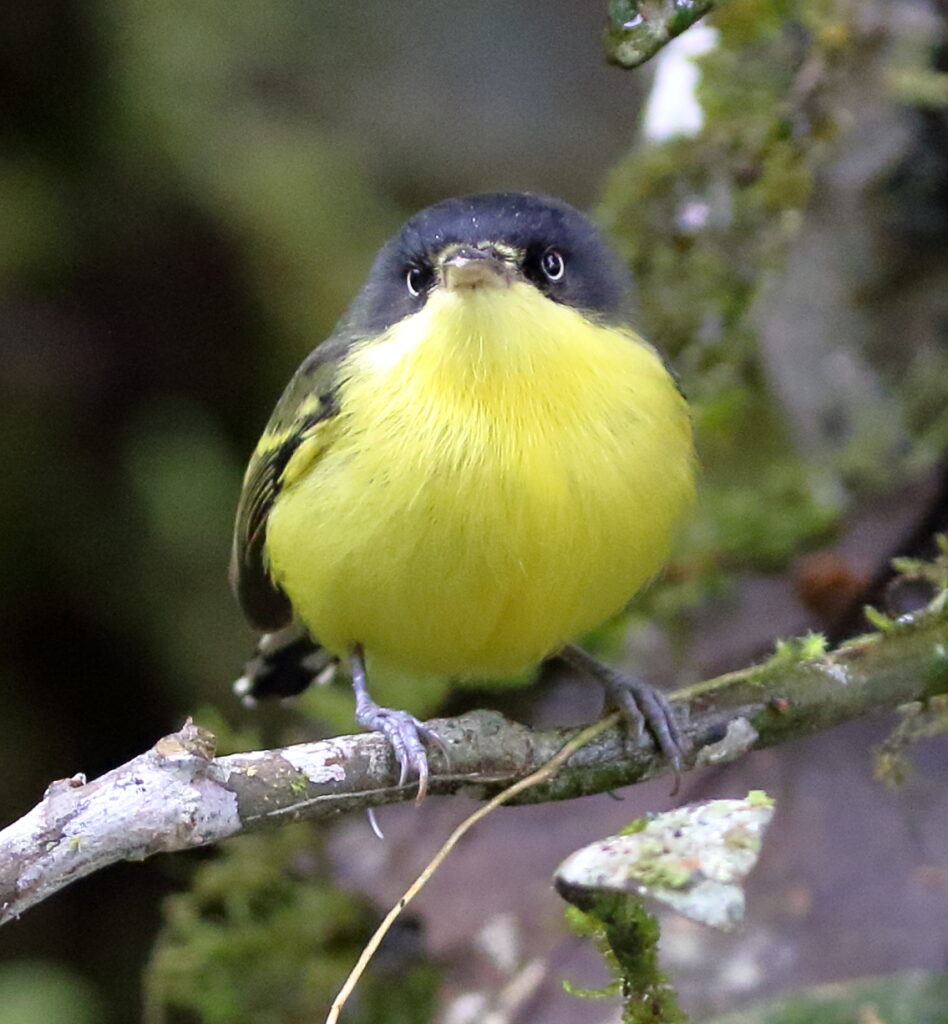
If, however, you’ve just sold some NVIDIA stock or have just benefited from recent changes to the tax code, I would definitely encourage you to opt for the Razors. Even if you’re not wealthy, but want to make sure you get the most pleasure out of your future birding, the Razors make a solid one-time investment that will last a lifetime. $500 extra sounds like a lot—and it is to most of us—but if you’re serious about birding, you will most likely forget about the price difference the first time you focus in on a Common Tody-Flycatcher in the mountains of Colombia, or perhaps even an Evening Grosbeak in the backyard.

So there you have it—and with Christmas coming up to boot. What a coincidence! Or . . . was it?

For more information on the Vortex Razor HDs including where to buy them, click here!

Seeing your first Common Tody-Flycatcher in the mountains of Colombia will likely make you forget any higher price you paid for your Vortex Razor HDs.

A Beautifully Burned Forest (Book Review)

All photos and text on FatherSonBirding.com are strictly protected under copyright law. To request permission for use, contact Sneed at sbcollardiii@gmail.com. You DO NOT have permission to use these posts to train Artificial Intelligence models or do anything else with them without permission.

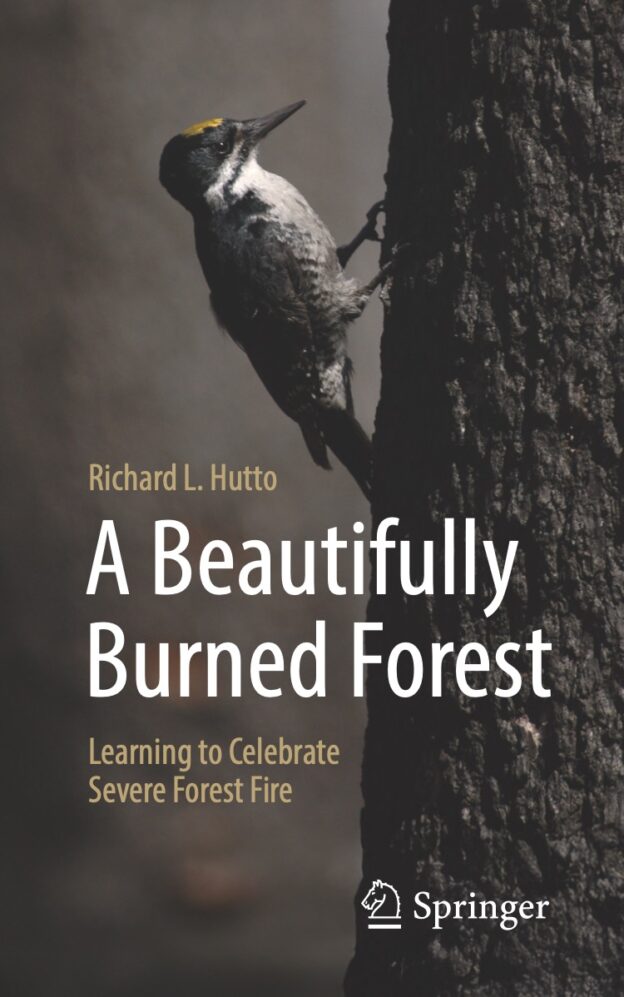
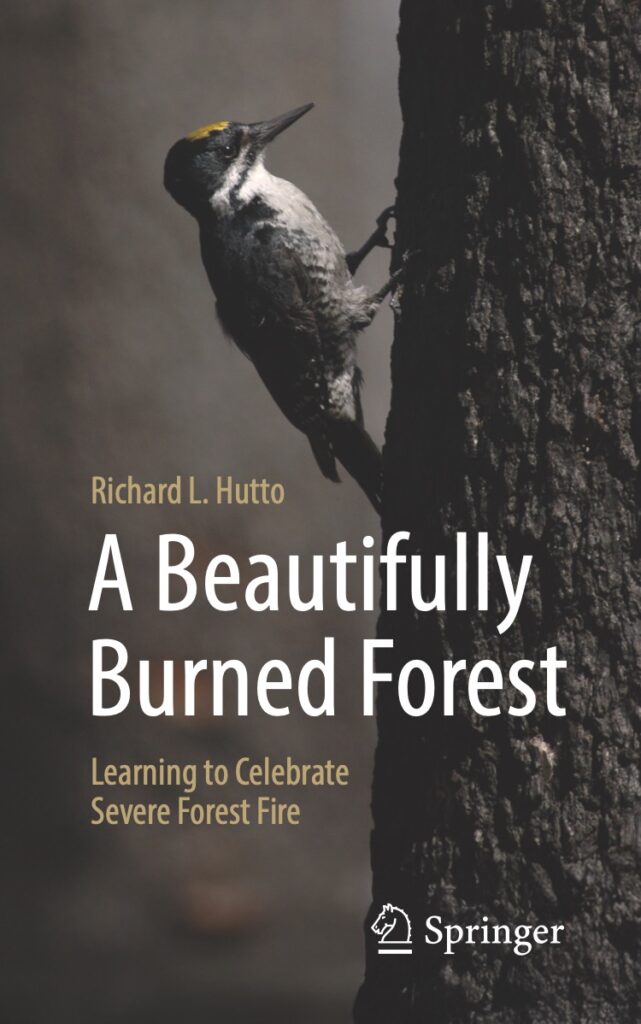
Richard L. Hutto’s new book A Beautifully Burned Forest: Learning to Celebrate Severe Forest Fire (Springer, 2025—click here to order) offers both timely insights into the roles of wildfire in our modern, over-heating world and an engaging memoir of a scientist’s journey. Before I met Hutto—Dick to his friends and colleagues—I had no idea of the vital ecological processes and multitude of species that depend on severe forest fires in the West. Although I had met Dick casually several times through a mutual acquaintance, it wasn’t until I needed someone to teach me about woodpeckers for a proposed children’s book that I reached out to him directly. I asked if he could take me out to show me some woodpeckers and explain a bit about them, and he graciously agreed.

Richard L. Hutto’s A Beautifully Burned Forest is not only a must-read for anyone interested in the health and future of our forests, it makes an, ahem, red-hot Christmas gift idea. Click on the above image to order.

Dick took me to the Blue Mountain burn area just south of Missoula and he did indeed start showing me woodpeckers and telling me about them. What he was really teaching me, I began to realize, is the beauty of a burned forest and how many plants and animals depend on it. I would still eventually write a children’s book about woodpeckers, but first I decided to write Fire Birds: Valuing Natural Wildfires and Burned Forests.

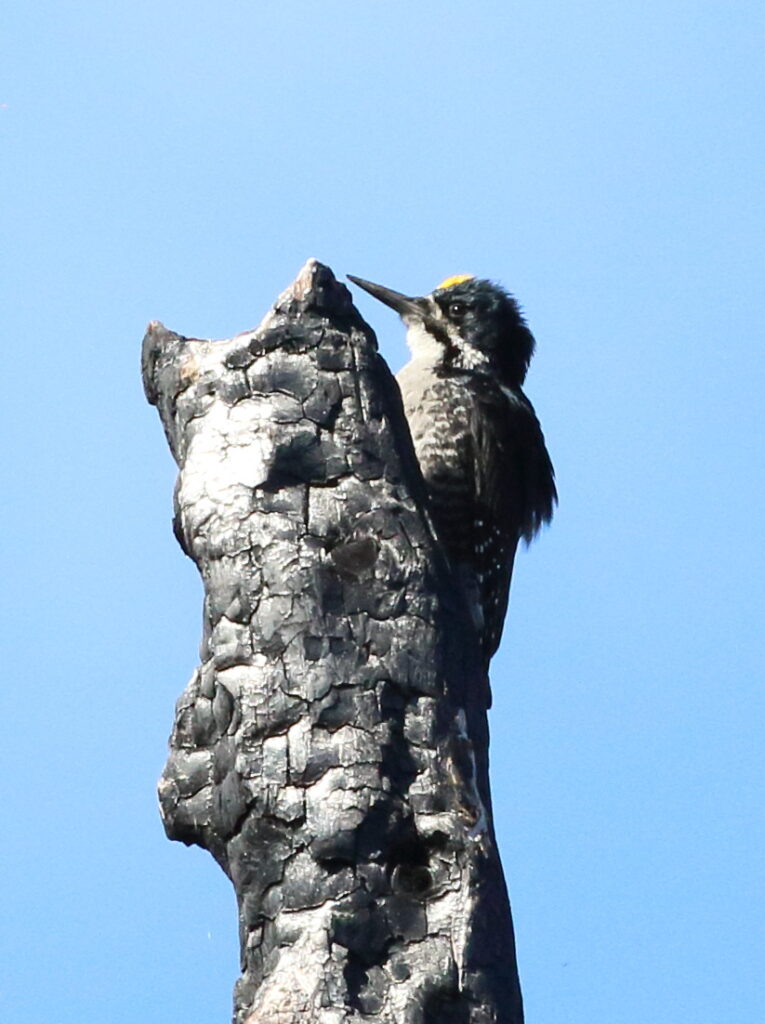
Both of our books focus on Hutto’s groundbreaking research into the many organisms—especially birds—that depend on standing, severely burned forests. The Black-backed Woodpecker is the poster child for burned forests. This bird is highly adapted to blend in with charred tree trunks and excavate wood-boring beetle larvae from the rock-hard wood. In the West, in fact, this bird is found almost exclusively in severely burned forests that have a high density of larger diameter standing trees.

In the West, the Black-backed Woodpecker relies on severely burned forests perhaps more than any other bird species. By excavating holes, these birds and other woodpeckers, also open up the forest for a host of other birds, mammals, and other vertebrates.

Once they move into a fresh burn the Black-backed—along with American Three-toed and Hairy Woodpeckers—open up the forest to many other cavity-nesting birds, mammals, reptiles, and amphibians. They do this by excavating holes in the trees, often many more than they will ever use themselves.

The problem, Hutto points out, is that our society has been conditioned to view all forest fires as bad. As soon as a severe fire roars through an area, the clarion call rings out to somehow “save” the burn by “salvage” logging it. Which trees do loggers take? The best and the biggest—the exact trees that Black-backed Woodpeckers need to hunt and nest in. Hutto also points out that as soon as these large trees are removed, their cones can no longer reseed the forest naturally, necessitating hiring battalions of workers to replant the forest by hand—at taxpayer expense.

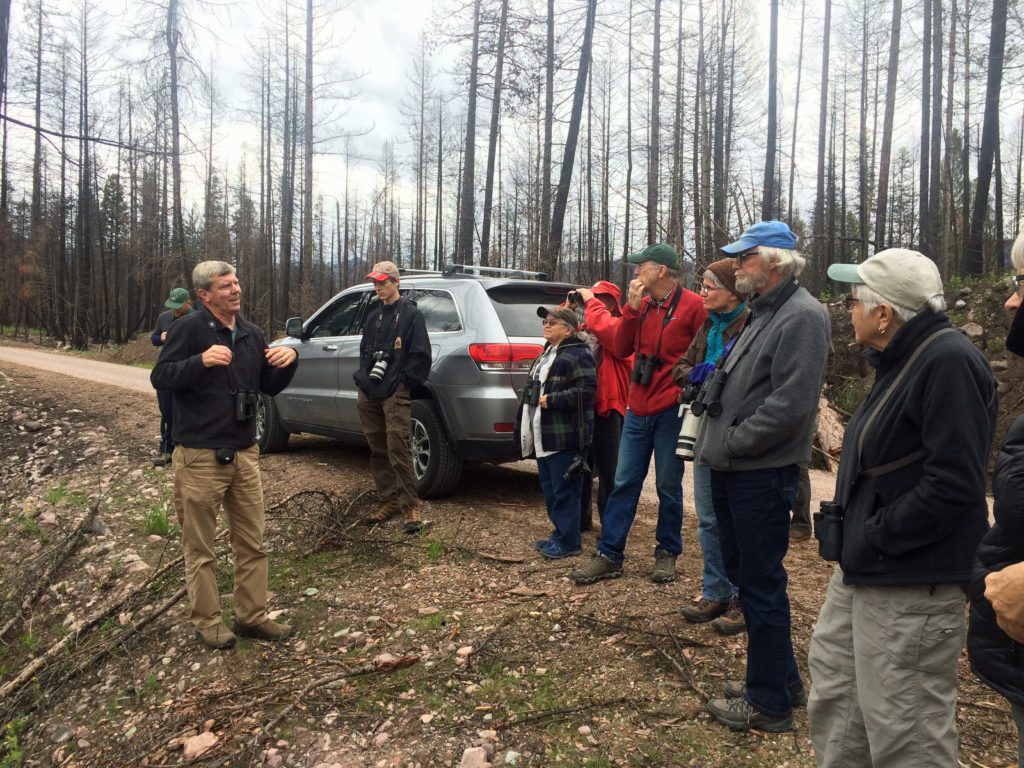
Dick Hutto (left) leads a local birding group through a newly burned forest near Seeley Lake, Montana, explaining the vital ecological role the burned forest plays.

In A Beautifully Burned Forest, Hutto dives deeply into our society’s entire approach to managing forests and fires, tracing the beginnings of fire suppression to the widely spread notion that our forests are somehow “out of whack” and need to be overly managed with thinning and prescribed burns.

Climate change, of course, is a wildcard in the future of forests and wildfires, but Hutto makes a strong plea to focus on solving the underlying problem of reducing greenhouse gas emissions instead of making our forests ecologically less viable through extensive, often poorly planned micromanagement.

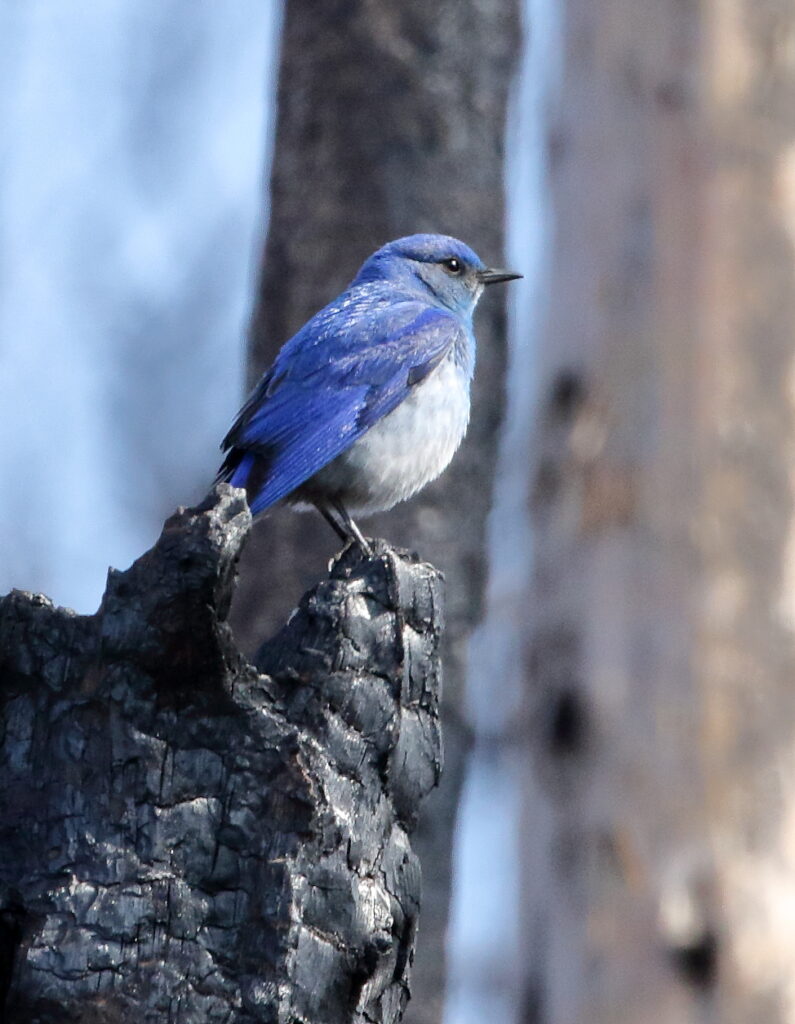
Mountain Bluebirds are just one of dozens of bird species that prefer nesting in burned forests to other habitats. Here they find plenty to eat along with safety from small predators, whose populations are reduced by forest fires.

Anyone with an interest in our forests and wildfires—in other words, every single person living in the American West—should read A Beautifully Burned Forest. It’s a fairly quick read that will change the way you view and understand our spectacularly diverse region. Especially in this day where misinformation rules, Hutto’s book is a valuable step in creating an educated public that insists on smarter management of the lands that sustain us.

Note: If you are interested in Sneed’s children’s book, Fire Birds, supplies are down to a couple of dozen in the warehouse so order soon by clicking here or calling your local indy bookstore. Both Fire Birds and Woodpeckers: Drilling Holes and Bagging Bugs make ideal Christmas presents for grades 3-8 readers.