Category Archives: Listing

Montana County Sweep: Our Final Eastern Montana Odyssey Post

Just so you don’t get lost in the narrative below, be sure you catch up with our last post—or, better yet, begin with the first post in this series!

We made our way out of the Ekalaka Hills along a different road than the one we came in on—and are so glad that we did! This route paralleled the top of a dramatic rim that dropped hundreds of feet to the plains below. As we drove, we experienced a wealth of warblers, nuthatches, Mountain Bluebirds, wrens, and other songbirds. I wasn’t quite satisfied with our view, though, so I told Braden, “Pull over. I want to walk to the edge.”

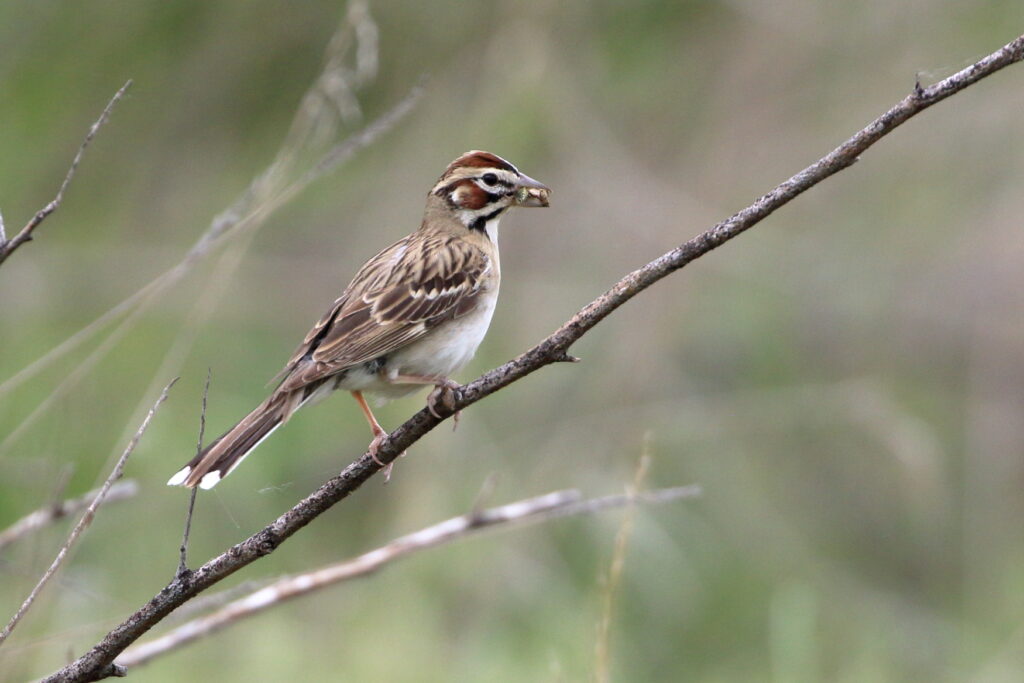
I will never get tired of watching and photographing Lark Sparrows, but this one along the Ekalaka Hills rim was especially cooperative!

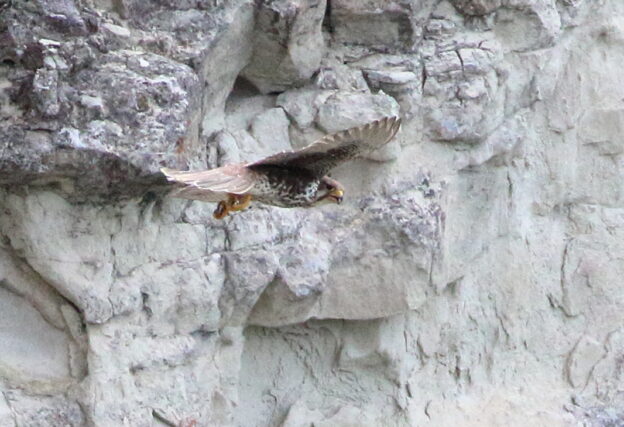
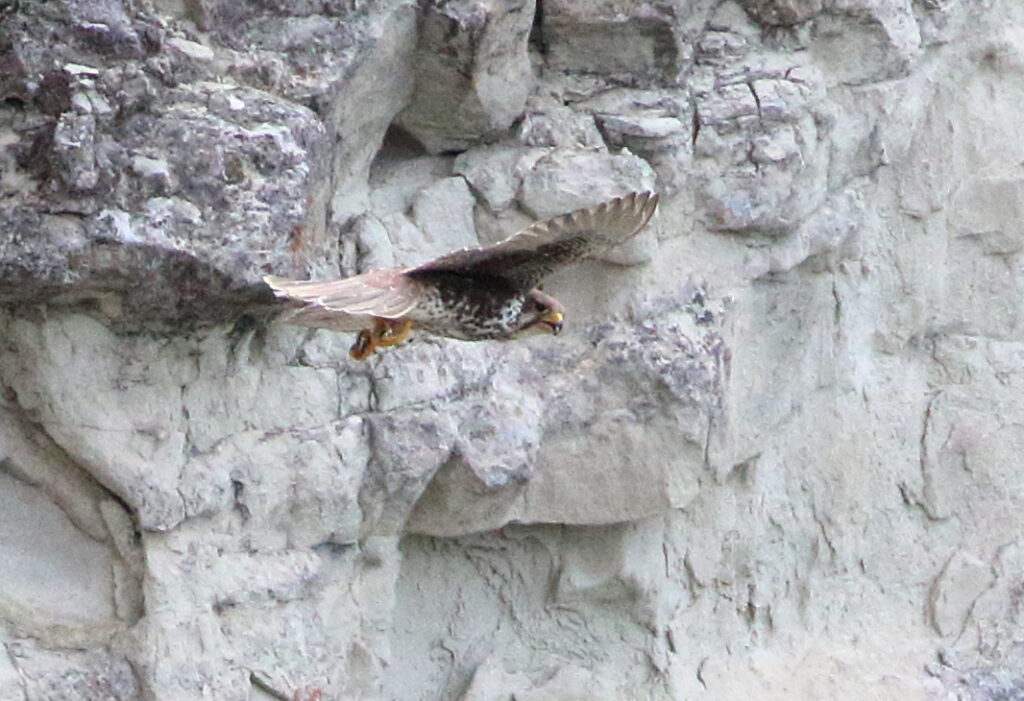
Even as I approached the rim, I could see White-throated Swifts and Violet-green Swallows working the cliffs, and once we got there we experienced breathtaking views, perhaps all the way to South Dakota . Then I saw the bird I especially had been hoping for. “Braden!” I called. “Prairie Falcon!”

The cliffs on the south side of the Ekalaka Hills gave us our best-ever experience watching Prairie Falcons hunting.

This was a bird we had wanted to see the entire trip, but never dreamed of seeing in such dramatic circumstances. Braden hurried over to join me and we watched as this powerful, brown-backed bird deftly cut through the skies in front of us. “Wait. There’s a second one,” I said. “You’re right,” Braden exclaimed.

We spent a full ten or fifteen minutes enjoying the prowess of these magnificent hunters, and it made both of us feel good to know that the pair was undoubtedly nesting in a perfect place for them. Alas, we still had some serious goals ahead of us that day, so we reluctantly said goodbye and continued on our way.

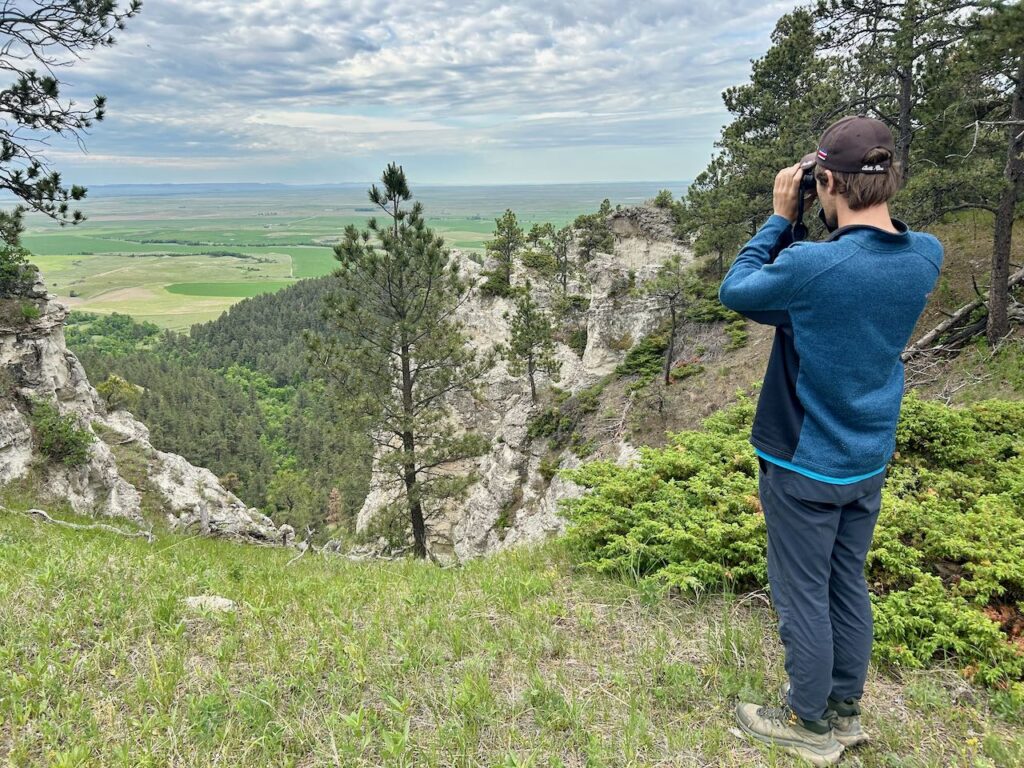
Braden watching the Prairie Falcons performing their acrobatic flights along the Ekalaka Hills rim.

As mentioned in our last few posts, we began our trip needing to bird seven Montana counties to totally fill in our Montana eBird map. In the past week we had knocked off Daniels, Prairie, Wibaux, Fallon, and Carter Counties (see our last post, “Adventures in Ekalaka”). Today we faced the final two: Powder and Treasure Counties. The first proved easy. Driving twenty or so miles south of the Ekalaka Hills, we cut SW along a well-maintained dirt road to Hwy 212 and then turned NW. Eight miles later, we crossed into Powder River County, and immediately began picking up Mourning Doves, Eastern and Western Kingbirds, meadowlarks, and other “roadside attractions.” To meet our ten-species minimum, however, we stopped at a small riverside fishing access in Broadus. There, we collected 13 species including Lark Sparrows, Lazuli Buntings, Yellow Warblers, and yet another Red-headed Woodpecker! Continuing on toward Miles City, we left Powder River County with a total of 21 species. Not bad for just passing through!

By the time we reached Miles City, our trip had taken us almost 2,000 miles, and I guess a collective fatigue had caught up with us. “Do you mind if we just find a coffee shop and chill out for a while?” I asked Braden. He was totally agreeable, so we spent an hour or so relaxing in a City Brew I’d frequented while teaching a writing workshop there several years before. It was just what we both needed. More important, it prepared us for our last lifetime Montana county!

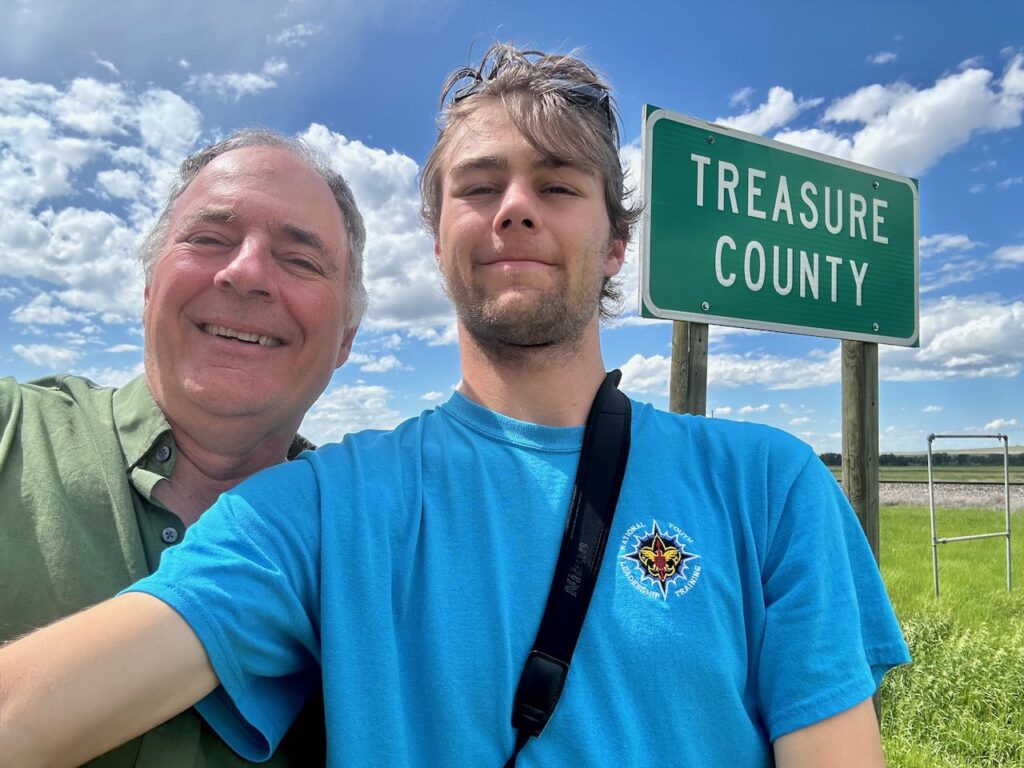
We did it! Our very last county we birded in Montana. And it only took us 11 years!

To reach Treasure County, we tooled down I-94 to the town of Forsyth, and then paralleled the Yellowstone River, driving west. About fifteen minutes later, we reached a sign marking the county line! We, of course, got out to immortalize the moment with our phone cameras, but even posing next to the sign we could hear and see Red-winged Blackbirds, a Western Meadowlark, and four or five other birds. We continued driving until we encountered a likely dirt road leading off to the north. We intended to try to reach the Yellowstone River, but found a promising thicket right before the road crossed some railroad tracks. “Let’s stop here,” I said.

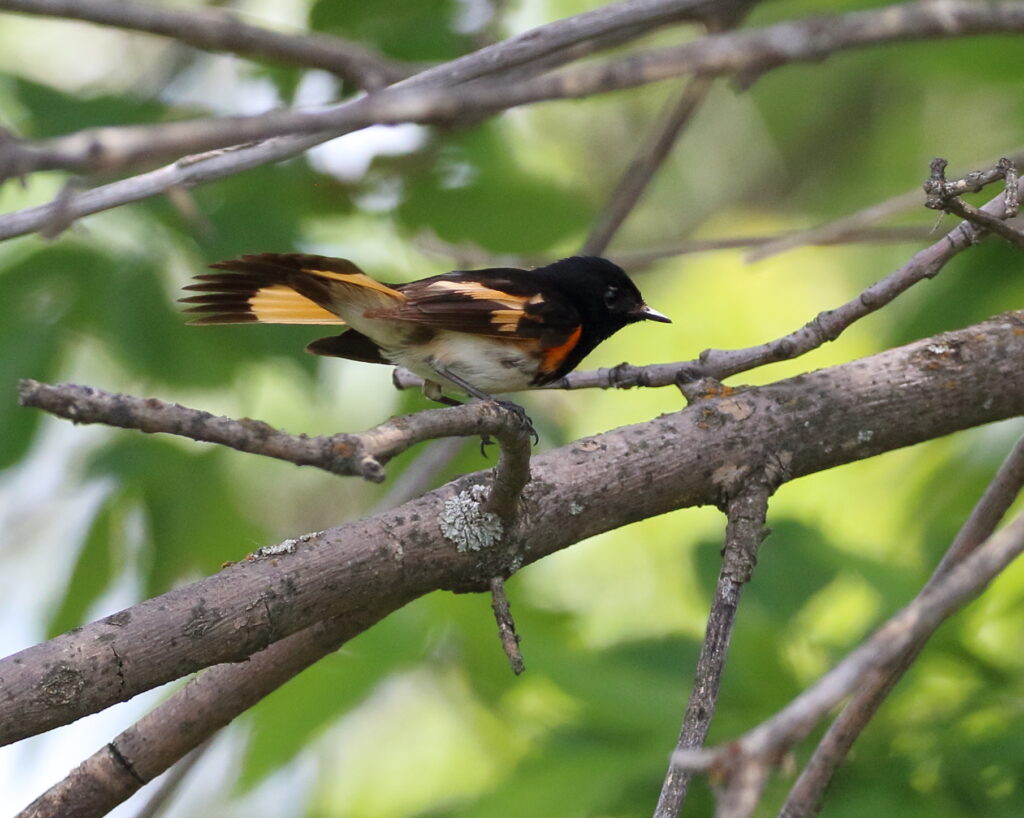
Immediately, we were rewarded with a Lazuli Bunting, American Goldfinch, Yellow Warbler, Yellow-breasted Chat and other birds. The stars? A pair of American Redstarts that landed right in front of us, posing beautifully. Unlike with the Plumbeous Vireo (see our last post), I was prepared this time and took what may be my best American Redstart photos ever! Braden and I delighted in watching these birds for more than a minute before they flitted off into the thicket. But one more Treasure County surprise lay in wait.

One of our best looks ever at American Redstarts, this warbler was our reward for completing our mission to bird every Montana county!

Driving a bit farther, looking for a place to turn around, we headed left down a dirt road. “Uh, this looks like a driveway to that farm over there,” I said, but right then we both saw it—yet another Red-headed Woodpecker! (See our last post.)

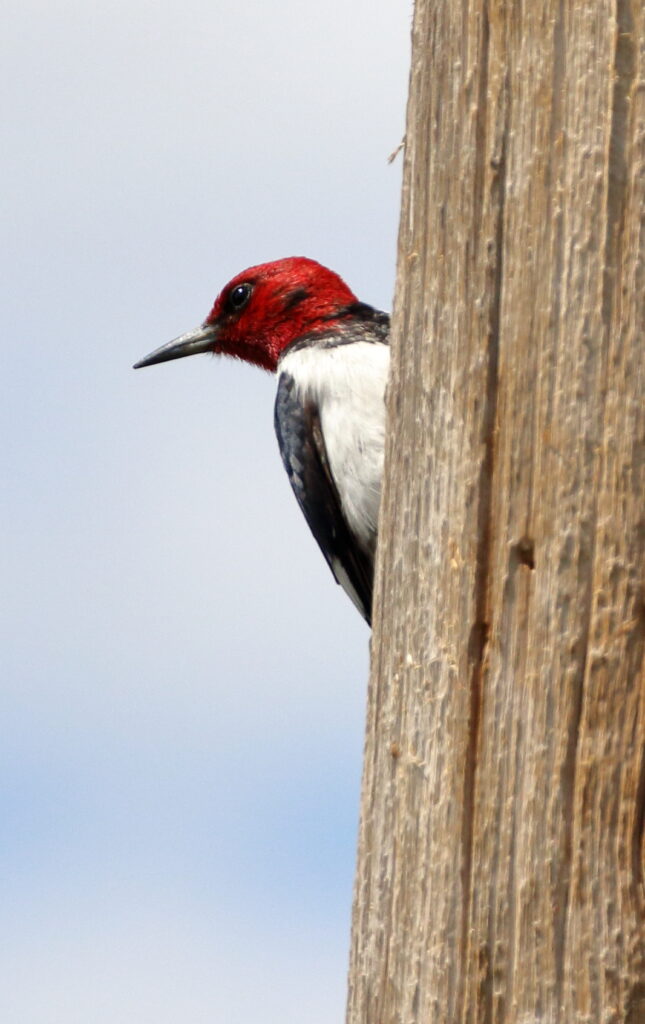
I, of course, climbed out to try to get a decent photo since none of the other RHWOs had cooperated on the trip. This one, fortunately, did—more or less—peaking out behind a telephone pole. It was a great way not only to wrap up our Treasure County list (21 species total), but to punctuate the completion of our goal of birding every county in the vastness of Montana.

This Red-headed Woodpecker both surprised and delighted us when we pulled over to pad our Treasure County list—our last Montana county to fill in our eBird map!

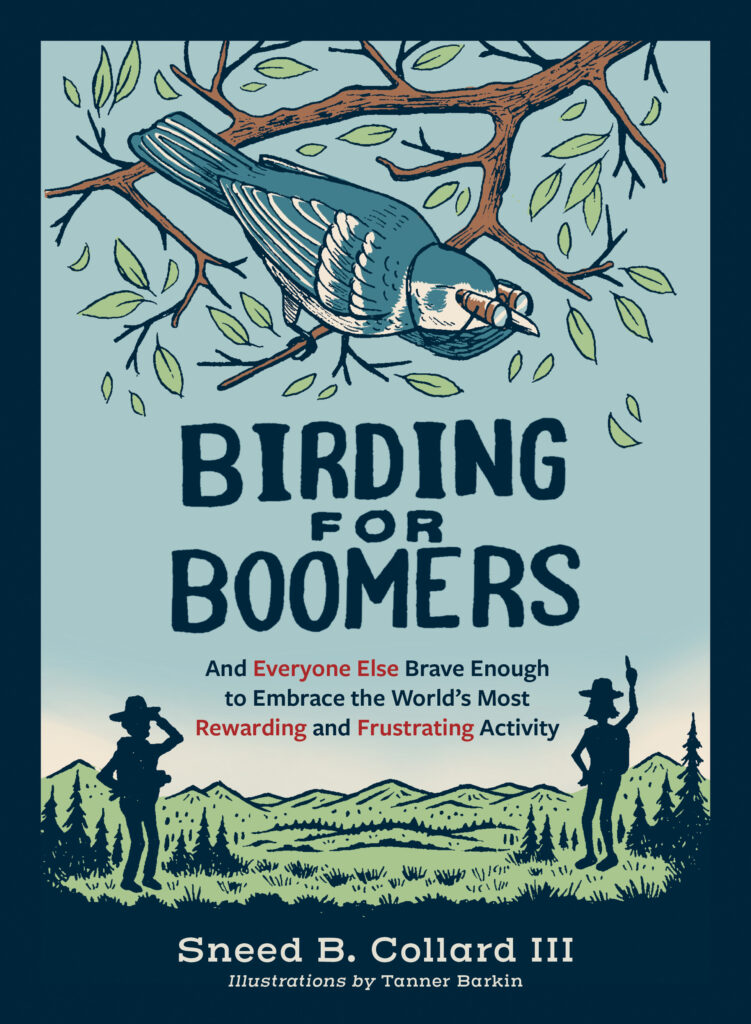
Our Eastern Montana adventure was far from over. It would take us on a wonderful adventure to a private ranch, back to perhaps my favorite Montana place to bird (see our post Bear Canyon—Montana’s “Tropical Birding” Paradise), and above ten thousand feet to witness the enchanting lives of Black Rosy-finches. Rather than blog about these last adventures, though, I’ve decided to write a book, so you’ll just have to be patient. Braden and I hope that you’ve enjoyed these posts, however, and rest assured, we have enjoyed sharing them with you. Please be sure to share, and if you’d like to support FatherSonBirding, consider purchasing new copies of some of Sneed’s books. Speaking of that, his long-awaited new adult book, Birding for Boomers, is now available for pre-order. Don’t be shy. Click on the cover below now!
Trip Stats:

Total Species Observed: 203 (from a goal of 185)

Total eBird checklists: 209

New Montana Life Birds: 5 + 1 (Broad-tailed Hummingbird, Broad-winged Hawk, Least Tern, Eastern Bluebird, Black Rosy-Finch plus—for Braden—Piping Plover)

Miles Driven: 2,482

Our eBird Trip Report: https://ebird.org/tripreport/246744

More than a decade in the making (sort of), my newest adult book, BIRDING FOR BOOMERS, will be available on September 1st—but you can order it now by clicking on the cover above!

Adventures in Ekalaka: Our 2024 Eastern Montana Odyssey Continues

We are pleased to present our sixth installment of our 2024 Eastern Montana Odyssey. Here, we leave the “interstate less traveled” and push into the brand new birding territory of southeastern Montana. We experience delightful new towns and vistas, and a wealth of surprising birds. We also keep knocking off new counties, drawing closer to completing our Montana eBird map. If you are enjoying these episodes, please share them with your birding friends and consider supporting our efforts by buying a *NEW* copy or two of one of Sneed’s books on the right.

Leaving Glendive, Braden and I had our work cut out for us. Not only would we be birding the southeast corner of the state for the very first time, this might be our only chance to nail down the last six Montana counties we needed to complete our eBird birding map! We had started the trip needing seven counties, and picked up one a few days before (see our post “Big Surprise on the Way to Plentywood”). Today, we planned to conquer Prairie, Wibaux, Fallon, and Carter Counties—and it would take some effort.

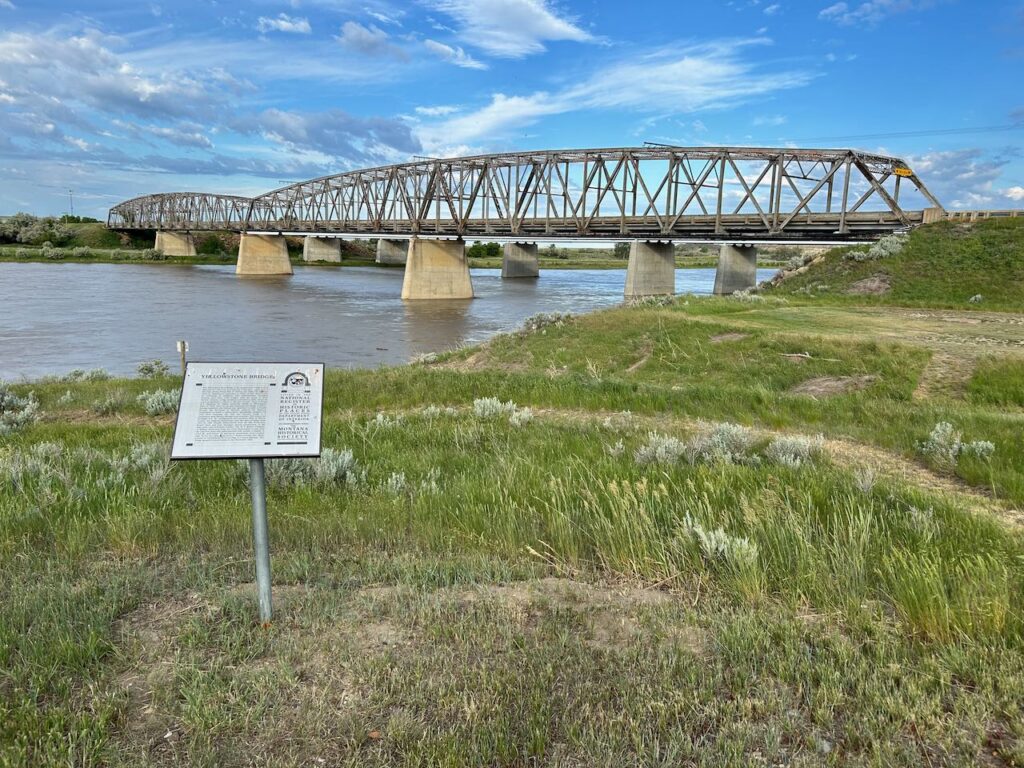
Fallon Bridge allowed us to bird the first of six Montana counties we planned to pick up in the next 48 hours.

First up? Prairie County which, unfortunately, didn’t sit anywhere on our way to or from someplace else we wanted to go. Before heading down to the southeast corner of Montana, therefore, we zoomed about twenty miles west down Interstate 94. Entering Prairie County, we spotted Western Meadowlark, Mourning Dove, and Cliff Swallow along the highway and we could have technically just turned around at that point. Braden and I decided, however, that to make our county map more meaningful we had to find at least ten, count ‘em, TEN species in each of our last seven counties. In Prairie County, we accomplished this with a stop at Fallon Bridge. Apparently, this also is a place to see Least Terns (see our last post), but we didn’t know that. Instead, we just got out and spent a few minutes enjoying what was there, including American White Pelican, more than fifty Cliff Swallows, a Lark Sparrow, and our County Bird of Prairie County, Brown Thrasher.

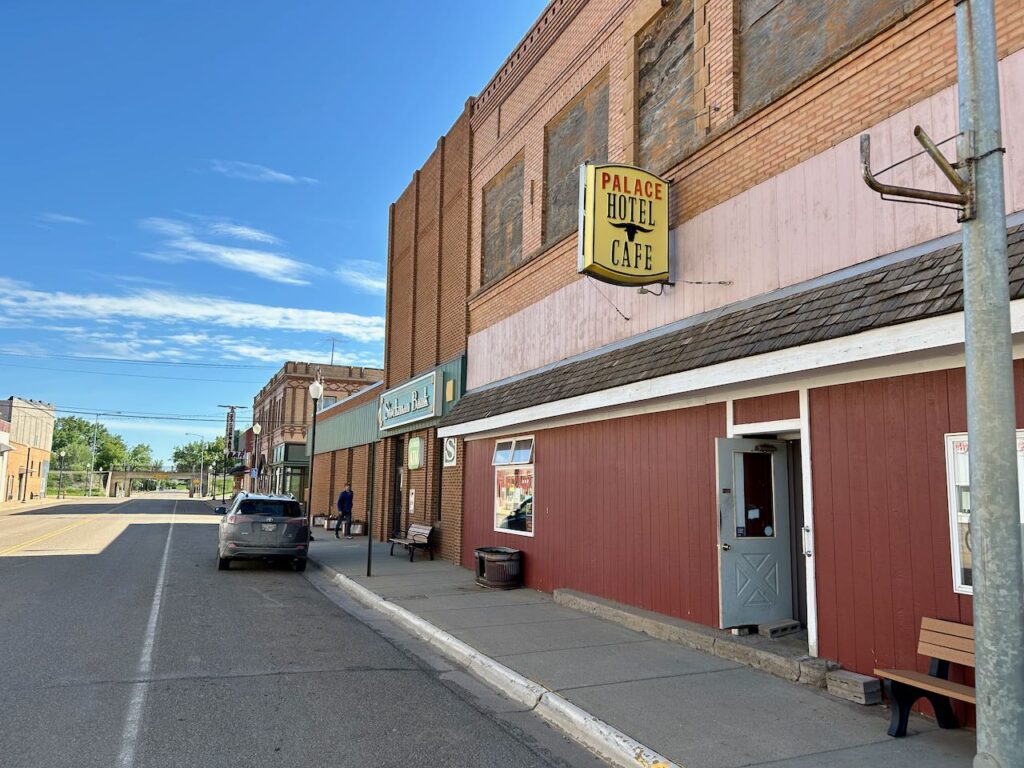
We raced back east on the interstate, past Glendive, to our main Wibaux County destination, the Wibaux Fish Pond. Here, we saw a satisfying 17 species including our County Bird of Wibaux County, Orchard Oriole. By this time our stomachs were complaining loudly about how we prioritized birding over eating. Fortunately, Wibaux is home to a wonderful little diner, the Palace Café. We stuffed ourselves on a scrumptious fat-and-protein-filled breakfast and emerged prepared to continue our vigorous Montana counties campaign.

A good small-town diner is one of a birder’s greatest pleasures. Don’t miss the Palace Hotel & Cafe in Wibaux!

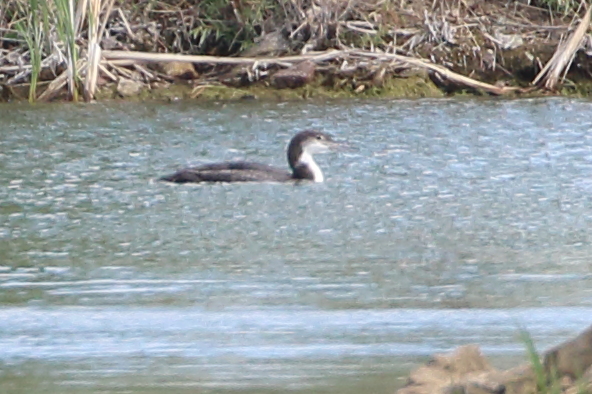
Next stop: Lake Baker in the town of Baker, Fallon County. We were both somewhat surprised to find a giant lake in the middle of the town. True, it was pretty developed, but we spotted nice surprises here including Eared Grebes, Western Grebes, and the star of our Fallon County lists, a Common Loon!

This Common Loon was a major surprise at Lake Baker.

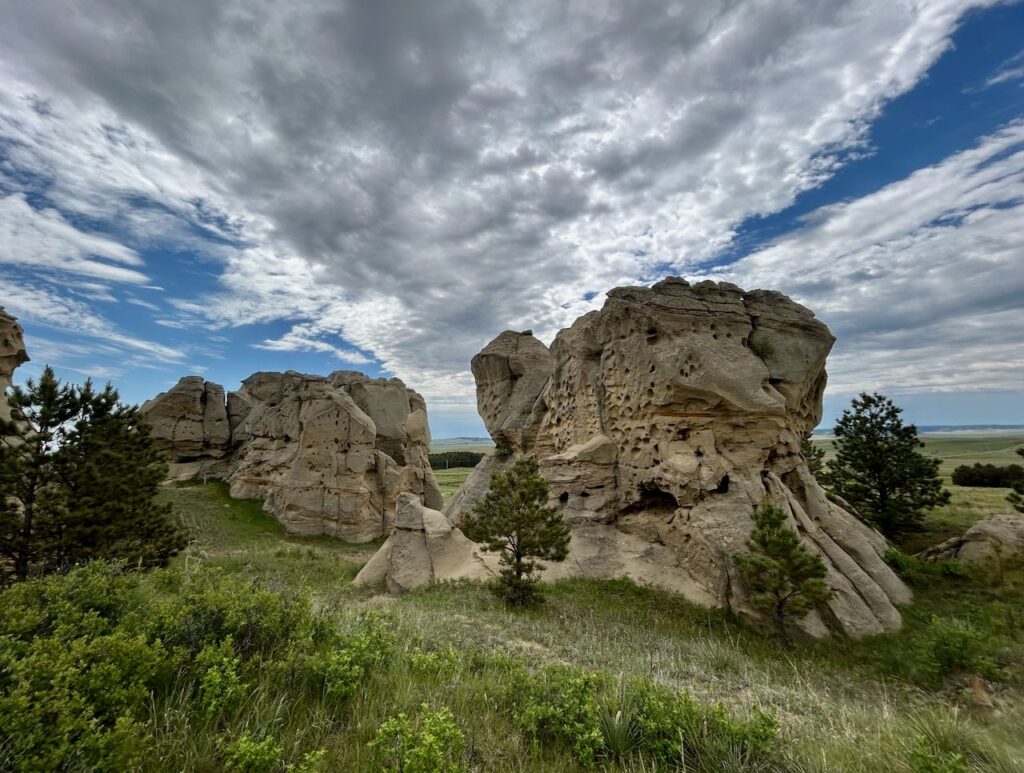
From Baker, it was on to Carter County, and here we settled into some more serious birding with a hike through the spectacular Medicine Rocks State Park. The fantastic, hoodoo-style rocks at Medicine Rocks were sculpted by wind and rain from soft inland sea sandstone. Not surprisingly, when humans came along the rocks assumed important sacred and cultural significance for native peoples and a fair share of interest from early white settlers.

Medicine Rocks State Park is plenty dramatic—especially with Red-headed Woodpeckers lurking nearby.

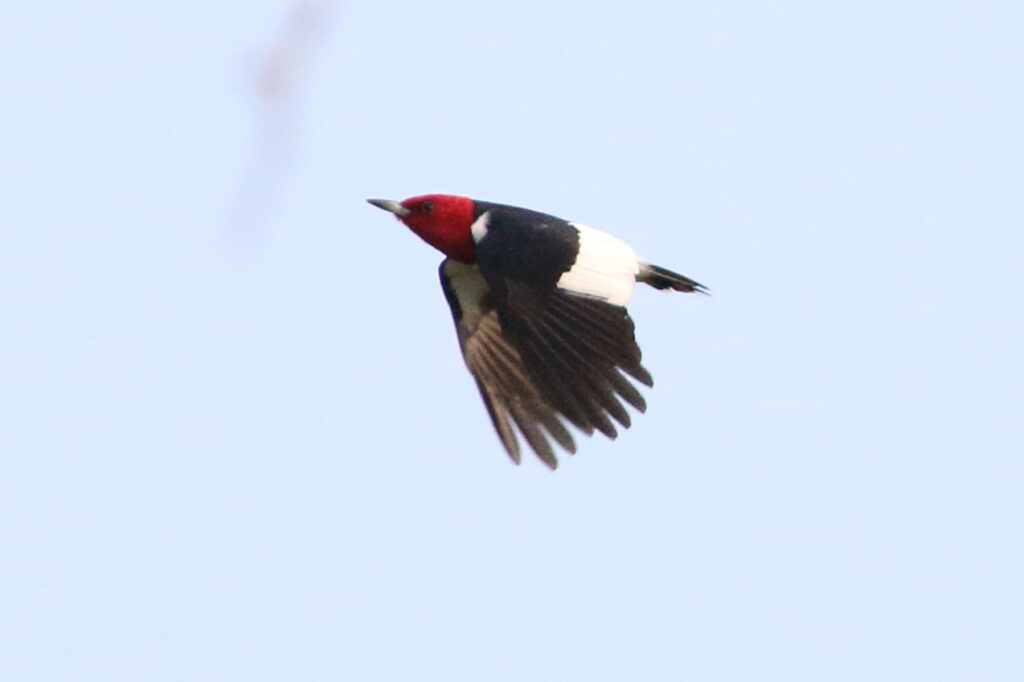
It was at Medicine Rocks that we spotted one of the birds we had most wanted to see on the entire trip. After walking a mile or so through the rocks, we connected with the pine tree-lined dirt road back to our car. As we walked, we caught a glimpse of a medium-sized bird that flashed white as it was flying away. “Red-headed Woodpecker!” Braden shouted. We didn’t get great looks, but never fear. This would not be the last RHWO we would see.

This fuzzy flight photo shows the dramatic color contrasts Red-headed Woodpeckers present, making them easy to identify from a distance.

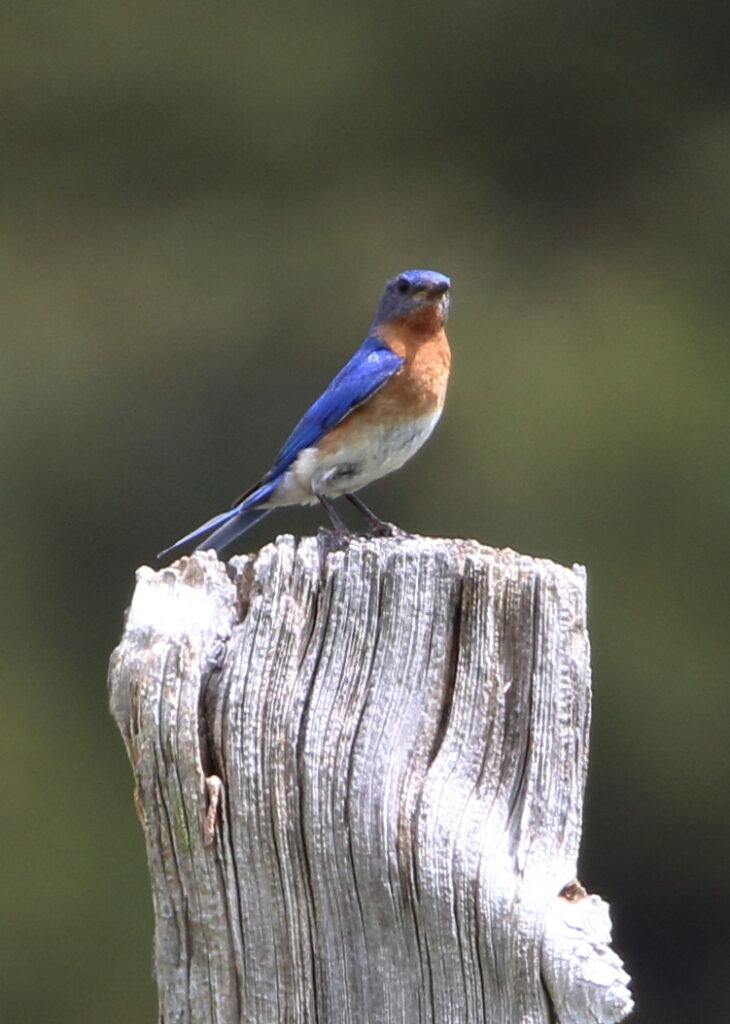
From Medicine Rocks, we made our way to our camping destination for the night, Ekalaka Park Campground. It was barely noon as we turned off on the dirt road into the higher hills south of Ekalaka, and we took our time, stopping to look at whatever cool birds we happened to encounter. Sure enough, we glimpsed two more RHWOs as they fled up and over a little hill. “Let’s follow them,” I said, steering up a little two-track up along a fence line. As we crested the rise, one of the woodpeckers was sitting on a fence post. It fled as I got out to try to photograph it, but meanwhile, Braden had sighted a surprise Montana life bird for us—Eastern Bluebird! Though almost identical to their Western counterparts, Easterns are easily distinguished by their red throats compared to the blue throats of WEBLs.

The red throat of this Eastern Bluebird easily distinguishes it from its Western Bluebird counterpart. Montana Lifer!

We continued to pick up great birds along the road: Yellow-breasted Chat, Lark Sparrow, Field Sparrows, and more Red-headed Woodpeckers. My favorite was our first ever really good look at a Plumbeous Vireo. We spent several minutes watching this handsome, “spectacled” bird. Alas, my camera was back in the car so we failed to get a photo of it. Some photos you just have to store in your brain!

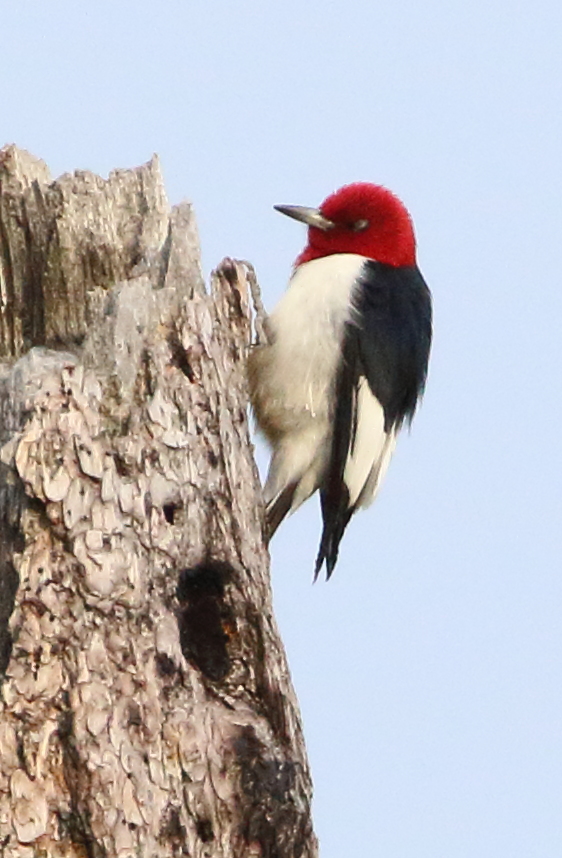
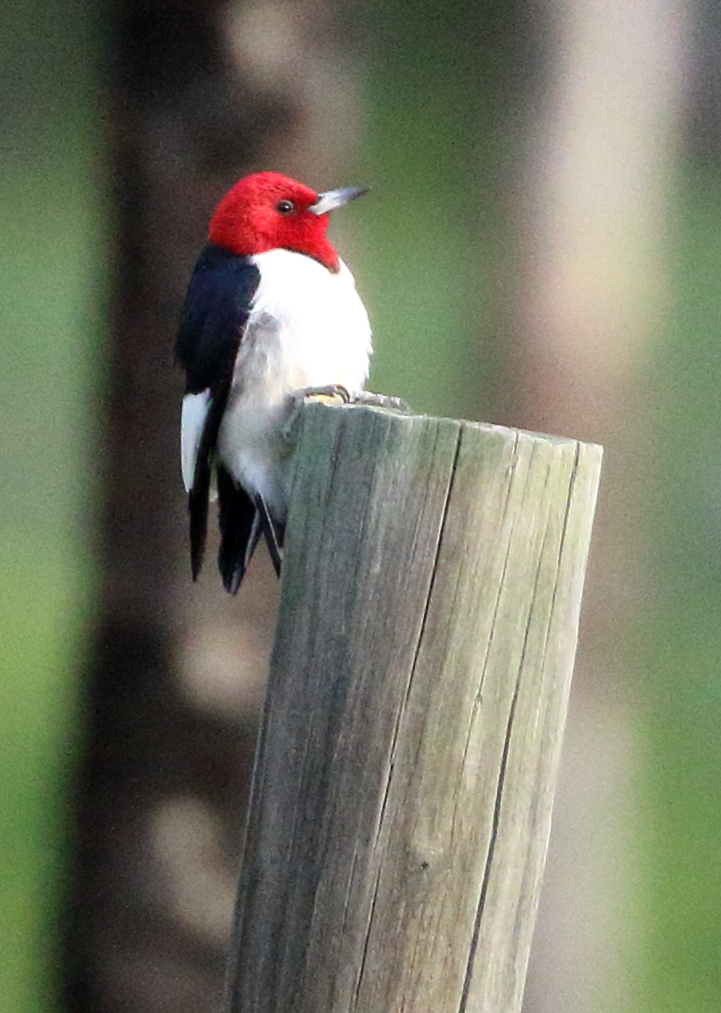
Although abundant, the Red-headed Woodpeckers in Ekalaka were on the shy side. I never managed to get closer than fifty yards or so to one.

We spent a delightful evening in Ekalaka Park Campground—the only campers there. The campground sits in a little bowl surrounded by dramatic cliffs and an older burned forest, making it the perfect habitat for Red-headed Woodpeckers. Sitting at our picnic table, we could hear and see woodpeckers all around us. Every once in a while, one would fly right through our camp. I made bean and cheese tacos and we settled in for our best camping experience of the trip.

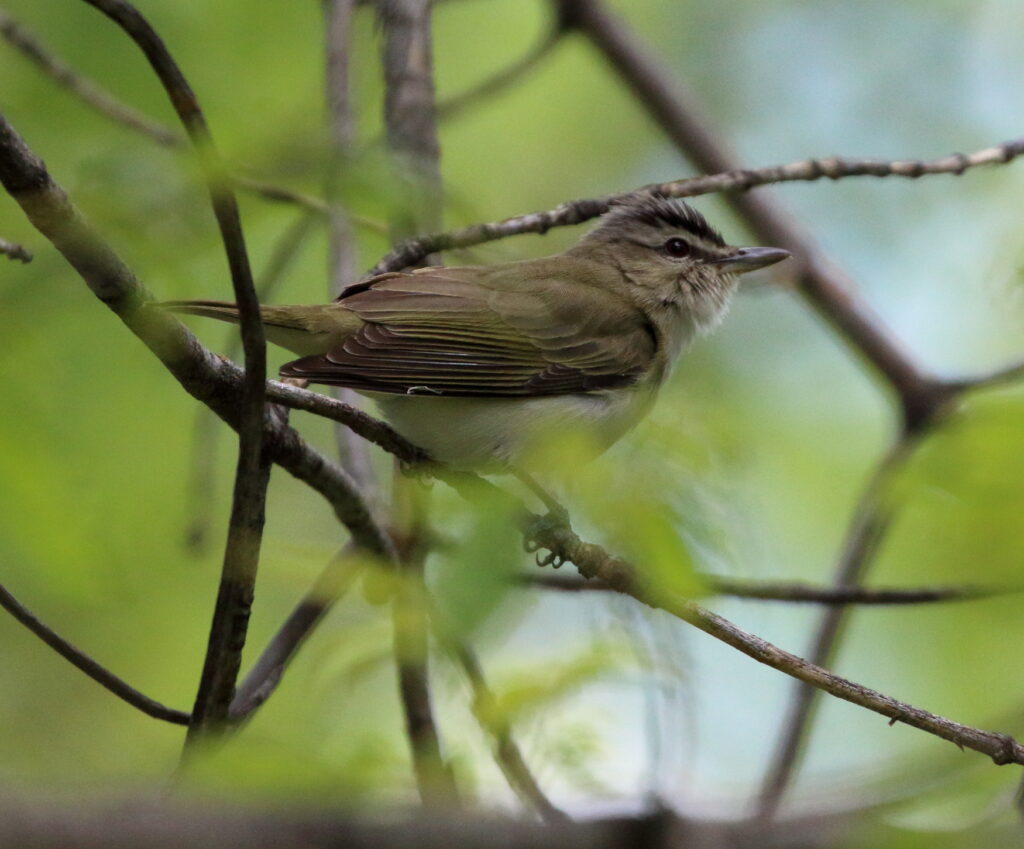
Ekalaka Park Campground offered perhaps our best-ever experience with Red-eyed Vireos, which serenaded us the whole time we were there.

The woodpeckers weren’t the only show offs in camp. That evening, Common Poorwills lulled us to sleep. We also had some of our best experiences ever with Red-eyed Vireos. In fact, when I woke the next morning, it was to a REVI’s delightful song. After working my way out of my sleeping bag, I climbed a nearby hill into the burned forest and picked a log to perch on. The air was cool and fresh, and woodpeckers flew from one snag to another. Sitting there, I felt very grateful for life, and that Braden and I could share the wonders of Montana birdlife together.

Taco Time in Ekalaka Park Campground.

Birding Ohau: A Hawai’i Report from Roger Kohn

Following Memorial Day, it is fitting that FSB presents a wonderful guest birding post about Hawai’i by Roger Kohn. For many Americans, World War II began in Hawai’i and left few families untouched by the experience. Roger’s dad served in the Navy during the war, and both of my grandfathers (Braden’s great-grandfathers) served in the Pacific. Meanwhile at home, my grandmother and great aunt worked in the huge Pratt & Whitney aircraft engine plant in Kansas City. As we honor all who served, I can’t help wonder how astonished our veterans would be to see peacetime Hawai’i today—a peace won by their commitment, intelligence, and sacrifice.

“I’m just going out there to hang out with my brothers, sip a few local beers, and eat good seafood”, I told Sneed in a February phone call. “Of course I’ll bird some, but it’s not really a birding trip.” I had made plans for what I called The Brother Summit. My California brother and I would go to Honolulu in April and visit our other brother, a Hawai’i resident. “Every trip is a birding trip,” Sneed quipped. I immediately knew he was right.

Our Special Hawai’i Correspondent, Roger Kohn, celebrates a big birding score at a viewpoint on the descent from the Koʻolau mountains.

Although I wanted to see as many birds as possible, I faced some built-in barriers. My brothers are not birders and I would not have a car, so I would have to find creative ways to get to some good birding hotspots. One way was to book a tour with a bird guide. I knew this was my only chance to see two Oahu endemic species (found nowhere else in the world, including other Hawaiian Islands): the Oahu Amakihi and the Oahu Elepaio.

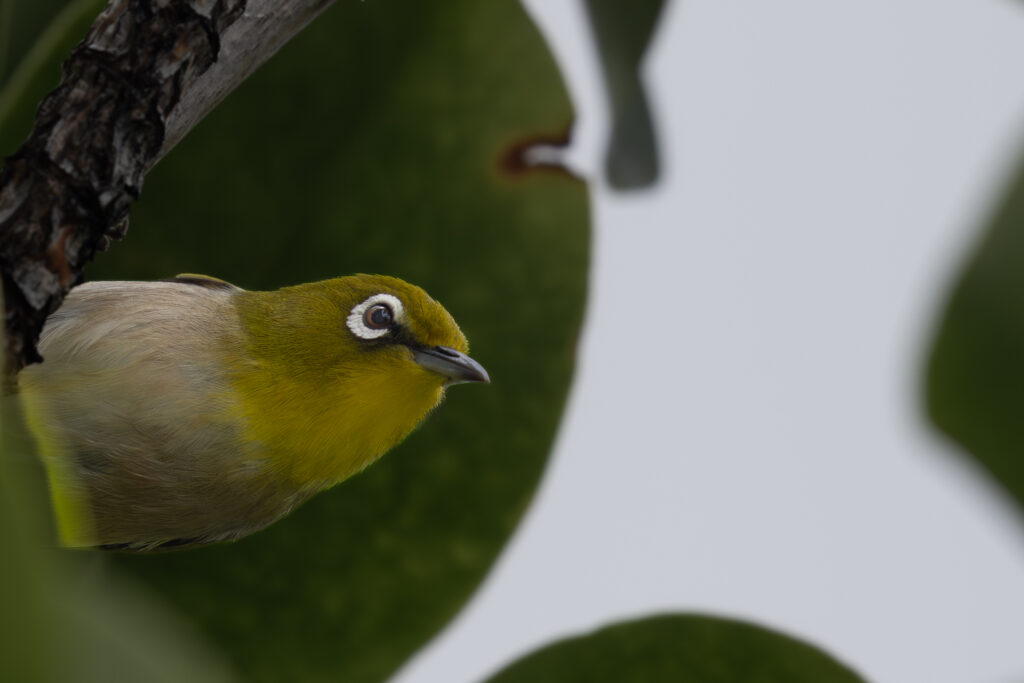
On the first morning of the trip, my guide and I ascended the Koʻolau mountains that tower above Honolulu. Our first stop? A roadside spot for seeing the Oahu Amakihi, a bright yellow honeycreeper and our first Oahu endemic target. As we searched for the Amakihi, we picked up two dove species (Spotted and Zebra, both very common), Red-vented Bulbuls, the omnipresent Red-crested Cardinals and Rose-ringed Parakeets (an invasive species considered a pest in Hawaii due to its impacts on agriculture, but I must confess, fun to see). I also saw my first Warbling White-eye of the trip, a Lifer for me. (For some fun perspective on this and other widely-introduced species, also Sneed’s Japan posts such as “Birding Japan: Tokyo, Part I” and Braden’s and Sneed’s post, “Layover Birding in Amsterdam.”)

I saw this Warbling White-eye near the pool at my brother’s condo tower.

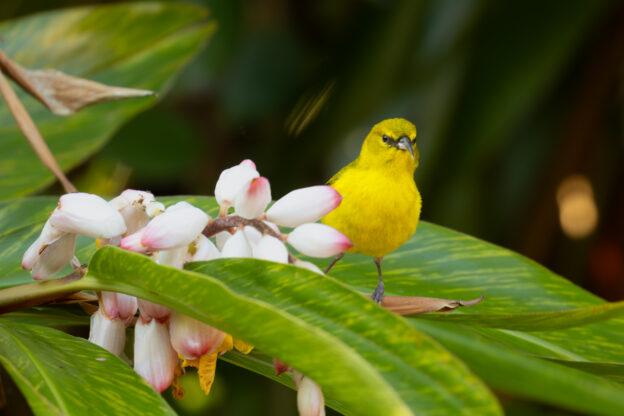
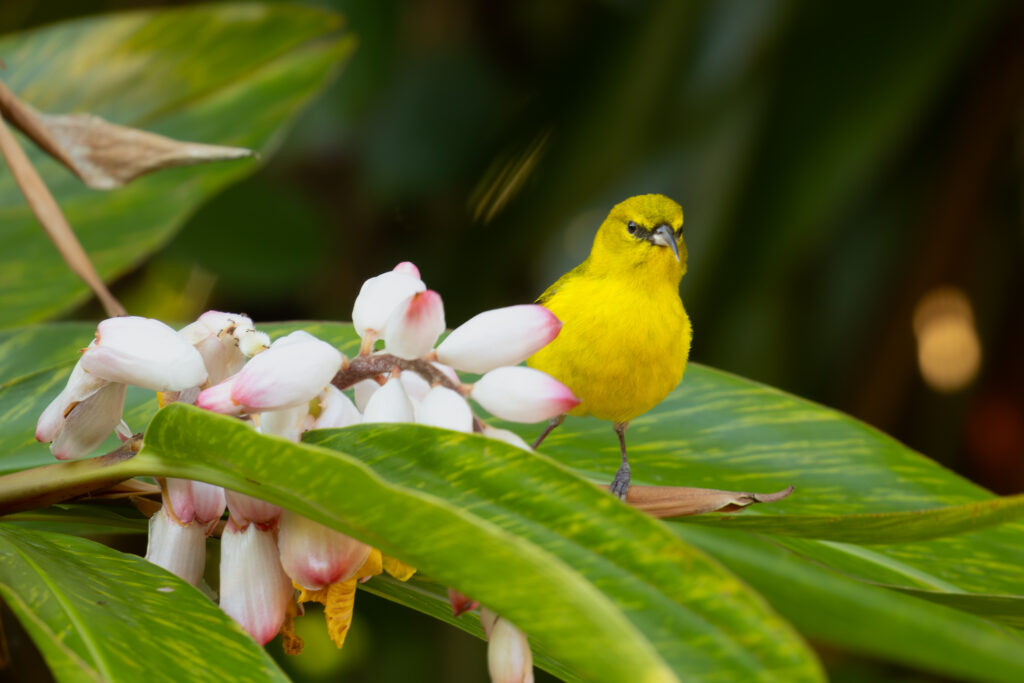
After a while, the guide spotted our target bird feeding in a ginger plant at the edge of the road, and we enjoyed good looks. The Oahu Amikihi is a beautiful bird, and the first honeycreeper species I’ve ever seen. The species is designated “near threatened” in eBird, so I felt very fortunate to see it. With this success under our belts, we headed down from the mountains, pausing at a viewpoint to take in epic views of Honolulu, with its skyscrapers and Diamond Head (the volcanic feature that looms over the city), backed by the deep blue waters of the Pacific.

I loved seeing an Oahu Amakihi, a honeycreeper found on Oahu and nowhere else.

Our second stop was a forest trail with the goal of locating the Oahu Elepaio. This proved difficult, and at one point we had been trying for at least an hour and half without success. Finally, as we made our way back to the trailhead, the guide spotted two or three individuals in bushes near the trail! We did not have good looks at the birds, which moved rapidly and offered us only brief, very filtered views as they flitted among the bushes. This flycatcher species is not much to look at, brown on top and white-ish underneath. But this Oahu endemic is listed as “vulnerable” in eBird, and once again I was grateful for the chance to see a rare Hawai’ian species.

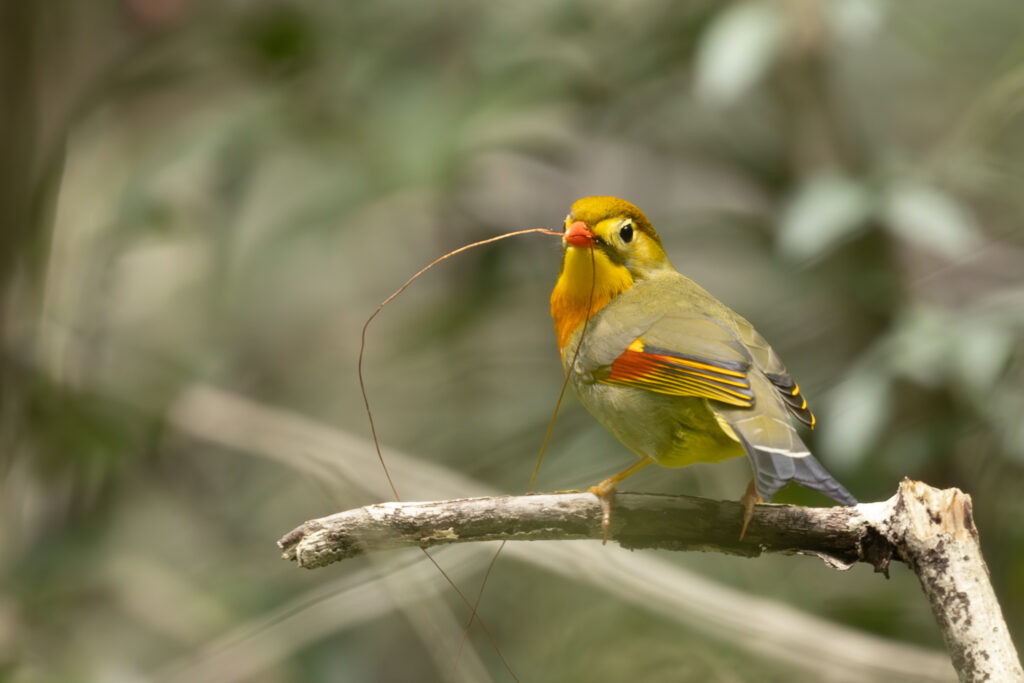
A gorgeous Red-billed Leiothrix allowed me a few good looks in the Makiki Forest Recreation Area. Even though introduced species such as this have had direct and indirect impacts on native Hawai’ian animals and ecosystems, they do offer an unusual opportunity to observe and learn birds from other parts of the world.

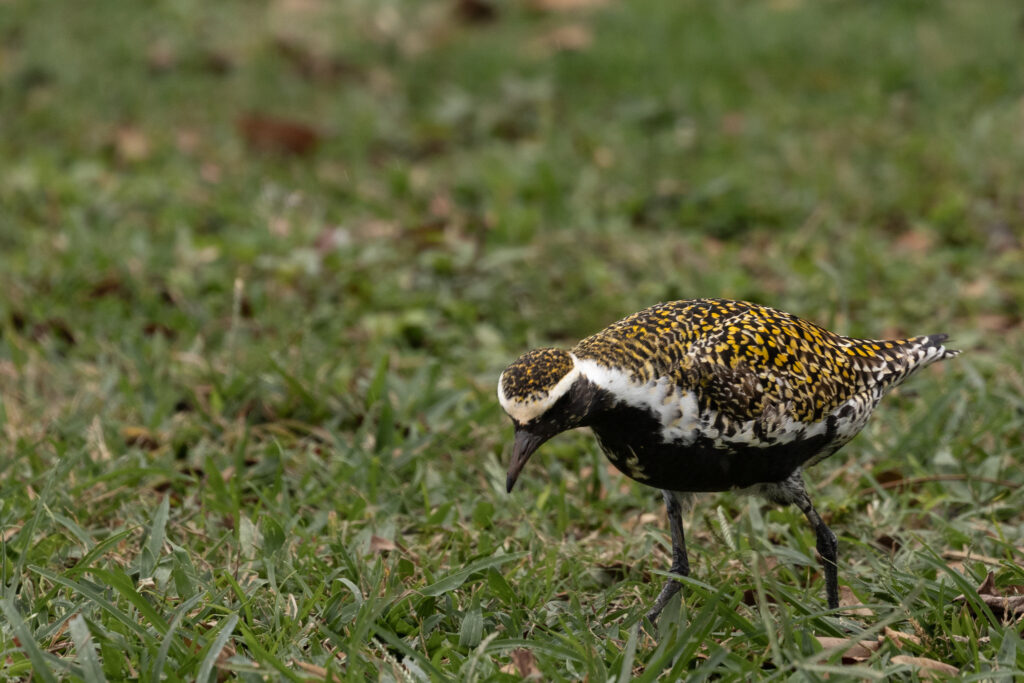
The next day, I got my first good looks at a Pacific Golden Plover on somebody’s front lawn. In breeding plumage, this plover species is quite striking, with a black belly and face, a thick, clean white stripe down the side of the neck, and brown, white, and shiny gold patches on the back. I would subsequently see this species all over town in any available stretch of green space, from small lawns to big city parks. Their migration to Alaska loomed, so my April visit proved ideal.

Resplendent Pacific Golden Plovers were a common sight in any available green space in Honolulu as they prepared to migrate to Alaska.

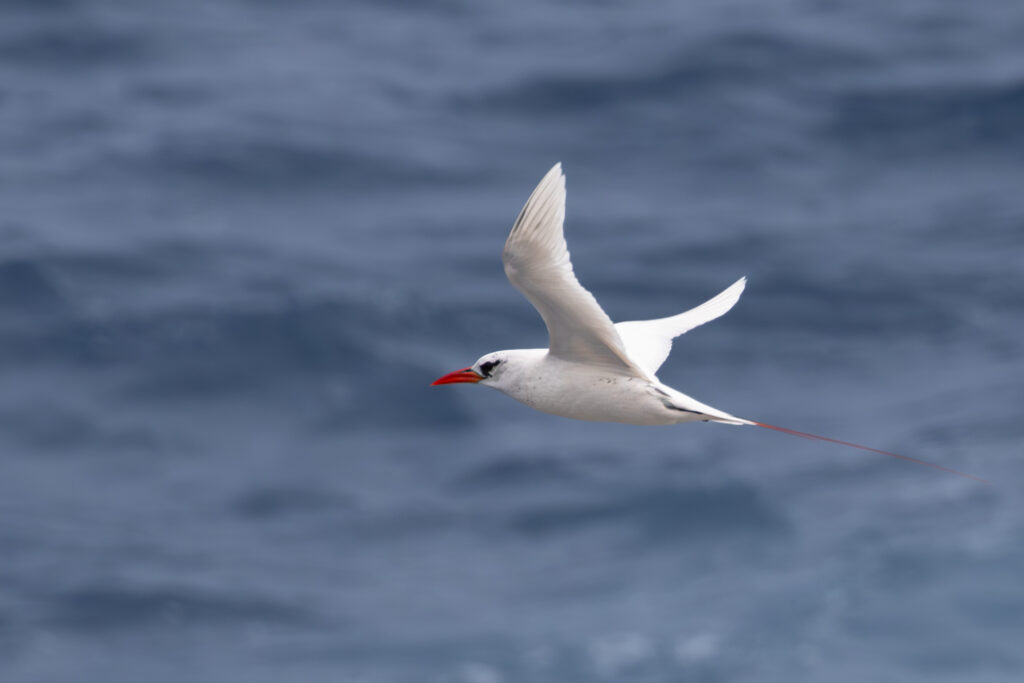
Fast-forward a couple of days, and I was thrilled to get a chance to score some seabird Lifers. I had a big gap in my life list, with no shearwater, tropicbird, noddy, or booby species. However, during my pre-trip study, I came across a hotspot where many of these species could potentially be seen: the Japanese Fishing Shrine, on the southeastern coast of Oahu. This hotspot is literally just a shrine on a hunk of lava rock that juts out into the sea. There is nowhere to walk, so whatever birds I would see would have to come to me. One species that I particularly wanted to find was the Red-tailed Tropicbird, an elegant white seabird with a red bill and long red tail streamers. Not long after I arrived, I got my target, as four or five Red-tailed Tropicbirds traced large circles in the sky. At first, they were pretty far away, but as time went on their flight paths kept coming closer and closer to me and I was able to see them up close and capture great photos. A Lifer, and a spectacular one at that! In between tropicbird sightings, I scanned for other species and managed to pick up a pair of Sooty Terns, another Lifer, flying low over the ocean in the distance. Rendezvousing with my brothers, we headed to Kona Brewing, where they helped me celebrate my seabird treasure with a couple of rounds of delicious seasonal beers at the bar, with sea breezes whooshing around us in a pretty marina setting.

An elegant Red-tailed Tropicbird patrols the southeastern coast of Oahu.

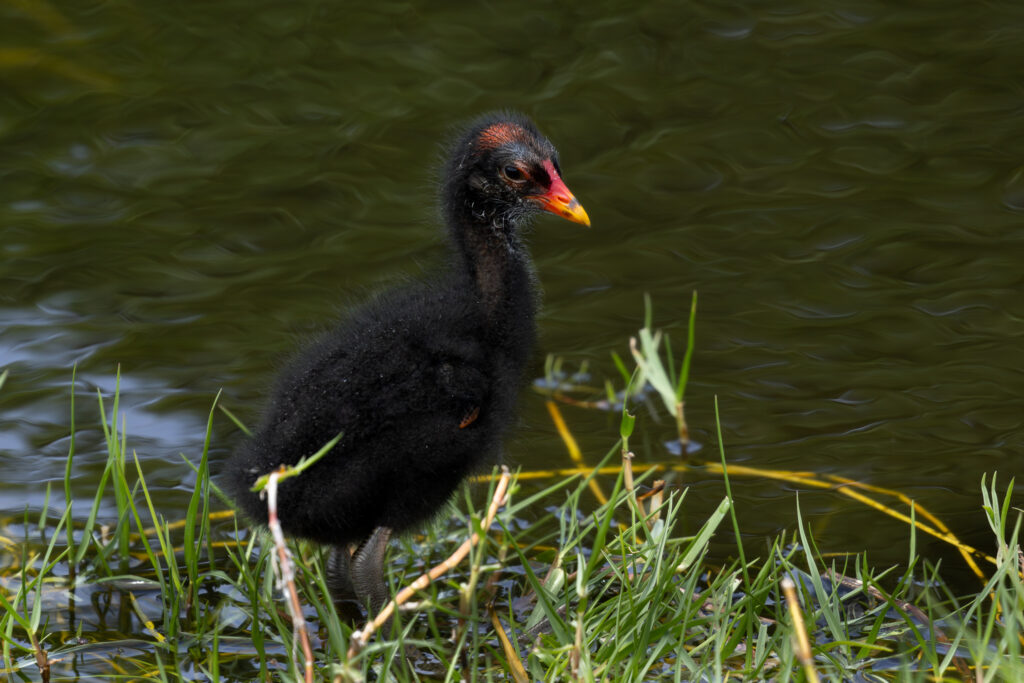
One area that piqued my interest was the wetlands near Kailua, on the southeastern coast. After a pretty, 25-minute drive on the Pali highway and a superb lunch of a grilled mahi mahi sandwich and guilt-free fries (highly recommended!), my brothers dropped me off at Kaha Park. This is the starting point for exploring the Kawainui Marsh Wildlife Sanctuary, a delightful spot graced with abundant water and velvety green mountain views. Right away, I was rewarded with up-close views of Common Gallinules, including a super cute youngster that would melt the heart of even the most jaded observer.

A Common Gallinule chick at the Kawainui Marsh Wildlife Sanctuary. Whoose da cutest bird in the marsh?!

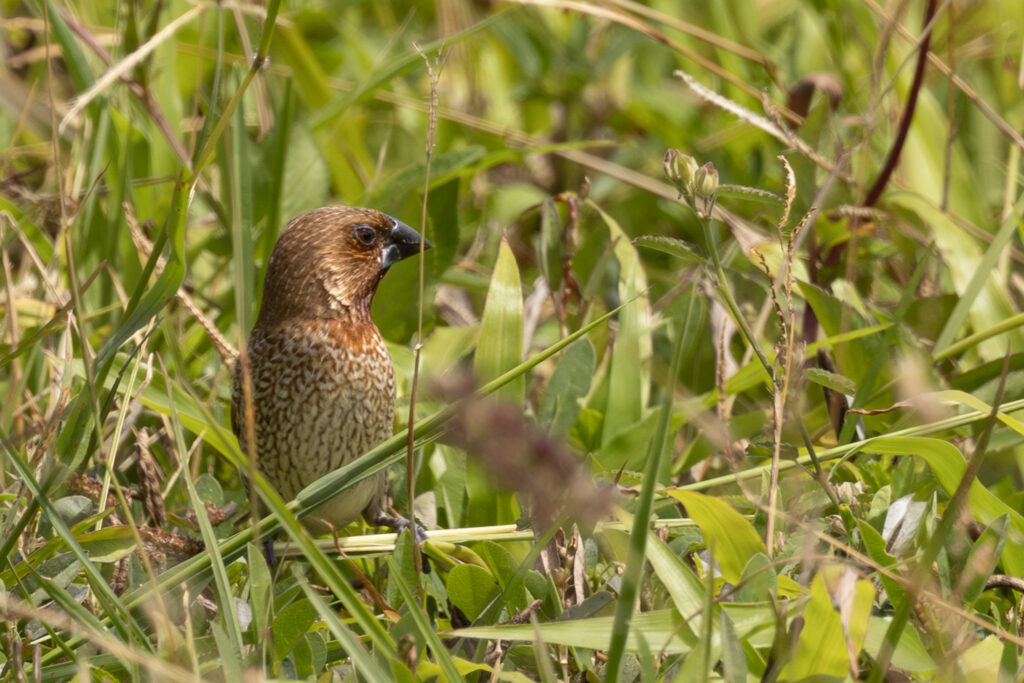
As I continued walking, I got good looks at both bulbul species (Red-whiskered and Red-vented), Common Waxbills, and Northern Cardinals. In the grasses, I saw another Lifer: a Scaly-breasted Munia, a songbird with rich chestnut hues above and an attractive and well-defined scaly pattern on the belly. Another introduced species (native to India and southeast Asia), this was another Lifer for me.

A handsome Scaly-breasted Munia in the grasses on my wetlands exploration.

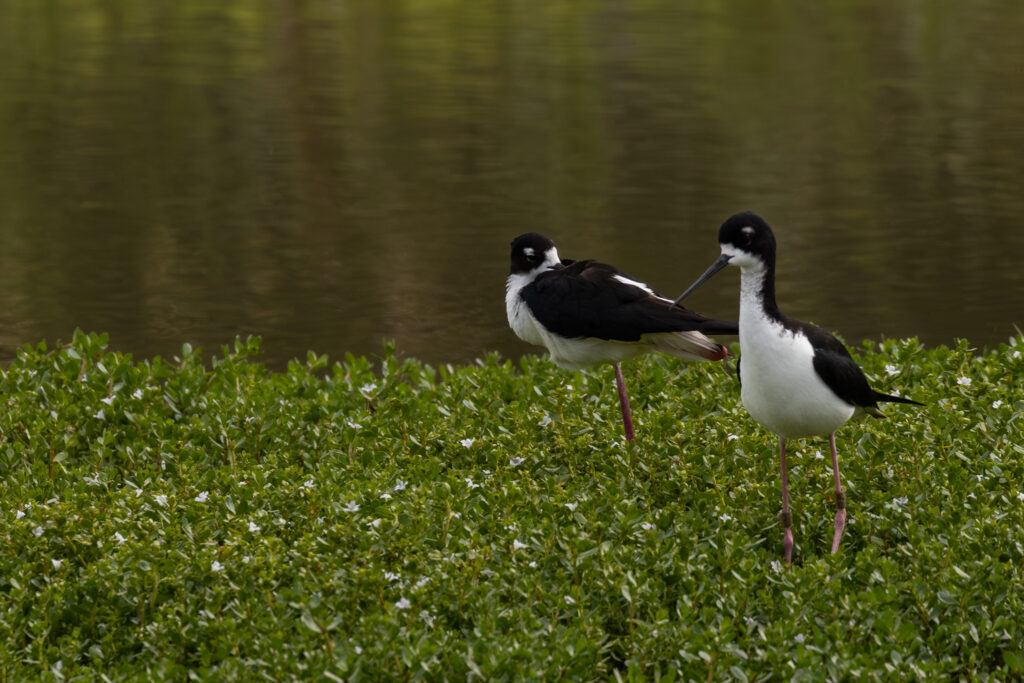
As I returned to the trailhead, someone pointed out a Black-crowned Night Heron, which I had missed as it stood as still as a statue in the water a mere 50 feet away from me. While I waited to be picked up, I scored yet another Lifer, Java Sparrows (which are actually finches, so I wonder what genius named them Sparrows?), which were foraging in a grassy field nearby. In an hour and a half, I had picked up three Lifers, which I celebrated with my brothers at Lanikai Brewing. The parking lot for the brewery faces a pretty stretch of Hamakua Marsh, where I was delighted to pick up another Lifer, Hawaiian Coot, and see Black-necked Stilts for the only time on the trip. Bonus brewery birding, woohoo!

Finding Black-necked Stilts in Hamakua Marsh right behind Lanikai Brewing was a serendipitous event.

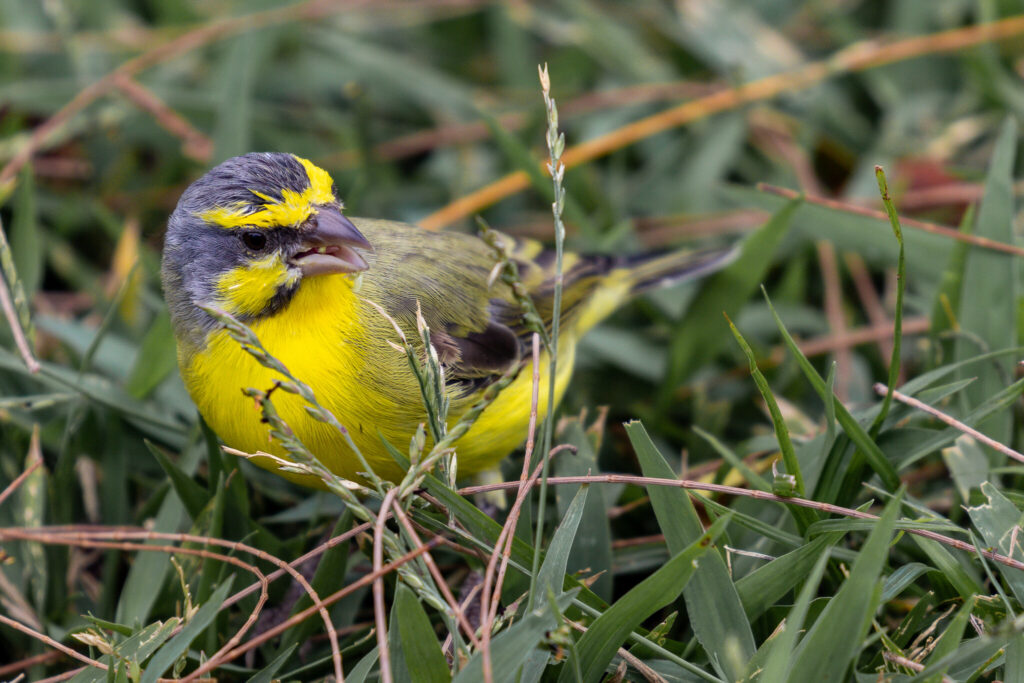
Another trip highlight was finding a small flock of Yellow-fronted Canaries, a boldly patterned bright yellow finch native to Africa, in a waterfront park. I had assumed I’d have to head up into the mountains or to some specific hotspot to find this species. Yet here they were, busily calling and feeding in a park amidst the hubbub of Waikiki. I also got brief but spectacular views of a Red-billed Leiothrix in all its multicolored glory, which I had barely seen on the guided tour, in the Makiki Forest Recreation Area. Bird of the Trip honors is a tough call, but I’d say it’s a toss-up between this species and the Red-tailed Tropicbird.

A Yellow-fronted Canary poses for me at Fort Derussy park in Waikiki.

As of mid-May, according to eBird, 108 species have been reported in Honolulu County (encompassing the entire island of Oahu) so far this year. In a nine-day trip in which birding was only one of several priorities, I managed to see 31 species. Seventeen of those were Lifers, which far exceeded my expectations. With determination and a little help from my brothers, I had an excellent birding trip to Honolulu. Indeed, in the words of a wise blogger I know, every trip is a birding trip.

Our Bend, Oregon-based correspondent, Roger Kohn traces his birding obsession to a November 2016 Sneed visit to the Bay Area and considers Sneed his birding mentor. Though grateful for that, he sure wishes Sneed would increase his consumption and appreciation of craft beer. (Editor’s Note: I’m not sure what Roger is complaining about. I have been known to drink up to two beers a month!)

For more on birding Hawai’i, see Braden’s post “Hawai’i: The International Jungle.”

All photos copyright Roger Kohn.

Untangling Birdsong with Merlin’s Sound ID

Braden and I write FatherSonBirding in the hopes of sharing the wonders of birds and birding, and the urgency to protect them. We do not accept advertising or donations, but if you’d like to support our work, please consider buying *NEW* copies of some of Sneed’s books—First-Time Japan, for instance, or my picture book for younger readers, Birds of Every Color. We appreciate your interest and hope you will keep reading!

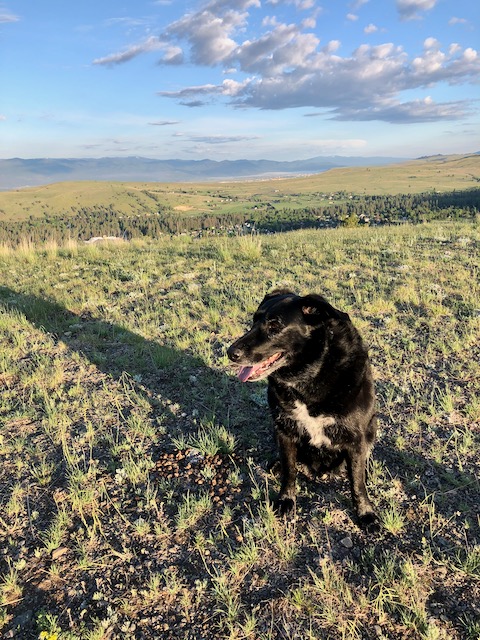
The birds are back! Well, at least a lot of them. Last weekend, our dog Lola and I hiked our favorite four-mile loop from our house up to a ridge called the Mount Jumbo Saddle and then back down past what has become my favorite “bird thicket” in Missoula. We first began hiking this route when I was training to take Braden’s scouting troop to Philmont Scout Camp in 2019. Honestly, Lola isn’t crazy about the route since she hates loud noises and we often hear guns firing from a range a couple of miles away. I keep making her do it, though, because I’ve discovered that it’s a great way to keep up with the neighborhood bird community, especially in spring. The past couple of years, I’ve tried to do this route on a regular basis, carefully recording new arrivals and learning more about their migration patterns.

The past couple of years, Lola and I have regularly hiked up to Mount Jumbo Saddle and back to check in on which birds are currently in residence. Lola likes the route except for the gunshots she hears from east Missoula!

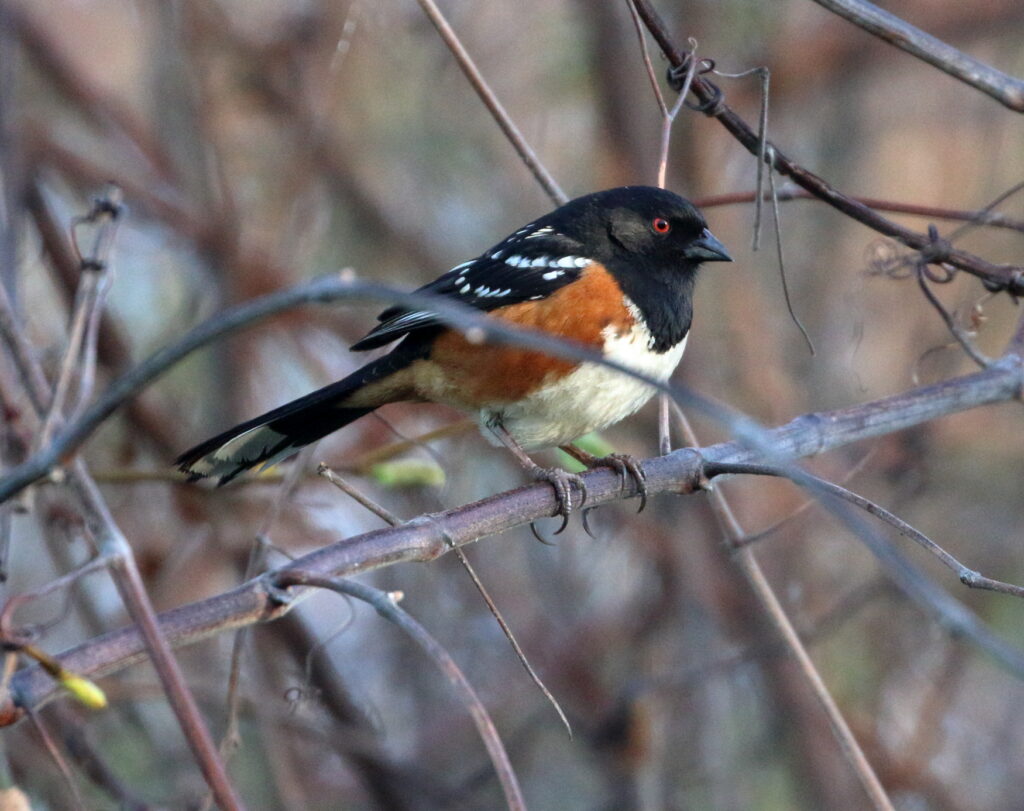
Songbird migration builds slowly here in Montana. This year in late March, I noted the first Western Meadowlarks, Western Bluebirds, and Spotted Towhees on the route—but four weeks later, April 21, not much had changed. Two weeks after that—yesterday—the dam broke. I set off up the hill hoping to see perhaps the year’s first Vesper Sparrows, but quickly discovered that new arrivals were spouting off everywhere I turned. It began halfway up Jumbo Saddle when I heard a song that reminded me of a Western Meadowlark and I guessed that it was my season’s first Vesper Sparrow. The problem? I didn’t know for sure—a situation faced by millions of birders who have not, or cannot, learn more than a few bird vocalizations.

In our neck of the woods, Spotted Towhees are among the earliest spring songbird migrants. Fortunately, their weird “bouncing ball” rattle is easy to pick out.

What to do?

In the past couple of years, I have developed a strategy for dealing with these situations—one that might help you, too. It used to be that when you heard a song or call that you couldn’t identify, one’s options were limited. You could just guess, and play various bird calls on your app, hoping to land on the right one. You could record the call and play it back to an expert. More often, you’d try to follow the song and get a visual on the bird to see what it was. Unfortunately, all of these methods are slow and cumbersome, and in spring, well, there are just too many vocalizations to keep up with.

And then along came Merlin’s Sound ID feature.

Sound ID is (almost) every birder’s dream. You simply tap a button on the Merlin phone app and it begins recording and identifying the songs and calls around you in real time. The app is not infallible. You have to be fairly close to birds for it to pick up and identify them, and the app has difficulty handling background noises such as wind, rushing streams, and cars roaring by on a freeway. The app also makes mistakes. Starlings, mockingbirds, and Steller’s Jays can fool it with their imitations of other birds. If the app only picks up part of a call, it sometimes can mistake one bird for another. The bottom line: you should never use the app alone to identify a bird.

So how do you make proper use of it? I employ it in two ways.

Strategy One: Confirmation

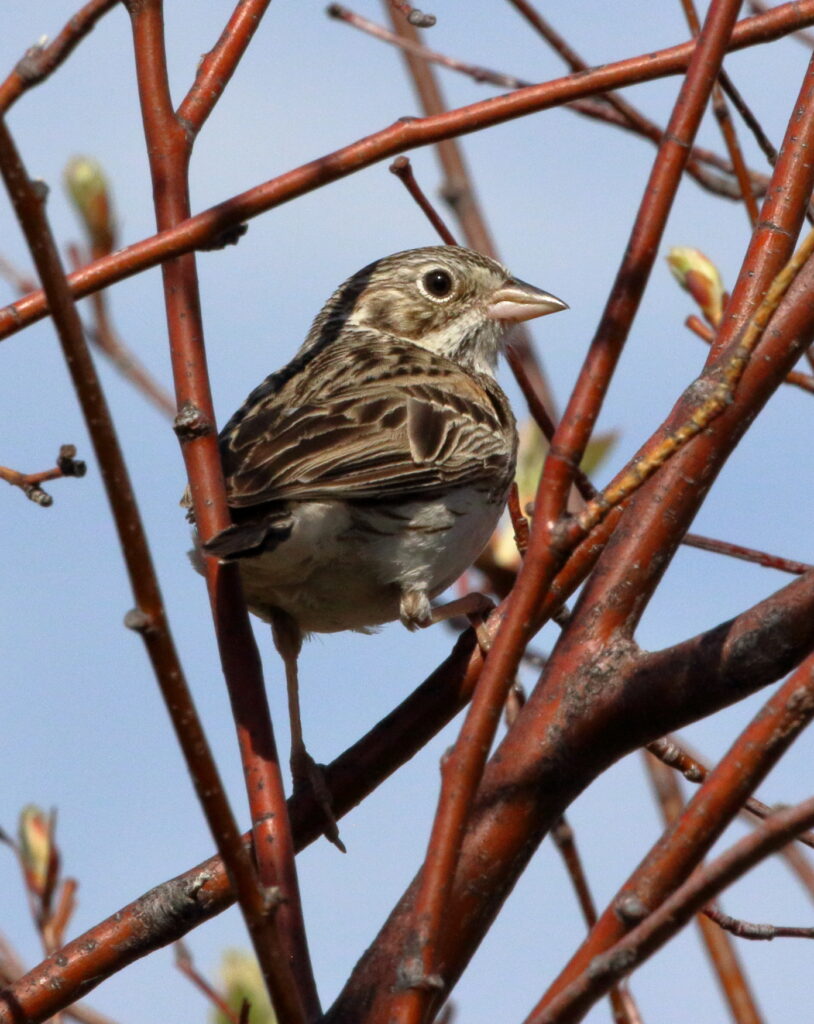
The first is to confirm a song or call that I may be somewhat familiar with—but am not 100% sure about. The putative Vesper Sparrow in the second paragraph is a perfect example. In past years, I had learned that a Vesper Sparrow kind of sounds like the call of a Western Meadowlark—but a bit simpler and cruder. When I heard a “somewhat meadowlark” call near Mount Jumbo Saddle, I immediately thought “Vesper Sparrow” but couldn’t be sure, so I started Sound ID. Sure enough, the song lit up as Vesper Sparrow. Other things made me confident about this ID, too. The timing was right from previous years. Most important, I was standing in perfect Vesper Sparrow habitat—open meadows with tall grass and scattered perching shrubs.

The arrival of Vesper Sparrows is a cause célèbre for Braden and me. I always need to confirm its meadowlark-like song, however.

As my hike continued, in fact, I used Sound ID to confirm several other birds in this way, including Steller’s Jay and the year’s first Chipping Sparrows and Yellow-rumped Warblers. Things were about to get more challenging, however.

Strategy Two: Possible Presence

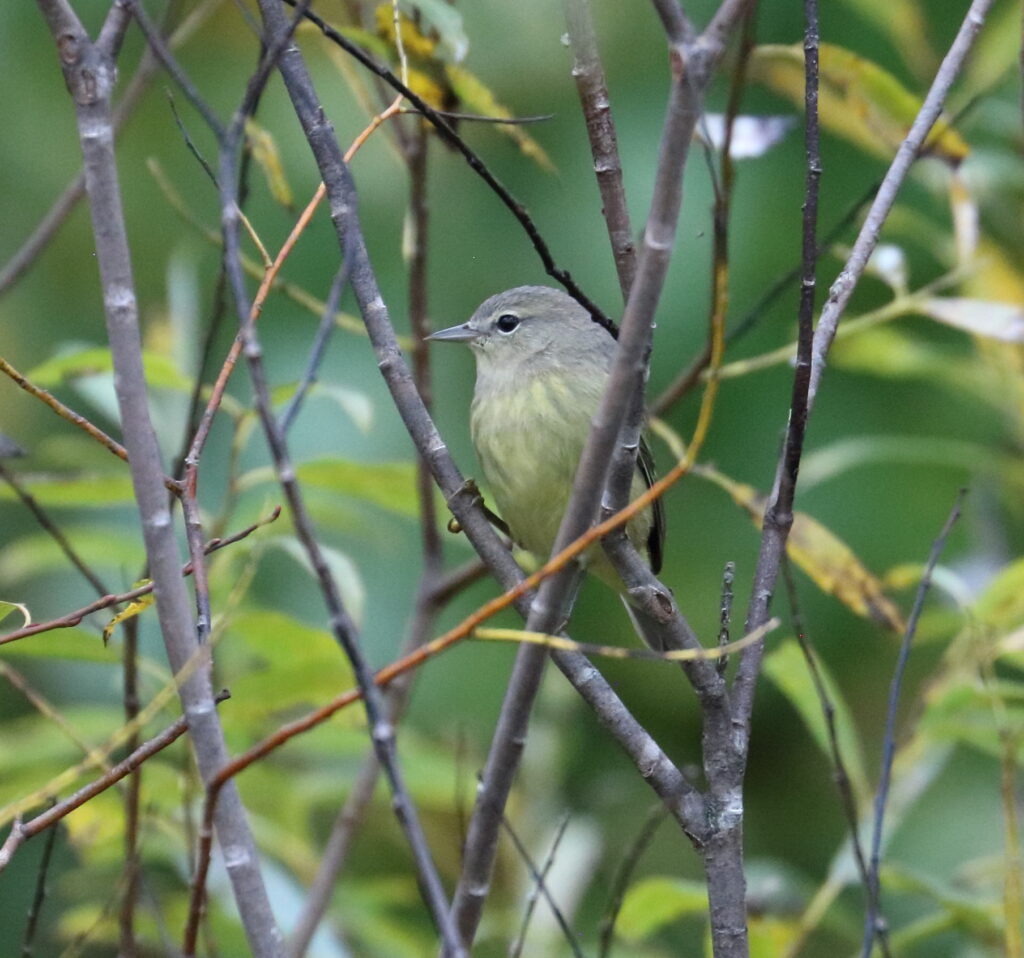
Not long after hearing my first (and second, third, and fourth) Vesper Sparrow, I reached a nice brushy area where Braden and I have heard Orange-crowned Warblers in previous years. Unfortunately for me, I have a very difficult time distinguishing one warbler song from another. I usually recognize Yellow-rumped Warblers when they first show up, but as other species arrive they plunge me into, in the words of Sir Topham Hatt, “confusion and delay.” This morning, I could hear what sounded like warblers—but I didn’t know which ones.

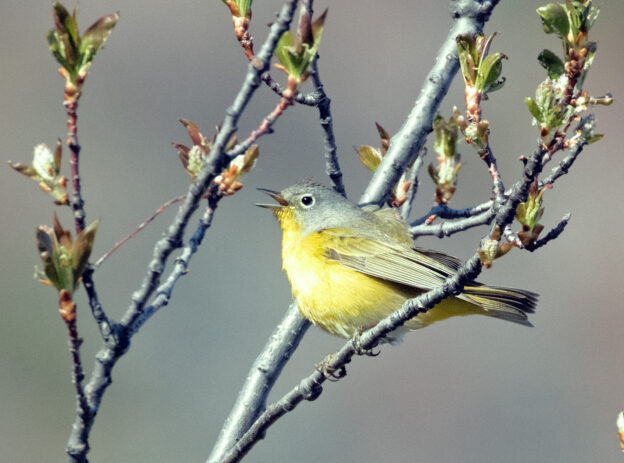
Again, Sound ID comes in very useful in these situations because it can give you an idea of what to look for. I started a new recording and the app failed to come up with any Orange-crowned Warblers. It did, however, identify Yellow-rumped, Yellow, and most exciting, Nashville Warblers! I did not log any of these on eBird, however—not right away. Because I am not good with warbler songs, I needed to confirm these in at least one or two other ways.

Once the Orange-crowned Warblers arrive, I know I’m in for a real challenge to start distinguishing different warblers by song. That’s when I lean heavily on Sound ID.

One is to compare what you are hearing with known recordings on other apps. If what you are hearing is identical to vocalizations in the Merlin sound library or on the Sibley app, depending on your experience, I feel confident that you can go ahead and record the bird—again keeping in mind the caveat that some birds imitate others.

Still, I only do this when I am really sure the two songs are the same—understanding that bird songs from the same species can vary tremendously. If I have any doubts, I wait to log a bird on eBird until I have confirmed it with a visual sighting or by running it past an expert. With this technique, Sound ID isn’t cinching the identification for me, but it is helping me a lot by giving me a better idea of what to look for.

This morning, however, I could not find any of the three warblers in the first thicket, so Lola and I kept hiking. Ten minutes later, I spotted a Yellow-rumped Warbler in a tree—and recorded it—but it was the Nashville Warbler I was really after.

Lincoln’s Sparrows are hands-down one of my and Braden’s favorite songbirds. Unlike the warblers, they also seem kind of curious and make themselves for visible to the eager birder.
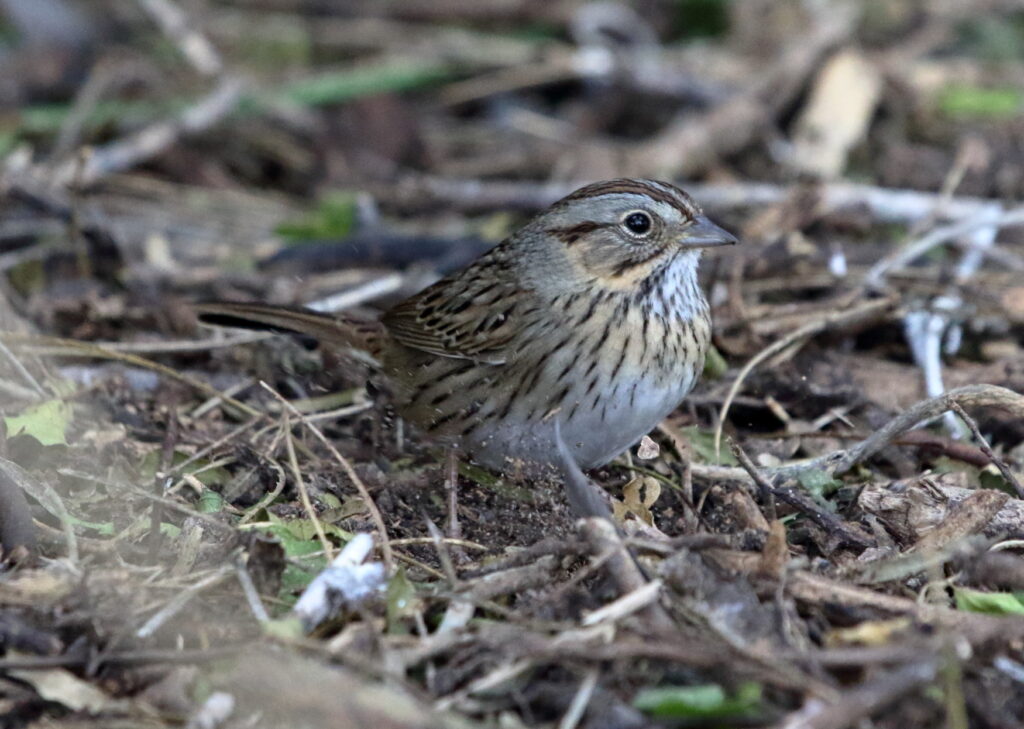
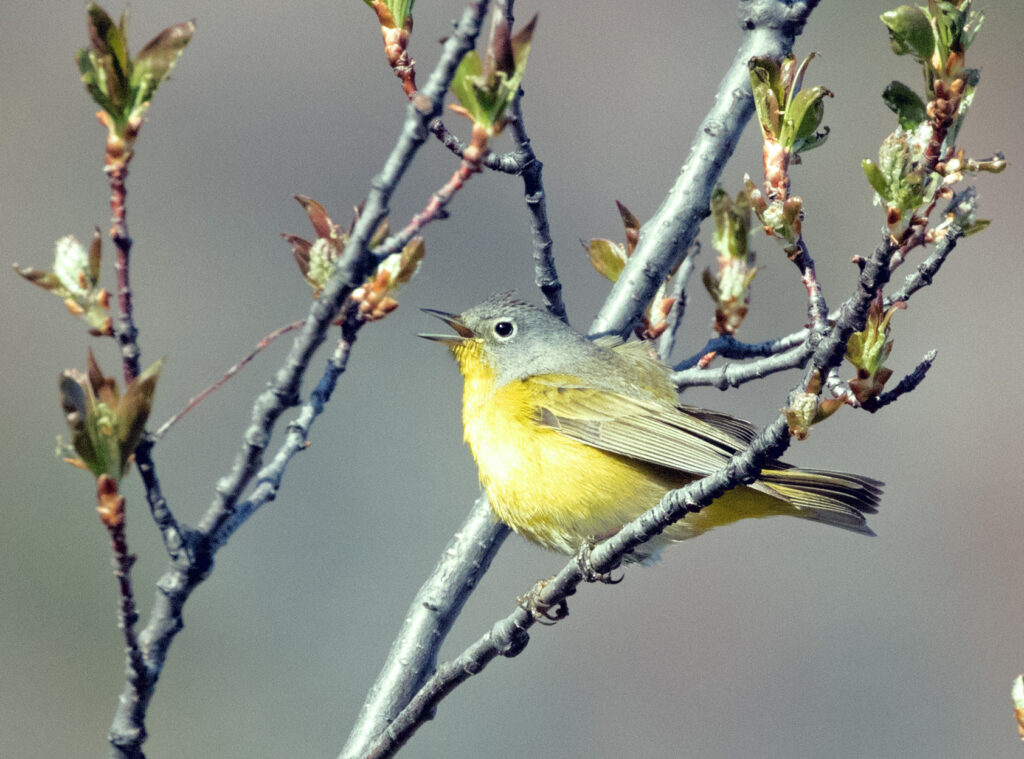
Eventually, I came to another thicket, and here I was thrilled to see my first Lincoln’s Sparrow of the year. Just as enticing, I also was hearing warbler sounds all around me so I turned on Sound ID once again. This time, Orange-crowned and Nashville songs started lighting up Sound ID like a pinball machine. Thanks to the app, I was quickly able to distinguish the two species by ear, and I confirmed these by playing other recordings on the Merlin library. Soon after, I actually saw the birds for myself. Yes! I thought, and finally logged them onto eBird.

Sound ID has helped me find many more Nashville Warblers than when Braden and I first started birding ten years ago.

All together, Lola and I saw eight new first-of-year species on our hike. For several of them, Sound ID not only helped me identify them, it alerted me to look for them in the first place. I want to emphasize, however, that Sound ID is not a substitute for putting in the hours to learn and identify birds yourself. Recently, Cornell has issued friendly cautions not to rely on it as your sole basis for identification. Instead, I consider Sound ID a wonderful “helper tool” that can especially assist beginning birders, as well as more experienced birders like myself who just find it difficult to learn vocalizations. And did I mention the Merlin app (with Sound ID) is free? Cornell Lab, the app’s developer, has generously made it available to anyone who wants it. Even better for our international readers, Cornell Lab is rapidly expanding what the app can identify to countries around the globe. All you need is a phone. Learn more at https://merlin.allaboutbirds.org/.

Checklist 1: https://ebird.org/checklist/S172160962

Checklist 2: https://ebird.org/checklist/S172176329

College Search Birding in California

If you’ve been following FatherSonBirding for any length of time, you know two things about us: we love to travel and we love to bird. Sometimes we plan dedicated birding trips, but whenever possible, we like to go easy on our carbon footprints and fold birding into travel that we were going to do anyway. In the past year, for instance, I’ve been able to bird in Japan and Spain while taking family vacation trips I’d been planning for years. Often, I get to bird while taking business trips to, say, Texas or Missouri. Right now, Braden is birding his butt off while doing a semester of study abroad in Costa Rica. As the parent of two young people, another potential “double-dipping” birding opportunity arose when my children began thinking about college. After all, it’s a good idea to visit a college you might want to attend, right? Unfortunately, covid kai-boshed that possibility with Braden—though we did get to bird in New England when I took him back east to start his college career at the University of Maine. With my second child, Tessa, I’ve been more fortunate. Last week she and I took a lightning trip out to California to visit a couple of potential schools she is considering. Even better, we went to places I’d never gotten to bird.

Cal State Chico put on a show for us in its best spring colors. Not surprisingly, I saw some great birds there, too, including Red-shouldered Hawks, California Scrub-Jays, and Acorn Woodpeckers—right on campus!

After rising at 3:30 a.m., Tessa and I landed in Sacramento at the outrageously convenient hour of 9:00 a.m. It was a glorious, sunny California morning and we made a beeline to U.C. Davis, where I’d spent my own freshman year before transferring to U.C. Berkeley to finish out my college years. Davis had changed a lot, but I still managed to find my way around—though I did drive our rental car down a dedicated bike path, much to the consternation of dozens of student bicyclists trying to get to class! After a quick tour around campus, we found a parking spot downtown and decided to have lunch at Crepeville and while waiting in line, I finally had a chance to start looking around for birds. One of the huge regrets of my life is that I’d left California before I’d become a birder because, with the possible exceptions of Texas and Alaska, there is no better state in the union to bird. To wit, within yards of Crepeville, I spotted Yellow-rumped Warblers, a Black Phoebe, and a Western Bluebird—right in downtown Davis! But my college search birding had just begun!

Just the name phoebe can’t help but melt a birder’s heart, but these Black Phoebes truly are handsome birds.

After a quick tour of Davis we headed north to our primary college destination, Cal State Chico, which boasts a musical theatre program of particular interest to Tessa. We arrived in Chico pretty pooped from our already extensive exertions and checked into our hotel for a rest. The prospect of some deeper California birding, however, did not let me tarry long, and after twenty minutes I left Tessa to recharge while I headed to the dubiously named Hooker Oak Park.

Any trip to California is a chance to see some of California’s specialty birds—including Yellow-billed Magpies, which only live in selected areas of central California. On Braden’s instruction, one morning I got up early to drive to Durham High School, and sure enough, found me a pair!

To be honest, the park looked a little over-developed and ragged, and I wondered whether I should move to some healthier-looking oak groves just down the road. Then I reminded myself that this was California and birds were likely to be anywhere. Almost immediately, this was confirmed when I sighted one of the targets of my trip, an Oak Titmouse singing in a sycamore tree.

What can I say? Oak Titmice are just plain adorable.

I set out to explore further and birds popped out from left and right—including most of the birds I had hoped to see. I got super excited to see an Acorn Woodpecker—only to discover that they were everywhere in this park. Not long after, I encountered a Nuttall’s Woodpecker, the other woodpecker at the top of my list.

You can’t beat an Acorn Woodpecker on one of its acorn storage trees! With their black masks, these cooperative birds look like banditos, and the way they aggressively mob other species, they apparently can act that way, too.

Exploring further, I encountered California and Spotted Towhees, Golden and White-crowned Sparrows, and White-breasted Nuthatches.

With my lousy hearing and dearth of knowledge about California bird calls, Merlin’s Sound ID feature proved especially useful and helped me find several species, including California Quail. My biggest surprise of the outing were two Hermit Thrushes, which hadn’t been on my radar at all but do winter in the Central Valley.

Love Golden-crowned Sparrows!

One disappointment was that I didn’t hear or see any Red-shouldered Hawks, a particularly abundant species in California. As I was about to climb back into my rental car, however, I heard a familiar “Kee-a, kee-a, kee-a, kee-a!” and spotted a large reddish bird flying straight toward me. As it passed overhead and landed on a branch, I saw that it held a tasty mammalian morsel in its talons. Almost immediately, another Red-shouldered Hawk plowed in and displaced the first one, stealing its meal. I grinned. Not only did I get to see a RSHA, I got to see hawk behavior, too!

This Red-shouldered Hawk drove another RSHA off its prey, which it now holds firmly in its grasp.

The next two days, Tessa and I visited with some of my most cherished friends, who had happened to move to Chico decades before, and, oh yeah, we took a great tour of the Chico campus. The campus, I gotta say, mightily impressed both Tessa and me. Chico is part of the WUE college exchange program, meaning that if any of you Montana parents are also contemplating schools, you can get big discounts on out-of-state tuition. But back to the birds, I continued to see awesome birds everywhere we went. I did want to get in a visit to another bona fide natural area, though, so the day of our campus tours, I woke early and drove out to Bidwell-Sacramento River State Park, about fifteen minutes out of town.

In the parking lot of Bidwell-Sacramento River State Park, I got my best looks ever at another California specialty, Nuttall’s Woodpecker.

I arrived before dawn—actually a bit early for the birds—but a group of 55 Wild Turkeys greeted me, so I went ahead and set off on dew-soaked trails paralleling the river. I had set a goal of 50 bird species for this California trip and began the day at about 45—but quickly blew past that. Almost immediately, I saw Wood Ducks hanging out in the trees and spotted two pairs of kingfishers bickering over the river. As the day warmed, more species kept appearing: a Great Egret and Great Blue Herons, tons of flickers and Tree Swallows, Ruby-crowned Kinglets and White-breasted Nuthatches, a pair of Turkey Vultures trying to get their engines started.

It’s easy to forget that Wood Ducks nest in trees—something I was quickly reminded of at Bidwell-Sacramento River State Park!

After an hour, I began making my way back to the parking lot and spotted a group of Dark-eyed Juncos and White-crowned Sparrows ahead. Then, I saw something that really got me going: a small, brownish bird with short, vertical lines at the top of its breast and a yellowish wash. Lincoln’s Sparrow! And not one, but two of them! I managed only lousy photos, but was thrilled to see one of Braden’s and my favorite Montana birds hanging out in its winter habitat—and just before migration. Is it possible I will see these exact same birds in Montana in a few short weeks???

Yay! Lincoln’s Sparrow—in its winter habitat. This, btw, was one of only two species I added to my California life list, which now stands at 226 species. The other was Common Merganser.

That evening, after our tour and our drive back to Sacramento, I rallied myself for one more birding mission. After checking into our hotel in Woodland, I drove about five miles to where I-5 crosses the Sacramento River. I got off on some small side roads and began scouring fields and places with standing water. I found a few Northern Shovelers and a trio of Black-necked Stilts, but not what I was looking for. Then, I parked and began walking on a path that led back toward the interstate. Almost immediately, I saw a group of about 200 geese in a verdant field. I raised my binoculars and grinned. Yes! Greater White-fronted Geese! The last species I had really hoped to see on the trip. I stood and watched them for about ten minutes, as other geese flew over, circled around, and joined the throng. It was a perfect ending for what turned out to be a perfect college—and birding—trip.

California Trip Report: https://ebird.org/tripreport/214105

My last target bird of the trip, Greater White-fronted Geese, captured just as the sun was setting on Sacramento.