Category Archives: Listing

Birding Barcelona, Part 2: In Search of the Greater Flamingo

Braden and I write FatherSonBirding in the hopes of sharing the wonders of birds and birding, and the urgency to protect them. We do not accept advertising or donations, but if you’d like to support our work, please consider buying *NEW* copies of some of Sneed’s books—First-Time Japan, for instance, or my recent Orbis Pictus Award winner, Border Crossings. We appreciate your interest and hope you will keep reading!

When birding big cities I’ve discovered that it often requires a bit of extra effort to reach even a highly modified natural area. That proved true last year when my daughter and I visited Japan (see “Birding Japan: Kanazawa”), and it once again proved to be the case when my wife and I recently visited Barcelona. After birding city parks and tourist sites all week, I had barely breached 30 bird species total—far short of my goal of 50 or 60 species (see “Birding Barcelona, Part 1: The Urban Core”). I had a plan to help rectify the situation—but it was going to take that extra bit of effort to realize it.

On the last full day of our trip, I rose early, wolfed down some yoghurt, and hailed a cab in front of our hotel. In my mediocre Spanish, I explained to Isabella, my driver, where I wanted to go and even showed her the place on Google Maps. She knew about the area and had even been there, so we set out toward the airport in a light drizzle.

When visiting Barcelona, the best chance for a birder to enjoy some natural habitat—and an abundance of birds—is to take a taxi out to the Espais Naturals del Delta del Llobregat near the Barcelona Airport.

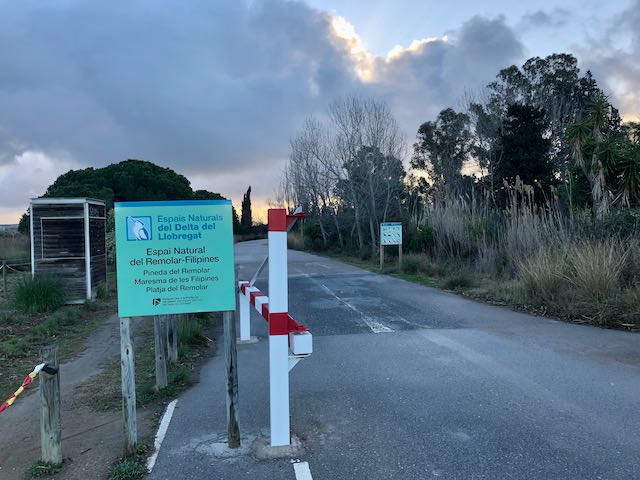
My destination was the “Espais Naturals del Delta del Llobregat,” which I’ll just call “Llobregat” for simplicity. Llobregat was a wetland divided into two parts, one on either side of the Barcelona airport, and the reason it existed at all was no doubt due to the fact that you can’t build huge buildings where giant aircraft can run into them. I thank the travel gods for that because these wetlands were the only orange-colored (high species count) hotspots anywhere near the city of Barcelona.

I asked Isabella to drop me off at the area on the far (western) side of the airport, and twenty minutes later found myself standing utterly alone on a road that appeared to lead into the natural area. Turns out, Isabella could have driven me another mile closer to the main action, but that error turned out to be a good thing. As I walked down the road, I began hearing all kinds of bird vocalizations and soon Merlin’s Sound ID picked up a new lifer for me, Cetti’s Warbler, calling from the thick reeds on both sides of the road. Sound ID also picked up Green Sandpiper, which got me really excited because shorebirds were at the top of my list to see on this, my sole real birding outing, of the trip. As I walked, I also saw what would be my only raptors of the trip—three Western Marsh-Harriers—and some high-flying swallow-type birds that turned out to be Eurasian Crag-Martins. I got occasional glimpses at a canal to my left, but saw only Mallards, a pair of Gadwalls, and a Gray Heron in it.

Half an hour later, I arrived at Llobregat’s official entrance and was relieved to see a series of established trails that led to various bird blinds around the reserve. As I followed the first trail, Common Chiffchaffs, Black Redstarts, European Robins, European Serins, and White Wagtails hopped and fluttered around me, but my excitement didn’t spike until I entered the first birding blind.

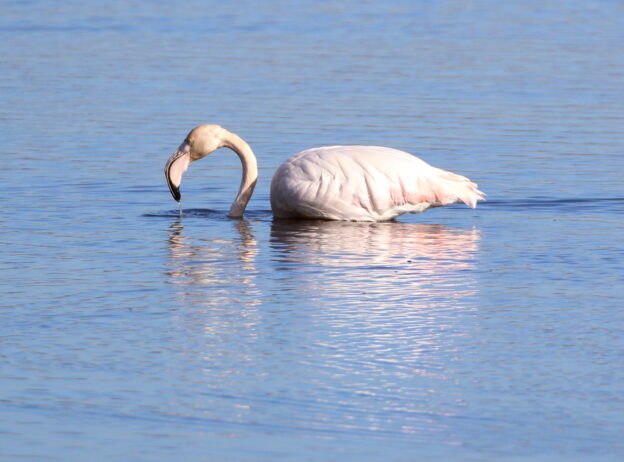
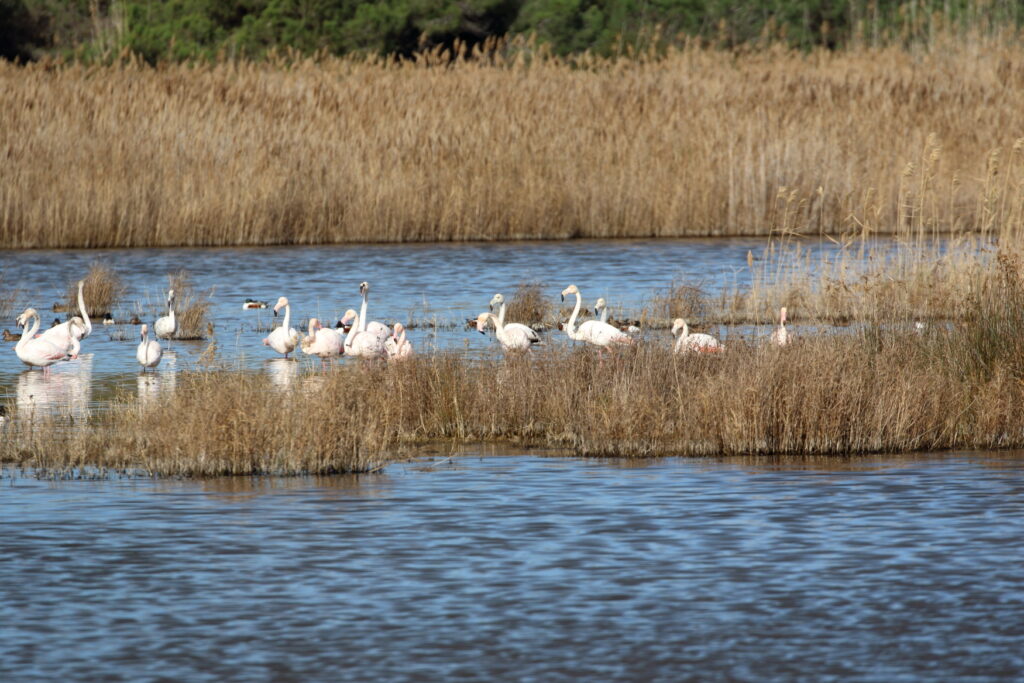
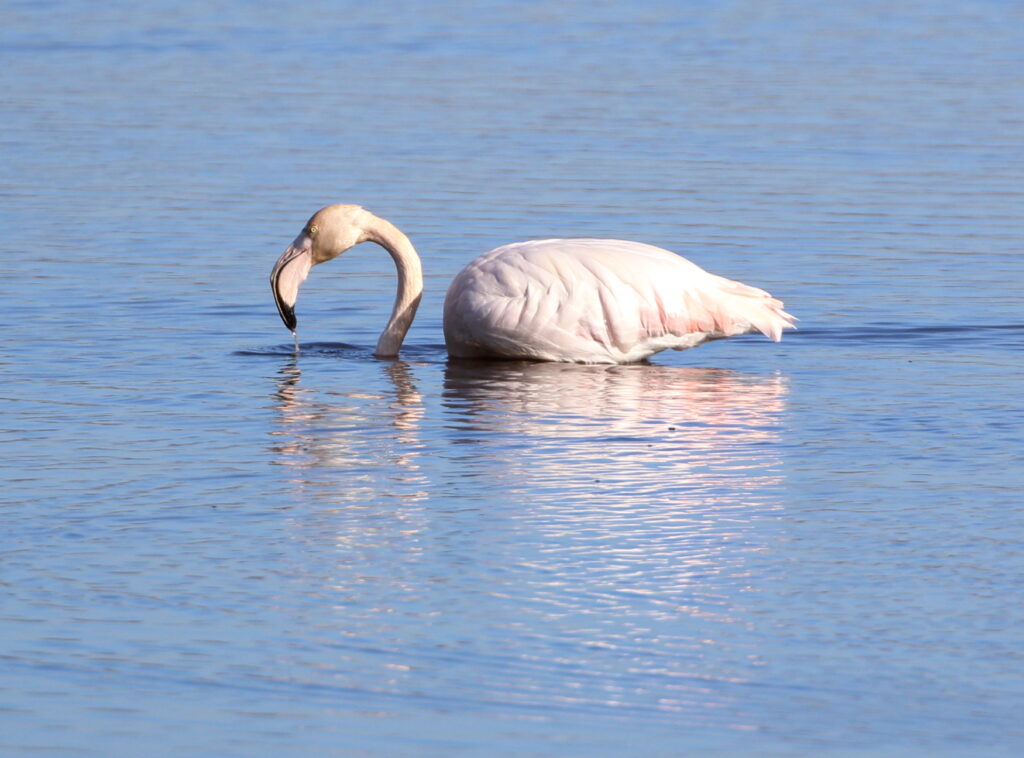
I had worried that I might miss Greater Flamingos in Spain, but a couple of dozen greeted me at Llobregat. Note how pale they are. Evidently, they are not getting enough crustaceans in their diets!

It took me about five seconds to locate the birds I most wanted to see—Greater Flamingos. But they just formed the tasty appetizer to the huge variety of waterfowl before me. This included many familiar ducks familiar from back home: Northern Shovelers, Gadwalls, Mallards, and the Eurasian variety of Green-winged Teal (which may eventually get split into a new species).

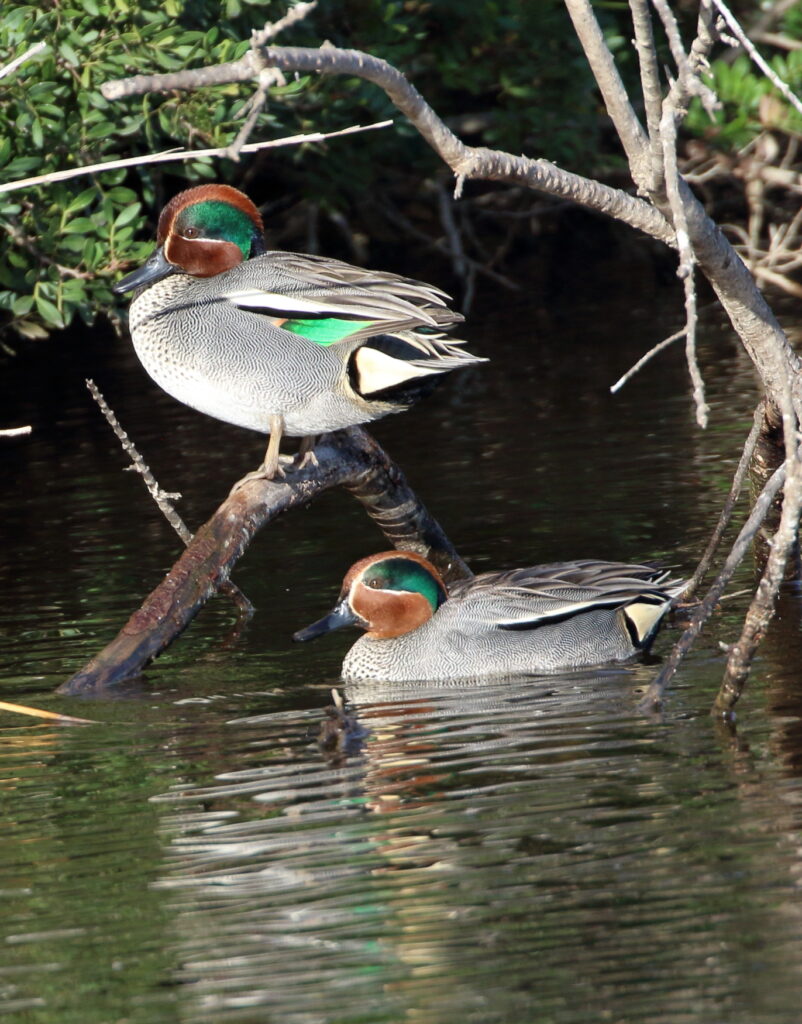
I just love the unique looks of Eurasia’s Green-winged Teals, which have a distinctively different appearance than our North American versions. I hope the taxonomic splitters pounce on them and declare them a distinct species.

The ducks that really got me going, though, were new for my life list: Common Shelducks and a pair of Red-crested Pochards that was doing its best to avoid eye contact on a distant island! I had hoped to see both of these, but had tempered my expectations. No worries—there they were, and in company of a lone Eurasian Wigeon.

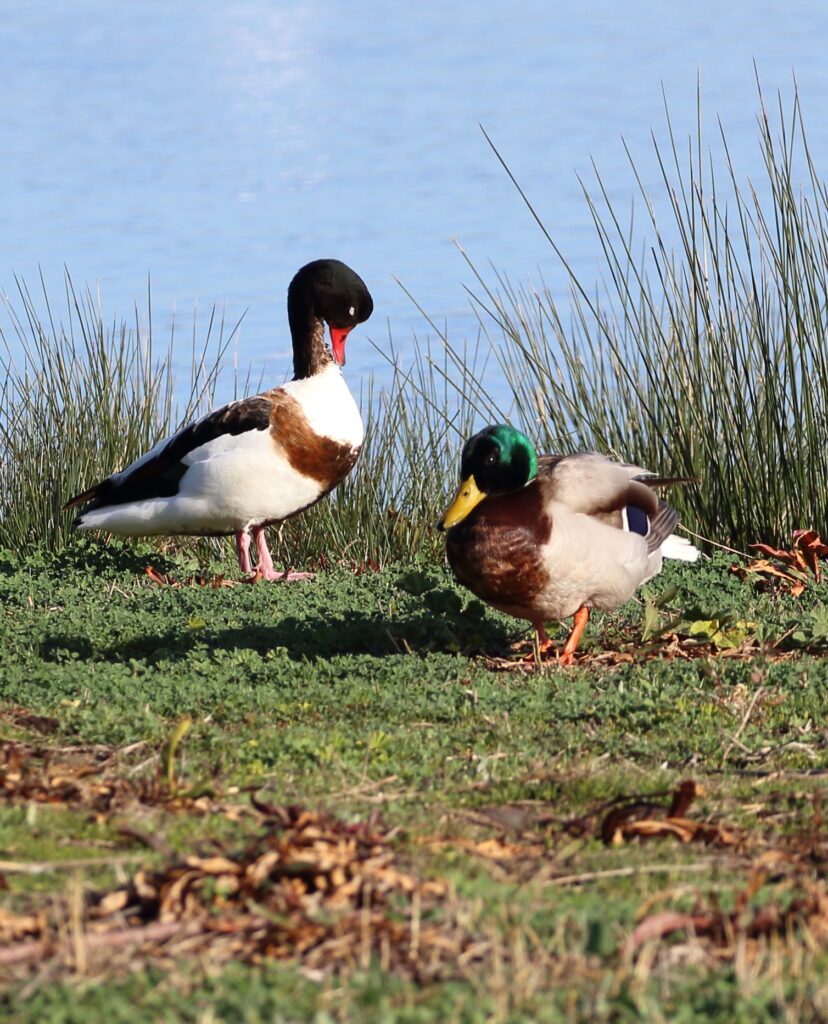
Ka-ching! Life Bird #1007! Common Shelduck in the company of a pretty fetching Mallard!

As I sat enjoying the duck show, I also noted Eurasian Coots and Moorhens, along with a delightful pair of Little Grebes, all of which I had seen in Japan almost a year earlier. As I scanned the pond, I also saw something quickly dive into the reeds at the edge of the pond. I strongly suspect that this was a Water Rail, but reacted just a moment too slow to get my binoculars on it.

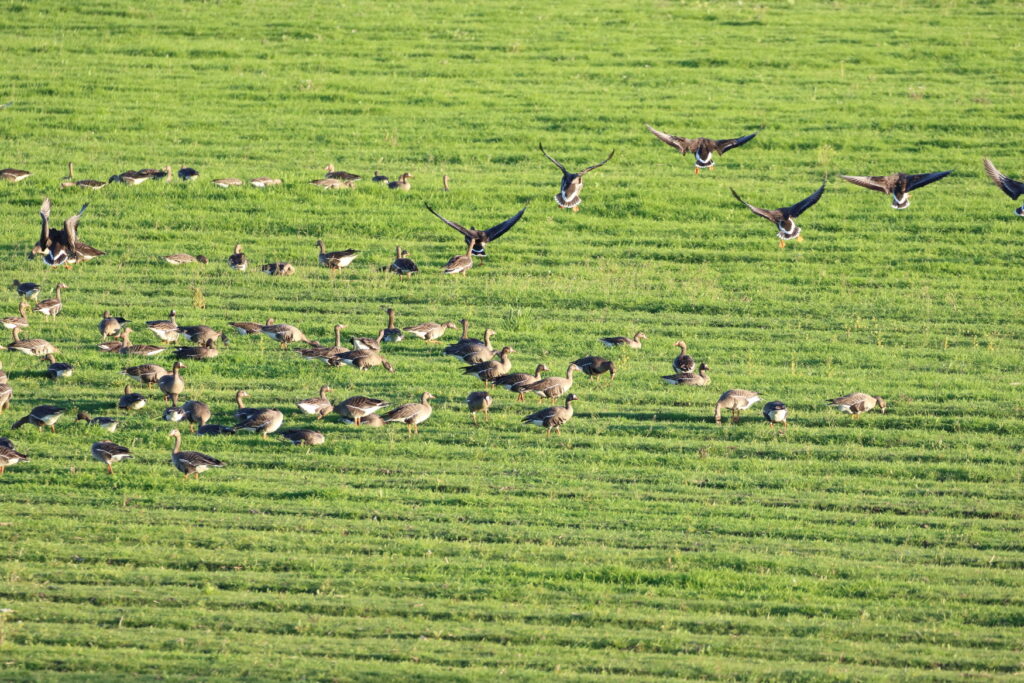
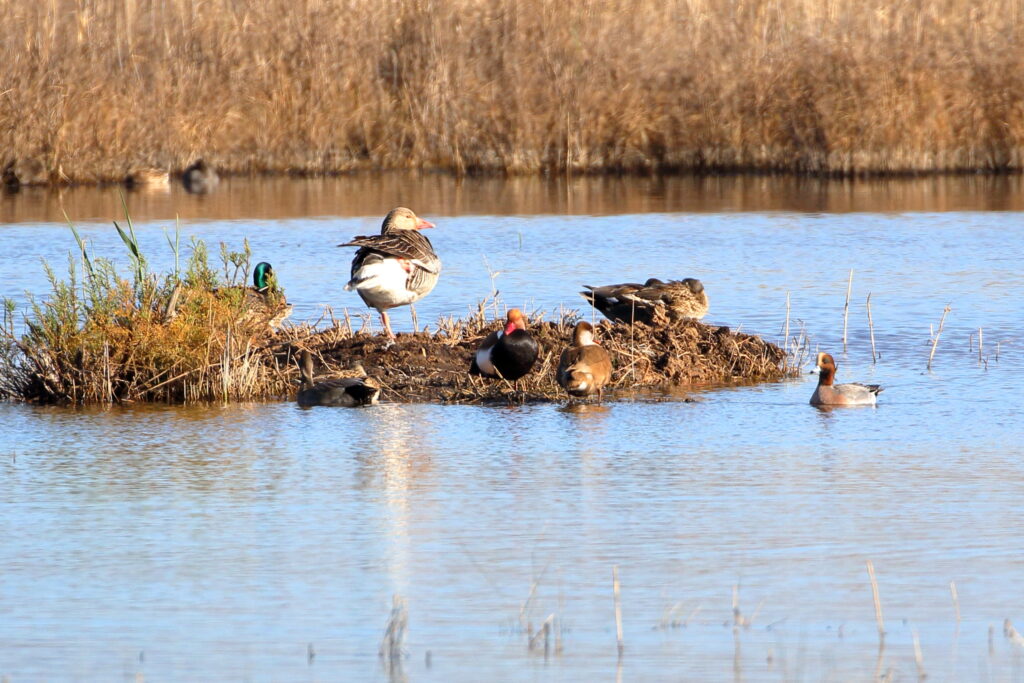
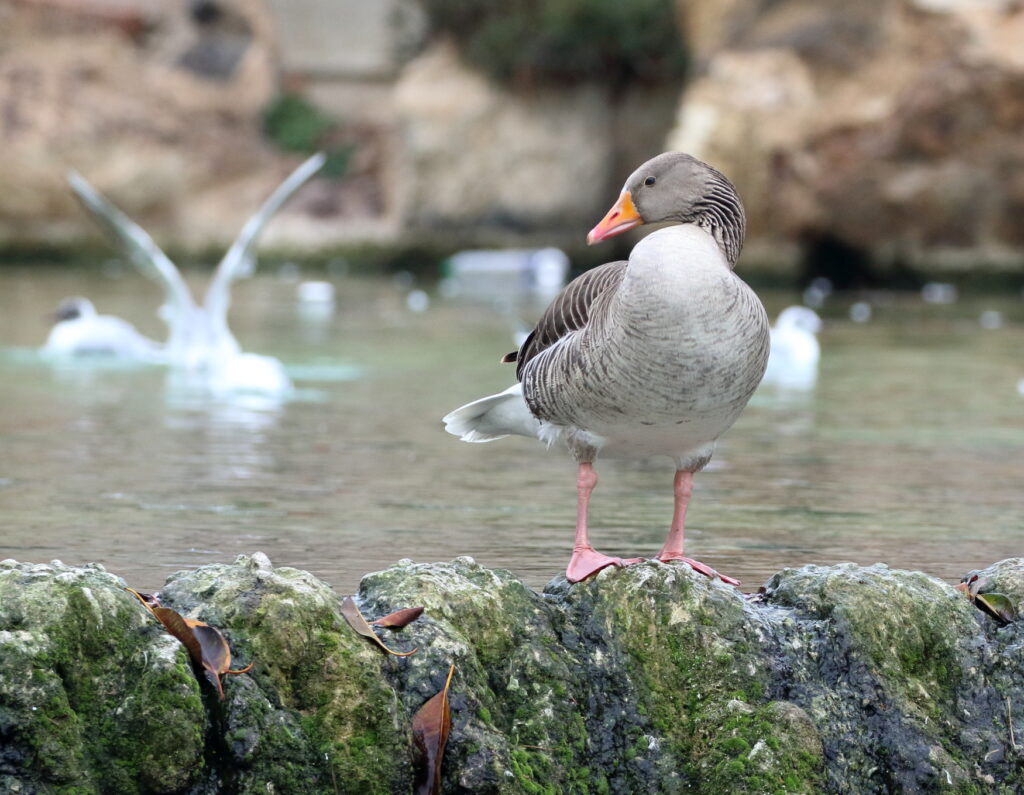
If you look at this photo carefully, you will see a number of charismatic Spanish species: Graylag Goose, Eurasian Wigeon, and my lifer Red-crested Pochards. The latter two are reported infrequently this time of year.

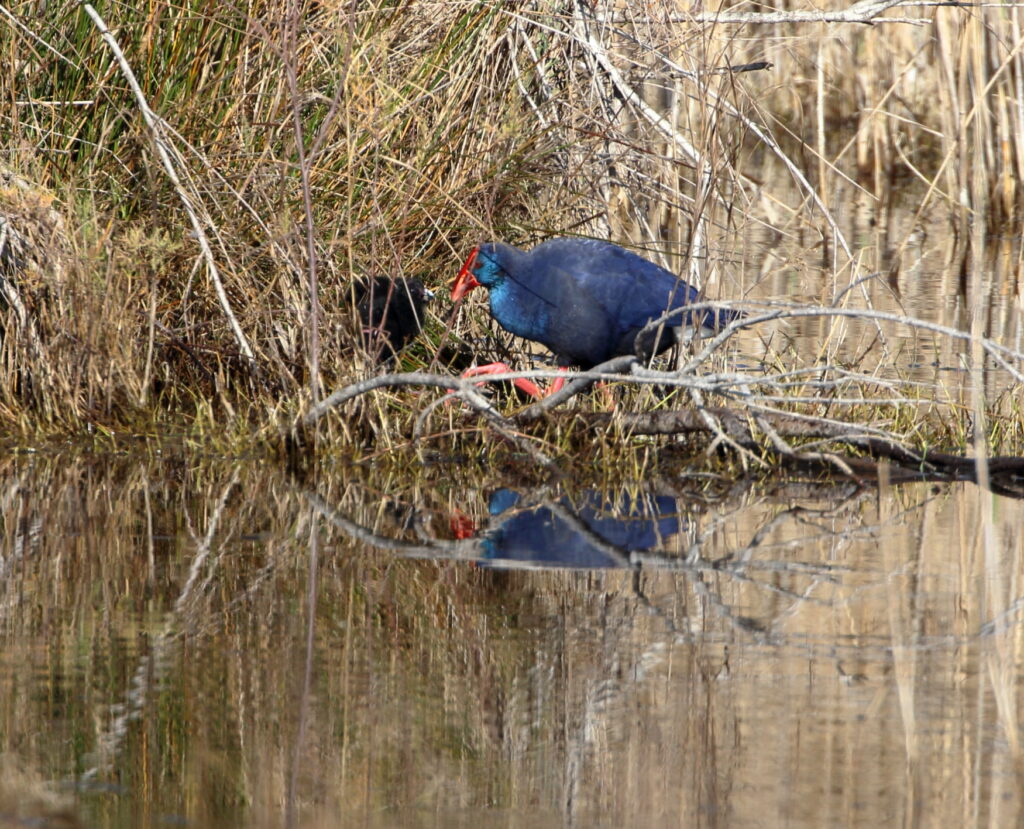
After about thirty minutes, I continued onto another viewing area. On the way, I passed a plywood wall with a few viewing windows cut into it and happened to take a quick peek. A largish purplish bird stuck out and my first thought was “Eurasian Moorhen.” Then, I did a double-take. “Hold on. Moorhens aren’t that blue—nor do they have bright red bills and legs!” The bird before me was one I had been studying on eBird quizzes, but darned if I could remember the name of it. Scrolling through eBird, I quickly found it: Western Swamphen! Even better, it had two adorable fuzzy black chicks with it!

I had not expected to see such a bird in my wildest dreams and it didn’t stay visible for long—just long enough for me to take a couple of modest photos—before disappearing into the reeds. And that, apparently, is typical for this bird, a species that rarely makes an appearance even where it might be fairly common. It immediately leaped to the top of my Trip Bird list, where it would remain for the rest of our vacation and beyond.

Earning Bird of the Trip honors, this rare sighting of a Western Swamphen put a lasting grin on my face. That black “shadow” to its left is actually one of two chicks accompanying it.

After more bird blind fun, I walked out to the beach in the hopes of seeing shorebirds. No dice. In fact, I didn’t see a single shorebird my entire morning, one of the trip’s big disappointments. I asked the interpreter about it and he confirmed that there hadn’t been many shorebirds around the entire year. Alas, I later discovered that the other section of the wetlands, on the east side of the airport, had been getting some. Nonetheless, I sat down on a jetty, breathed in the salt air of the Mediterranean, and enjoyed some bread and cheese while watching the giant jets taking off to almost every continent in the world. Then, I began making my way back down the long access road, happy with the day despite the shorebird miss.

My morning at Llobregat nabbed me 33 species—as many as I’d seen in the previous five days in Barcelona. It pushed my world life list to 1011 species. It also pushed my trip list to 49 species—one short of my goal of 50 species. “Shoot,” I thought, riding a taxi back downtown. “Where can I go near our hotel to pick up one more species?” I hadn’t a clue, and quietly resigned myself to this epic failure that would mar my reputation and confidence the rest of my life and cast shame upon my friends and family.

More Flamingo fun. These birds sat atop my list of birds I wanted to see in Barcelona and at Llobregat, they did not disappoint.

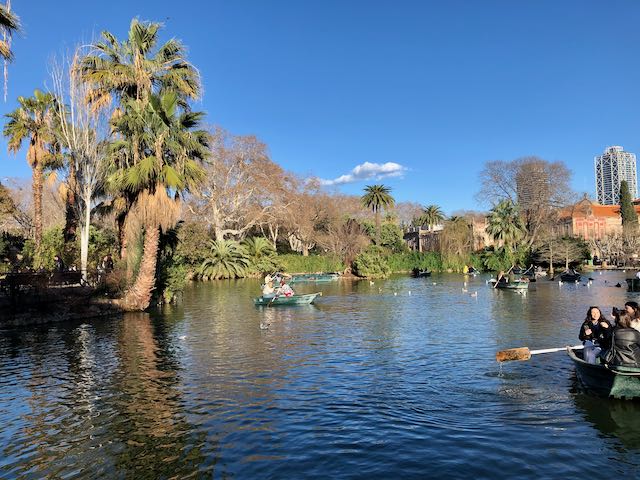
That evening, Amy—who had spent the day shopping and visiting the Picasso Museum—and I decided to take a walk before our last Barcelona supper. She hadn’t yet visited Parc de la Ciutadella (see my previous post “Birding Barcelona, Part 1: The Urban Core”), so we strolled over there. We reached the pond where they rented rowboats and decided to go for it. I handed over six Euros and we climbed in, joining a huge assortment of merry locals and tourists. Black-headed and Yellow-legged Gulls, Graylag Geese, Gray Herons, and Mallards surrounded us. Monk and Rose-ringed Parakeets squawked overhead. I smiled. This was a perfect way to wrap up the trip.

Then, I spotted a small bird sally out from the edge of the pond and return to land on a rock. From similar sightings in Taiwan, Israel, and Japan, I knew immediately what it was. “Gray Wagtail!” I exclaimed! Just as in Japan, it was the only GRWA I had seen, and it pushed my trip list to 50 species.

I swear, you can’t make this guano up.

Ciutadella’s popular rowing pond—and site of the trip’s sole Gray Wagtail.

Birding Barcelona, Part 1: The Urban Core

Since Braden and I started FatherSonBirding in 2018, I’ve posted a lot about birding in the company of Braden (of course) and my daughter, Tessa. You parents, though, may recognize that with growing kids at home it can be difficult to get one-on-one time with your actual spouse. Last week, Amy and I began to rectify this situation with our first couples vacation in seven years. Our destination was a place we had dreamed of visiting for more than a decade—Barcelona, Spain.

It’s no accident that I booked a hotel near what may be Barcelona’s largest urban park.

I admit that Barcelona did not draw me for its birding opportunities. The promise of stunning architecture, great tapas, and practicing my Spanish, though, outweighed any potential avian shortcomings. Nonetheless, it will come as no surprise that I felt determined to scour this remarkable European city for every bird possible. I set a goal of 50 or 60 species for the week. Even more intriguing, my life list stood at 999 species. “Which bird will put me over the top?” I wondered.

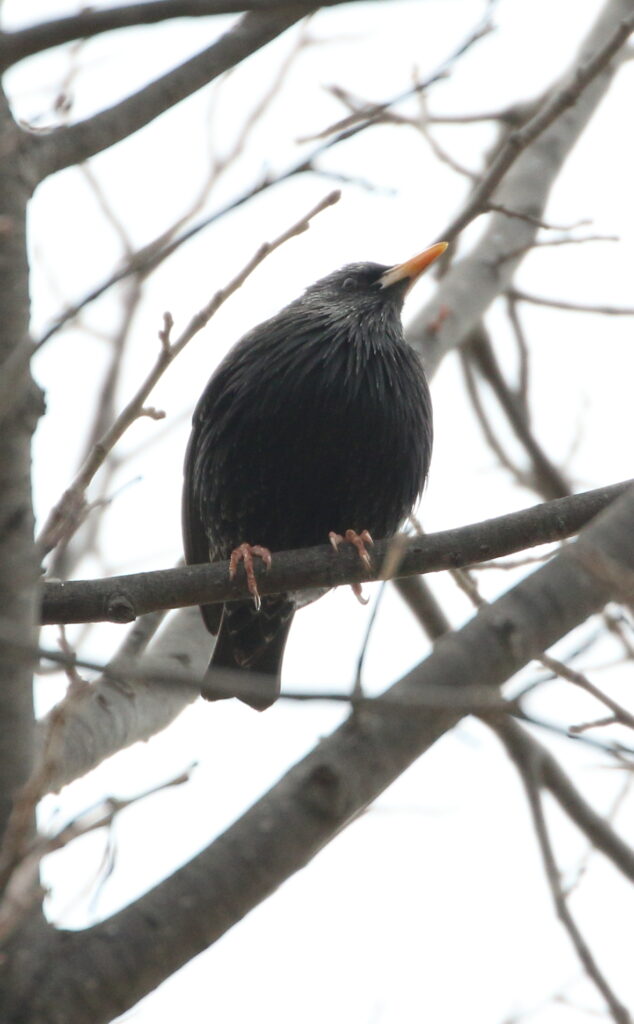
I booked us into the Park Hotel, an awesome little place in the historic El Born neighborhood near the Barceloneta Metro Station, the Estacio de Franca train station, the waterfront, and hundreds of uber cool restaurants and shops. I did not admit to Amy that I also booked the place because it sat only a block from one of the city’s largest urban parks, Parc de la Ciutadella. As soon as our plane landed, we bought 5-day Metro passes and rode the subway into town. Emerging from Barceloneta Station, I immediately saw both Rose-ringed and Monk Parakeets noisily flying overhead—and then I spotted a black bird atop a light post. I recognized it right away as my bird #1,000—a Spotless Starling!

Bird 1000! A Spotless Starling! Under FatherSonBirding Rules of Full Disclosure, I am still waiting for someone to tell me that this is actually a European Starling. Apparently, they sometimes also take on this “all black” appearance. If that does turn out to be the case, Yellow-legged Gull will assume Bird #1000 honors!

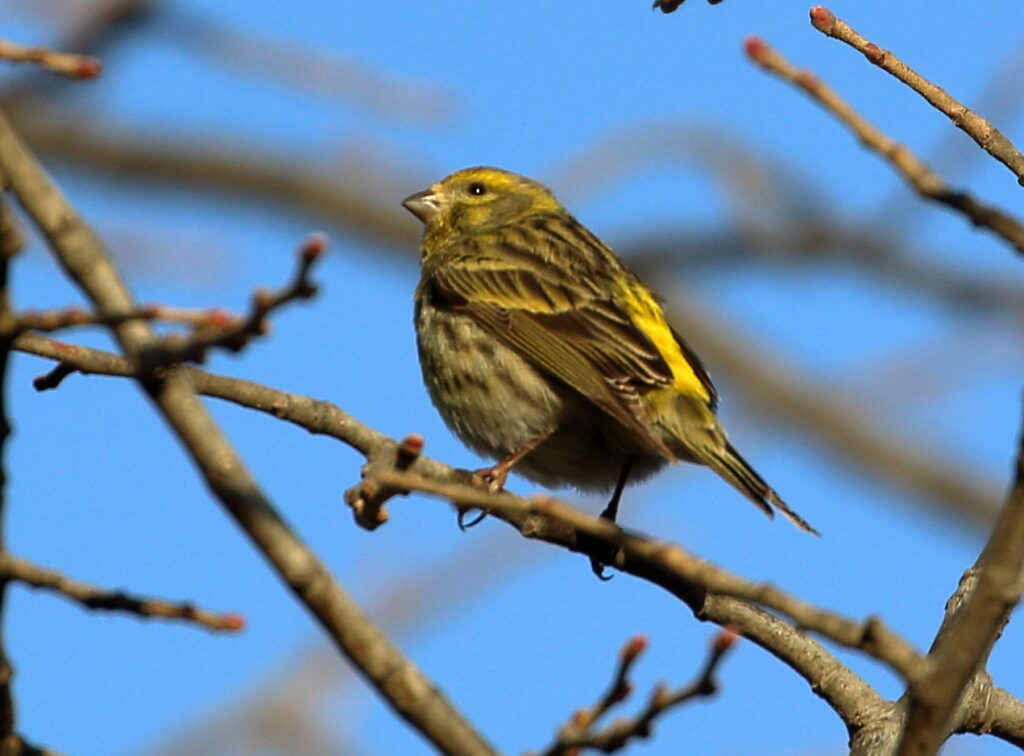
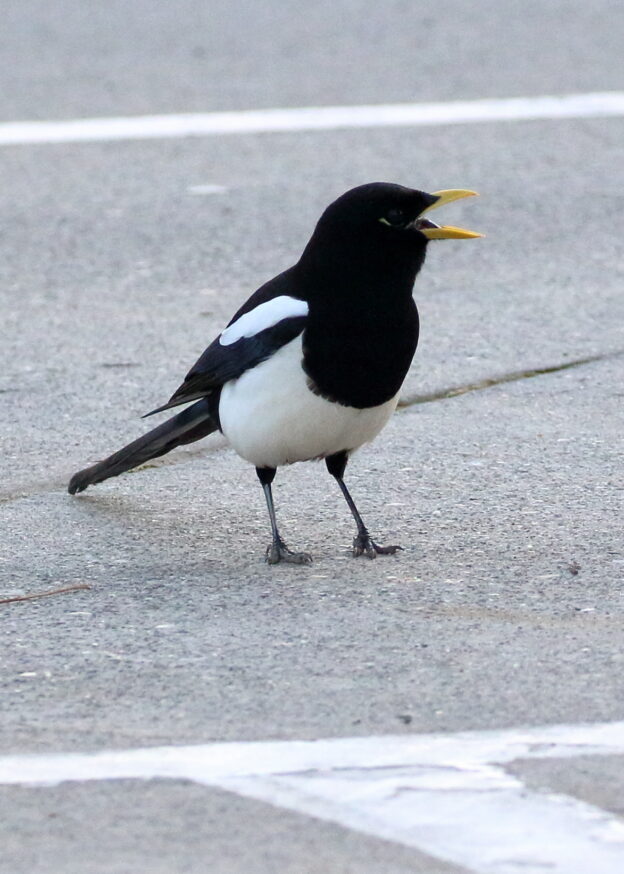
It wasn’t until the next morning, though, that I seriously plunged into Barcelona birding by rising early and heading over to Ciutadella. It was a glorious, crisp morning and even before I reached the park gates, I noted a procession of parakeets, gulls, magpies, and Western Cattle Egrets flying toward the park. Like many urban parks, Ciutadella has a rather down-trodden, worked-over feel to it. Leaves have been obsessively raked, precluding the development of healthy soil layers (and the insect prey they could produce), and very little mid-sized vegetation exists. Still, I set out optimistically and almost immediately encountered Great Tits, a Eurasian Blue Tit, a European Robin, and my lifer European Serin.

Though I never got a great photo of one, Merlin’s Sound ID picked up European Serins in multiple places I birded. I worried I wouldn’t be able to recognize these as a number of yellowish, stripy, finchy birds live in Catalonia.

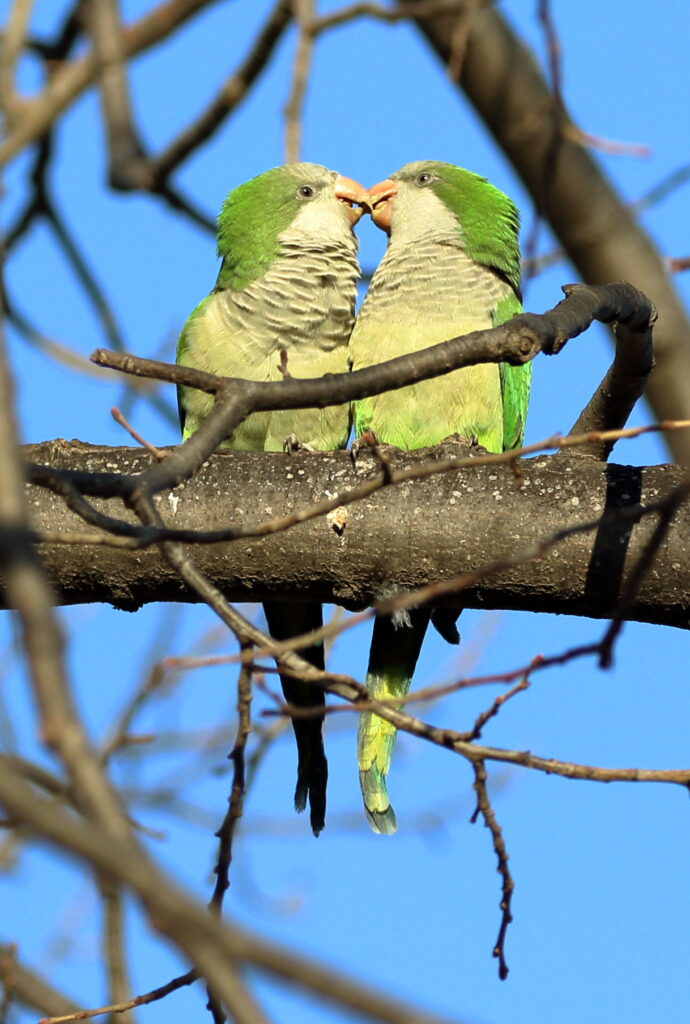
Wandering haphazardly, I quickly discovered that the park was the Monk Parakeet capital of Barcelona. Not only did this introduced South American species seem to love roosting and nesting in the palms, many people actually enjoyed feeding them, even early in the morning. This included several people who had pitched their tents in the park and evidently lived there (the tents had been cleared out by the end of the week—perhaps in preparation for a giant convention that was about to descend on the city).

Aaaaaaw! Monk Parakeets in love. Or at least sharing food. Or perhaps trying to peck each other’s eyes out.

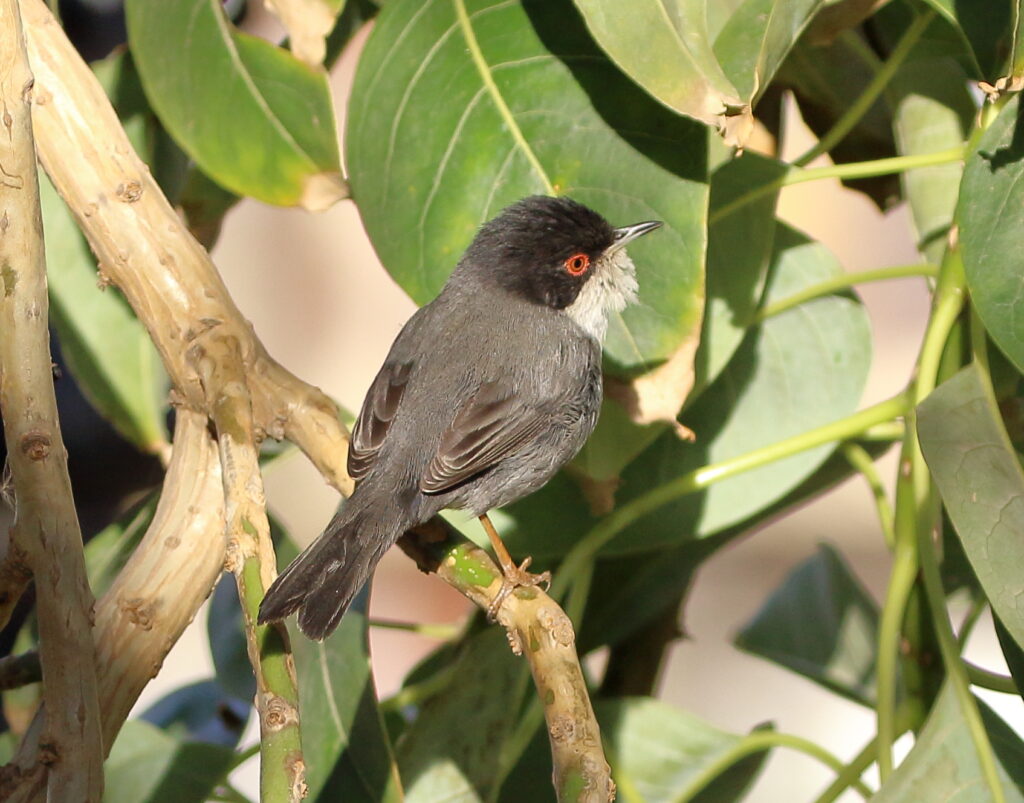
I kept picking up birds, though, including Common Chiffchaffs, Eurasian Blackbirds, Eurasian Magpies, Rose-ringed Parakeets and then, an especially exciting discovery—my lifer Sardinian Warblers!

Before the trip, I spent a lot of time learning the differences between Sardinian Warblers (shown here) and Eurasian Blackcaps. Once in the field, it was easy to tell them apart—as long as I managed to get a decent look!

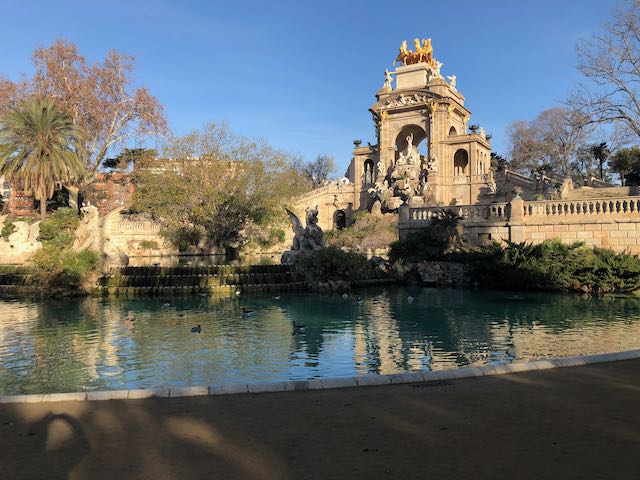
What I hadn’t seen so far were any water features, but crossing under a giant gold-plated monument (the Monòlit a la festa de l’arbre de 1899), I encountered a couple of reflecting ponds. In them, I saw a “must-see” species I had somehow never observed in all of my travels—Graylag Goose! Along with the geese, I got good looks at both Black-headed and much beefier Yellow-legged Gulls. I kept an eye out for Lesser Black-backed Gulls, but could never confirm one the entire week.

https://ebird.org/checklist/S161951923

I scored my lifer Graylag Geese right down the block from our hotel, in Ciutadella park. Note the Black-headed Gulls frolicking in the background.

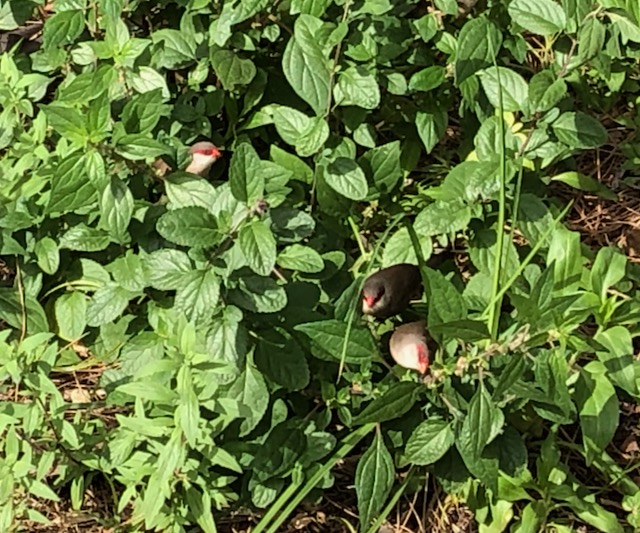
I ended my session with a surprisingly robust 23 species, but my week of birding Barcelona had just begun. During the next few days, I kept my travel binoculars slung around my neck, birding tourist-jammed city streets as well as any greenery I could find. I spotted my only Eurasian Jackdaw in a tree on the well-known avenue, Passeig de Gracia. I was delighted to discover a flock of 20 adorable introduced (and lifer) Common Waxbills in the Placa de Gaudi, right across the street from the modern wonder, Sagrada Familia. (This cathedral, designed by the brilliant Catalan architect Antoni Gaudí, is reason enough to visit Barcelona!) I finally saw the trip’s first European Greenfinches and Long-tailed Tits in the marvellous Parc Güell—one of the city’s better urban birding places and another great place to see Gaudí’s handiwork. My best urban birding opportunity, though, still lay ahead.

Though Common Waxbills are species introduced from Africa, I was thoroughly enchanted by these little “red bandits” when I encountered them across from Sagrada Familia (phone photo).

On our fourth day in Barcelona, we caught the H14 bus to the Parel-lel Metro station, but instead of boarding the Metro, we rode the funicular up the hill to Montjuïc, a prominent mini-mountain overlooking the city’s southern area. Only a couple of hundred meters away from the exit stood one of our top cultural destinations, Fundació Joan Miró, aka the Miró museum. A bit less famous than Picasso, Miró was Picasso’s contemporary, and even better, we caught a joint exhibit featuring the work of both men. After a thoroughly enjoyable hour or two there—and excellent quiche in their café—we walked up the hill heading for an even more exciting destination. Along the way—and with the help of Merlin’s Sound ID—I located my lifer Eurasian Blackcap.

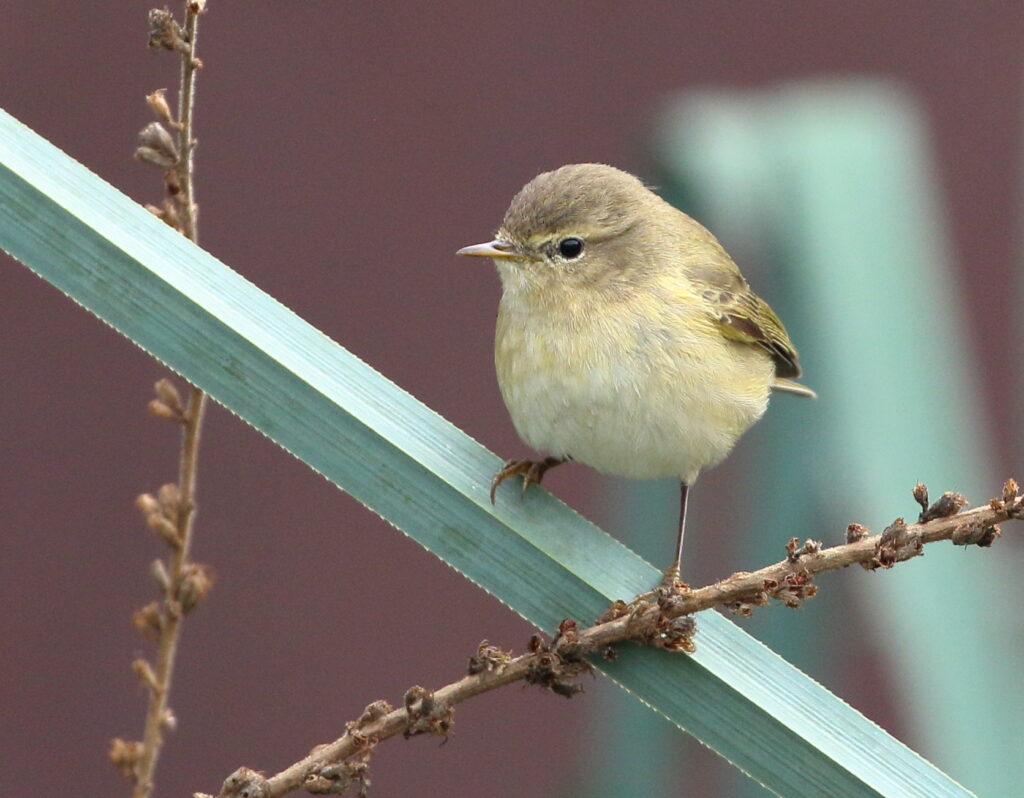
One of the most common birds I encountered in Spain, the Common Chiffchaff always brought a smile to my face, both for its name and its lively behavior. That said, I also always doubted my ID of this bird since they come in several shades of yellow and brown.

We emerged onto a road running along the top of Montjuïc and were making our way gradually downhill toward the Olympic stadium, when I spotted what looked like a prairie dog in a small field below and to our right. I had other suspicions, however, and raised my binoculars to find those suspicions confirmed: a Eurasian Hoopoe! I hadn’t seen one since Israel, but they are apparently a lot less common in Spain, and I was delighted to see its Picasso-esque crest, long curved bill, and graphic brown, white, and black color pattern. I was glad to show it to Amy, too, since we had first seen one together in Ethiopia almost 20 years before!

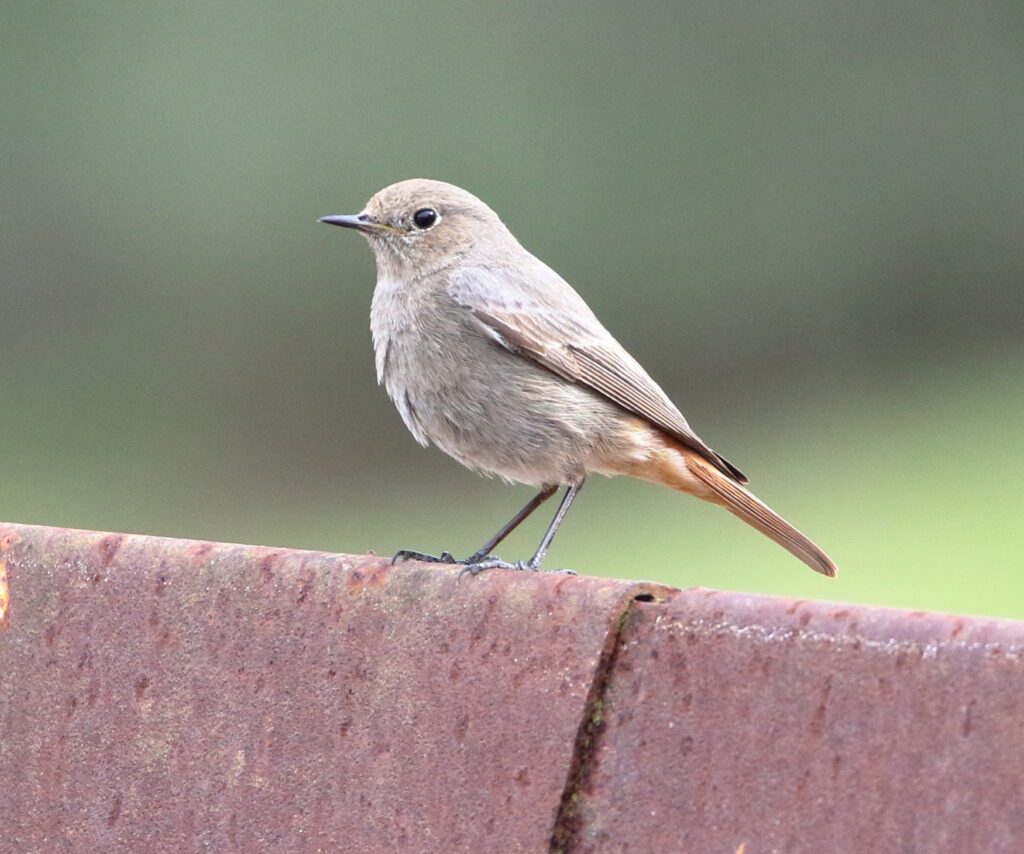
The first Black Redstart I saw in Spain was working over balcony planters in a densely packed neighborhood of apartment buildings in Barceloneta—a clue to how adaptable this handsome species is.

Another couple of hundred meters brought us to Jardí Bòtanic de Barcelona, and my pulse accelerated as we paid our 3-Euro entry fees and entered. Finally, I would get to bird a somewhat natural area! The only question was, what I would find?

The visit got off to a great start with sightings of Black Redstarts, European Robins, and another blackcap. Making our way around to a little pond, the excitement grew with half a dozen flycatching Common Chiffchaffs, another Black Redstart, and a pair of White-Wagtails—the fourth country I’ve now seen this bird in.

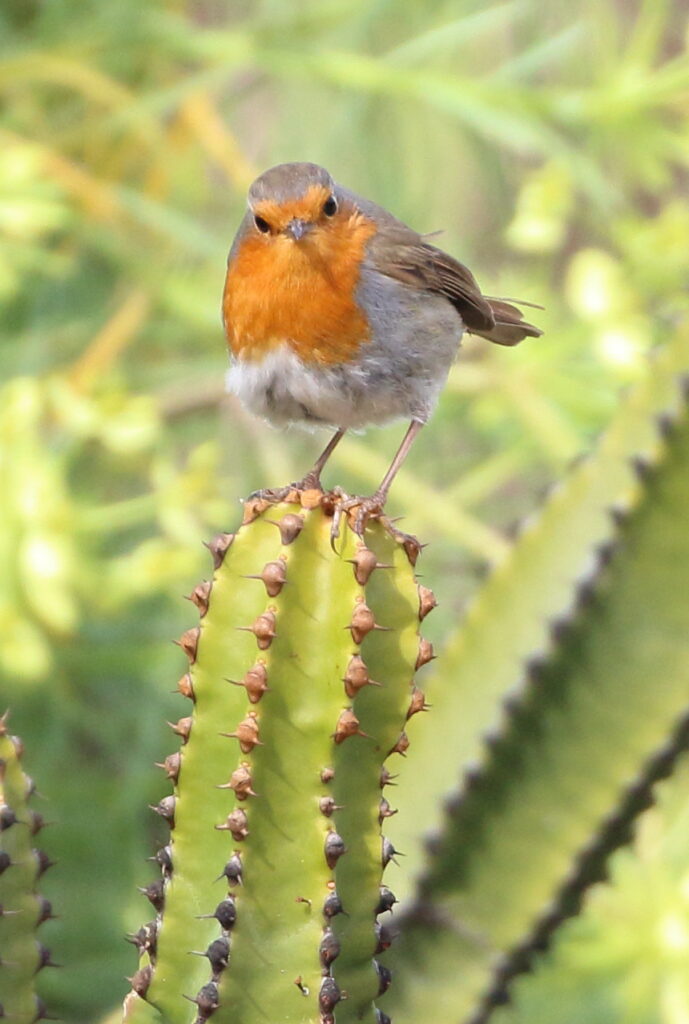
Though I’d seen European Robins in Amsterdam, Israel, and Japan, this is the first one that ever fully cooperated with my camera. Love it!

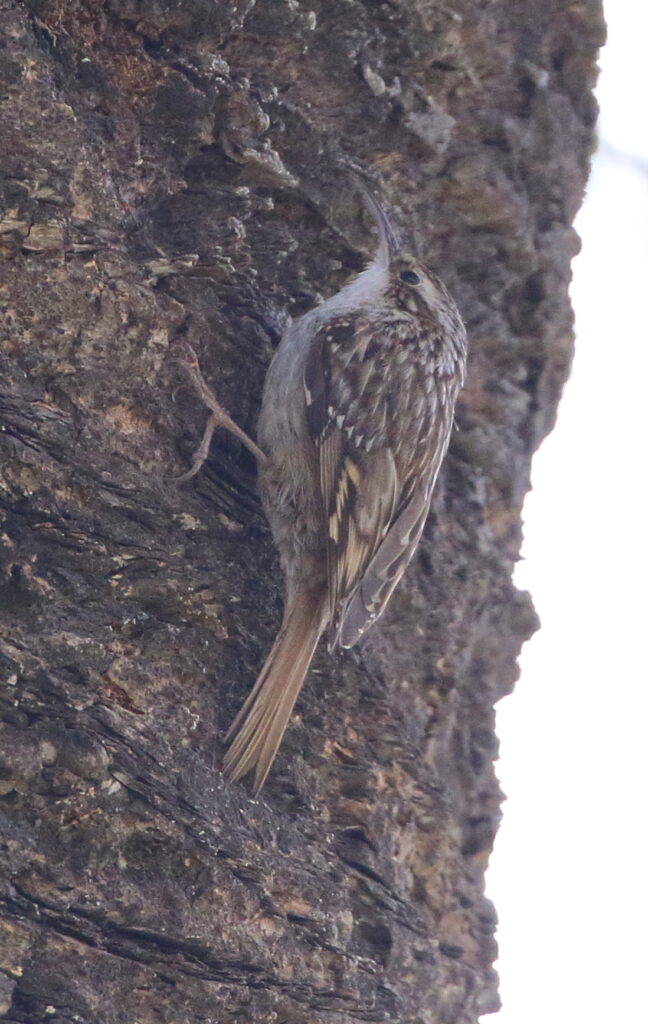
As we headed up to the higher parts of the gardens, a series of unfamiliar high notes pierced the air. I looked around and detected movement on a nearby tree trunk. It belonged to none other than a pair of Short-toed Treecreepers, a bird stunningly analogous to our Brown Creepers, and a species I never thought I’d see in Spain. Awesome!!!!

A series of high sharp notes alerted me to the presence of several Short-toed Treecreepers, a species I had only dared hope to see in Spain.

The treecreepers weren’t the last birds we saw in the gardens, but they were probably the coolest. Our 80-minute visit plus the Miró museum marked this as our most fun day so far—but I had one more major Barcelona birding adventure scheduled for the last day of the trip. Find out what it was by reading my next post. Same bird time. Same bird channel.

https://ebird.org/checklist/S162445992

Lost in Owls

Owls consistently rank among the favorite bird groups of birders, and Braden and I are no exceptions. We’ve had a pretty good year for owls in 2023. It got off to a roaring start with wonderful encounters with Long-eared Owls, Northern Pygmy-Owls, and Saw-whet Owls the first days of the year, and continued with the now-famous Northern Hawk-Owl in Wise River. Unfortunately, after that, our owl experiences stalled. We failed to see both Great Gray Owls and Snowy Owls last winter, nor even a Barred Owl. We also missed both Western and Eastern Screech Owls, though did pick up Burrowing Owls near Great Falls. When Braden got home from college a few days ago, however, we decided we would make one last effort to see perhaps our biggest miss of the year: Short-eared Owl.

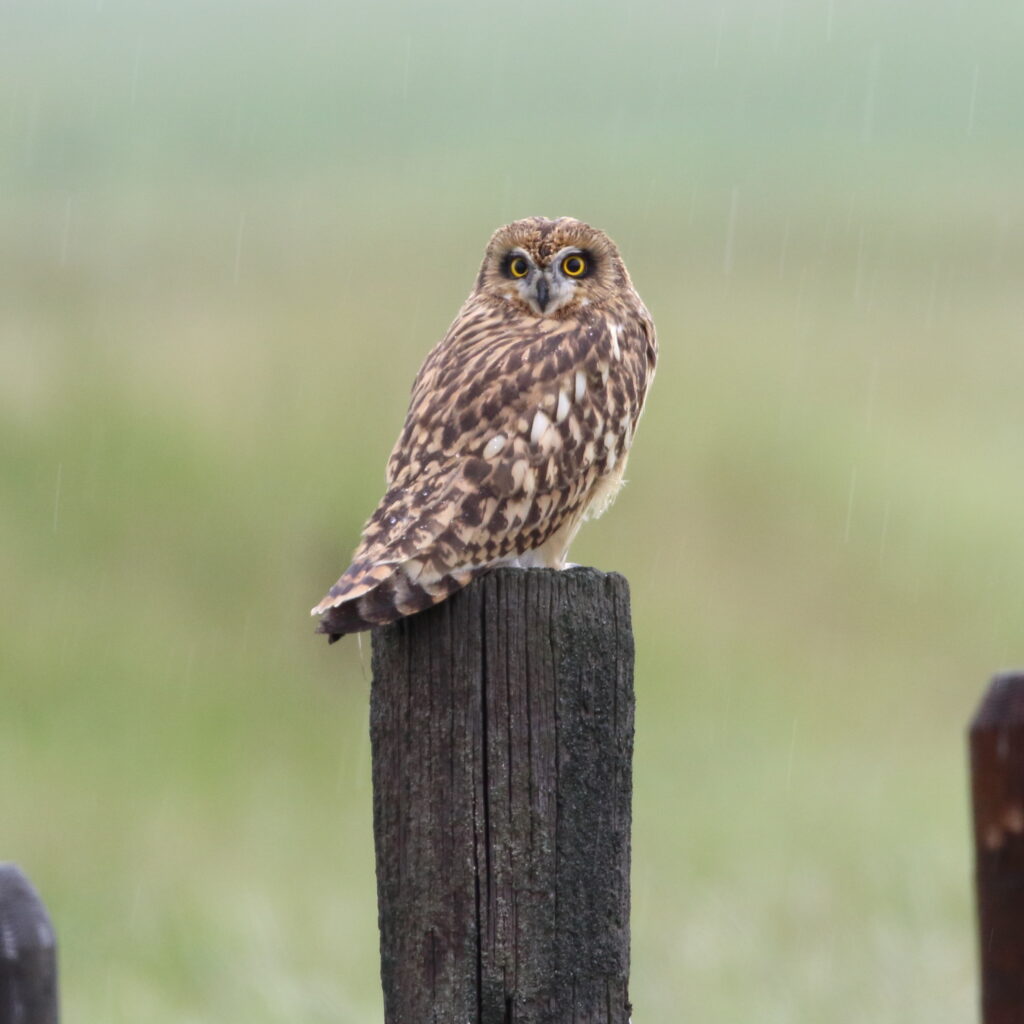
Short-eared Owls are one of our favorite Montana birds—but so far in 2023, they had totally skunked us!

We had looked for Short-eareds multiple times in 2023, both at Ninepipe National Wildlife Refuge, and on our forays into eastern Montana. In fact, I had never gone to eastern Montana without seeing one of these spectacular creatures, but this year? Zip. Ditto at Ninepipe, where we can almost always count on at least one SEOW during the year. What was going on? Joni Mitchell’s prophetic lines haunted me:

“I’ve looked at owls from both sides now

From up and down, and still somehow

It’s owl illusions I recall

I guess I don’t know owls at all.”

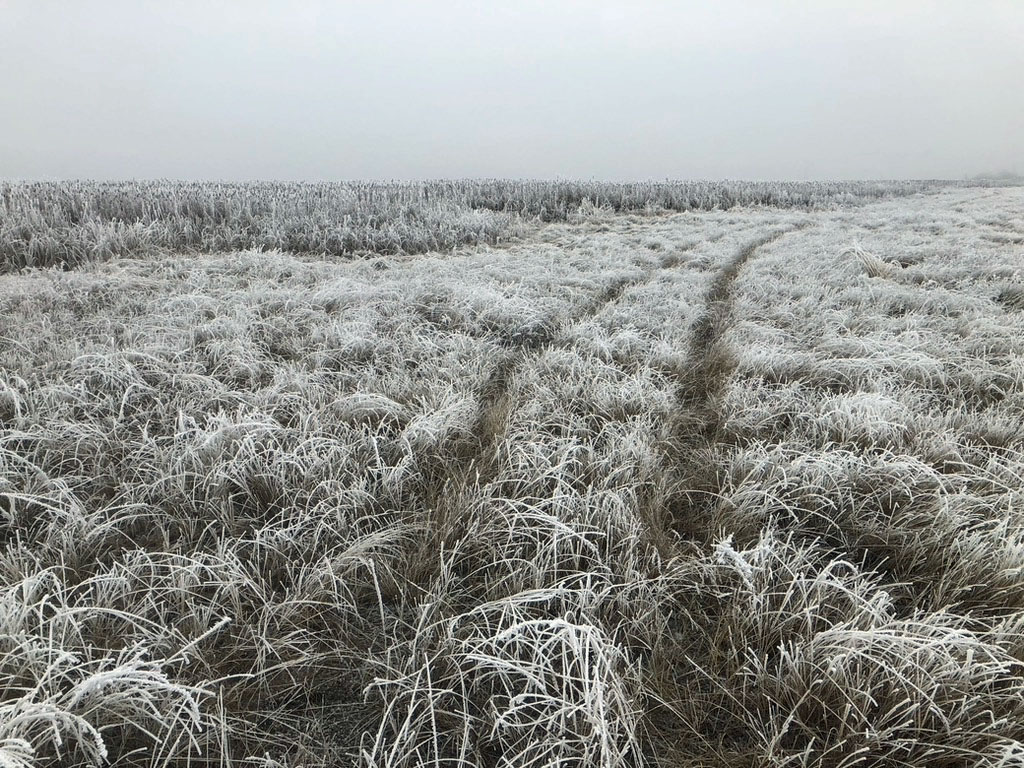
Why does Joni always have to be so darned depressing? Nonetheless, when our neighbor Tim told me he’d been encountering gobs of Short-eared Owls while out hunting in the Mission Valley, Braden and I were determined to give SEOWs one last try. We parked at Tim’s spot amidst a winter wonderland of frosted fields created by low fog and freezing temperatures that have been blanketing the area for the past couple of weeks. A sign invited pedestrians into the property so unlike our other searches for SEOWs, which relied on driving rural roads for miles and miles, we zipped up our jackets, slung our optics over our shoulders, and followed a frozen dirt path out into a field.

Almost immediately, rodents (voles?) scurried in front of us while Northern Harriers circled the perimeter.

“There have got to be owls here,” I said. “Look at all this prey!”

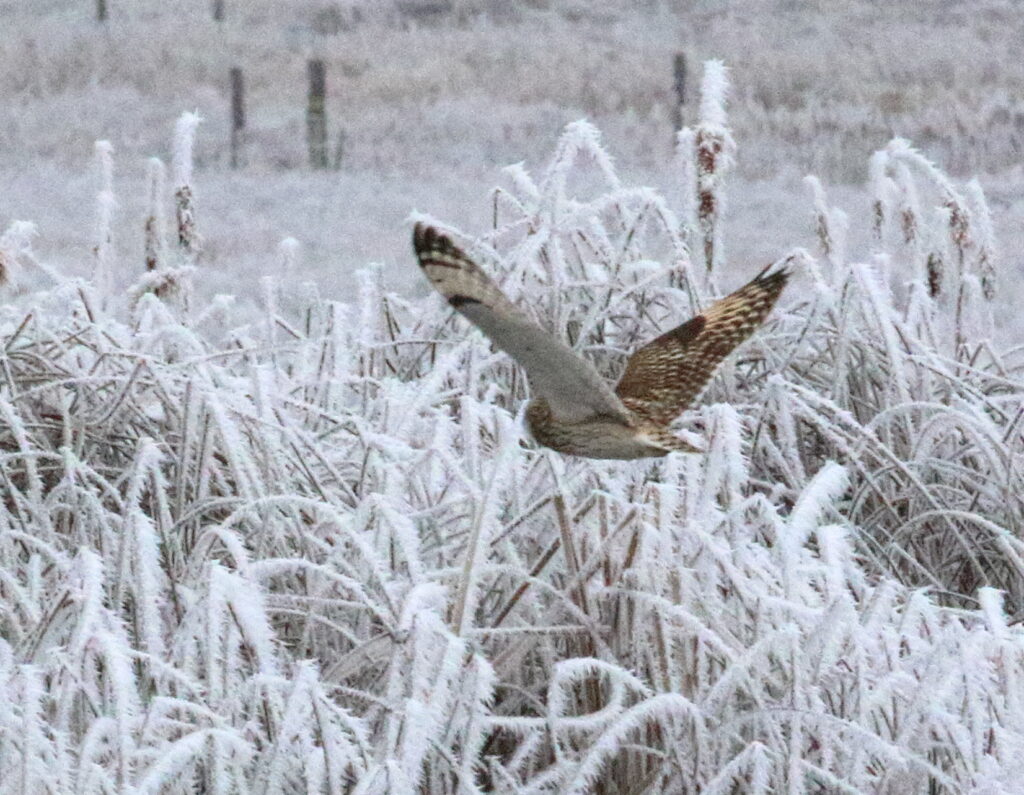
Well, not so fast. We kept walking, expecting an owl to fly up at any moment, but no dice. We heard Canada Geese, saw magpies and a hawk or two, but no owl. As the road curved left, I decided to crunch my way over to a big group of cattails. As I paused to study it, I suddenly heard Braden shout, and spun around to see a Short-eared Owl quickly flying away!

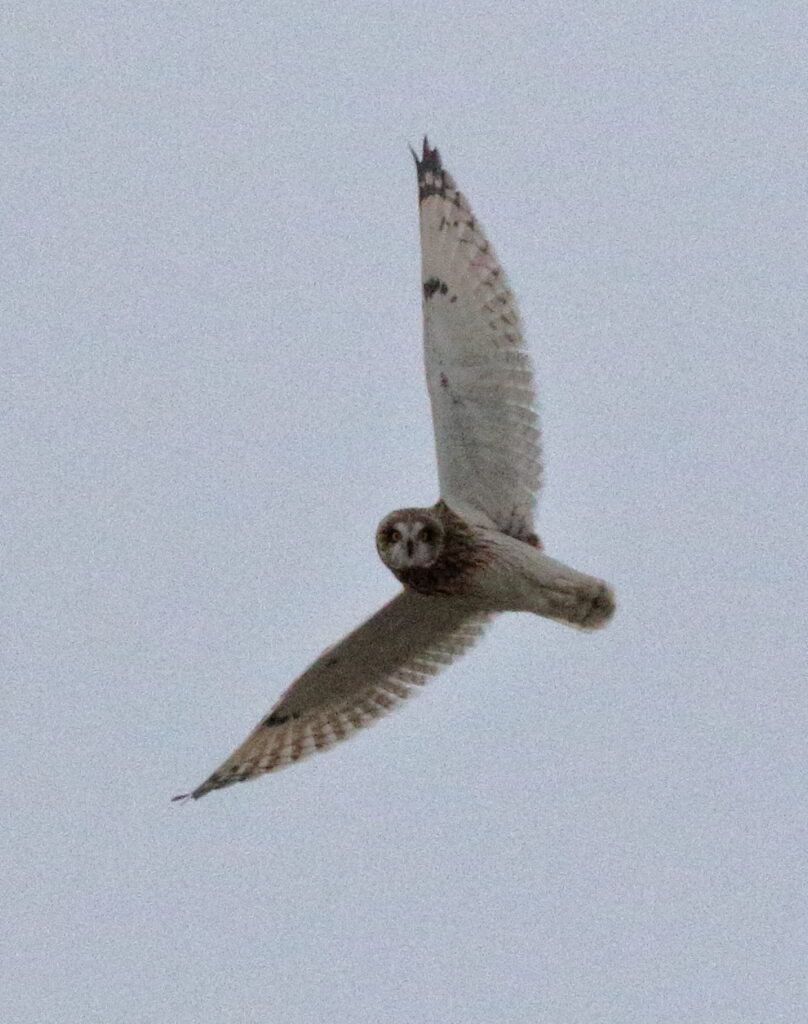
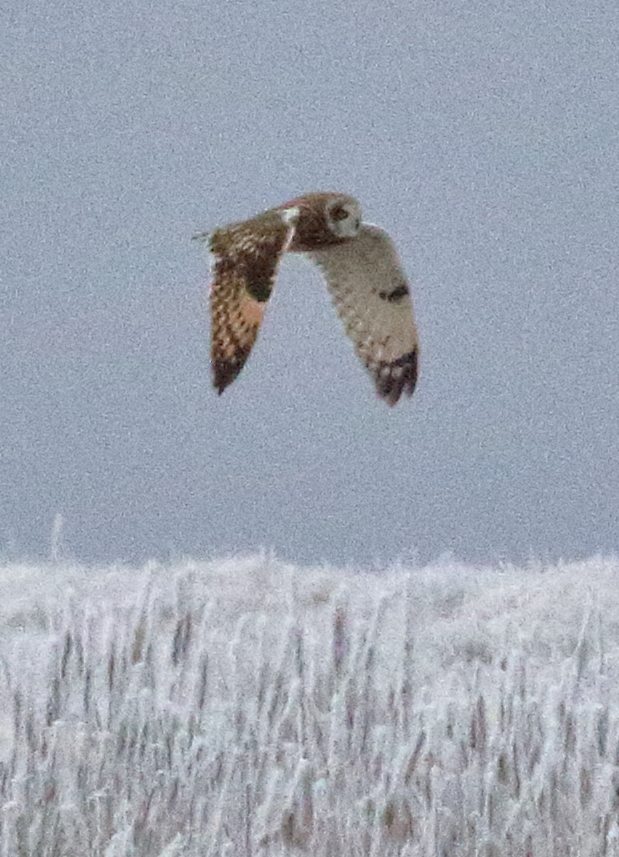
More often than not, we observe the rear end of a SEOW, and this one was no exception!

For those who haven’t seen these creatures, they truly are marvels of engineering. While perched, they appear only medium-sized. Once they take off, they unfurl impossibly long, flexible wings that leave an observer breathless. Like Northern Harriers, which also hunt low over fields and marshes, listening for prey, Short-eared Owls hunt by both sight and sound, moving low and slow, their long wings giving them plenty of lift with minimal flapping. We watched, elated as this one flew in a lazy arc away from us—but it was so much fun to be out alone in the middle of this giant field that we decided to keep walking.

When a fence blocked our way, we turned right and followed an embankment along an irrigation ditch. Braden heard Marsh Wrens, and then we encountered another fence. I pride myself on having good directional sense, so I said, “Let’s head this way back toward the road.”

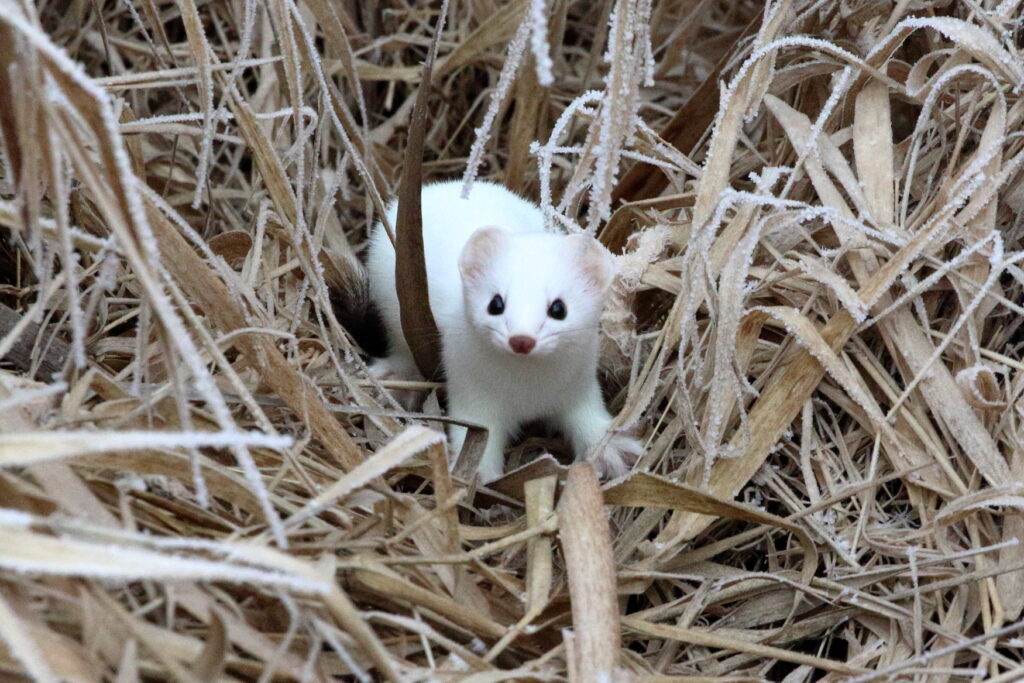
One advantage to the frozen ground is we could walk across normally wet places without plunging into cold water. We walked in parallel, forty or fifty feet apart, and at one point I saw Braden pause to study another group of cattails. He motioned me over, and I was stunned to see a white face with beady eyes pop out to look at me. A weasel! The mammal was in full winter “plumage,” and it was only the second one we’d ever seen in Montana, so it quickly grabbed “Bird of the Day” honors!

This Short-tailed Weasel (we think) grabbed Bird of the Day honors as we searched for Short-eared Owls.

But our owling, it turns out, had just begun. As we headed back toward our car, Short-eared Owls started popping up like jack-in-the-boxes! We tried to spot them on the ground so we could steer around them, but they were so well hidden in the grass and cattails that we never saw one until it took flight. Then we just stood in awe, watching it navigate on their incredible wings until they settled a couple of hundred meters away. One owl even had a little tête-à-tête with a Northern Harrier, exchanging some words neither Braden nor I could make out.

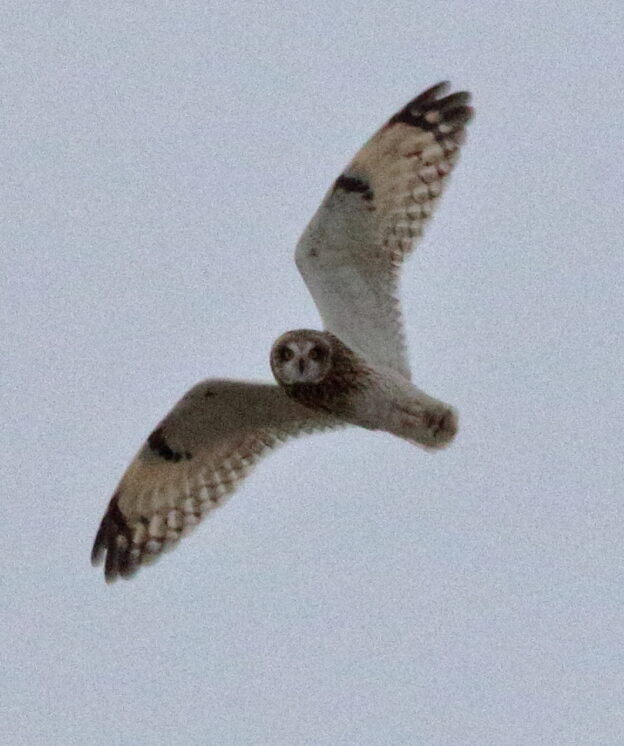
I had the ISO of my camera cranked too high, so my owl shots are all grainy, but this photo still captures the magnificence of SEOWs.

One thing we wondered was why the birds weren’t actively hunting. Prey scurried everywhere, and the cold air shouldn’t have been a problem for such masterful fliers. In fact, Braden and I have seen them active in all seasons and at all times of day, though they do tend to be crepuscular—most active at dawn and dusk—especially in winter. Beyond this, I am guessing that the birds were so stuffed with voles that they could afford to chill out—literally. (But see my earlier comments on my understanding of owls re: Joni Mitchell.)

After observing at least half a dozen of these glorious creatures, we finally made it back to the road. Alarmingly, our minivan had disappeared!

“Geez, where is it?” I asked. “Did someone tow it?”

“I don’t know.”

“Wait a minute,” I said. “This road is paved. Didn’t we park on a dirt road?”

“Oh, yeah,” Braden confirmed.

So much for my infallible sense of direction! As we wandered across fields, we had veered at least 90-degrees off course and ended up in a totally different place than we’d intended. Fortunately, Braden was able to use our eBird track to quickly figure out where our car was actually located. After a short hike down the paved road, and a turn right, we reunited with our faithful birding-mobile.

Seeing one of our favorite birds was a great way to wrap up our Montana birding adventures for the year and made us feel good knowing that great habitat and plenty of food still abounded for this wonderful species. The weasel (probably a Short-tailed Weasel) was also a great bonus. The Short-eared Owl pushed my Montana Year Bird list to 252 species, my second highest total ever. That number would tick over to 253 species an hour later when Braden and I saw a Northern Shrike up near Polson. Braden’s 2023 Montana total reached 198—pretty darned good considering he spent only five or six weeks in the state. None of us can predict the future, but if we all keep getting out there, we can guarantee that 2024 will bring plenty more birding adventures. What are we all waiting for?

Braden and I hope that 2024 brings you owls—and lots of other cool birds!

“Zoning Out” on Zonotrichia Sparrows

You may have noticed that many of my recent posts have centered on a) sparrows and b) nemesis birds. This post will combine those topics in a way that I hope will elicit six-figure offers for film rights along with invitations to various network morning shows. Strap in, because it promises to be a thrilling ride. Or mildly entertaining. Or at least more interesting than scrubbing the bathroom sink. Here goes.

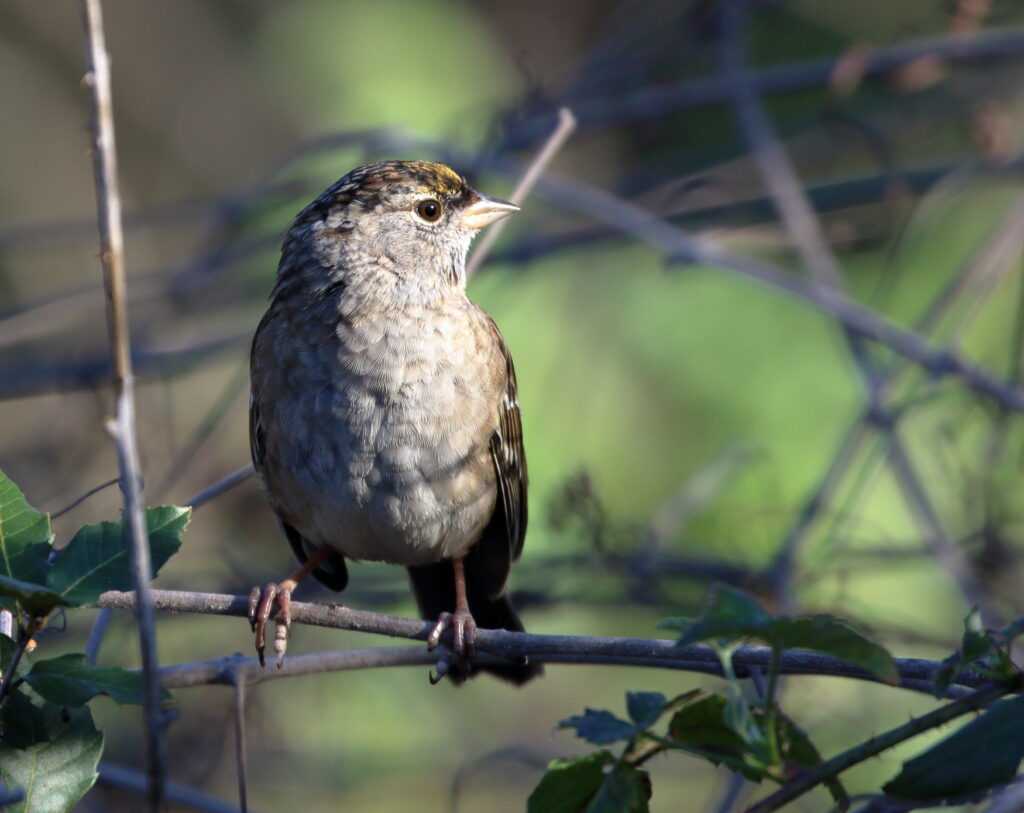
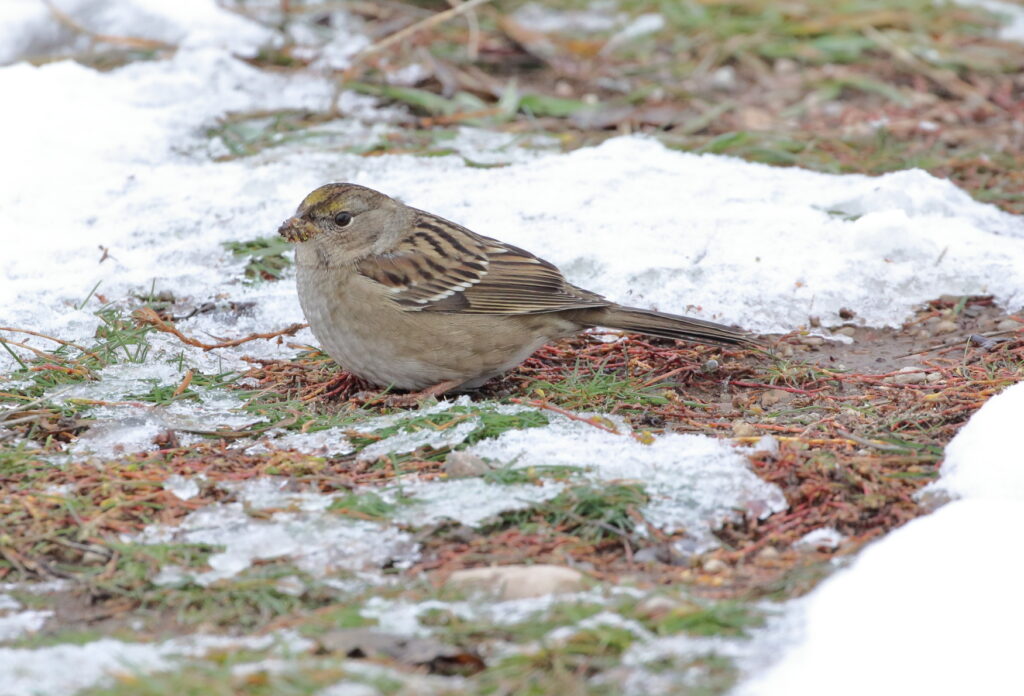
Do you see the Golden-crowned Sparrow in this roadside pullout? I didn’t either.

In my recent pursuits of nemesis birds (see From One Nemesis Bird to Another and Gambling on a Grouse-fecta), one bird that I have sorely neglected is the Golden-crowned Sparrow. In fact, it may have been the most common species still missing from my Montana life list. Braden and I first beheld one of these gorgeous birds at the Moonglow Dairy outside of Monterey, California while we were pursuing our first Big Year back in 2016. Since then, we’ve seen them several times in California and Oregon—which is probably why they never became a top priority for us in Montana. Nonetheless, stray GCSPs show up in Montana often enough that they should have been beeping more loudly on our radars. Last week, when Braydon Luikart (see Gambling on a Grouse-fecta) notified me that a Golden-crowned had been spotted in Missoula, well, I guess I was finally alert enough to seize the opportunity. I threw Lola into our trusty minivan and headed out to LaValle Creek Road near the airport.

As I turned onto the muddy track, it was clear that word had gotten out when I began passing a veritable Who’s Who of Missoula birding. These included avian biologist William Blake (formerly of MPG Ranch, now with the American Bird Conservancy), and veteran birders Adam Mitchell, Thomas Kallmeyer, and Di Litz. William and Adam gave me directions to the sparrow spot, and a mile or so later, I pulled over onto a muck-filled turnout.

“It should be right there,” William had told me, but when I climbed out of the car with my binoculars and camera, I didn’t see a thing. Figures, I thought. I’m going to be the only birder in Missoula who doesn’t see this bird.

I studied the surrounding bushes and road without spotting anything, then took a couple of steps forward. Suddenly, I saw movement at my feet. The Golden-crowned! It was so perfectly camouflaged with the muddy ground that my eyes scanned over it two or three times without detecting it! Talk about your easy nemesis birds! I had a nice long visit with this fellow, admiring its subtle yellow lores and crown, boldly striped back, and finely striped breast. Its gray bill indicated it was a “1st winter bird,” fledged this past summer. Whoo-Hoo! Montana Lifer #303!

Golden-crowned Sparrows breed in western Canada and Alaska, but a few clip Montana every year on their way to their wintering grounds along the West Coast.

William and Adam had told me they’d seen Pine Grosbeaks and Gray-crowned Rosy-finches further up the road, so I continued on to a place locally known as “the corral.” There, I found UM grad student Tim Forrester also looking for the birds. Tim’s been all over the U.S. and many places abroad studying birds, and we had a nice conversation while waiting for other birds to show up. Alas, I guess I’d hit my limit for great birds for the day—though I did see a nice pair of American Tree Sparrows on the drive out.

As I always do after a great find, I called Braden to share the news. After congratulating me, he asked, “You know what this means, don’t you?” “Uh, no.”

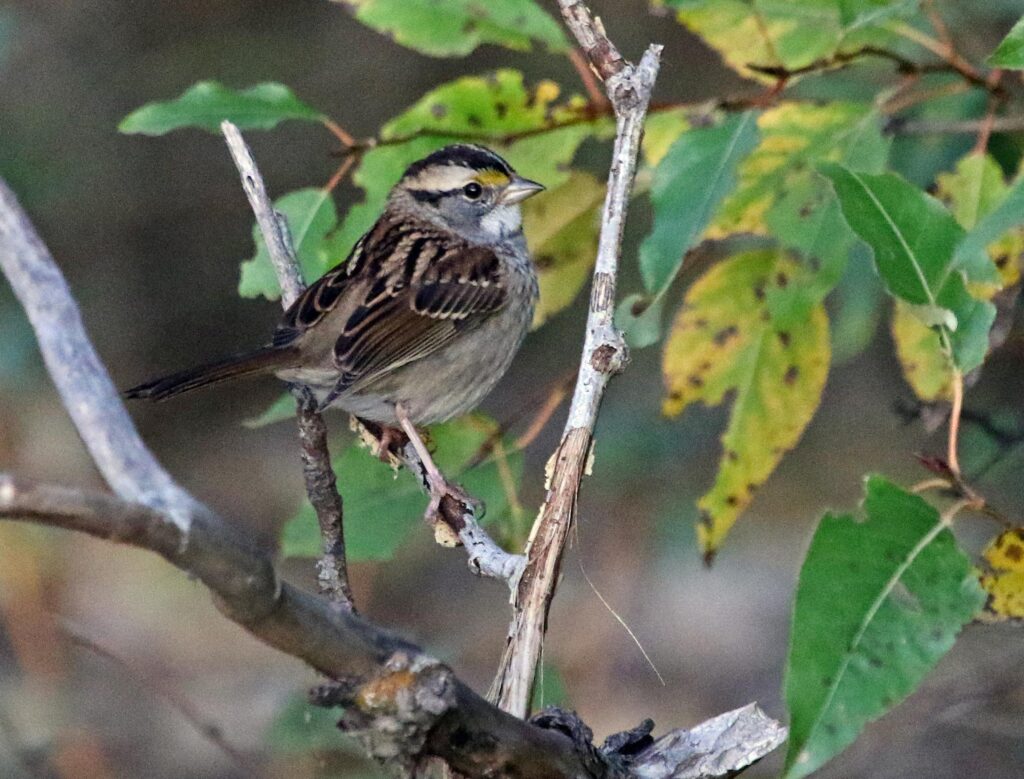
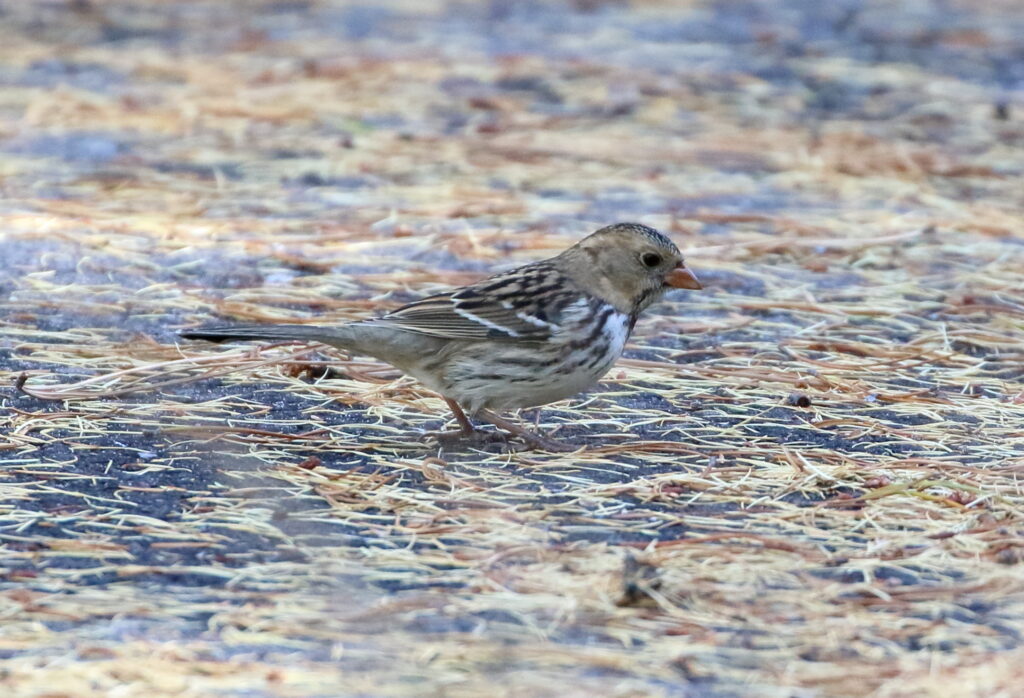
“It means,” he said, “that you’ve seen all four of Montana’s Zonotrichia sparrow species!” He recounted the four species for me, and I realized that they were four of my favorite sparrows: White-crowned, White-throated, Harris’s, and now Golden-crowned. What’s more, I’d seen all but Harris’s Sparrow this year.

Braden and I find White-throated Sparrows almost every fall in Missoula—but we have to work hard for them.

“But what exactly are Zonotrichia sparrows?” you may be asking. Good question!

Birds in the genus Zonotrichia are among our largest sparrows. They all have heavily-streaked backs and are ground-feeders, snagging seeds, grain, insects, and spiders. At first, their bold head markings look quite different from each other, but if you compare the four species side-by-side, you will see that they bear strong similarities. White-crowned Sparrows (see Welcoming White-crowned Sparrows—with Observer Bias) and White-throated Sparrows (see March Madness Birding in Missouri) have the widest distributions and are probably the “Zones” that people are most familiar with. In Montana, Harris’s probably have the greatest cool factor. Braden and I have seen them only once together (see A Quest for Snowy Owls), and I saw them once more a couple of years ago. No two ways about it, though, adding Golden-crowned to my Montana list made my day.

Only the second Harris’s Sparrow I’d ever found—while looking for loons with Amy at Seeley Lake. And no, we didn’t find the loons!

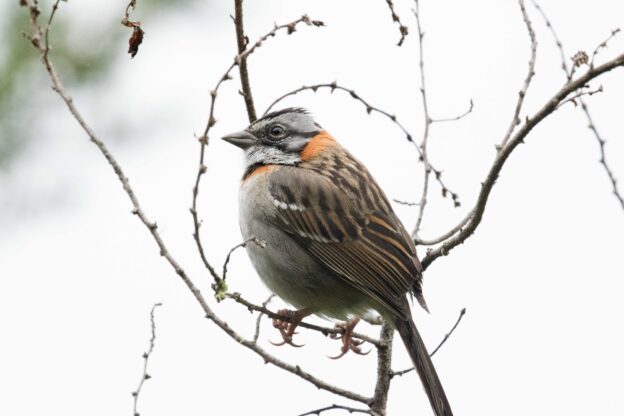
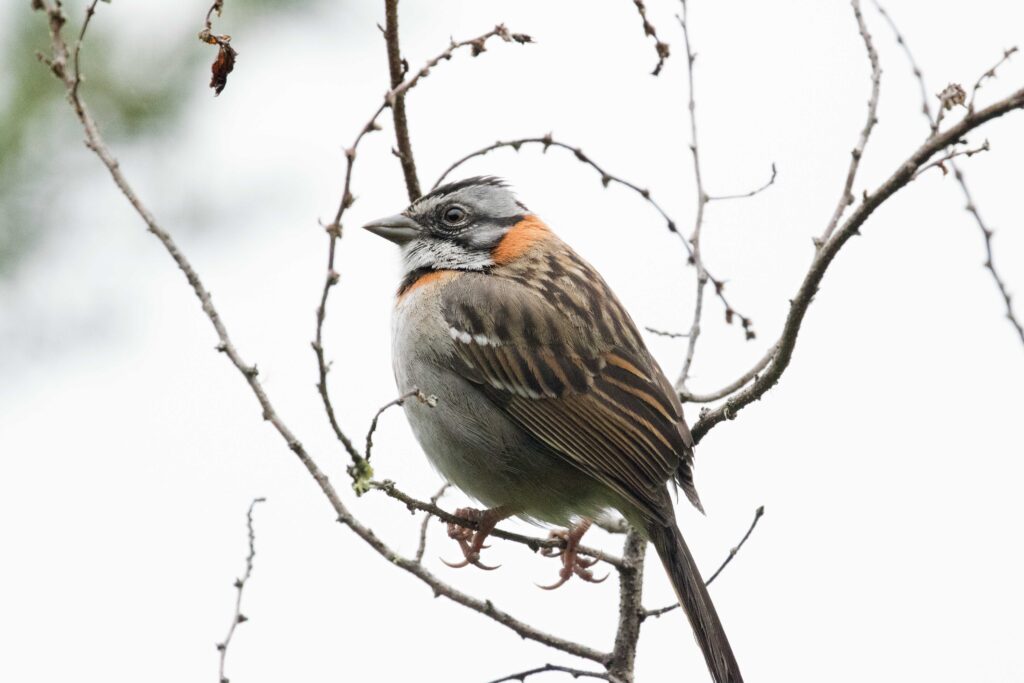
I’m not quite finished zoning out, however. So far, I’ve mentioned four species of Zonotrichia, but there’s a fifth, and it’s one almost anyone visiting Latin America will recognize: the Rufous-collared Sparrow. Braden and I first encountered these handsome critters during our 2017 family trip to Ecuador and Peru, though I’m sure I saw them in Costa Rica before I became a birder. In fact, this is probably the most common bird we saw in urban and suburban settings—so common, that we soon began taking them for granted. I hereby pledge not to ever do that again. Meanwhile, wherever you are, I invite you to zone out for yourself. Especially if you live in the southern half of the U.S., the West Coast, and much of the Atlantic seaboard, I guarantee there’s some Zonotrichia near you. Braden and I will be waiting for your reports!

White-crowned Update: In writing my recent post “Welcoming White-Crowneds,” published October 1st, I felt pretty sure that I had seen my last White-crowned for the season. However, just yesterday, October 31st, I saw yet another one out at the Fort Missoula Gravel Quarry, reinforcing my feeling that these “Zoned-Out” birds are having a very good year!

The “Fifth Zone,” Rufous-collared Sparrows were our constant companions during our 2017 family trip to Ecuador and Peru. (Photo by Braden Collard—no relation to Rufous Collard.)

Gambling on a Grouse-fecta

FatherSonBirding is a totally free, non-commercial blog that Braden and I write to share our passion for birds and birding, and to help educate others about birds and bird conservation. We do not accept donations, but if you would like to support us in our endeavors, please consider purchasing *new copies* of one or more of Sneed’s books—the new picture book Border Crossings, for example. These books are widely available online or can be ordered from your local independent bookstore. Oh, and they make great holiday gifts! Thank you for your support.

Many of you have followed my woeful failure to see a Spruce Grouse since I began birding ten years ago. This has brought endless shame to my family and led me to self-medicate with copious quantities of chocolate, exploding my waistline and making it difficult to hold up my head (and pants) in the Montana birding community (see our post “Fall Birding in Glacier National Park”).

I have rendered myself such a pitiful specimen of a birder that several of you have kindly reached out with compassionate suggestions of where I might finally find a Spruce Grouse so that I could regain a shred of self-esteem. I had dutifully begun making plans to pursue these suggestions—when I saw that accomplished Lake County birder Braydon Luikart (not to be confused with my son, Braden) had sighted some SPGRs relatively close to me. I contacted Braydon to see if he might be up for a Spruce Grouse expedition, and he cautiously accepted, no doubt wondering if it might damage his birding career to be associated with such a “grouse failure” as myself.

Though he could at first be confused with my own son, Braydon Luikart is no relation—but generously agreed to lend his terrific birding skills to my search for a Spruce Grouse.

I picked up Braydon at his house at 8 a.m. as a crescent moon rose into a growing dawn, and he led me to a logging road across from Finley Point on Flathead Lake. In no time, we were climbing up the breathtaking face of the Mission Mountains. Finding a Spruce Grouse sat foremost in our minds, but we began musing that if fortune shined down on us, we might find all three possible grouse: Ruffed, Dusky, and Spruce! This especially appealed to me because—and I don’t know if I should even admit this—I hadn’t seen ANY of them in 2023. I’d spotted almost all of the other game birds in Montana including Greater Sage-Grouse, Sharp-tailed Grouse, and even White-tailed Ptarmigan, but the three in my own backyard? Nada. Zilch. Rien. Shum davar.

Our idea to win the “grouse-fecta” got off to a great start when, after the first five miles, Braydon hollered “Stop! Dusky Grouse!” I hit the brakes of my wife’s CRV which, on Braydon’s sage advice, I’d borrowed in favor of the minivan. “Where?” I asked, already reaching for my camera. Braydon pointed at five chicken-sized birds scurrying up into the brush.

This female Dusky Grouse kicked off our potential “grouse-fecta” in fine style. Note the color and pattern differences from the female Spruce Grouse below.

Fortunately, grouse tend to be pretty unreactive, placing far too much faith on their amazing camouflage to escape detection. Four of the grouse made their way into photo-unfriendly territory, but the fifth, a female, posed attractively on a stump. This allowed me to capture one of my best Dusky Grouse photos ever, and afterward, I happily climbed back into the car.

“One down, two to go,” I said.

We continued climbing switchbacks past smoldering stumps and log piles—efforts to reduce slash after recent logging and a forest fire several years ago. At around 5,700 feet, Braydon said, “I hear a Boreal Chickadee.” To be honest, this was almost as exciting as a possible Spruce Grouse. Only the week before, Braydon had been the first person ever to confirm and photograph Boreal Chickadees in Lake County! As for me, I had never seen one outside of Glacier National Park. (See our post “Are You Ready for . . . the QUACH?”)

The week before our expedition, Braydon became the first person to confirm and photograph Boreal Chickadees in Lake County, Montana. Fortunately, we saw them again on our outing! (Photo courtesy of Braydon Luikart)

We scrambled out of the car and quickly found ourselves in a wonderful mixed flock of both Boreal and Mountain Chickadees, Golden-crowned Kinglets, Red-breasted Nuthatches, Canada Jays, and one of my favorite mixed-flock birds—the secretive Brown Creeper. With my new hearing aids (more on that in another post), I could pick up more call details than I’d heard in years, and Braydon managed a great photo of a BOCH that briefly alighted on the end of a branch. “But where are the Spruce Grouse?” Braydon lamented as we continued picking our way around rocks and slash down the muddy road. “They were all over here last week.”

I don’t think I’ve ever gotten a good photo of a Brown Creeper—but am always delighted to find one! They commonly accompany mixed-species flocks, but are often overlooked.

I tried to be philosophical. “I probably just haven’t put in enough time looking for them,” I said. “The grouse gods have not yet deemed me worthy.” Unfortunately, the road continued to deteriorate, with puddles the size of small lakes appearing in front of us. I powered through several of these, but about 18 miles in, I finally began fearing the wrath of my wife Amy if I had to abandon her car in a deep muddy lake in the middle of the mountains. Reluctantly, I performed a five-point turn and we headed back toward civilization. “We’re going to see Spruce Grouse on the way back,” I said, but didn’t really believe it.

We continued to keep our eyes out, but relaxed into conversation about birds, careers, and life. I learned that Braydon is taking a gap semester after high school and plans to pursue a career in wildlife, probably after a degree from the University of Montana. In fact, Braydon asked a number of questions about my son Braden’s plans and what made him choose the University of Maine. As we were chatting amiably, however, I rounded a corner—and saw three shapes fifty yards ahead of us.

I slammed the brakes. “Grouse!”

“Spruce Grouse!” Braydon confirmed.

As spectacular as male Spruce Grouse are, I gotta say I just love the patterns on this female.

Sure enough, two females and a male lifted their heads in surprise as we stopped. Unfortunately, as we cautiously got out of the car with our cameras and binoculars, the male and a female ambled into the scrub—but the other female seemed completely unperturbed by our presence. In fact, as we crept forward, the other female joined her, allowing us great photos of both birds. I was especially glad of that because I hadn’t realized how gorgeous the females truly are. As usual, most attention goes to the males, but these females displayed striking stripes and almost golden rufous patterning. True, I would have liked to see a breeding male, but I felt exultant. Not only had The Curse of the Spruce Grouse been vanquished forever, this bird was 998 on my Life List—only two birds away from that magical number 1,000. (See our recent post “From One Nemesis Bird to Another.”)

Elated, we again lapsed into lively conversation as we continued down the road. Only a couple of miles later, however, Braydon again exclaimed, “Stop!” I saw immediately what he was looking at, but it looked suspiciously like a rock.

It wasn’t.

Strike a pose! This handsome, if overdressed, male Spruce Grouse—my first ever—evidently mistook me for the casting agent of Project Grouse-way.

There, in the middle of the road, sat another Spruce Grouse—a resplendent male. Even better, this one didn’t flee as we climbed out of the car, and we were able to walk to within twenty yards of it, getting some great photos. After a few minutes, the bird decided it would rather view us from above, so with a few quick flaps of its wings, it skedaddled into a space between two spruce trees. There it stayed, giving us more decent photos before we left it in peace and headed back down the mountain.

After flying up into the trees, this male Spruce Grouse kept a curious eye on us.

Alas, we were still one grouse short of our “grouse-fecta”—a Ruffed Grouse. Still, I felt optimistic. Ruffies live down at lower elevations, often in riparian areas, so our chances would improve as we made our way back down to Flathead Lake. We rounded corner after corner expecting to see one—alas to no avail. Our bookie walked away with our fat grouse-fecta bets, an important lesson in getting too grouse-timistic. Braydon, though, redeemed this minor setback by locating one of the first Pacific Loons of the year on nearby Flathead Lake. The bird preened far out on the water, but its gray head clearly showed itself—a wonderful bonus in a day I would long remember.