Tag Archives: Warblers

Six Months and 245 Birds

It continues to be a crazy year for everyone, and we feel deeply for all of those who are being directly or indirectly affected by the coronavirus, either through their physical or mental health, loss of employment, or simply missing their friends and family. It stinks. One bright spot is that many people are rediscovering the simple pleasures of spending time outdoors, and for many, birding is a big part of that. A reminder that Braden and I have posted several bird-related educational videos on my YouTube channel, including a Birding Basics that introduces people how to bird and some common birds to look for. Our friend, ornithologist Dick Hutto, and his wife Sue Reel, have also been posting some great short tip videos for you to look at.

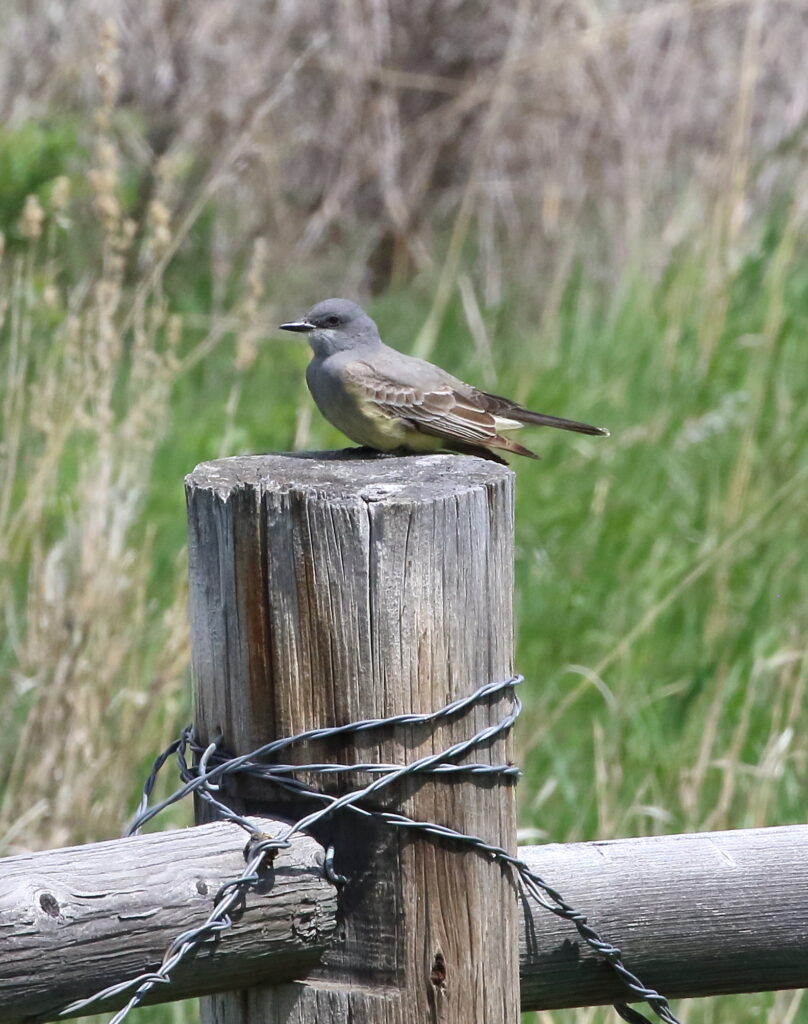
Cassin’s Kingbirds were one of seventy Year Birds we found on our epic Eastern Montana birding safari.

As you can see from our last post, we haven’t been blogging as much—but we have been birding. In fact, once we returned from Israel, we decided to shoot for 250 Montana birds as our goal for the year. We spent an exhilarating week taking an eastern Montana birding safari, during which we saw more than 180 species of birds—including about 70 Year Birds. Braden also has been conducting an independent bird-related science project for his upcoming senior year of high school. So how are we doing?

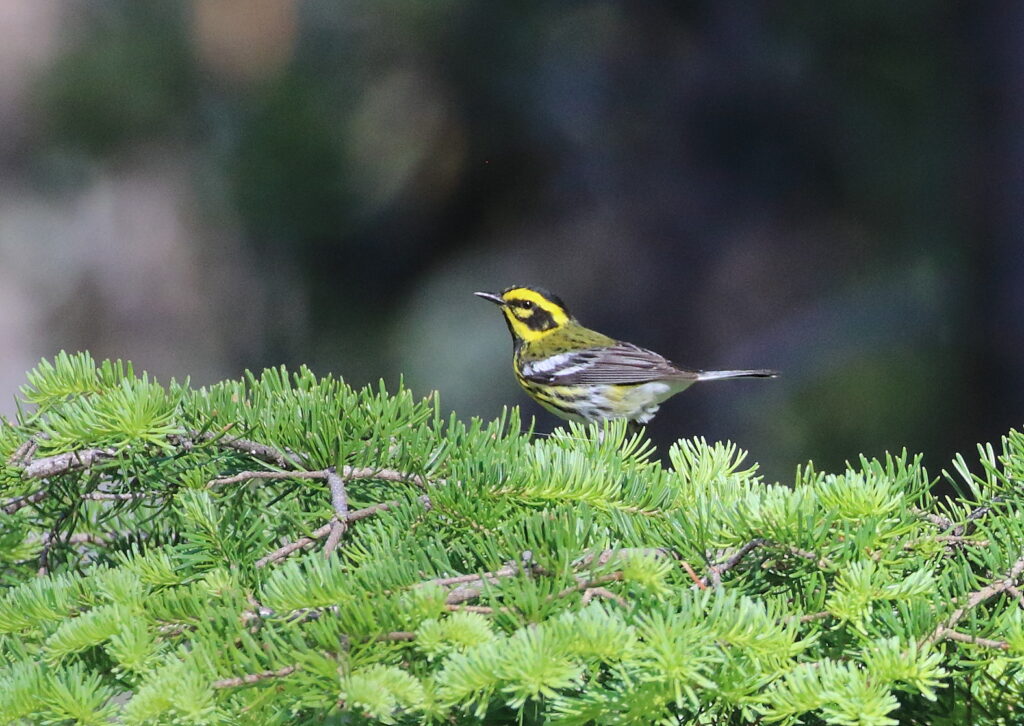
A great thing about climbing a mountain is that it can put you at birds-eye level with spectacular species you usually just see from below. Meet a Townsend’s Warbler!

By the beginning of this week, Braden had seen 243 species of birds while I was pegged at 234. Now for non-birders it might seem like a shoe-in for us to hit 250, but believe it or not, we were (and remain) more than a little anxious about our prospects. For one thing, we have seen virtually every one of the “easy” species there is to see in Montana. For another, birds are “quieting down” now that they are in the process of, or have already finished, nesting, making them more difficult to find. In other words, every new Montana Year Bird we get from now on will take significant effort, luck, or both. Undaunted, we woke early Wednesday morning to investigate a new birding location for us just west of the town of Lolo. A logging road led up into the high country from there, and even more intriguing, it passed through a two-year-old burn area where we hoped to see one of our most coveted species, the Black-backed Woodpecker.

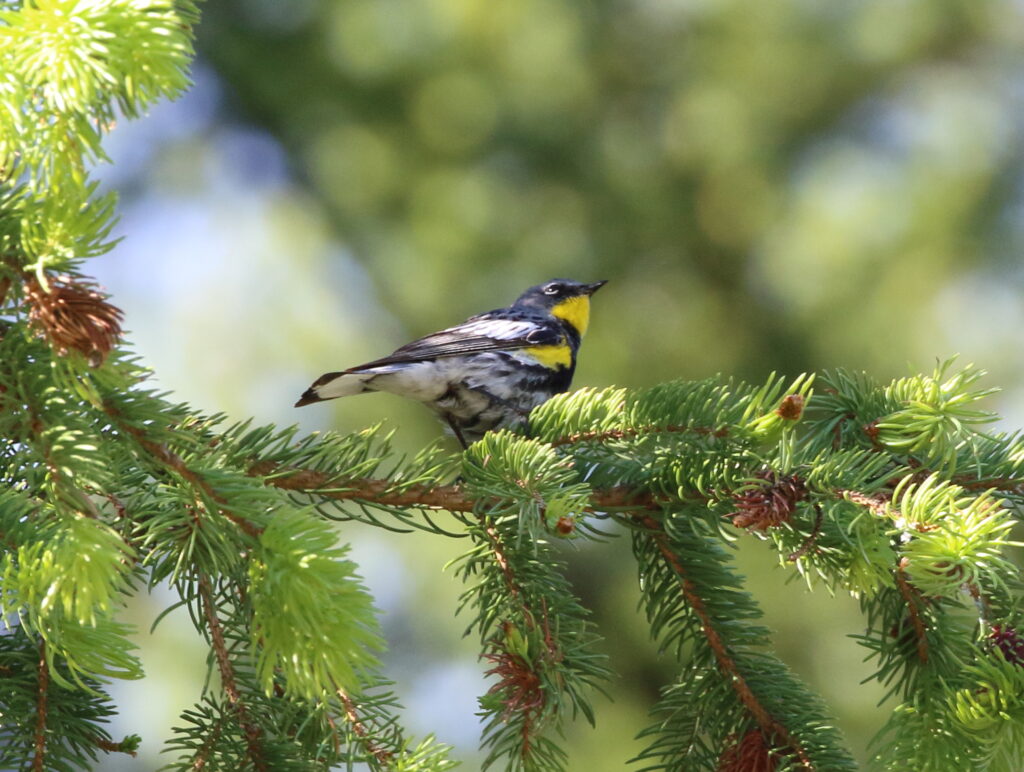
On the day, we located five of the dozen or so common warbler species that breed in Montana, including this stunning Yellow-rumped.

It was a flawless day, and we pulled over a couple of times to listen for birds in green, lusher forest. Thanks to Braden’s sharp ears and ear-birding skills, we immediately picked up a host of species including several kinds of warblers, Swainson’s Thrushes, Warbling Vireos, and a surprise flock of Gray Jays (I refuse to cede this species to Canada!). Driving further, we finally reached a burn area where Braden had seen a Three-toed Woodpecker several days before. The burn had mostly smaller trees and I wasn’t optimistic, but Braden played a Three-toed drumming call and a Hairy Woodpecker immediately responded. Then, a blacker bird swooped in. “Three-toed!” Braden shouted. Ka-ching. A Year Bird for me.

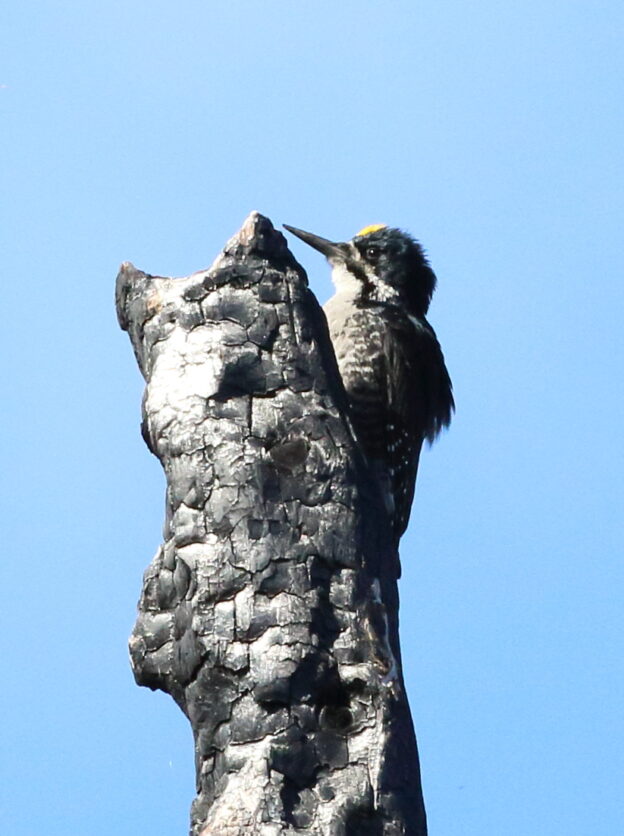
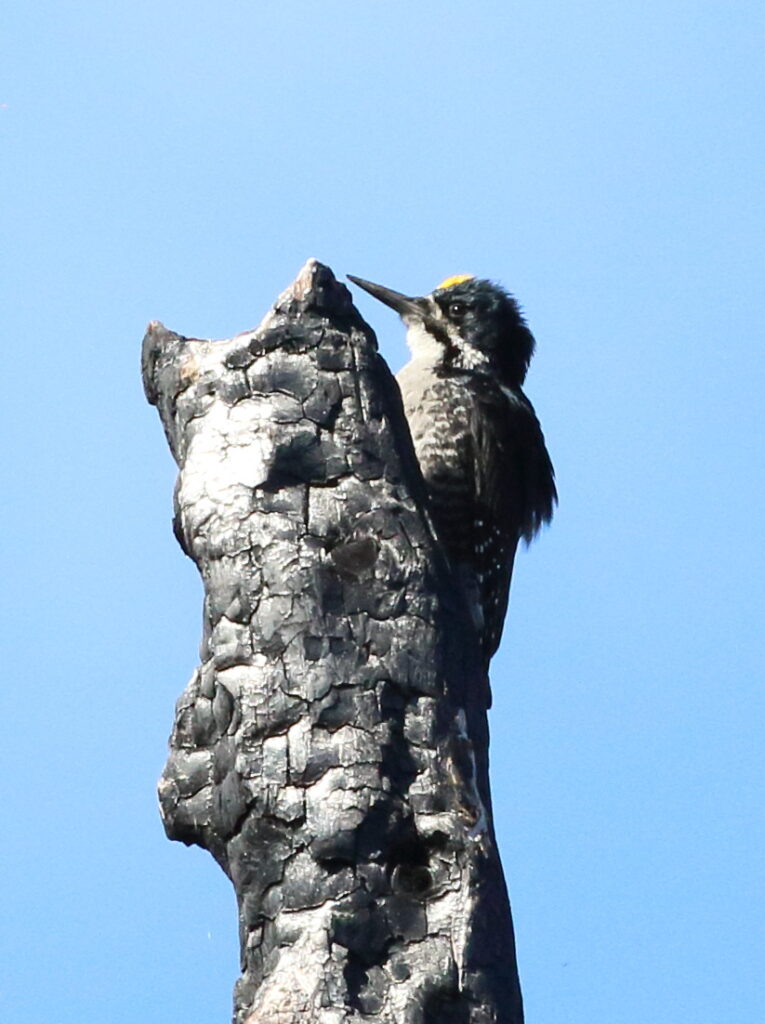
Black-backed Woodpeckers aren’t endangered, but can usually only be found in burned forests 1-5 years old that have NOT been salvage-logged. This one immediately leaped into our Bird of the Year competition!

A mile or so further, we reached an even better burn area with larger-diameter trees. I pulled over and we played a Black-backed drumming call. Within fifteen seconds, a gorgeous female Black-backed arrived to investigate, but that wasn’t all. Another half-mile up the road, we found a yellow-crowned male! “A Black-backed! We found Black-backed Woodpeckers!” Braden exulted several times. They were our first since doing our Big Year in 2016. The day was far from finished, either. Over the next couple of hours, we added Sharp-shinned Hawk to our Year lists, and I added two more that Braden already had: Fox Sparrow and Golden-crowned Kinglet, both of which Braden found me by ear. We also found Wilson’s Warblers on their nesting grounds—our first time doing so near Missoula.

The day brought our totals to 245 and 239 respectively. Will we make it to 250? We’re finally starting to feel better about our prospects, but stay tuned. We still have a lot of birding to go!

Listening to Birds

Please follow Braden’s and Sneed’s birding adventures by subscribing to FatherSonBirding.com using the box on the right below. As always, feel free to share this with other birders, bloggers, editors at big high-paying publishing houses—anyone you wish!

Last week, to celebrate the final days of summer, Braden and I did something we’ve always wanted to do: bird banding. This, however, wasn’t just any bird-banding session. We were lucky enough to accompany the team of biologist Debbie Leick, whom we first met during last year’s Christmas Bird Count.

When Braden and I got to hang with them, Debbie Leick and her bird banding and recording partners had a productive morning, capturing thirty birds of fourteen different species.

Debbie works for MPG Ranch, a wonderful operation that supports a host of restoration and academic science. Debbie’s project? To see if she and her crew can count migrating birds by listening to their flight calls with a large array of microphones spread throughout the Bitterroot Valley. Before she and her team can start counting birds, however, they have to be able to distinguish their calls.

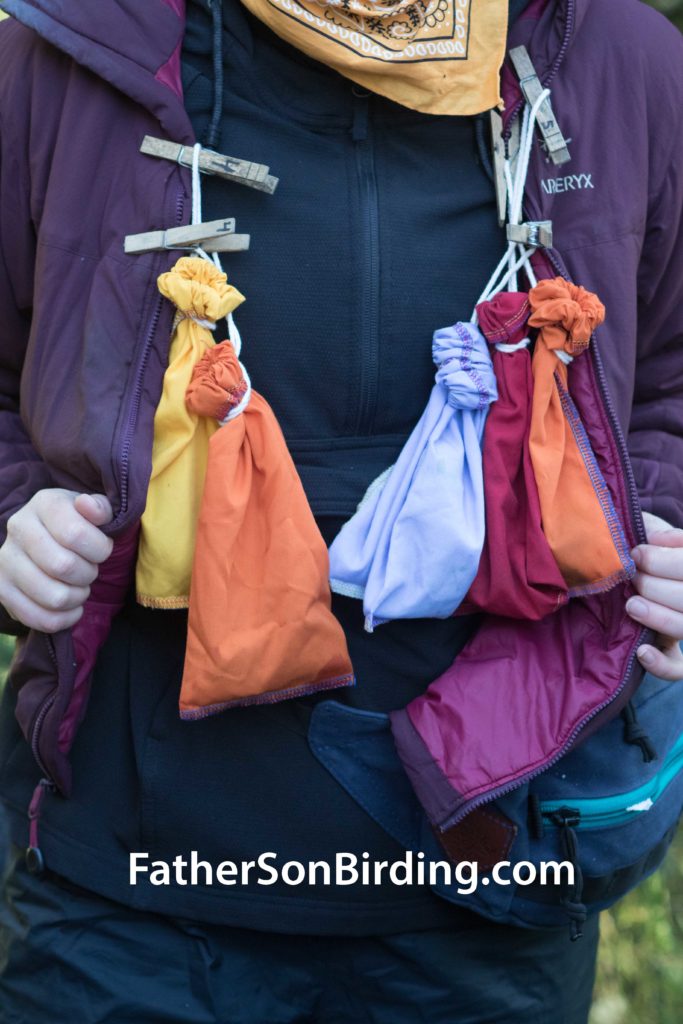
Birds in Bags! Birds extracted from mist nets are kept warm in bags while awaiting banding, measuring, and for a lucky few, recording.

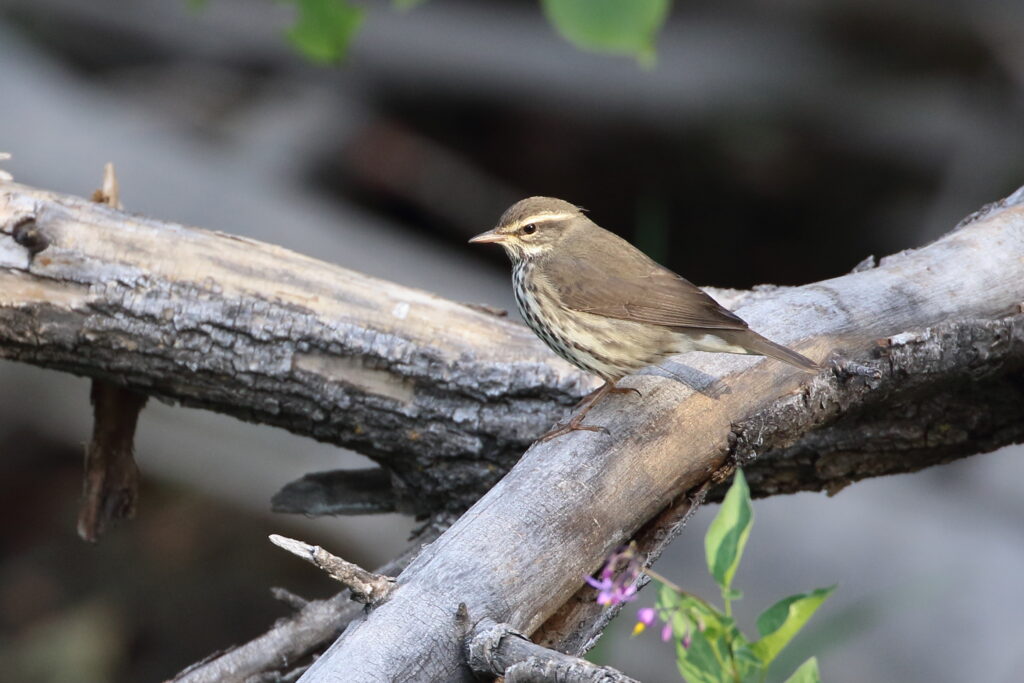
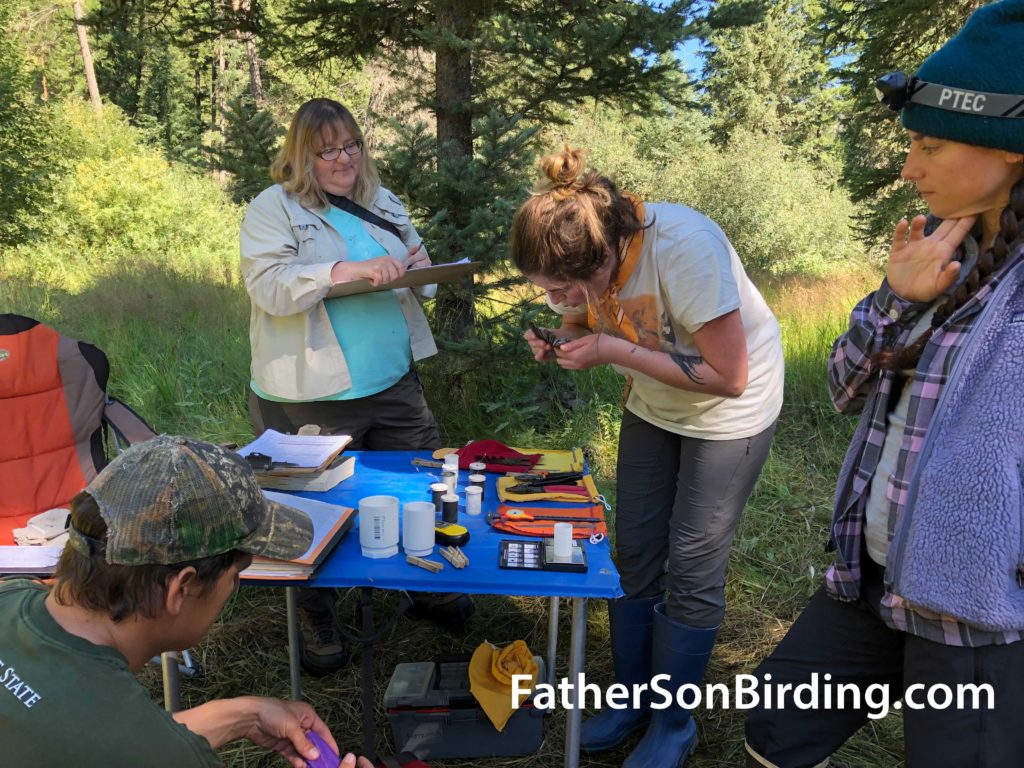
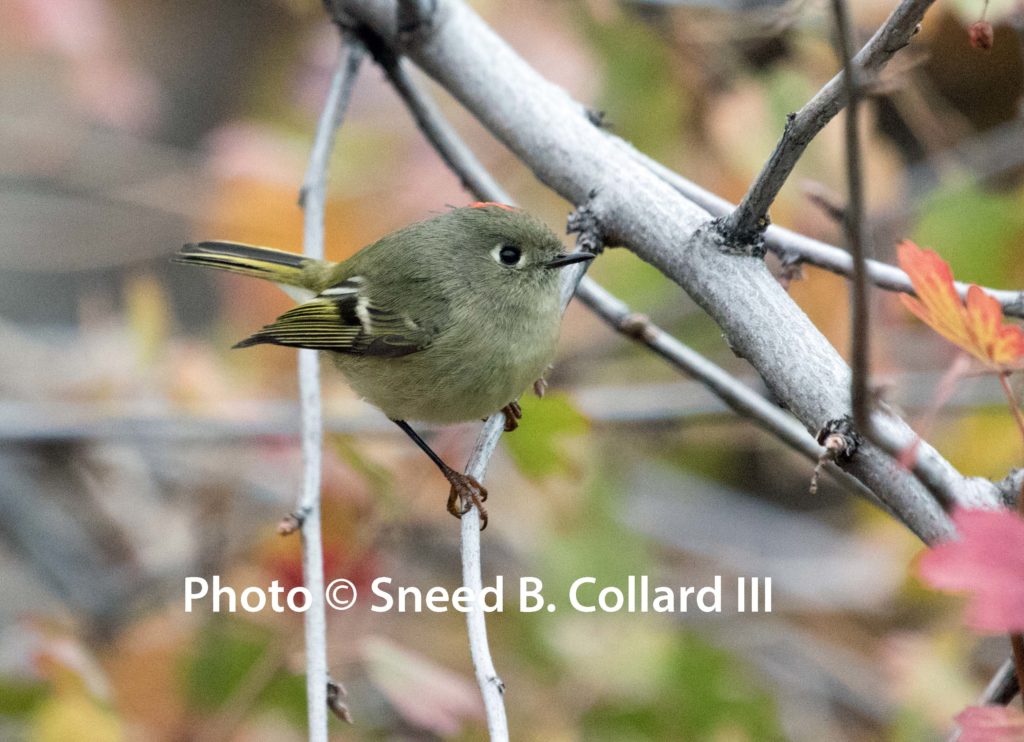
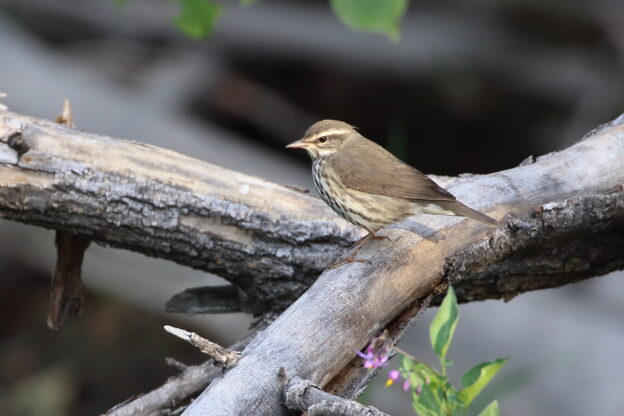
Braden, Debbie, and I joined the University of Montana Bird Ecology banding crew at a trapping station up Miller Creek. The team had set up mist nets to capture birds, and when we arrived, the action was in full swing. A Swainson’s Thrush, Yellow-rumped Warbler, MacGillivray’s Warbler, and a surprise (to us) Northern Waterthrush kicked off the bird parade. Some of these were recaptures, as evidenced by the bands around their legs. New or recaptured, each bird was carefully removed from its net, weighed and measured, and released. Some birds, however, got special treatment.

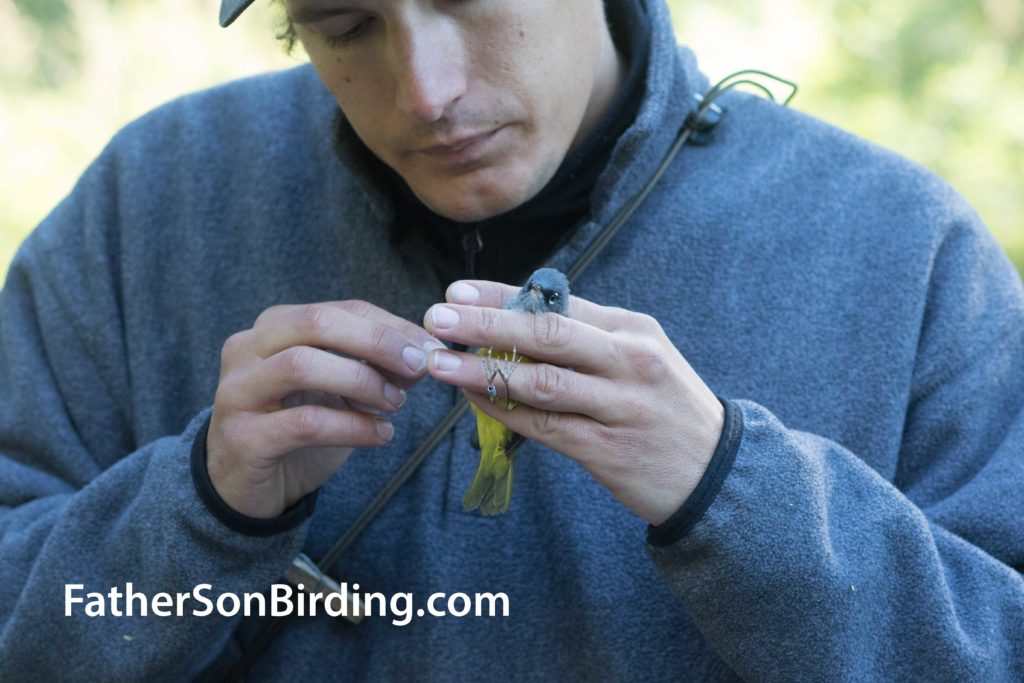
This MacGillivray’s Warbler submits to a thorough health inspection by expert warbler wrangler Sasha Robinson before being banded, measured, and released back into the wild.

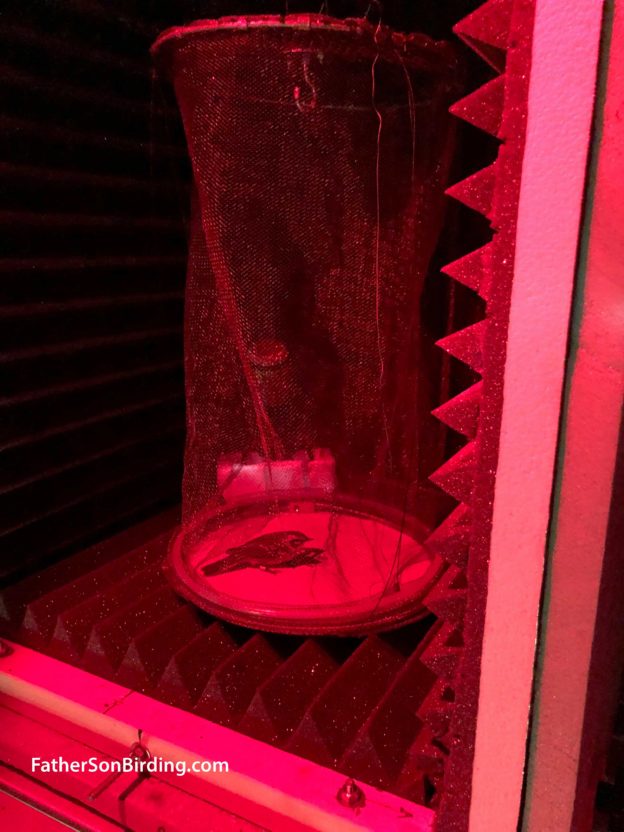
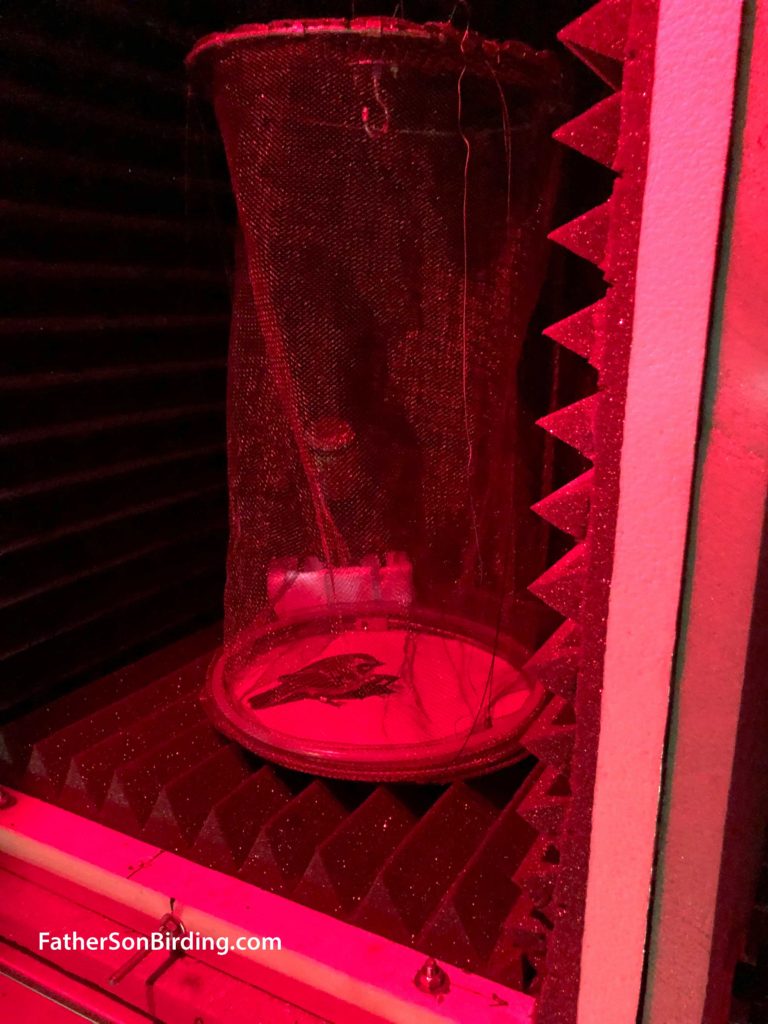
When we caught a Townsend’s Warbler, Debbie’s colleague Boo Curry (and yes, no typo there) led me and the bird to a PRS or Portable Recording Studio. The warbler was gently placed in its own soundproofed recording booth and then Boo piped in some warbler calls (a bird’s version of elevator music) to see if she could get the Townsend’s to respond.

A Townsend’s Warbler prepares to audition for Debbie’s flight call library. It passed with, ahem, flying colors.

It did! In fact, it was the team’s first successful flight call recording of the season. Which just goes to show how painstaking field biology can be. The work of Debbie’s team, though, has great promise to improve not only our counting of migrating birds, but our understanding of them. Stay tuned for more when Braden and I follow up on their progress at a later date!

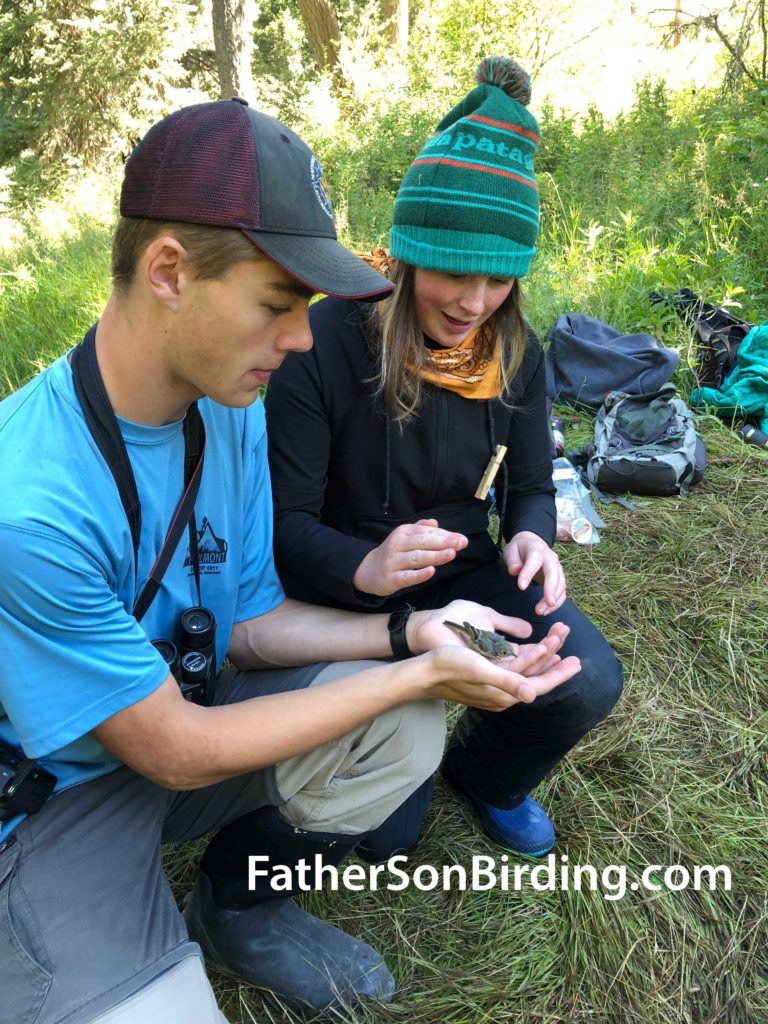
Debbie’s colleague Kaitlyn shows Braden how to release a thoroughly-processed, somewhat bedraggled Ruby-crowned Kinglet.

Our 50th Post—Philmont Scout Ranch, New Mexico!

Braden celebrates our “Half-Century” post with a lively recount of our two-week backpacking adventure in New Mexico. Why not celebrate with us by subscribing using the box on the right below? As always, feel free to share this with other birders, bloggers, Scouts—anyone you wish!

My dad and I recently got back from a two-week backpacking adventure on the Philmont Scout Ranch, a 220-square-mile swath of wilderness in northern New Mexico. The ranch is the largest of the Boy Scouts of America’s High Adventure Bases, and is jam-packed full of wildlife, history, culture and breathtaking experiences. Our trek, which we did with twelve other scouts and adults from our troop in Missoula, covered 74 miles. During this time, we hiked through canyons, and summited mountains, including the Ranch’s highest peak, Mount Baldy, at 12,441 ft. We also were exposed to and learned a wide variety of new skills at staffed camps we visited, including how to pack and unpack a burro, how to build a railroad, how to blacksmith, how to lasso, how to shoot Old West-style guns and black powder rifles and more.

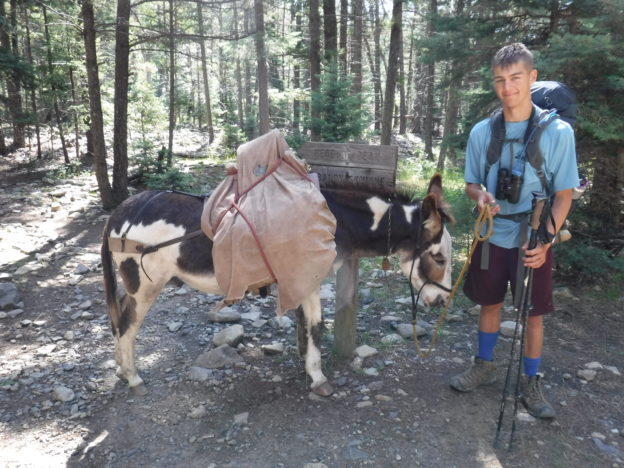
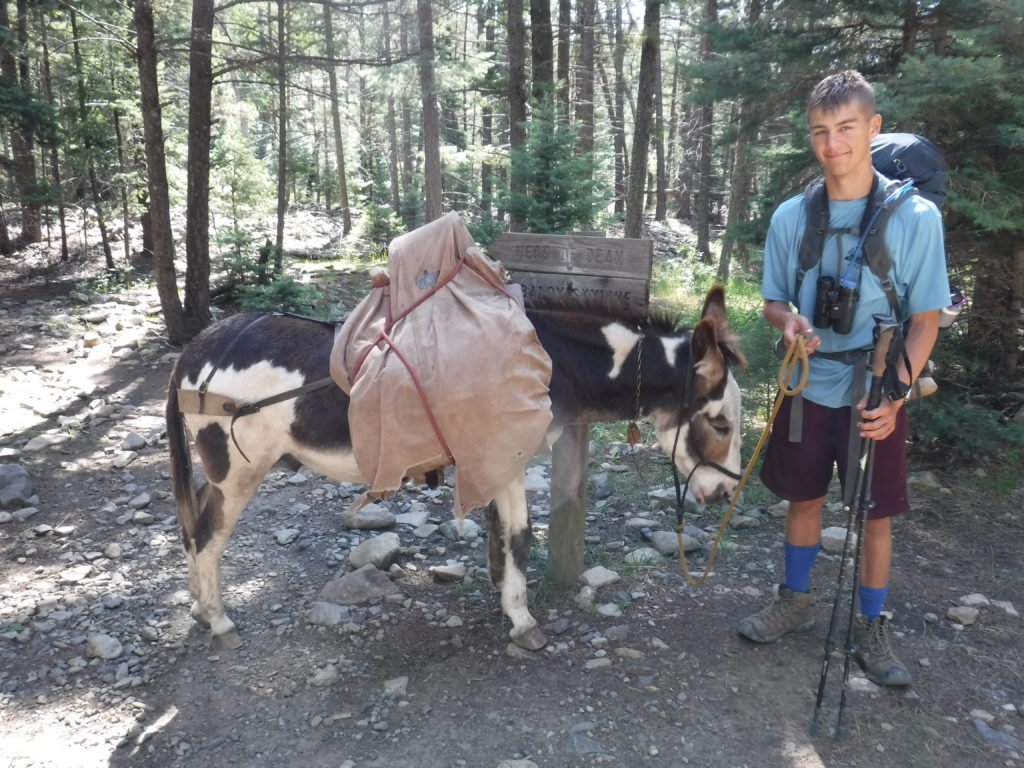
Braden with our trusty Burro, “Nigel”—named because, when necessary, he could turn it up to “11”! We were lucky to have Nigel’s company for two days of our trek.

The trek also exposed us to a wide variety of diverse habitats. We travelled through Ponderosa Pine savannah and forest, valley riparian, desert scrub, spruce-fir forest, alpine meadow, aspen forest, subalpine forest and alpine tundra. We saw many different species of animals throughout our journey, including Monarch and other kinds of butterflies, pronghorn, mule deer, a rattlesnake, bats, and a praying mantis, not to mention evidence of elk. And then, of course, were the birds.

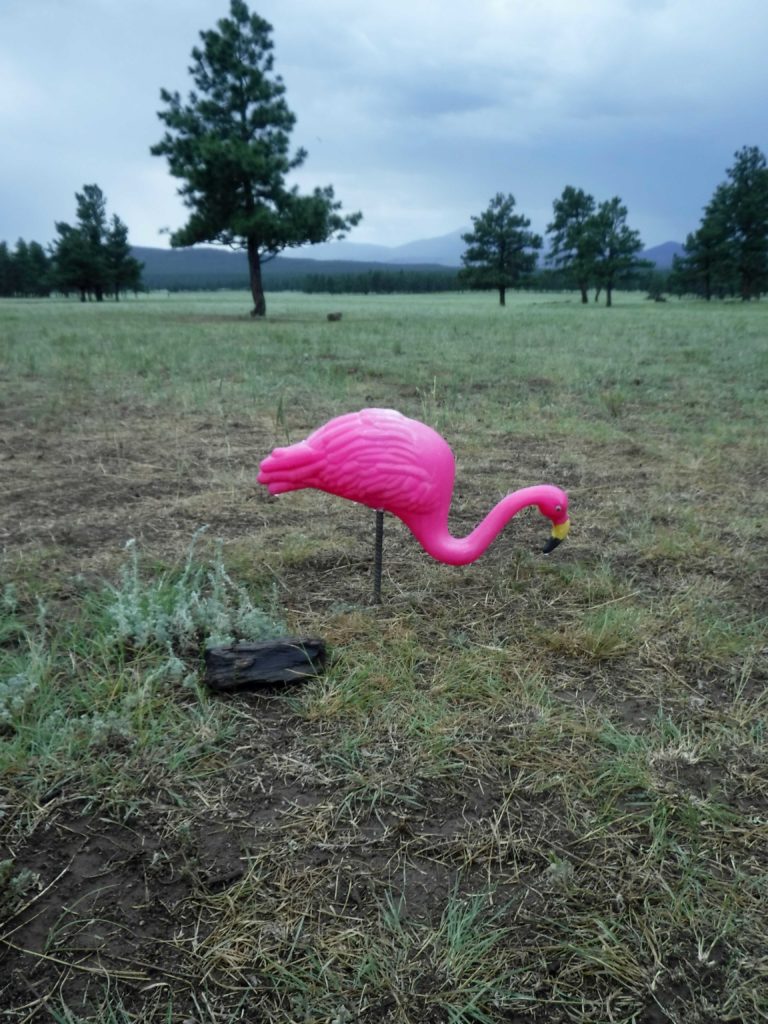
Because we didn’t haul our five-pound cameras with us, this was by far our best bird photo from the trip. Flamingoes in New Mexico? Who knew?

My dad and I together tallied a total of 84 species throughout the trip, including the birds we spotted in the desert on the drive from Albuquerque to the Ranch. The most common species we saw were Spotted Towhee, Cordilleran Flycatcher, Western Wood-Pewee and Common Nighthawk, which we saw almost every day. These four birds had adapted to almost every habitat on the ranch, especially the Cordilleran Flycatcher, which we tallied everywhere, from lowland riparian to subalpine forest, missing it only in the Ranch’s Base Camp. Other common birds included Pine Siskin, Red Crossbill, Rufous and Broad-tailed Hummingbird, Western Bluebird, American Robin, Pygmy and White-breasted Nuthatch, Mountain Chickadee, Chipping Sparrow, Black-headed Grosbeak and Western Tanager. What was especially interesting was the abundance of Black-headed Grosbeaks in most of the habitats we visited; while they seem to be much more riparian-based in Montana, we saw them in scrub, second-growth, aspen and spruce-fir forest.

We were surprised to commonly encounter White-breasted and Pygmy Nuthatches—but rarely Red-breasted—on our twelve-day trek.

Lesser Goldfinches were also quite common, though were much more exclusive to riparian areas. The subspecies here was different from the west coast—they had more solidly black backs, though still kept the same green necks. The main subspecies of Dark-eyed Junco at Philmont was also interesting, it being the Gray-headed rather than the Oregon we were used to. These juncos were slate gray with red backs and dark spectacles. More common Montana birds like Red-breasted Nuthatch, and both kinglets only occurred at very high altitudes.

Braden’s keen eyes and ears allowed us to pick up Clark’s Nutcrackers and most of Philmont’s other resident corvid species, though good looks were hard to come by!

While at Philmont we spotted six of the seven reported corvids (Steller’s Jay, Common Raven, Clark’s Nutcracker, Pinyon Jay, Gray Jay, Woodhouse’s Scrub-Jay), missing only the rare desert-specific Chihuahuan Raven. We also managed to get three lifers during the trip, those being the beautiful pine-loving Grace’s Warbler, the by-ear-only Common Poorwill and the previously mentioned Woodhouse’s Scrub-Jay. Other highlights include a family of Dusky Grouse, a small flock of Band-tailed Pigeons, a nesting pair of Williamson’s Sapsuckers and the hordes of migrating hummingbirds attacking the feeders at Base Camp, where we saw four species including with Black-chinned and Calliope. Overall, it was a great trip!

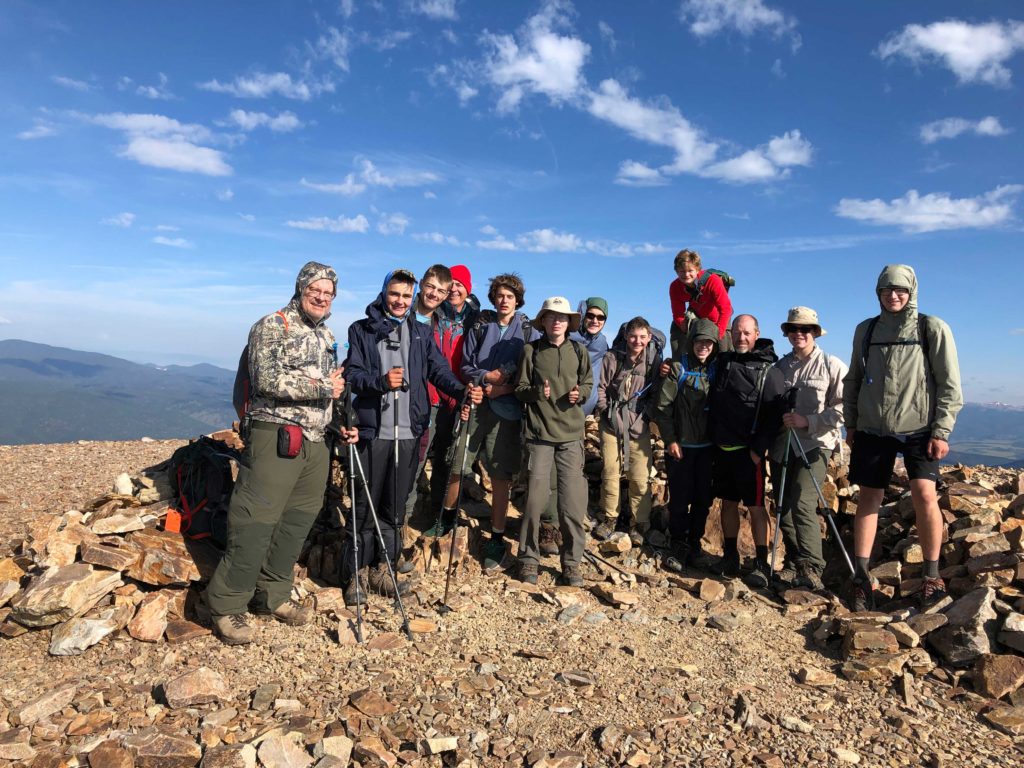
The (non-birding) highlight of the trip was our group’s ascent of 12,400-foot Mount Baldy on our second-to-last day of hiking. Braden and Sneed are third and fourth from the left. We thought we might catch some Andean Condors up there, but no such luck!

Five Valleys, Many Birds

Are you enjoying our posts? If so, we’d love it if you subscribe to FatherSonBirding by filling out the box down in the right-hand column—and urge your friends to sign up too :)!

On Saturday, April 20th, my dad and I headed out to Five Valleys Land Trust’s Rock Creek Property, our truck full of plants and shovels. I had completed my Eagle Scout Project on this property last year. For my project I had planted about 30 native plants in an enclosure, on a part of the property dominated mainly by invasive grasses and the grasshoppers that fed on them.

We brought five cottonwoods to replace dead plants and to our surprise only used three of them—the majority of our plants were healthy! We planted the other two trees inside Five Valleys’ much larger enclosure, where about thirty volunteers had gathered to weed the area around the large pond.

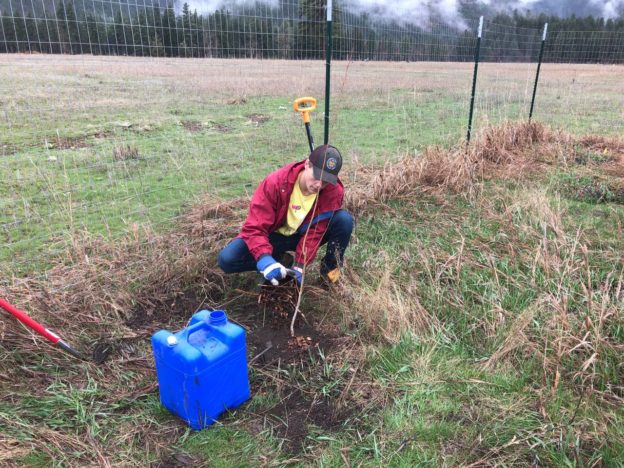
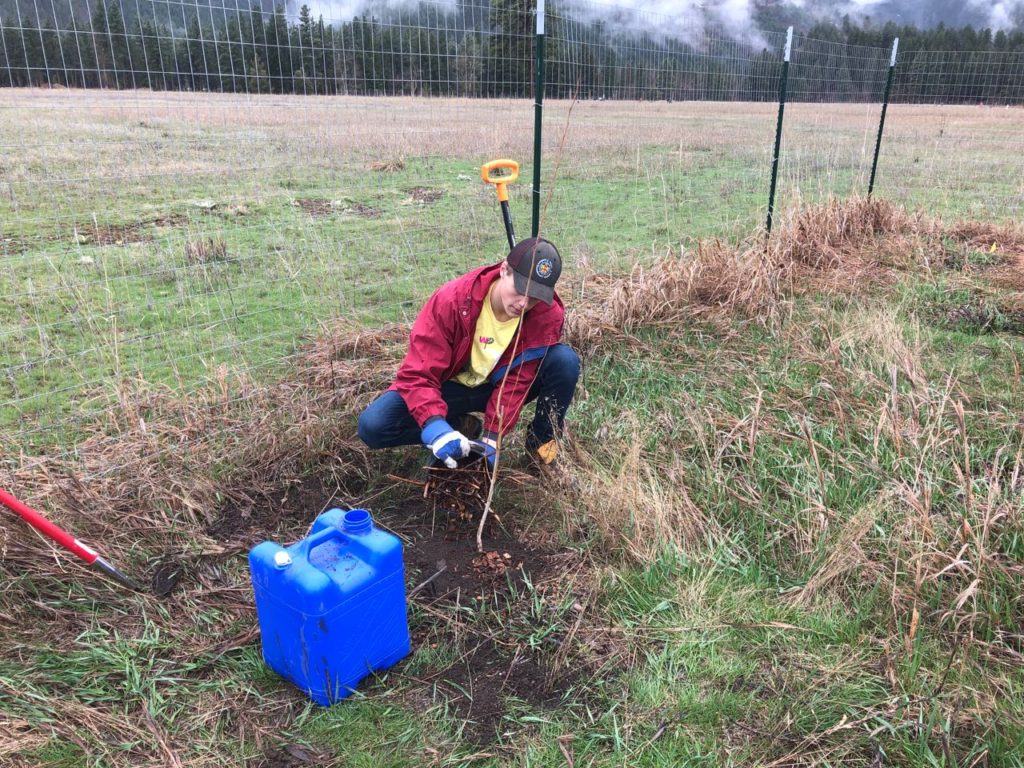
Braden planting a new cottonwood to replace the few winter mortalities in his Eagle project. The project should create awesome habitat for birds in coming years.

As we finished putting our trees in, I heard an obnoxious call. I looked up to see an excited tuxedo-colored bird with bright pink legs—a Black-necked Stilt! We knew it was shorebird migration season, but we hadn’t expected to see anything, let alone a rare Western Montana migrant! On the pond we also tallied three Ruddy Ducks, another Year Bird.

We then put down our tools and picked up our binoculars to wander the edges of the property, where all the best habitat was. At the Clark Fork River, we found a large flock of migrating swallows zipping inches above the water. The main members of the flock were Tree and Violet-Green, but we also managed to spot some rarities: a few Northern Rough-winged Swallows, one Barn and one Cliff! The day was already shaping up to be a rare one.

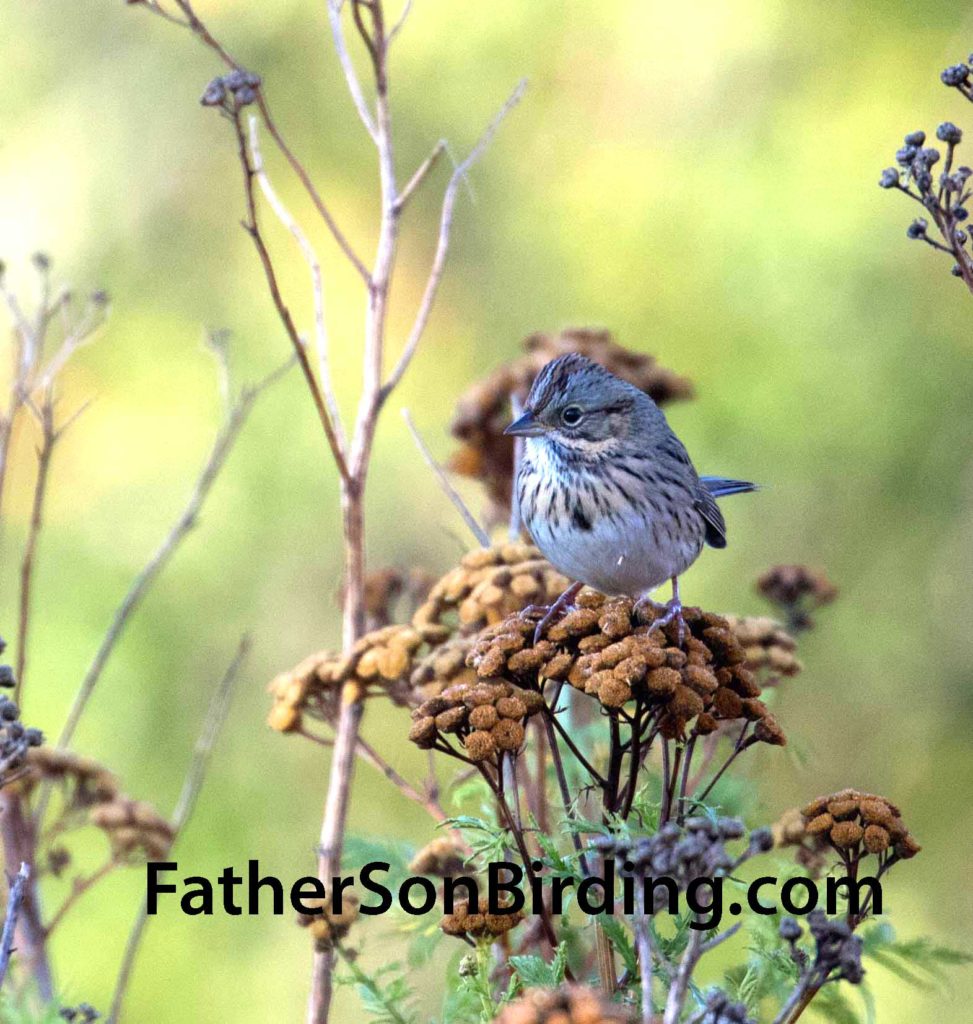
Lincoln’s Sparrows are always a surprise in Montana, and we were lucky to see a migration pair out at Rock Creek.

Next we explored the flooded riparian area in the back of the property. We had seen a Pacific Wren and several Ruby-crowned Kinglets here in the fall, as well as our first Yellow-rumped Warbler of 2018, so we excitedly scanned the shrubs and trees. Sure enough, movement caught our eye. Two Lincoln’s Sparrows foraged in the brush, another great spring pick-up! As we reached the very edge of what Five Valleys owned, we flushed two Green-winged Teals that had been hiding along the shore.

As we made our way back to the car, I spotted movement in a patch of trees up ahead. Upon further investigation, we discovered a Ruby-crowned Kinglet and a brilliant male Yellow-rumped Warbler, both firsts for the year. They hung out in a large mixed flock that also included White- and Red-breasted Nuthatches and Black-capped and Mountain Chickadees. But the flock wasn’t done. Suddenly, a bright dandelion-yellow bird hopped into view. It danced through the branches in front of us, displaying its light gray head, white eye-ring, yellow throat and red cap. It was our best look ever at a Nashville Warbler!

Rain prevented us from getting any good bird photos, but the birds cooperated for some great viewing!

Back at the barn, we ate with the volunteers, led by Jenny Tollefson, who was also my Five Valleys Eagle project contact. We had put in good work and been rewarded with epic finds. I could only imagine what the property would become when the plants I and others had put in grew up to create even more habitat for the birds of the area.

Winter Birding at Brazos

It was Saturday, November 17 and I have to admit I was feeling a bit down on myself. Before my work trip to Houston, Braden had set a goal for me of 100 species, something I thought I could easily achieve. My visits to Anahuac and Bolivar Flats, however, had left me only at 75 confirmed species—well short of my goal. With only one free half-day left of my trip, I searched the eBird hotspot map and asked myself, “Where could I score big and still get back to my last book signing on time?” My eyes landed on Brazos Bend State Park.

Alligators seem to be the main attractions at Brazos Bend, but the birds are far more interesting!

The official motto of Brazos State Park is “Come for the gators, stay for the birds.” Okay, I’m making that up—but it should be the motto because the birds are far more interesting. On the recommendation of the park attendant, I kicked off my visit with a counterclockwise circumambulation of 40 Acre Lake. The lake surface held far fewer species than I had predicted: coots, Common Gallinules, Pied-billed Grebes, and only two duck species—Blue-winged Teal and Black-bellied Whistling Ducks. Herons, Anhingas, Cormorants, and other water birds abounded, however, and as I walked, I started picking up some prized forest birds as well.

I first saw a Pine Warbler on Braden’s and my Texas trip in January, so seeing one again was like seeing an old friend.

Before my trip, I had hoped to see all three wintering warblers in the area: Yellow-rumped, Pine, and Orange-crowned but had only spotted the Yellow-rumped earlier. Within fifteen minutes, though, I happened upon a great mixed flock where I picked up my missing two warblers—and Golden-crowned Kinglets to boot! A little while later, I saw a pair of Vermillion Flycatchers—my first ever in Texas. It was a good start, but I wanted more!

Vermillion Flycatchers were a real surprise at Brazos, but I guess they shouldn’t have been.

Driving to Elm Lake, I decided to bushwack through some promising forest across from the parking lot. I could hear a variety of birds there, but needed to see them for the IDs. The birds made me work for them! First, I found the noisiest birds—a pair of Carolina Wrens. Then, I happened to see a Blue-gray Gnatcatcher. I could see something else, but dang it, the bird just kept flitting out of my vision. I thrashed through the brush until I finally managed a decent ID shot with my camera. Slather me in BBQ sauce! It was a Lifer: Blue-headed Vireo! I was elated, and minutes later I scored a Year Bird, Yellow-bellied Sapsucker!

I was tickled to ID this Blue-headed Vireo myself. I didn’t even realize it was a Lifer until Braden later pointed it out to me! Number 778!

Afterward, I hiked the two miles around Elm Lake, but except for some impressive gators, it was fairly unproductive. I didn’t mind. I was thrilled with my “birdservations” for the day. Which I’m sure is leaving you all wondering: did I reach my 100-bird goal? Alas, no. Five species short. But I had discovered a wonderful new birding location, a place I was sure to return.