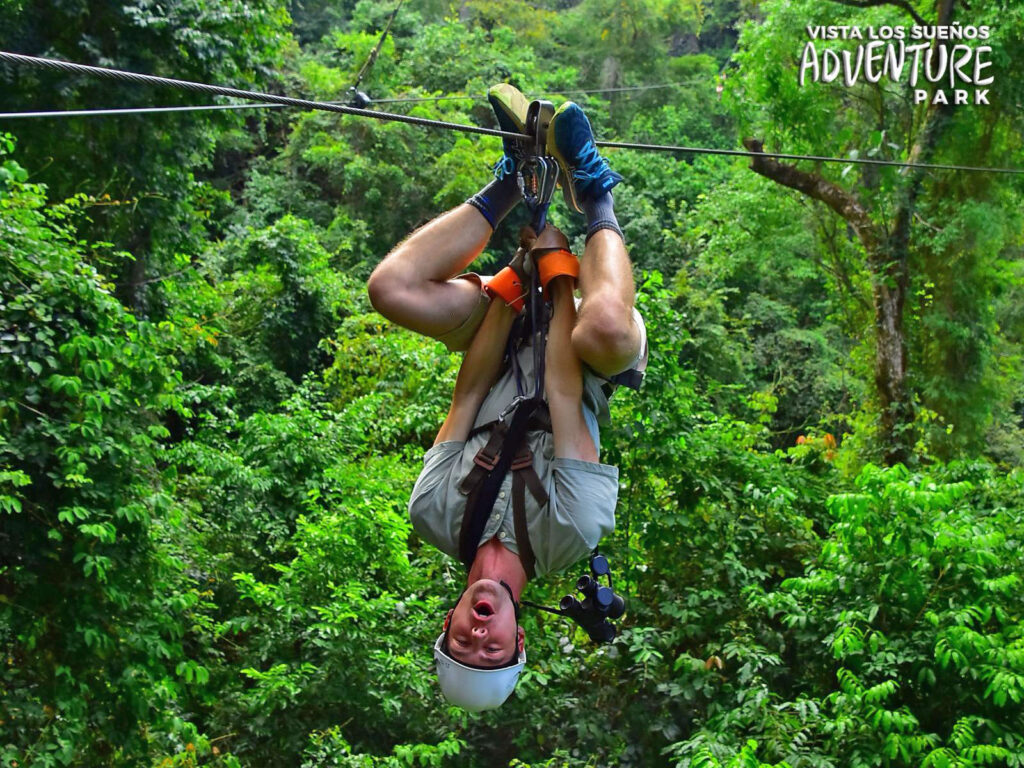
I stood on the wooden platform a hundred feet above the forest floor, staring down the long metal cable leading off into the foliage. The ziplining guide unhooked the carabiner on my belt from one line and attached it to another, then banged on the cable with a wooden bat—a signal to whoever was on the other end that I was ready to go. A colorful iguana watched from a nearby tree as I leaned back, grabbed the cable with my leather gloves, and jumped into the air. Humid, tropical wind hit me as I zipped past epiphyte-covered trees, and I heard the calls of parrots flying over. Thirty seconds later, I landed on the next platform, where the guide unclipped my carabiner and clipped it to another cable for another thrilling ride. An hour and fourteen platforms later, I touched down on the ground and joined the rest of the USAC students in gushing about how awesome ziplining had been—just the beginning to an exhilarating, chaotic weekend on the Pacific coast of Costa Rica.
After lunch, our program directors took us to the coastal tourist town of Jaco. Some people split off to take a paid surfing lesson, but I opted to stay on the main beach and enjoy the waves. As my friends and I waded into the warm, salty water, we discovered that we were not alone. As we swam in the surf, something soft and slimy suddenly collided with my leg.
“Ack!” I cried, jumping backwards. Everyone around me stared. “What?”
A pair of fins appeared in the water to our left. Sharks! my mind shouted, but a sudden rolling wave gave us a glance at their true identities—stingrays! And the Pacific Cownose Rays (according to our limited research on Google) were not strong swimmers. Every time a more powerful wave rolled in, it carried the animals straight into us. Thankfully, none of the human—stingray collisions ended in harm to either party, but feeling a large, slimy animal run into me was not something I got used to.
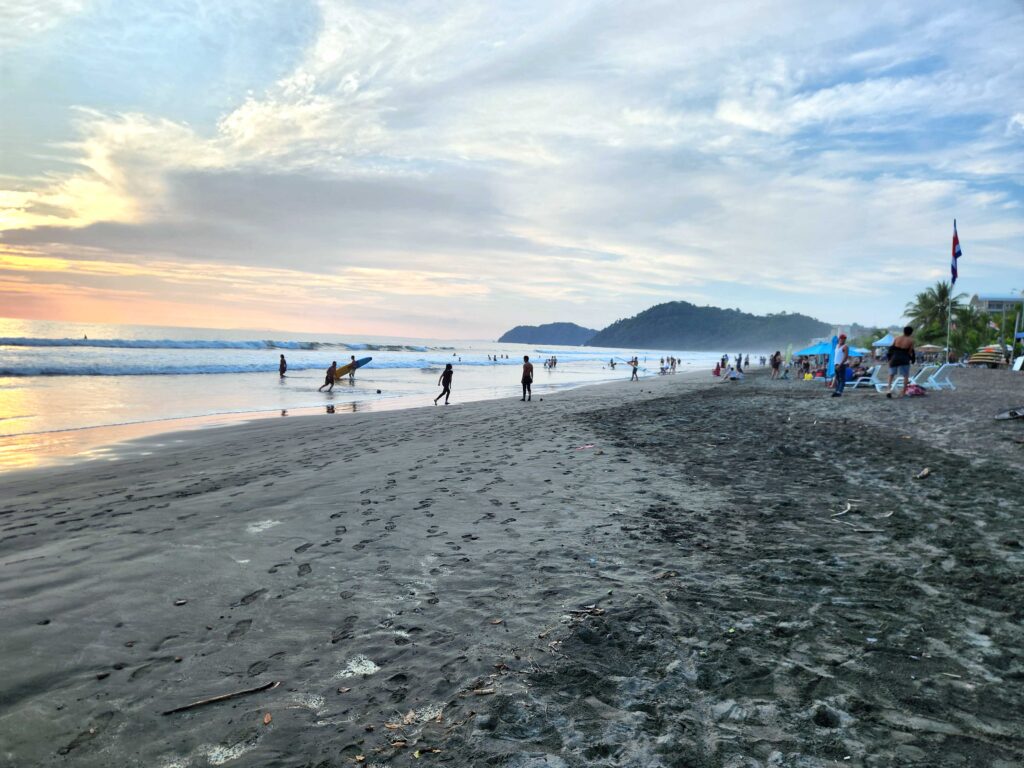
We retired from the beach to the hostel where we would be staying for the night, a mere hundred meters from the ocean. As the sun set, however, our activities continued. At around 5, two of my friends and I went on a probably ill-advised walk through the town of Jaco in search of owls. We ended up on a long dirt road leading towards the jungle. Before we got there, brooding clouds materialized above us, and a downpour soaked our clothes. We didn’t see any owls (or at least not well), but we did spot a few other night birds, including Lesser Nighthawks and Common Pauraques. Upon our soggy return to Jaco, we stopped briefly on a bridge crossing a small stream in town. There, in the dark, moonlit water, stood a tall, powerful-looking heron, staring straight down into the current. We watched from the bridge as the Bare-throated Tiger-Heron crept closer and closer to its desired target. After five minutes of holding our breaths, the heron plunged its neck into water, pulling out a fish and swallowing it whole!
That night, our entire cohort of students went out for drinks in downtown Jaco (the legal drinking age in Costa Rica is 18). Some of us grew restless sitting in the bars, however, and made our way back to the beach to watch the ocean pound relentlessly into the dark sand. Near our hostel, a river mouth emptied into the ocean, running in all directions to create a maze of shallow streams and sandbars. And there, under the moon, we spotted more herons, fishing in the dark. Another tiger-heron strutted on the shore. Two Yellow-crowned Night-herons fought over a frog dinner. But the coolest animal we saw was a bird straight out of a horror movie—the uncommon and elusive Boat-billed Heron (I didn’t take a picture because it was so dark but you should definitely look this thing up). There on the sand it stood, with large, dark, soulless eyes complementing its wild, black hairdo. Its bill looked more like a shovel than a boat, and we watched as it rushed into the water, chasing after a fish.
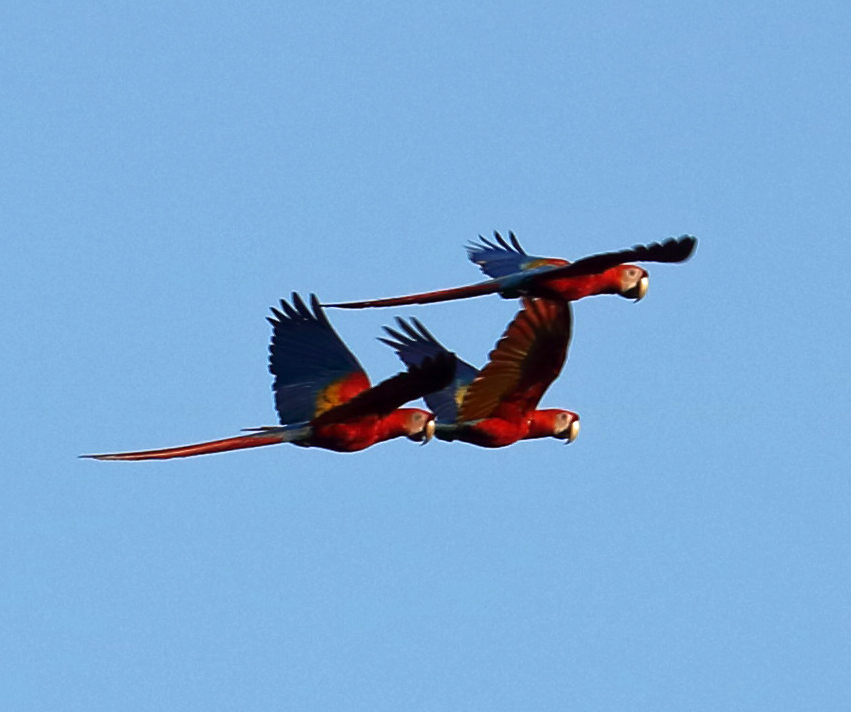
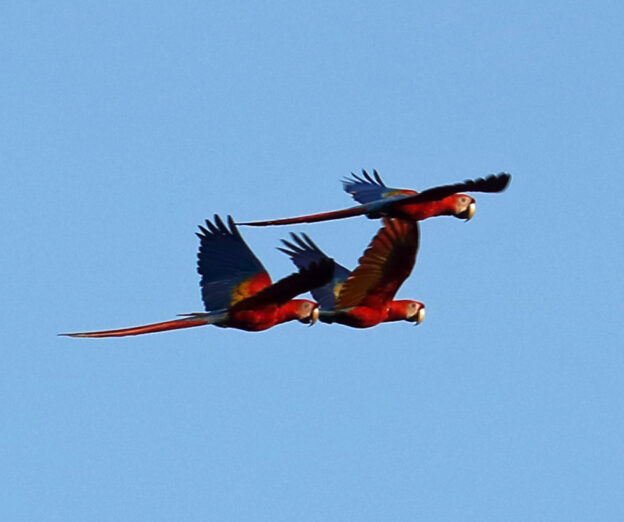
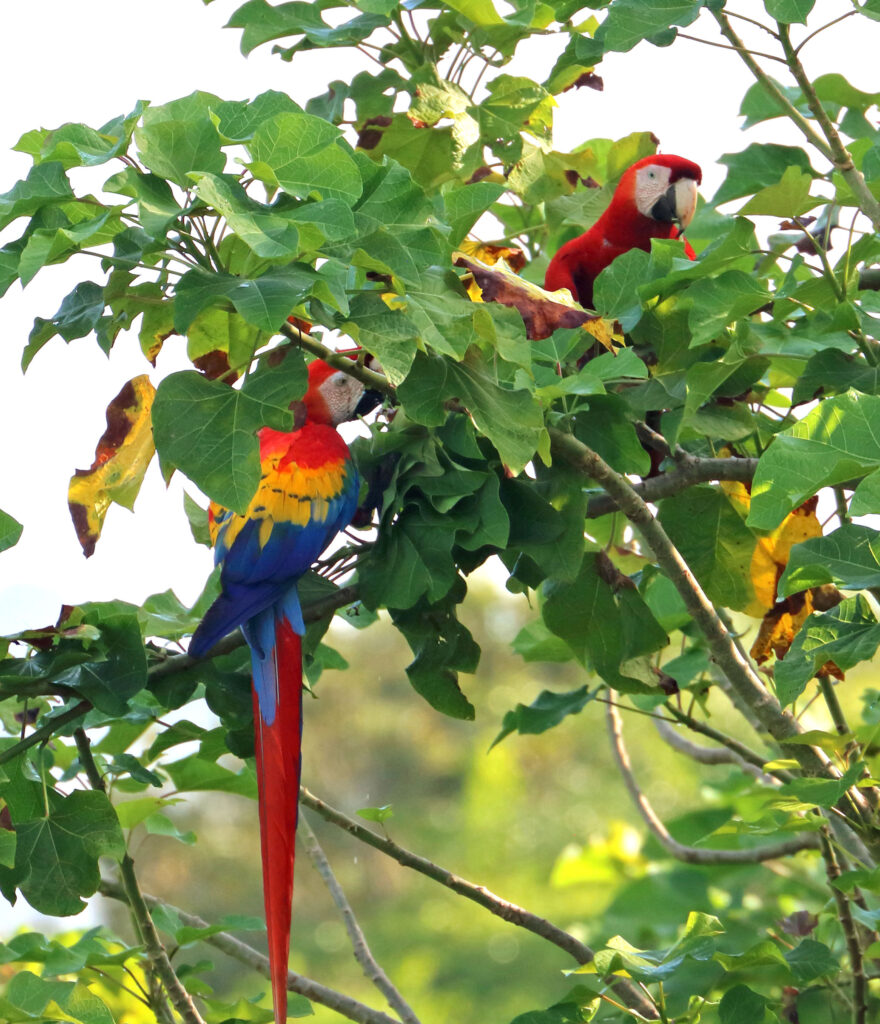
The next morning, Kiley, Leah and I caught an Uber to Playa Hermosa (“Beautiful Beach”—one of several Playa Hermosas scattered around the country) south of Jaco. Silvery streaks of sand ran across the less-touristed coastline, but the biggest prize had little to do with the ocean. Planted along the edge of the sand stood large trees of many species, including palms and almonds. Feeding on those almonds were giant, long-tailed Scarlet Macaws! The macaws flew over us in groups of two to four, calling abrasively and flashing the streaks of blue and yellow that decorated their otherwise crimson bodies. At one point, one landed no more than ten feet away, and we watched and filmed it in awe. Scarlet Macaws are a threatened species because of the illegal pet trade and habitat loss, but their story in Costa Rica is one of success. After declining significantly in the 1900s, Scarlet Macaws are increasing in numbers on both the Pacific and Caribbean coasts of the country, thanks to conservation work. They are now once again a common sight in much of Costa Rica.
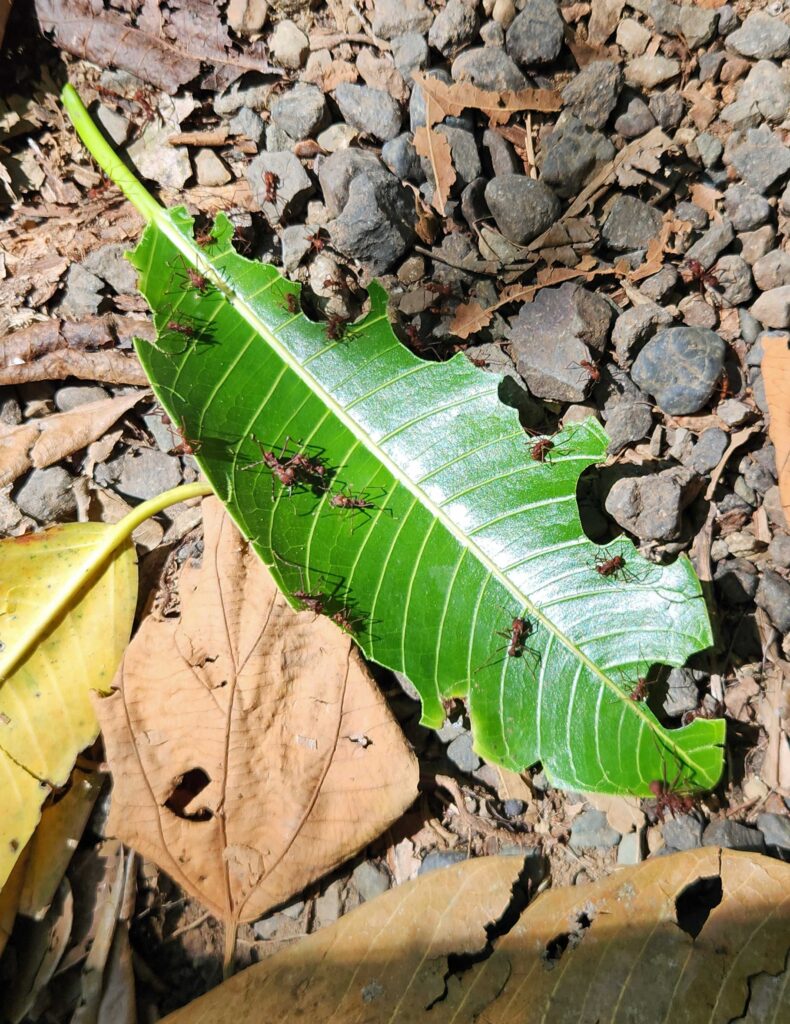
The next morning, our last of the weekend, eight of us caught an early-morning bus north to Carara National Park, one of the last tracts of pristine Pacific lowland rainforest in the country. Once we bought our tickets and entered the park (if you go, make SURE to buy tickets online in advance—it was a hassle doing it there), we followed a trail deep into the forest, marveling at the height and circumference of the smooth-barked trees rising before us. Many of the trees had thick buttresses stretching out from their bases. Here, the deeper soils held little nutrients, so tree roots stretched out rather than down. Leaf-cutter ant trails crossed the trail every couple hundred meters, and we thanked a guide who pointed out a White-lined Bat roosting on the side of a tree.
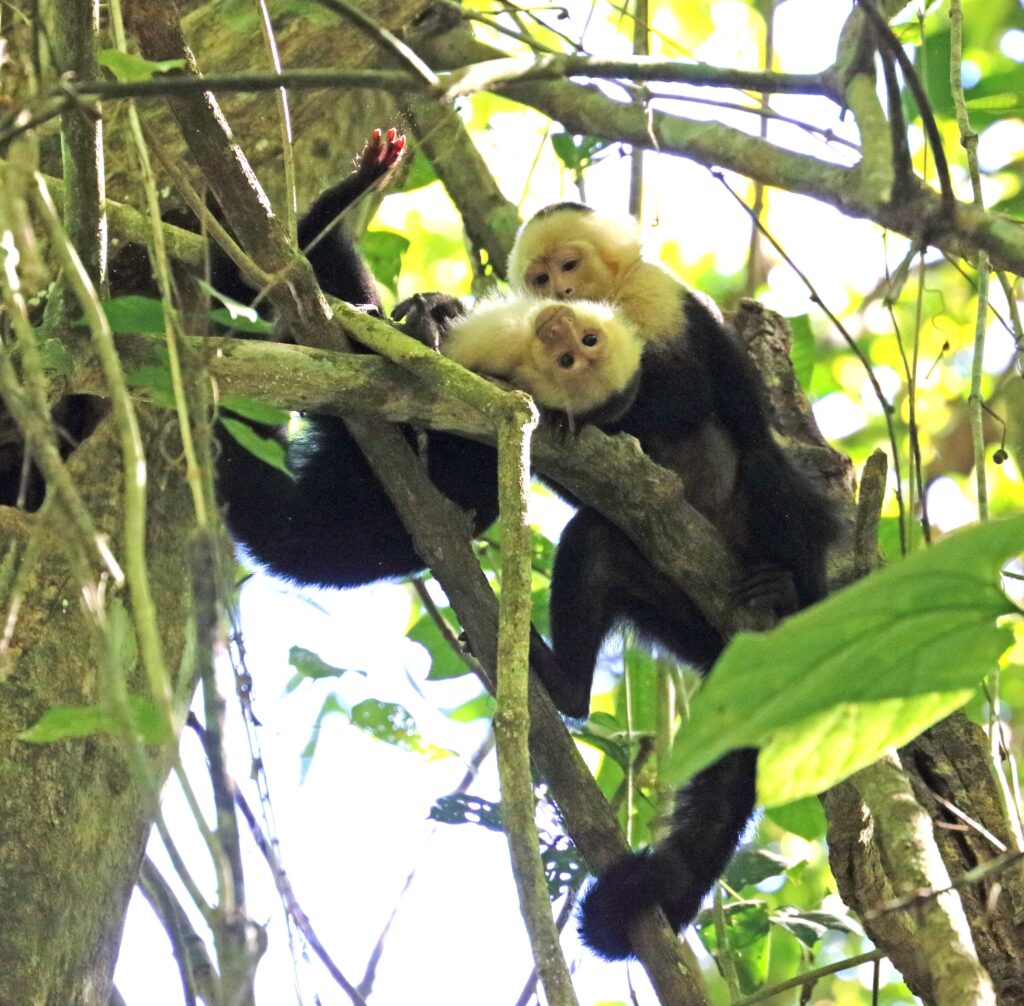
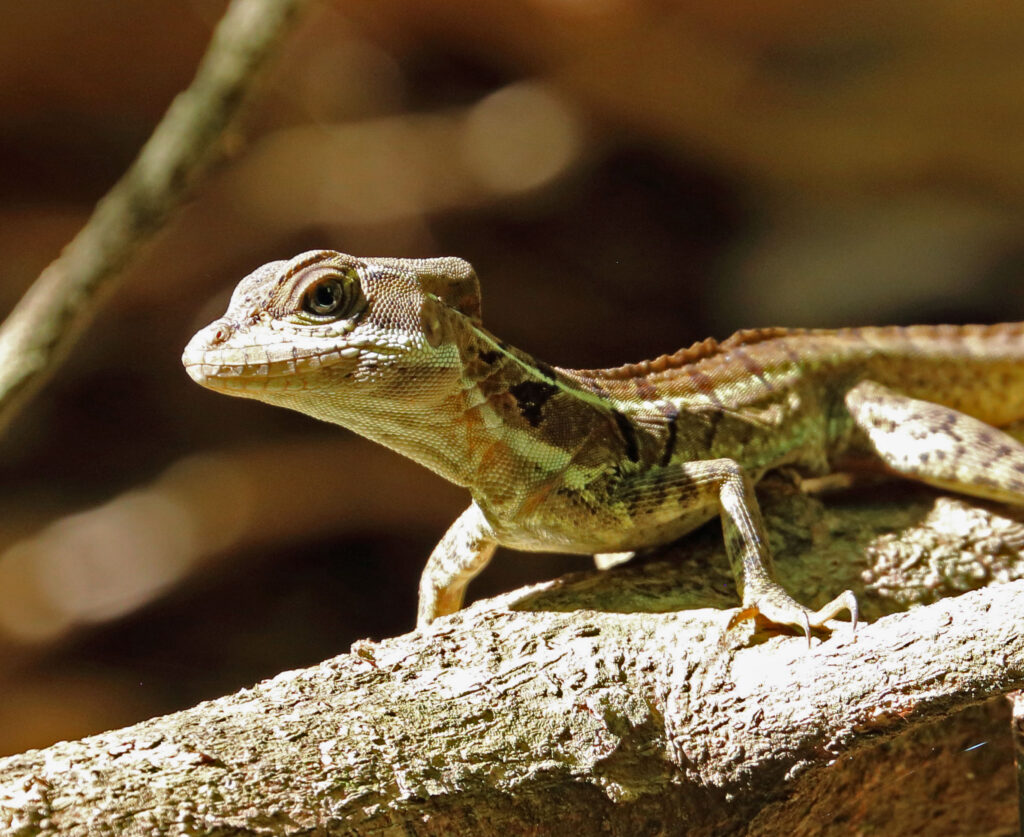
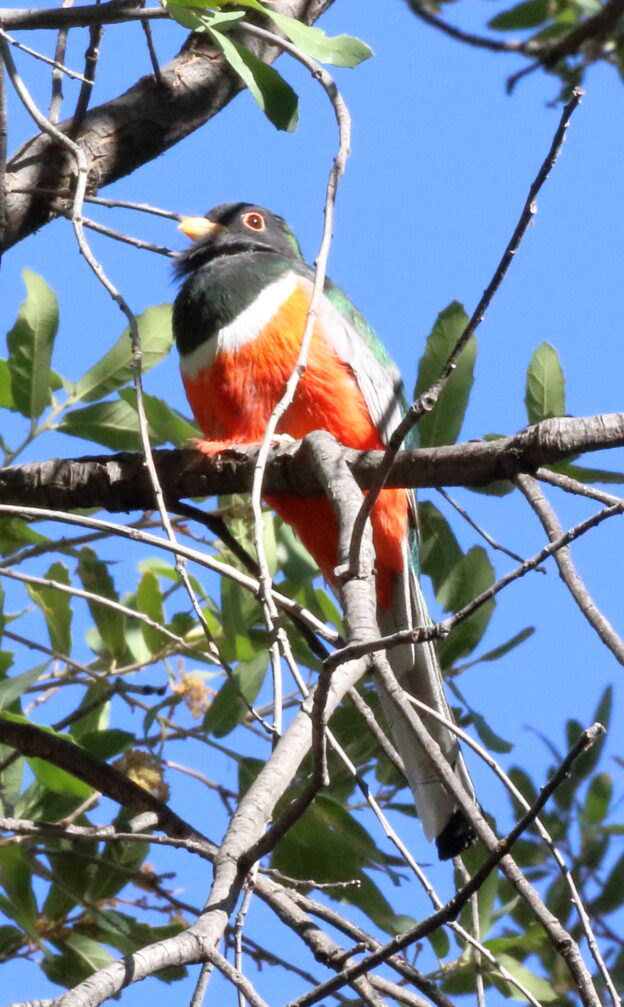
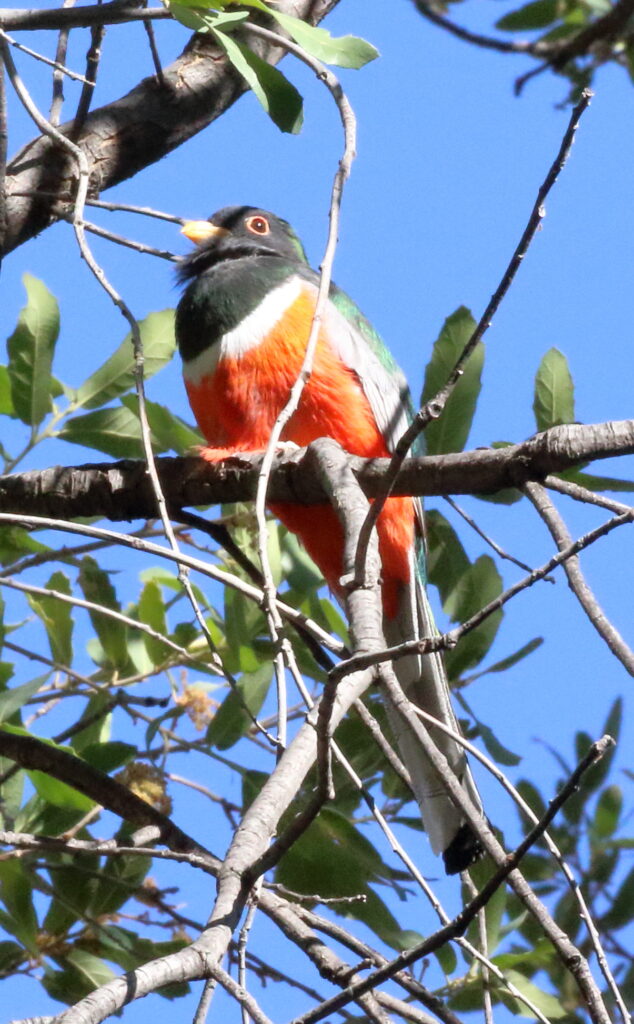
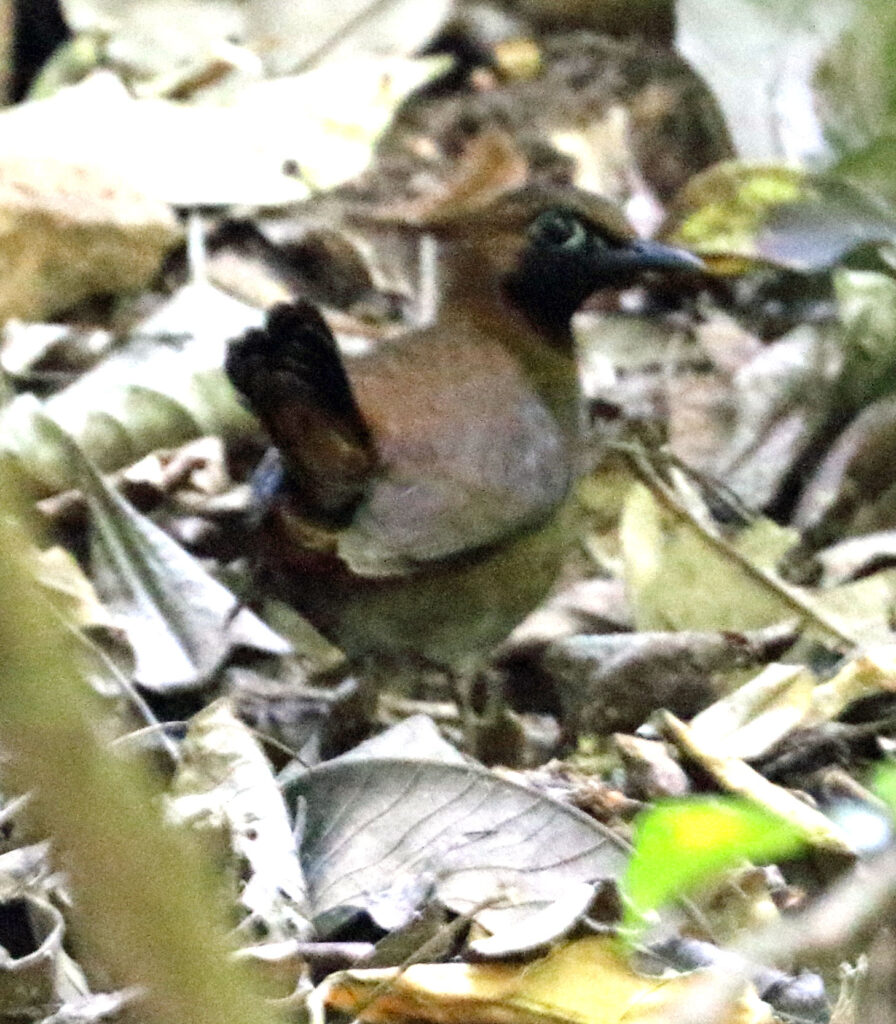
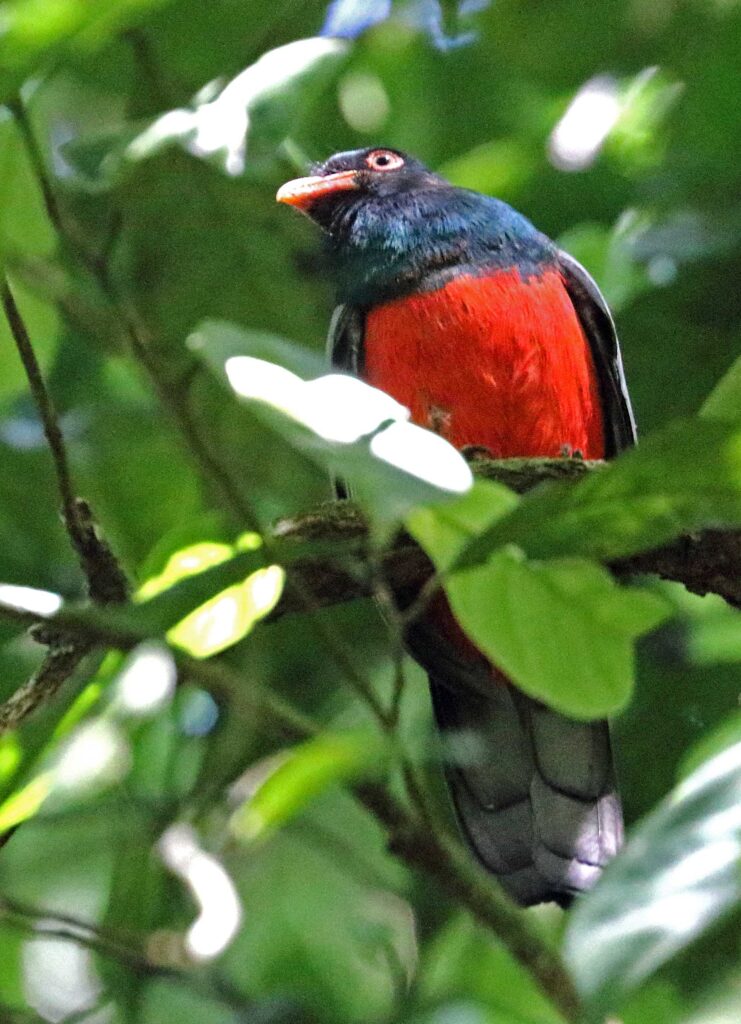
Loafing on a log laid across a bubbling river we spotted not one but two Brown Basilisks or Jesus Christ Lizards, that special reptile with the ability to run on water. White-faced Capuchins stared down at us from trees as they picked through each other’s fur, and we startled a White-nosed Coati from the trail, where it had been quietly gobbling down ants. We got great views of Slaty-tailed Trogons—big, red-bellied birds that look kind of like frogs—and a Yellow-throated Toucan that flew in as we watched yet more Scarlet Macaws. My personal bird of the day was a Black-faced Antthrush, a small, quiet songbird poking through the leaf litter about fifty meters away from the trail. This lowland rainforest (which was the final of the three prominent forest types in the country for me to visit) held many species from the tropical dry forest, too, as Carara National Park sits near the zone where the two habitats blend together. To see true, pure lowland tropical rainforest, however, we’ll have to visit the Osa Peninsula or Manuel Antonio National Park, quite a bit farther south.
Stay tuned!