Tag Archives: Sparrows

Our Official 2023 FSB Recap: Bird Names, Bird Clubs, and Lifers

2023 proved to be another wildly surprising year for the FatherSonBirding team. Not only did Braden and I see birds we never dreamed we’d see, but birding opportunities and the enthusiasm of our loyal FSB followers exceeded every expectation. But first, some 2023 stats:

Blogs Posted: 32

FSB Views: 9,361 (easily eclipsing last year’s record of 7,185)

Most Viewed Post: Avian Reveal: Our Five Picks for New Bird Names (598 views)

In addition to the above stats, we surpassed 30,000 lifetime blog views and have now published 174 posts since we began FSB in 2018. Even though this is far short of what is required to annoy you with paid advertisements, it’s still remarkable to us. When we began FSB, Braden and I thought we might keep at it for a year or two at most. Now, almost six years later, FSB has actually generated a body of work that we are immensely proud of. It’s been a way for us to share our adventures, promote birding, and connect with other birders. It’s also been a fun vehicle for educating others about birds and bird conservation. So let’s get to 2023’s highlights for each of us.

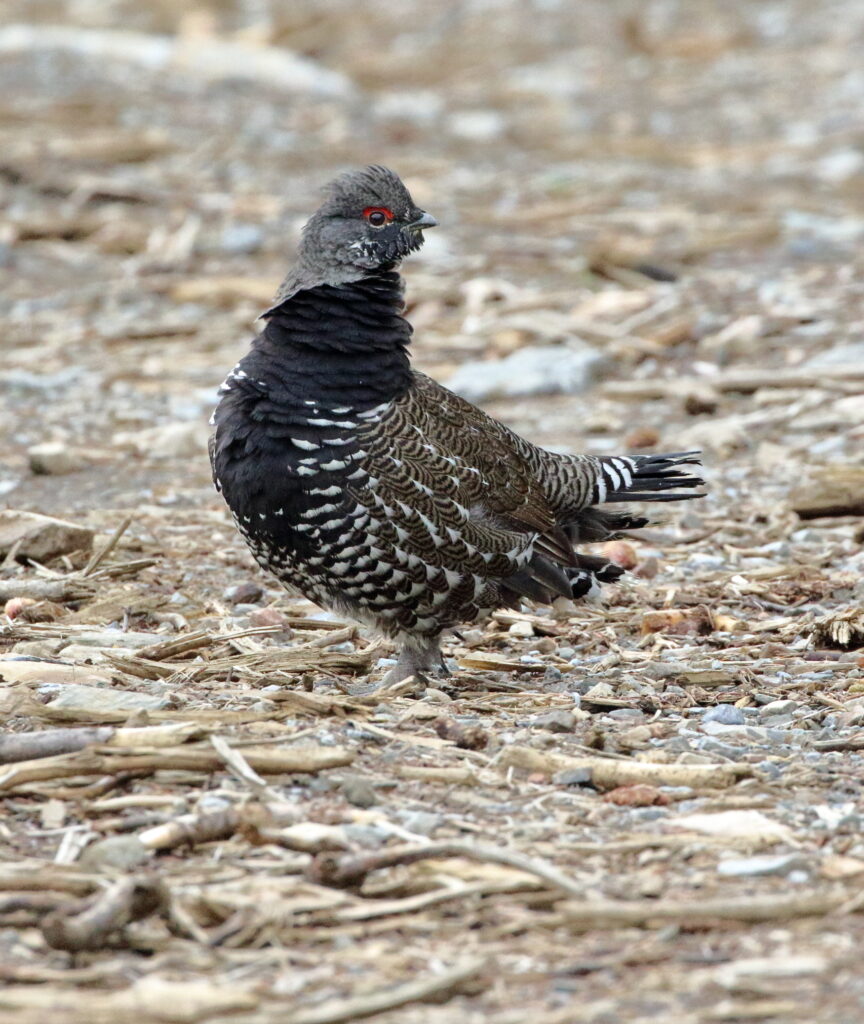
This stunning Spruce Grouse featured greatly in Sneed’s 2023 birding highlights!

Sneed’s 2023 Birding Highlights

Japan: Without a doubt, my biggest highlight of the year was taking my daughter, Tessa, to Japan for three weeks. Together, we created a lifetime of memories in a country we loved even more than we thought we would. As you all discovered with my posts about Tokyo, Kyoto, Kanazawa, and other places, I got in plenty of birding, adding 28 species to my Life List and getting to know more than fifty species of common Japanese birds. (Note that Kanazawa is near the epicenter of this morning’s 7.5 earthquake. We are thinking of all of you over there, and hope everyone is safe!)

One of my favorite Japanese birds, a male Daurian Redstart.

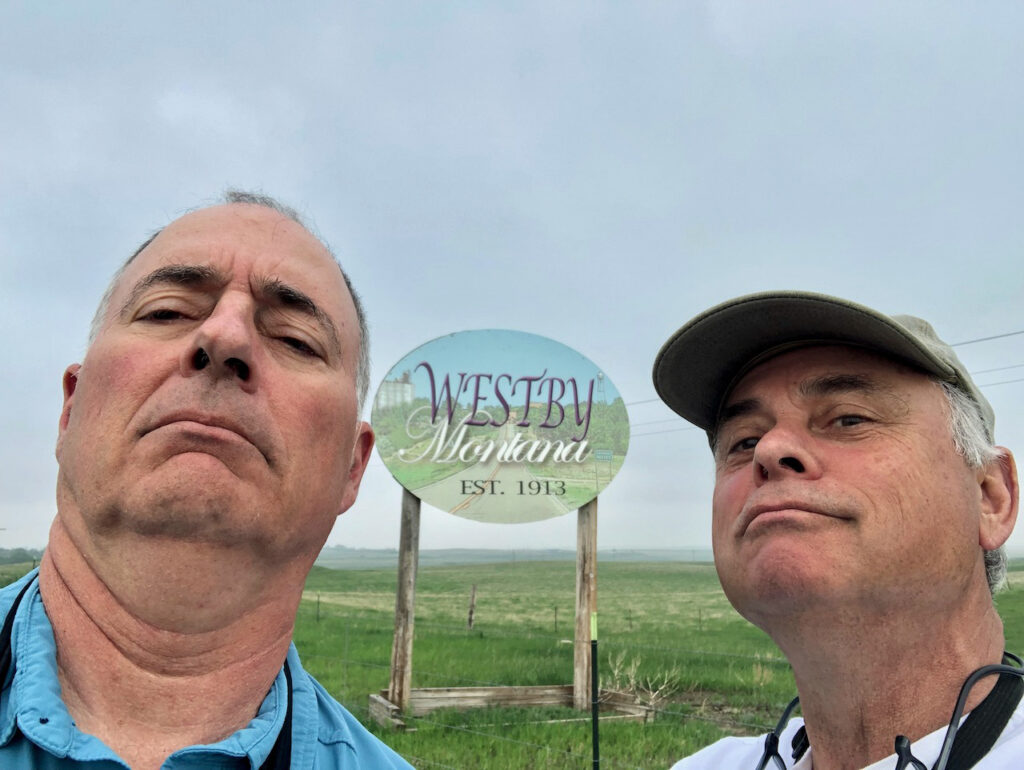
Birding Eastern Montana: Thanks to assignments from Montana Outdoors magazine, I had the opportunity to drive out to Westby with my childhood buddy, Scott Callow. We not only hit hotspots such as Bowdoin NWR, Plentywood, Makoshika SP, and Bear Canyon, we had a wonderful visit with FWP biologist Heather Harris who took us on an up-close-and-personal visit to some of Montana’s healthiest short-grass prairie. There, we got my best looks ever at Sprague’s Pipits, Chestnut-collared Longspurs, and other prairie residents.

Heading to Westby with my friend Scott was not only a great way to see great Montana birds, but a rare chance to catch up with a lifelong friendship!

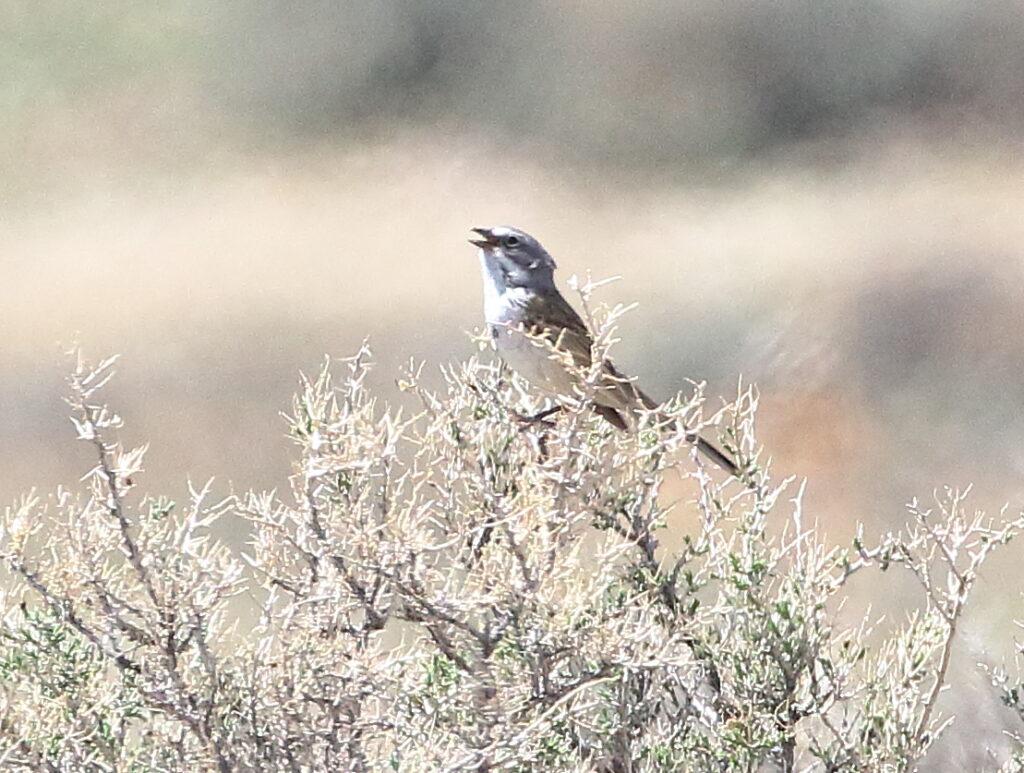
Adding Montana Lifers: While in Westby, Scott and I saw my first Piping Plover in Montana, but during the rest of the year—and with the help of other Montana birders—I also added three species to my all-time worldwide Life List: Sagebrush Sparrow (Bear Canyon), American Golden-plover (Mission Valley), and Spruce Grouse (Mission Mountains).

This Sagebrush Sparrow was probably my favorite new ABA Lifer of 2023–and proves that great things can come in small packages!

In addition to the above highlights, Braden and I got to bird together several times, including a breakneck trip to Glacier NP with our buddy, Nick Ramsey. I also had the pleasure of meeting a lot of other Montana birders at Wings Across the Big Sky and the meeting of Flathead Audubon. At the beginning of 2023, I had entertained visions of breaking my Montana Big Year record with my work trips to eastern Montana—but didn’t. I came close, however, racking up 253 species, including my last two: Short-eared Owl and Northern Shrike on Braden’s and my last big Montana outing. And now . . .

Despite Braden and Nick’s busy lives getting educated and building their birder resumés, we all managed to squeeze in a quick 3-day trip to Freezeout Lake and Glacier National Park last summer.

Braden’s 2023 Birding Highlights

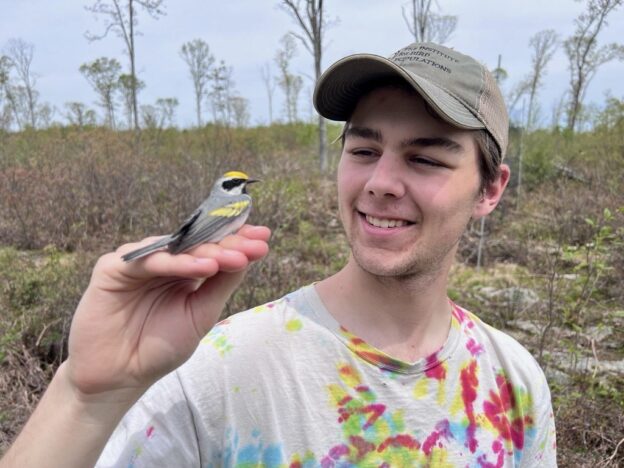
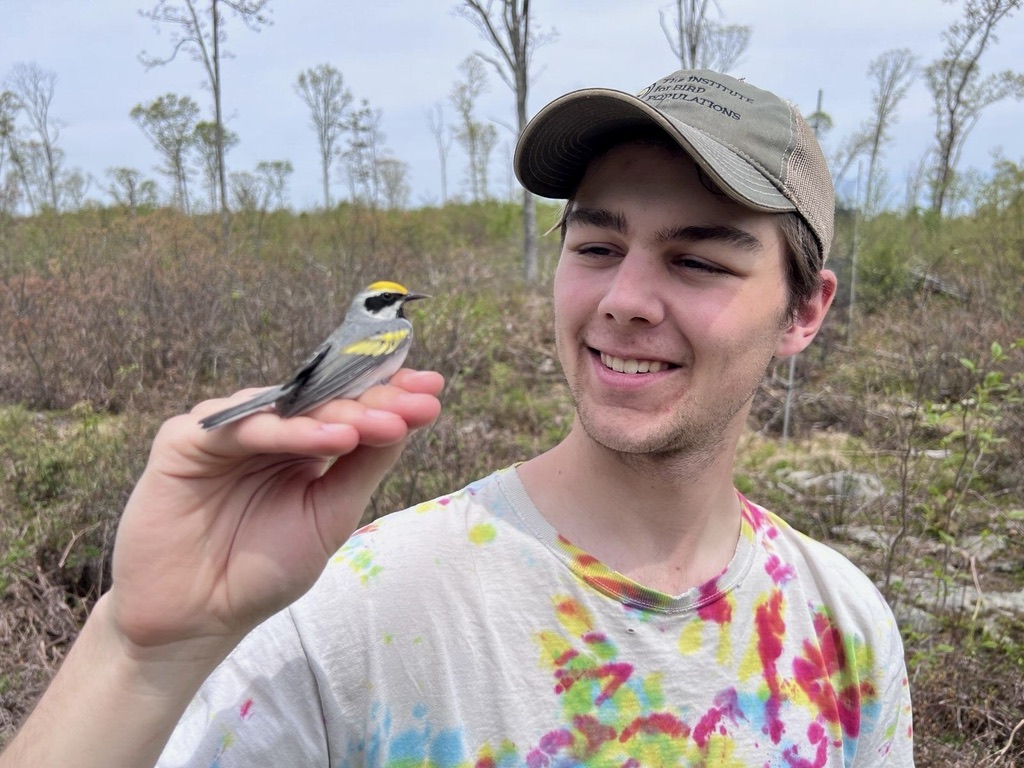
Eastern Songbirds: A long-time goal of mine has been to learn the eastern songbirds, specifically the eastern wood-warblers, by ear. This summer, thanks to my job doing point counts in the woods of northeastern Pennsylvania, I succeeded at that goal, solidifying nearly two dozen warbler songs in my mental repertoire, including those of Magnolia, Canada, Mourning and Golden-winged Warblers. Beyond that, I got to spend all of May and June, and some of July, romping around the forests of the Appalachians, learning about the ecology of all of these species. I fell in love with Golden-winged Warblers, with their specialized habitat needs and endearing personalities, and came to know not only the species of birds in these forests, but also the trees the birds were using. Highlighted by a trip to Cape May and a trip to the Adirondacks, my summer in Pennsylvania may have taught me more about the natural world than any summer I’ve lived through yet!

Getting to know Eastern warblers—including Golden-winged Warblers—fulfilled a long-held ambition of mine.

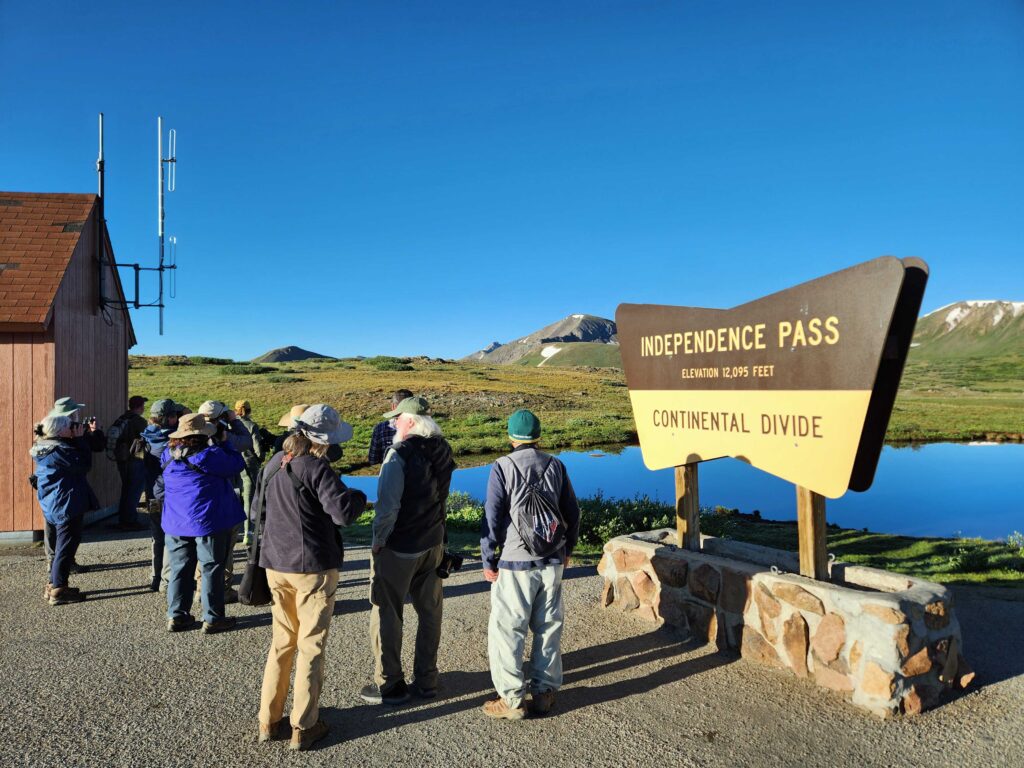
Western Field Ornithologists Conference: In July, I said goodbye to my co-workers and the woods of Pennsylvania and flew across the country to Denver, Colorado, where I was picked up by one of the members of the board of Western Field Ornithologists (WFO). There started my week-long, high-energy stay in the alpine zone of Colorado, where I proceeded to not only see hordes of birds (including two lifers, Virginia’s Warbler and Brown-capped Rosy-finch) as well as meet a variety of people of all ages, who had converged at the WFO annual conference thanks to their passion for birds. During this conference, I got to hang out with a squadron of young birders from California and meet people like David Tonnessen, a native Coloradan guide, Nathan Pieplow, one of North America’s leading experts on bird sound, Ted Floyd, the editor of Birding magazine, Chris Wood, one of the founders of eBird, and Jesse Barry, one of the lead developers for the Merlin app. It was a whirlwind week, during which I bushwhacked through alpine tundra in search of White-tailed Ptarmigan and Dusky Grouse (only the latter of which we saw), scoped distant prairie potholes for shorebirds, and trekked through spruce-fir forest in the dark of night in an attempt for Boreal Owl. I’ll be sure to attend more of these conferences, whenever I am able to!

Starting the UMaine Birding Club: Last semester, several people told me that if the University of Maine had a Birding Club, they would join. This year, after a few MORE people told me that, I just decided to buckle down and start one. Our first meeting, which took place on September 14th, was a raging success, with more than thirty people filling the classroom I’d reserved to hear me give my elevator pitch for the club. After a ten-minute talk, we headed out across campus in search of fall migrants, which we found in the form of a Ruby-throated Hummingbird and several Cape May Warblers. The rest is history. I put on twelve meetings this year, and led twelve outings as well. I made sure that our meetings were diverse, with some days featuring guest lectures about bird jobs or indoor bird scavenger hunts and others pitting club members against each other in Bird Jeopardy. My personal favorite was a thirty-minute talk I gave on everything wrong with the state birds, and we finished out the year last Thursday with a movie night featuring The Big Year. Our outings, highlighted by one trip to Sebasticook Lake and another to the coast, tallied ninety total species, including Sandhill Cranes and an American Goshawk, which both became “Bird of the Day” on their respective trips. Overall, starting a Birding Club was one of the most meaningful things I’ve ever done and I can’t wait to jump back into it next fall—after I’ve returned from studying abroad in Costa Rica!

Quizzing the UMaine Birding Club on bird vocalizations!

So that’s a wrap, people. Braden and I want to thank you for tuning in and sharing your enthusiasm with us, and we hope that 2024 brings you a rewarding year of seeing, learning about, and protecting the animals we all love.

Avian Reveal: Our Five Picks for New Bird Names

We had planned to publish this post on Thanksgiving, but were in Minnesota and the “auto publish” tool failed—and not for the first time. Still, we hope you enjoy this post-Thanksgiving post, and even more, we hope you all had a lovely long weekend with friends and family. Braden and I have much to be grateful for—including you, our faithful readers—and thank you for your interest and enthusiasm over the years. Now get out there and bird!

Lest you think the birding community is immune from internecine disputes, I present to you two issues that have been roiling birders for the past decade: the woeful situation of horrible state bird choices, and the more recent—and contentious—decision by the American Ornithological Society to begin changing English language common names of all birds named after people. Braden recently addressed the disgraceful situation surrounding our state birds in his post “Getting Serious About State Birds”. Today, I’d like to tackle the AOS’s earth-shaking naming decision.

If you’re a birder, you pretty much have to be living under a rock not to know about this recent shocker. A complete, explanatory news release can be found here, but basically, the American Ornithological Society has long assumed responsibility for the English language common names of all American birds. After years of debate, it has decided to axe all eponymous bird names—those honoring specific individuals. This decision has triggered several immediate results. One is to improve the vocabulary of millions of Americans (myself included) who have had to look up the word “eponymous” in the dictionary. The second is to unleash a foaming volcano of vitriol as birders across America—nay, the world—have vigorously defended and attacked the new policy.

I’ll just come out and say that both Braden and I generally support the AOS decision, but as with most things, the matter is more nuanced than passionate social media posts lead you to believe. There’s no question that certain eponymous names can be deemed offensive, but there are plenty of others that you have to try really hard to be offended by—and it’s a shame we have to chuck the baby out with the (bird) bath water. Unfortunately, failing to do so would ignite endless, often pointless debate about each and every eponymous bird name that exists. All of that time, energy, and money is better spent protecting birds rather than debating their names, and so the AOS wisely decided to wipe the slate clean.

Rather than add to the already burdensome body of opinion flooding the media, Braden and I decided it would be fun simply to pick five of our favorite Rocky Mountains birds that will be impacted by this decision—and try to come up with the perfect new names for each. We hope you will weigh in with your own (non-offensive) thoughts about our choices, as well as your own (non-offensive) alternatives. We will start with perhaps our favorite North American warbler—and perhaps the most difficult to rename.

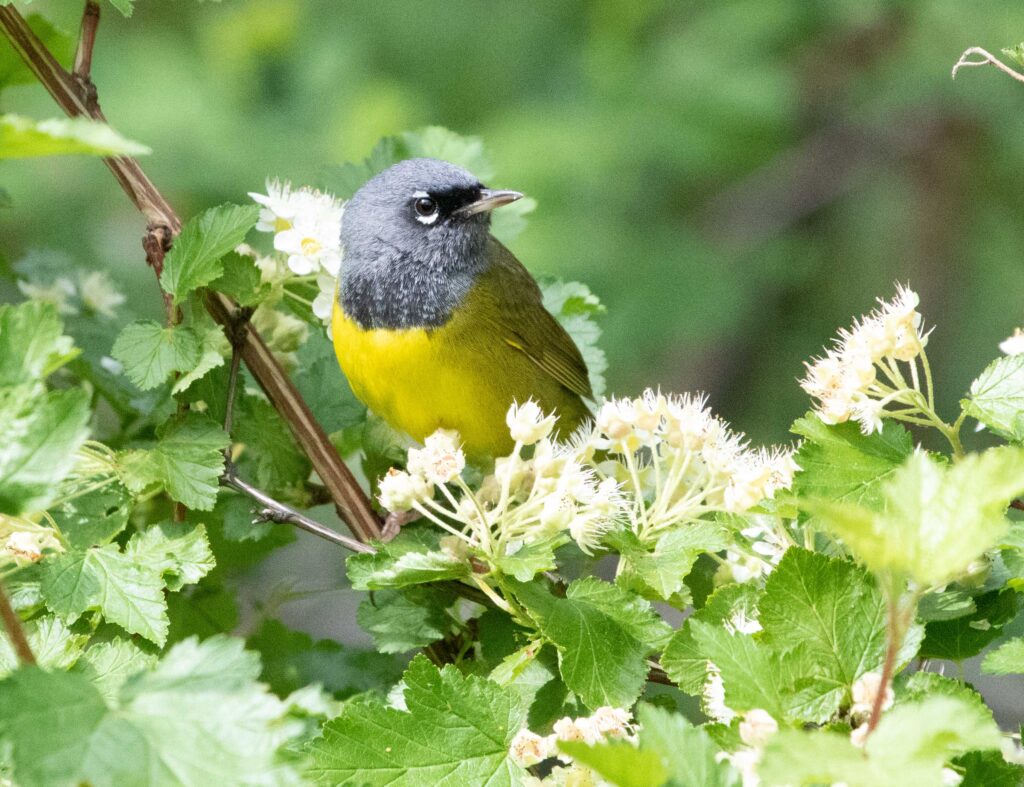
MACGILLIVRAY’S WARBLER

One of the ironies of MacGillivray’s Warbler is that it was named after an 18th-century Scottish ornithologist who devoted much of his life to, you guessed it, coming up with better names for British birds! Names such as Red-throated Thistlefinch, Quaketail, and Provence Furzeling—none of which survived the test of time. MacGillivray was a controversial figure and apparently offended almost everyone during his lifetime, but that didn’t stop John James Audubon from naming one of our most spectacular American warblers after him. I mean, just look at this bird. He’s not as showy as some others, but his colors are refined, sophisticated. Any lady of quality will recognize it—and if his looks don’t do it, his sweet sophisticated song will clinch the deal. Braden and I always stop when a MGWA pops out of a bush, and we’re not the only ones. But what should the AOS call it?

The bird breeds in shrubby places, often near streams or in recent burn areas, but somehow Shrubby Warbler or Second-growth Warbler don’t seem deserving of this special bird. As far as its looks, Hooded Warbler and Mourning Warbler are already taken—and honestly, aren’t all that great anyway. The partial white eye rings stand out, and are an identification key, so perhaps Crescent-Eyed Warbler? Its hood also gives off a velvet or satiny sheen, so Velvet-hooded Warbler? Quicksilver Warbler? Silver-headed Warbler? After much agonizing, we have landed on Satin Crescent-Eye. Of the five birds included here, this one poses the toughest challenge, so we’d love to hear your suggestions!

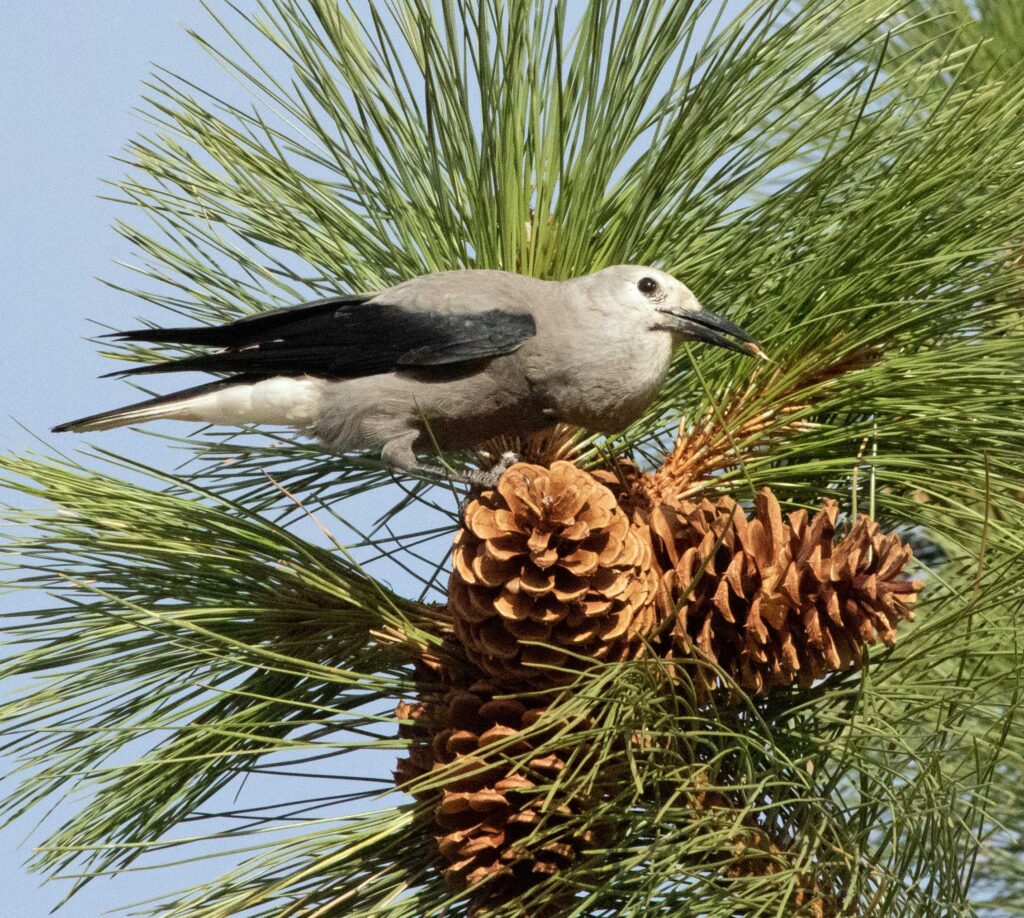
CLARK’S NUTCRACKER

When William Clark, of the famous Lewis and Clark Expedition, first saw a Clark’s Nutcracker, he thought it was a woodpecker. However, that didn’t prevent the bird from becoming one of the most iconic species of the West. Clark’s Nutcrackers are especially known for planting high-altitude pine forests—especially those of the White-barked Pine. Each bird caches thousands of pine seeds, far more than it can use, and the overlooked seeds sprout into new forests. The birds and trees are so interconnected that the pines have actually evolved changes in the shapes of their seeds and cones that facilitate dispersal by the nutcracker. Because of this important and fascinating relationship, Braden and I hereby vote to bestow the bird with the name Whitebark Nutcracker. Long live the nutcracker!

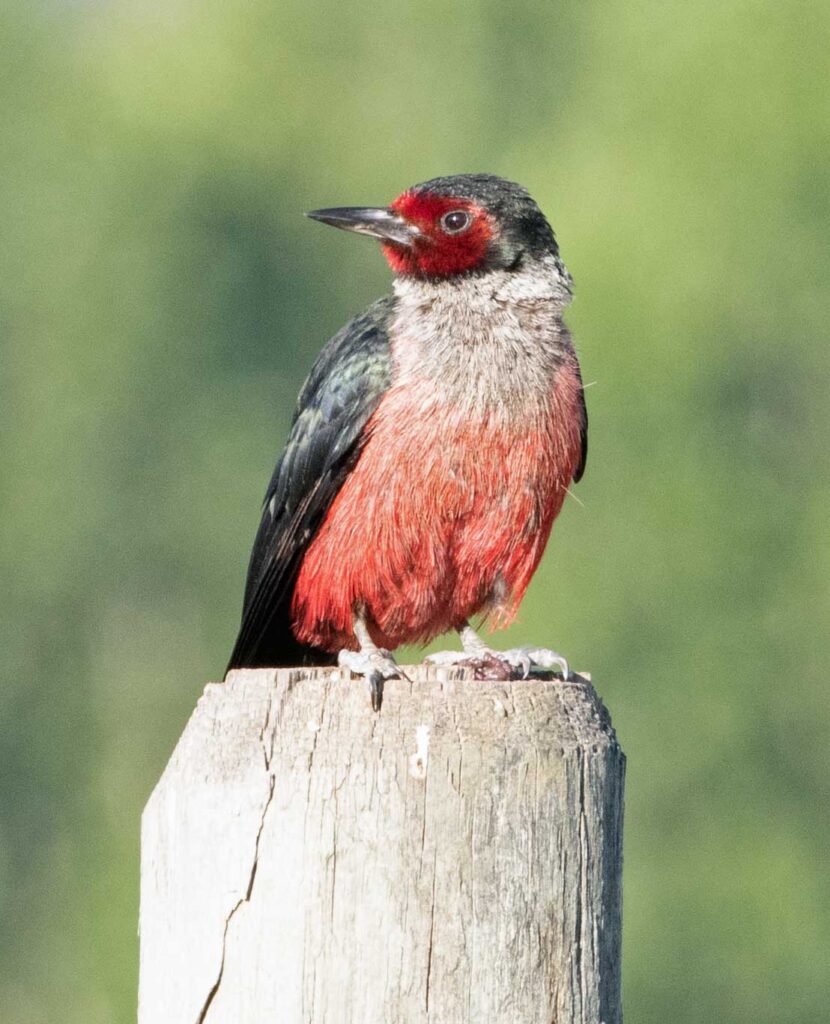
LEWIS’S WOODPECKER

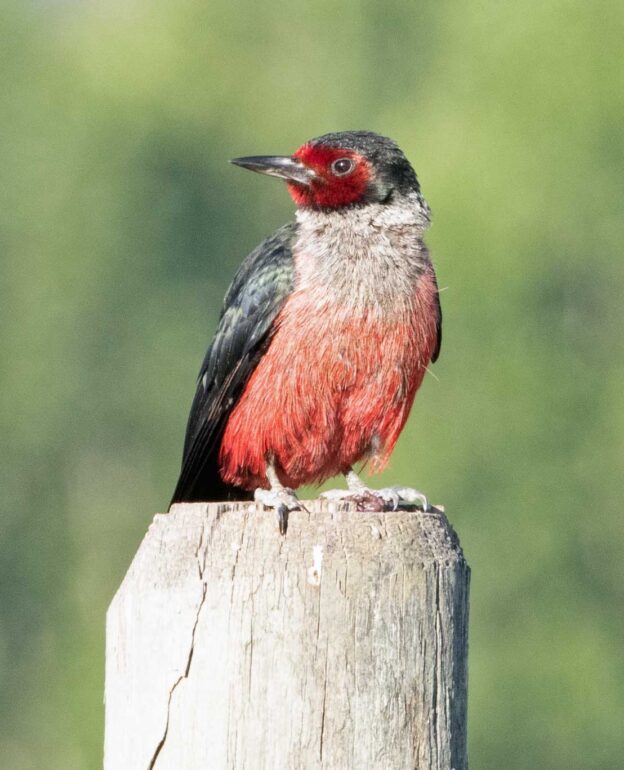
Despite the rather embarrassing ID mistake with the Clark’s Nutcracker, the Lewis & Clark Expedition did end up being honored with a woodpecker after all—the Lewis’s Woodpecker. Renaming this bird has engendered spirited debate on Facebook and elsewhere, perhaps because Lewis’s may be America’s most stunning woodpecker. With a green back that often looks black, a subtle gray collar, and an absolutely spectacular watermelon-colored breast and face, the bird has inspired a host of potential names such as Glamorous Woodpecker, Pink-and-Green Woodpecker, and Silver-scarfed Glossy Woodpecker. To us, these kinds of names seem a bit plebian and uninspired. Not only that, the decline of the species is most closely related to the loss of a particular type of tree, so why not bestow a name that involves some education as well? Because of this, we officially propose—nay, insist—that this bird henceforth be called the Cottonwood Woodpecker.

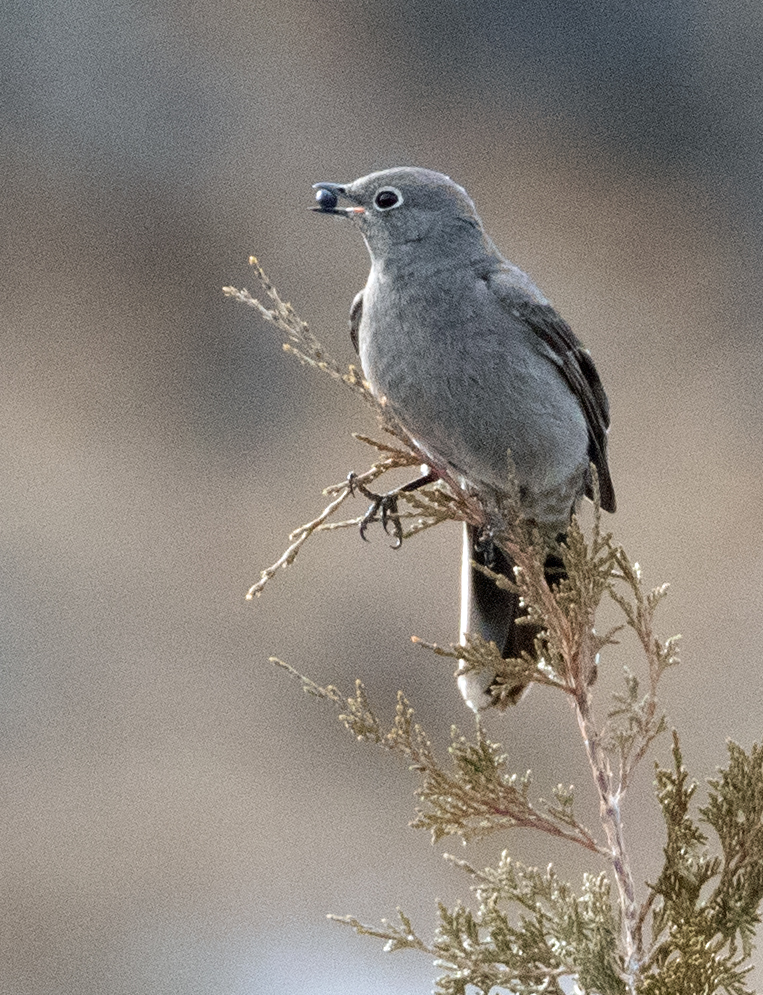
TOWNSEND’S SOLITAIRE

Both Townsend’s Solitaire and Townsend’s Warbler—not to mention at least half a dozen mammals—are named after noted 19th-century naturalist John Kirk Townsend. Townsend came from an ardently anti-slavery Quaker family and accompanied renowned botanist Thomas Nuttall (Nuttall’s Woodpecker) on an 1834 expedition across the Rocky Mountains to the Pacific. During this time, Townsend collected numerous specimens new to Western science—including, coincidentally—MacGillivray’s Warbler! As if all that wasn’t enough to make us love Townsend’s Solitaires, this is a bird that symbolizes the onset of winter, as it descends to our neighborhood after its mountain breeding season. Add to that its lively, musical song and subtle good looks, and the bird has had no trouble flying into our hearts. The AOS decision also gives us a chance to bestow the perfect, slam-dunk name on the bird: Silver Solitaire.

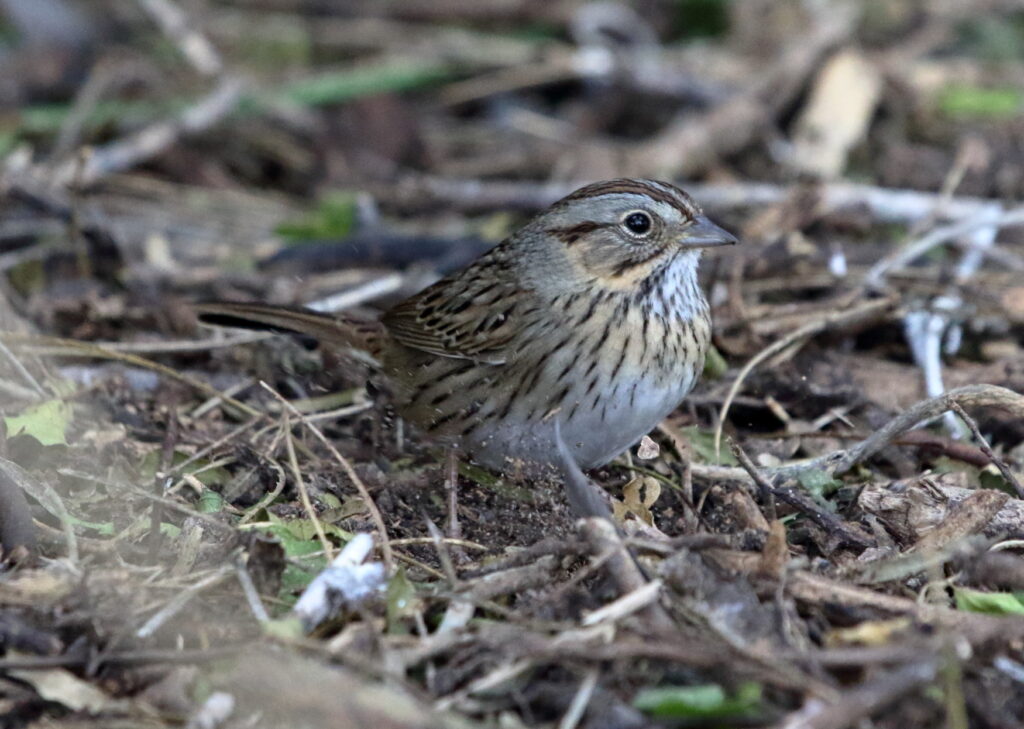
LINCOLN’S SPARROW

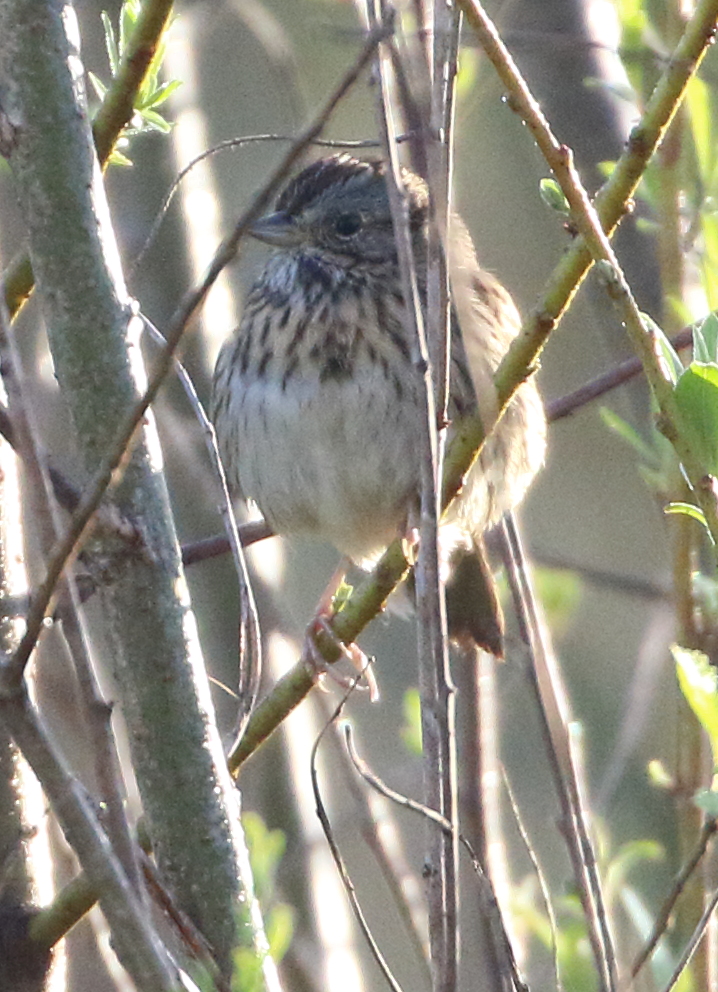
You might think that if ever a bird deserves to keep its eponymous name, it’s got to be Lincoln’s Sparrow, right? I mean who can argue with the president that consistently sits atop the list of greatest presidents in our nation’s history? Alas, the bird isn’t named for that Lincoln. Instead, Audubon named it after the 21-year-old son of a friend, Thomas Lincoln, who accompanied him on an expedition to Labrador, Canada. Audubon had not seen a Lincoln’s Sparrow before, but when one popped up, Thomas Lincoln immediately shot it with a slingshot. Even with that fairly bittersweet story, Lincoln’s Sparrow rules our favorite sparrows list.

This bird exudes charm. It breeds in boggy habitats, usually among willows and often near taller perching trees. It sings a complex, multi-part composition that brightens any landscape, and will often pop out on a branch to give birders excellent viewing experiences. Though subtle, its colors are striking. A yellow wash on its breast and “moustache” contrast most beautifully with its gray and rufous head and white eye ring. The subtlety of its colors, however, and superficial resemblance to other sparrows, makes the bird particularly challenging to rename. Swamp Sparrow, after all, is already taken. Our friend, ornithologist Dick Hutto, suggests Willow Sparrow and that’s not half-bad, but we feel the bird deserves something more inspiring. We therefore dub it . . . Autumn Sparrow! This name not only matches its colors, but coincides with one of the two seasons when many U.S. birders have their best shot at seeing the bird since it can only be found in most states during migration.

So that’s a wrap. We’ve done the heavy listing for the AOS on some of America’s favorite birds. Now, the committee will just have to roll up its sleeves and figure out the other 75 or so species on their immediate list! Braden and I wish them good luck—and if they run into trouble, they know who to call. Our rates are very reasonable.

Oregon Birding Grandeur at Smith Rock State Park

To help usher you into a (hopefully) fun and festive holiday week, we’re pleased to present our second guest post by FSB’s Oregon field correspondent, Roger Kohn. Roger recently retired from a storied career of government service, giving him much more time to pursue his birding passions with his birding wife, Claudia. Here, he takes us to a place Braden and I have never visited—Smith Rock State Park.

You all lead busy lives, so why not take a break to embark on a vicarious adventure with me to one of central Oregon’s most beautiful places?

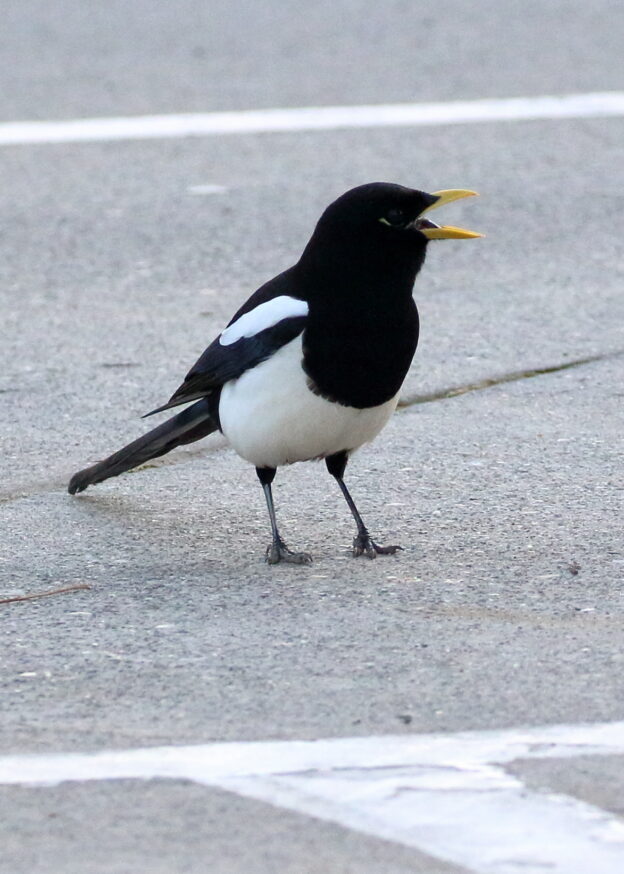
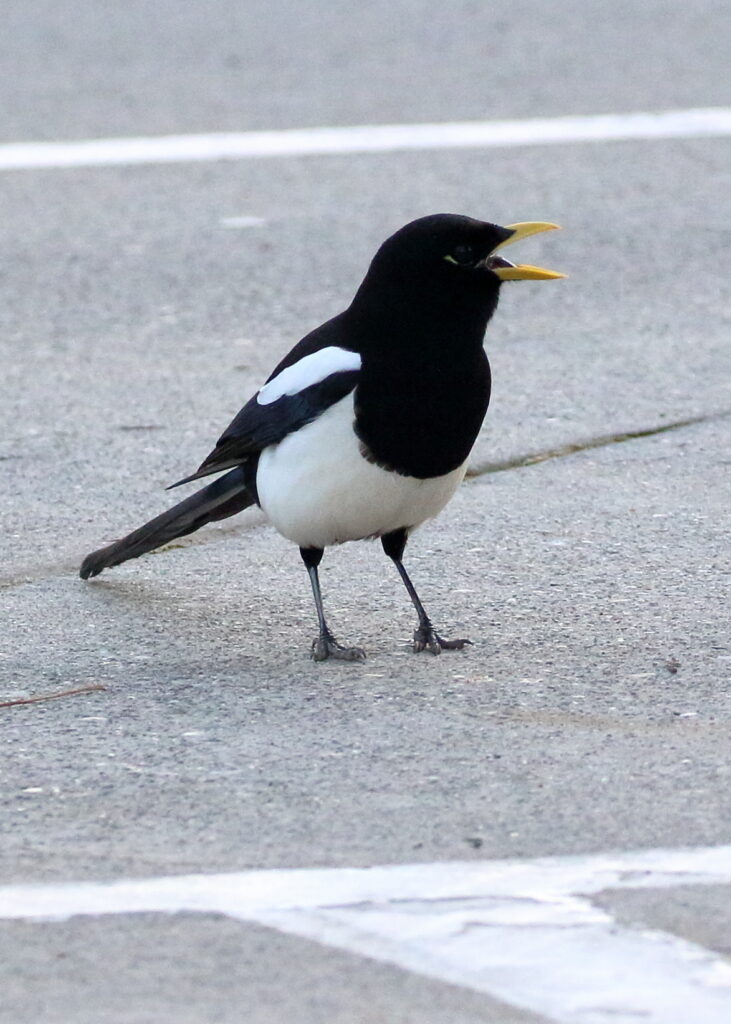
Eager for some epic scenery and inspiration before the snow flies and temperatures plummet, my wife, Claudia, and I drove 40 minutes north of Bend to Smith Rock State Park last week. After snagging a parking spot (a blood sport at this uber-popular park), we were greeted by a few Black-billed Magpies — with their bold black, white, and blue markings and extra-long tails.

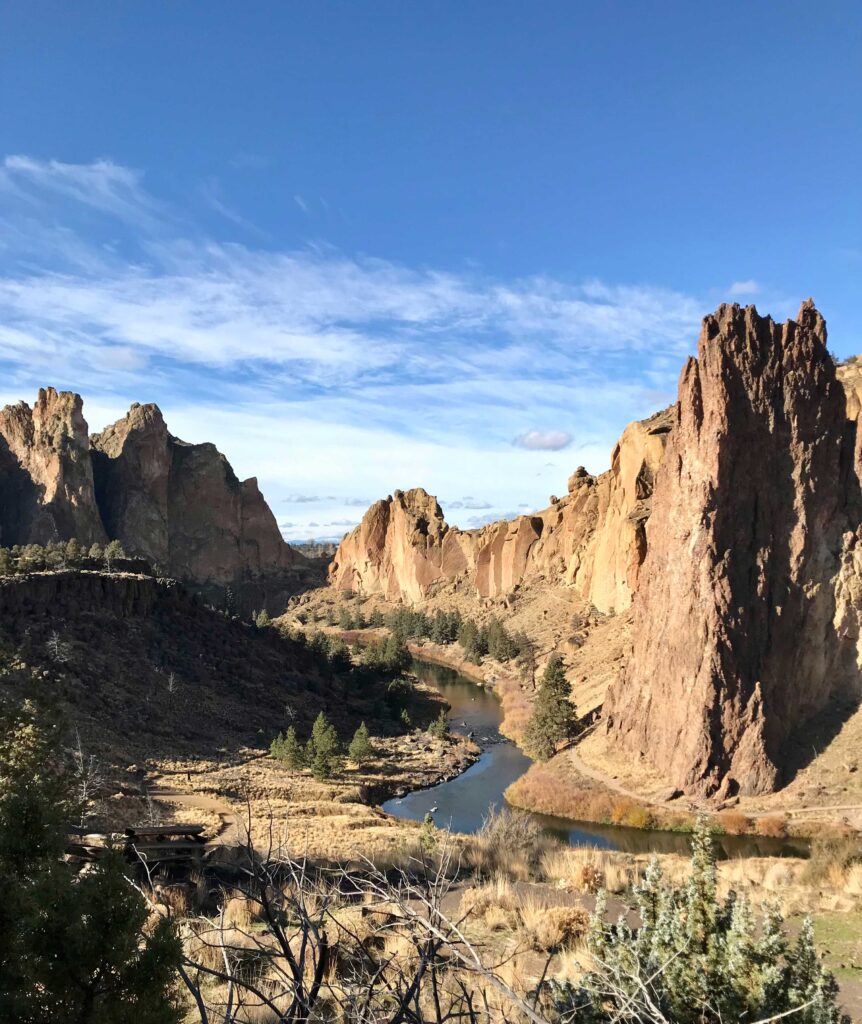
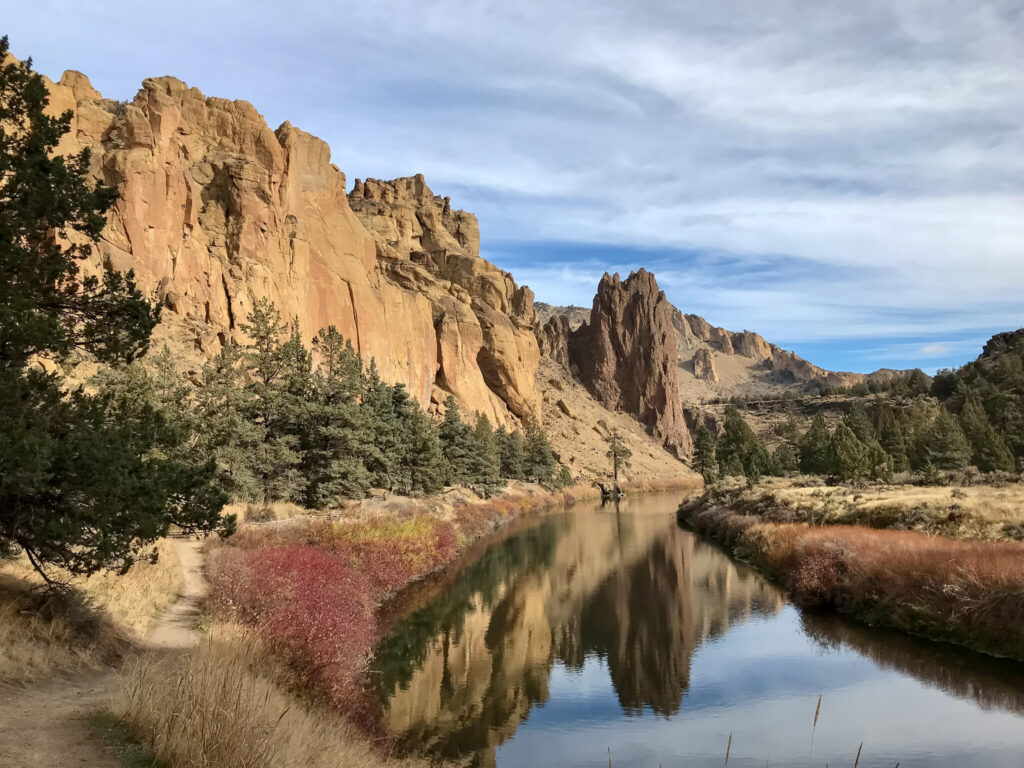
Walk with us to the rim of a deep canyon and take in the magnificent vista that opens up below you, where the Crooked River wends its way through a rugged landscape of sheer cliffs formed by volcanic eruptions, and hillsides dotted with western juniper trees. With temperatures in the high 40s, it is perfect walking weather as we begin a steep zigzag descent into the Realm of Peregrine Falcons and Golden Eagles. (Alas, we won’t see any today.) Keep some energy in reserve, because what goes down must go back up. Reaching the bottom, we cross the river on the brand-new pedestrian bridge that replaced its old and battered predecessor.

The Crooked River flows through a stunning volcanic landscape.

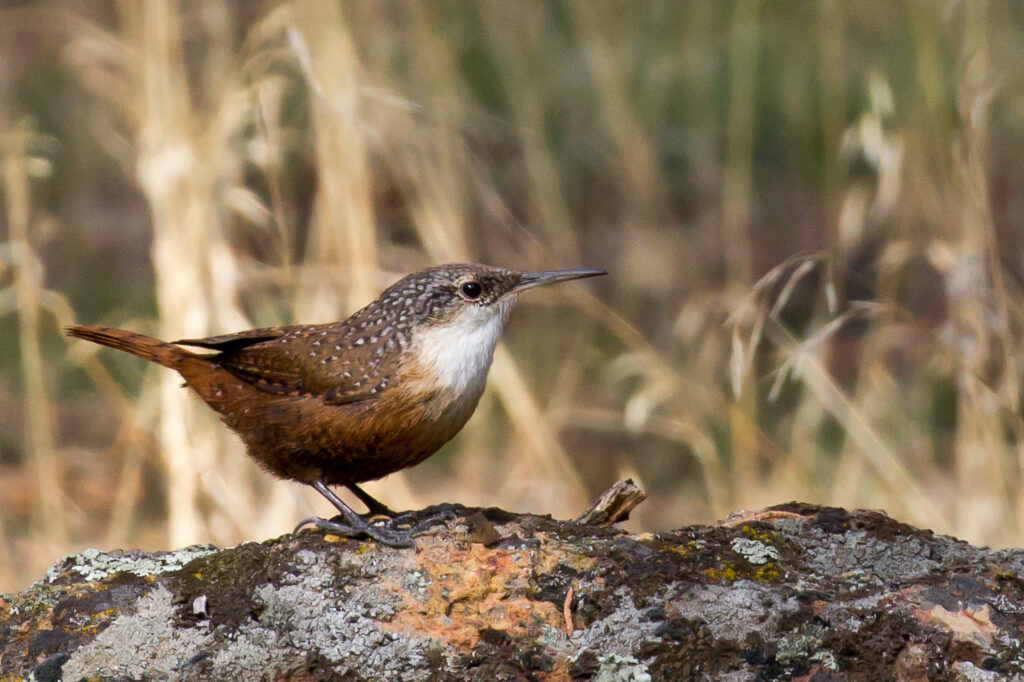
As we make our way upriver, the Merlin Sound ID app (a great tool, but know its limitations) alerts us to the likely presence of Canyon Wrens. This surprised me because while I heard bird calls, I did not hear the melodic, descending call notes that I have learned to associate with this striking wren species. But Merlin was spot-on and in a few minutes we see a couple of Canyon Wrens calling and hopping among the boulders on the rugged terrain above us. With their enchanting calls, long bills, warm rufous tones and gray heads speckled with white, Canyon Wrens are always a pleasure to observe, especially when one of them poses on a rock for a perfect photo opportunity.

I learned that the call and song repertoire of the Canyon Wren is even more varied than I had realized.

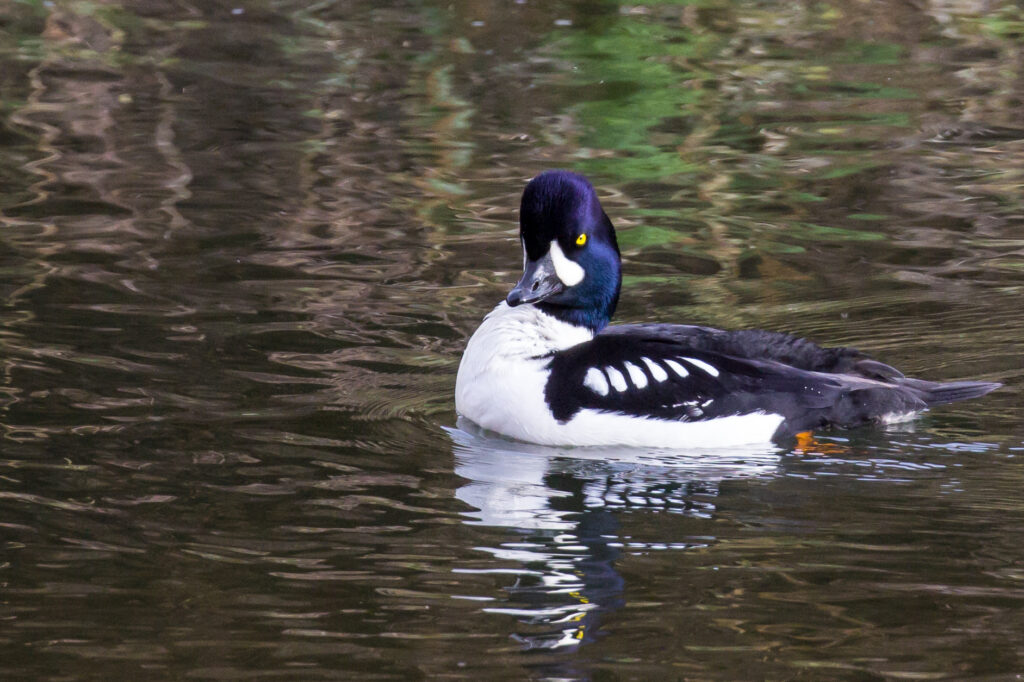
Continuing our walk along the river, we saw no ducks—at first. But soon a group of handsome Barrow’s Goldeneyes, a reliable species here, makes their appearance, diving below the surface to find food (and perhaps worry about their pending name change, following a recent announcement by the American Ornithological Society that names associated with people are gradually being replaced). The males of this species are easy to distinguish from very similar male Common Goldeneyes because the white patch on their face is crescent-shaped, not circular. As for the females, good luck with that, though female Barrow’s usually sport more orange or yellow on their bills than their Common counterparts. Your best clue is simply the presence of a male Barrow’s nearby. Later in our walk, Claudia focuses her binoculars on one male with a circular white patch. Great catch! There was at least one Common Goldeneye among the Barrow’s.

At Smith Rock, you always have an excellent chance to see the elegant Barrow’s Goldeneye—with an attitude!

All around us, hordes of robins make sure we know that thrushes rule. I don’t know what makes this species so successful, but on any given birding walk we see dozens of them. In one location two years ago, we saw THOUSANDS of them. True story.

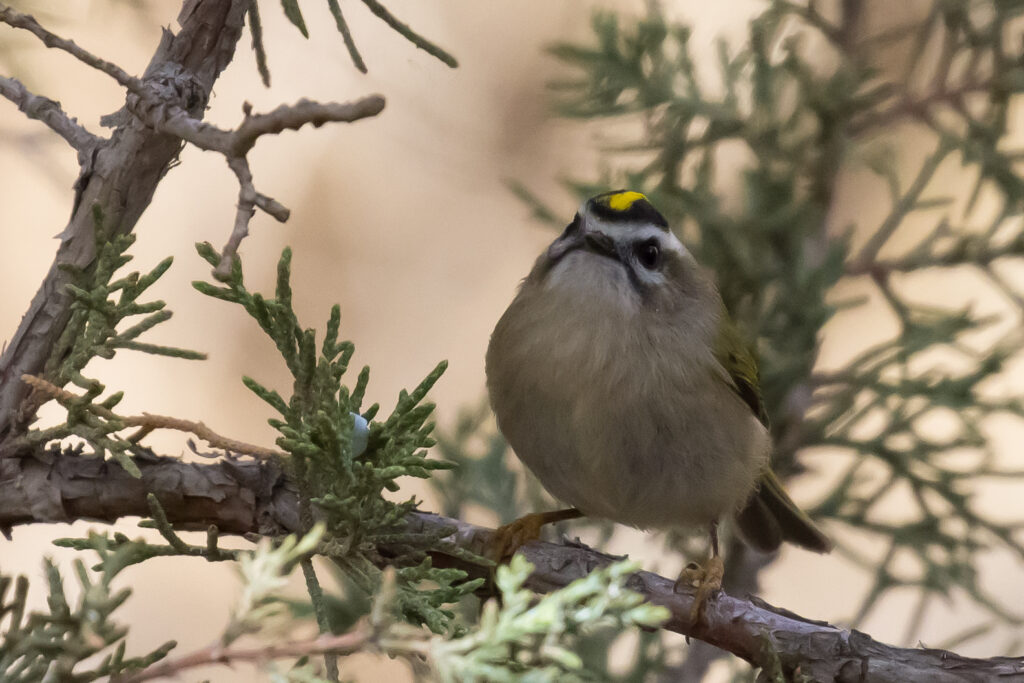
Wait — did you hear that? What’s that high-pitched ti-ti-ti sound? Looking around in the junipers close to us, we see that a flock of Golden-crowned Kinglets has suddenly appeared out of nowhere, looking all fine and dandy (and they know it), with their spectacular yellow crowns with bold black stripes. These tiny birds can tolerate temperatures well below zero, and will huddle together for warmth to survive subzero weather. They are hyperactive and often forage high in the treetops, so they’re hard to see and even harder to photograph. But today we are lucky. The kinglets flit about at eye level, and I capture a few decent photos of this gorgeous species.

We lucked out and got unobstructed eye level views of Golden-crowned Kinglets. What a treat!

The river bends. Colorful canyon walls in shades of pale green, pink, and gold tower above us, rising straight up to dizzying heights. Rock climbers challenge themselves on tough routes, and we see some of them standing atop the highest cliffs, where normally only raptors dare to soar.

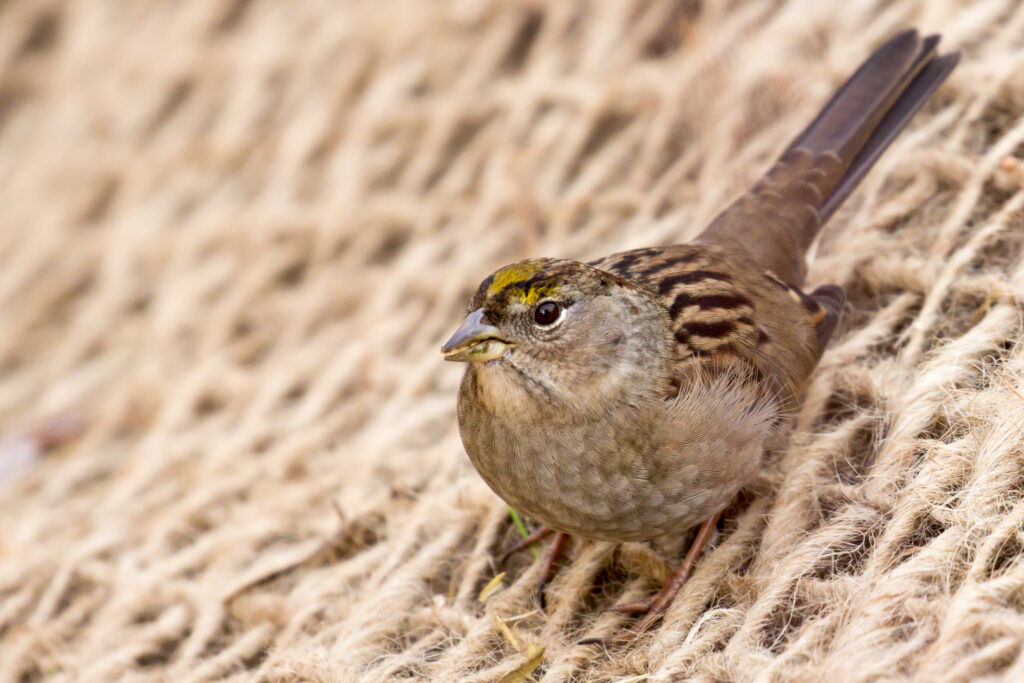
Get ready to feel the burn, though, because it’s time to hike up out of the canyon. Pausing at the bridge before our ascent, we get great looks at Golden-crowned Sparrows in a feeding bonanza in a re-seeded grassy area (see recent post, “Zoning Out on Zonotrichia Sparrows”). The breeding habits of this species in Alaska and British Columbia are not well known.

It’s always a pleasure to observe Golden-crowned Sparrows when migration brings them through central Oregon.

Up, up, up we go. We stop to rest as our hearts pound, and see a raptor far away, atop one of the highest cliffs on the other side of the river. Too far to ID, but photo processing later reveals a likely Red-tailed Hawk.

No matter how many times you visit, Smith Rock will take your breath away. It is a truly magical place.

Back home, I invite you to sip an Oregon-brewed pale ale with delicious citrusy, floral hop flavors and a lovely bready malt backbone as you bask in the glow of seeing some great birds in a landscape like no other.

eBird Checklist – 10 Nov 2023 – Smith Rock SP – 20 species (+1 other taxa)

All photos and text copyright Roger Kohn.

“Zoning Out” on Zonotrichia Sparrows

You may have noticed that many of my recent posts have centered on a) sparrows and b) nemesis birds. This post will combine those topics in a way that I hope will elicit six-figure offers for film rights along with invitations to various network morning shows. Strap in, because it promises to be a thrilling ride. Or mildly entertaining. Or at least more interesting than scrubbing the bathroom sink. Here goes.

Do you see the Golden-crowned Sparrow in this roadside pullout? I didn’t either.

In my recent pursuits of nemesis birds (see From One Nemesis Bird to Another and Gambling on a Grouse-fecta), one bird that I have sorely neglected is the Golden-crowned Sparrow. In fact, it may have been the most common species still missing from my Montana life list. Braden and I first beheld one of these gorgeous birds at the Moonglow Dairy outside of Monterey, California while we were pursuing our first Big Year back in 2016. Since then, we’ve seen them several times in California and Oregon—which is probably why they never became a top priority for us in Montana. Nonetheless, stray GCSPs show up in Montana often enough that they should have been beeping more loudly on our radars. Last week, when Braydon Luikart (see Gambling on a Grouse-fecta) notified me that a Golden-crowned had been spotted in Missoula, well, I guess I was finally alert enough to seize the opportunity. I threw Lola into our trusty minivan and headed out to LaValle Creek Road near the airport.

As I turned onto the muddy track, it was clear that word had gotten out when I began passing a veritable Who’s Who of Missoula birding. These included avian biologist William Blake (formerly of MPG Ranch, now with the American Bird Conservancy), and veteran birders Adam Mitchell, Thomas Kallmeyer, and Di Litz. William and Adam gave me directions to the sparrow spot, and a mile or so later, I pulled over onto a muck-filled turnout.

“It should be right there,” William had told me, but when I climbed out of the car with my binoculars and camera, I didn’t see a thing. Figures, I thought. I’m going to be the only birder in Missoula who doesn’t see this bird.

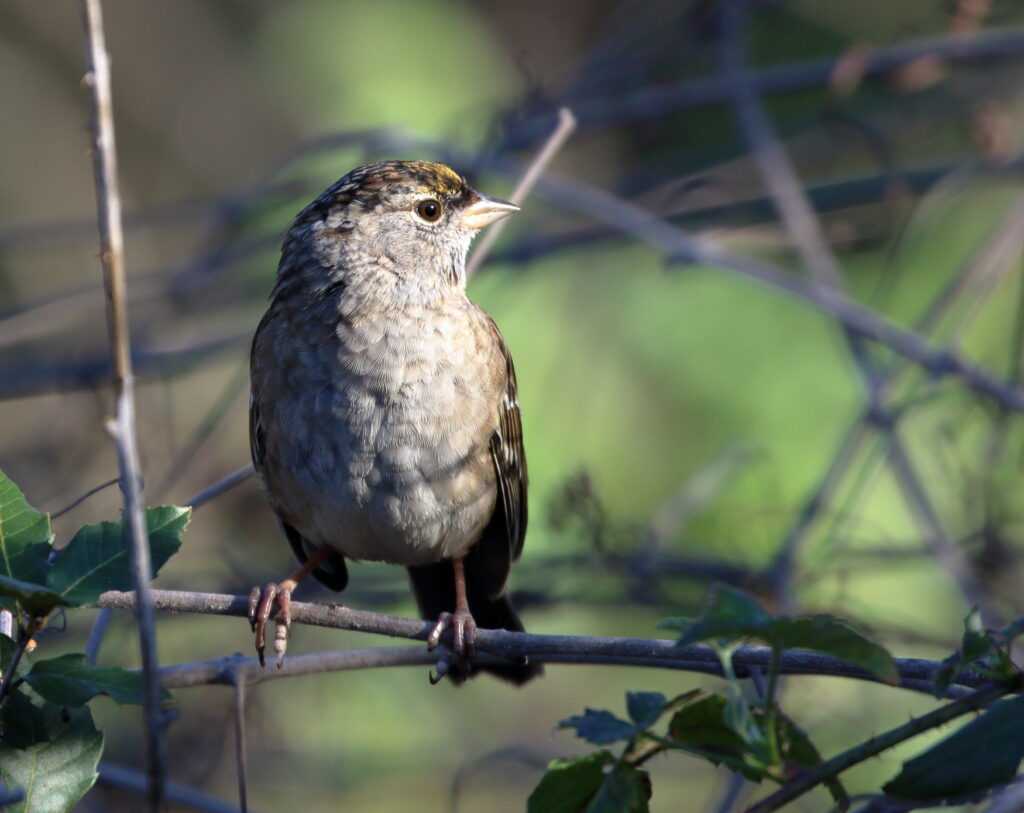
I studied the surrounding bushes and road without spotting anything, then took a couple of steps forward. Suddenly, I saw movement at my feet. The Golden-crowned! It was so perfectly camouflaged with the muddy ground that my eyes scanned over it two or three times without detecting it! Talk about your easy nemesis birds! I had a nice long visit with this fellow, admiring its subtle yellow lores and crown, boldly striped back, and finely striped breast. Its gray bill indicated it was a “1st winter bird,” fledged this past summer. Whoo-Hoo! Montana Lifer #303!

Golden-crowned Sparrows breed in western Canada and Alaska, but a few clip Montana every year on their way to their wintering grounds along the West Coast.

William and Adam had told me they’d seen Pine Grosbeaks and Gray-crowned Rosy-finches further up the road, so I continued on to a place locally known as “the corral.” There, I found UM grad student Tim Forrester also looking for the birds. Tim’s been all over the U.S. and many places abroad studying birds, and we had a nice conversation while waiting for other birds to show up. Alas, I guess I’d hit my limit for great birds for the day—though I did see a nice pair of American Tree Sparrows on the drive out.

As I always do after a great find, I called Braden to share the news. After congratulating me, he asked, “You know what this means, don’t you?” “Uh, no.”

“It means,” he said, “that you’ve seen all four of Montana’s Zonotrichia sparrow species!” He recounted the four species for me, and I realized that they were four of my favorite sparrows: White-crowned, White-throated, Harris’s, and now Golden-crowned. What’s more, I’d seen all but Harris’s Sparrow this year.

Braden and I find White-throated Sparrows almost every fall in Missoula—but we have to work hard for them.

“But what exactly are Zonotrichia sparrows?” you may be asking. Good question!

Birds in the genus Zonotrichia are among our largest sparrows. They all have heavily-streaked backs and are ground-feeders, snagging seeds, grain, insects, and spiders. At first, their bold head markings look quite different from each other, but if you compare the four species side-by-side, you will see that they bear strong similarities. White-crowned Sparrows (see Welcoming White-crowned Sparrows—with Observer Bias) and White-throated Sparrows (see March Madness Birding in Missouri) have the widest distributions and are probably the “Zones” that people are most familiar with. In Montana, Harris’s probably have the greatest cool factor. Braden and I have seen them only once together (see A Quest for Snowy Owls), and I saw them once more a couple of years ago. No two ways about it, though, adding Golden-crowned to my Montana list made my day.

Only the second Harris’s Sparrow I’d ever found—while looking for loons with Amy at Seeley Lake. And no, we didn’t find the loons!

I’m not quite finished zoning out, however. So far, I’ve mentioned four species of Zonotrichia, but there’s a fifth, and it’s one almost anyone visiting Latin America will recognize: the Rufous-collared Sparrow. Braden and I first encountered these handsome critters during our 2017 family trip to Ecuador and Peru, though I’m sure I saw them in Costa Rica before I became a birder. In fact, this is probably the most common bird we saw in urban and suburban settings—so common, that we soon began taking them for granted. I hereby pledge not to ever do that again. Meanwhile, wherever you are, I invite you to zone out for yourself. Especially if you live in the southern half of the U.S., the West Coast, and much of the Atlantic seaboard, I guarantee there’s some Zonotrichia near you. Braden and I will be waiting for your reports!

White-crowned Update: In writing my recent post “Welcoming White-Crowneds,” published October 1st, I felt pretty sure that I had seen my last White-crowned for the season. However, just yesterday, October 31st, I saw yet another one out at the Fort Missoula Gravel Quarry, reinforcing my feeling that these “Zoned-Out” birds are having a very good year!

The “Fifth Zone,” Rufous-collared Sparrows were our constant companions during our 2017 family trip to Ecuador and Peru. (Photo by Braden Collard—no relation to Rufous Collard.)

Sifting Through Maine’s Fall Migrants

Congratulations to Braden for having his first full-length article published, in the July/August 2023 issue of Bird Watcher’s Digest! The editor actually plucked the piece from our blog post “Montana Shorebird Surprise”! If you don’t already subscribe to BWD, I strongly encourage you to do so. It is packed with fun and interesting articles about all aspects of birds and birding—and honestly, magazines like this need our help to keep promoting bird conservation and foster our birding community. Learn more by clicking here. Meanwhile, enjoy Braden’s new fall migration report from Maine.

October, in Maine, is usually a major cutoff point for neotropical migrants. Warblers, specifically, seem to disappear from the state right around October 1st, having already moved through in large numbers in late August and September. Last year, I barely detected any warblers after the October curtain dropped, with my only species being Yellow-rumped and Palm Warblers (which are later migrants and do stick around until November) and two Tennessee Warblers that I worked my butt off to find on the first of the month.

Because of this knowledge, I had no expectations when I hit the University of Maine Bike Path last weekend, October 7th. I had already birded the path several times this fall, once by myself (when I scored great looks at two Ovenbirds and a Canada Warbler, both of which were long gone by now) and once with the University of Maine Birding Club, which I had restarted in mid-September. This was the same path, though, that offered up American Woodcocks and American Bitterns in spring; the same place that hundreds of salamanders and frogs would migrate across on rainy nights in April. Unfortunately, none of those animals were active now, so again, I had no expectations and was pleasantly surprised to run into a flock of Yellow-rumped Warblers and other birds right off the bat. 

Ruby-crowned Kinglets are one of the “later” songbird migrants—in Maine as well as in Montana. I saw 17 of them on this outing!

In fall, my birding strategy is to find the mixed flocks and sift through them until I’m reasonably sure I’ve identified all of the species. I did just this with the flock, finding a Palm Warbler, several Ruby-crowned Kinglets, and a Blackpoll Warbler in its drab, green winter plumage, adorned with orange feet. In terms of warblers, Blackpoll Warblers are one of the later migrants in Maine, and travel the farthest of any of the group, heading east from their boreal breeding grounds before flying south straight across the Atlantic Ocean to South America. I’d seen several in the Adirondacks this summer, in their spiffy black and white plumage, and it was nice getting to wave goodbye to them for the winter.

Swamp Sparrows are a real find in Montana, but on my birding walk today, I counted at least 33 of them—a low estimate!

After pishing in a few more mixed flocks, I reached one of the the bike path’s main attractions—a large, weedy field, hosting tall goldenrod and other plants that reminded me of the Fort Missoula gravel quarry back home. This, like the gravel quarry, was Sparrow Central. I waded out into the grass, flushing flocks of Song and Swamp Sparrows into the bushes, from where they watched me carefully as I checked each and every one of them. Ruby-crowned Kinglets chattered from the aspens and birches lining the perimeter of the field, and I pished at them with every chance I got, searching for anything rare. Soon, amongst a group of White-throated and Savannah Sparrows, I spotted a smaller, more crisply-patterned sparrow hop up onto a bramble: the Lincoln’s I had been hoping for! My dad and I had gotten our lifer Lincoln’s Sparrows in fall, and while I had seen and heard many this summer between the Adirondacks and the joint Western Field Ornithologists and Colorado Field Ornithologists conference I attended in alpine Colorado, I still sought out these stunning birds every time the colors on the trees began to change.

My dad went out four times last week before he found a White-throated Sparrow migrating through Missoula. I counted 23 of them on my single outing!

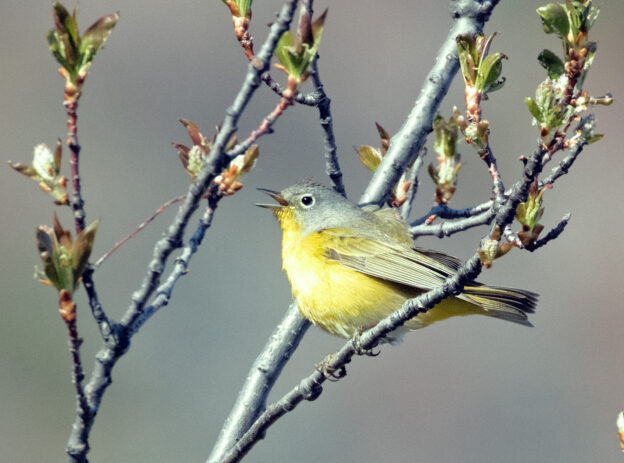
The Lincoln’s Sparrow abruptly disappeared as a small, yellow bird took its place: a Nashville Warbler, about a week after the last Nashville Warblers should have left for Central America! A few minutes later, in another horde of kinglets, I briefly spotted a Tennessee Warbler. Yay! The warblers were still here!

It wasn’t until I circled back over to the far end of the grassy field, however, that I found my real prize. As I sorted through yet another flock of kinglets and sparrows, I spotted it: a greenish, grayish warbler. Now, in Maine, in fall, this could describe just about every species of warbler since most have adopted relatively drab nonbreeding plumage. Nonetheless, I started checking off options in my head, narrowing it down.

The body was mostly green, with a green throat. That eliminated Palm, Pine, Nashville, Yellow-rumped, and any of the more colorful fall warblers. The head, meanwhile, contrasted with the green—it was slate gray, and the bird had broken eye-arcs. Those two features alone, plus a total lack of yellow or white, eliminated Blackpoll, Bay-breasted and Chestnut-sided. That left two species. Tennessee Warblers are easily identified in fall by their white vents (butt feathers)—but this bird’s vent was green. The bird I was looking at was one my dad has surely seen many times this fall and paid little attention to—an Orange-crowned Warbler!

While migrating fall Orange-crowned Warblers are fairly common in Montana, in Maine they qualify as a genuine rarity!

Orange-crowned Warblers are fairly common in most of the United States. They breed throughout the Rockies and are commonly seen in migration and winter across the country. They avoid Maine in migration, however, and don’t breed in the state, so this warbler is quite a rarity here! What’s more, early October is actually one of the best times to find them here, which is not the case for any other common Maine warbler. I celebrated for a moment before whipping out my camera to snap some photos of the bird, which I assumed I would need to prove that I’d actually seen it.

After the Orange-crowned Warbler moved on, I continued to walk the rest of the bike path, finding more flocks of sparrows, thrushes, and the occasional warbler. I even heard a few pipits fly over as I headed to McDonald’s for a respite from UMaine’s dining hall food. I’d had my best fall day of birding so far this year. Hopefully, more great birding was to come!