Category Archives: Home Habitat

Golf and Birding

Welcome to our new subscribers! We appreciate your interest in our adventures and experiences, and hope you feel free to share this post with others. If you’d like to support FatherSonBirding, feel free to order some of Sneed’s books from online stores or, better yet, by through your local independent bookstore. Thanks, and have a great weekend! Next week: more of Braden’s High Sierra adventures!

Did you ever stop to think that the words “golf” and “bird” both have the same number of letters in them? No? Good. It’s a stupid lead to a blog. Plus, golf is a sensitive subject for me. In my mid-thirties, I began playing with friends and found I quite enjoyed it. Sort of. In between the tears and swearing and bouts of hopelessness and low self-esteem. After my golf swing betrayed me once and for all, in fact, I tossed my clubs into the basement to collect dust for the better part of a decade. Foolishness springs eternal, however, and a few years ago I began a ritual of golfing once a year with a buddy—only to discover an aspect of golf I had never before recognized: Birds.
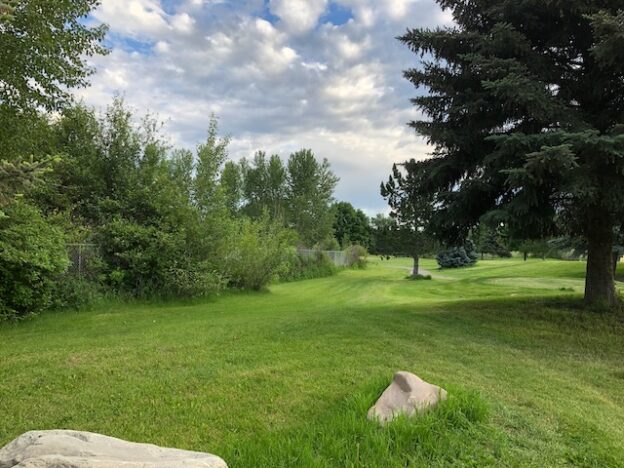
Many golf courses’ locations adjacent to wetlands and other natural habitats give them a wide range of opportunity for the golfing birder!

When I golfed in earlier years, Braden and I hadn’t yet become birders. Imagine my surprise, then, when I got back onto the links to discover that birds abounded—at least at Linda Vista Golf Course, my favorite course in the area (and one that happens to have a great cafe). I realized, in fact, that this course could actually be one of the best birding spots in Missoula. The problem? It is challenging to golf and record birds at the same time, and I have to thread a fine line so that my buddy doesn’t brain me with a 4-iron while I’m trying to figure out which kinds of swallows are circling around us. This dilemma, however, gave me an idea—one that I finally carried out last week: to get permission to bird the course sans clubs one morning before the golfers showed up.

Even with the distractions of actually playing a round of golf, I had managed to record 25 species of birds a couple of days earlier. These had included surprises such as Cinnamon Teal and Red-naped Sapsucker. I wonder what I’ll find with more time to study my surroundings? I asked myself as I again headed out two days later.
Almost immediately, it became evident that there were greater numbers of birds than I had noticed before. The Yellow Warblers were particularly insane with a new one spouting off every twenty or thirty yards—about the distance of a short pitching wedge. This made sense because part of what made this course such a great birding spot is that it was shoe-horned between river and wetlands on two sides and farm/pasture on another. Along with the Yellow Warblers I noted an abundance of Red-winged Blackbirds and Gray Catbirds—but was also surprised by an absence of Common Yellowthroats and dearth of Song Sparrows. Hm . . . maybe they were just quieting down for the season?
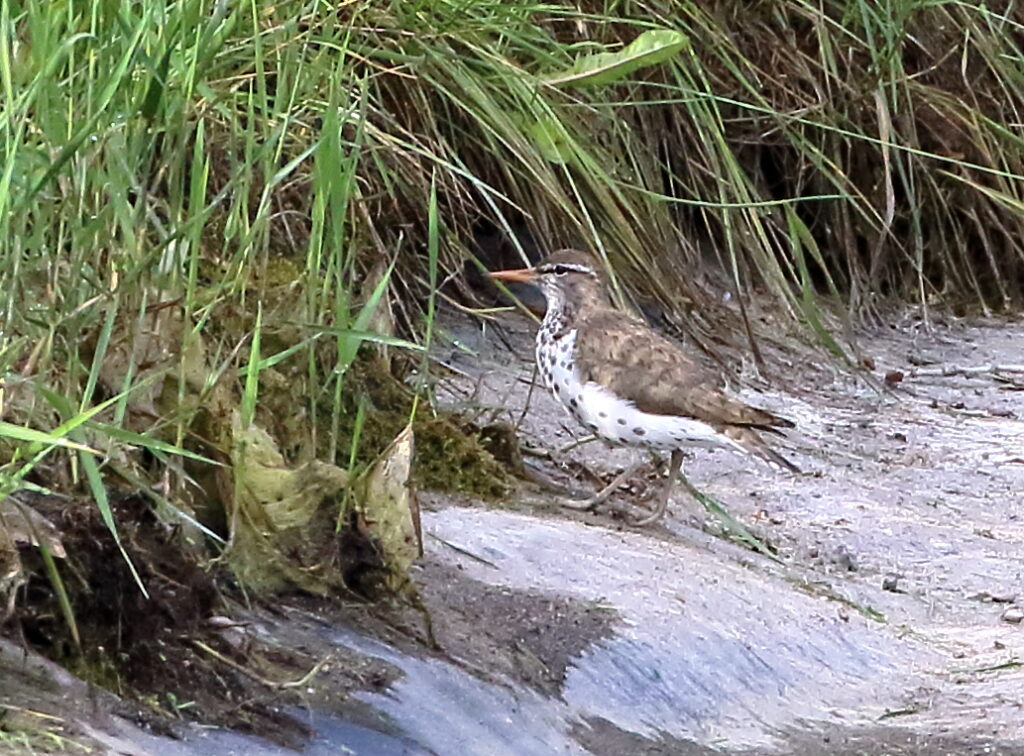
Spotted Sandpipers are always a welcome sight—though I’m not sure the plastic sheeting around this pond made it a great choice for this bird.

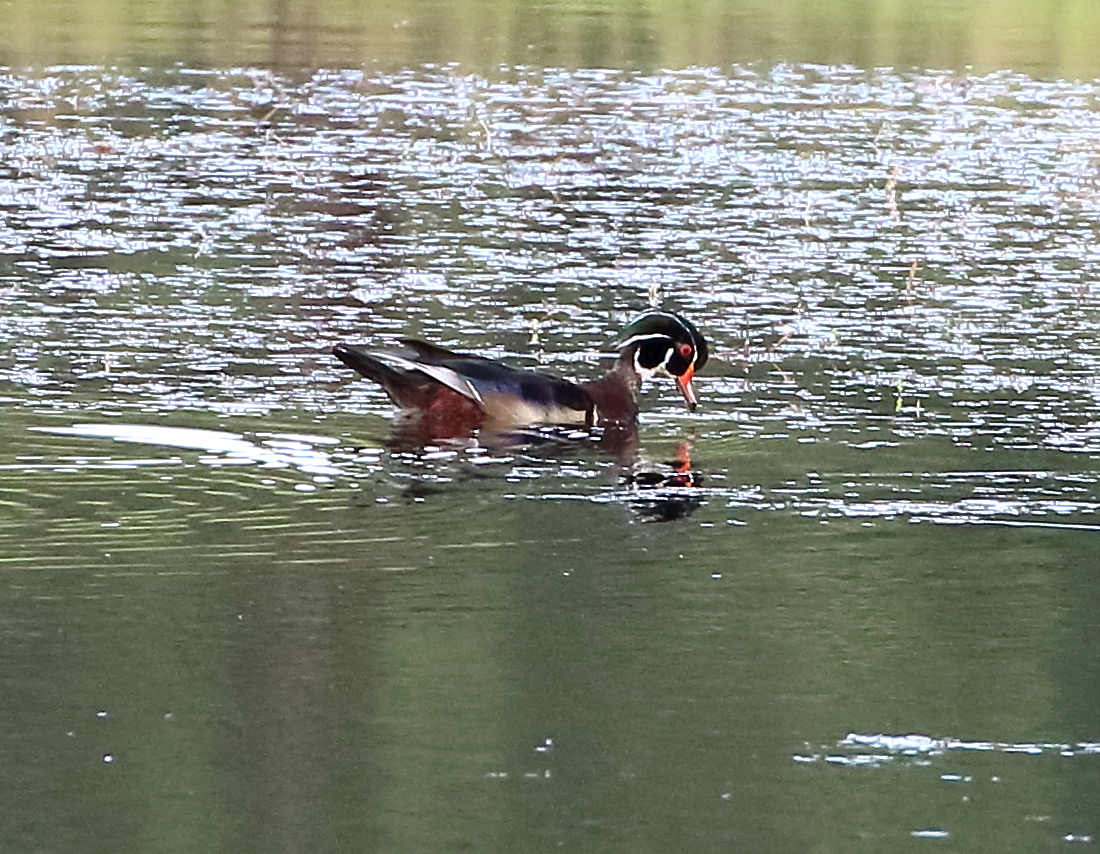
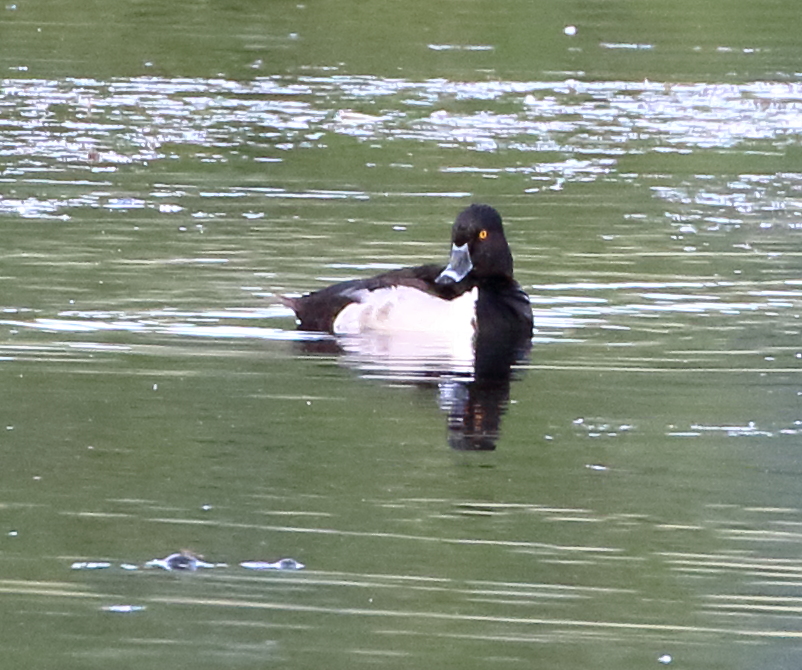
Continuing around to the third hole, I came across several open ponds where I was pleased to see at least seven Wood Ducks, Killdeer, a Spotted Sandpiper, and a pair of Ring-necked Ducks, an unlikely find for the time of year. One of the delights of birding a place that doesn’t get much attention is the frequency of red “unreported” dots that appear on the eBird checklist. The Killdeer were unreported and while I was logging species on eBird, another unreported species, Double-crested Cormorant, flew by. I devoted a good ten minutes to figuring out swallows and quickly noted Tree and Northern Rough-winged. As my binoculars pin-balled back and forth, however, I made another great discovery: Bank Swallows! Braden and I love finding these because they always seem to pop up when we least expect it, and this morning they followed tradition!
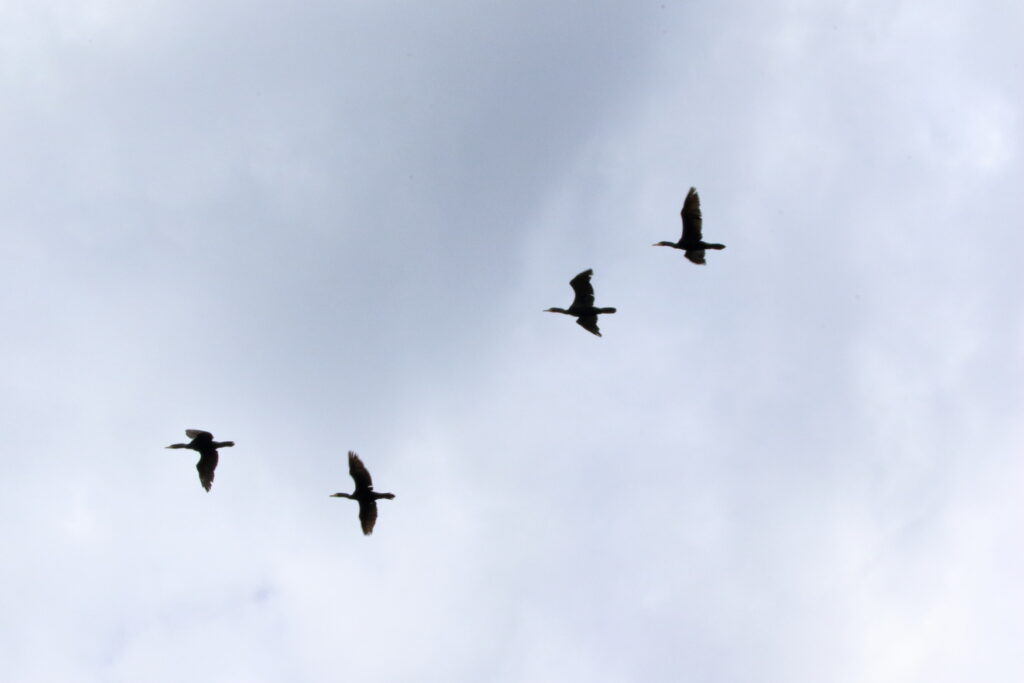
Double-crested Cormorants were one of several species that earned me a coveted red “Unreported” dot on eBird!

The rest of my birding round yielded nothing that will upend the scientific community, but proved mightily enjoyable nonetheless. While talking to the lone golfer out this early in the day, I spotted a gorgeous male Western Tanager. A Bullock’s Oriole also flew by. Over on the pasture side of the course, Eastern Kingbirds abounded and Cliff Swallows replaced the Bank Swallows zooming around me. I finished the day with 33 species—not dramatically more than I had found while actually golfing, but I had savored every tee, fairway, and green.
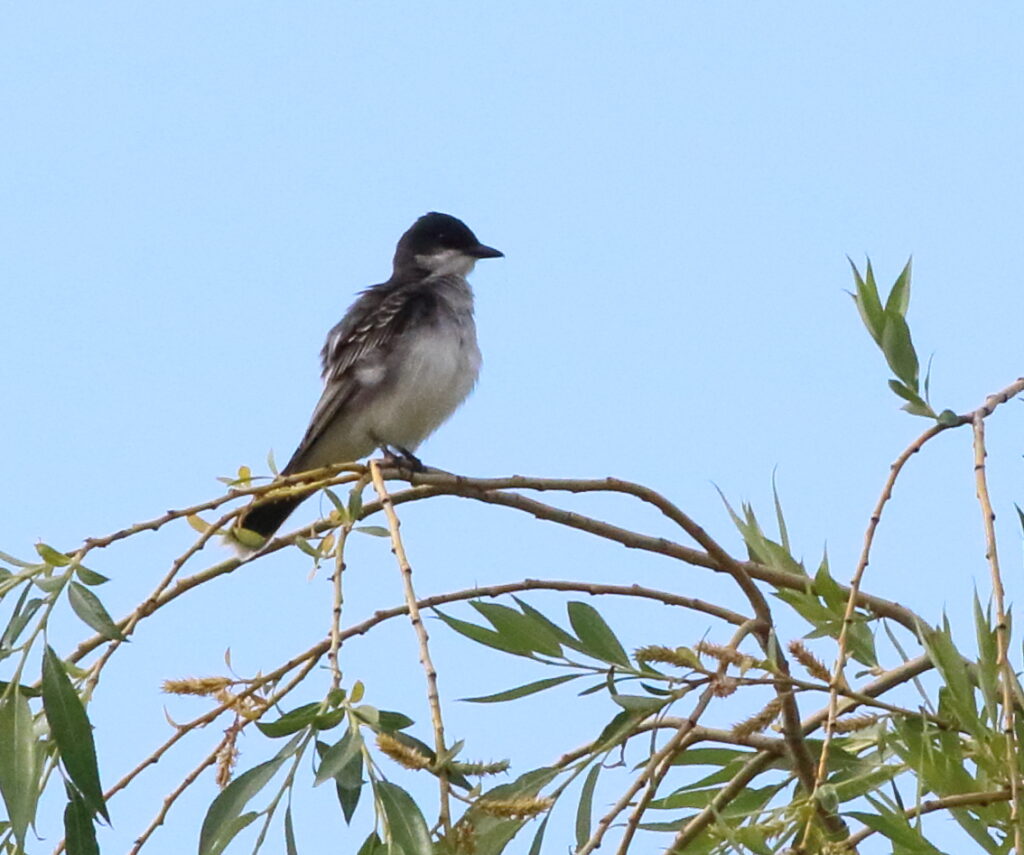
One of the fun things about my round of birding was the number of juveniles about—including this young Eastern Kingbird waiting to be fed by a nearby parent.

Speaking of golfing, I did notice an odd phenomenon while doing the round with my buddy two days earlier. I actually played better than I had in recent memory. It may have been that I had forgotten my bad habits, but I think that the birds actually helped. One of my problems with golf is that I overthink everything. Instead of just hitting the ball, I am telling myself Remember to tuck in your hip as you draw back or Keep that left foot planted and your elbow straight. With half of my mind on birds, I didn’t have time to do that—and hit some of my best shots in years. The lesson? There isn’t one. Just get out there and keep birding, wherever you happen to be.

Note: if you would like to bird your local course, be sure to ask permission—and it obviously wouldn’t hurt if you already golf that course yourself. With the manager, discuss the best time to go out and stay polite even if she/he/they says no. After all, golf courses generally are money-making ventures and they have real customers to take care of. But speaking of that, I can’t help wondering if any particularly birdy courses have considered charging a modest fee to people who would like to bird them? Especially for courses that adopt green practices such as using less water, pesticides, and fertilizers, it might be a great way to earn a bit of extra income while promoting sustainability. Just a thought.
Celebrating Hummingbirds and More in Texas

Believe it or not, I just returned from my first actual birding festival in two years—and it was worth the wait! I was invited to speak at the 33rd annual HummerBird Celebration in Rockport-Fulton, Texas last year when, for covid—not corvid—reasons, organizers were forced to cancel the event. Even as I flew down this year, however, I had little idea what the celebration would be like. I was in for a treat.

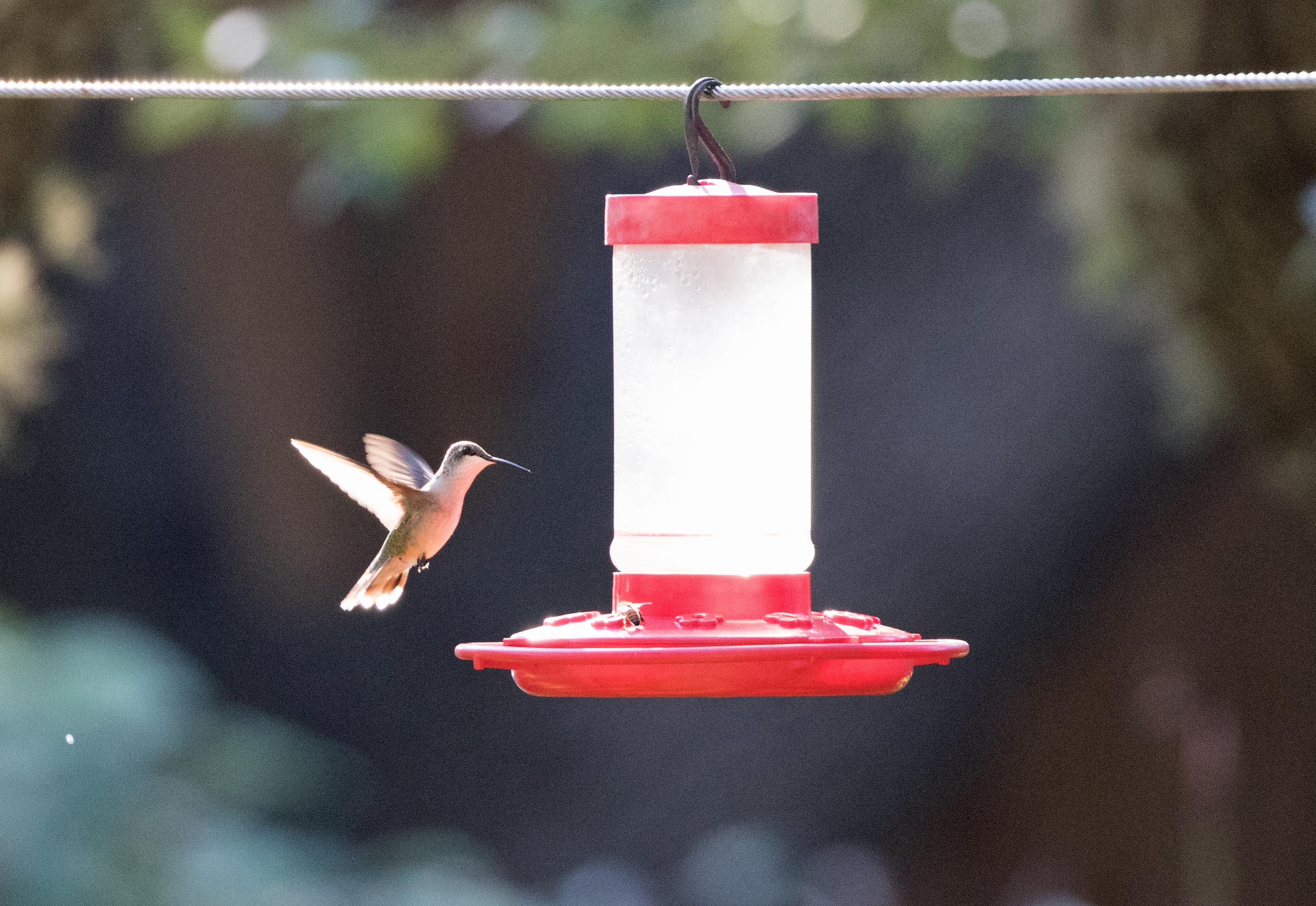
One advantage of having mainly one kind of hummingbird in a region is that it greatly simplifies the almost impossible task of distinguishing female Ruby-throated from female Black-chinned hummingbirds!

The festival is organized by dedicated staff and volunteers at the Rockport-Fulton Chamber of Commerce and the event, as its name suggests, celebrates hummingbirds. “Wait a minute,” some of you may be asking, “aren’t there only three or four species of hummingbirds in eastern Texas in the fall?” Correct. But the event doesn’t focus only on diversity. It celebrates raw numbers, mainly of one species: Ruby-throated Hummingbirds. The entire community joins in, and one of the coolest things about HummerBird is the self-guided tour of houses full of feeders and backyard habitats where participants are encouraged to feast their eyes on a plethora of Ruby-throateds. The festival, though, offers much more.

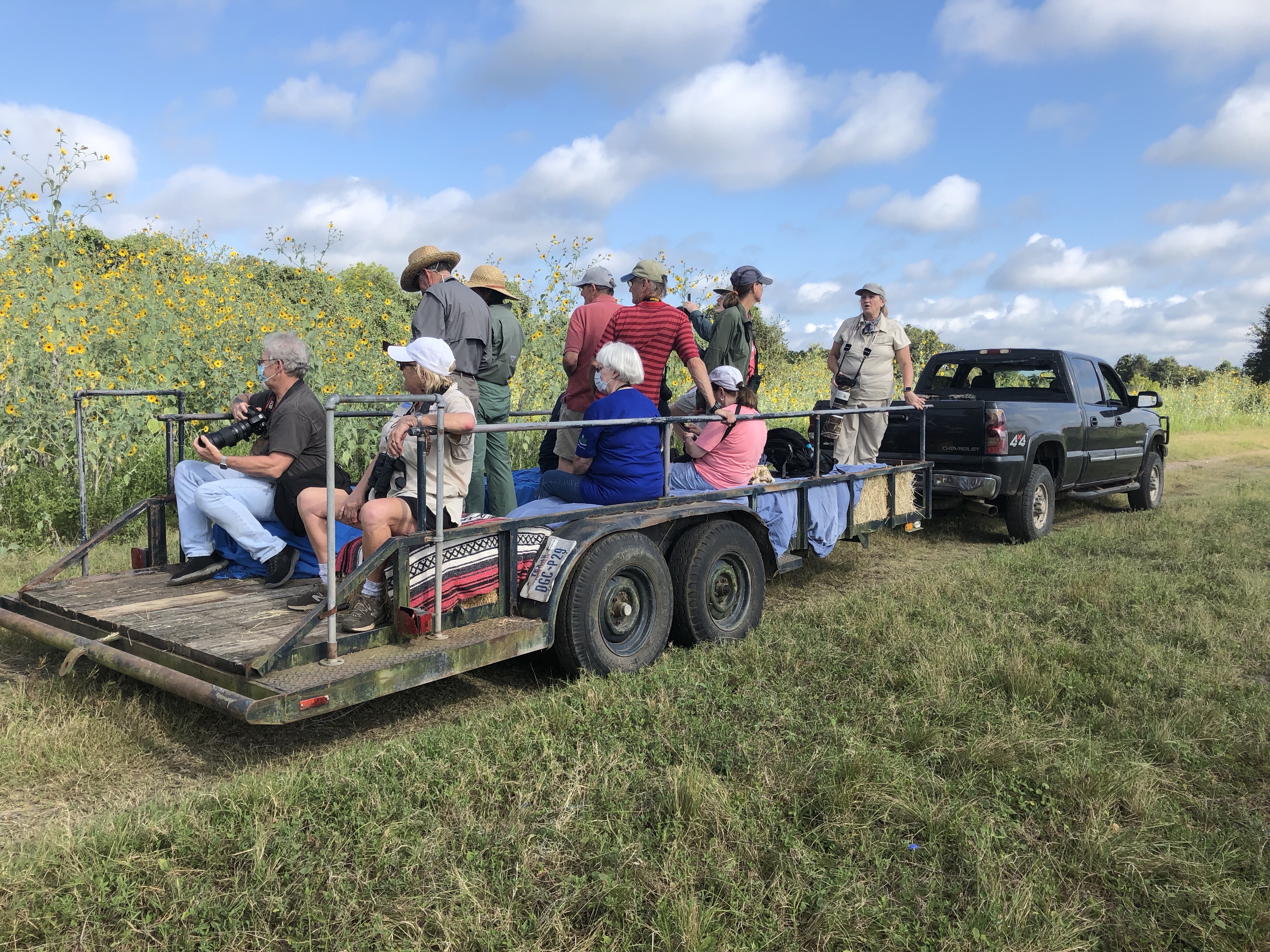
Our hayride around Fennessey Ranch was definitely one of the highlights of my time at HummerBird!

One of my duties as a speaker was to co-lead a four-hour field trip of 40 birders out to Fennessey Ranch, a working ranch that also focuses on conservation and research. After struggling a bit to find the place, we split into two groups and began “hay rides” around the property, looking for as many birds as we could find. Coming from Montana, I discovered that almost every species was a Year Bird for me, but Braden has coached me well over the years, and together with my co-leader, ranch naturalist Sally Crofutt, we identified almost everything we heard and saw. They included some real surprises, including my Lifer Broad-winged Hawk, migrating Anhingas (I didn’t even realize they migrated!), and my find of the day—only my second-ever Blue Grosbeak.

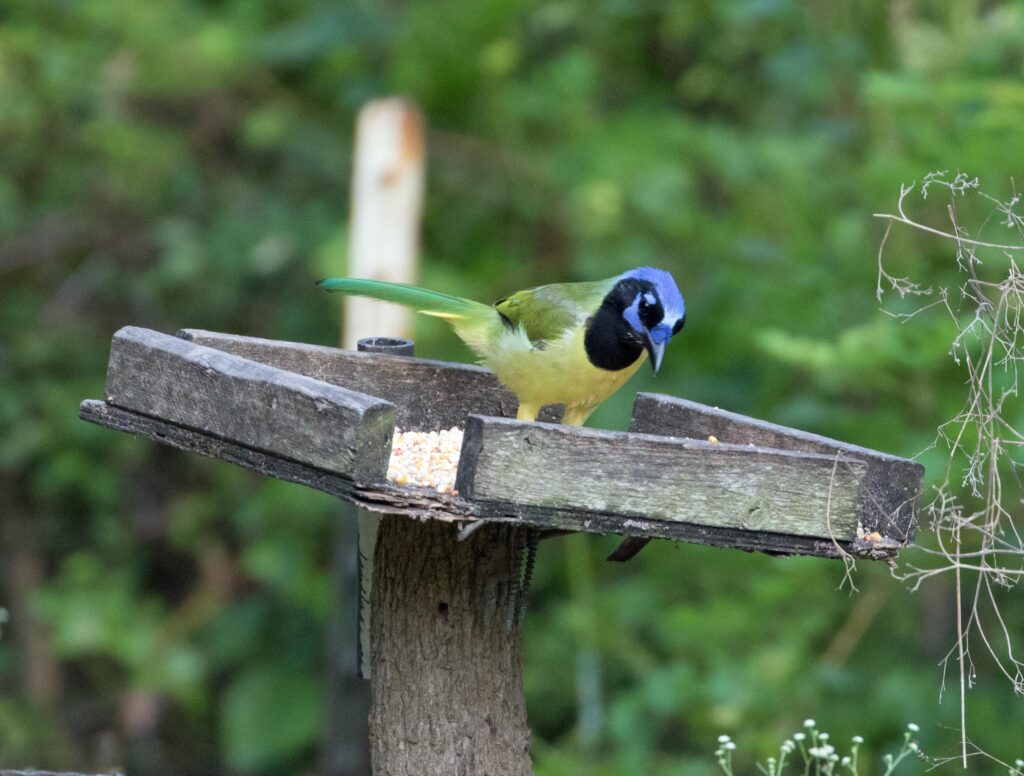
Green Jay was our Fennessey group’s Most Wanted Bird, and this fellow obligingly complied with our wishes!

But the celebration offered much, much more, including:

  • other field trips to Welder Wildlife Refuge and boat trips up to Aransas NWR
  • a fabulous Hummer Mall packed with all kinds of bird-related vendors and demonstrations
  • a host of interesting speakers
  • great birding all along the area’s waterfront
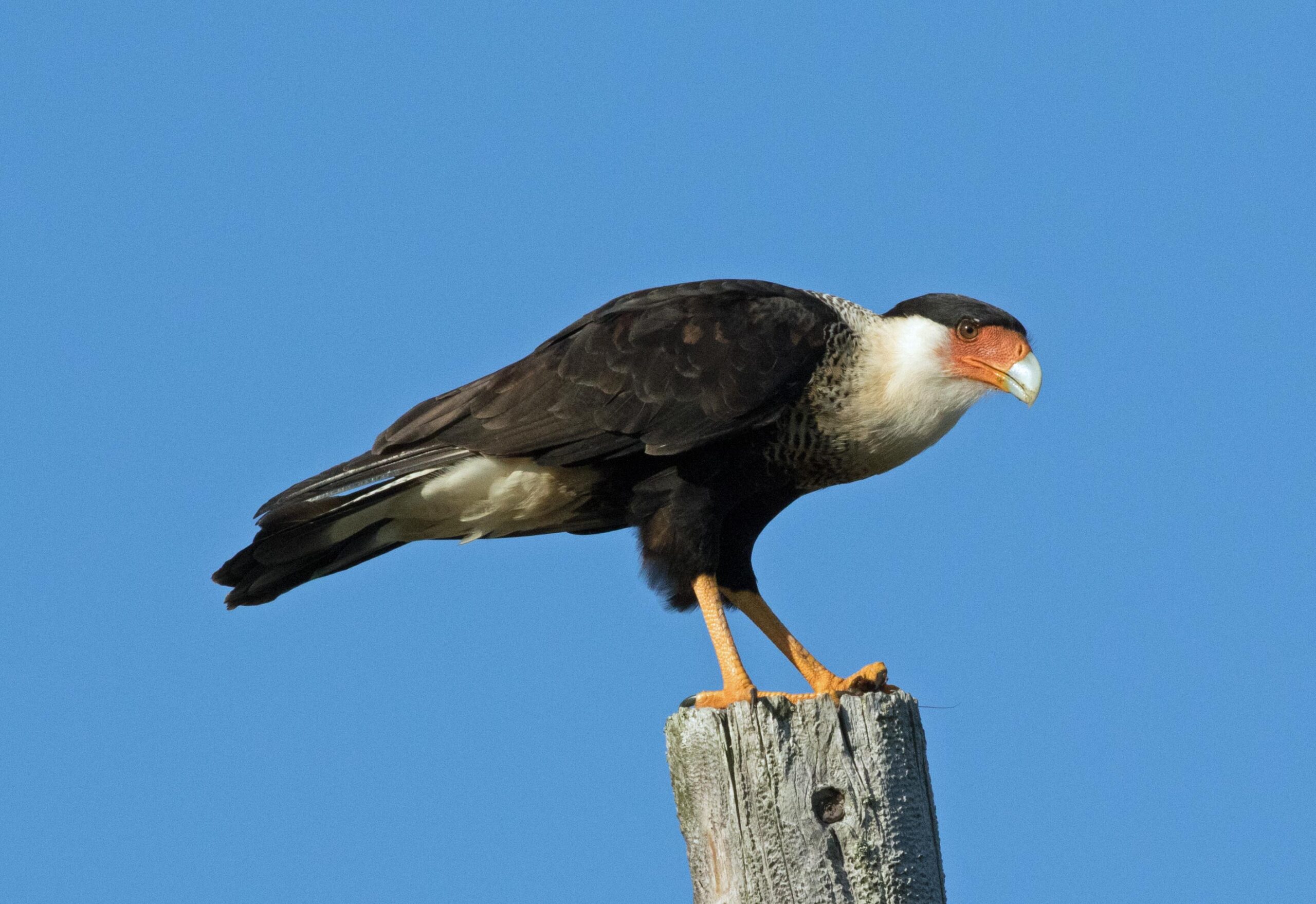
One great thing about HummerBird is that terrific birding surrounded us. I found this cooperative Crested Caracara—along with numerous other species—along the shore just down from my hotel.

Speaking of speakers, I spoke to two enthusiastic audiences about Braden’s and my 2016 Big Year and other adventures, and before one of my talks I had the pleasure of listening to Dawn Hewitt, editor of Bird Watcher’s Digest. She gave wonderful hints on learning bird calls—something I would use almost immediately. I was surprised how well-attended the entire celebration turned out to be, and I headed back north feeling full of positive bird vibes as I prepared to spend a couple of days birding High Island and the Bolivar Peninsula—the subject of my next post(s)!

Birds and Books

As always, we’d be delighted if you share this post with anyone you think might be interested.

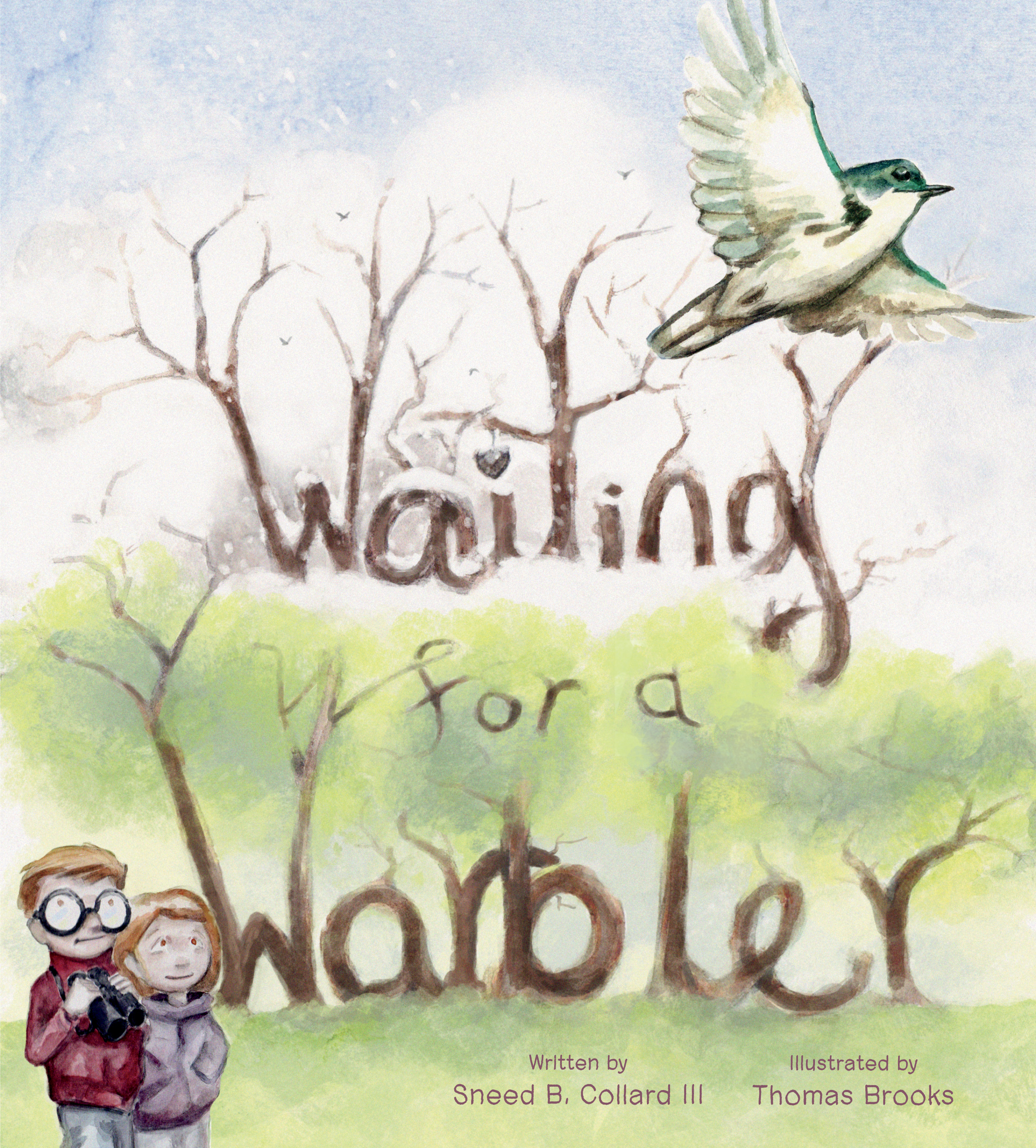
Waiting for a Warbler (Tilbury House, 2021) is my first illustrated picture book in more than a decade. It tells the charming stories of a migrating Cerulean Warbler, and a family that has been improving its backyard habitat for birds. You can order it now by clicking on the image or, better yet, placing a call to your local independent bookstore.

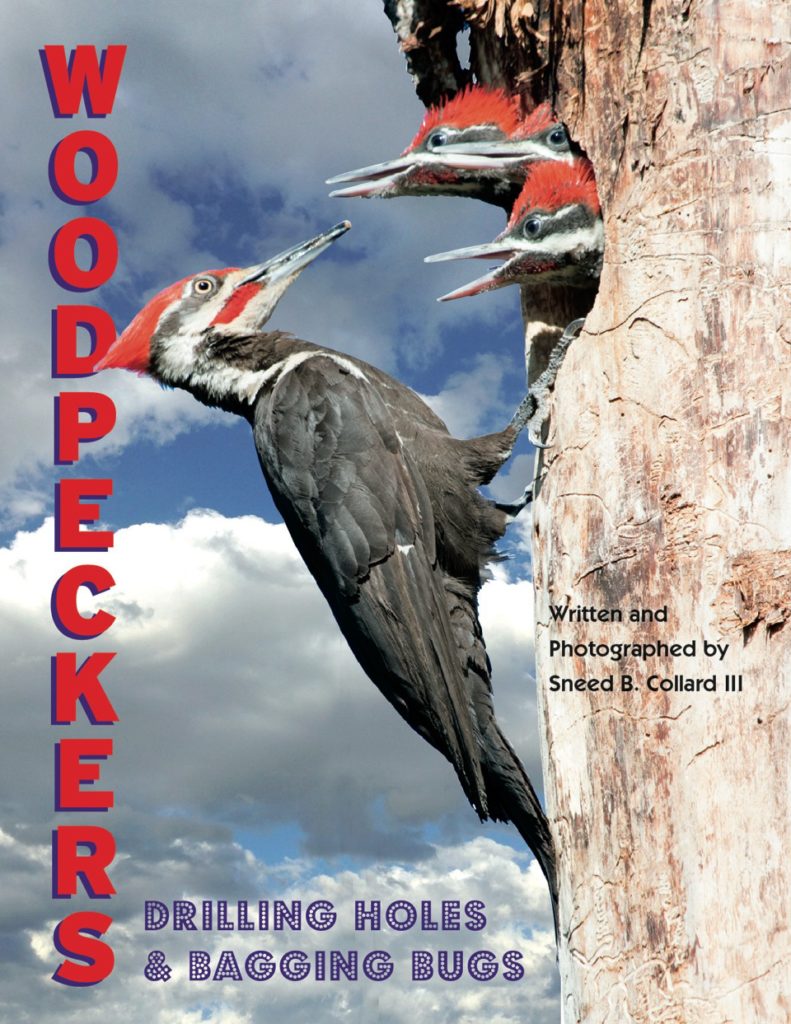
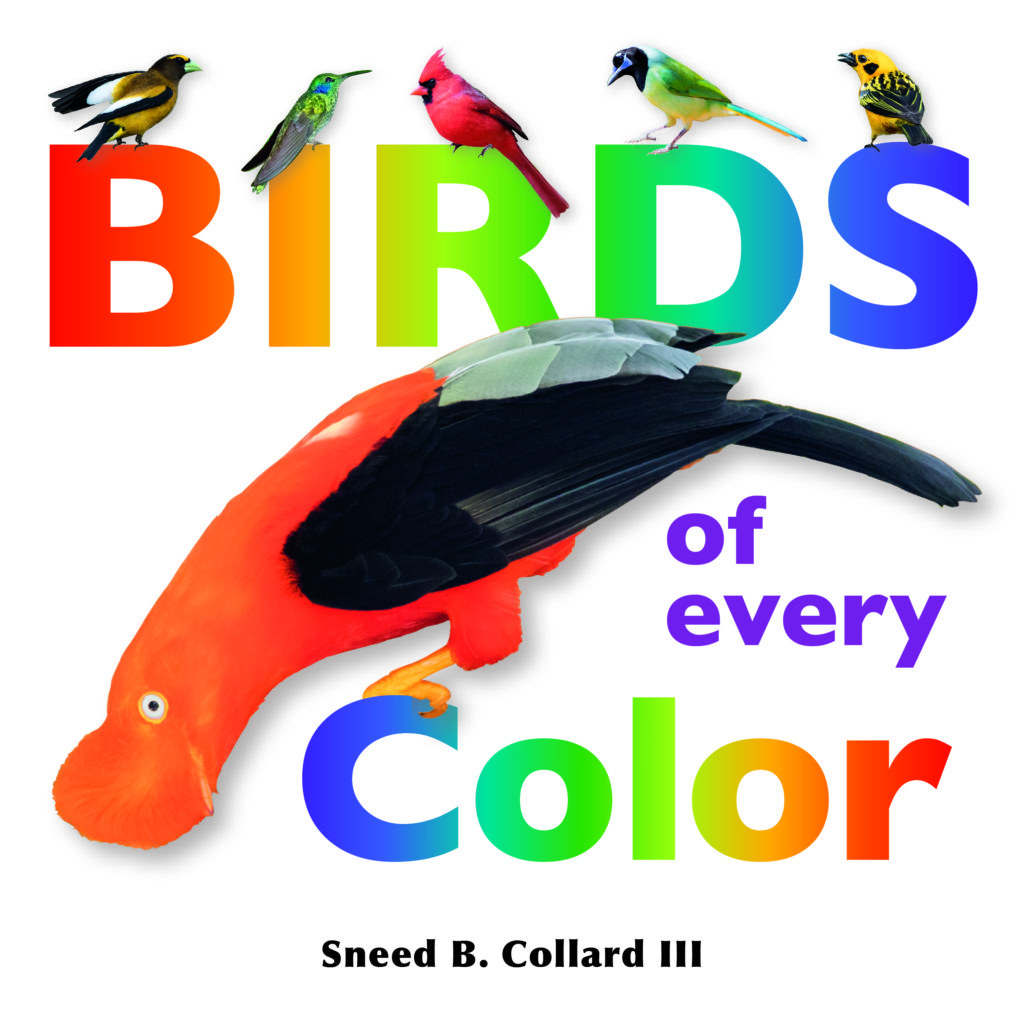
As a writer, birding gives me much more than inspiration. It has granted me a second lease on my career. When Braden and I dived into birding, it was the heart of the Great Recession and, like now, publishers were buying zilch. I was trying different things with mixed results, but felt more or less directionless. Birding changed all that. The more we saw and learned about birds, the more ideas I had to write—ideas that have resulted in adult books and magazine articles, and in my children’s books Fire Birds; Woodpeckers: Drilling Holes & Bagging Bugs; and Birds of Every Color. My newest title, Waiting for a Warbler, has a special history I’d like to share.

The idea to write about warbler migration blossomed in my brain only days after Braden and I visited High Island, Texas during our 2016 Big Year of birding. High Island is what’s called a migrant trap. The shelter and food it provides lures thousands of exhausted, migrating songbirds as they complete their marathon eighteen-hour flights across the Gulf of Mexico. We spent only a day at High Island, but during that time observed more than a dozen kinds of warblers along with tanagers, thrushes, vireos, and many other songbirds, and I was so inspired I quickly wrote down a story and sent it to a publisher who had expressed interest. I heard . . . nothing. No call. No feedback. No offer.

I let the idea sit for a year or so—often a useful thing to do to get perspective on a manuscript—and took another look at it. I realized it read a little stiff and impersonal, and decided to recast it as the story of one individual warbler crossing the Gulf of Mexico. I sent it to a different publisher, who wrote back within a month or two and said that he liked it, but what about working in the idea of a family waiting for the warbler to arrive? It was a great suggestion and I quickly revised the story and sent it off. Two years later, the book has been published!

The book recounts the epic, dangerous journey of a male Cerulean Warbler that runs headlong into a storm halfway across the Gulf of Mexico, but it also focuses on a family that has been working hard to improve its backyard habitat for birds and other wildlife. The two children had glimpsed a Cerulean Warbler the year before, but the bird had not stayed, and they hope to see the bird again this year. I will leave the rest to your imagination—or, better yet, until you read the story for yourselves—but I have to say that I am extremely proud of this book both because of the adventure it shares and the positive role models it offers. The delightful illustrations by Thomas Brooks help make Waiting for a Warbler both a perfect read-aloud and a useful resource for a family or class-room conservation project. Braden and I hope that you all enjoy it, and would be grateful if you share this post with friends, teachers, and others. Bird—and write—on!

The Backyard Jungle

Braden is currently in Iceland, where he is birding with mom and grandparents—and will undoubtedly write some great upcoming posts about that—so I thought this would be a great time to talk about backyard bird habitat.

When we moved into our neighborhood in 2006, we faced a daunting task: transforming our property from a biological desert that had been scraped clean by bulldozers into something that not only looked nice, but provided habitat for native animals and plants. It hasn’t been easy. Aside from the usual tasks of battling weeds and keeping plants alive, we’ve faced a ravenous army of deer that consistently ignore signs that read “Deer-Resistant Plants.” Finally, after twelve years, however, we are enjoying a yard that truly resembles the habitat we set out to create.

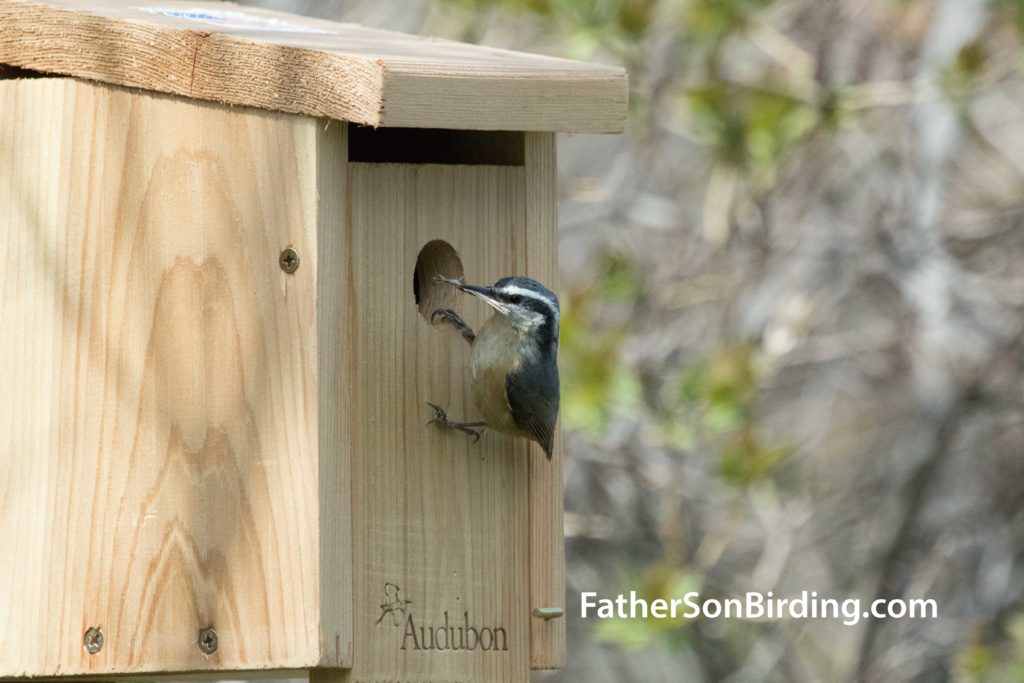
A pair of Red-breasted Nuthatches took immediate advantage of this new bird condo in our messy yard this year. Audubon, I will expect my product placement check soon. (Photo by Sneed B. Collard III)

Food has certainly been a key to our success. Through luck and persistence, we’ve managed to establish a wide variety of plants that provide berries, nectar, seeds, and insects to multiple bird species. Oh yeah, and a backyard sunflower seed feeder doesn’t hurt!

One thing I underestimated when we began is the importance of structure. Sure, we planted trees, some of which have reached twenty feet or more, but we also have an array of buffalo berry, maple sumac, ocean spray, golden currant, and mountain mahogany that have proved extremely “bird popular” for their cover as much as for their food. We’ve also been helped by a row of lilacs along the back fence that were already here when we moved in and serve as a vital launch pad for birds wanting a turn at the feeder.

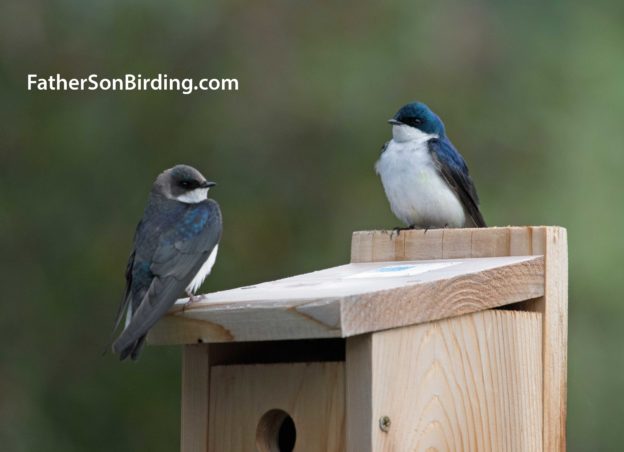
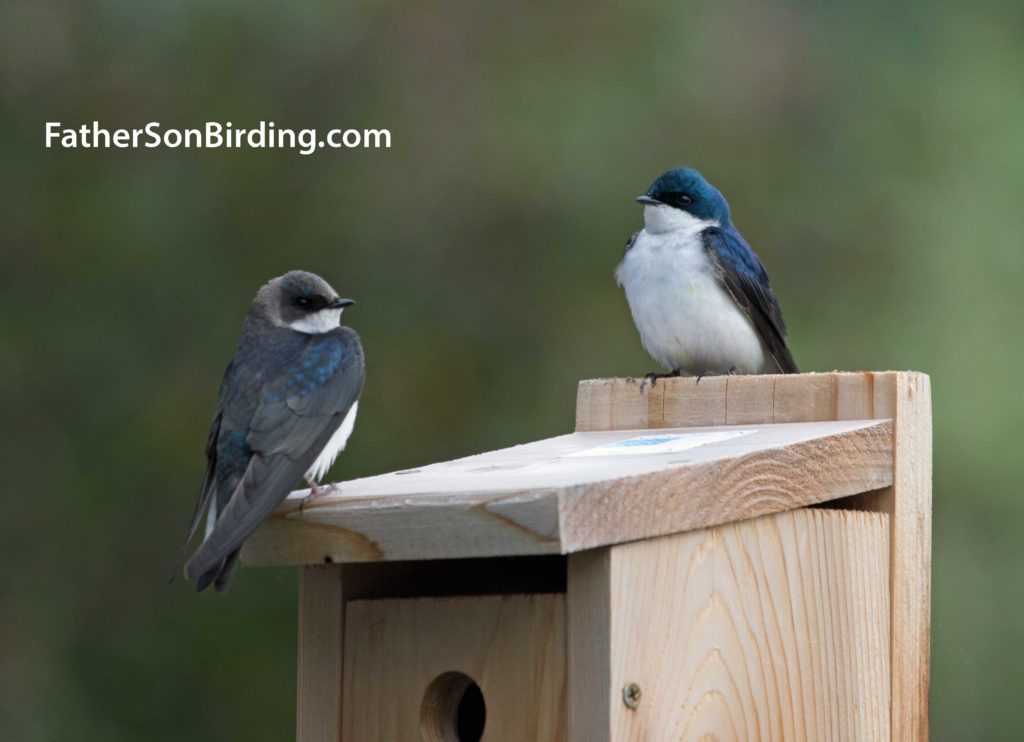
Female to Male Tree Swallow at our front birdhouse: “Hm, honey, I like the neighborhood, but the front door is a little small.” (Photo by Sneed B. Collard III)

One final thing we did just this year is put in two chickadee houses. Within days, one had been staked out by Black-capped Chickadees and the other by Red-breasted Nuthatches. For further fun, Violet-green Swallows nest under our eaves while a surprise robin pair has raised a family in a bordering fir tree. We believe that a Song Sparrow pair has also successfully raised chicks, but we’re not sure where!

The end result is that this year has seen an explosion of birds around our house—more than forty species to date, shattering our previous record. The most common residents have been the nesting birds, Evening Grosbeaks, Cassin’s Finches, Song Sparrows, Cedar Waxwings, Pygmy Nuthatches, Flickers, and yes, those pesky House Finches and House Sparrows. We’ve also made sightings of Pileated and Hairy Woodpeckers (thanks to the ponderosa pines behind the house), Common Nighthawks, American Goldfinches, Western Wood Pewees, and Rufous Hummingbirds.

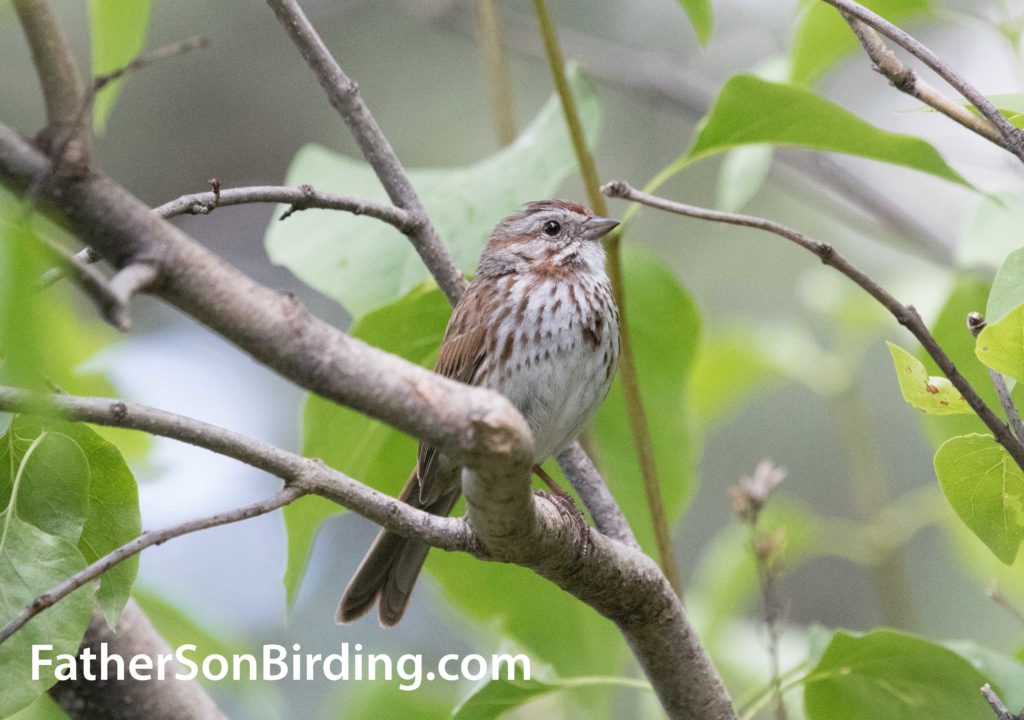
One of this year’s delights has been the daily appearance of our first, apparently resident, Song Sparrows. (Photo by Sneed B. Collard III)

Sadly, few of our neighbors have followed our example in creating habitat, most sticking with pointless lawns and non-native shrubbery that is virtually useless to native animals. I like to hope, though, that our “messy” yard of diverse and unruly plants inspires at least the occasional passerby to boldly go where traditional landscape companies fear to tread. After all, those of us lucky enough to own a home with a yard have a responsibility to give back to the plants and animals that our extravagant human “nests” have displaced.