Tag Archives: Habitat Restoration

How Flowers Made Our World (FSB Book Review)

Today, we’re pleased to present a book that is sure to transform your understanding of plants and their relationship to birds. I am just as pleased, however, to present my new website, www.sneedbcollardiii.com. Some of you probably know that for the past few years, I have devoted more of my writing efforts to writing for adults, and my new website reflects that evolution. Designed by wonderful web designer and birder Thomas Kallmeyer (tarns.net), the new site reflects an elegant simplicity that I just love. If you miss the old content, don’t worry. A button will lead you to it. With that, we present today’s review!

I’ve been studying biology and the environment for almost half a century, and the more I learn, the more I recognize that plants are the key to saving not only birds and other wildlife, but humanity. David George Haskell’s remarkable book How Flowers Made Our World brings that awareness sharply into focus.
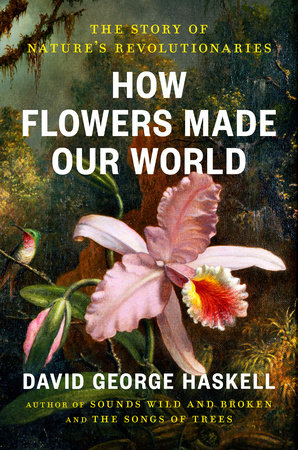
How Flowers Made Our World (Viking, 2026)

Plants are a sweeping subject—enough to fill libraries—but Haskell breaks down the topic in an approachable fashion, targeting chapters on specific plants as a basis for broader discussions. The chapter titled Magnolia, for instance, introduces the overall strategies of beauty, scent, and sex that flowering plants use to attract pollinators and ensure reproduction. At the far end of the book, he uses his chapter Pansy to highlight how ornamental plant breeding and the use of pesticides have robbed our gardens of their ecological vitality and ability to support insects, birds, and other wildlife.
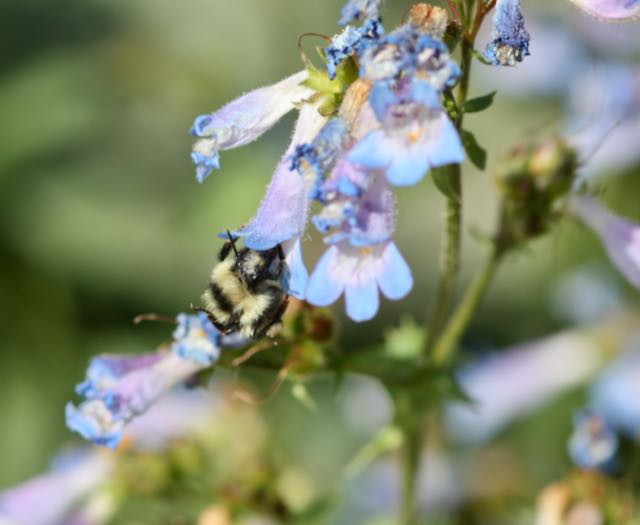
In captivating prose, Haskell peels back the complex relationship between pollinators and the plants that manipulate them.

In between these bookends lie a treasure of other topics. Two of my favorite chapters are Grass and Seagrass—not because I find either plant group particularly attractive but because their subjects are so darned interesting. Neither leaps to mind when someone mentions the words flowering plant, but they are both titans among the group. Human civilization, of course, never would have flourished without the cultivation of grasses, but Haskell reminds us just how much we owe them. Today, rice, maize, and wheat supply the world with two-thirds of our food calories. Left to prosper native grasses are among the world’s greatest soil builders and serve as the basis for mind-boggling ecological communities, including North America’s most threatened avian group, grassland birds. Oh, and grasslands have unprecedented abilities to pull carbon out of the atmosphere and sequester it where it can’t keep heating the planet.
For humans, restoring grasslands that have been lost to industrial agriculture could be a key to surviving climate change.

As for seagrasses, these hardy souls acquired mind-blowing adaptations that allowed them to invade the ocean from land. They may be the closest things we have to superheroes when it comes to protecting coastlines, preserving marine biodiversity, and—like terrestrial grasses—sequestering the carbon that is driving climate change. Haskell highlights inspirational projects in Scotland and Virginia in which humans are restoring seagrass beds with terrific results. Seagrasses, in fact, may become one of our most important allies in stabilizing shorelines as sea levels continue to rise. They also provide essential homes and nutrition to a vast web of marine life, from crabs and shrimp to fish and sea turtles.
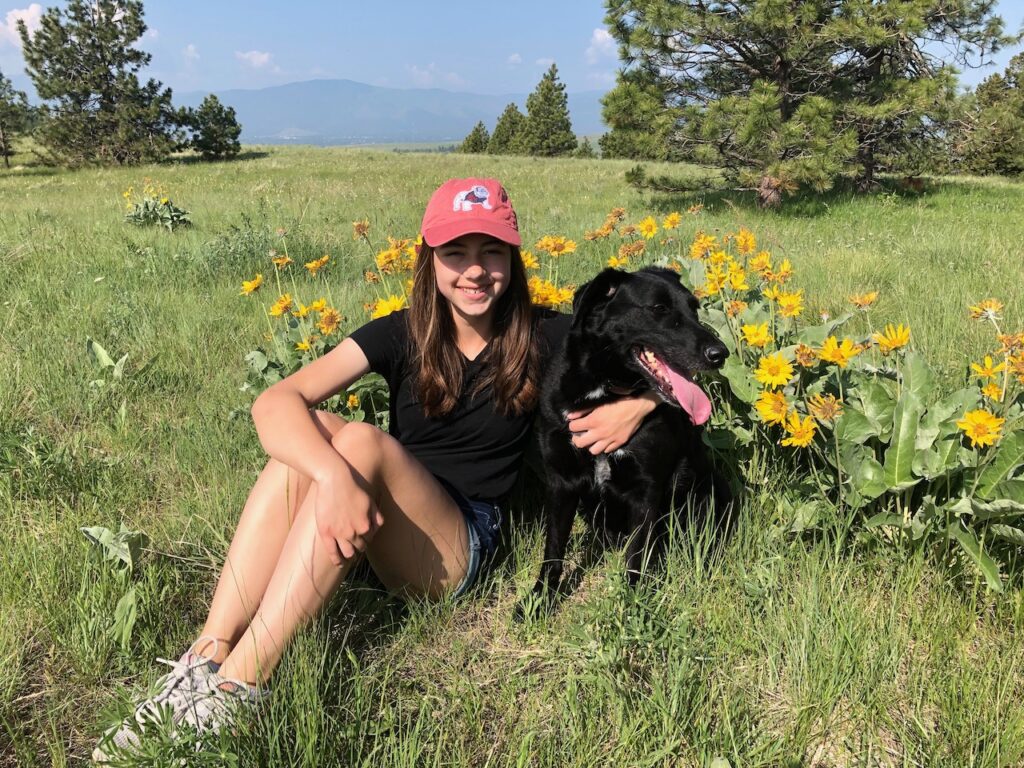
Beyond the important functions they serve in making Earth inhabitable, flowering plants bring us joy beyond measure—sometimes with the help of a good dog!

Haskell’s final chapters sound the alarm on industrial agriculture and the unprecedented use of pesticides that are devastating insect populations and native plants alike. This is not simply a matter of protecting biodiversity, but of keeping the ecological building blocks in place that will allow us to survive in a rapidly changing world. He doesn’t ignore our own role in turning things around, either. Anyone with a yard can make a huge contribution by halting the use of pesticides and replacing sterile lawns and ornamentals with native plants that sustain the lives of insects and other animals (see our post Turning Useless Lawn into Vital Habitat). Although birds are given relatively minor mention in the book, by the time you finish reading it you won’t have any doubt that the fate of birds, insects, and flowering plants are inextricably linked.
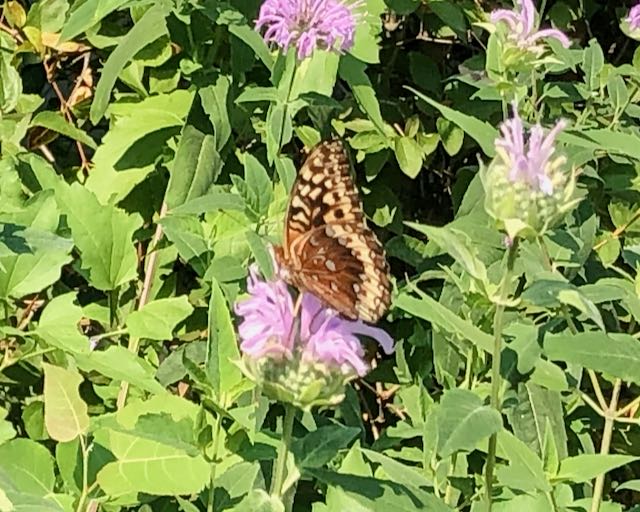
Given half a chance, both native plants and animals can rebound, as we’ve seen in the native plantings that surround our own house.

Beyond all its other wonderful attributes, I have to applaud this book for one final thing: it revealed the identities of two “weeds” I have always wondered about in and around my house—goatsbeard and bittercress. If that isn’t a bonus, I don’t know what is!

Order Here.

Review copy provided by the publisher.

This review is written and photographed entirely by REAL PEOPLE and we received no compensation for writing it—even if you order a copy with the above links.
Sea of Grass (Book Review)

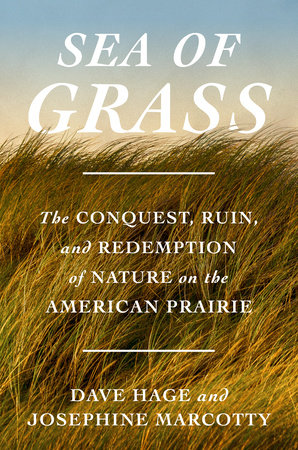
This week, I’m pleased to announce that I’ve agreed on terms for a new book project with Mountaineers Books, publisher of my books Warblers & Woodpeckers: A Father-Son Big Year of Birding and Birding for Boomers—And Everyone Else Brave Enough to Embrace the World’s Most Rewarding and Frustrating Activity. My new book, scheduled for release in 2028, emerged from the epic birding trip Braden and I took through eastern Montana last summer, and focuses especially on the shortgrass prairie and birds that live there. As is so often the case, I am not the only author to be thinking about this remarkable, highly threatened landscape. Witness the new release, Sea of Grass: The Conquest, Ruin, and Redemption of Nature on the American Prairie (Random House, 2025).

Sea of Grass is required reading for anyone interested in prairie birds and their futures.

In Sea of Grass, authors Dave Hage and Josephine Marcotty have created an impressive work that covers the entire sweep of human understanding and conquest of the American prairie. The authors set the stage by giving us solid background on the richness and diversity of North American grasslands. They recount the geological and climatological conditions that created our great prairies. They give us a glimpse of the remarkable number of species that live both above and below ground, comparing our grasslands favorably to the biodiversity of rainforests and coral reefs. They also explain the incredible amount of carbon that these natural systems sequester.

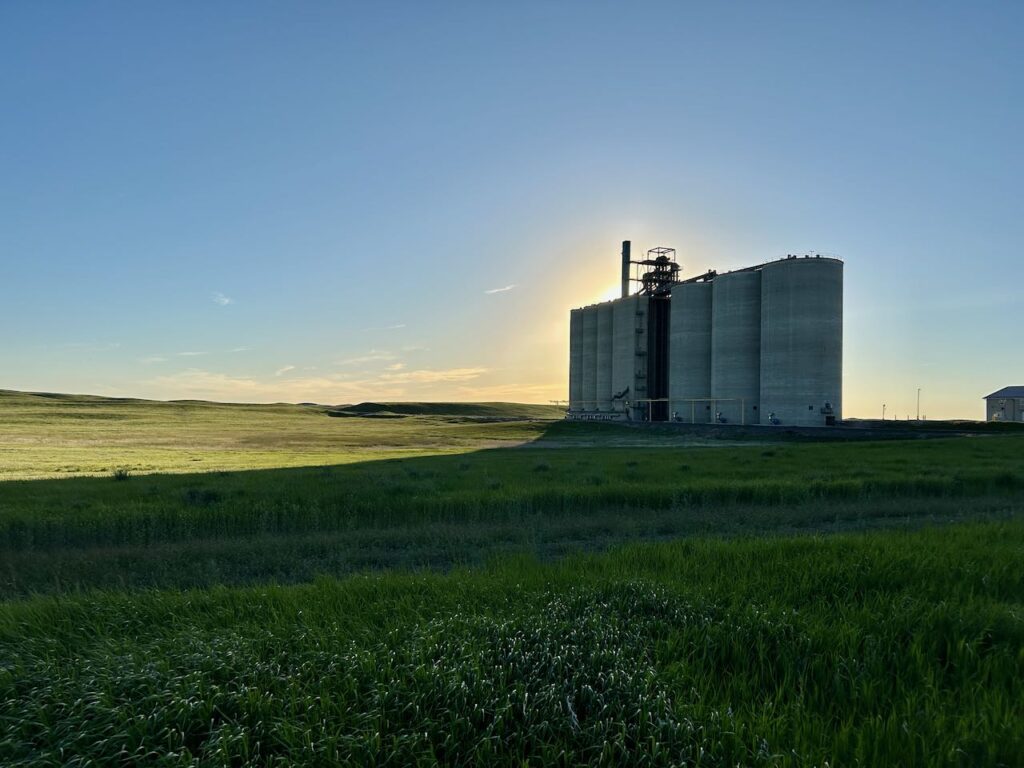
Grain elevators stand as scenic symbols of the Midwest economy—and of continuing threats to our remaining shortgrass prairie.

What really stands out in the book are the chapters documenting the breathtaking exploitation and destruction of tallgrass prairie, and how technology has managed both to raise agricultural production and create almost unimaginable environmental problems. Even as someone who has followed environmental issues all of my life, I learned an astonishing amount. Have you ever heard of tile drainage? I hadn’t, but it is a drainage system that not only allows farmers to raise abundant crops on otherwise unsuitable land, but mightily contributes to funneling harmful fertilizers and pesticides into rivers, lakes, wells, and other water sources throughout the Midwest. Scientists have established clear links between agricultural practices and the enormous dead zones that occur every year in the Gulf of Mexico. Meanwhile, hundreds of cities such as Des Moines have to spend millions—probably billions—of dollars to try to remove harmful fertilizer residues from drinking water supplies.

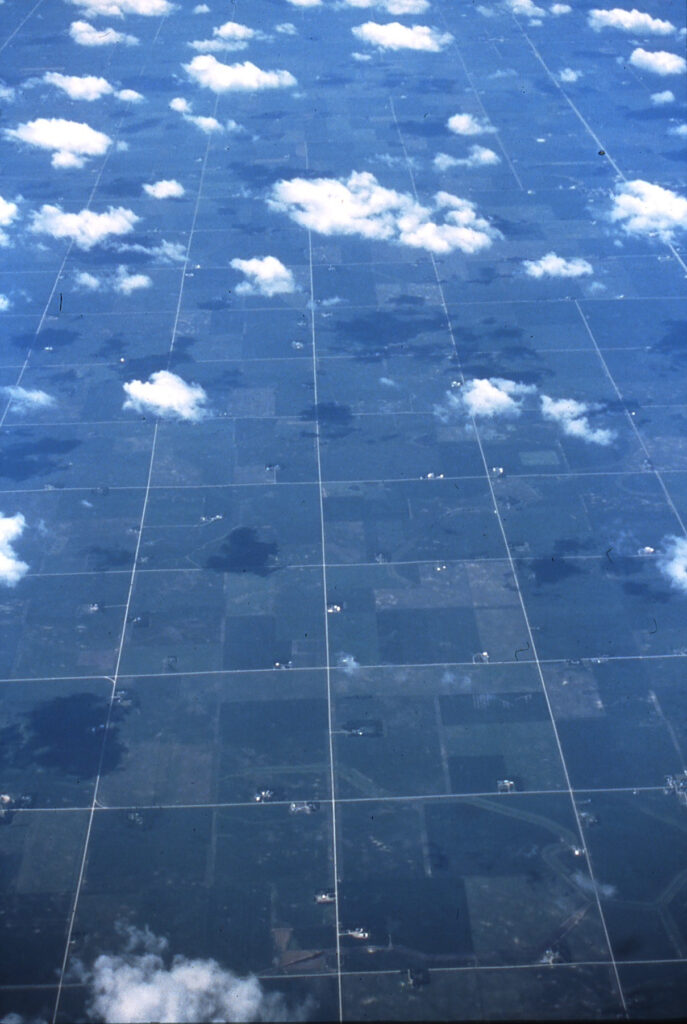
The authors explain that while Iowa and other Midwest states have lost virtually all of their original tallgrass prairie to agricultural conversion, the arid nature of the shortgrass prairie traditionally rendered it unsuitable for growing crops. Instead, cattle was king on these lands—including much of the Dakotas, Montana, and Wyoming. Alas, genetic engineering and other technologies have now opened up these fragile, dry lands to farming. I had thought that the great era of prairie conversion had ended, but in the US we are now losing more than one million grassland acres to the plow every year.

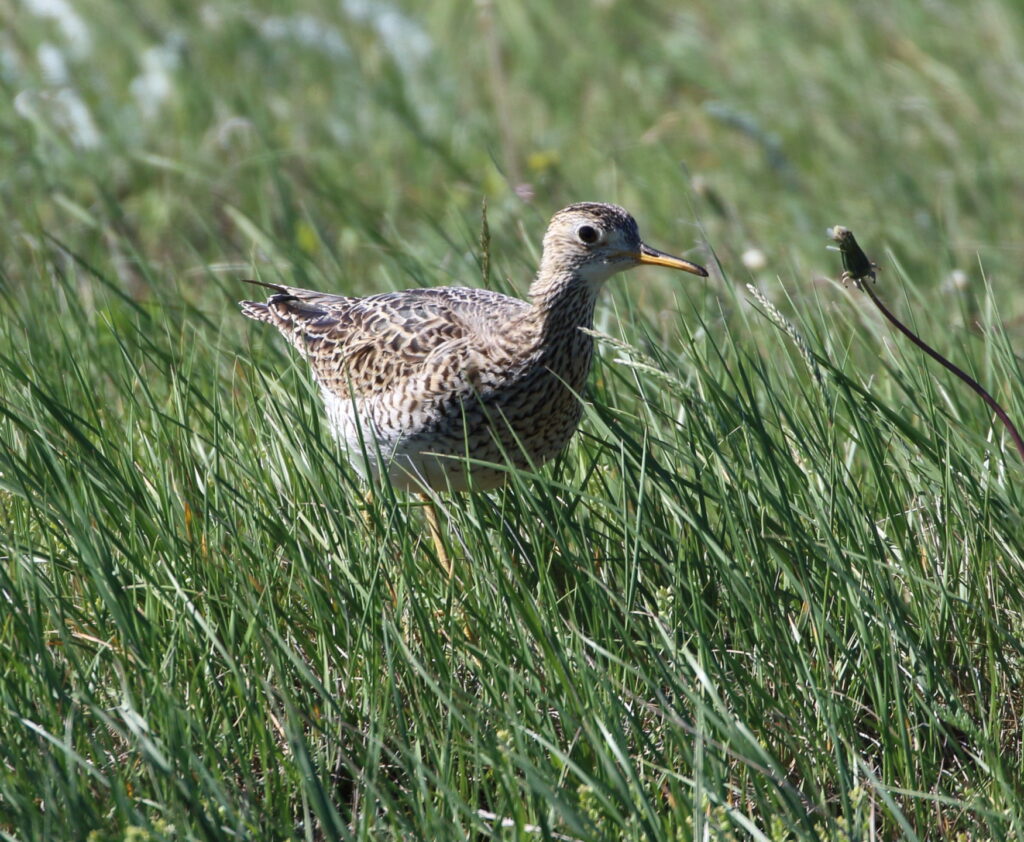
The loss of more than a million acres of shortgrass prairie to farming each year not only threatens grassland birds like this Upland Sandpiper, but an ecosystem with a diversity rivaling that of tropical forests and coral reefs.

For anyone who cares about the incredible diversity found in these grasslands—including its remarkable suite of grassland birds—this is horrible news indeed. It also sheds a positive light on the importance of sustainable cattle ranching and “keeping grass in grass,” as one Montana biologist puts it. What makes the situation especially frustrating is that conversion of grasslands to cropland isn’t primarily driven by demand for food, but by billions of dollars of tax breaks, mandates, and other government subsidies for growing corn to produce ethanol. These subsidies arose from efforts to help America achieve energy independence. Instead, they have helped create a system that continues to destroy natural ecosystems while creating immense quantities of a product that we simply don’t need (see, for instance, this report from Wisconsin). Unfortunately, by driving up corn prices, the ethanol boondoggle has made many corn growers extremely wealthy and politically powerful, almost eliminating the possibility of rolling back this pork barrel waste of taxpayer dollars.

99% of Iowa’s tallgrass prairie was lost to agricultural conversion. Today, wasteful government farm subsidies for ethanol help drive the rapid loss of shortgrass prairie in Montana and other states.

Fortunately, the authors don’t leave us with a totally grim outlook for America’s remaining grasslands. Throughout the book, but especially in the final section, the authors detail a number of small-scale efforts to protect and restore grasslands as well as to reduce the incredible environmental costs of modern-day agricultural methods. In Montana, these range from the creation of American Prairie to the practice of rotational cattle grazing to tribal and ranching successes reintroducing bison back onto the landscape. I don’t want to reveal too much, but I’m confident you’ll find these and other efforts as fascinating and hopeful as I have.

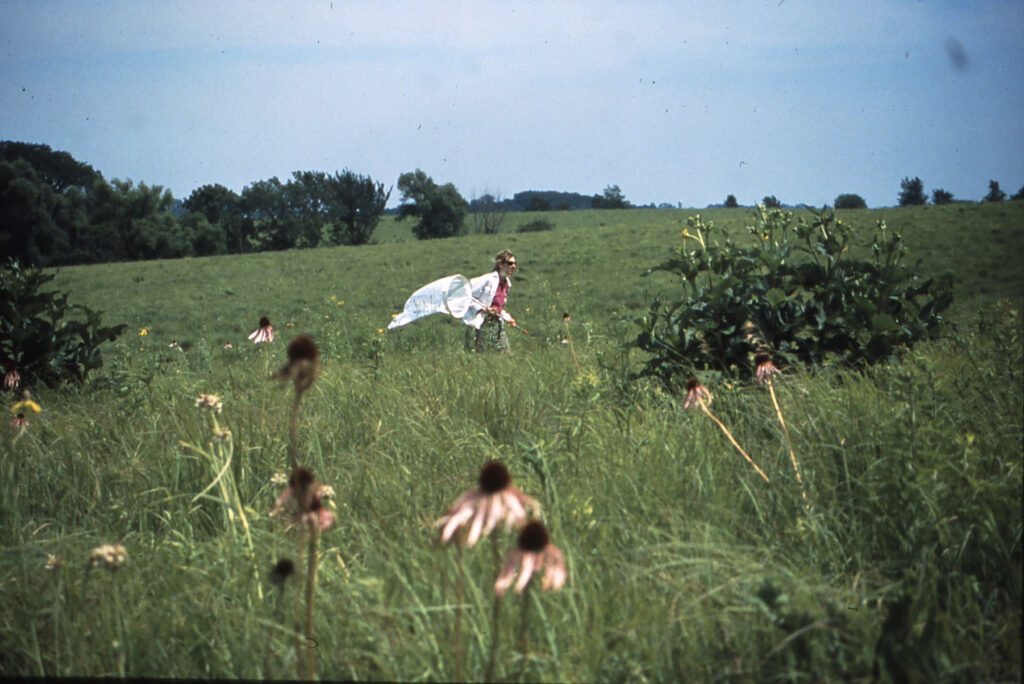
Scientist Diane Debinski searching for rare butterflies at Iowa’s Neal Smith National Wildlife Refuge, one of a handful of projects to restore tallgrass prairie habitat. This project was the subject of my 2005 book, The Prairie Builders.

Although it gives fairly brief coverage to grassland birds, if you care about grassland birds—not to mention bison and grassland ecosystems in general—Sea of Grass is absolutely required reading. Especially if you live in or near the Great Plains, it provides vital insights into the huge economic and cultural forces at work in our region. As a bonus, the authors’ clean, entertaining writing style help make this one of the most worthwhile books you are likely to crack open this year.

Summary: A fascinating crash course on the biological, economic, and cultural history of America’s grasslands and the growing efforts to protect what’s left of these remarkable ecosystems.