Category Archives: Warblers

Quarrying Species: Birding Therapy Day Six

Enjoy these posts? Please share and subscribe using the box down below and on the right.

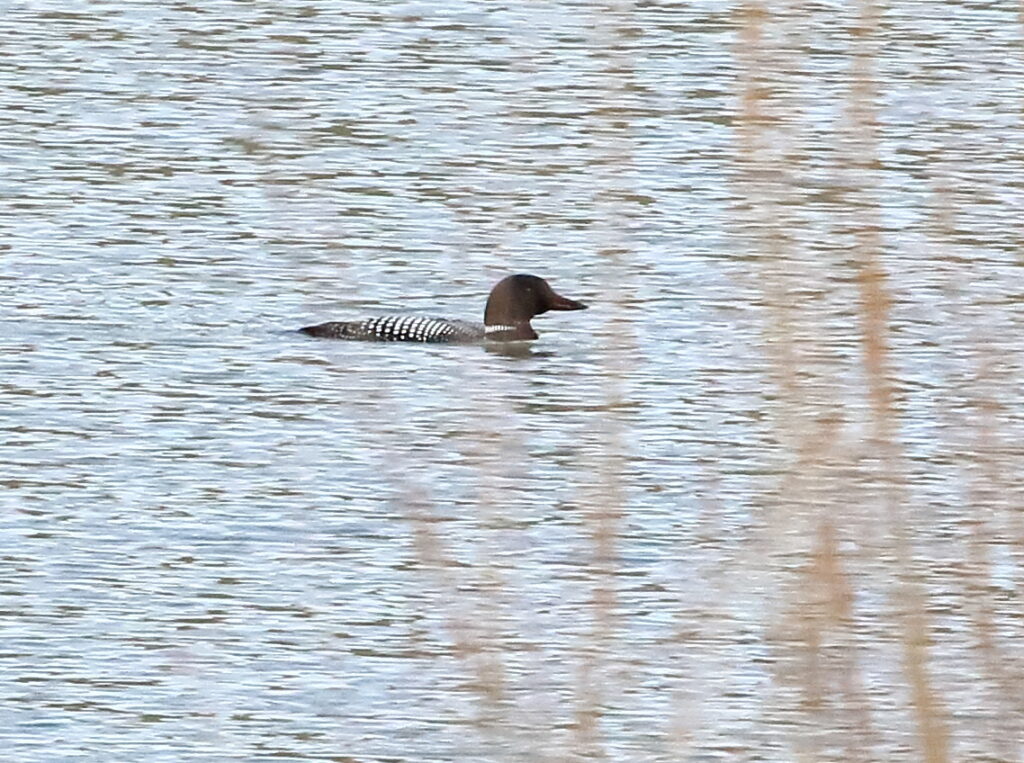
Saturday, Day 6 of my Birding Therapy Week, I arrived at Fort Missoula at 7:45 a.m. with my daughter for the first of her two soccer games that day. While she warmed up with her team, I took Lola back over to the gravel quarry hoping to catch some magical morning birding. I didn’t have to wait long to kick off a great session. Even before leaving the soccer fields parking lot, my first Barn Swallow of the year flew past me, and once I reached my first stop at the northward quarry pond, I found myself struggling to keep up with all of the species I saw and heard. On the ponds themselves, I ID’ed eight species of ducks, Canada Geese, a Horned Grebe, and a Common Loon—perhaps the same one I’d seen two days before.

I had to play hide-and-seek with this loon even to get this poor shot, but I didn’t mind. Was just thrilled it stopped by the quarry on its way to its breeding grounds.

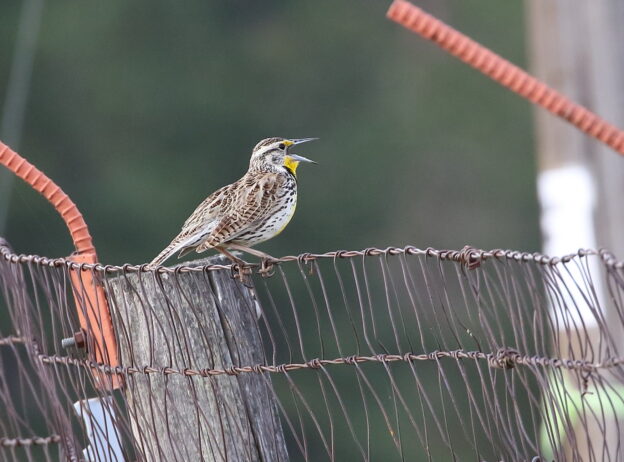
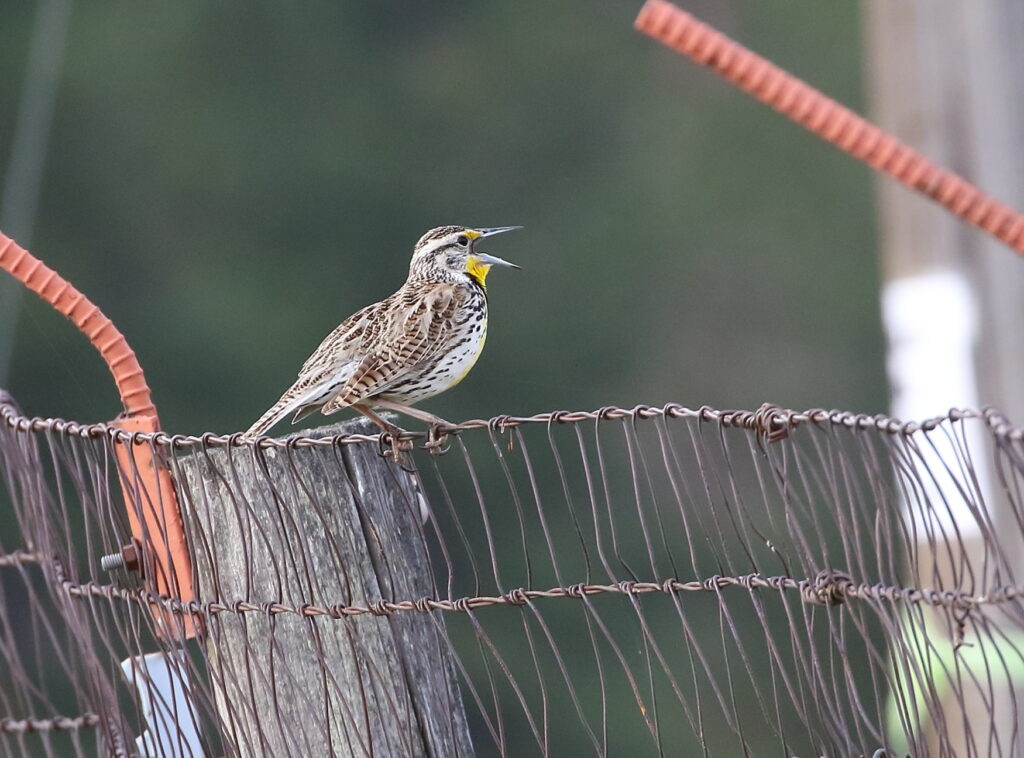
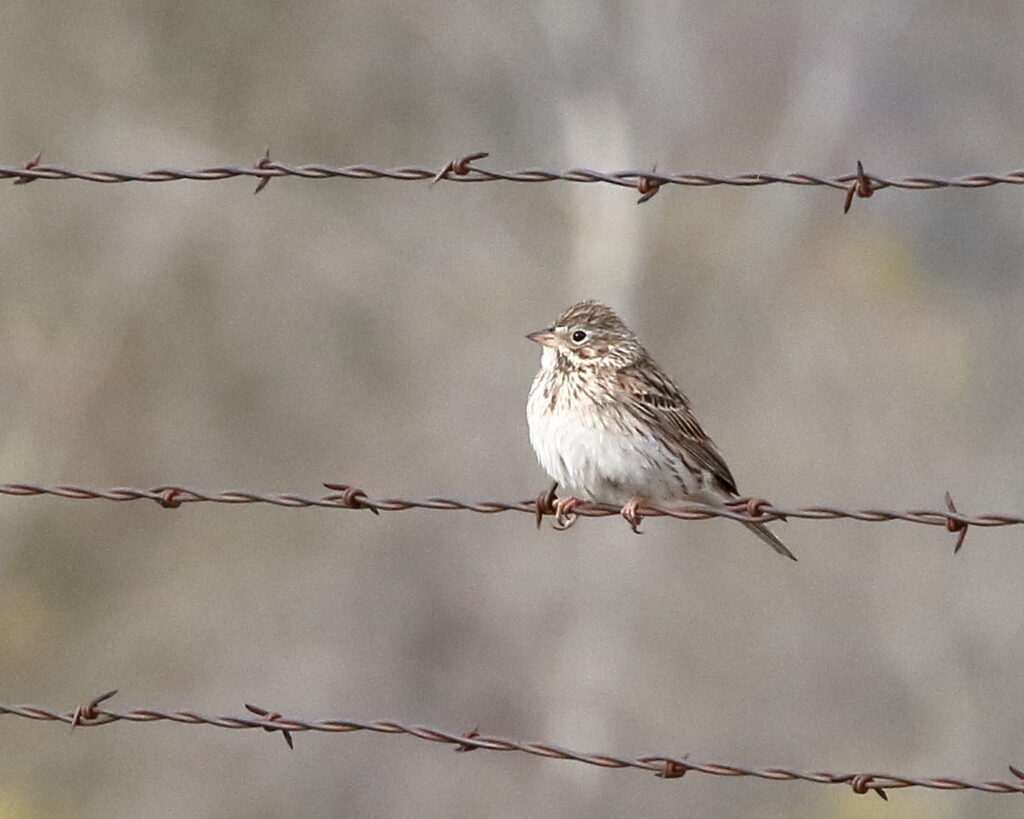
As I walked along the fence line, a sparrow popped up with a bold face pattern and pale “moustache”—the year’s first Vesper’s Sparrow! Nearby landed a Savannah Sparrow while a Western Meadowlark serenaded us. At the cliff edge above the river, Northern Roughed-Winged and Tree Swallows swarmed while a Red-tailed Hawk, Osprey, and Great Blue Heron sauntered by.

Meadowlarks always make me pause to ooh and ah, especially when they perch and sing in full view!

The hits kept on coming: two Red-naped Sapsuckers, a pair of Wood Ducks flushing from beside the river, a Yellow-rumped Warbler. As before, I made a special effort to find unusual sparrows. In one of our favorite spots, I located a couple of White-crowneds and then I saw something that really got my heart thumping: a bold bird with a peaked crown and distinct gray and brown facial lines. Even more exciting, I thought I detected a bit of yellow on the sides of the breasts—sure signs of a Lincoln’s Sparrow. Unfortunately, the bird was facing away from me and I was just moving in for a better look when two good-natured women walked up behind me and loudly shouted “Good morning!” I turned around and smiled, putting my finger to my lips, but it was too late. The sparrow fled.

Sigh.

Still, it was an amazing morning, with 36 species and delightful experiences. Even better, my daughter’s team won her soccer game. I’ll get you next time, Mr. Lincoln.

Here is my complete checklist: https://ebird.org/checklist/S86803129

I missed the Lincoln’s Sparrow, but was delighted to find my first Vesper’s Sparrow of the year. Braden got his first in a different location the very same day! Note that Vesper’s Sparrows are identified by their bold facial pattern including white eye ring and white “handlebar moustache” curving down and back from its bill. When they fly, look for the white outer tail feathers. Many also show an upside down “heart” on their breasts—though this one is “heartless.” Poor thing.

Five Year Birds: Birding Therapy Day Four

Thank you for sharing this post. To subscribe, please fill out the info in the box down and to the right.

I especially looked forward to Day 4 of Birding Therapy Week because I would get to take a hike with one of my favorite Missoula people, Paul Queneau. As fellow Assistant Scoutmasters, Paul and I have shared a number of adventures including helping lead Scouts for week-long trips down the Missouri River and to Glacier National Park. Paul is an outstanding photographer, writer, and naturalist, so we always have a lot to share when we get together.

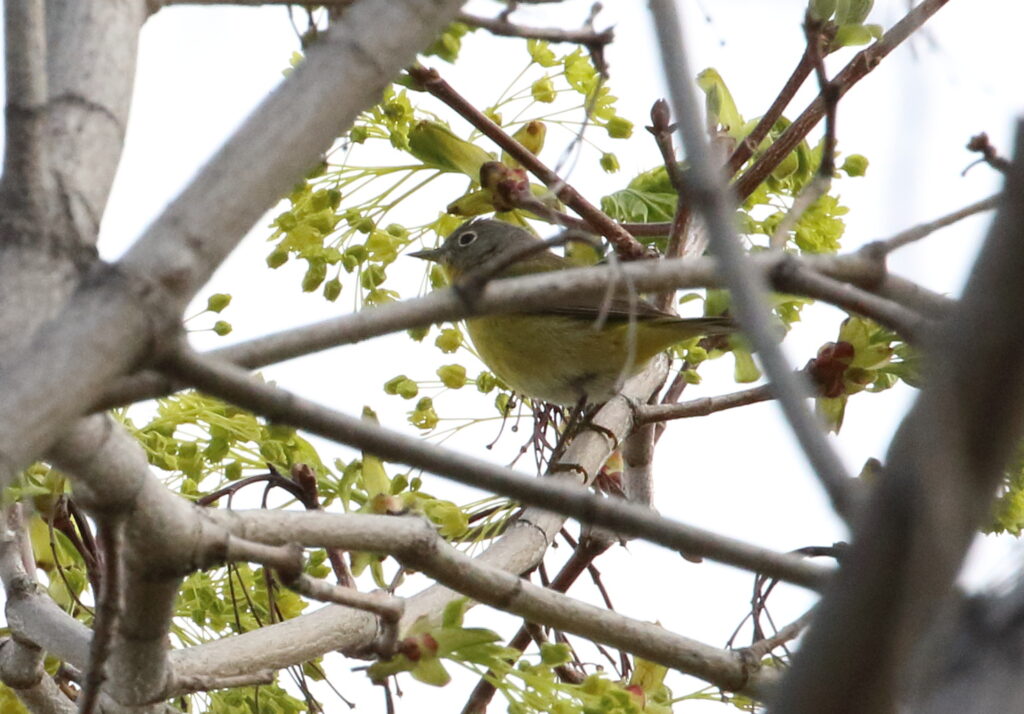
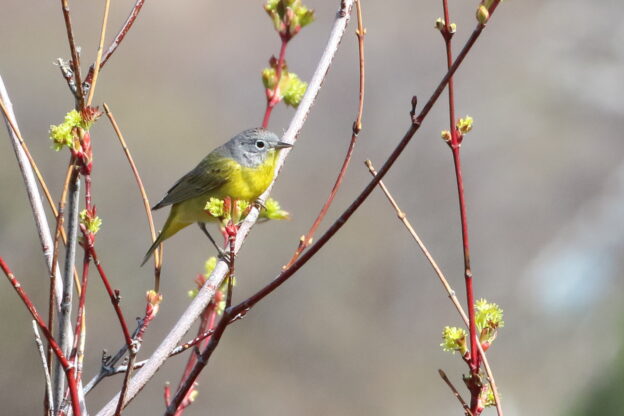
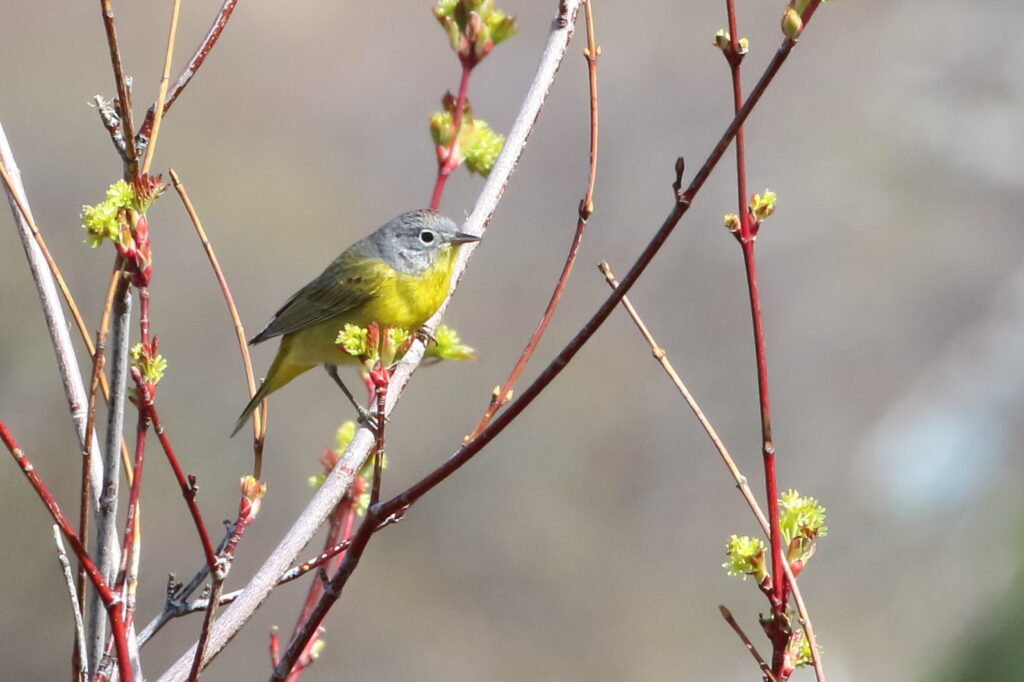
Though one of the last Montana warblers we learned, Nashvilles have quickly become one of Braden’s and my favorites.

Before meeting up with Paul Thursday morning, however, I wanted to make a quick stop at the base of Mount Jumbo because Braden had spotted his first Nashville Warbler of the year there the day before. The shining sun bode well as I hiked up a short little trail to a brushy area that often holds an assortment of great spring songbirds. In no time, I heard the calls of a Spotted Towhee and a Western Meadowlark. I also detected a song that I thought might be the Nashville and . . . it was! Nashville Warblers are one of my favorite spring Montana birds and this little guy just put a huge smile on my face. As a bonus, I scored two more Year Birds I didn’t expect: Calliope Hummingbird and Vaux’s Swift!

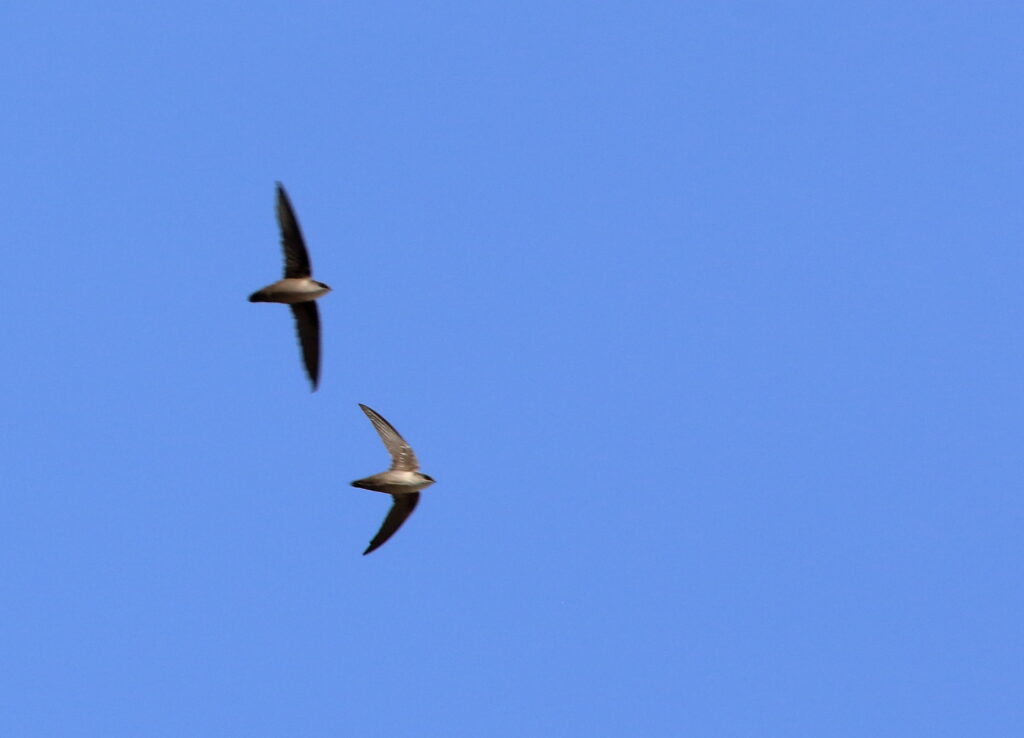
It’s a swallow . . . It’s a starling . . . No, it’s a Vaux’s Swift! Though easy to mistake for swallows, swifts have more rapid, stiffer wing beats and, to my mind, a more classic scythe or boomerang flying profile. As you can tell, I have never managed a good flight photo of one!

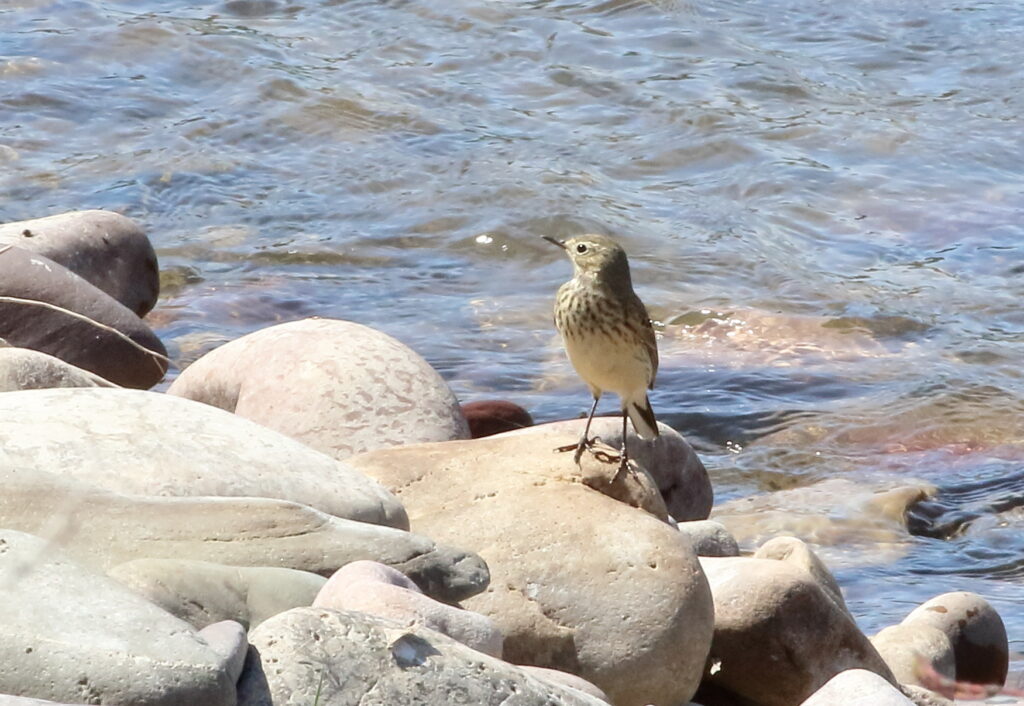
Flush with three Year Birds, I picked up Paul and he directed me to a new trail I’d never been on out near the Canyon River Golf Club in East Missoula. Though more of a mammal man, Paul has been staking out the site to photograph hummingbirds and Spotted Sandpipers. We headed down along the river hearing multiple Spotted Towhees and Song Sparrows, but didn’t see any Spotted Sandpipers. Then, a bird flew in and landed right next to the water. I assumed it was a sandpiper, but focusing in I found myself staring at an American Pipit—a total surprise for this time of year and location, at least for me. American Pipits breed in alpine and Arctic habitats, and can be found at lower elevations/latitudes during migration, but Braden and I had never seen them along a river like this. Best of all, it was another Year Bird pour moi—and not the last.

Though American Pipits are reported around Missoula this time of year, the appearance of this one right on the Clark Fork River was a delightful surprise.

As Paul and I kept walking, pleasantly chatting about birds, writing, photography, and more, we saw a sparrow fly into a bush. We’d been hearing a lot of Song Sparrows singing and thought it might be one. Closer inspection revealed yellow above the eye—a sure giveaway for Savannah Sparrow, and Year Bird Number 5 for the day! All too soon, we had to turn around so we could get back to work, but it was an exhilarating morning, and I knew I would return to this spot again and again—hopefully with both Paul and Braden.

A Week of Birding Therapy: Day One

I know it’s hard to believe but even underpaid writers living in Montana can get to feeling down sometimes. Covid certainly has not helped the situation since it and the gut-wrenching economic and societal upheavals it has triggered make the future look blurry at best. In this kind of situation, however, birders have a distinct advantage over non-birders. Why? Because we can immediately step outside for a dose of birding therapy. Last weekend, in fact, I decided I needed not one day, but a week of birding to try to set things right. I began with a return to a place that in many ways inspired my and Braden’s journey into birding: the Blue Mountain Nature Trail just south of Missoula.

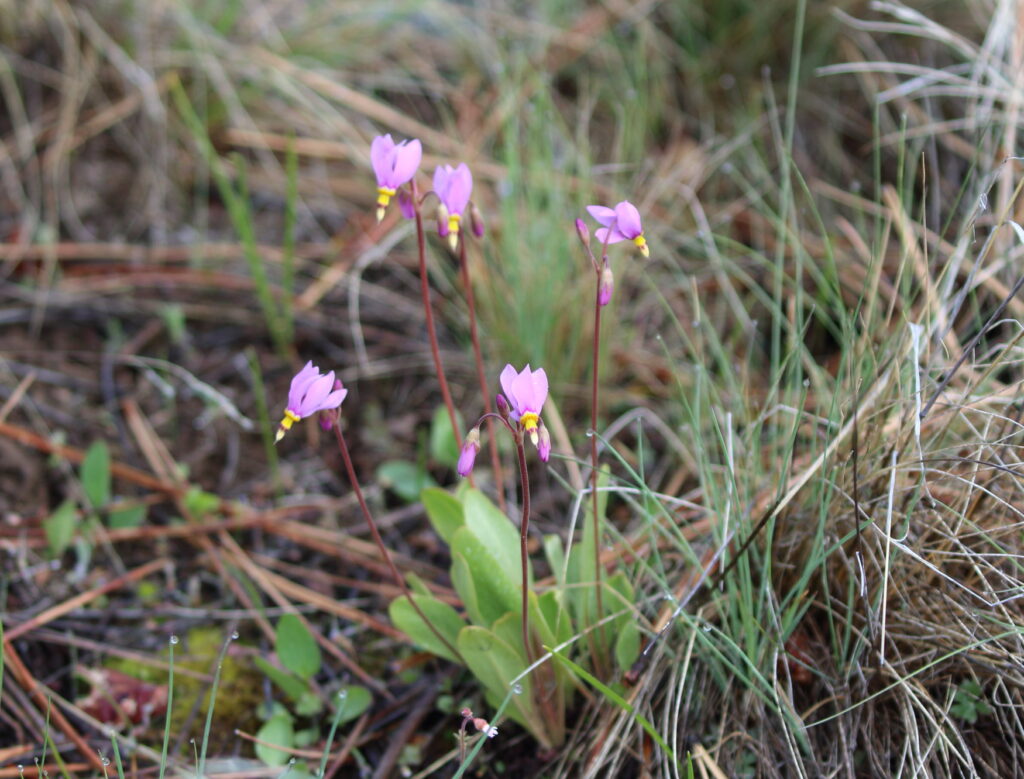
It’s always a good day when you see shooting stars in the wild. We tried planting them in our garden when we moved in 15 years ago and the deer loved them. Only one highly-protected plant survives!

The nature trail takes hikers through a twenty-year-old burn that in years past has been a birders’ paradise with plenty of snags for woodpeckers and a lush resurgence of native plant growth on the newly-sunlit forest floor. The trail, in fact, is where UM biologist Dick Hutto—an expert on the value of burns to birds—took me when I began researching my book Fire Birds: Valuing Natural Wildfires and Burned Forests. At the time, Black-backed Woodpeckers still lived there, but I wondered what it would be like some eight years later. I was not disappointed.

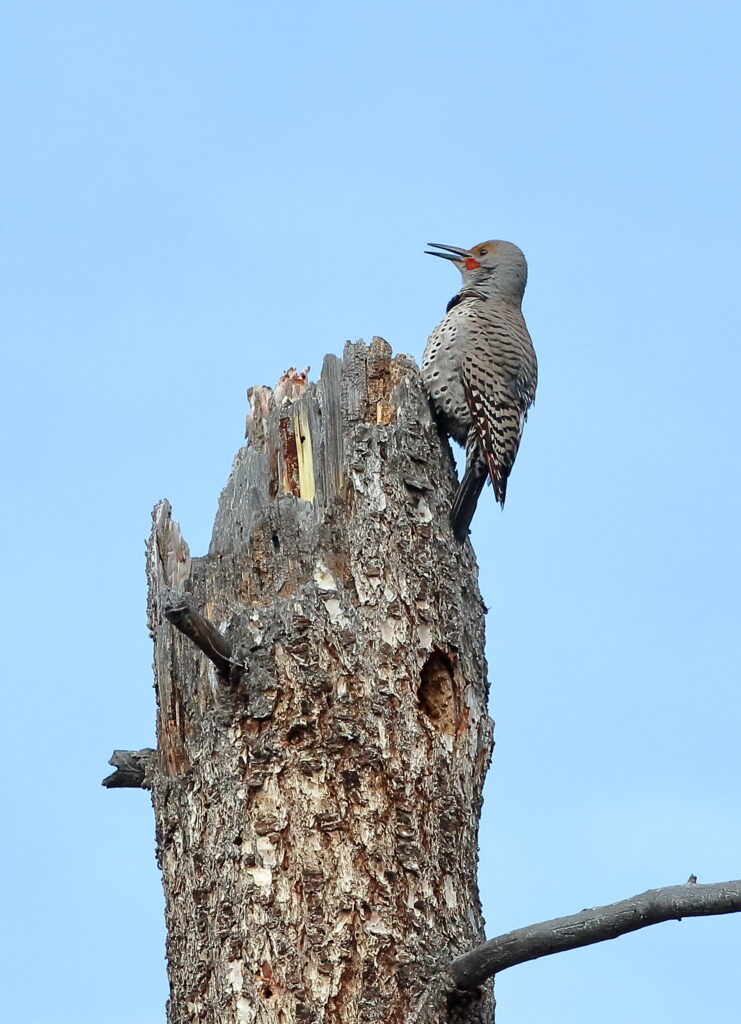
Though the Black-backed Woodpeckers have long departed for blacker pastures, Northern Flickers still take full advantage of the burned forest twenty years after the blaze.

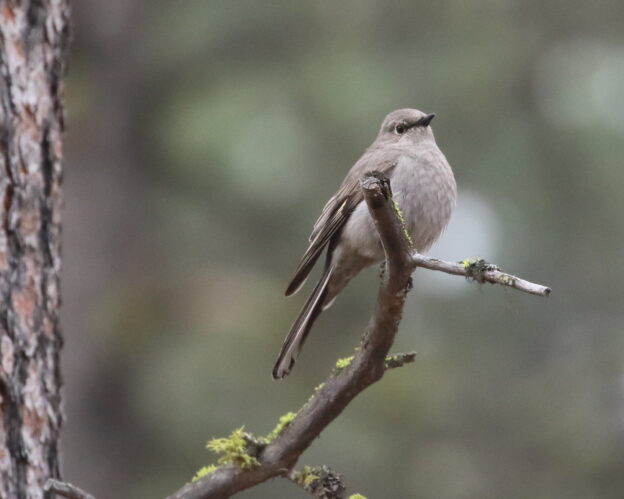
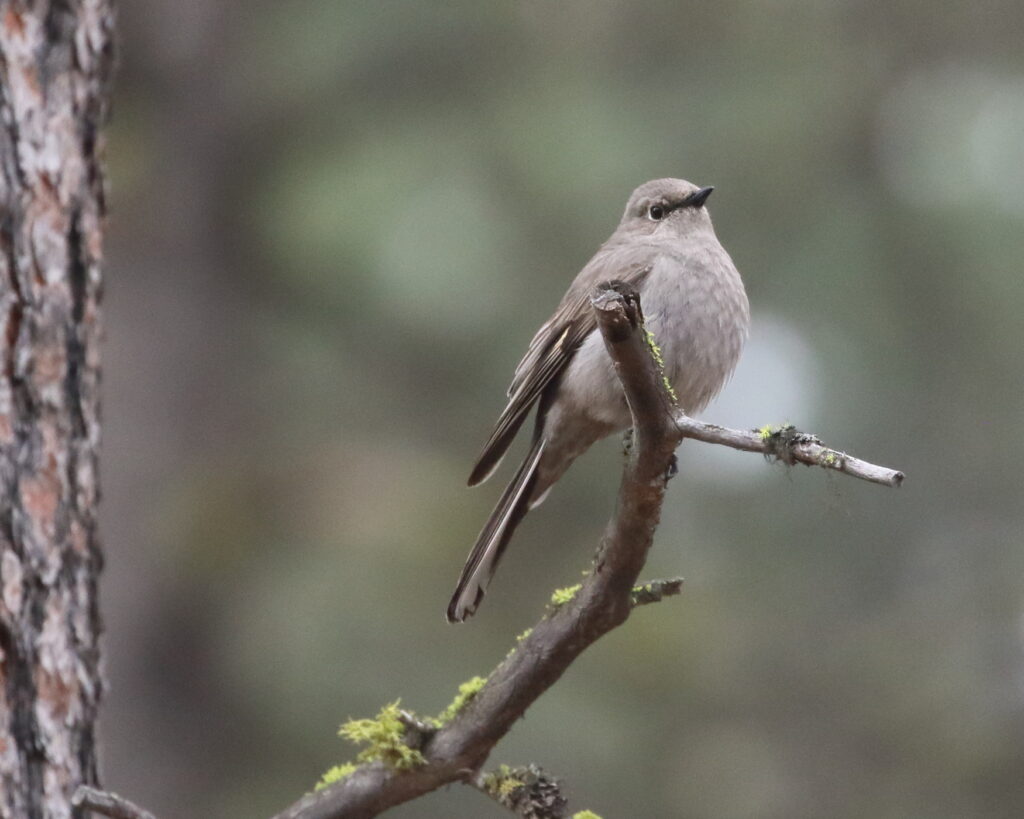
Though I arrived a week or two early for the crush of cavity nesters about to descend on the forest, seeing my first shooting stars and Pasque flowers of the year immediately cheered me up. And the birds, while not abundant, were of the highest quality. On my way up I saw a pair of Townsend’s Solitaires, and heard Cassin’s Finches and my year’s first Williamson’s Sapsucker, which I IDed both by its higher, forest-edge location and its almost halting, hesitant drum pattern. Moving on, I spent time with a Hairy Woodpecker and Northern Flicker, and at the forested saddle where I usually turn around, spotted my year’s first Cooper’s Hawk flying furtively and low to the ground.

Townsend’s Solitaires are hands-down one of our favorite Montana passerines and nest in the root balls of fallen trees. This makes them perfect burn birds.

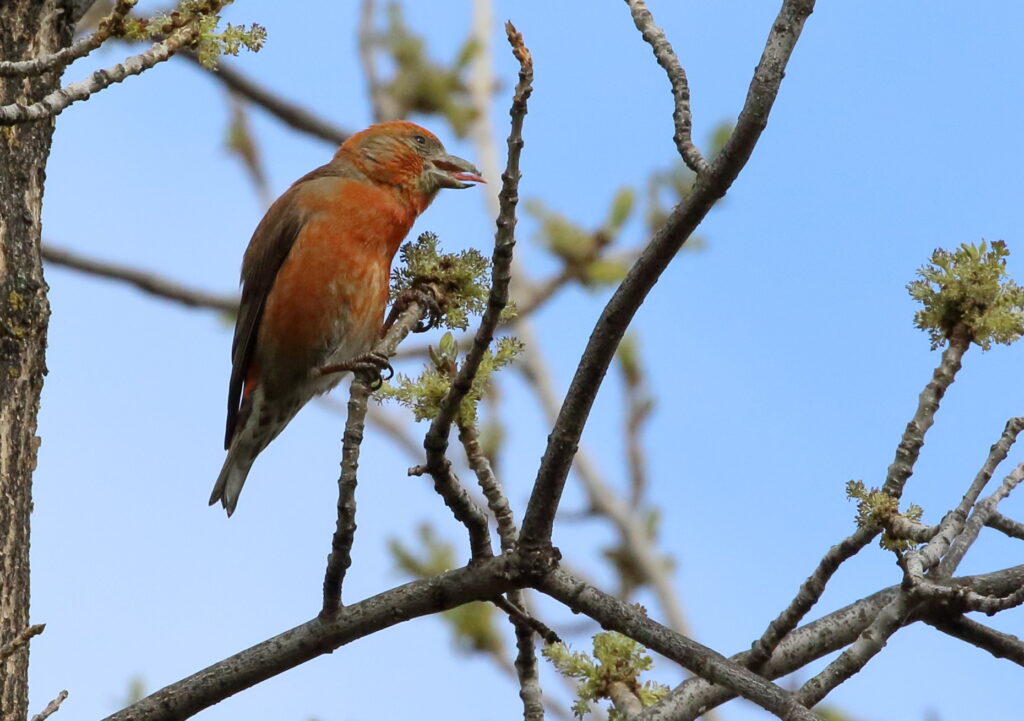
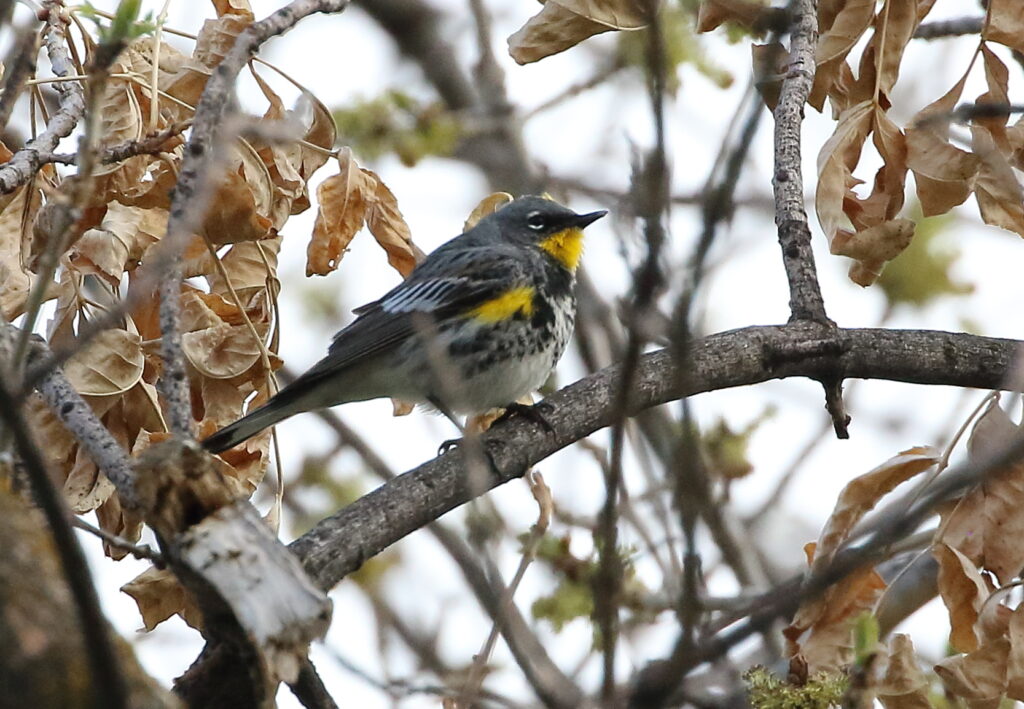
I had hoped to hear an Orange-crowned Warbler, but alas, was probably a bit too early for those. Back near the road, however, I was rewarded by Red Crossbills and the year’s first look at a dazzling male Yellow-rumped Warbler. Satisfied with my thirteen species, I continued on to the car, planning my next day’s trip to the Missoula Cemetery to see what I could find. Unbeknownst to me, fate was about to deal Braden and me a radically different birding destination for Tuesday . . .

Birds and Books

As always, we’d be delighted if you share this post with anyone you think might be interested.

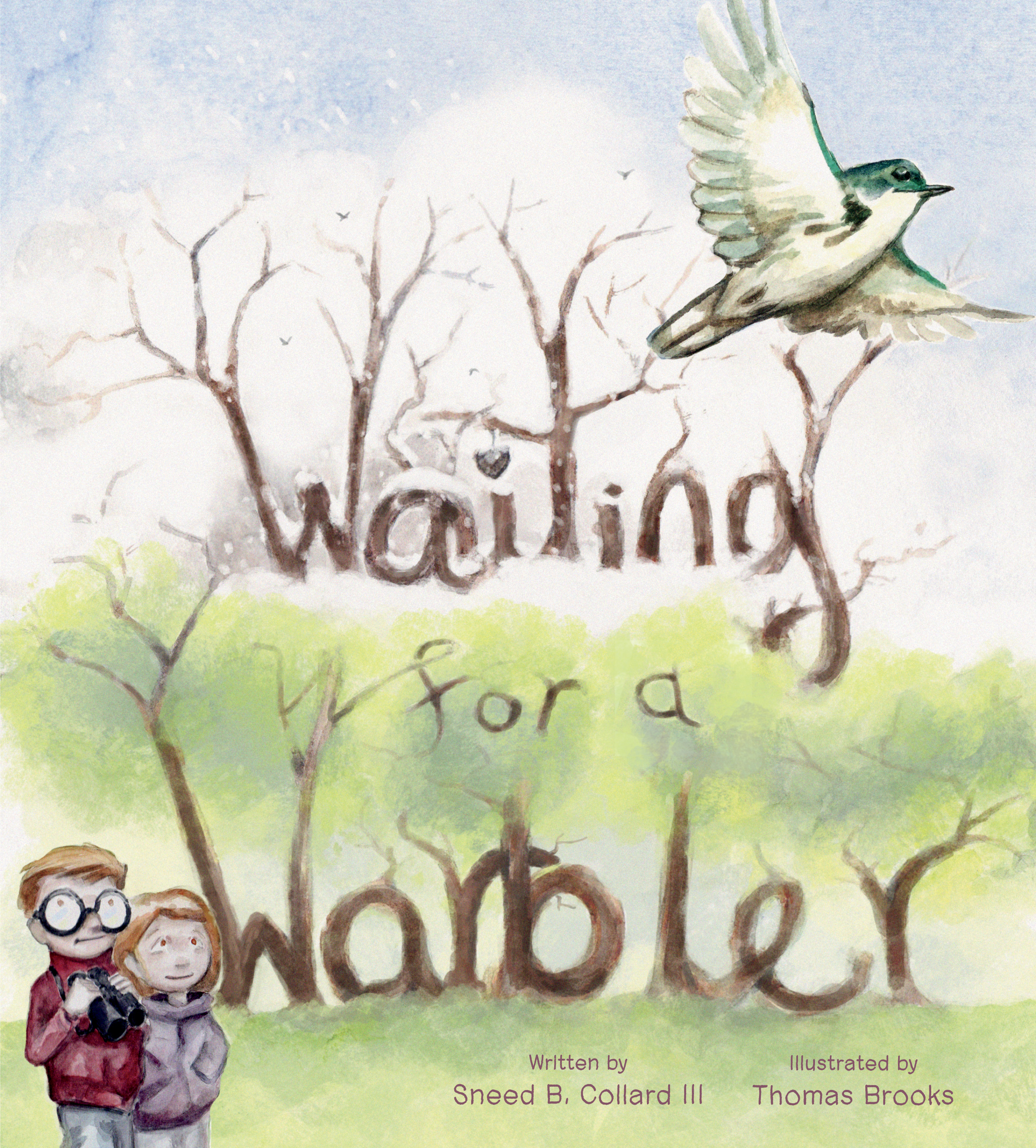
Waiting for a Warbler (Tilbury House, 2021) is my first illustrated picture book in more than a decade. It tells the charming stories of a migrating Cerulean Warbler, and a family that has been improving its backyard habitat for birds. You can order it now by clicking on the image or, better yet, placing a call to your local independent bookstore.

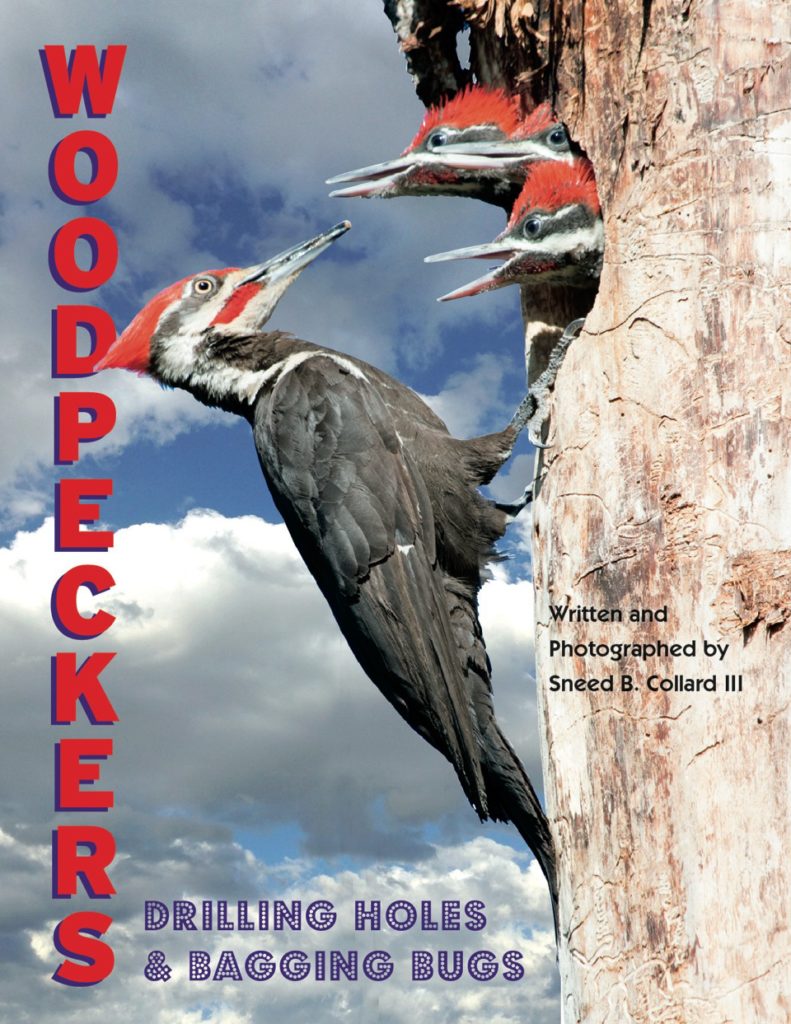
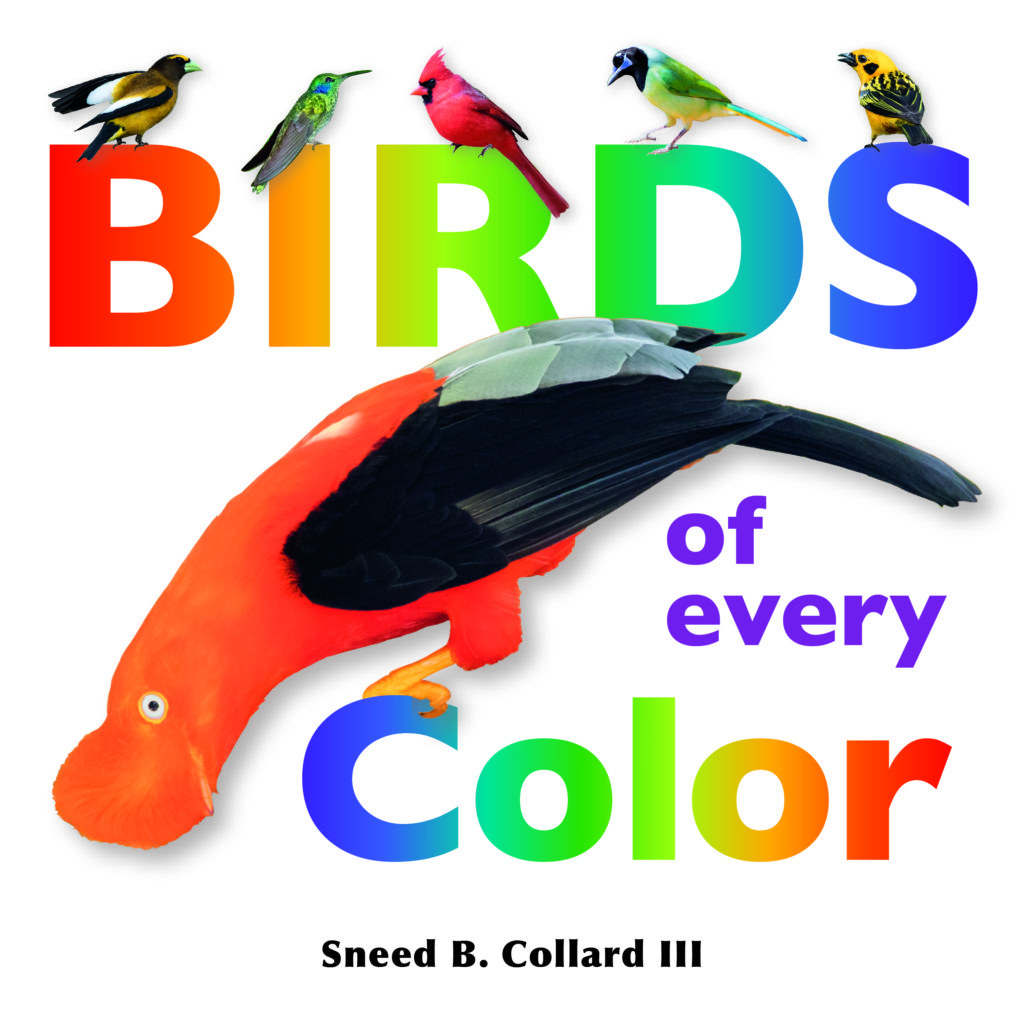
As a writer, birding gives me much more than inspiration. It has granted me a second lease on my career. When Braden and I dived into birding, it was the heart of the Great Recession and, like now, publishers were buying zilch. I was trying different things with mixed results, but felt more or less directionless. Birding changed all that. The more we saw and learned about birds, the more ideas I had to write—ideas that have resulted in adult books and magazine articles, and in my children’s books Fire Birds; Woodpeckers: Drilling Holes & Bagging Bugs; and Birds of Every Color. My newest title, Waiting for a Warbler, has a special history I’d like to share.

The idea to write about warbler migration blossomed in my brain only days after Braden and I visited High Island, Texas during our 2016 Big Year of birding. High Island is what’s called a migrant trap. The shelter and food it provides lures thousands of exhausted, migrating songbirds as they complete their marathon eighteen-hour flights across the Gulf of Mexico. We spent only a day at High Island, but during that time observed more than a dozen kinds of warblers along with tanagers, thrushes, vireos, and many other songbirds, and I was so inspired I quickly wrote down a story and sent it to a publisher who had expressed interest. I heard . . . nothing. No call. No feedback. No offer.

I let the idea sit for a year or so—often a useful thing to do to get perspective on a manuscript—and took another look at it. I realized it read a little stiff and impersonal, and decided to recast it as the story of one individual warbler crossing the Gulf of Mexico. I sent it to a different publisher, who wrote back within a month or two and said that he liked it, but what about working in the idea of a family waiting for the warbler to arrive? It was a great suggestion and I quickly revised the story and sent it off. Two years later, the book has been published!

The book recounts the epic, dangerous journey of a male Cerulean Warbler that runs headlong into a storm halfway across the Gulf of Mexico, but it also focuses on a family that has been working hard to improve its backyard habitat for birds and other wildlife. The two children had glimpsed a Cerulean Warbler the year before, but the bird had not stayed, and they hope to see the bird again this year. I will leave the rest to your imagination—or, better yet, until you read the story for yourselves—but I have to say that I am extremely proud of this book both because of the adventure it shares and the positive role models it offers. The delightful illustrations by Thomas Brooks help make Waiting for a Warbler both a perfect read-aloud and a useful resource for a family or class-room conservation project. Braden and I hope that you all enjoy it, and would be grateful if you share this post with friends, teachers, and others. Bird—and write—on!

2020 Wraps, 2021 Underway!

Our loyal followers have undoubtedly noticed that our posts have slowed in the past year. While we have been birding as much as ever, Braden has less time to write as college looms, and I too am busy plotting what I want to do when I grow up. Nonetheless, we want to wrap up 2020 for you and give you a taste of 2021 so far.

Sneed’s Bird of 2020, the Northern Hawk Owl, a Lifer we found on Braden’s seventeenth birthday. May his 18th bring him as much birding luck!

2020, in fact, was an epic year for Team Collard. It kicked off with our amazing trip to Israel and Jordan, and once back home we embarked on a mission of seeing 250 species in Montana. For perspective, my previous Montana record was 222 species in a year and Braden’s was 225, so we knew that we had our work cut out for us. Astoundingly, we surpassed 250 by last August, leaving the question, how high could we go? For me, the answer turned out to be 267, and for Braden, 274! With Braden probably heading out of state for college next fall, it seems unrealistic we could equal that number for 2021, so we’ve invented some new goals for ourselves.

Goal #1: to end the year with an eBird checklist in every Montana county. (Braden still has nine counties to bird in and I have ten.)

Goal #2: to see birds we’ve never seen in Montana before.

Goal #3: to reach a Montana Life list of 300 species (currently Braden is at 293 while I am just behind at 289).

How are we doing so far? Even though it is still January, we are making progress on all fronts. Last weekend, we embarked on a thousand-mile, three-day birding safari to the center of the state. We added Meagher County to our eBird list, and added two Montana Lifers: White-winged Crossbills in Bozeman’s Sunset Hills Cemetery and Pine Warbler—a bird that shouldn’t have been within 1000 miles of Montana—at a feeder in Red Lodge. We had hoped to add at least two other species, but the birding gods were against us. The White-winged Dove in Bozeman that has lit up the Montana birding boards got eaten by a Sharp-shinned Hawk about half an hour before we saw it! Or more accurately, we saw the bird being devoured! We had also hoped to see our first Gyrfalcon, but despite searching the White Sulphur Springs area for more than six hours, the majestic predator was a no-show. Sigh.

Thanks to the generosity of Susan Hovde, who not only discovered but has been feeding him, we were able to spend a glorious winter morning with this out-of-range Pine Warbler—a Lifer for Braden and Montana Lifer for me!

Nonetheless, we found a lot of other great birds and met some terrific other birders. In the process, we set a January species record with still a couple of weeks to go. We do not know what the rest of 2021 has in store for us, but we will keep you updated as we are able. In the meantime, we wish you peace and health, and offer our hopes that this year will see some meaningful progress not only in saving birds, but in protecting this incredible planet we all share.

Though not much to look at from a distance, we were thrilled to see our first-ever White-winged Crossbills in Bozeman’s Sunset Hills Cemetery!