Category Archives: Grassland Birds

Books for the Happy Holiday Birder (FSB Shopping Guide, Part 2)

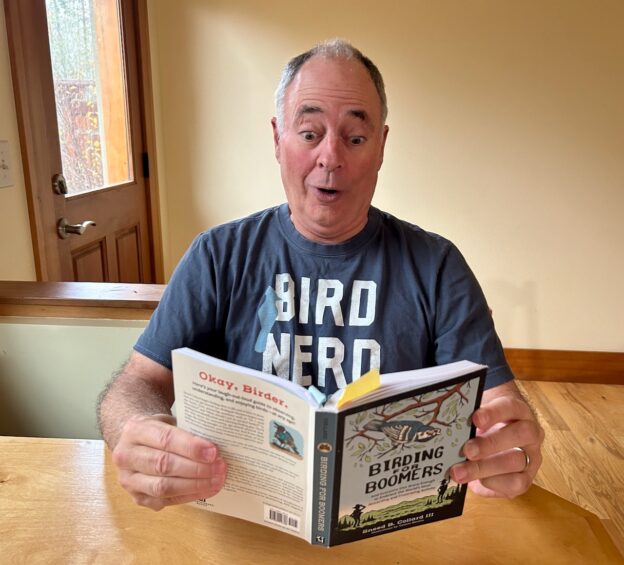
If you’re like me, you never read quite as many books as you’d like. This year, though, I was very fortunate to read and review some outstanding bird-related titles that you’re going to want to consider for your holiday buying. Most—but not all—of these were published in 2025 or late 2024. I’ve also included a few books that aren’t solely about birds—but give great insights into how to protect them. Of course, you will want to begin your shopping with eight or ten copies of my book Birding for Boomers—And Everyone Else Brave Enough to Embrace the World’s Most Rewarding and Frustrating Activity. This popular gift book has received half a dozen awards and even made a couple of bestseller’s lists. Once you’ve placed that order, however, you’ll want to check out the titles below. Please note: we receive no compensation for any of these recommendations (other than a free review copy or two), so the thoughts are all our own. Enjoy!

Purely Enjoyable Bird Storytelling

Let’s start with the “most fun” category of reading—great storytelling that just happens to be about birds. In the past, I’ve recommended such titles as Christopher Skaife’s The Ravenmaster, Joshua Hammer’s The Falcon Thief, and Tim Gallagher’s classic, Imperial Dreams. My favorite title from this year’s reading is Tim Birkhead’s The Great Auk: Its Extraordinary Life, Hideous Death and Mysterious Afterlife. This wonderful, often whimsical tale focuses on an extinct species most of us have heard of, but know little about. Birkhead gets totally into Bird Nerd mode by both explaining the biology and history of the Great Auk, and tracing some of the antics of egg collectors who were totally obsessed with obtaining Great Auk eggs. You’ll love this! See our full review here.

The Great Auk by Tim Birkhead (Bloomsbury, 2025)

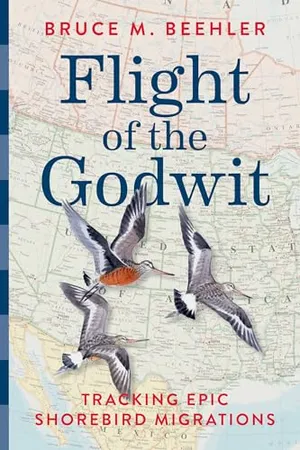
Also on the short list for this category is Bruce M. Beehler’s Flight of the Godwit, a must-read for anyone interested in the remarkable lives of shorebirds—and who isn’t? Through the tales of his own peregrinations, Beehler follows the migrations of many of North America’s most charismatic shorebirds, telling us all kinds of cool things that I certainly never knew before. See our full review here.

Birding Memoirs

My top pick for this category is Christian Cooper’s 2023 book, Better Living Through Birding: Notes from a Black Man in the Natural World. I admit that I put off reading this book for a couple of years after it came out. It’s sheer popularity made me insanely jealous as an author, but once I picked it up, I was captivated. Cooper’s down-to-earth honesty about his life and passion for birds sucked me right in, both with its engaging storytelling and how it broadened my perspective on birding in our culture.

My second pick for this category is Richard L. Hutto’s new book, A Beautifully Burned Forest: Learning to Celebrate Severe Forest Fire. This book is half memoir and half science book and I enjoyed both parts equally. Perhaps as a fellow Southern Californian, I especially related to Hutto’s boyhood experiences exploring the chaparral ecosystem, but I also appreciated Hutto’s impassioned plea to bring common sense to fire management, especially when it comes to protecting burned forests from the ravages of so-called “salvage” logging. See our full review here.

Oh, and if you’re wanting to learn all about Braden’s and my early years of birding, don’t miss my classic first adult book, Warblers and Woodpeckers: A Father-Son Big Year of Birding!

In-Depth Group Guides

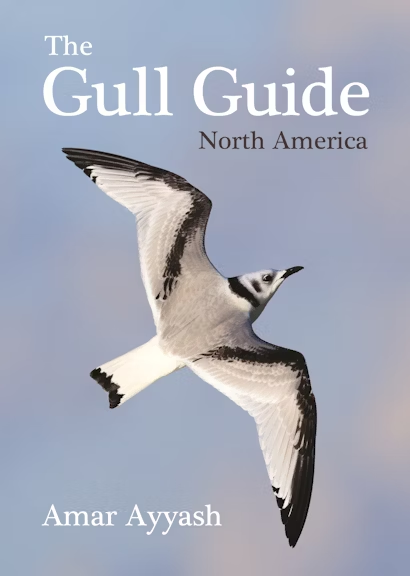
Advanced Bird Nerds will definitely want to add Amar Ayyash’s The Gull Guide: North America to their holiday shopping lists this year. Like most birders, I have been—and remain—incredibly intimidated by gulls. Sure, I recognize the adult plumages of many species, but when you start getting into hybrid gulls and first-, second-, and third-year plumage variations, my brain and confidence begin to melt. The Gull Guide does not solve this problem, but it does accomplish two important things. First, it gives great insight into gulls for the casual birder. Second, it offers myriad minute details for those who are bound and determined to become experts on everything gull. Both of these things are accomplished with an extensive, remarkable collection of photos that serve to educate and guide. See our full review here.
A less technical book that may be more to the taste of the casual birder is The Shorebirds of North America: A Natural History and Photographic Celebration by Pete Dunne and Kevin T. Karlson. This beautiful book strikes a nice balance between detail and readability. A lot, but not all, of the information is fairly general, but the photos are wonderful and if you’re a shorb fan, you will enjoy it. See our full review here.

Three More for the Planet

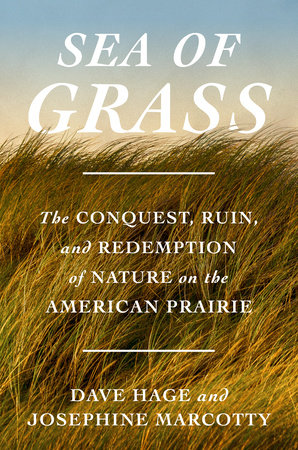
I’d be remiss if I didn’t mention three more titles that made a big impact on me this year. The first is Sea of Grass: The Conquest, Ruin, and Redemption of Nature on the American Prairie by Dave Hage and Josephine Marcotty. I thought I knew all about the tragic history of the destruction of America’s grasslands. I did not. This highly readable book provides astonishing insights into how we lost most of our grasslands—and why that destruction continues today. Grassland birds are our most imperiled group of birds, losing at least forty percent of their collective populations in just the last fifty years. If you care about these animals and want to know what we can do to slow their precipitous demise, please read this one!

Similarly, Jordan Thomas’s When It All Burns: Fighting Fire in a Transformed World, gives us an inside look at the often counterproductive politics and decision-making behind today’s “fire fighting industrial complex.” With riveting storytelling and astonishing revelations, this is a perfect companion to Hutto’s A Beautifully Burned Forest.

And if you’re wrestling with how to keep from being overwhelmed in today’s world, where we are confronted by one environmental threat after another, I highly recommend the late Thich Nhat Hanh’s Zen and the Art of Saving the Planet. I read a few pages of this every morning and I gotta say that it helps keep me sane in our complicated, highly imperiled world. Not only does it raise serious questions about how we all live, it provides approaches and encouragement for how each of us can truly make a difference.

Don’t miss our holiday guides to birding equipment and, in our next post, charitable giving!
The “Hoax” of Climate Change and Birding the Rocky Mountain Front

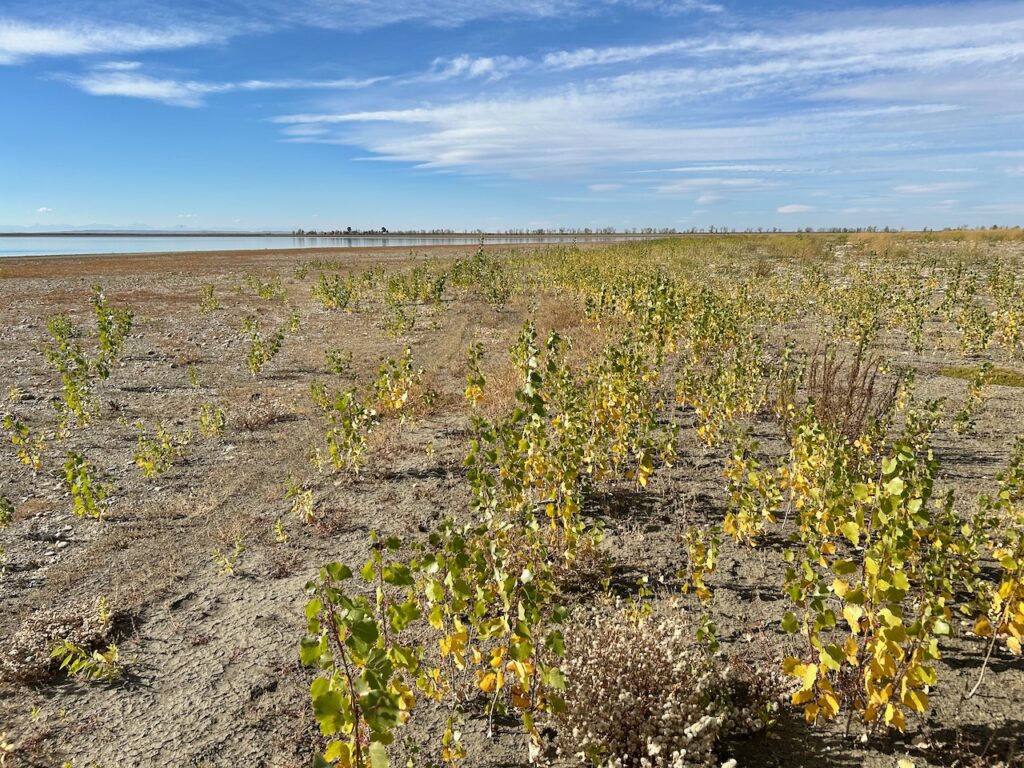
It’s remarkable that as the impacts of climate change rapidly accelerate across the planet many of our leaders have doubled-down on the myth that climate change is a hoax being perpetuated by “stupid people.” Here’s the thing: To realize how quickly and dramatically warming temperatures are changing our planet, you don’t have to be a climate scientist. You simply have to look around. 100- or even 1000-year weather events are happening every few years in many places, generating catastrophic winds, storms, flooding, and drought. Even since I moved to Montana thirty years ago, summers are hotter, winters are milder, and snowpack is disappearing more quickly. Especially in eastern Montana, drought conditions seem to be setting in for the long haul. Braden and I have seen dramatic evidence of this all over the state (see, for example, my post “Birding Glacier National Park in the Hot Dry Winter of 2024”). Two weeks ago, I had a chance to again witness severe drought when I birded the Rocky Mountain front from Freezeout Lake up to the east side of Glacier National Park.

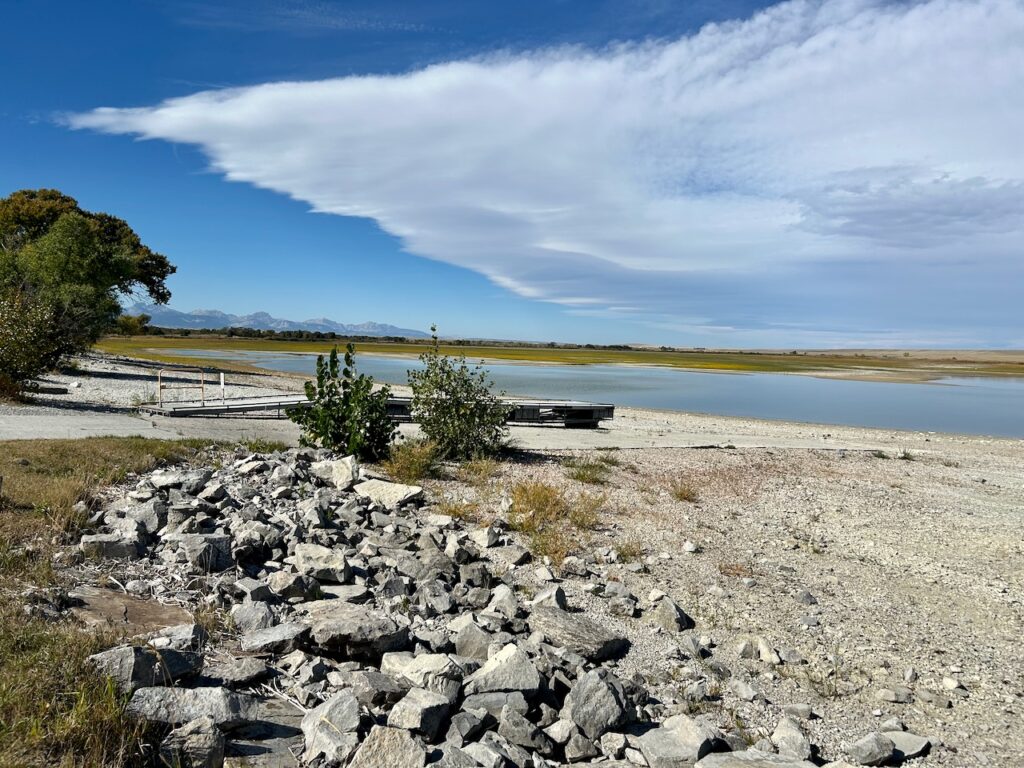
The DRY Dock of the Bay: A rapidly receding shore left this dock high and dry at Eureka Reservoir.

I left Missoula Saturday at the modest hour of 7 a.m. Days are shorter by the end of September so there was less urgency to hit the road early. Just as crucially, Highway 200, which would lead me up and over the Continental Divide, can be a notorious kill zone for deer, elk, and moose at dawn and I thought that waiting an extra hour might keep me and my minivan from ending up in a crumpled heap by the side of the road. My later departure paid off. I managed to spot the two potential deer collisions with plenty of time to brake and after a quick stop near Browns Lake, I arrived at my first destination by 9:30.

I had debated whether to visit Benton NWR near Great Falls or head straight to Freezeout, but eBird reports from the latter proved more enticing so I cast my lot there. As they always do, my excitement levels rose as I passed the refuge headquarters and then turned left to scan the southern bodies of water. It had been a while since I’d visited Freezeout this time of year, and I wasn’t sure what to expect since many birds had undoubtedly departed for their southerly wintering grounds. Rumbling along the gravel road, I did scare up a few Horned Larks and a couple of Western Meadowlarks looking faded and shabby. I also saw that the entire area was as dry and crispy as I’d ever seen it. In good years, water can be found in ditches, shallow pans next to the roads, and elsewhere, but now it was confined to the main lakes on my right. Still, I could see birds on the water.

At the very southern end of the refuge, I spotted about thirty-five American White Pelicans along with some coots, barely identifiable American Avocets, and unidentified, distant ducks. I soon backtracked, though, to where I had noted greater potential.

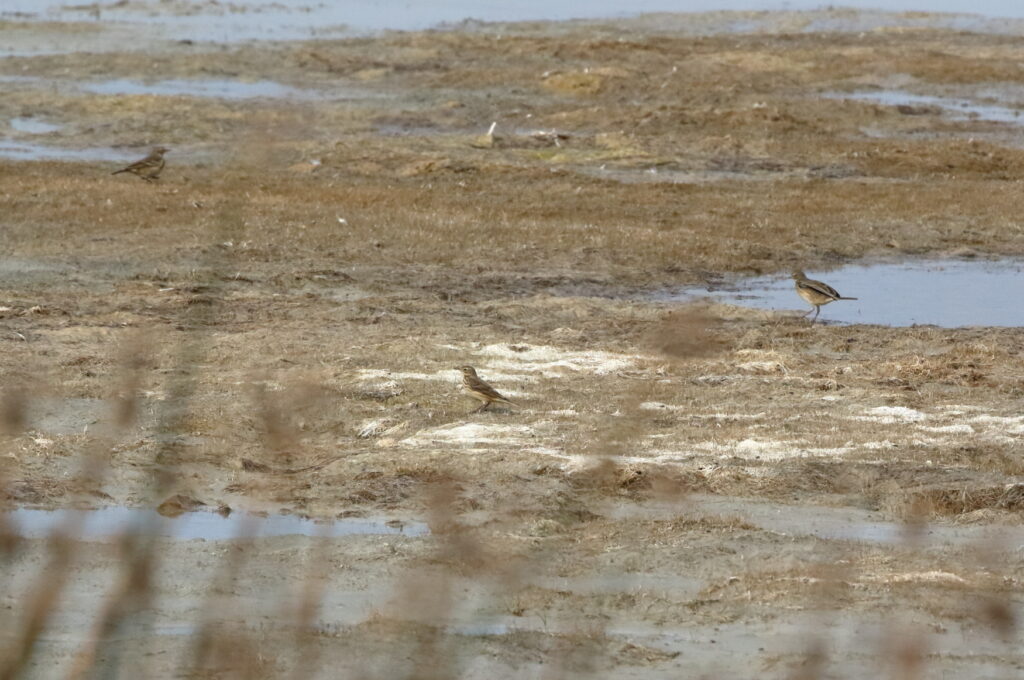
I parked at a pull-out camping area next to a dike/road that led out between two of the large lakes. I couldn’t drive out there, so I shouldered my camera, binoculars, and spotting scope and did what every dedicated birder does: schleps! Am I glad that I did. Almost immediately, I noticed several small birds working some mud off to my right. I ID’ed a couple as Horned Larks, but had a hunch about others so I quickly set up my scope and indeed saw that they were American Pipits! I absolutely love these guys. In Montana, they breed at high altitude, but in spring and fall you can find them migrating through the lowlands. Unfortunately, I had missed them this spring, so that made it doubly sweet to see them now. Even better, it moved me one bird closer to breaking my all-time one-year species count record!

American Pipits working the recently receded shoreline of one of Freezeout’s main lakes.

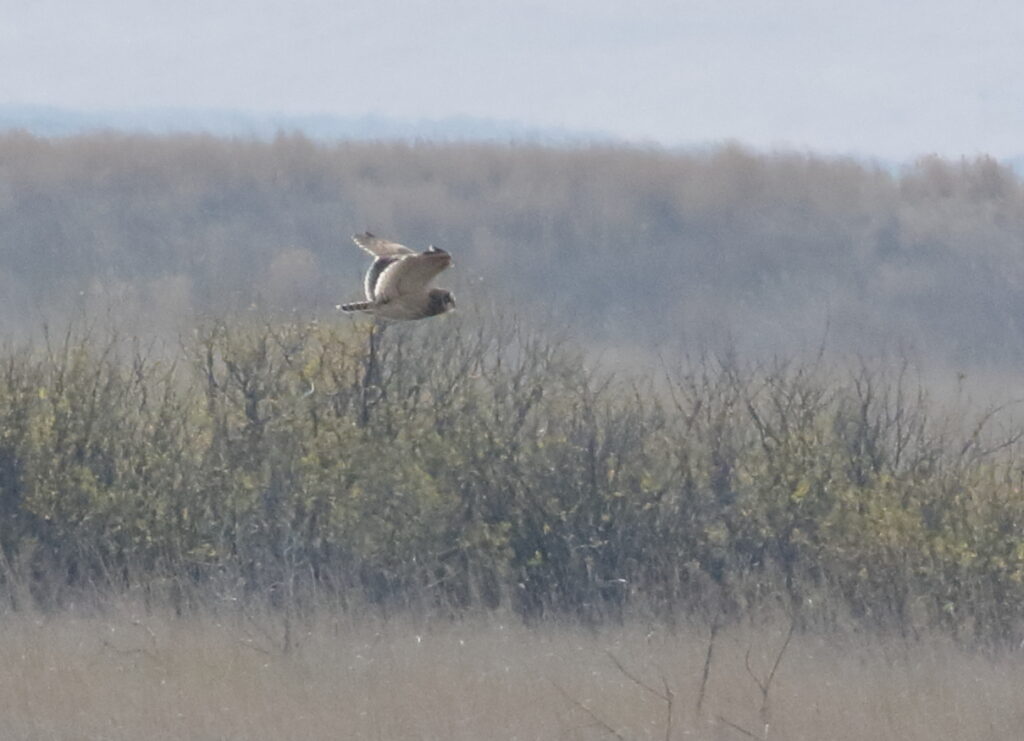
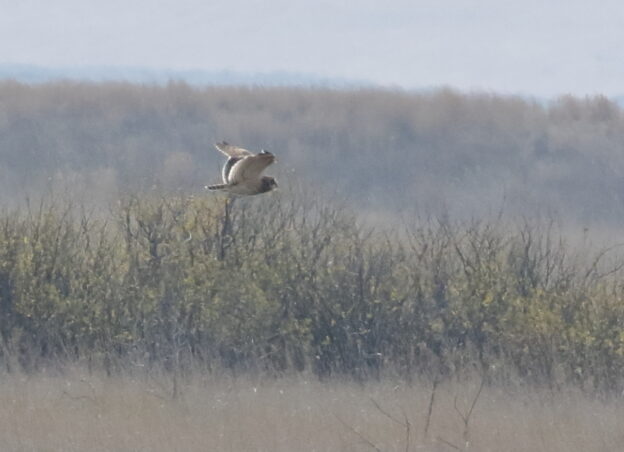
As I resumed walking, I suddenly spotted a large raptor flying low and erratically over fields to my left. My first guess normally would be Northern Harrier, but this was my lucky day. The bird wasn’t a harrier, but a Short-eared Owl! It had been years since I’d seen one here and I couldn’t have been more delighted. These are some of my and Braden’s favorite birds, but we never know when we’ll encounter them. To emphasize the point, the bird was listed as unreported on the eBird filter (presumably just for this time of year), showing how unpredictable the birds can be.

Another in my now-famous series of lousy Short-eared Owl photos! After all, I have a reputation to uphold!

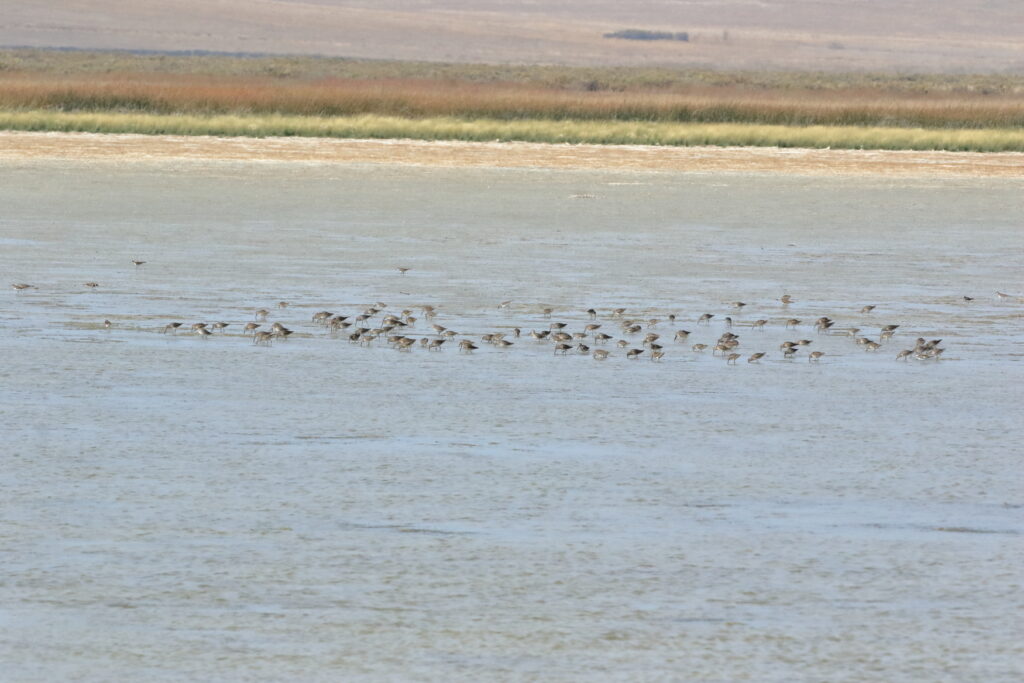
Another couple of hundred yards brought me close enough to set up the scope on the birds I was seeing far out on the water. There were groups of ducks, but those didn’t interest me. What did was a group of about forty or fifty shorebirds. Even with the scope, I wasn’t as close as I would have liked, but their very long bills, pale superciliums (the bands above their eyes) and “oil drilling” probing of the shallows said “Long-billed Dowitchers.” Then, I began to doubt myself. Their bills were so long and from a distance, I could imagine that some of them seemed slightly upturned. “Could they be godwits?” I asked myself, suddenly thrown into confusion. I kept studying them, eventually coming back to dowitchers. What cinched it is that when they took flight I could clearly see the single white stripes running down their backs. Godwits don’t have that. When they again landed, I realized that their numbers had also doubled to about ninety.

Dowitchers always make me happy. I just hope that humans can get our act together in time to make sure they have enough water in the future.

I spent almost an hour studying the water from the dike, and in addition to the Long-billed Dowitchers, I found four sandpipers that I thought were Baird’s Sandpipers but could have been Pectoral Sandpipers—they were just a bit too far away to be sure. I did ID several distant Black-bellied Plovers, too. The rest of Freezeout didn’t offer up much. I saw three Eared Grebes and a Canvasback hidden among scads of Canada Geese and intermolt ducks that were probably mostly Mallards. A stop at Priest’s Lake, however, yielded 2,500—you read that correctly—twenty-five hundred Ruddy Ducks! Ruddies, of course, are one of the BEST ducks, but I’d never seen even close to these numbers before. During fall migration, I guess they like each other’s company!

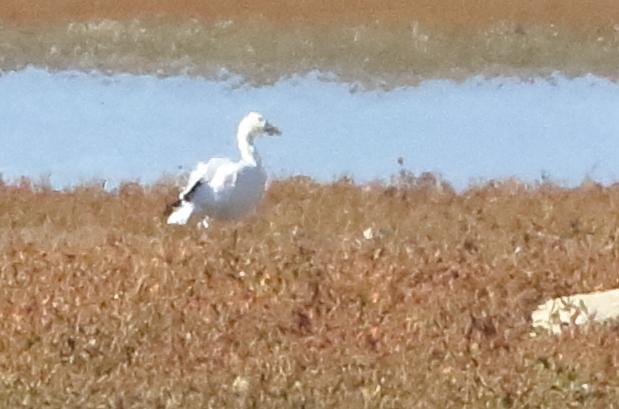
One of my birding goals lately is to try to bird new areas and on my way up to East Glacier, where I would be spending the night, I made two more stops: Eureka Reservoir north of Choteau and Lake Frances near Valier. Neither yielded anything exceptional, but I did pick up my First-of-the-Year Snow Goose, a single specimen at Lake Frances. What both places strongly reinforced was the critical water situation in this part of the world. Both bodies of water had retreated huge distances from their historic lake shores. It’s difficult to tell what percentage of water they’ve lost, but I’d guess that both were at least three-quarters empty.

Lake Frances offered up the most visible impacts of what drought is doing to the Great Plains. I had to walk across a couple of hundred yards of former lake bottom to reach today’s shore.

As I passed through Browning and turned toward East Glacier, I saw more bad news. Braden and I had driven this route at least a dozen times and every time we saw prairie potholes full of water. On this day, every one of those potholes stood bone dry until I’d almost reached East Glacier. This has dire portents for the future of our wild birds. Sure, rainfall goes up and down year to year, but the trend for the West is to get drier and drier. What happens when migrating birds head south and find no water at all?

This lone Snow Goose at Lake Frances brought me to within three birds of breaking my all-time one-year species count record—but it was small consolation for the dire water conditions I saw everywhere.

Honestly, I don’t want to find out, but it adds an urgency to act—and makes current attacks on clean energy both unconscionable and downright reckless. Why are such attacks happening? Just follow the money to the oil and car companies that continue to make trillions in profits while our planet suffers. These corporations have invested heavily in the current administration and are grinning ear to ear as POTUS rails against solar energy and windmills while he tries to sell our fossil fuels to a world that doesn’t want them. I generally try to keep FatherSonBirding apolitical, but if we want the next generation to have half of the beauty and diversity you and I have enjoyed, we have some urgent decisions to make. None of us has to change the world all by ourselves, but we each have to do something, whether it’s donating to causes working for a better planet or taking the plunge on solar panels, an electric vehicle, or eco-friendly hot water heater. The next generation may not ever thank us “stupid people” for what we’re doing, but we’ll know that the world will be better off for our efforts.

Flight of the Godwit (Book Review)

Bruce M. Beehler’s Flight of the Godwit: Tracking Epic Shorebird Migrations (Smithsonian Books, 2025)

Any birder who has aspired to learn about shorebirds will find a welcome companion in Bruce M. Beehler’s new book, Flight of the Godwit: Tracking Epic Shorebird Migrations. Shorebirds, after all, can be considered somewhat mythical, mysterious beings. Not only do many of them make remarkable annual migrations covering tens of thousands of kilometers, quite a few are notoriously difficult to identify. Certainly, Braden and I realized we had entered a more advanced stage of learning when we started to search out and try to identify shorebirds and, in fact, we both often still struggle with figuring out some of the more difficult shorebird species. Yet the more we encounter and learn about these birds, the more we love them—and that same kind of passion radiates from Beehler’s words as he sets out on his own journeys to observe and learn more about these birds.

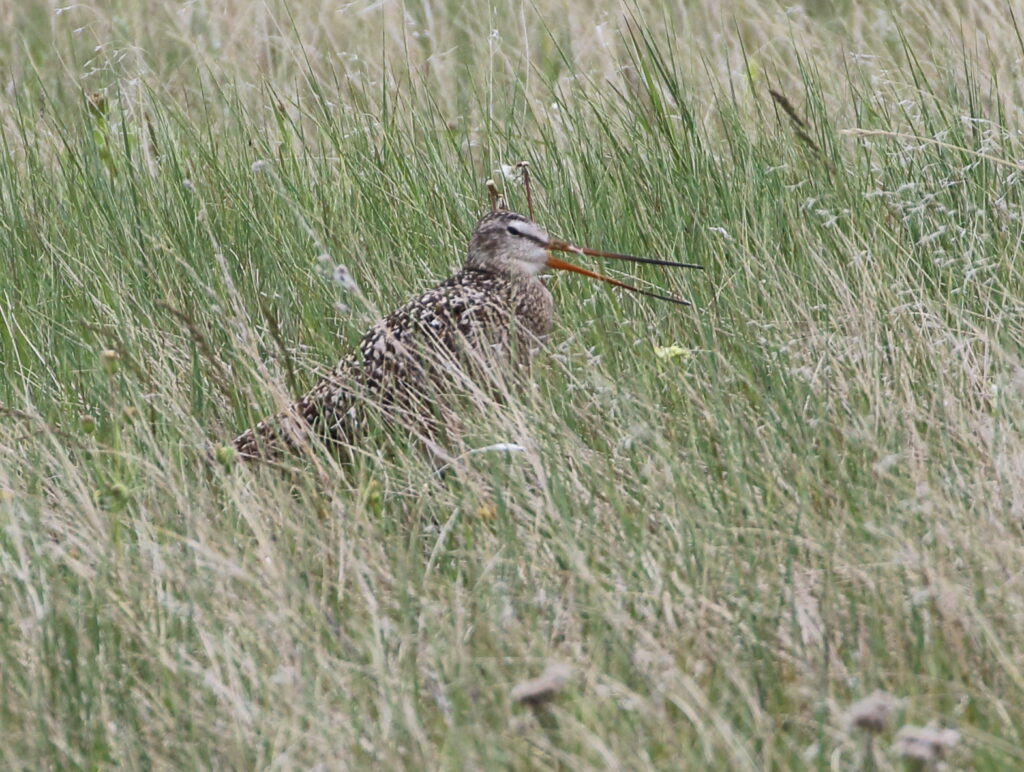
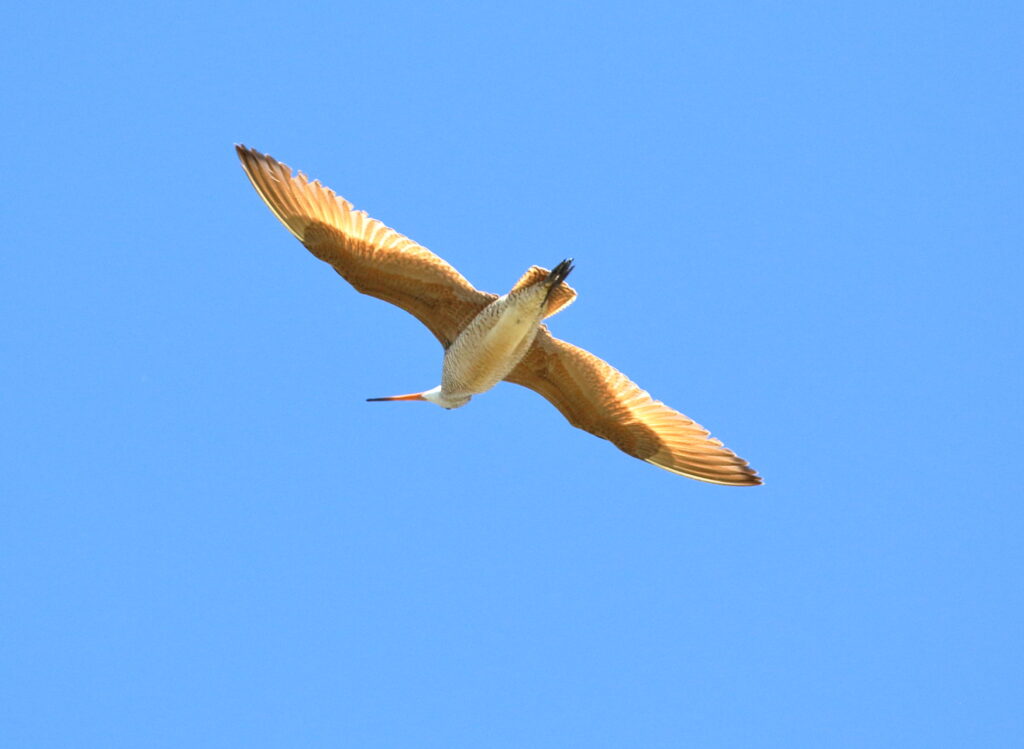
In Montana, we are lucky to host three of the “Magnificent Seven” shorebirds as breeders—including Marbled Godwits, one of the focal birds of Beehler’s new book.

In Flight of the Godwit, Beehler recounts a series of recent adventures across the US and Canada to follow and observe shorebirds as they migrate north, stop over at resting and staging sites, settle on breeding grounds, and then head south again for their long non-breeding seasons. Although Beehler discusses all of our North American shorebirds at some point, he clearly targets what he calls the Magnificent Seven: Hudsonian Godwit, Marbled Godwit, Bar-tailed Godwit, Long-billed Curlew, Whimbrel, Bristle-thighed Curlew, and Upland Sandpiper. As he shares his encounters, he sprinkles in liberal amounts of natural history and personal experiences about these birds to make the book much more than a birder’s travelogue.

This Marbled Godwit checked us out as we were scoping shorebirds in Westby last summer.

That said, the travelogue aspects of the book are a big part of what fascinated me about this tale. Even after eleven years of birding, my shorebird experiences have been much more limited than I would like. Although my home in Montana is fortunate to host a number of breeding shorebirds—including three of the Magnificent Seven—for most shorebirds, we get only brief glimpses of them as they pass through in spring and fall. Partly because of this, Braden and I have especially sought out shorebirds on our out-of-state travels to Texas, New England, and the West Coast. Sigh. It is never enough.

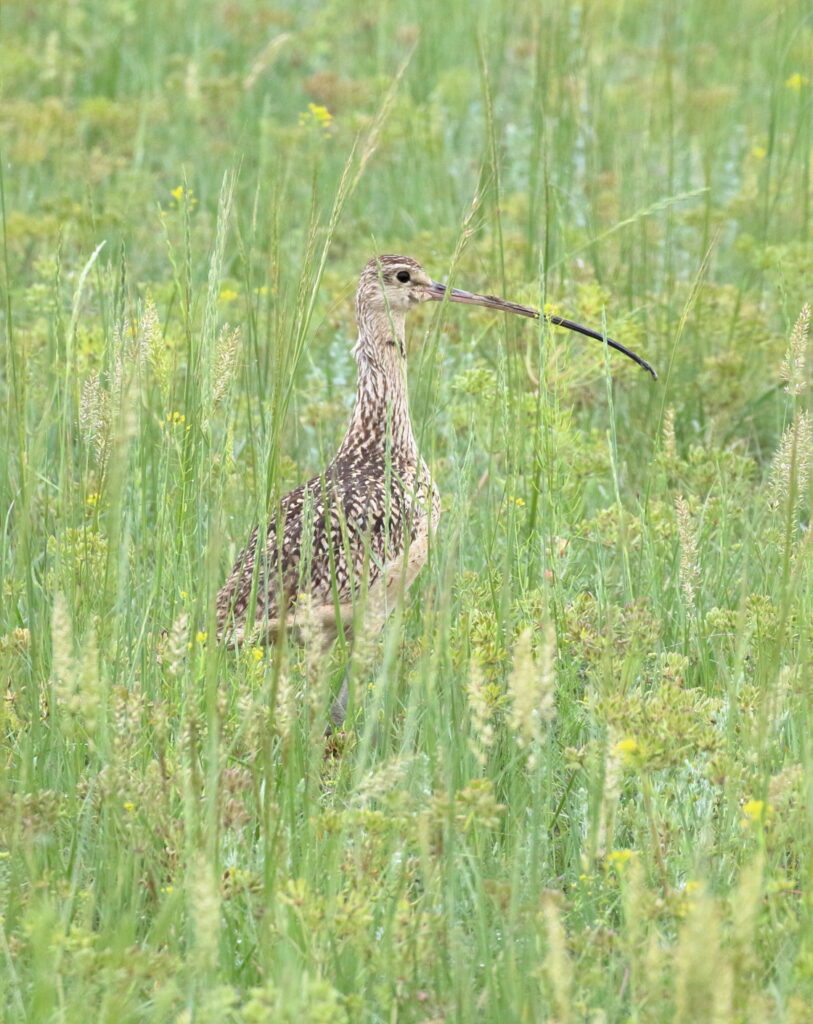
It always surprises new birders that some of our largest shorebirds actually breed in grasslands—including Long-billed Curlews.

As I followed Beehler up through the Midwest during spring migration and around Alaska during breeding season, his experiences filled in giant gaps in my own experience with these remarkable birds. I got a better sense of where the birds stop to refuel and rest, and my vague impressions of their nesting territories and habits were sharpened by Beehler’s actual observations and descriptions. Many times, I found myself nodding my head thinking, Yeah, I know what he’s talking about or Oh, so that’s what they’re doing. All of this felt especially satisfying since there’s a good chance I will never experience many of Beehler’s destinations for myself.

As much time as I try to spend with shorebirds, it is never enough. Flight of the Godwit helped fill in many of the experiences I probably will never have for myself.

Those who will appreciate Flight of the Godwit the most probably are birders who have already spent time observing shorebirds and struggling over their identifications. Those with limited shorebird experience may find themselves getting a bit lost as Beehler throws out bird names that may seem a bit abstract without solid brain images to connect them to. Still, there’s a good chance that even beginning “shorbers” will find that Beehler’s tales of adventure excite them to plunge more deeply into this remarkable set of birds. As for intermediate and advanced birders—especially those who may never get to Alaska or follow spring migration through the Midwest—I highly recommend this intriguing book that is not only a valuable educational document, but a labor of love with which many of us can relate.

You can order Flight of the Godwit from almost any outlet that sells books—but why not visit your local independent bookstore and order it there? Another easy way to do this is through the online website Bookshop.org.

Sea of Grass (Book Review)

This week, I’m pleased to announce that I’ve agreed on terms for a new book project with Mountaineers Books, publisher of my books Warblers & Woodpeckers: A Father-Son Big Year of Birding and Birding for Boomers—And Everyone Else Brave Enough to Embrace the World’s Most Rewarding and Frustrating Activity. My new book, scheduled for release in 2028, emerged from the epic birding trip Braden and I took through eastern Montana last summer, and focuses especially on the shortgrass prairie and birds that live there. As is so often the case, I am not the only author to be thinking about this remarkable, highly threatened landscape. Witness the new release, Sea of Grass: The Conquest, Ruin, and Redemption of Nature on the American Prairie (Random House, 2025).

Sea of Grass is required reading for anyone interested in prairie birds and their futures.

In Sea of Grass, authors Dave Hage and Josephine Marcotty have created an impressive work that covers the entire sweep of human understanding and conquest of the American prairie. The authors set the stage by giving us solid background on the richness and diversity of North American grasslands. They recount the geological and climatological conditions that created our great prairies. They give us a glimpse of the remarkable number of species that live both above and below ground, comparing our grasslands favorably to the biodiversity of rainforests and coral reefs. They also explain the incredible amount of carbon that these natural systems sequester.

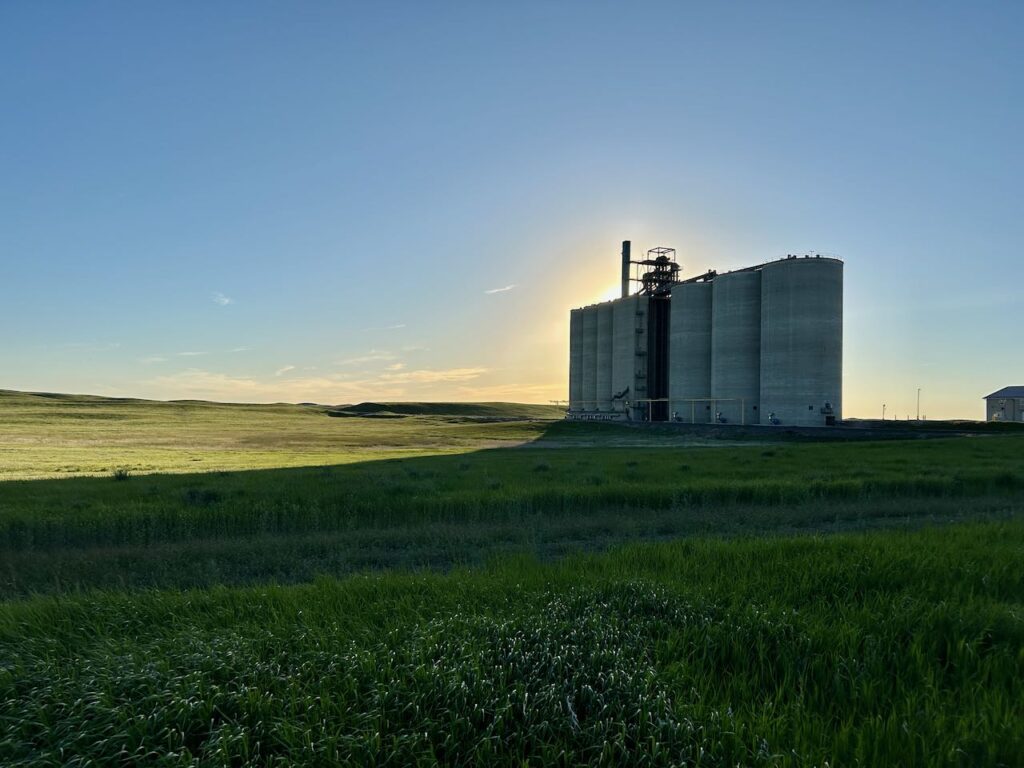
Grain elevators stand as scenic symbols of the Midwest economy—and of continuing threats to our remaining shortgrass prairie.

What really stands out in the book are the chapters documenting the breathtaking exploitation and destruction of tallgrass prairie, and how technology has managed both to raise agricultural production and create almost unimaginable environmental problems. Even as someone who has followed environmental issues all of my life, I learned an astonishing amount. Have you ever heard of tile drainage? I hadn’t, but it is a drainage system that not only allows farmers to raise abundant crops on otherwise unsuitable land, but mightily contributes to funneling harmful fertilizers and pesticides into rivers, lakes, wells, and other water sources throughout the Midwest. Scientists have established clear links between agricultural practices and the enormous dead zones that occur every year in the Gulf of Mexico. Meanwhile, hundreds of cities such as Des Moines have to spend millions—probably billions—of dollars to try to remove harmful fertilizer residues from drinking water supplies.

The authors explain that while Iowa and other Midwest states have lost virtually all of their original tallgrass prairie to agricultural conversion, the arid nature of the shortgrass prairie traditionally rendered it unsuitable for growing crops. Instead, cattle was king on these lands—including much of the Dakotas, Montana, and Wyoming. Alas, genetic engineering and other technologies have now opened up these fragile, dry lands to farming. I had thought that the great era of prairie conversion had ended, but in the US we are now losing more than one million grassland acres to the plow every year.

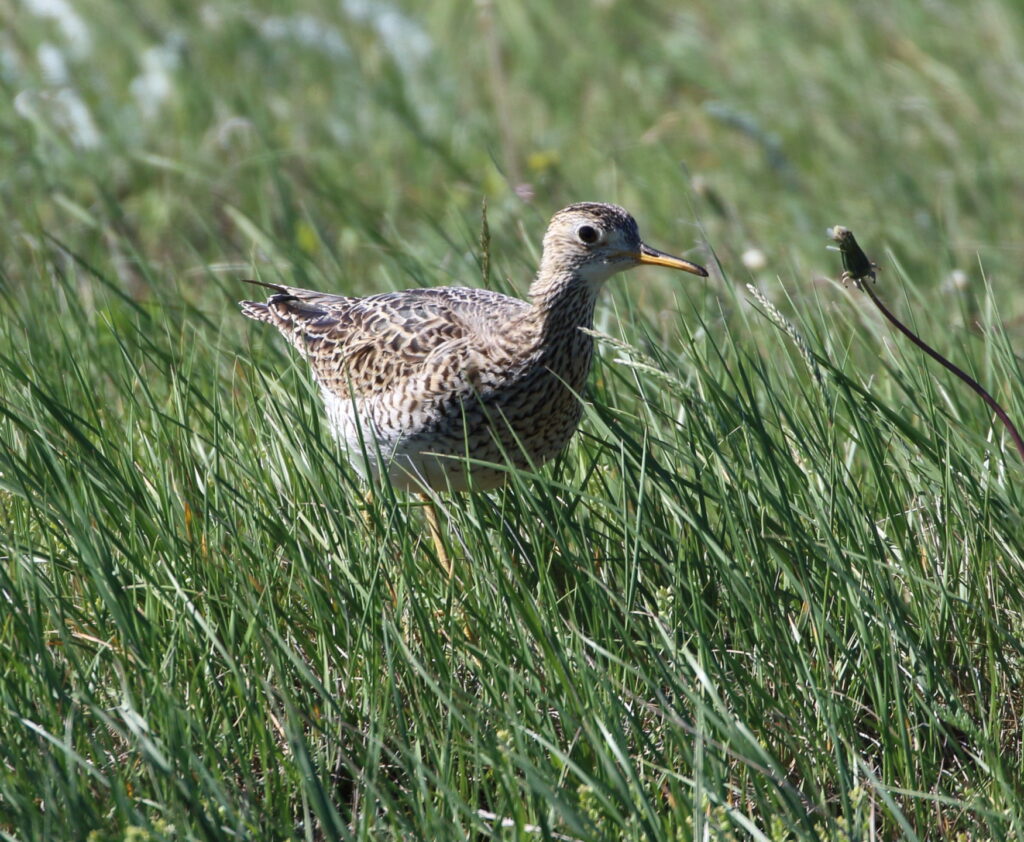
The loss of more than a million acres of shortgrass prairie to farming each year not only threatens grassland birds like this Upland Sandpiper, but an ecosystem with a diversity rivaling that of tropical forests and coral reefs.

For anyone who cares about the incredible diversity found in these grasslands—including its remarkable suite of grassland birds—this is horrible news indeed. It also sheds a positive light on the importance of sustainable cattle ranching and “keeping grass in grass,” as one Montana biologist puts it. What makes the situation especially frustrating is that conversion of grasslands to cropland isn’t primarily driven by demand for food, but by billions of dollars of tax breaks, mandates, and other government subsidies for growing corn to produce ethanol. These subsidies arose from efforts to help America achieve energy independence. Instead, they have helped create a system that continues to destroy natural ecosystems while creating immense quantities of a product that we simply don’t need (see, for instance, this report from Wisconsin). Unfortunately, by driving up corn prices, the ethanol boondoggle has made many corn growers extremely wealthy and politically powerful, almost eliminating the possibility of rolling back this pork barrel waste of taxpayer dollars.

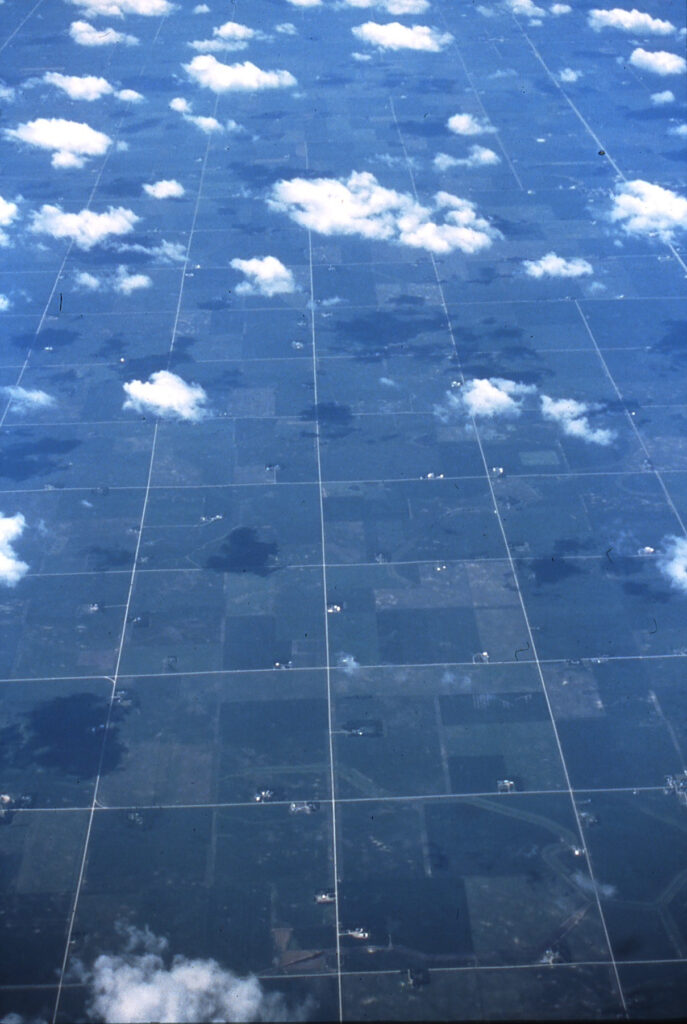
99% of Iowa’s tallgrass prairie was lost to agricultural conversion. Today, wasteful government farm subsidies for ethanol help drive the rapid loss of shortgrass prairie in Montana and other states.

Fortunately, the authors don’t leave us with a totally grim outlook for America’s remaining grasslands. Throughout the book, but especially in the final section, the authors detail a number of small-scale efforts to protect and restore grasslands as well as to reduce the incredible environmental costs of modern-day agricultural methods. In Montana, these range from the creation of American Prairie to the practice of rotational cattle grazing to tribal and ranching successes reintroducing bison back onto the landscape. I don’t want to reveal too much, but I’m confident you’ll find these and other efforts as fascinating and hopeful as I have.

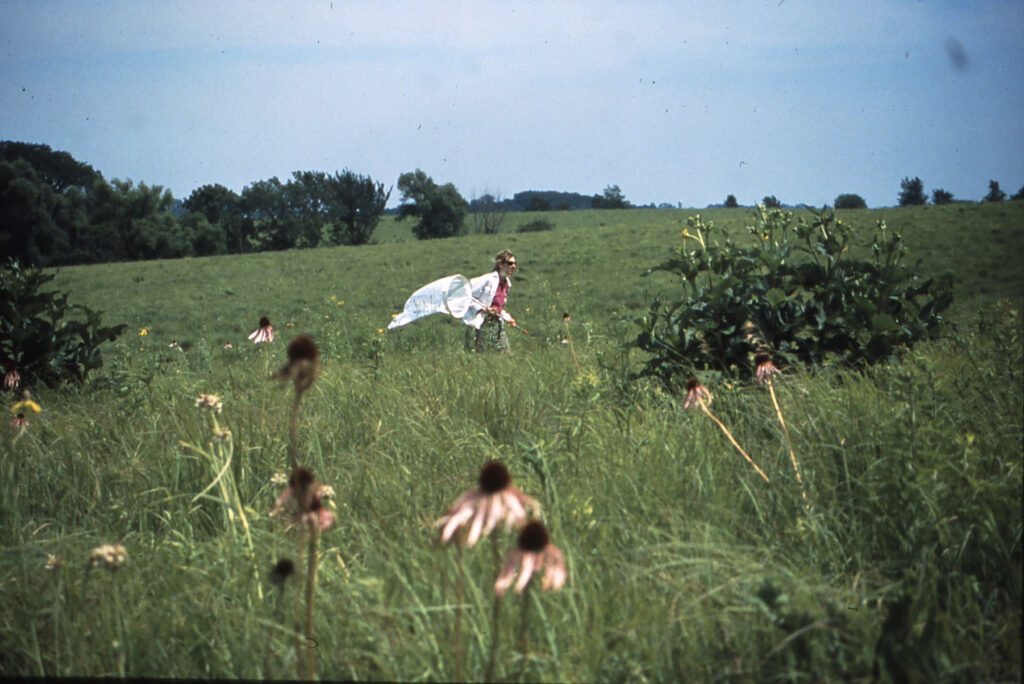
Scientist Diane Debinski searching for rare butterflies at Iowa’s Neal Smith National Wildlife Refuge, one of a handful of projects to restore tallgrass prairie habitat. This project was the subject of my 2005 book, The Prairie Builders.

Although it gives fairly brief coverage to grassland birds, if you care about grassland birds—not to mention bison and grassland ecosystems in general—Sea of Grass is absolutely required reading. Especially if you live in or near the Great Plains, it provides vital insights into the huge economic and cultural forces at work in our region. As a bonus, the authors’ clean, entertaining writing style help make this one of the most worthwhile books you are likely to crack open this year.

Summary: A fascinating crash course on the biological, economic, and cultural history of America’s grasslands and the growing efforts to protect what’s left of these remarkable ecosystems.

Hi-Line Report: Bad Weather Can Bring Good Birds

Want to support FatherSonBirding? It’s easy! Simply pick up a copy of Birding for Boomers by clicking here—or by ordering it from your local independent bookstore! We thank you!

Most serious Montana birders try to make it up to the Hi-Line every year. If you’ve never heard of the Hi-Line, it is the northern region of the state that basically follows Highway 2 from East Glacier National Park all the way to the North Dakota Border. It’s an area full of rolling hills, badlands, farms and ranches—and a whole lotta birds. For Braden and me, the region is best represented by the Bowdoin National Wildlife Refuge, a sprawling 15,551-acre refuge near Malta that encompasses a rich variety of wet and dry habitats. We don’t make it up to Bowdoin every year, but this year I was fortunate enough to get invited to visit a school in nearby Chinook. Even better, I timed the visit for spring migration and breeding. I booked an Airbnb in Malta and drove up two days early to give me a full day at Bowdoin. The bad news? The forecast called for rain.

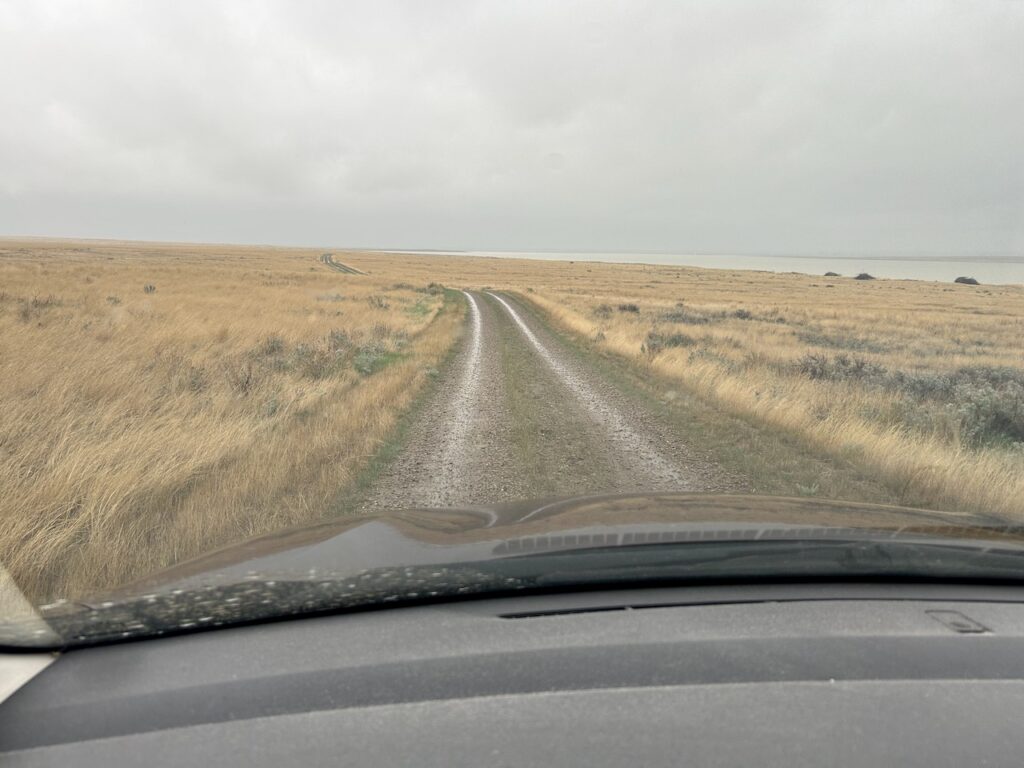
Indeed, when I arrived at the refuge at 6:00 a.m., rain pelted the car, propelled by a cold wind. Geez, I thought. I’m not going to see anything today. It was so cold and wet that I skipped my usual stop at the visitor center and instead headed straight out onto the first, five-mile section of the fifteen-mile loop around the lake. I noted that water levels, although not great, were better than I’d seen them two years before, but the first five-mile section was a time to focus not on water birds, but on denizens of the grass. Normally, in fact, Braden and I spend the most time in this section, stopping frequently to listen for Grasshopper Sparrows, Baird’s Sparrows, Chestnut-collared Longspurs, and other grassland favorites (see our post “Great Grassland Birding”). Today, that proved impossible. Every time I opened the window, wind and rain cascaded in and made it almost impossible to hear calls beyond the heavy-metal songs of Western Meadowlarks.

Steady rain and wind limited my ability to find grassland birds!

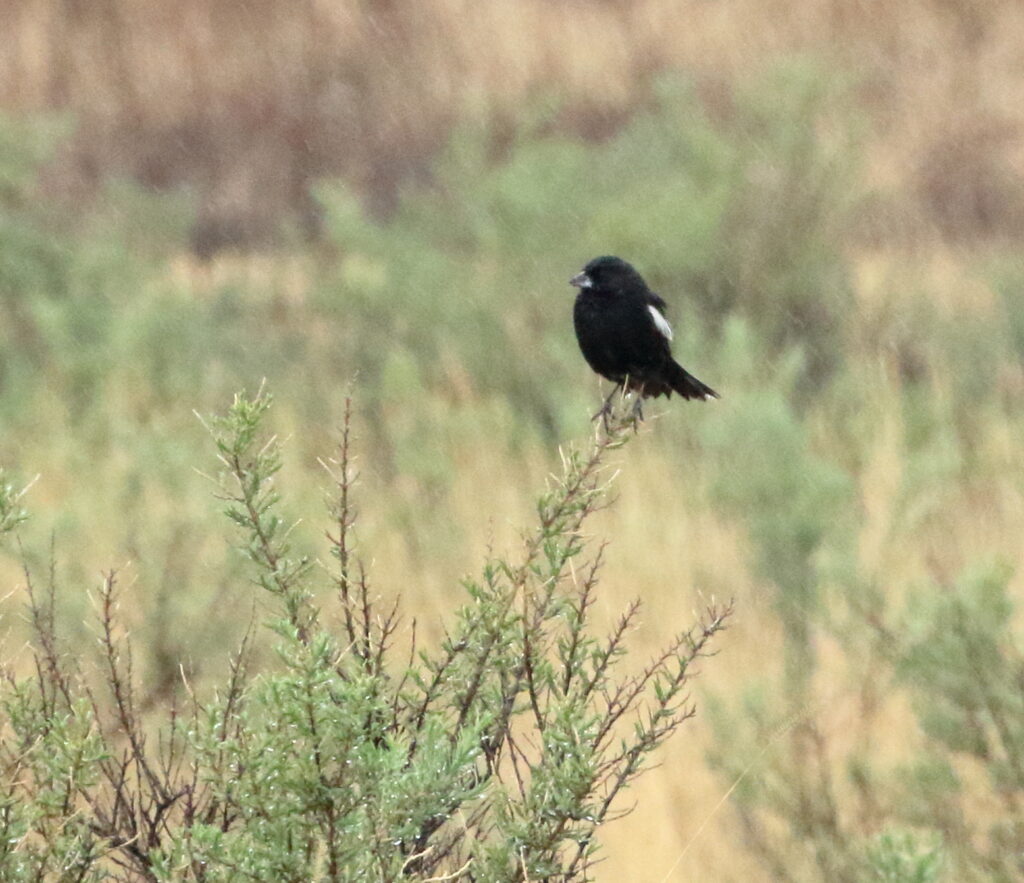
Mercifully, a few species took pity on me. Right off the bat, I espied one of our favorite birds, a Bobolink—the only one I would see the entire trip. Then, I spotted a drenched Grasshopper Sparrow perched on a small bush—the lone GRSP I would see that day. Lark Buntings also put in an appearance, along with Horned Larks and Savannah Sparrows. I also was pleased to see shorebirds, but on this section of the drive, they were far away. At one point, I leaped out to set up the scope I was testing out (see our next post), but immediately got drenched and was unable to ID much except for Wilson’s Phalaropes, American Avocets, and a Willet.

Lark Buntings were the most cooperative grassland birds I managed to see on this cold, wet, windy day. Thank you, Lark Buntings!

As I kept driving, however, conditions steadily improved and I got better looks at shorebirds. The phalaropes were especially impressive and I estimated at least a thousand out on the water and working the shore. The vast majority were Wilson’s, but with patience, I found a group of four Red-necked Phalaropes—most clearly identified by their smaller size, overall darker appearance, and distinct light lines running down their dark backs. Ducks were not super abundant, but plentiful and I counted at least ten species, including my first-of-the-year Canvasbacks!

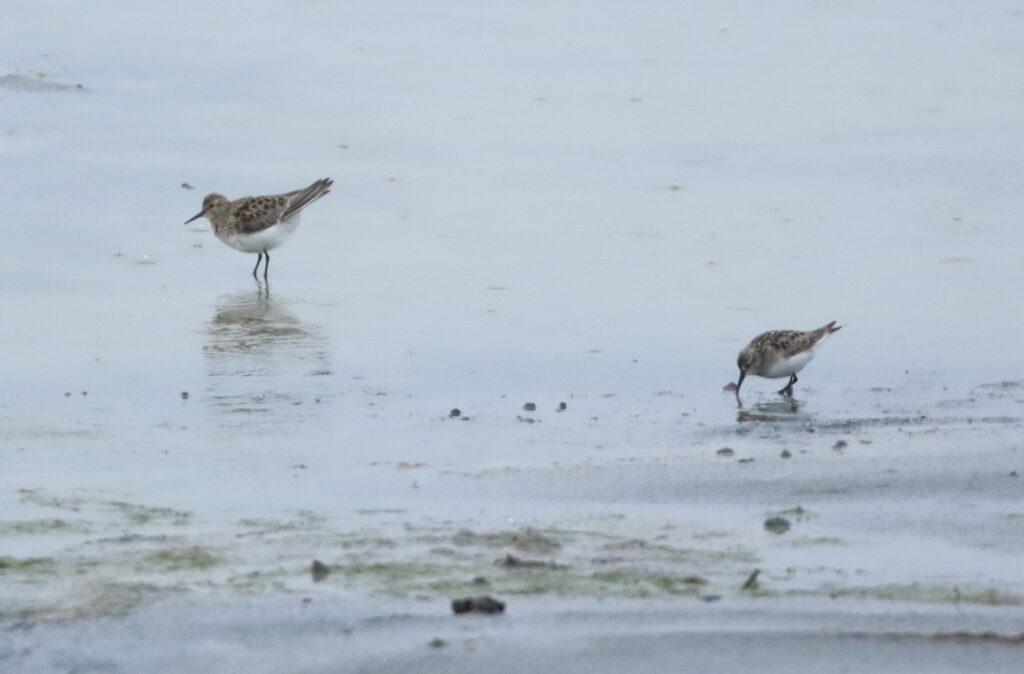
Twice, I drove down to some boat ramps and, despite the rain, nabbed a good “harvest” of shorebirds. I found about half a dozen Semipalmated Sandpipers and one Western Sandpiper. The real surprises, which I confirmed later with Braden’s help, were a Baird’s Sandpiper and a White-rumped Sandpiper! The latter was especially difficult to figure out because it didn’t readily show the diagnostic, thin lines of spots extending from the neck down to below the wings, but the overall appearance and body size fit. I was thrilled to find these birds as we’d never found them at Bowdoin before. Then again, we’d never birded Bowdoin this early in the season, so they were all part of my continuing Montana birding education.

Both this Baird’s (left) and several Semipalmated Sandpipers (right) proved early season surprises on this cold, rainy Bowdoin day. The larger size, long wing tips extending beyond the tail, and “medallion” appearance on the wings help distinguish Baird’s from the smaller peeps.

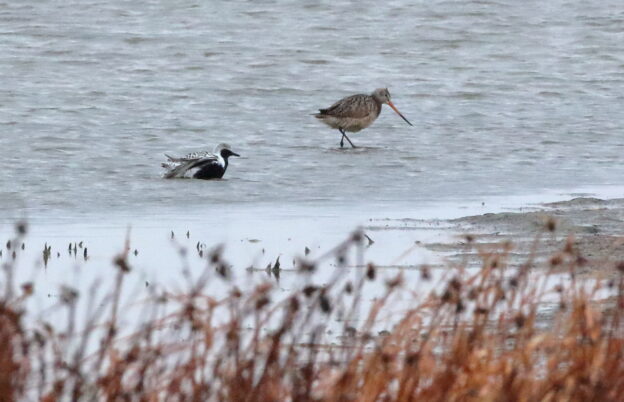
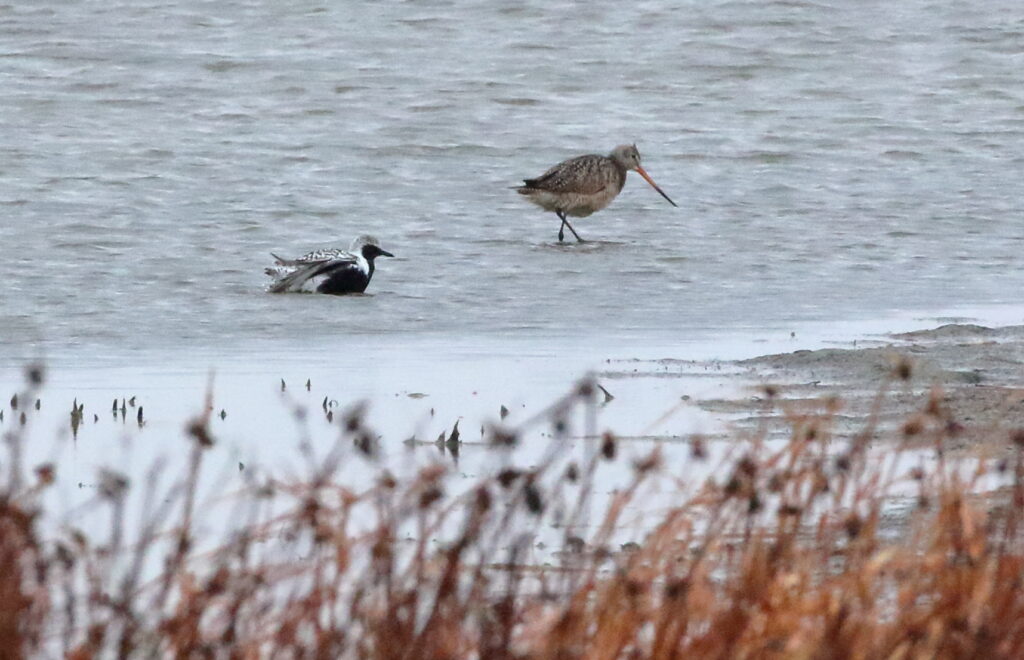
As I was leaving the second boat ramp, I noticed a Marbled Godwit in the parking area. Godwits, like Willets and Long-billed Curlews, are shorebirds and grassland birds. They nest in grasslands, usually near water, so seeing one here didn’t surprise me. I was about to drive off when the godwit suddenly launched itself. As I watched, it flew a hundred yards or so to the shore—and landed next to two birds I had especially hoped to see: Black-bellied Plovers! Loyal FSB readers will note that I’ve written about these fine birds a lot in the past couple of years (see, for instance, this post), and so it was with special pleasure I observed them now—and in their best black-bellied breeding plumage. Thank you, Mr. Godwit, for pointing them out!

This helpful Marbled Godwit (right) made a special effort to point out two Black-bellied Plovers that I had so woefully overlooked!

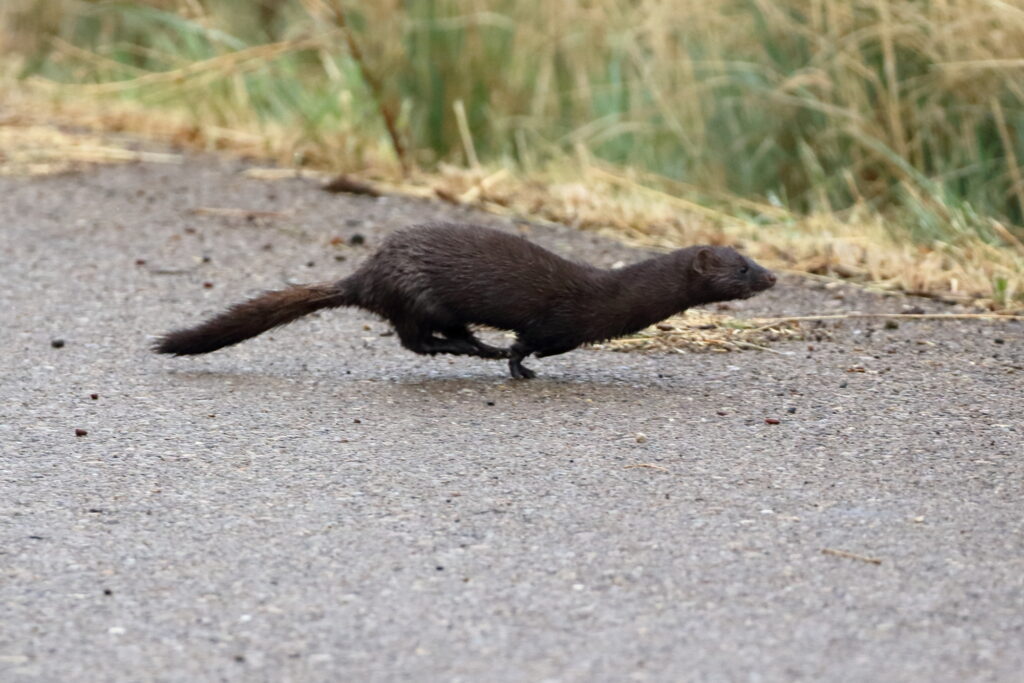
By the time I made it back to the visitor center, my stomach rumbled and, though the rain had slackened, the cold and wind remained. I debated whether I should even get out of the car to explore around the small pond there, but I knew that Braden would never forgive me if I didn’t. Marshaling my determination, I walked over to the start of the little path that circumscribes the pond. Almost immediately, a curious face popped up from behind a bush thirty feet away. “Whoa!” I whispered. At first, I thought it was a weasel, but it was much larger than the three or four weasels I’d observed in the past. Stoat? Ferret? I asked myself. Could it possibly be a mink? I’d never seen a mink and didn’t know if they even lived in Montana, but it seemed to fit the profile. Later, iNaturalist experts helped me confirm that that’s what it was. After looking at me for several moments, the long, bizarre-looking creature loped across the road and disappeared into the brush. The birds, however, were not to be outdone by a mere mammal!

Seeing my lifer American Mink was about the last thing on my mind as I braved Bowdoin’s visitor center area for one last birding effort!

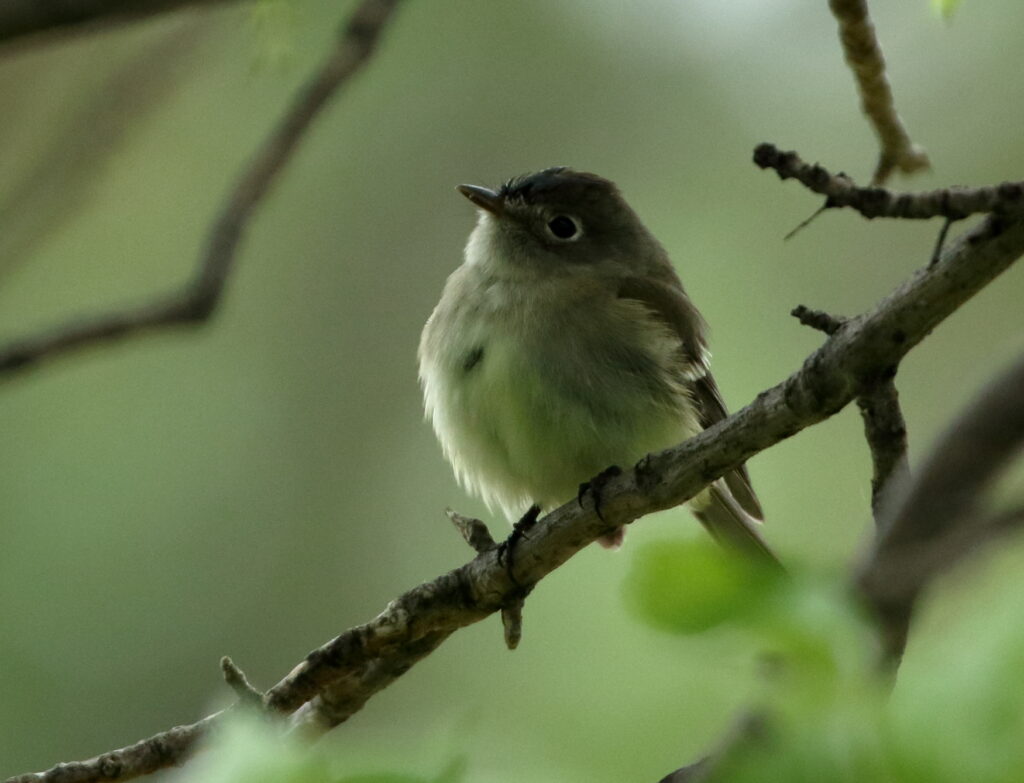
As I began poking around the beginning of the trail, I saw shapes flitting about in the bushes. A brownish bird streaked by me giving off Swainson’s Thrush vibes, but I didn’t see it well enough to definitely identify it. Minutes later, a reddish-backed bird landed on a nearby branch below me—a Veery! Then I got a good look at another Swainson’s Thrush, this time confirming the ID. In the branches above it, an adorable little Least Flycatcher watched me, but none of these would be the stars of the show.

Empidonax flycatchers are notoriously difficult to identify by sight, but this bird’s “cute” appearance—and the fact that no other empids should have been anywhere in the area—helped clinch the ID.

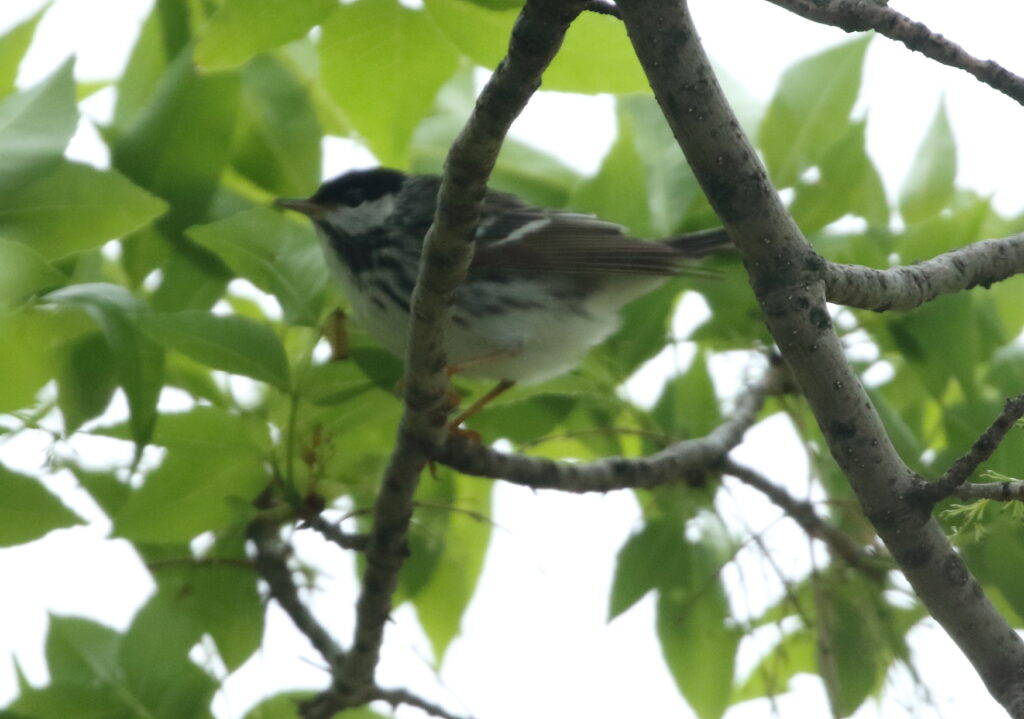
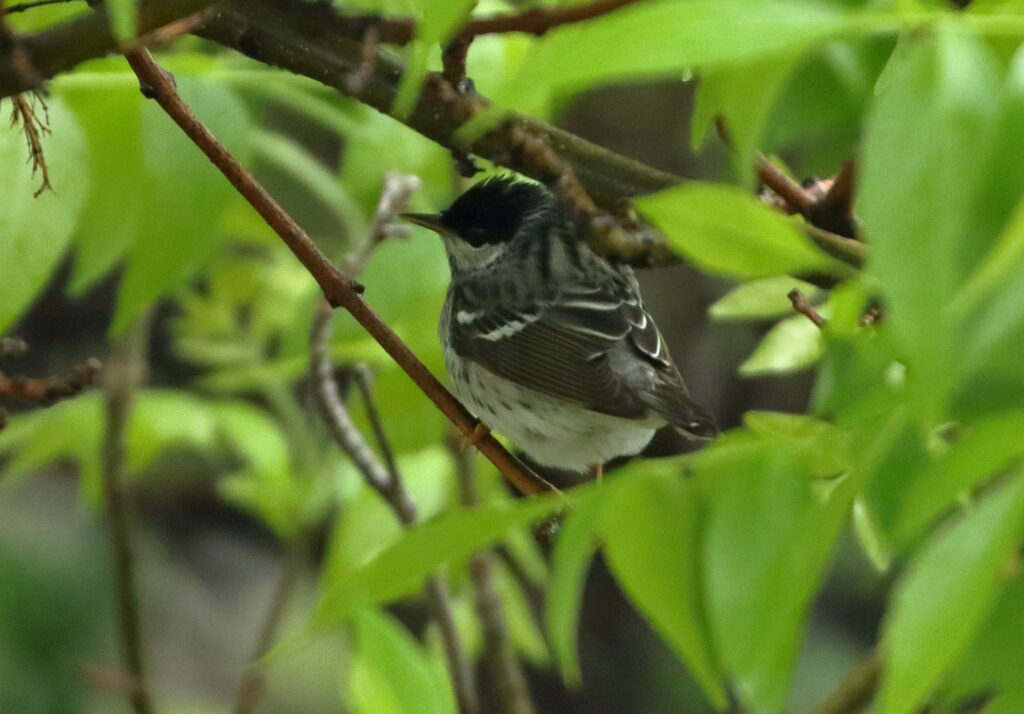
Even through the wind, I could hear both Yellow Warblers and Common Yellowthroats around me, even if I couldn’t get clear looks at any of them. Then, a small songbird landed in a tree about thirty feet away. I got my binoculars up in time to recognize a species I had longed to see—a Blackpoll Warbler! Like the Swainson’s and Veery, the warbler was clearly in migration, on its way to northern breeding grounds in Canada and Alaska. Braden and I had found them three times before in Montana, but always females. Not only did a gorgeous, breeding plumage male now stare back at me, it was the first Blackpoll I had ever found on my own!

As you can tell, the day proved tough for photography all-around, but I managed to get fuzzy ID photos of my Bird of the Trip, Blackpoll Warbler!

You won’t be surprised to hear that the Blackpoll Warbler immediately secured Bird of the Trip honors. Even more, it cemented the notion that just because conditions are bad for birders, they can still be great for birds. In fact, storms often cause birds to hunker in place for a day or two—perhaps the reason I found some of the especially cool birds I found today. I plan to remind myself of that the next time I’m debating whether to venture out into the pelting wind and rain.