Category Archives: Woodpeckers

Layover Birding in Amsterdam

Welcome to all of our new subscribers! If you haven’t subscribed yet, please fill out the box down in the right-hand column. The timing’s good as we’re about to unleash a flock of new posts!

Happy 2020 Fellow Birders! It’s been a while since our last post but that doesn’t mean we’ve been idle. In fact, we just arrived back in the country after a month-long adventure to the Middle East—something which will occupy at least our next four or five posts. Before we get to the Levant, however, we want to share some birds on the way—in, you guessed it, Amsterdam!

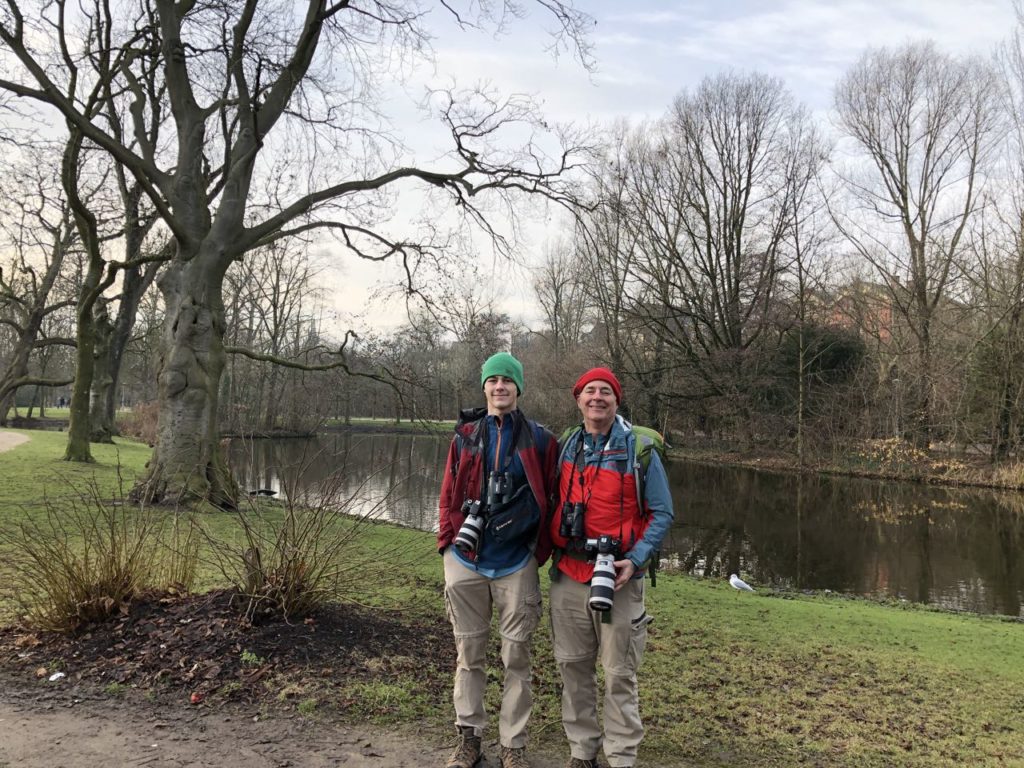
Birding Amsterdam’s Vondelpark was the perfect way to kick off our Middle East adventure!

Our flights were set up so that we got an eight-hour layover in the Netherlands, and you can bet we took advantage of it. As soon as our plane landed, we raced through immigration and customs, caught a train to Amsterdam’s Central Station and then a trolley out to what looked like our best birding opportunity, Vondelpark. As we entered the enormous urban landscape, clouds and chilly temperatures greeted us, but no rain, so we were in birding business. As fast as you can say “Common Wood-Pigeon”, our Life Lists exploded.

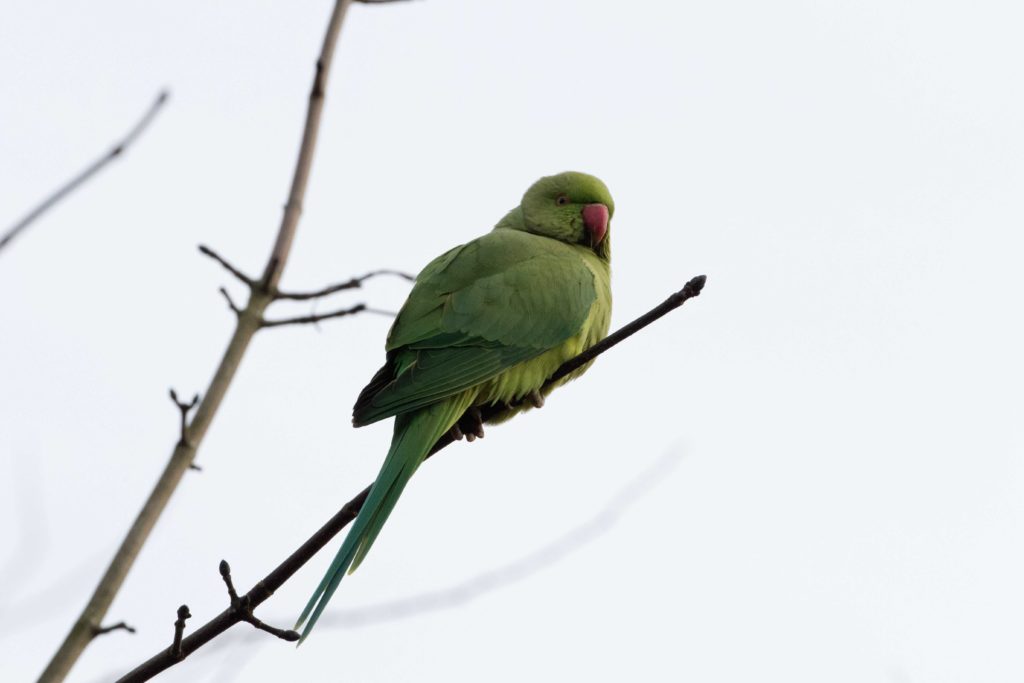
Rose-ringed Parakeets? In Amsterdam? Hard to believe, but yes–in abundance!

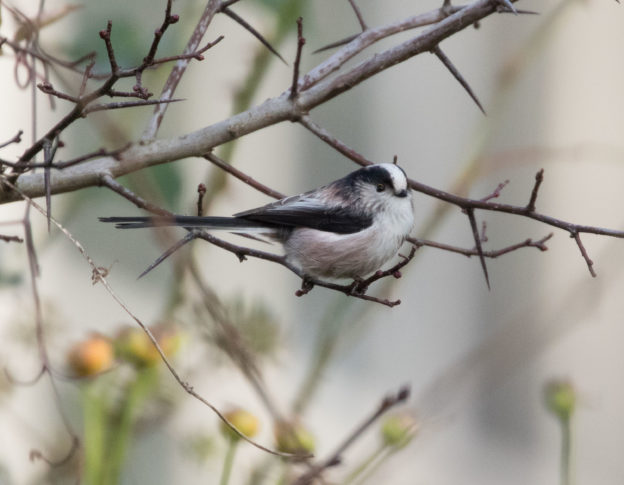
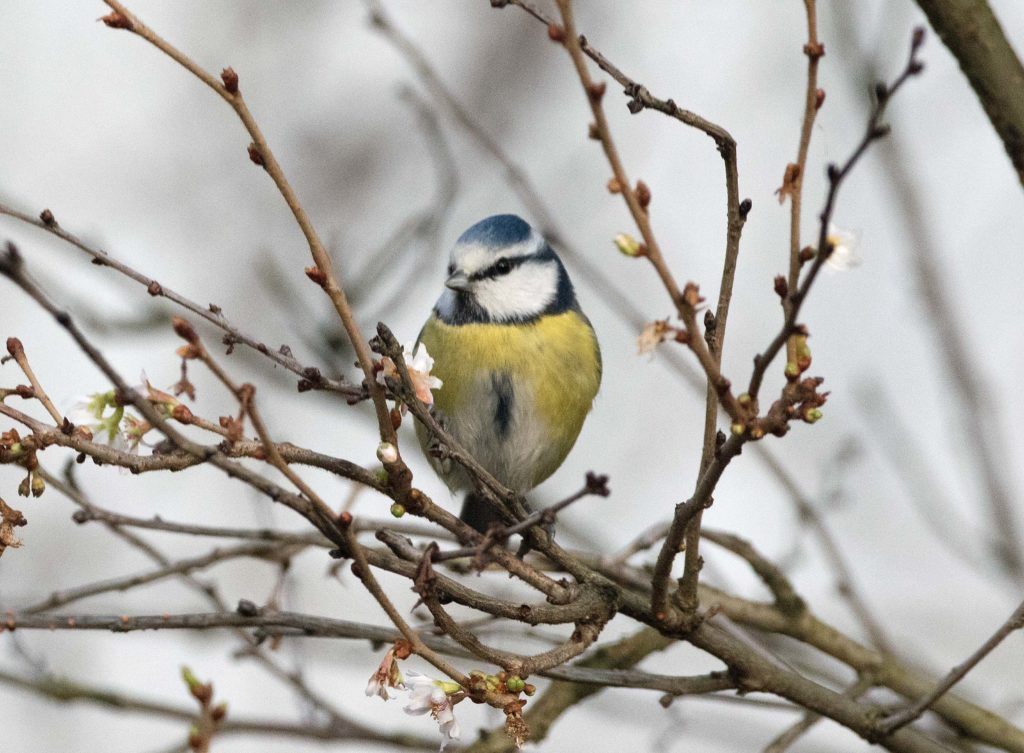
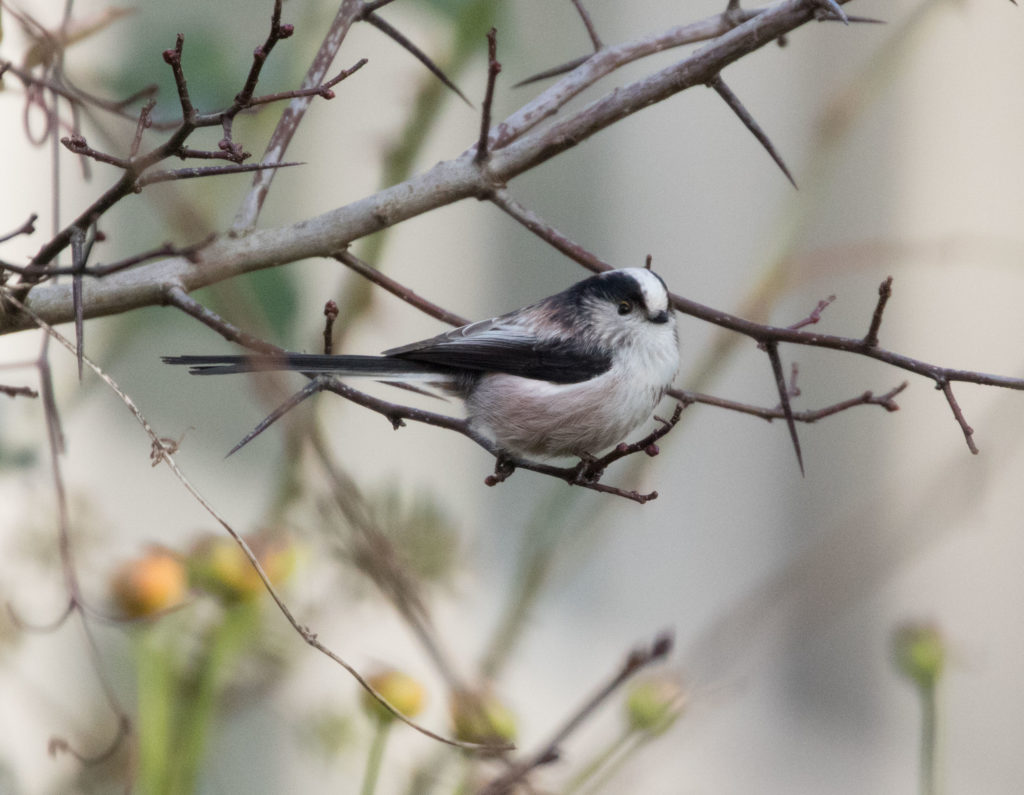
Braden and I had done our due diligence by studying eBird lists for Amsterdam prior to the trip, but we were still blown away by how many of the birds actually appeared in front of us. They included the European versions of some of America’s common birds—Eurasian Moorhen, Eurasian Coot, Gray Heron, and Eurasian Magpie—but soon we also saw the more specialized residents. The first was a big surprise: European Greenfinch. These were followed by Eurasian Blackbirds, Eurasian Jackdaws, Eurasian Jays, Carrion Crows, and a prized trio of tits: Great, Blue, and Long-tailed.

But you know me. At the top of my “To See” list was the Great Spotted Woodpecker, the only possible woodpecker in the vicinity. After an hour, we still hadn’t seen one when Braden suddenly swiveled and pointed. “Woodpecker!” Unfortunately, the bird was high-tailing it away from us, but we saw it land in a tree at the far side of the park. “After it!” I shouted and we raced across the park. The lighting was terrible, but the bird stayed just long enough for some decent looks. BOO-YAH!

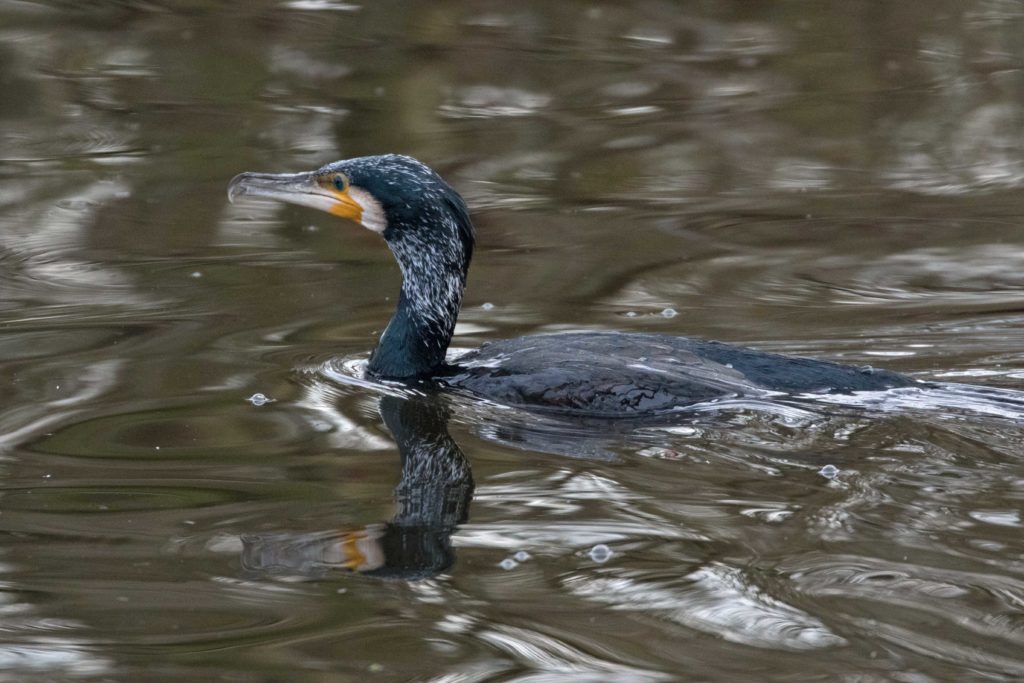
This Great Cormorant was a real surprise in Vondelpark.

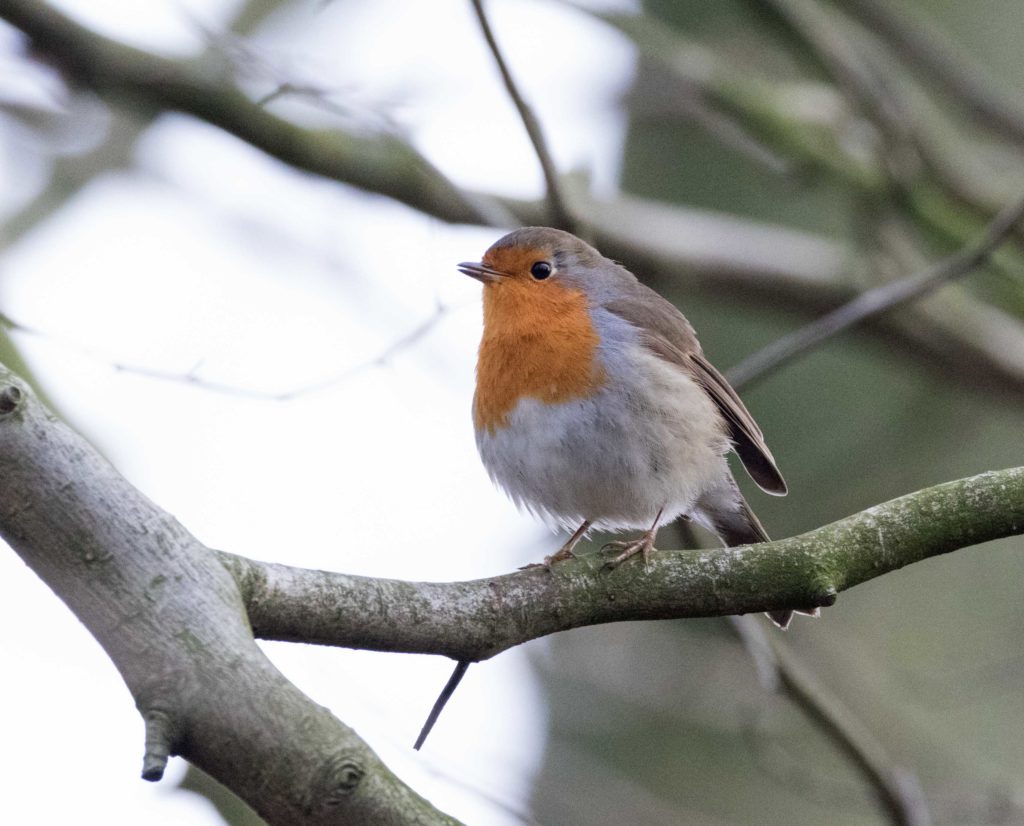
Our birding expedition wrapped up with a look at a Eurasian Wren, a Redwing, and some great quality time with European Robins—both Braden’s and my “Bird of the Day.” Then it was off to get warm and take a quick tour of the Van Gogh Museum. No offense to the great artist, but it seemed oddly anticlimactic after the living art we’d seen in the park.

Some great hang time made the European Robin our Bird of the Day. Look for them in movies filmed in Europe!

Take a look at our complete checklist here:

https://ebird.org/checklist/S62703700

Hard Birding in Houston

If you enjoy these posts, please share them with friends, family, and other birders. Also, be sure to subscribe by filling out the form down in the right-hand column. Tweet-Tweet!

If you’ve been following this blog at all you know that Braden and I love birding Texas. Not only does the Lone Star State offer a delicious smorgasbord of temperate and tropical bird species, it provides an equally delicious variety of food, from Tex-Mex to BBQ. Little wonder I jumped at the chance to lead a professional development workshop for teachers there last week. I quickly learned, however, that birding in Texas in June is a far cry from birding there almost any other time of year.

I don’t know about you, but I’m getting sick of Houston’s annual “Hundred-Year Floods”, which, among other things, wreak havoc with birding plans!

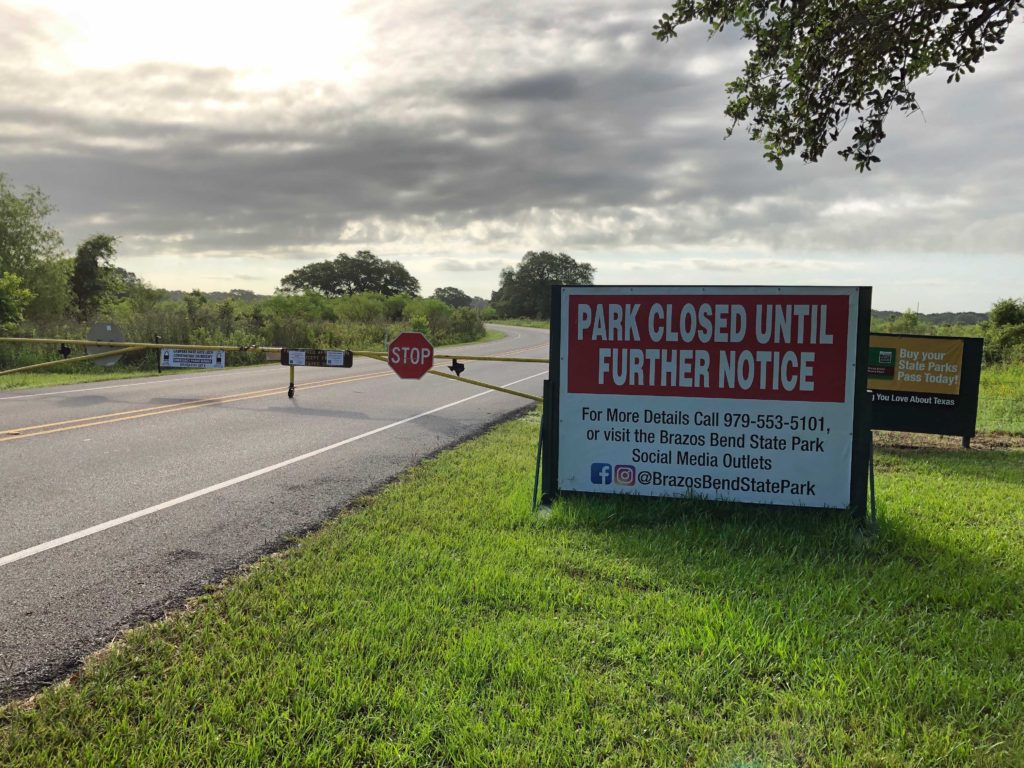
I should have guessed that birding would be tough when my flight down got diverted to San Antonio for four hours because of thunderstorms over Houston, eliminating an entire afternoon of birding I had planned. Nonetheless, I scored some great Tex-Mex food at Gringo’s that night and the workshop the next day went fabulously well. The following morning, I optimistically set off early to check out Brazos Bend State Park, which I raved about in last year’s post Winter Birding at Brazos. Unfortunately, at the entrance I was greeted with a giant sign informing me that the park was closed because of recent flooding.

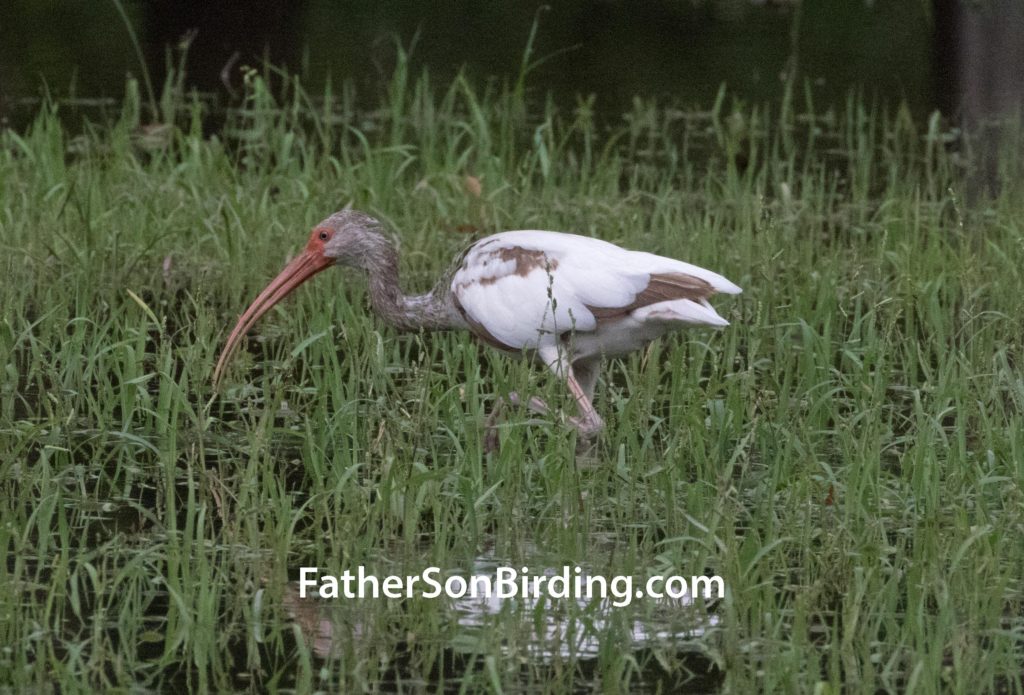
The flooding did afford me some close-up looks at White Ibises, including this juvenile, which was foraging on the flooded lawns of Bear Creek Pioneers Park.

“What?” I exclaimed, outraged. At least the drive there and back proved fruitful as I spotted a Crested Caracara and Scissor-tailed Flycatcher, along with an impressive display of Cliff Swallows at a bridge. Alas, I found more flooding at my next stop, Bear Creek Pioneers Park. I walked around for more than an hour and managed some great looks at White Ibises and a Red-bellied Woodpecker, but by then temperatures were edging past 90 with a heat index above 100. I wiped my brow and muttered, “I’m good for one more spot. Then it’s back to the hotel to watch HBO.”

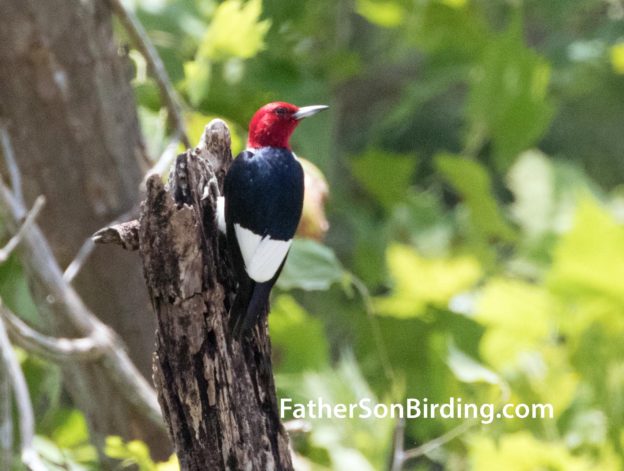
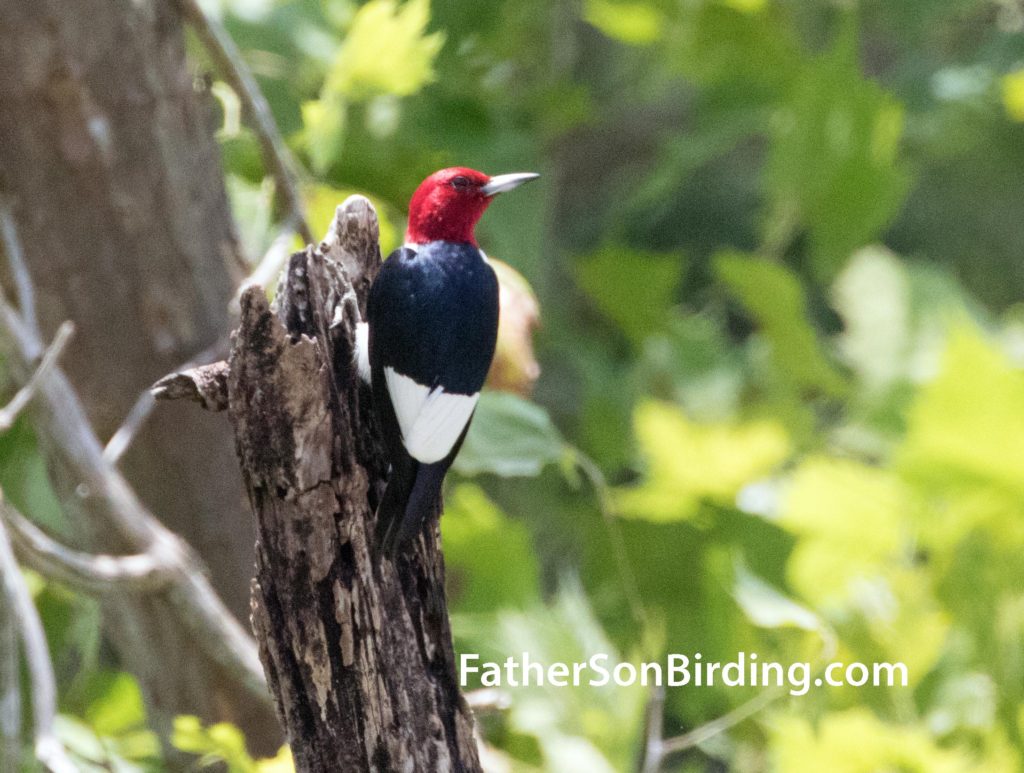
For my last birding gasp, I chose one of Braden’s and my favorite Texas birding spots—Jesse H. Jones Park & Nature Center. I guzzled a pint of water, donned my hat and insect repellent, and set out to see if any birds could actually survive in Houston’s legendary heat and humidity. Not much stirred, but I had a fun encounter with Carolina Wrens and two separate experiences with one of my favorite Texas birds, Red-headed Woodpeckers—including a juvenile that had just fledged. The woodpeckers didn’t entirely make up for the day, but they helped—along with seafood enchiladas and a margarita at Gringo’s!

It’s hard to complain too much about a day that presented not one, but five Red-headed Woodpeckers. A former Team Collard nemesis bird, Braden and I first tallied RHWOs at this same park in 2016!

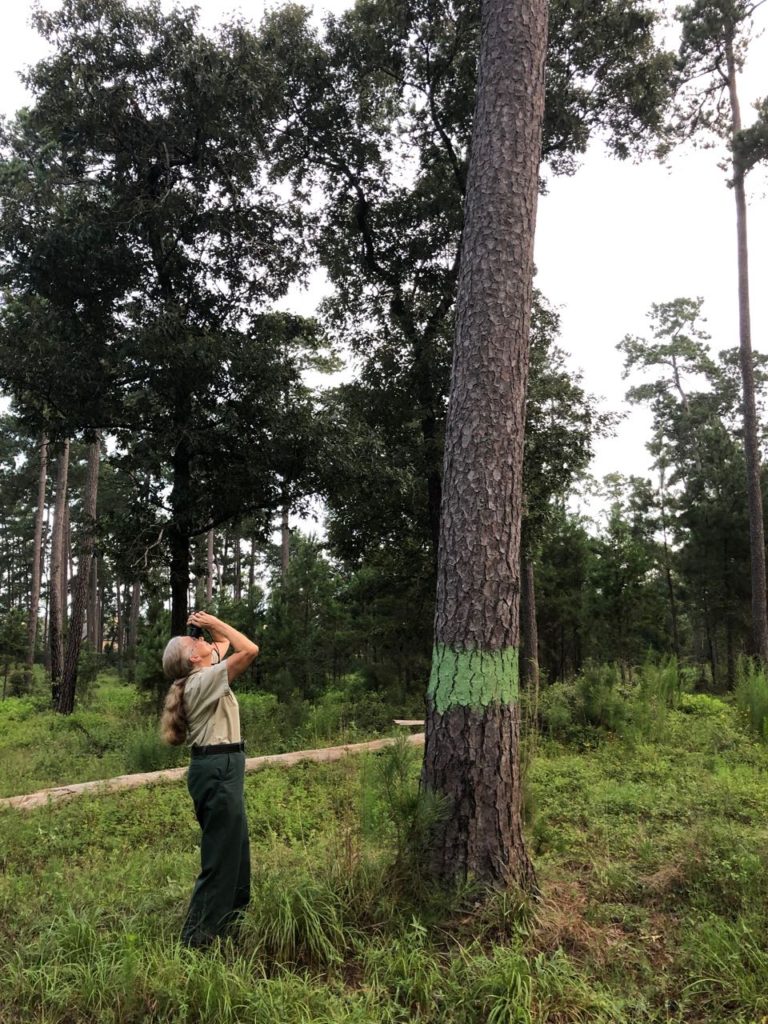
Before my flight home the next day, I had one more mission—to meet with biologist Donna Work at the W.G. Jones State Forest. The forest is the best place near Houston to learn about and observe endangered Red-cockaded Woodpeckers. Populations of these interesting birds have declined over the decades, mainly due to the destruction or replacement of the longleaf pines that they prefer to nest in. Donna met me just as dawn light reached across the sky and we chatted about all things woodpeckers while hoping to see the birds leave their roosting holes.

Biologist Donna Work was kind enough to meet me at 5:45 a.m. to observe Red-cockaded Woodpeckers at W.G. Jones State Forest and tell me about their management in a place now surrounded by suburbs. The green paint marks trees the birds use or have recently used for roosting or nesting.

We missed the birds’ exit, but did glimpse them in the trees overhead. Donna explained that the forest hosts about four RCWO family groups and that nesting success varies year to year. This year, the group we were watching had fledged only a single chick. I asked her if the birds would survive without active management. “No,” she replied, explaining that the birds were too isolated from other RCWO populations to avoid getting inbred. To make up for this, forest managers bring in woodpeckers from other areas to breed with the resident birds. The forest itself also requires active management to mimic the natural fire regime that maintains conditions conducive to the woodpeckers. Despite the tough birding, I left Texas with my belly full, and felt glad that so many people are working hard to protect Texas’s avian treasures.

Birding the Burn—Again!

If you’ve followed our blog, you’ve probably realized that some of our favorite places to bird are recent burn areas—that is, burn areas that have not been destroyed by so-called “salvage logging.” I first fell in love with burn areas while researching my book Fire Birds—Valuing Natural Wildfires and Burned Forests. The book highlighted the fascinating work of biologist Dick Hutto, who showed what vital habitat burned forests are for more than one hundred bird species. Yesterday, after dropping Braden off for a Boy Scout leadership weekend near Seeley Lake, I decided to hit a burn area we’d visited with Dick last spring—the Morrell Creek watershed.

Burn areas provide outstanding habitat to more than one hundred species of birds. Unfortunately, so-called “salvage logging” destroys the burned forest by removing the larger-diameter trees that woodpeckers and other birds most need for food and shelter.

I had two ulterior motives for going there. One was to scout out a good place to bird with some kids next month. The other was to see one of Braden’s and my favorite birds, the Black-backed Woodpecker. As I was driving in, I was dismayed to find that the “salvage loggers” had already ruined a lot of the habitat along the road, but I eventually pulled over at a likely place to explore, one with larger-diameter dead trees still left standing.

Forget bluebird boxes! If you really want bluebirds to thrive, leave burned forests alone. Untouched burned forests may be the favorite habitat of these birds, providing food, shelter, and safety from squirrels and other small predators.

Right off the bat, I encountered large numbers of two favorite burn species: Mountain Bluebirds and Dark-eyed juncos, who seem to prefer burn areas to almost any other habitat. The bluebirds especially were going crazy. Twice, I saw groups of three (two males and a female, I think) chasing and mobbing each other, sometimes driving themselves to the ground. A territorial dispute? The birding equivalent of a bar fight over a girl? I wondered.

It didn’t take too long for me to hear woodpecker drumming and my heart raced as I hurried through the trees hoping to see a Black-backed. Unfortunately, I didn’t see the woodpecker until it was too late and spooked it before I got a good ID. Curses!

While Black-backed and Three-toed Woodpeckers get more attention, Hairy Woodpeckers are also burned forest specialists. If you have any doubt, just look at how well this Hairy blends in with its burned background. Like the Black-backed and Three-toed, the Hairy Woodpecker is “hard-headed” enough to drill into the rock-hard wood of newly-killed trees for wood-boring beetle grubs and to drill out nesting and roosting holes.

I kept walking through the forest, finding a great sense of peace from the sounds of Morrell Creek splashing below and from the dark, silent sentries surrounding me. Eventually I located another woodpecker drumming, but only snatched two blurry photos of it before it, too, flew away. My photos, though, did show a yellow crown, narrowing the bird to a Black-backed or Three-toed Woodpecker. Unfortunately, it was a crummy day for light and photography and the next woodpecker I saw was too backlit for me to identify. I did see a Golden Eagle circling above and an American Dipper in the creek below. A Hairy Woodpecker also posed for a picture. Finally, as I was about to leave, I heard more drumming. I grabbed my camera from the car seat and chased it down.

Success!

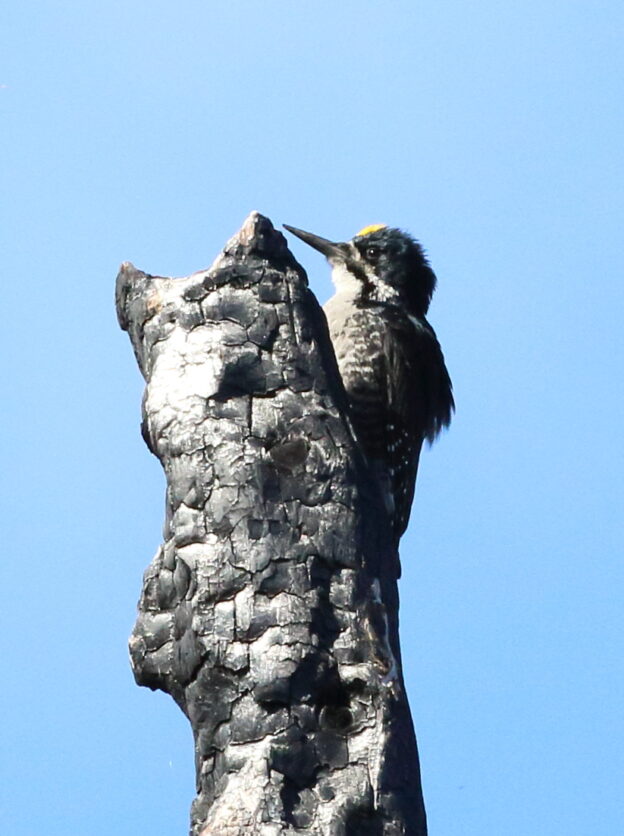
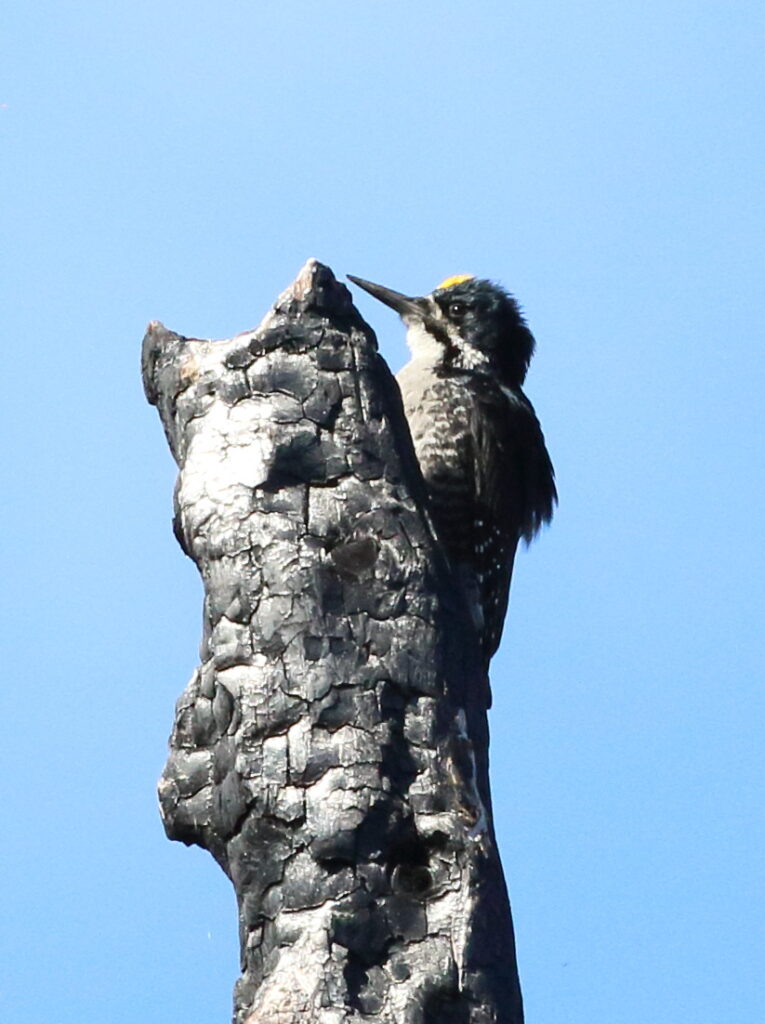
On a high narrow snag sat a beautiful male Three-toed Woodpecker drumming his heart out. It wasn’t a Black-backed, but I didn’t care. Three-toed Woodpeckers, like Black-backeds, are specialists of burned forests and I was delighted to meet up with this fellow—and even more delighted that he’d found a beautiful, blackened home.

Though lighting conditions stunk, I was delighted to finally get a good look at this Three-toed Woodpecker drumming on one of many awesome “drumming posts” to be had in the burned forest.

The Land of 10,000 Birds—and Deep-fried Snickers Bars

This year my daughter Tessa and I decided that for our daddy-daughter trip we should take Amtrak to the Land of 10,000 lakes. You got it. Minnesota! Our primary purpose was to visit my brother, his wife, and their two-year-old son, but we also timed our visit for an event I’d always wanted to see: the Minnesota State Fair.

For us Westerners, Red-bellied Woodpeckers are always a treat and I was glad to see a few during my week in Minnesota. (Photo by Sneed B. Collard III)

I must be clear: this was not a birding trip, but as always, birding opportunities presented themselves and I came prepared. Especially since it was fall migration, I arrived in Minneapolis hoping to see a slew of warblers and other songbirds not easily found in Montana. My first morning there, while Tessa slept in, I stole my brother’s car and headed to a promising eBird hotspot, Westwood Hills Nature Center. I arrived optimistically, a feeling that blossomed when I encountered a group of birders who reported that they’d just seen more than half a dozen warbler species including Chestnut-sided, Black-and-White, Bay-breasted and American Redstart. Unfortunately, as soon as I arrived, the warblers vanished. Argh! I did find a Northern Waterthrush skulking in an overgrown pond and managed a Lifer, Philadelphia Vireo, but departed asking myself what could have been.

Sharks, not birds, were the highlight of the Minnesota State Fair!

Still, we had the fair to look forward to, and despite an incredible thunderstorm, made the most of it. We devoured the most delicious cheese curds ever, along with an entire bucket of cookies. My daughter also won a giant four-ton stuffed shark that we would have to drag back home on the train. And that deep-fried Snickers? Well, I wish I hadn’t done that.

My birding adventures weren’t over, however. My brother and his family happened to live only two blocks from the Mississippi River and on a whim I headed over there early the next morning. There, I ran into yet another terrific group of birders. Again, all the best birds deserted as soon as I arrived. “What the heck is going on?” I grumbled.

This was only my third time seeing diminutive, but spectacular, Black-and-White Warblers, and they alone satisfied my bird cravings for the trip. (Photo by Sneed B. Collard III)

Undeterred, I returned to the same spot the next morning, and this time my birding stars aligned. Right away, I found a flock of chickadees and settled in to watch them. Soon, I made a thrilling discovery: a Black-and-White Warbler gleaning insects in an oak tree! Downy and Red-bellied Woodpeckers arrived along with Ruby-throated Hummingbirds, and Red-eyed and Yellow-throated Vireos. Even better, I saw three more warbler species: American Redstart, Nashville, and Wilson’s. As I was leaving, I also happened to take a photo of a weird-looking sparrow, but didn’t think much of it. That night, I boarded the train, happy both with our daddy-daughter experiences and my birding observations.

And guess what? When I got home, I showed Braden that weird-looking sparrow.

“Daddy,” he said. “That’s an Indigo Bunting!”

Uff-da! Minnesota, we’ll be back!

This surprise, drab Indigo Bunting provided an exclamation mark to my Minnesota birding outings. (Photo by Sneed B. Collard III)

Amazon Birding Bonanza at Sani Lodge

To Subscribe to FatherSonBirding, please fill out your name and email in the appropriate boxes in the right-hand column. Thanks, and don’t forget to share 🙂

Braden here.

The majority of our first week in South America was spent in Ecuador’s portion of the Amazon. It was May, 2017, and we were staying at a place known as Sani Lodge, a resort run by the Yasuni people. The lodge was located about a half mile from the Río Napo, a large tributary of the Amazon River, nestled on a small lagoon. The only way to reach the lodge was by a combination of motorboating, canoeing and hiking.

Hoatzins, an Amazon version of a crazy turkey, provided plenty of entertainment around Sani Lodge. (Photo by Braden Collard)

Bird-wise, I was super excited about the Amazon—it hosted more species than all of the ABA area! As we approached Sani Lodge, though, we saw and heard few birds. Our guide, Danny, pointed out flocks of oropendolas flashing through the canopy or the echoing call of a lone tinamou, but birding was tough as we hiked to our canoe dock, and my expectations slowly diminished. I figured there were lots of birds here, but almost all of them would be difficult to see through the brush. The lodge itself proved my idea wrong, however.

As we canoed up to the dock, our guide began pointing out a broad array of activity—White-winged Swallows flying low over the lagoon, Black-capped Donacobiuses meowing from the marsh, and “stinky turkeys”, or Hoatzins, weighing down branches and screaming about it. As we walked up to the open-air lounge, Danny pointed out two Tropical Screech-Owls roosting in a palm tree next to the trail. In the bar, a chicken-like bird picked crumbs off the floor. Danny introduced us to Apasha the Gray-winged Trumpeter. An Australian birder nearby, the only other tourist in the lounge, stressed that Apasha was “completely wild,” and therefore “completely countable” on ebird. Apasha had shown up a few years ago and just stuck around. In fact, my sister soon discovered that Apasha enjoyed picking insects off of peoples’ heads.

Got critters in your hair? A Gray-winged Trumpeter may be just the ticket! (Photo by Sneed B. Collard III)

Feeders were set up next to the bar, snagging my attention from the manager, who was giving us a presentation on the expectations of the lodge. Silver-beaked and Masked Crimson Tanagers decorated the fruit feeders, while White-eared Jacamars and Scarlet-crowned Barbets watched from nearby.

Masked Crimson Tanagers were some of the most spectacular “feeder birds” at the lodge. (Photo by Braden Collard)

The lodge grounds were small and mostly unmanicured, as the Yasuni wanted to be as eco-friendly as possible. This also meant that the electricity generator ran only twelve hours a day, around mealtimes.

One day, we went for a canoe ride around the lagoon. The story behind the lagoon was that it was a sanctuary for endangered Yellow-spotted Turtles and Black Caimans, both of which we saw. In fact, we released four baby turtles into the lagoon, named Tortugi, Speckles, Rick Turtle and Terminator. As we canoed around, we all suddenly heard drumming. As we looked into the trees nearby, we glimpsed a brilliant-yellow woodpecker—one Danny said was the rare Cream-colored!

One of the most thrilling birds we saw around Sani Lodge, this Cream-colored Woodpecker even made it into my dad’s book, Woodpeckers: Drilling Holes and Bagging Bugs. (Photo by Braden Collard)

My expectations were filled, but more was to come…