Tag Archives: Father-Son Birding

Binoculars & Scopes for the Happy Holiday Birder (FSB Shopping Guide, Part 1)

Today, Braden and I celebrate our 250th blog post! We can hardly believe it ourselves, but it just shows what can happen when the passion of birds and birding infuses your souls. We also celebrate our first year of mixing things up by adding book and equipment reviews. Ahead of the holiday buying season, in fact, we’d like to recap some of our favorite items for that “Bird Nerd” in your life—or maybe even for yourself. If you’re tired of buying stuff, we also include some of our favorite groups working to protect birds around the globe. In Part 1 of this three-part effort, we run down great binoculars and spotting scopes. In our next two posts, we’ll talk about some of our favorite bird books and bird conservation groups. As always, we thank you for your interest and urge you to share these posts with your friends and family—especially if you want them to buy you something!
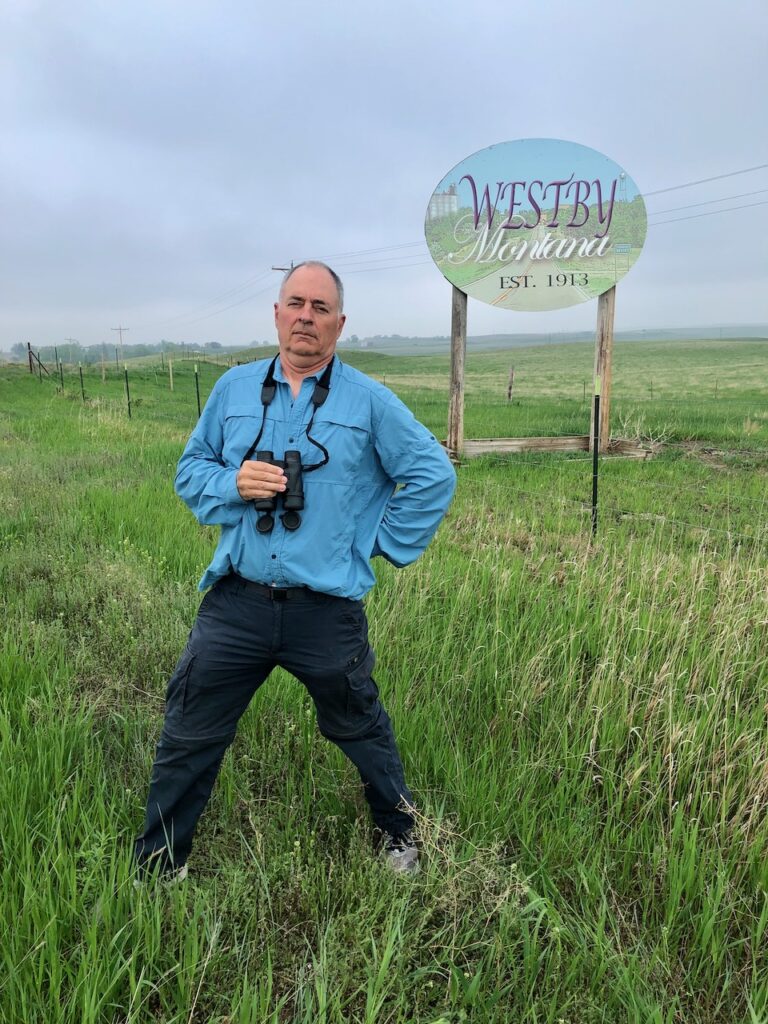
Serious about upgrading your birding optics? Read on!

As 2025 draws to a close, we don’t claim to have tested every brand and model of optics out there, but have been fortunate to put products from both Nikon and Vortex through the paces. We gotta say that if you’re in need of great optics at reasonable prices and with amazing warranties, you won’t do better than these two brands. Nikon products tend to sell close to their official list prices and can be purchased from their website here, or from third parties (see below). Vortex products, on the other hand, usually can be found at much lower prices than what they list for. To get the best price, start with your local indie sporting goods store, but if you can’t find what you want, Dick’s Sporting Goods, B&H Photo, and Land, Sea, & Sky are solid, reputable businesses we’ve had great experiences with.

Binoculars for around $100

Our most popular post of this year was our review of the Vortex Triumph HD 10X42 binoculars, and for good reason. Not only do the Triumphs offer excellent quality at an amazing price, they come with Vortex’s mind-boggling no-questions-asked replacement and repair warranty, something I still can’t believe even exists! One downside to the Triumph HDs is that their minimum focal length is a fairly long 16 feet. Then again, I only need a closer focus than that once or twice a year, so a casual or beginning birder will hardly be affected. See our full review here.
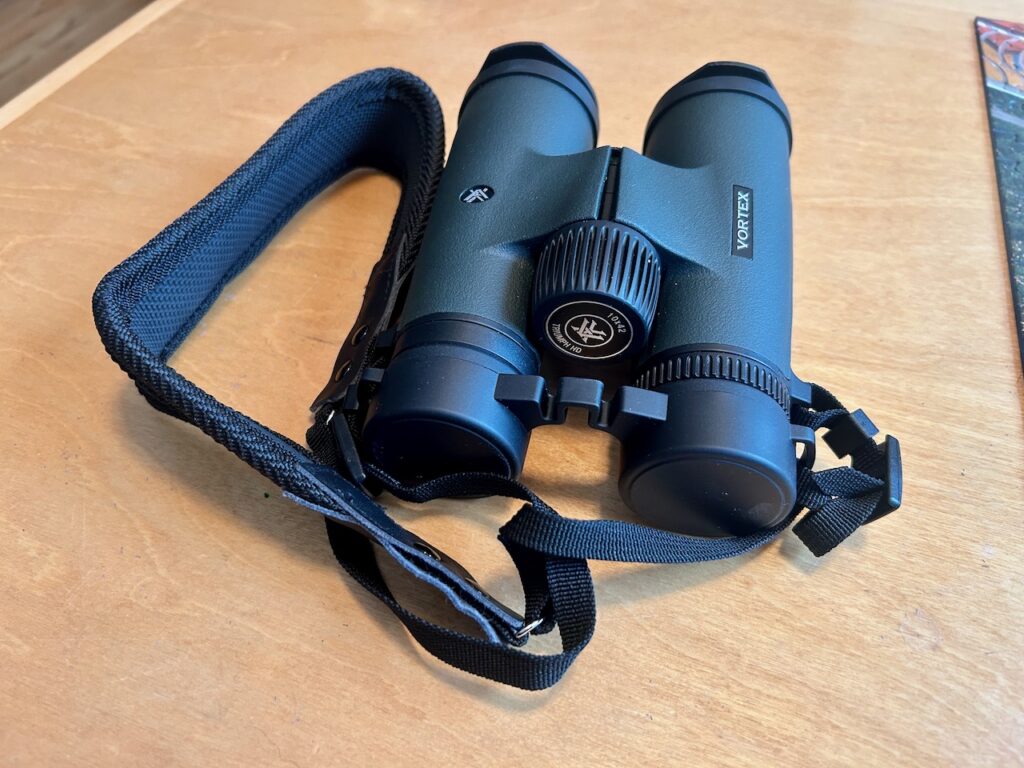
Vortex Triumph HDs offer excellent value for most beginning birders and, like other Vortex products, come with a lifetime no-questions-asked warranty.

Especially if small and lightweight is your goal—or if you’re buying binoculars for the kid in your life—you will also want to consider the new Vortex Bantam HD 6.5X32. Though aimed at kids, these lightweight little gems are fantastic for travel, backpacking trips, or people with sore backs. I loaned a pair to my brother and he didn’t want to give them back! Even more amazing, they can purchased for about $70—a sizzling deal at a time when many of us have to cut back on spending. See our full review here.

Binoculars for about $300

The first serious binoculars Braden and I ever bought were Nikon 10X42 Monarch M5s—and Braden still uses them today! How can that be, you ask? Well, not only are the Monarch M5s solid, well-built binoculars with sharp, clear optics, Nikon offers great repair and replacement policies. Braden has sent his in twice for repair—and received brand-new replacements free of charge. You can’t beat that. For $300, these are an excellent investment for those on a budget, but still wanting binoculars that are up for almost any birding situation.
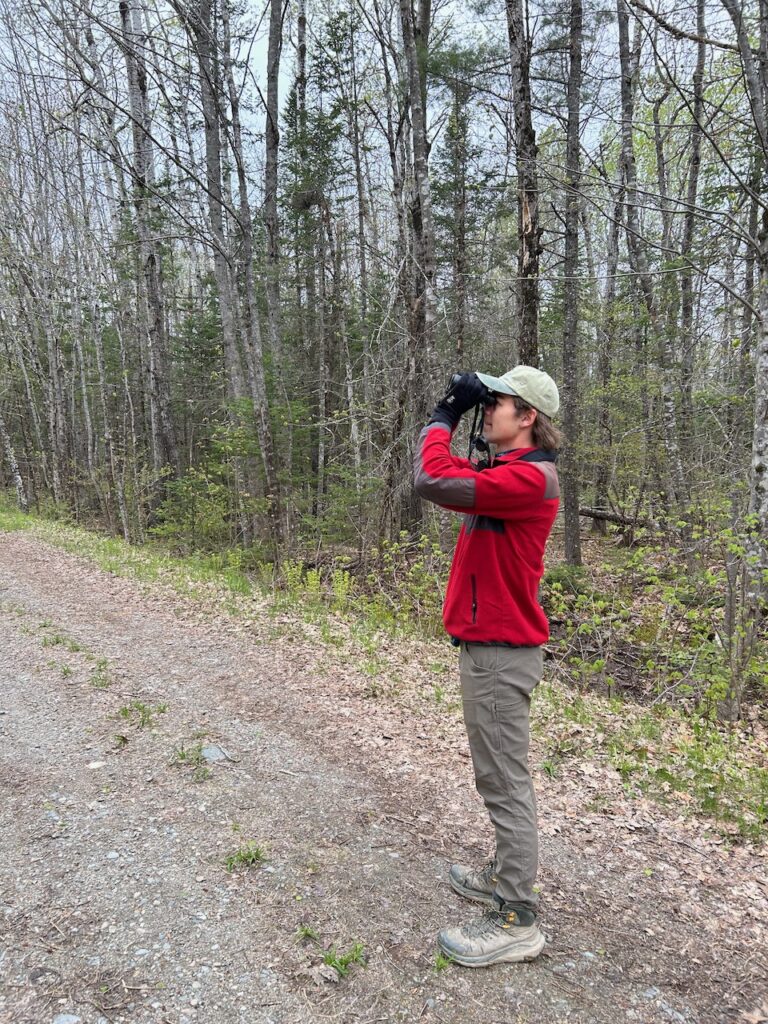
Braden and I both relied on our Nikon Monarch M5s for the first eight years of our birding. They are still Braden’s go-to optics!

“Best Bang” Binoculars for about $500

If you’re willing to shell out just a bit more, I was especially impressed with Vortex Viper HD binoculars. In fact, I’ll go so far as to say that these may deliver the best bang for your buck available. During my trip to Texas last spring, they performed extremely well in a variety of conditions. Our guest contributor Roger Kohn and his wife Claudia also use these and are very happy with them. See our full review here.
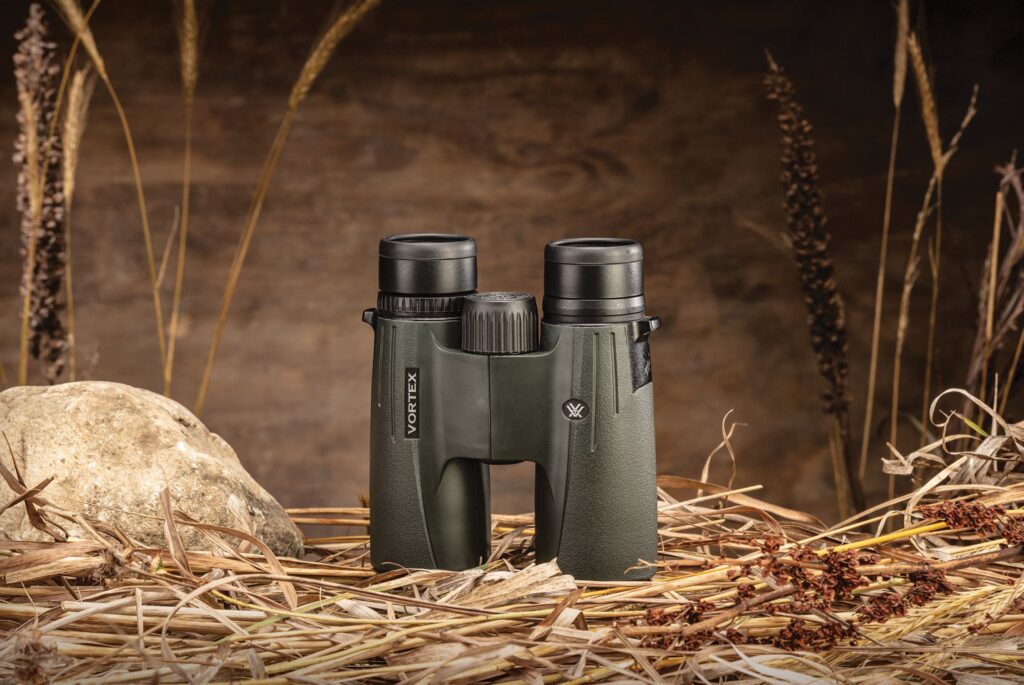
After testing products across the Vortex line, I have to say that I think Vipers deliver the biggest bang for your birding buck!

Gasp! Shelling out a Grand!

I’ll admit it: I never thought I’d be using $1,000 binoculars, but boy am I glad that I do! Especially if you bird a lot in dark, overcast conditions—or even in shockingly bright ones—stepping up the quality can really make a difference. My top pick in this price range? Nikon Monarch HG 10X42s. I took these on last winter’s trip to Colombia and was uber-impressed. My very first morning, I saw a woodpecker fly into a dark, overhanging branch of a tree at least two or three hundred yards away. I thought “No way will I be able to ID that.” When I raised my Monarch HGs to look, though, I was astonished to be able to recognize it as one of the birds I especially wanted to see: a Crimson-mantled Woodpecker! See our full review here. I must add that because these were the first binoculars I reviewed this year, I didn’t realize just how good the optics are, so if you have the cash, you will not regret getting these.

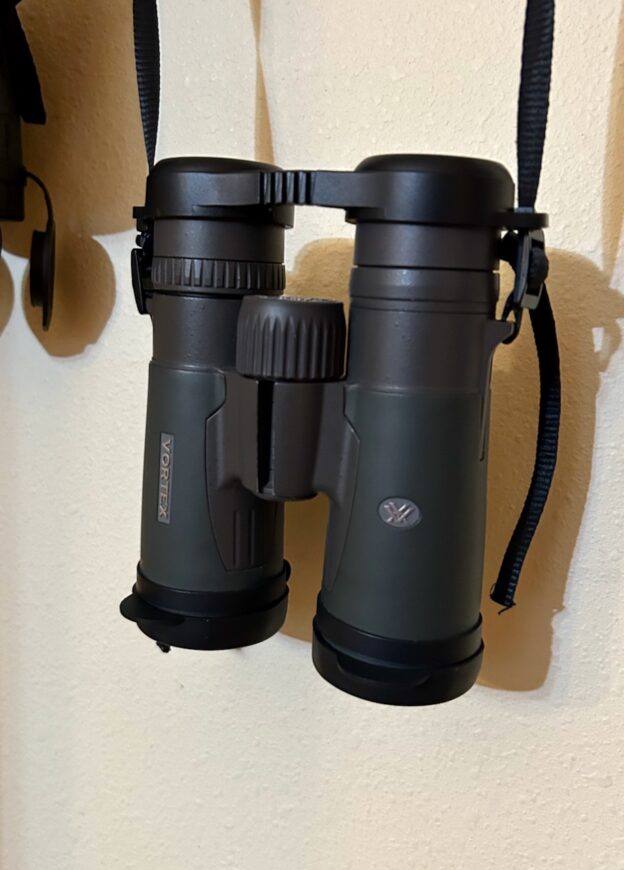
Also in this price range, you will want to check out the Vortex Razor HDs, also priced at about $1,000. I have been using the Razors extensively since last spring and have been very happy with them. I especially love the extra-smooth center focus knob. See our full review here.

Me and my birding amigo Roger in Colombia last February, where my Nikon Monarch HGs delivered superior performance! Meanwhile, Roger is shown happily birding with his trusty Vortex Vipers.

Ready for a Spotting Scope? Sure You Are!

When we first started birding, Braden and I resisted getting a spotting scope because they seemed like such a pain to shlep around. Within a couple of years, we realized that scopes are essential birding equipment. Many, many manufacturers make and sell spotting scopes, but I’ll tell you, this is a purchase you will want to stretch for. We bought a cheaper scope in the $300 range—and are sorry we did. A couple years later, we sprung for a Vortex Viper HD 20-60X85, and love it. I just looked these up at B&H Photo and it looks like they can be had for about $700—a screaming deal. Don’t forget, though, that you also need a tripod to go with that scope. If you can afford it, I recommend buying a Vortex tripod to go with your Vortex scope, so that you won’t have to keep messing with a tripod adapter, which will invariably come loose as you are lugging your scope around.
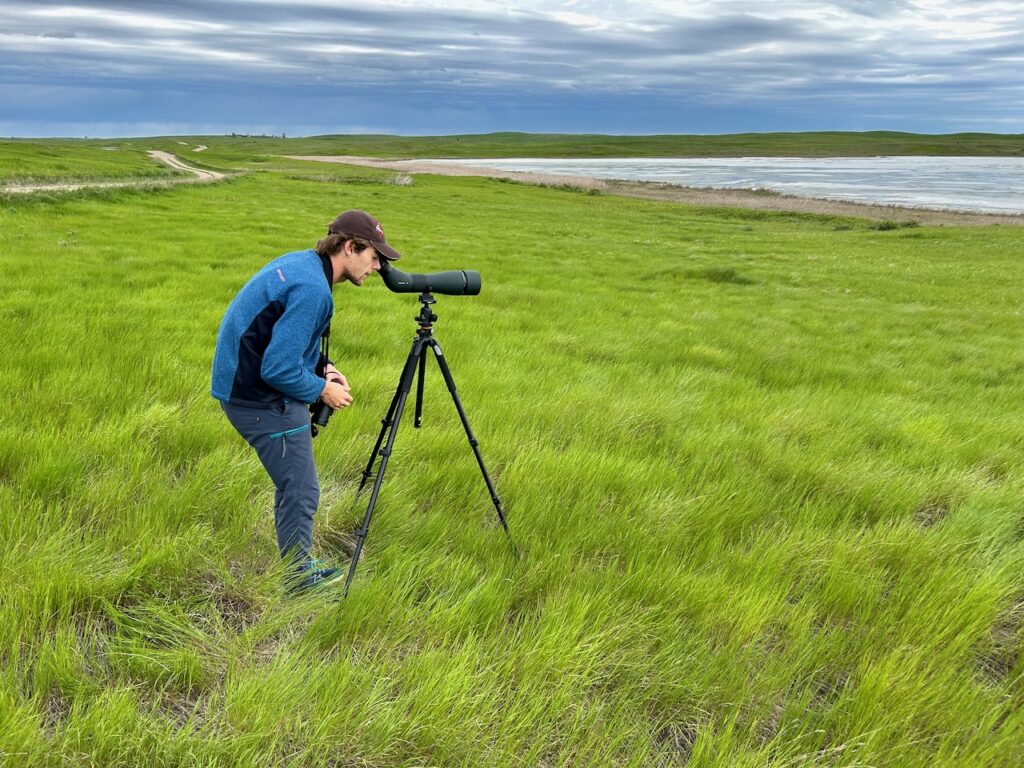
Braden zeroing in on a rare Piping Plover in eastern Montana using our beloved Vortex Viper HD 20-60X85 spotting scope.

The above scope is definitely a “car model,” meaning it’s heavy enough that you won’t want to carry it more than a couple hundred yards. Last summer, though, I also tested a Vortex Razor HD 13-39X56 spotting scope with Mountain Pass tripod. At a total weight under five pounds, this lightweight combo is perfect for taking on planes in your backpack or even heading out into the wilderness if you’ve got to have a spotting scope with you. Just checking different outlets, it looks like the scope/tripod combo can be had for about $1,000 right now. It won’t pack the magnification of the bigger scope mentioned above, but it’s a great trade-off for those of us who travel a lot. In fact, I didn’t want to send my evaluation scope back to Vortex and am considering buying one for my own holiday gift! See our full review here.
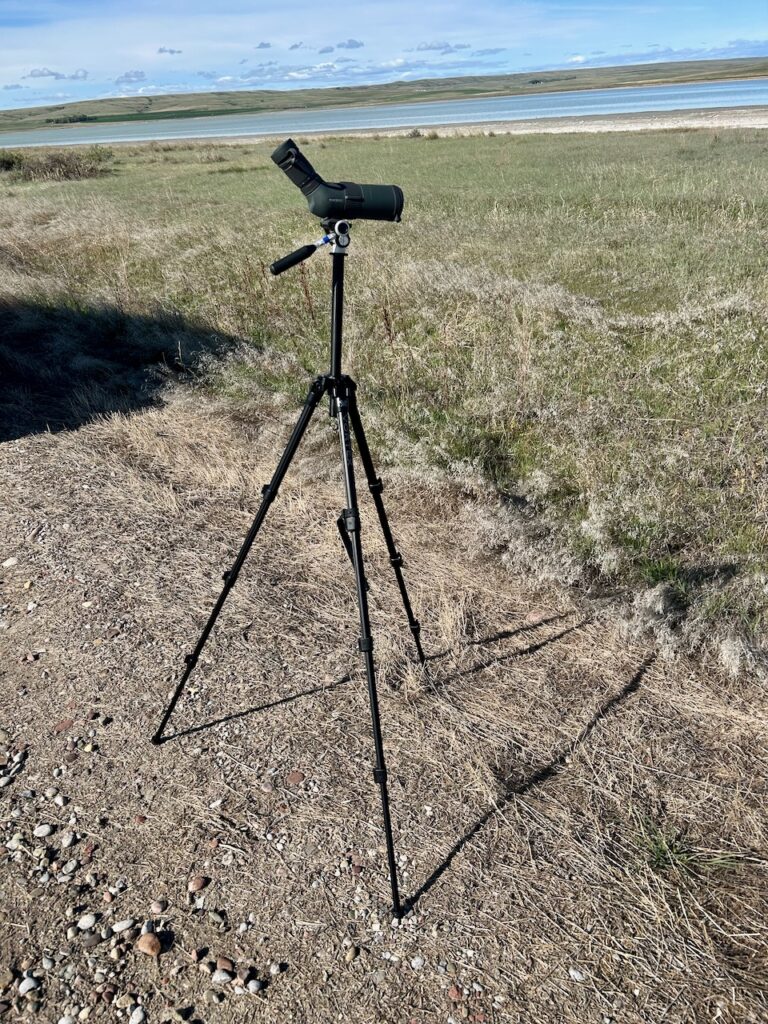
In calm conditions, the Razor HD 13-39X56 and Mountain Pass tripod perform like a dream. Because they are lighter, wind produces more shake, just as it does for all but the heaviest scope/tripod combinations, but a convenient hook allows you to hang a stabilizing weight from the tripod.

Vortex Razor HD 10X42s: Holiday Optics Upgrade (FSB Equipment Review)

All photos and text on FatherSonBirding.com are strictly protected under copyright law. To request permission for use, contact Sneed at sbcollardiii@gmail.com. We encourage you to share these posts, but you DO NOT have permission to use these posts to train Artificial Intelligence models or make other use of them without our okay.

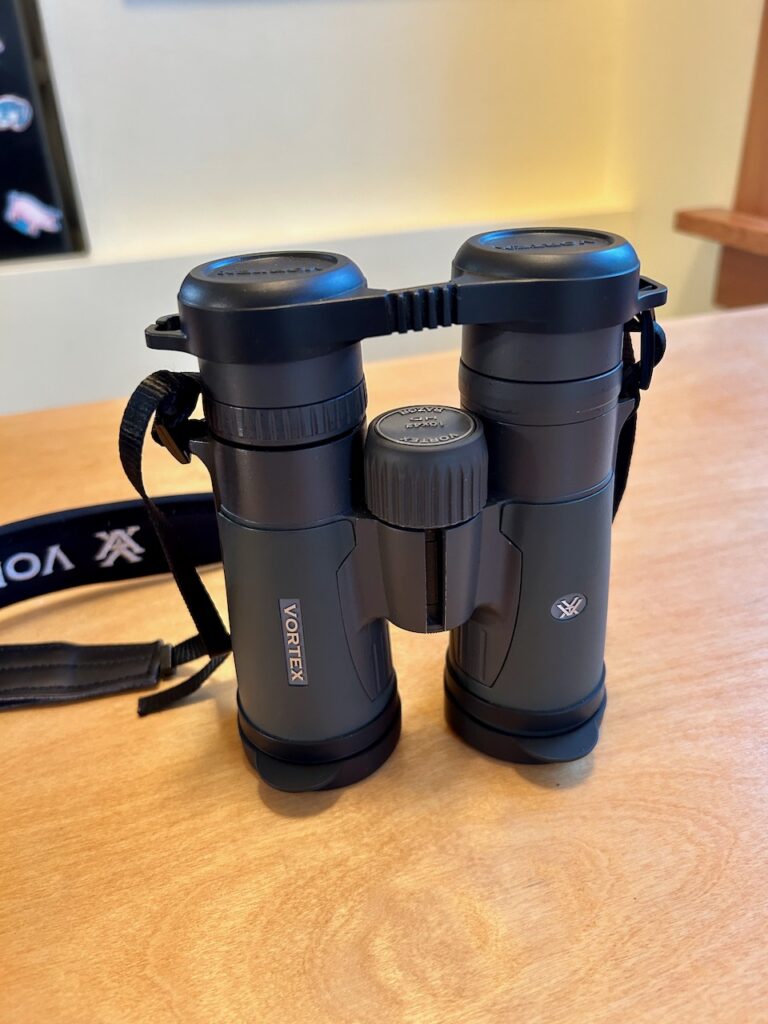
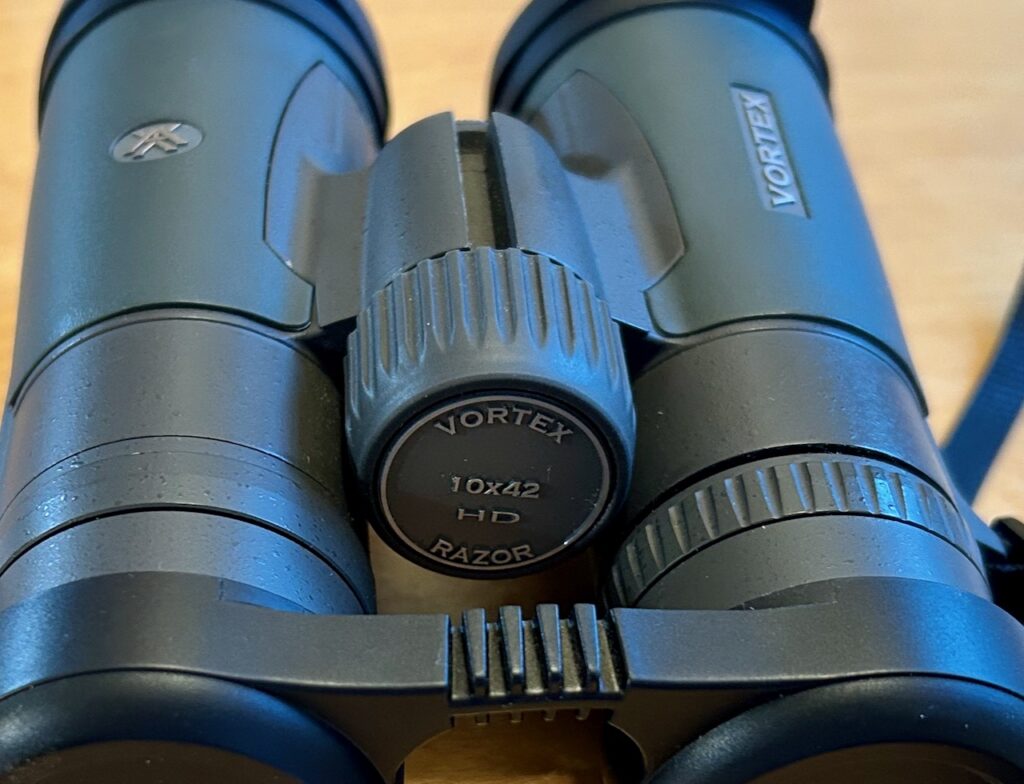
One of the highlights of my 2025 has been the opportunity to field test various bird-related equipment, especially binoculars and scopes from Vortex. In fact, our review of the Vortex Triumph HD 10X42 binoculars nabbed top spot among our most popular posts for the year, narrowly beating out our review of the Nikon Monarch HGs. And speaking of the Monarch HGs, this week I am pleased to offer my thoughts on binoculars that run in the same $1,000 price range as the HGs—the Vortex Razor HD 10X42s.

The Vortex Razor HD series of binoculars offers both superior optics and terrific build—and yet is still within reach of many (indeed, most?) serious birders.

The Vortex Razor HD series is not to be confused with the Vortex Razor UHD series—Vortex’s absolute top-of-the-line binoculars that come with price tags to boot. Maybe I’ll get a chance to review one of the UHDs sometime, but for now I am focusing on binoculars that a larger swath of typical birders can enjoy and afford—and the Razor HDs fit right in with that theme.

I’ve been using the Razor HDs for the past several months—a clue to how much I like them. Perhaps the best way to analyze them is to compare them to Vortex’s next step down, the Viper HDs, which we reviewed in this post.

Me with my buddy Scott—and my Razor HDs—during our recent outing to Bodega Head in California.

Right off the bat, I have to say that both the Vipers and Razors offer exceptional clarity and light transmission—to the point that I would be hard-pressed to place one above the other in a blind “binocular tasting” test. I have used both models in all kinds of situations, including dark and overcast conditions, and been thrilled with the images reaching my eyes. According to the Vortex website and my Vortex rep, however, the Razor HDs use a superior, tougher coating that provides better clarity and sharpness, and tougher protection so that the lenses are less likely to scratch.

Vortex has also gone to the trouble of using higher density glass for the Razors, as well as matching the lenses for better color matching at all wavelengths. Notably, in the Razors more of the image remains in focus at a range of 1,000 yards than is true of the Vipers. These things probably won’t be obvious to most users, but will, I predict, show up more in extreme conditions and as your own birding skills progress.

Where the differences between the Razors and Vipers really become obvious is in the build of each model. Both feel comfortable and solid to hold, but the Razor HD tubes are crafted from magnesium rather than from polymer—an upgrade you expect to find in all higher end binoculars.

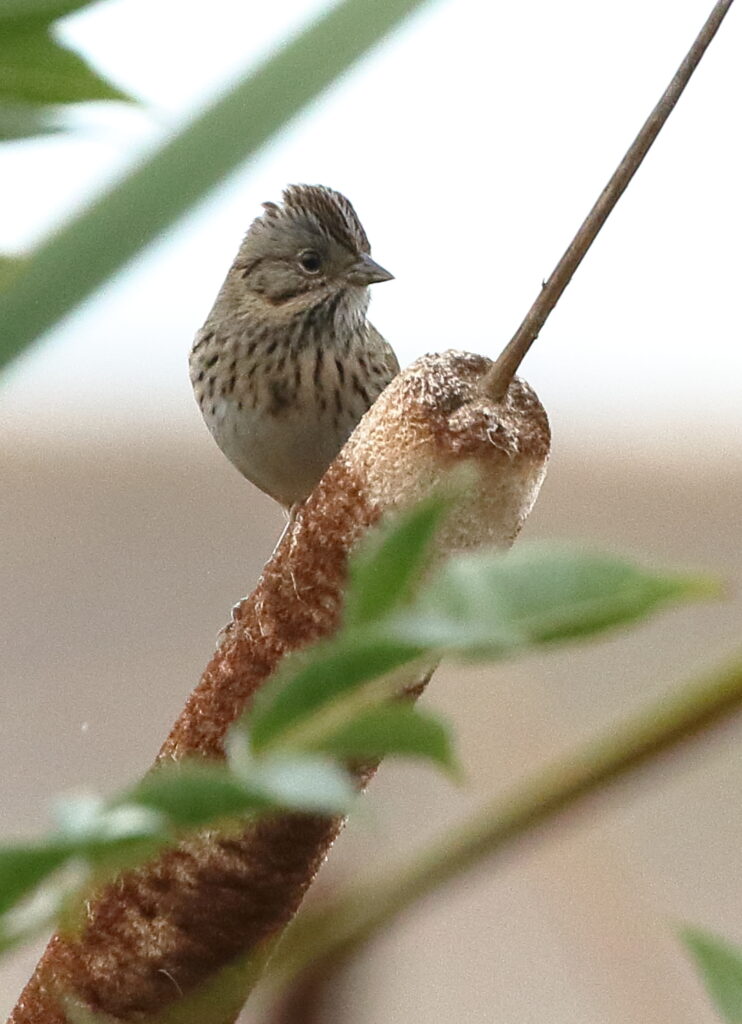
Even more impressive, the central focusing knob has much better action than you find on the less expensive models. One of my few complaints about the Viper HDs was the relative stiffness of the focusing knob, and how far you have to turn it to bring an image into focus. Vortex solves both of these problems with the Razor HDs. A single revolution of the knob takes you from a ten-foot focus to a distance of a mile or more! I can’t emphasize how awesome this is when you’re out in the field and have to switch from looking at a Lincoln’s Sparrow in front of you to a mystery raptor cruising a distant skyline. Not only that, the action is so smooth on the Razors that fine adjustments are accomplished with ease.

The smooth and functional central focusing knob is one of the features that really stands out on the Razor HDs.

Other specs on the Razors are very similar to what is found on the Vipers. The Razor HDs have a slightly wider field of view (6.9 degrees compared to 6.5 degrees) and are also .3” longer. Both weigh just under 25 ounces, light enough for most people to haul them around all day—especially if you use the Glasspak™ harness system that comes with most Vortex binoculars.

Both also have eye relief tubes, but the Viper’s are a bit longer—17 mm versus 16.5 mm on the Razors.

As you’d expect, the Razor HDs are waterproof, fogproof, and shockproof. Like the Vipers, the Razors also have locking diopter rings—the mechanism that corrects the central focusing knob for people whose vision is different in each eye.

The Vortex Razor HD series of binoculars is an excellent choice for those looking to step up the quality of their field optics—and not break the bank.

But what about price?” you are undoubtedly asking—and since I’ve been comparing the Vipers with the Razors, you’re probably wondering if paying more is worth it. While the Vipers can be purchased for under $500, the Razors take a hefty jump up to about $1,000 at the time of this writing. Oh, what to do?

Let me begin by saying that if you are used to cheaper, crummy binoculars, you’ll be delighted by either one of these models. Both are covered by the amazing Vortex lifetime, no-questions-asked warranty along with excellent customer service. If the Razors simply aren’t in your budget, the Vipers are a very nice investment in your birding activities and will last you as long as you can still bird.

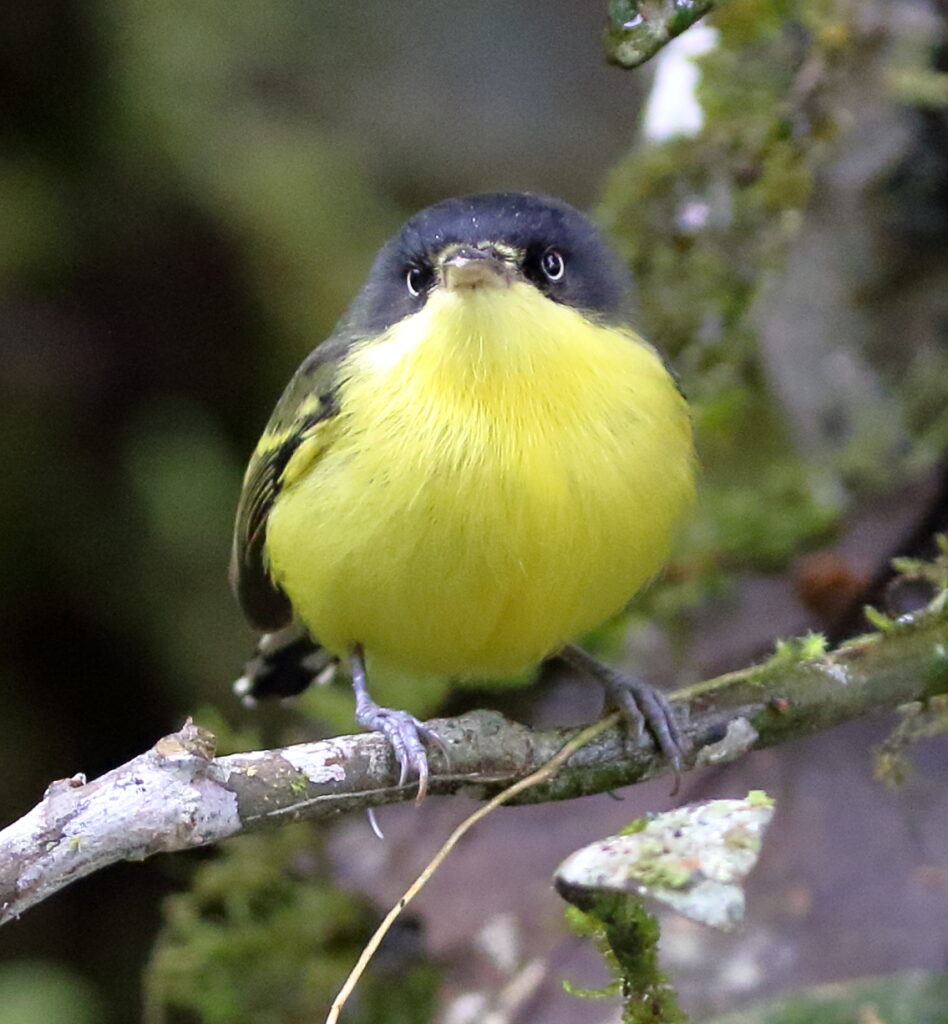
If, however, you’ve just sold some NVIDIA stock or have just benefited from recent changes to the tax code, I would definitely encourage you to opt for the Razors. Even if you’re not wealthy, but want to make sure you get the most pleasure out of your future birding, the Razors make a solid one-time investment that will last a lifetime. $500 extra sounds like a lot—and it is to most of us—but if you’re serious about birding, you will most likely forget about the price difference the first time you focus in on a Common Tody-Flycatcher in the mountains of Colombia, or perhaps even an Evening Grosbeak in the backyard.

So there you have it—and with Christmas coming up to boot. What a coincidence! Or . . . was it?

For more information on the Vortex Razor HDs including where to buy them, click here!

Seeing your first Common Tody-Flycatcher in the mountains of Colombia will likely make you forget any higher price you paid for your Vortex Razor HDs.

A Beautifully Burned Forest (Book Review)

All photos and text on FatherSonBirding.com are strictly protected under copyright law. To request permission for use, contact Sneed at sbcollardiii@gmail.com. You DO NOT have permission to use these posts to train Artificial Intelligence models or do anything else with them without permission.

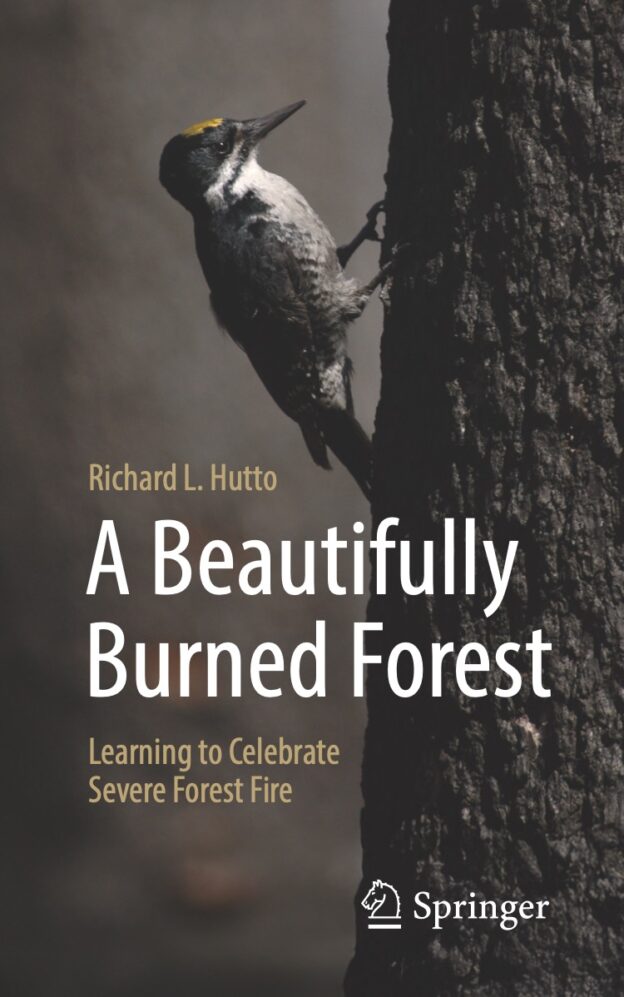
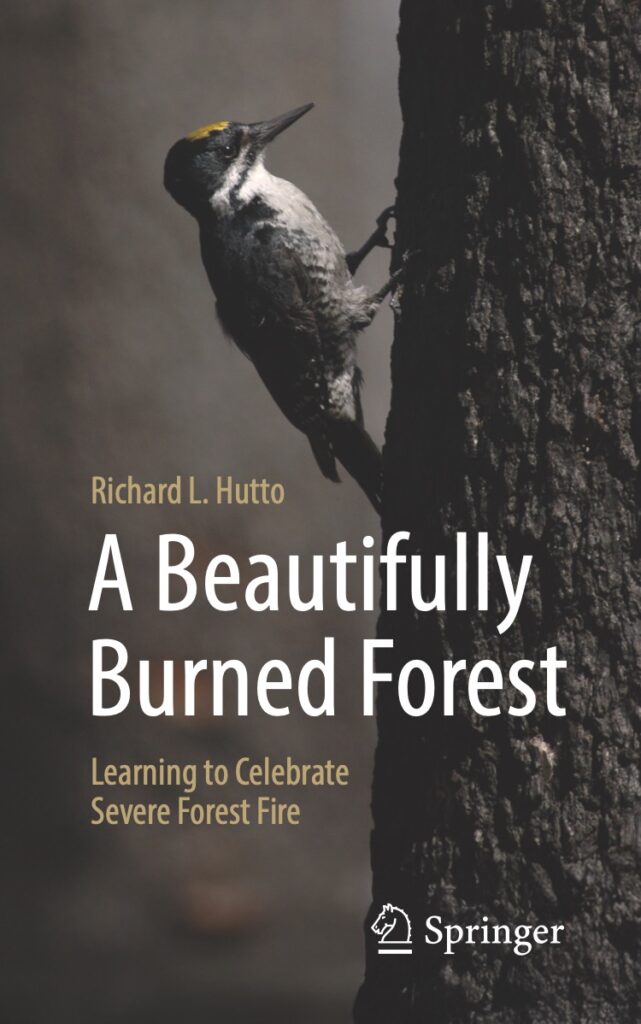
Richard L. Hutto’s new book A Beautifully Burned Forest: Learning to Celebrate Severe Forest Fire (Springer, 2025—click here to order) offers both timely insights into the roles of wildfire in our modern, over-heating world and an engaging memoir of a scientist’s journey. Before I met Hutto—Dick to his friends and colleagues—I had no idea of the vital ecological processes and multitude of species that depend on severe forest fires in the West. Although I had met Dick casually several times through a mutual acquaintance, it wasn’t until I needed someone to teach me about woodpeckers for a proposed children’s book that I reached out to him directly. I asked if he could take me out to show me some woodpeckers and explain a bit about them, and he graciously agreed.

Richard L. Hutto’s A Beautifully Burned Forest is not only a must-read for anyone interested in the health and future of our forests, it makes an, ahem, red-hot Christmas gift idea. Click on the above image to order.

Dick took me to the Blue Mountain burn area just south of Missoula and he did indeed start showing me woodpeckers and telling me about them. What he was really teaching me, I began to realize, is the beauty of a burned forest and how many plants and animals depend on it. I would still eventually write a children’s book about woodpeckers, but first I decided to write Fire Birds: Valuing Natural Wildfires and Burned Forests.

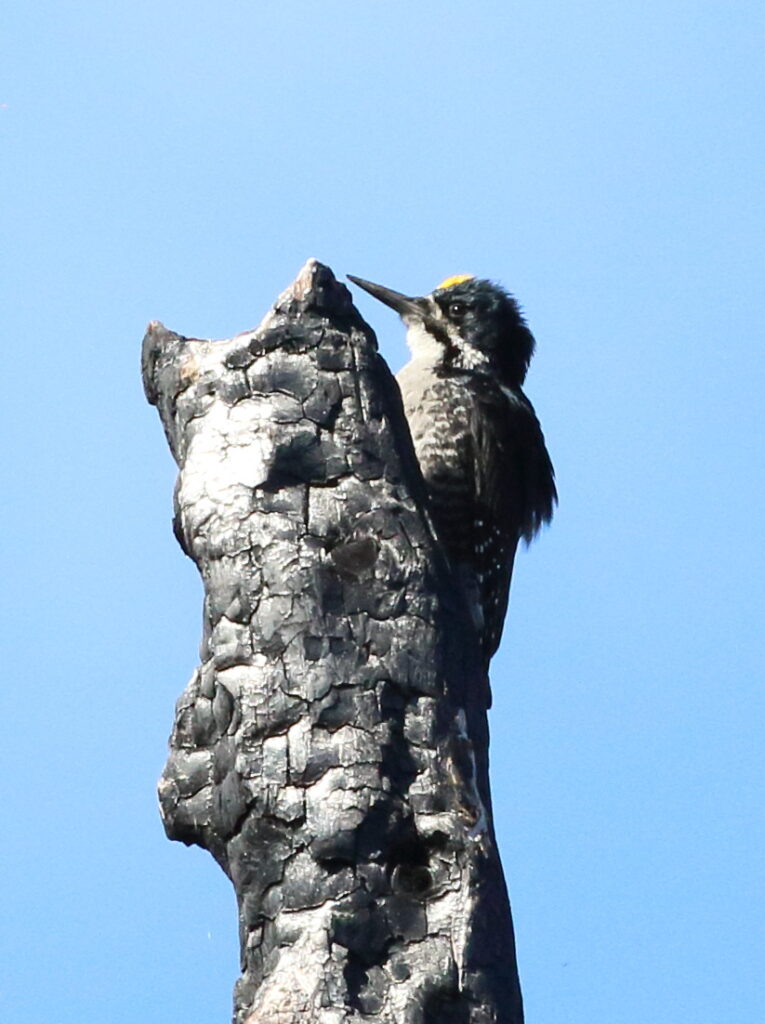
Both of our books focus on Hutto’s groundbreaking research into the many organisms—especially birds—that depend on standing, severely burned forests. The Black-backed Woodpecker is the poster child for burned forests. This bird is highly adapted to blend in with charred tree trunks and excavate wood-boring beetle larvae from the rock-hard wood. In the West, in fact, this bird is found almost exclusively in severely burned forests that have a high density of larger diameter standing trees.

In the West, the Black-backed Woodpecker relies on severely burned forests perhaps more than any other bird species. By excavating holes, these birds and other woodpeckers, also open up the forest for a host of other birds, mammals, and other vertebrates.

Once they move into a fresh burn the Black-backed—along with American Three-toed and Hairy Woodpeckers—open up the forest to many other cavity-nesting birds, mammals, reptiles, and amphibians. They do this by excavating holes in the trees, often many more than they will ever use themselves.

The problem, Hutto points out, is that our society has been conditioned to view all forest fires as bad. As soon as a severe fire roars through an area, the clarion call rings out to somehow “save” the burn by “salvage” logging it. Which trees do loggers take? The best and the biggest—the exact trees that Black-backed Woodpeckers need to hunt and nest in. Hutto also points out that as soon as these large trees are removed, their cones can no longer reseed the forest naturally, necessitating hiring battalions of workers to replant the forest by hand—at taxpayer expense.

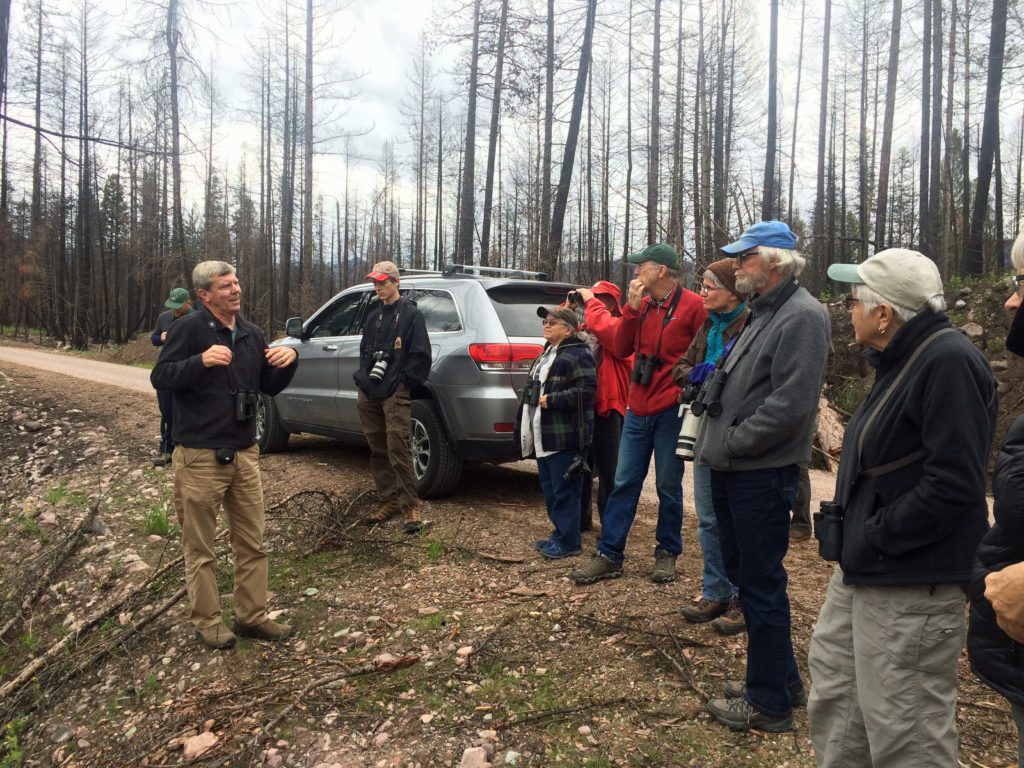
Dick Hutto (left) leads a local birding group through a newly burned forest near Seeley Lake, Montana, explaining the vital ecological role the burned forest plays.

In A Beautifully Burned Forest, Hutto dives deeply into our society’s entire approach to managing forests and fires, tracing the beginnings of fire suppression to the widely spread notion that our forests are somehow “out of whack” and need to be overly managed with thinning and prescribed burns.

Climate change, of course, is a wildcard in the future of forests and wildfires, but Hutto makes a strong plea to focus on solving the underlying problem of reducing greenhouse gas emissions instead of making our forests ecologically less viable through extensive, often poorly planned micromanagement.

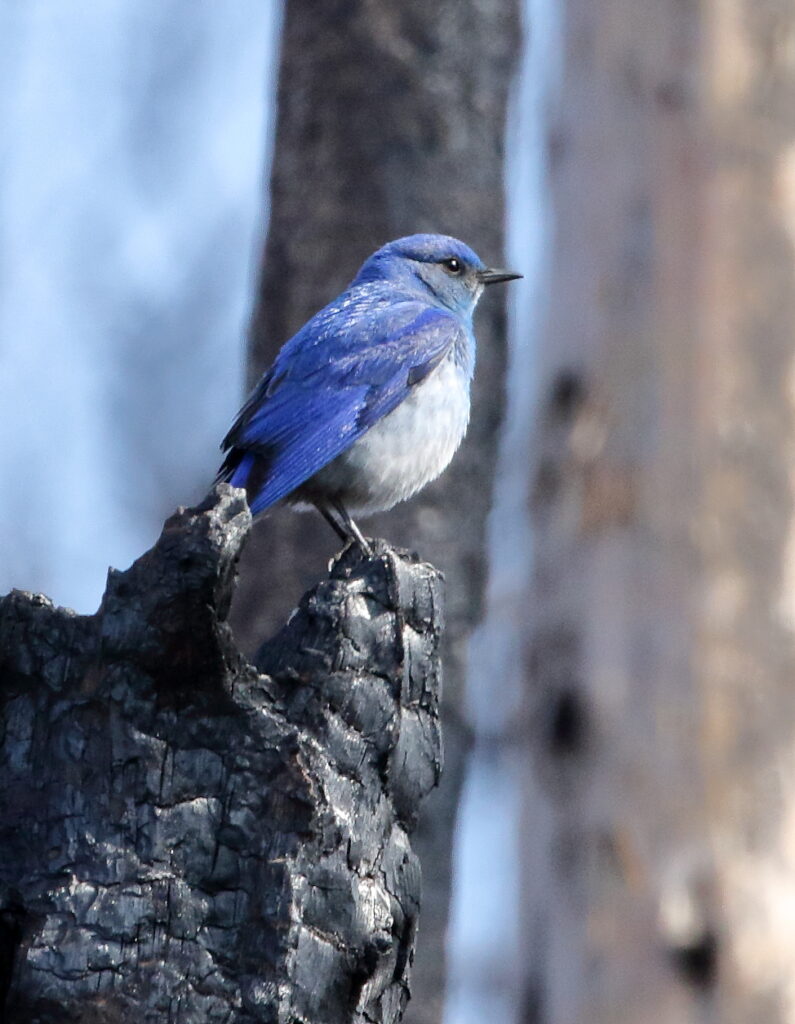
Mountain Bluebirds are just one of dozens of bird species that prefer nesting in burned forests to other habitats. Here they find plenty to eat along with safety from small predators, whose populations are reduced by forest fires.

Anyone with an interest in our forests and wildfires—in other words, every single person living in the American West—should read A Beautifully Burned Forest. It’s a fairly quick read that will change the way you view and understand our spectacularly diverse region. Especially in this day where misinformation rules, Hutto’s book is a valuable step in creating an educated public that insists on smarter management of the lands that sustain us.

Note: If you are interested in Sneed’s children’s book, Fire Birds, supplies are down to a couple of dozen in the warehouse so order soon by clicking here or calling your local indy bookstore. Both Fire Birds and Woodpeckers: Drilling Holes and Bagging Bugs make ideal Christmas presents for grades 3-8 readers.

World Series Birds in the Golden State

A happy by-product of our second child going to school in California is that Amy and I have the perfect excuse to go visit the Golden State. Not that I would ever do any birding during a family trip, but you know, it’s hard not to see some great birds when you just happen to stop at a wildlife refuge or stumble into a local park that happens to be a bright red eBird hotspot!

I was especially excited to head to California a couple of weeks ago because, as previously reported, I was perilously close to breaking my all-time single year species record of 527 birds. In fact, when Amy and I landed in Sacramento and headed up to Chico, I needed only one bird to hit 528 species for the year. What would my “go ahead bird” be? (And yes, that is an homage to the upcoming World Series, which happens to feature a team named after birds!)

Visiting our youngest in California has given me a great opportunity to see friends and get in some bonus birding!

When we arrived, I quickly finagled a couple of birding opportunities, but saw only species I had seen on our last trip to California in August: California Scrub-Jays, Acorn Woodpeckers, Yellow-rumped Warblers and the like. My biggest discovery was a White-winged Dove at the Panera’s near the hotel! It was a rare bird so far north in California’s Central Valley, but not unheard of. Still, I felt proud to have spotted the distinct white stripe across each wing as it flew—undoubtedly hoping to score one of Panera’s kitchen sink cookies!

The next morning, I headed out to the home of a close childhood friend who just happens to live outside of Chico in an agricultural area. I had almost reached her place, when I noticed birds feeding on a coyote carcass on the side of the road. I saw Turkey Vultures and ravens. Then, I saw something that got my heart racing: magpies!

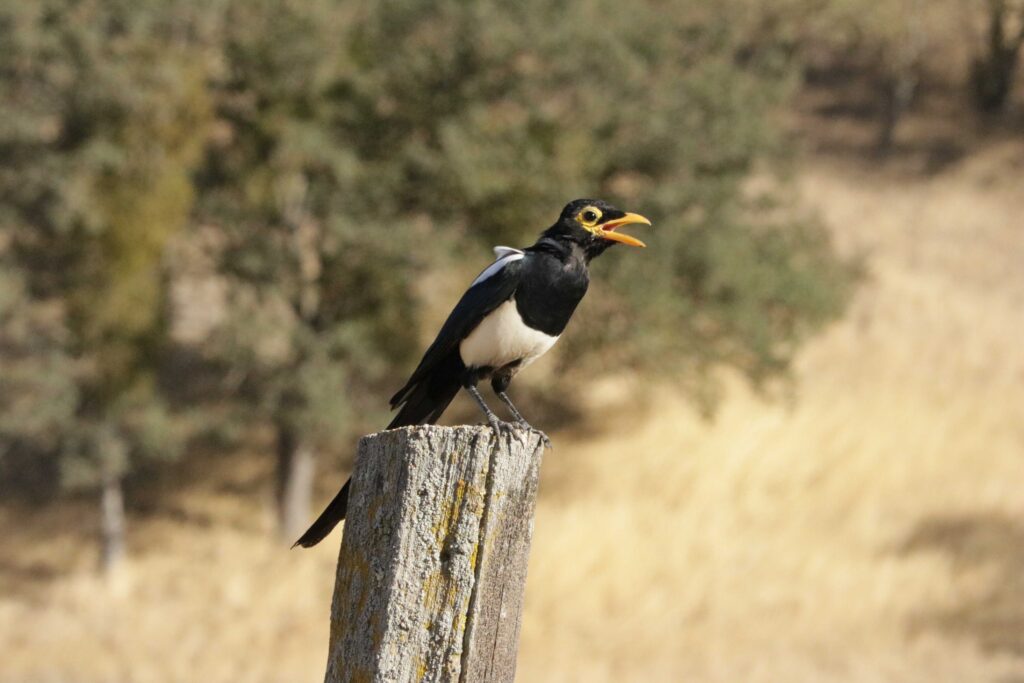
My All-Time Best Year Record Breaker: Yellow-Billed Magpie! Whoo-Hoo! (Photo from earlier trip.)

Not just any magpies. I knew that the Black-billed Magpies we had back home in Montana were unlikely in this part of California. No, these were Yellow-billed Magpies—a bird I had failed to see on our last trip in August! Ka-ching! My record shattered like falling glass! And with a California endemic species no less! Personally, I couldn’t have been happier. YBMAs are some of my favorite birds, and hold an interesting history, too:

“This species was named by John James Audubon in 1837 (as Corvus nutallii, corrected the following year to nuttalli) in honor of the ornithologist Thomas Nuttall, who collected the first specimen near Santa Barbara, California. Nuttall was a prodigious botanical collector and ornithologist who authored a Manual of the Ornithology of the United States and of Canada.”Birds of the World database by Cornell Lab of Ornithology (accessed Oct. 19, 2025)

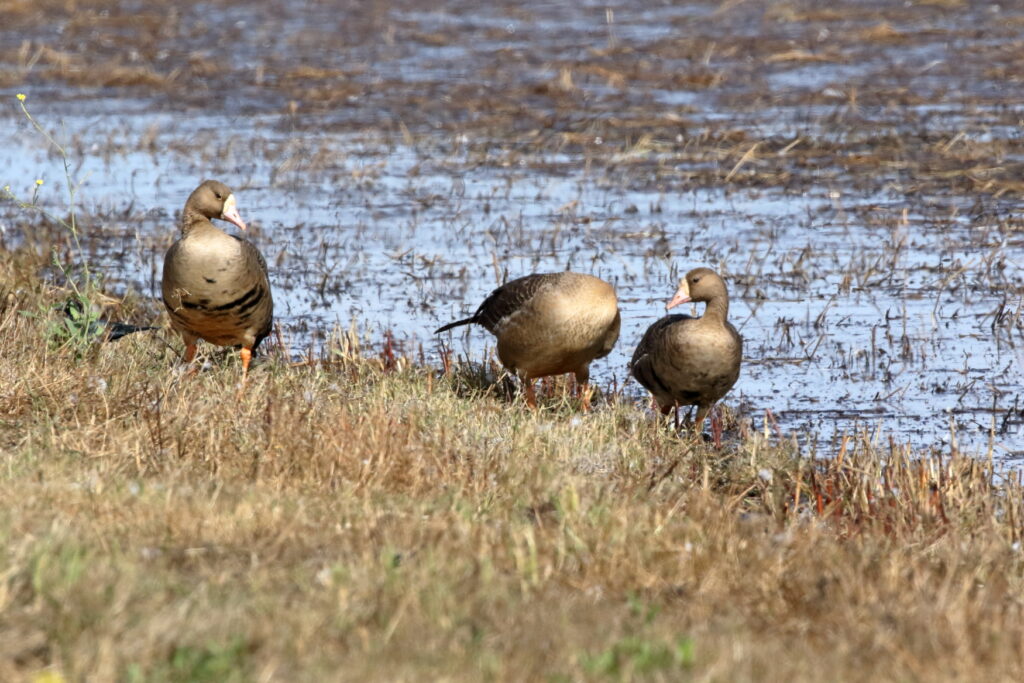
Later that day, I picked up an “insurance bird” at the Llano Seco refuge just southwest of Chico, where Amy and I delighted in Sandhill Cranes, Black-necked Stilts, and my 529th bird of the year, Greater White-fronted Goose.

Greater White-fronted Goose was a great “insurance bird” for my record-breaking year—just in case the Birding Powers That Be decided to lump a couple of species together or I found a mistake in my earlier checklists!

But my fall California birding adventures had just begun!

After a few wonderful days with our child, Amy flew home from Sacramento, and my high school buddy Scott (see Scott’s Guest Post about the Morro Bay Bird Festival), picked me up for an additional four days of exploration. As I’ve mentioned, my emphasis lately has not been so much chasing target species, but exploring places I’ve never before birded, and Scott indulged me to the hilt. After he collected me in Sacramento we explored the Sacramento River delta, hitting Cosumnes River Preserve, where we got a little shorebird action—and a LOT more Sandhill Cranes and Greater White-fronted Geese. On the following days, we hit a huge variety of habitats as we hiked through oak woodlands, explored the large abandoned—and very birdy—grounds of the Sonoma Developmental Center, and scoured rocky shores and intertidal areas in American Canyon, Golden Gate National Recreational Area, Bolinas, and Bodega Bay. I loved every location and, not surprisingly, my “insurance bird” list grew.

Scott and I enjoyed a wet hike through Sugarloaf Ridge State Park in Sonoma County and fortunately, the rain did not dissuade the birds as we sighted a host of classic oak woodland species including Oak Titmouse, Golden-crowned Sparrow, and Nuttall’s Woodpecker.

I picked up Mute Swan in American Canyon as Scott and I gleefully observed thousands of shorebirds including Western and Least Sandpipers, Long-billed Dowitchers, Marbled Godwits, and Black-bellied Plovers. That afternoon, we saw my FOY (First Of Year) White-tailed Kites at a place called Buchli Station Road.

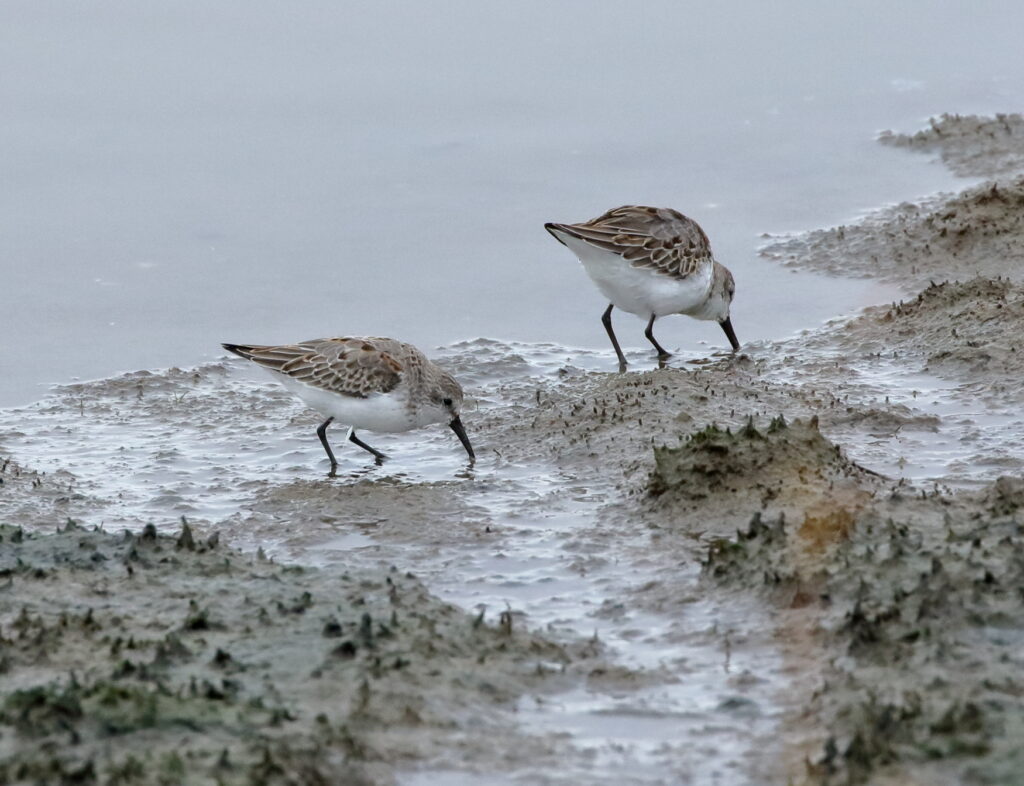
Our adventures gave us plenty of time to learn more about peeps as we picked out the subtle details of Least and these Western Sandpipers. Note the rufous shoulder patch (not always present), black legs, and longer, curving bill that distinguishes these Westerns from Least’s.

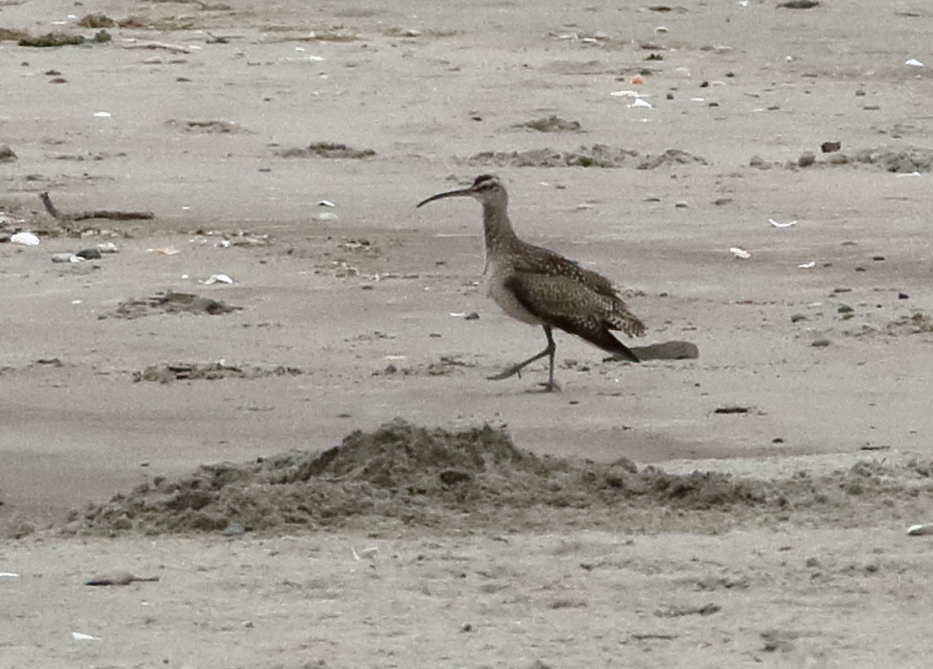
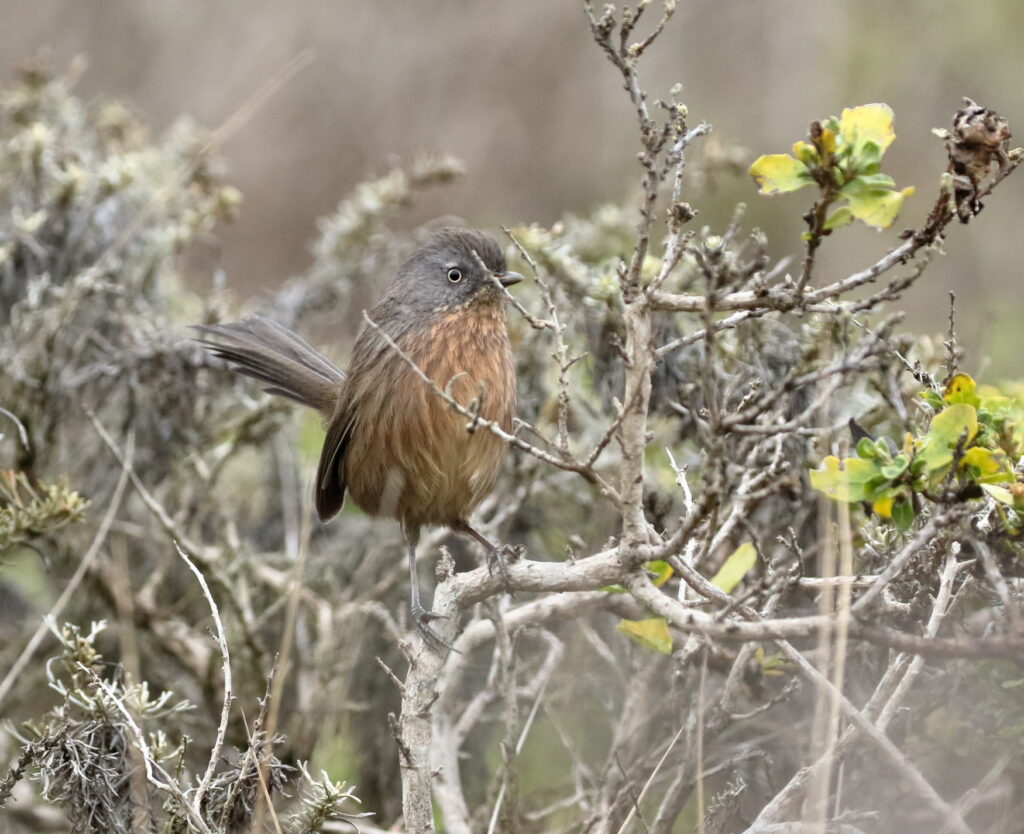
Our favorite—and most productive—day happened October 15th. With a visit to Rodeo Lagoon, we found one of my favorite California birds, Wrentits, along with Western Gulls, which I had somehow managed not to see the entire year! At the nearby Bolinas Lagoon, we also observed hundreds of Elegant Terns and my trip MVB (Most Valuable Bird), a Whimbrel.

This Whimbrel at Bolinas Lagoon nabbed Bird of the Trip honors as it was the first WHIM I’d seen in more than six years.

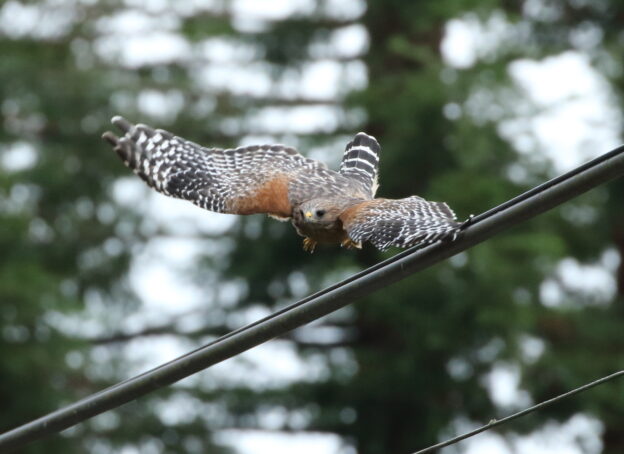
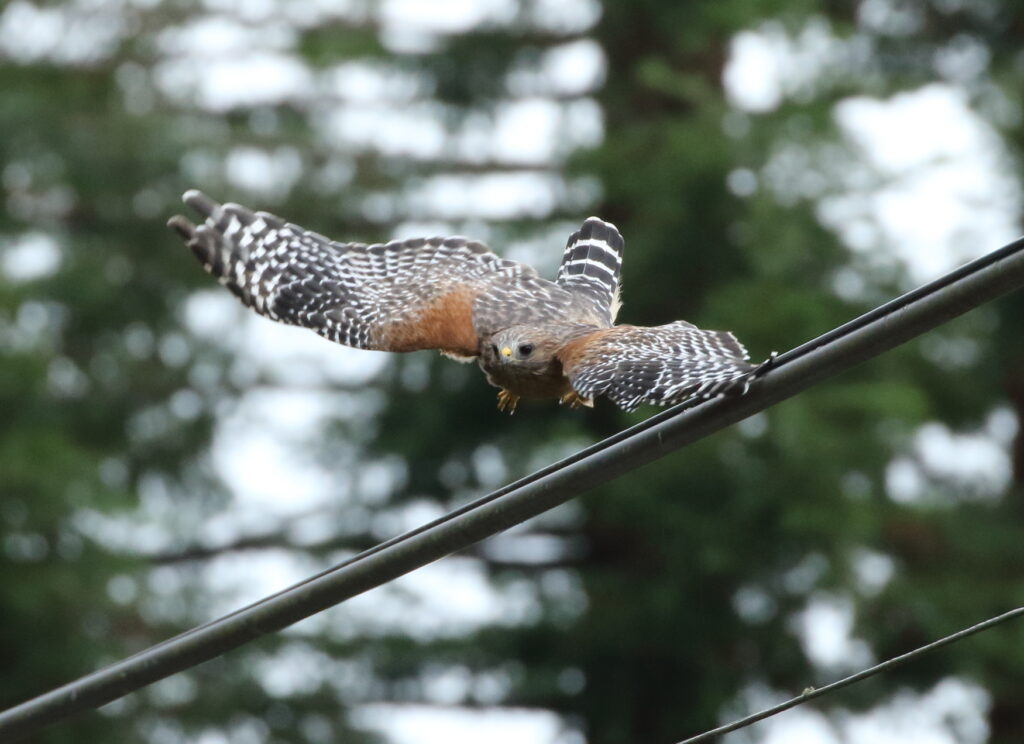
Another bird I had somehow failed to see all year was Red-shouldered Hawk, but as we made our way north toward Point Reyes, Scott suddenly shouted, “Red-shouldered!” We pulled over to look at this handsome creature perched on a power line and even got to see it nab some kind of morsel from roadside weeds. The funny part? We saw four more Red-shouldered Hawks on our drive back to Scott’s house in Glen Ellen! I call that a Grand Slam!

I don’t know that I’ve ever appreciated Red-shouldered Hawks more than I did this one—especially when it launched after some prey!

One thing that made the trip so fun was eating lots of great food and kicking back to watch the MLB playoffs with Scott each evening. I hadn’t seriously watched baseball since Amy and I were still childless more than twenty years before, and it was wonderful to lean back, relax, and watch grown adults try to hit balls with sticks. Goooo Ohtani!

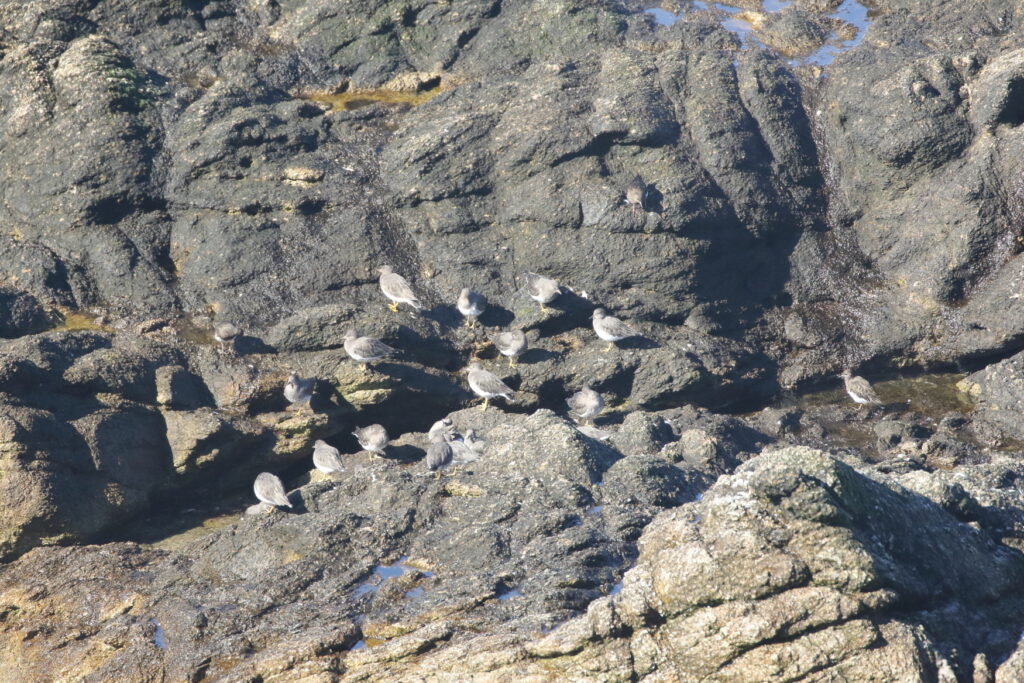
For our final day of birding, Scott drove me to Bodega Bay, one of my favorite places in California. While studying at Cal I had taken an ichthyology course here one summer, and now that I was a birder, the place held even more charm. On the rocks below Bodega Head, Scott and I were astonished to see a group of sixteen Surfbirds—far more than I had ever seen in one place! We also got great looks at both Brandt’s and Pelagic Cormorants, and spotted a Pigeon Guillemot in the far distance.

Since Braden and I saw our first Surfbird from a distance during our first pelagic cruise in Monterey in 2016, these birds have held a special place in our hearts. Never, though, have I seen so many in one place! (Can you also find the lone Black Turnstone in this photo?)

After a lunch of fish tacos, we headed up to the beaches north of Bodega Bay and were treated to a second Whimbrel sighting and more than 120 Surf Scoters casually ducking the breakers offshore. It was a wonderful way to wrap up the trip, and I am grateful to Scott both for being such a great host and for his patience when I was experiencing a blood sugar meltdown at Bodega Head. Of course, you may be wondering where my year list stands now, and I’m happy to report that I am now at 537 species. Will there be any more? I don’t know, but 550 seems awfully tempting, so stay tuned!

Update: Just before posting this, I picked up bird #538 for the year, Lapland Longspur, in some fields northwest of Billings!

Can one ever get tired of Surf Scoters? I don’t THINK so!

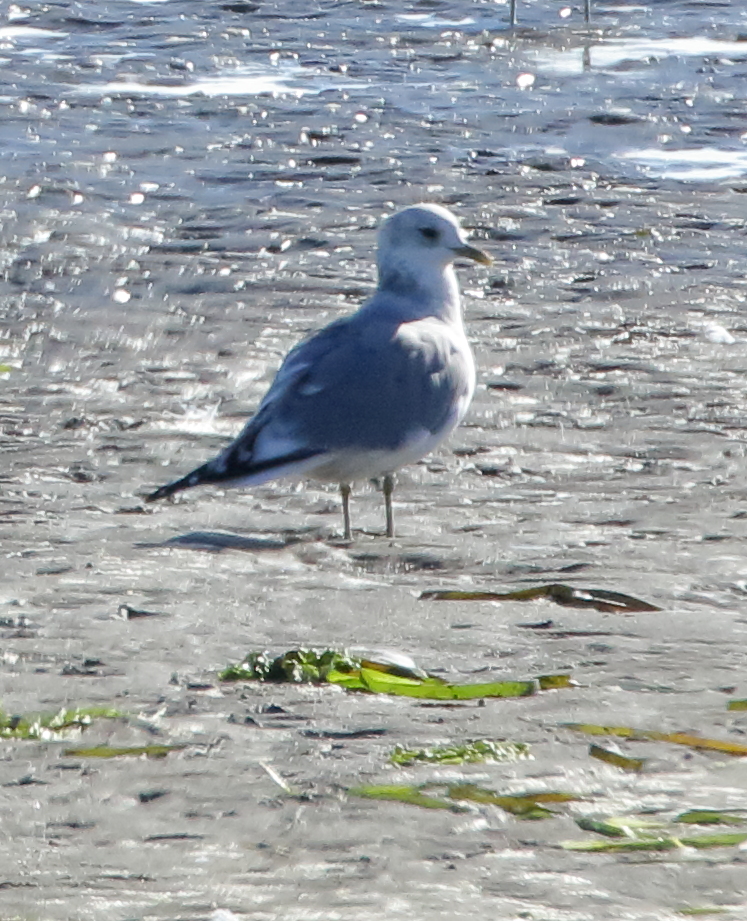
Just for fun, can you name the birds and places above? Answers in the nest—I mean next—post!

Birding Glacier National Park in the Hot Dry Fall of 2025

FatherSonBirding is a labor of love and Braden and I keep it advertising-free. If you’d like to support our efforts at independent journalism, please consider sharing our posts with others and purchasing one or more new copies of Sneed’s books by clicking on the book jackets to the right. Thanks for reading and keep working for birds. We will!

Not quite two years ago, I posted “Birding Glacier National Park in the Long Hot Winter of 2024.” The blog resulted from an invitation I received to speak to school kids in Browning, Montana, and I took the opportunity for some rare winter birding at my favorite park. The post has received a lot of views, either because people love Glacier or they are interested in the impacts of climate change or both. A couple of weeks ago, I was fortunate enough to be invited back to Browning. This time, I came a day early and my hosts were gracious enough to provide me with a place to stay for the extra night. My last post narrated my drive up, especially the devastating state of the drought along the Rocky Mountain Front. With my extra day to bird, though, I planned to return to Glacier and I wondered, “Would the park be as hot and dry as before?”

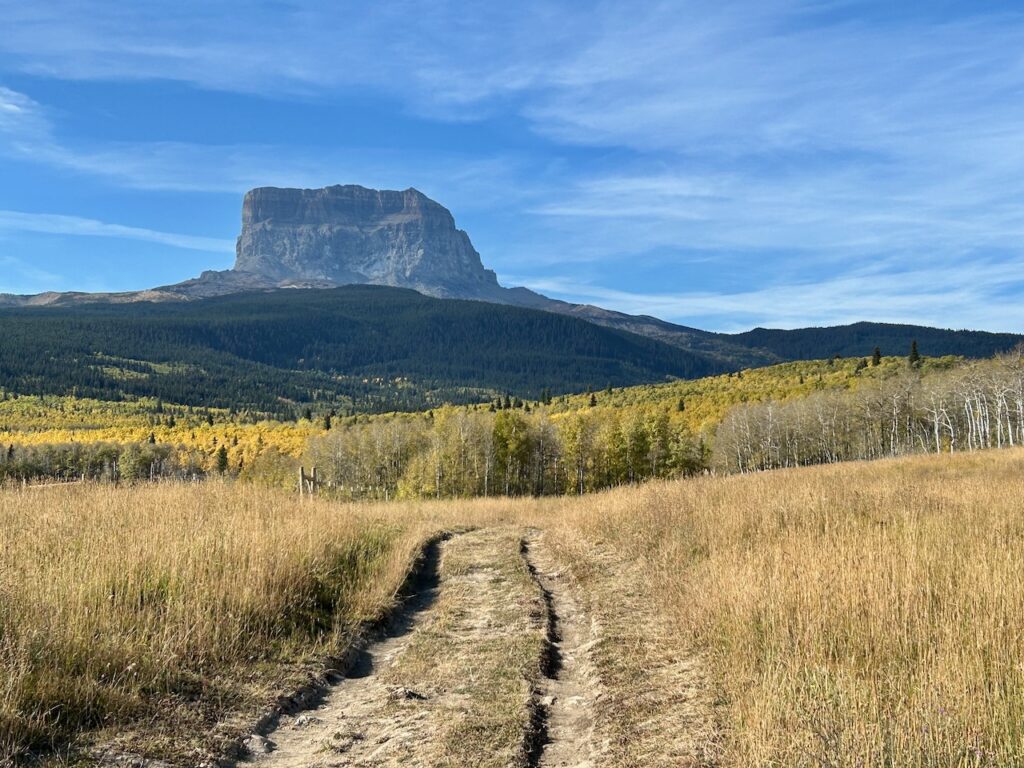
My destination for the day was the road (not THIS one, fortunately) leading past iconic Chief Mountain to the US-Canada border.

I woke in my East Glacier lodging well before dawn and about seven a.m. set off for my first destination, the Chief Mountain road that leads up to Waterton Lakes in Canada. As I drove toward Browning before turning north, a spectacular orange fireball rose on the eastern horizon. I’ve seen lots of sunrises in my life, but nothing matches a sunrise over the northern Great Plains. As a bonus, a red fox and young bull moose greeted me from the side of the road!

My route took me to Saint Mary and up past the one-bar town of Babb before I turned left toward Canada at about 8:30. I sadly didn’t plan to visit our northern neighbor. Today, much as I had on my last visit here, I had a particular quarry in mind: Boreal Chickadees.

As their name implies, Boreal Chickadees live mainly in northern spruce & fir forests and as such, their range barely dips into the US in a few places along our northern border. Lucky for Braden and me, Montana happens to be one of those places. We had found our first BOCHs almost by accident during covid, when Glacier had been closed and we decided to try our luck along the Chief Mountain road. To our delight, we found the little birds. Stunningly cute, their brown heads and other features closely ally them with both the Chestnut-backed and Gray-headed Chickadees, the latter now thought to be extinct in Alaska, their only known home in the US. In any case, on my visit to Browning two years ago, I had relocated BOCHs on the Chief Mountain Road, and it was my aim to do so again today.

For my first try, I stopped at the pull-out right next to the Glacier National Park sign. I walked the road for a few minutes and managed to grab the attention of three Red-breasted Nuthatches while Sound ID picked up the calls of Golden-crowned Kinglets (which due to my ears, I have never been able to hear), but no chickadees.

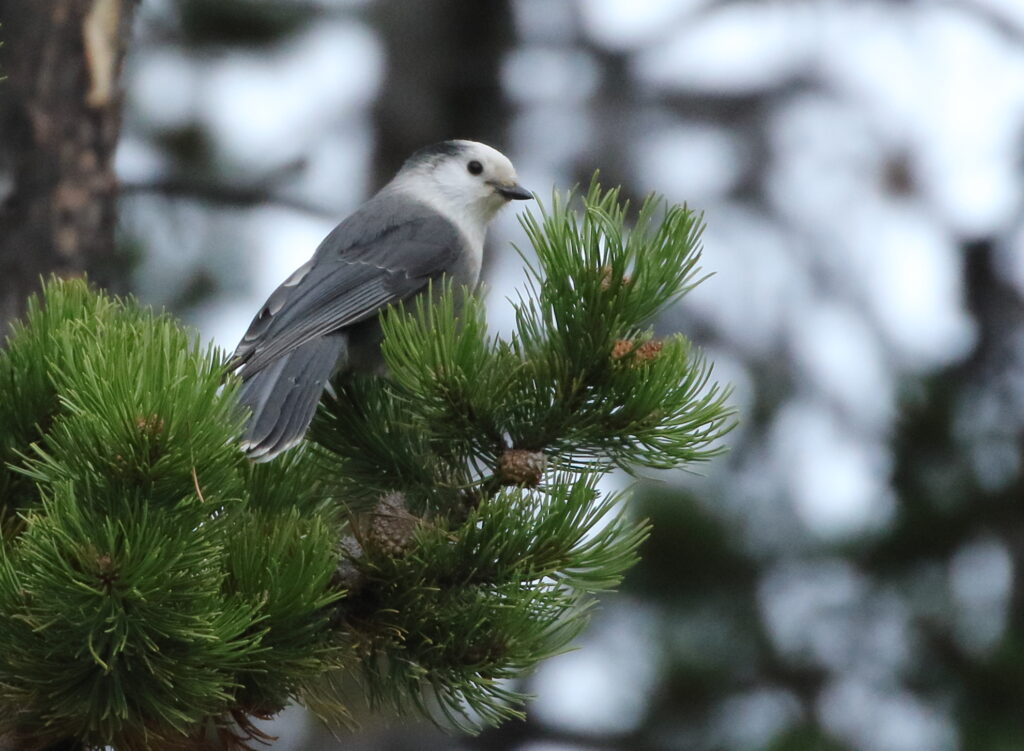
I repeated this routine five more times along the road between the Glacier NP sign and the Canadian border. I got really excited at one point when I saw a flurry of bird activity from my car. I leaped out, binoculars and camera in hand, and saw robins, more nuthatches, and a Hairy Woodpecker. A foursome of Canada Jays, perhaps the most refined members of the corvid family, swung by to check me out. No chickadees.

As my prospects for finding Boreal Chickadees dimmed, I focused on enjoying another of my favorite birds, Canada Jays—though why Canada gets to claim these gorgeous critters remains a mystery!

As I searched, I especially looked for densely-packed spruce trees along the road, but I realized that lodgepole pine actually dominated many areas. “Hm. Maybe this isn’t a preferred location after all,” I thought. “Maybe we just got lucky the past couple of visits.”

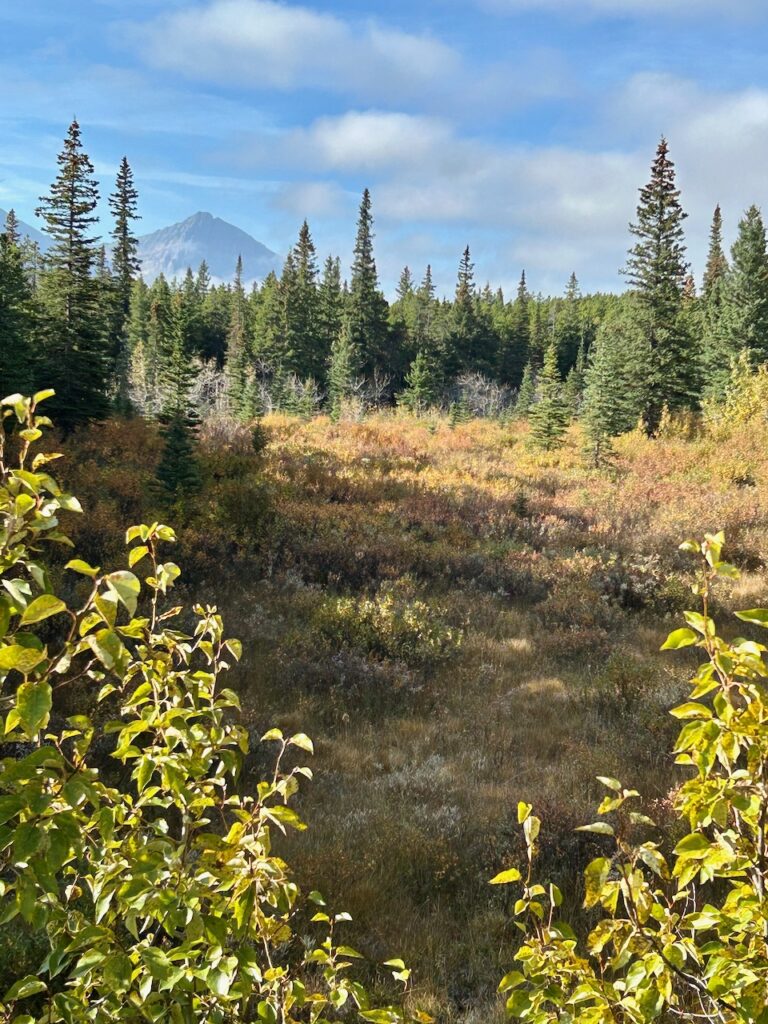
I had started to get that “I guess I’m not going to find them” feeling when I noticed a little area that seemed to have more spruce. There was no pull-out here so I just parked as far off the road as I could and walked back to where a brushy meadow pushed westward into the forest. The meadow was lined with more spruce than anything else, and as if to lure me in, two more Canada Jays landed to be admired. “Might as well give this a try,” I thought.

This meadow intrusion into the woods seemed like my last best chance to find Boreal Chickadees on this unseasonably warm fall day.

I followed what appeared to be an overgrown path through waist-high shrubs. It occured to me that if berries grew nearby this would be an ideal place to get ambushed by a grizzly bear, but I cautiously pressed forward. My hopes shot up when two small birds rose out of the brush and landed in a tree. I got only a brief glimpse and still have no idea what they were, though I’m guessing some kind of sparrow.

I was approaching the end of the meadow when I saw more birds flitting around up ahead. I spotted another Red-breasted Nuthatch and Sound ID picked up White-crowned Sparrows, Golden-crowned Kinglets, and Dark-eyed Juncos. Then, suddenly, I heard chickadees—and they definitely were not Black-cappeds!

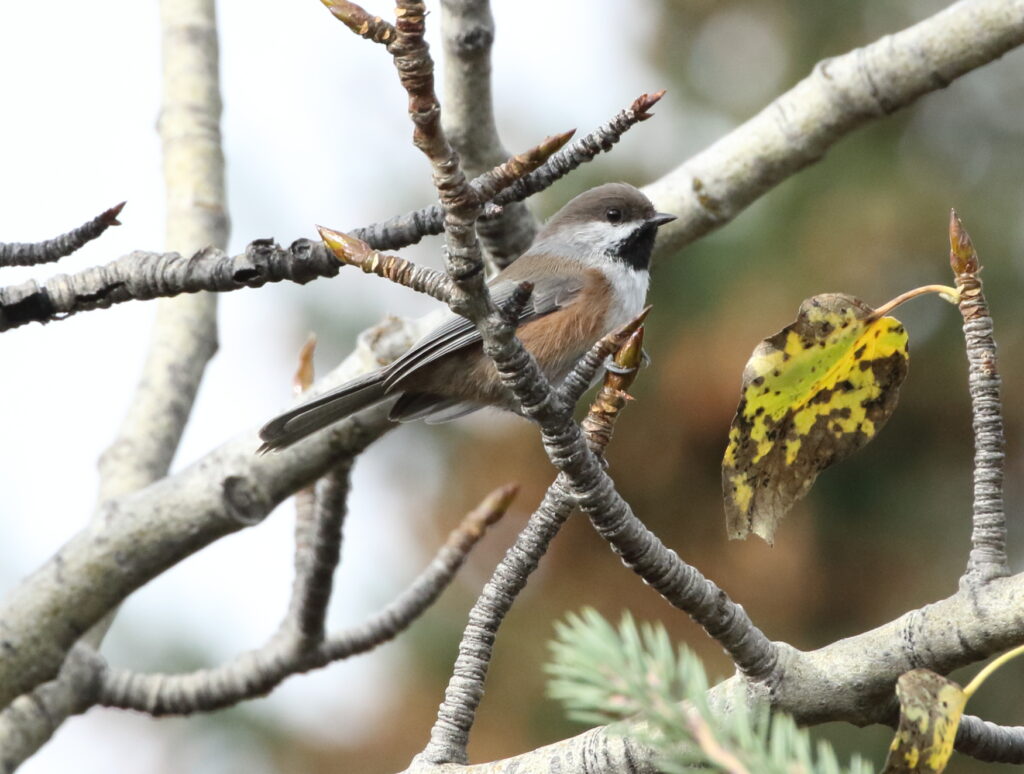
Within moments several tiny birds landed in the trees before me. It took a few tries to get eyes on one and to my joy, it was a Boreal! There were four of them altogether and wow, did they have a lot of energy! Not only were they checking me out, they were checking out every other bird, too—including a Ruby-crowned Kinglet keeping company. I managed a couple of good photos. Then, within minutes, all the birds departed—even the White-crowned Sparrows with their loud contact calls. Smiling, I traipsed back to the car. The sun had a special warmth to it and Chief Mountain rising above the forest added magic to the moment. Little did I know, however, that this wouldn’t be my last “moment” of the day.

While most visitors to Glacier focus on seeing grizzlies and mountain goats, nothing says wilderness to me more than Boreal Chickadees.

The glow of seeing Boreal Chickadees still with me, I made my way back to Babb and turned right, up the road to the Many Glacier Valley. A large flashing sign warned that there was no general admission parking there, but I love this drive and decided to go as far as I could. I passed through groves of aspen glowing gold with fall foliage and relished the views of Mt. Wilbur and other familiar peaks ahead.

At the Lake Sherburne dam, I stopped and got out for a look at the reservoir. In keeping with my observations from my last post, it was as low as I’d ever seen it, a giant “bathtub ring” leading from the forest edge down to what water remained. I’d also noticed that Swiftcurrent Creek was incredibly low—mere rivulets flowing between a pavement of exposed rocks.

Lake Sherburne—a reservoir, actually—stood as low as I’d ever seen it, additional evidence of the long-term drought impacting this part of the world.

I still had plenty of time and wanted to do some kind of hike in the park, so I returned to St. Mary and found myself on a little trail for the Beaver Pond Loop. In all my visits to Glacier, I’d never before done any hiking or walking near St. Mary so I set out on this path with some excitement. It wasn’t the most dramatic hike, hugging the south side of St. Mary Lake, but it offered terrific views up the valley and the blue sky and warm (too warm) conditions made for pleasant hiking.

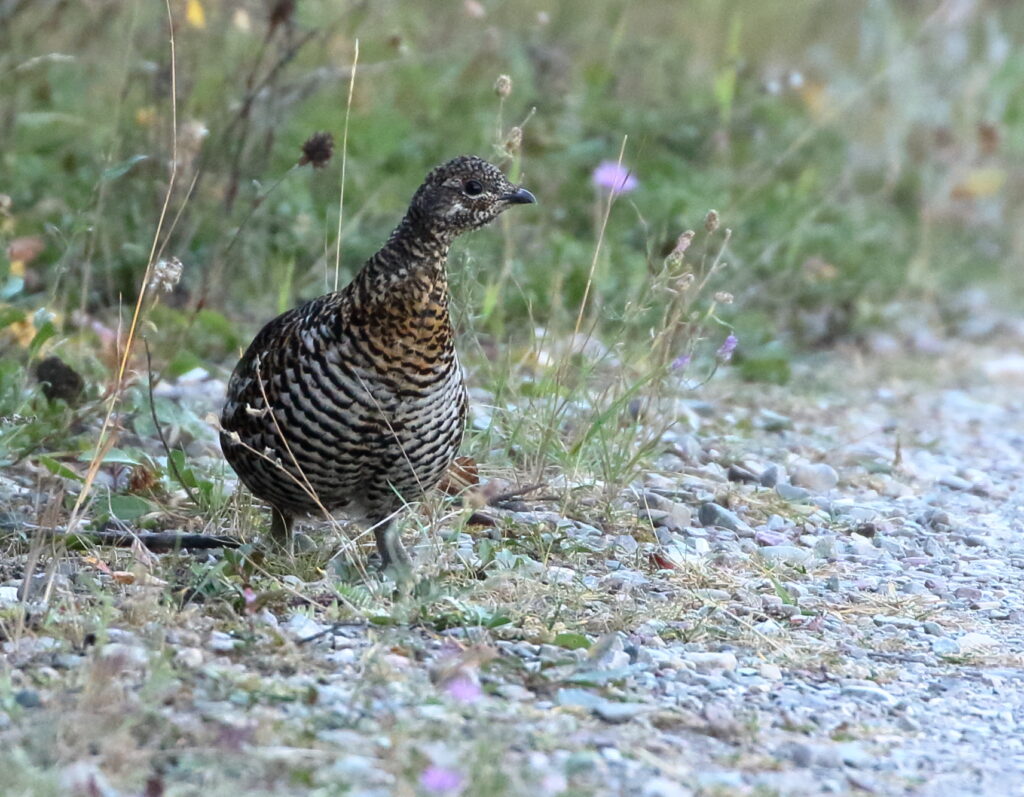
I’d walked maybe a quarter mile when I rounded a bend to see a dark object ahead next to the trail. At first I thought it might be a hare or other mammal. When I raised my binoculars, I realized with astonishment that it was a grouse. Not only that, I felt pretty sure it was a Spruce Grouse!

My accidental Spruce Grouse sighting was evidence that I had put in enough time searching for these guys to break my “grouse curse.” Notably, the grouse brought my year species total to 527 birds—exactly tied with my previous record. Which bird will put me over the top? Stay tuned to FSB to find out!

If you’ve followed FatherSonBirding, you’ll know that I’ve seen SPGR only twice (see posts “Gambling on a Grouse-fecta” and “August: It’s Just Weird”), and had gone to great effort to do so. To have one just show up unexpectedly, well, that pretty much blew my mind. Still, I didn’t feel 100% sure on the ID, so I snapped some quick photos to send to Braden. Then, the grouse started walking toward me. “Whaaaaat?” I wondered.

That’s when I realized that another hiker stood on the other side of the bird and had herded it my way. Finally, the grouse wandered off into the forest, leaving me both astonished and gratified. I guess I had put in enough grouse effort to finally be rewarded by such encounters!

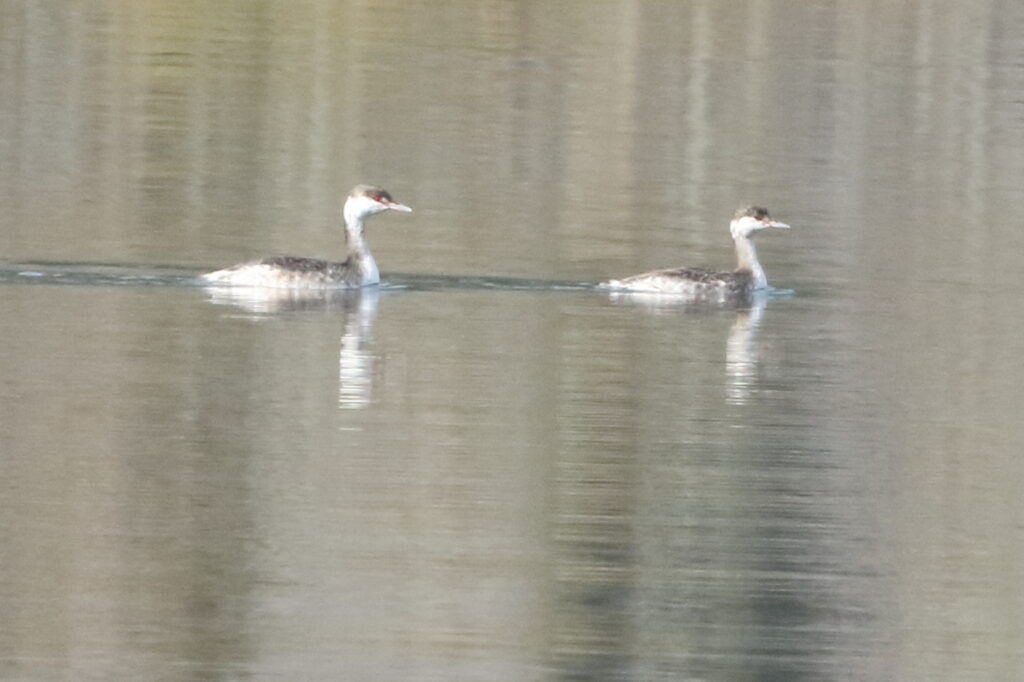
I continued onto a nice rocky beach on St. Mary Lake and found a perfect rock for sitting. Two pairs of Horned Grebes played and fished out on the water—my best look at this species all year—and I relished a few moments in one of earth’s most spectacular places.

Two pairs of Horned Grebes kept me company as I took a few moments to soak up the beauty of Glacier National Park before heading to my week of work in Browning.

Glacier, though, doesn’t exist by accident. It’s here because forward-thinking people planned for the future long ago. As the epically dry conditions of this part of the world attest, we need to keep thinking forward if we want our children and their descendants to have such places to cherish. As I said in my last post, all of us need to fight the disinformation and greed of climate deniers however we can. Whether that’s by making a donation to an environmental or legal group battling the horrible policies of the current administration or making changes to lower your own carbon footprints, every effort matters. Now, more than ever, is the time.