
Tag Archives: Equipment Reviews

Vortex Razor HD 10X42s: Holiday Optics Upgrade (FSB Equipment Review)

All photos and text on FatherSonBirding.com are strictly protected under copyright law. To request permission for use, contact Sneed at sbcollardiii@gmail.com. We encourage you to share these posts, but you DO NOT have permission to use these posts to train Artificial Intelligence models or make other use of them without our okay.

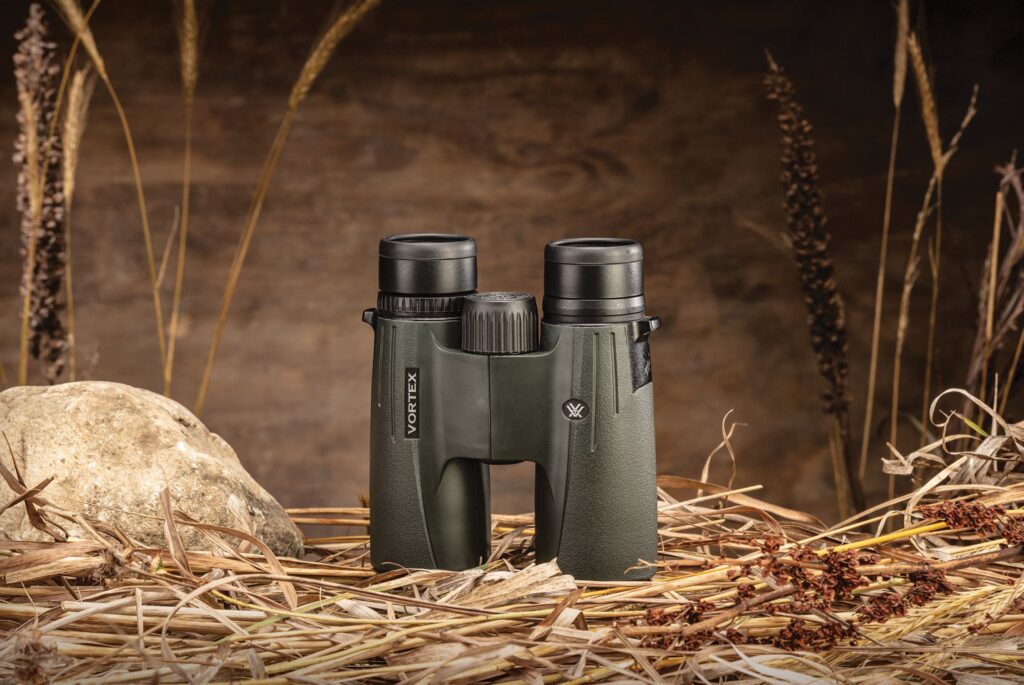
One of the highlights of my 2025 has been the opportunity to field test various bird-related equipment, especially binoculars and scopes from Vortex. In fact, our review of the Vortex Triumph HD 10X42 binoculars nabbed top spot among our most popular posts for the year, narrowly beating out our review of the Nikon Monarch HGs. And speaking of the Monarch HGs, this week I am pleased to offer my thoughts on binoculars that run in the same $1,000 price range as the HGs—the Vortex Razor HD 10X42s.

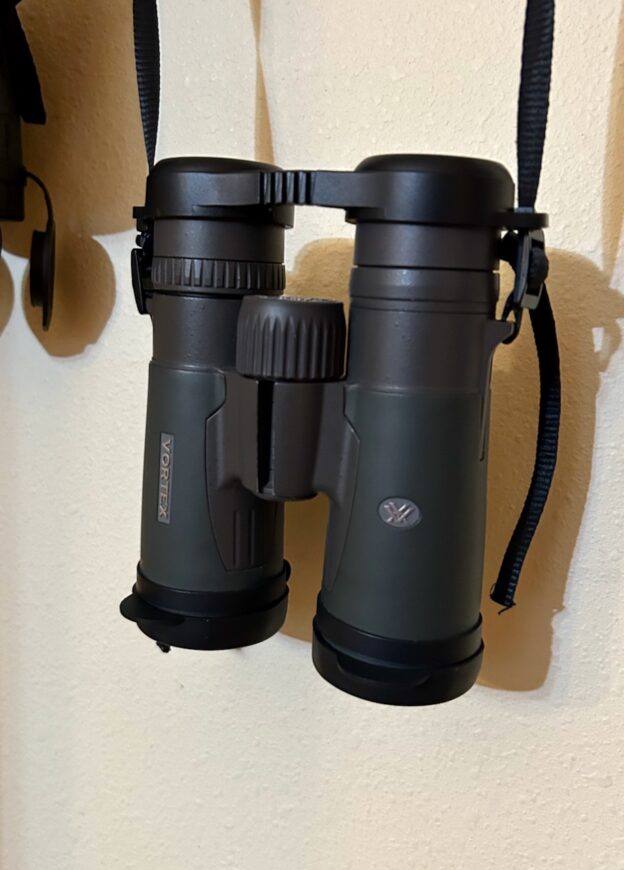
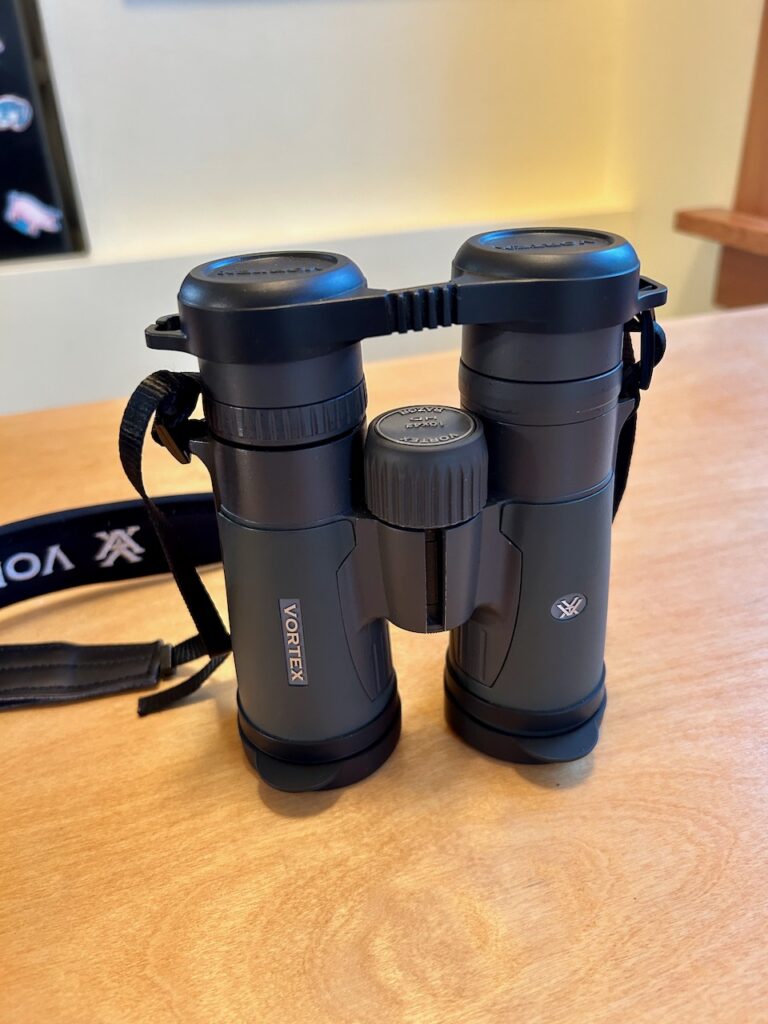
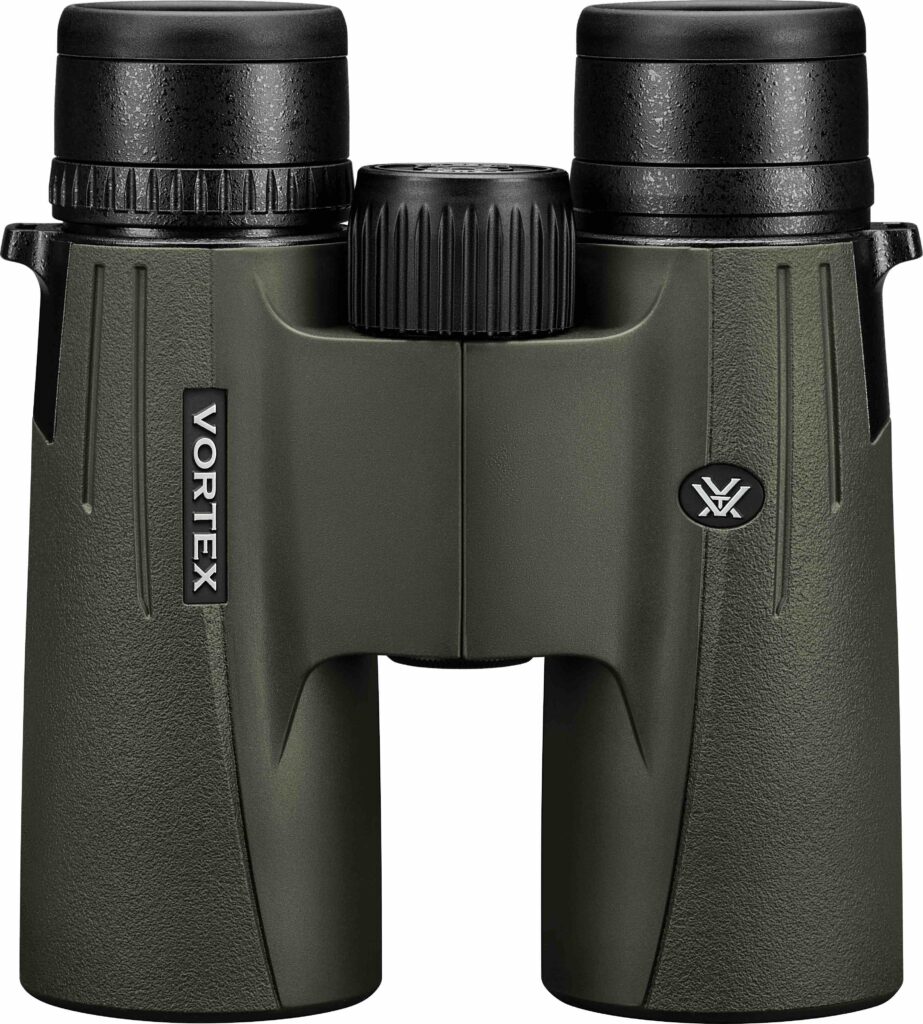
The Vortex Razor HD series of binoculars offers both superior optics and terrific build—and yet is still within reach of many (indeed, most?) serious birders.

The Vortex Razor HD series is not to be confused with the Vortex Razor UHD series—Vortex’s absolute top-of-the-line binoculars that come with price tags to boot. Maybe I’ll get a chance to review one of the UHDs sometime, but for now I am focusing on binoculars that a larger swath of typical birders can enjoy and afford—and the Razor HDs fit right in with that theme.

I’ve been using the Razor HDs for the past several months—a clue to how much I like them. Perhaps the best way to analyze them is to compare them to Vortex’s next step down, the Viper HDs, which we reviewed in this post.

Me with my buddy Scott—and my Razor HDs—during our recent outing to Bodega Head in California.

Right off the bat, I have to say that both the Vipers and Razors offer exceptional clarity and light transmission—to the point that I would be hard-pressed to place one above the other in a blind “binocular tasting” test. I have used both models in all kinds of situations, including dark and overcast conditions, and been thrilled with the images reaching my eyes. According to the Vortex website and my Vortex rep, however, the Razor HDs use a superior, tougher coating that provides better clarity and sharpness, and tougher protection so that the lenses are less likely to scratch.

Vortex has also gone to the trouble of using higher density glass for the Razors, as well as matching the lenses for better color matching at all wavelengths. Notably, in the Razors more of the image remains in focus at a range of 1,000 yards than is true of the Vipers. These things probably won’t be obvious to most users, but will, I predict, show up more in extreme conditions and as your own birding skills progress.

Where the differences between the Razors and Vipers really become obvious is in the build of each model. Both feel comfortable and solid to hold, but the Razor HD tubes are crafted from magnesium rather than from polymer—an upgrade you expect to find in all higher end binoculars.

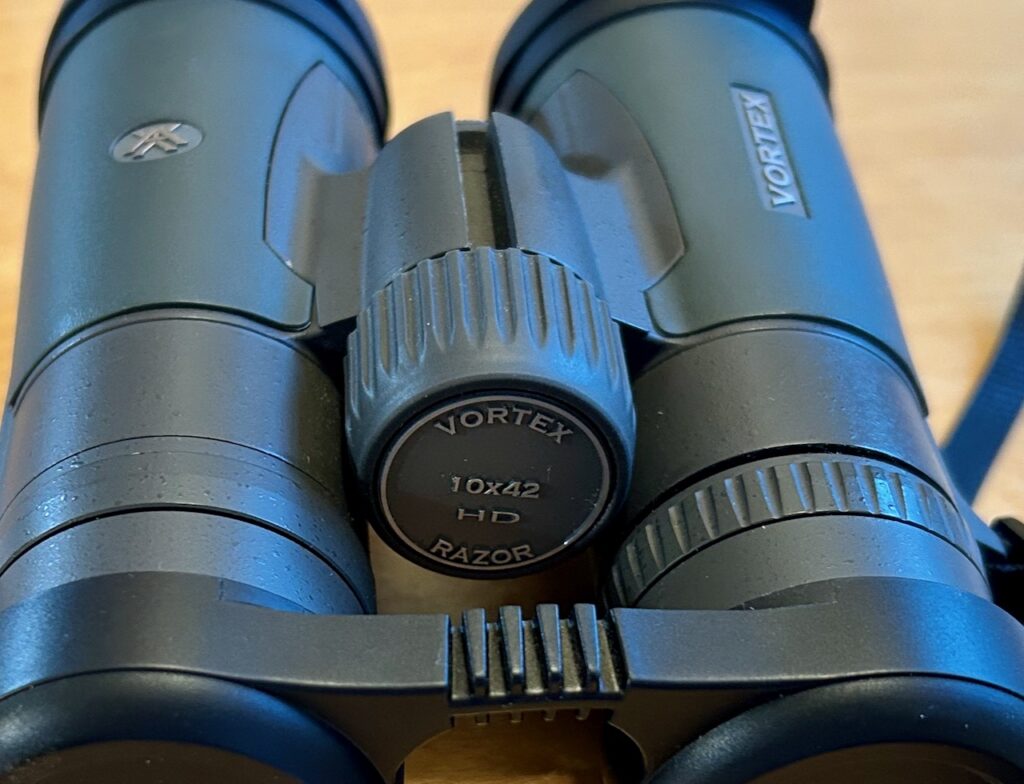
Even more impressive, the central focusing knob has much better action than you find on the less expensive models. One of my few complaints about the Viper HDs was the relative stiffness of the focusing knob, and how far you have to turn it to bring an image into focus. Vortex solves both of these problems with the Razor HDs. A single revolution of the knob takes you from a ten-foot focus to a distance of a mile or more! I can’t emphasize how awesome this is when you’re out in the field and have to switch from looking at a Lincoln’s Sparrow in front of you to a mystery raptor cruising a distant skyline. Not only that, the action is so smooth on the Razors that fine adjustments are accomplished with ease.

The smooth and functional central focusing knob is one of the features that really stands out on the Razor HDs.

Other specs on the Razors are very similar to what is found on the Vipers. The Razor HDs have a slightly wider field of view (6.9 degrees compared to 6.5 degrees) and are also .3” longer. Both weigh just under 25 ounces, light enough for most people to haul them around all day—especially if you use the Glasspak™ harness system that comes with most Vortex binoculars.

Both also have eye relief tubes, but the Viper’s are a bit longer—17 mm versus 16.5 mm on the Razors.

As you’d expect, the Razor HDs are waterproof, fogproof, and shockproof. Like the Vipers, the Razors also have locking diopter rings—the mechanism that corrects the central focusing knob for people whose vision is different in each eye.

The Vortex Razor HD series of binoculars is an excellent choice for those looking to step up the quality of their field optics—and not break the bank.

But what about price?” you are undoubtedly asking—and since I’ve been comparing the Vipers with the Razors, you’re probably wondering if paying more is worth it. While the Vipers can be purchased for under $500, the Razors take a hefty jump up to about $1,000 at the time of this writing. Oh, what to do?

Let me begin by saying that if you are used to cheaper, crummy binoculars, you’ll be delighted by either one of these models. Both are covered by the amazing Vortex lifetime, no-questions-asked warranty along with excellent customer service. If the Razors simply aren’t in your budget, the Vipers are a very nice investment in your birding activities and will last you as long as you can still bird.

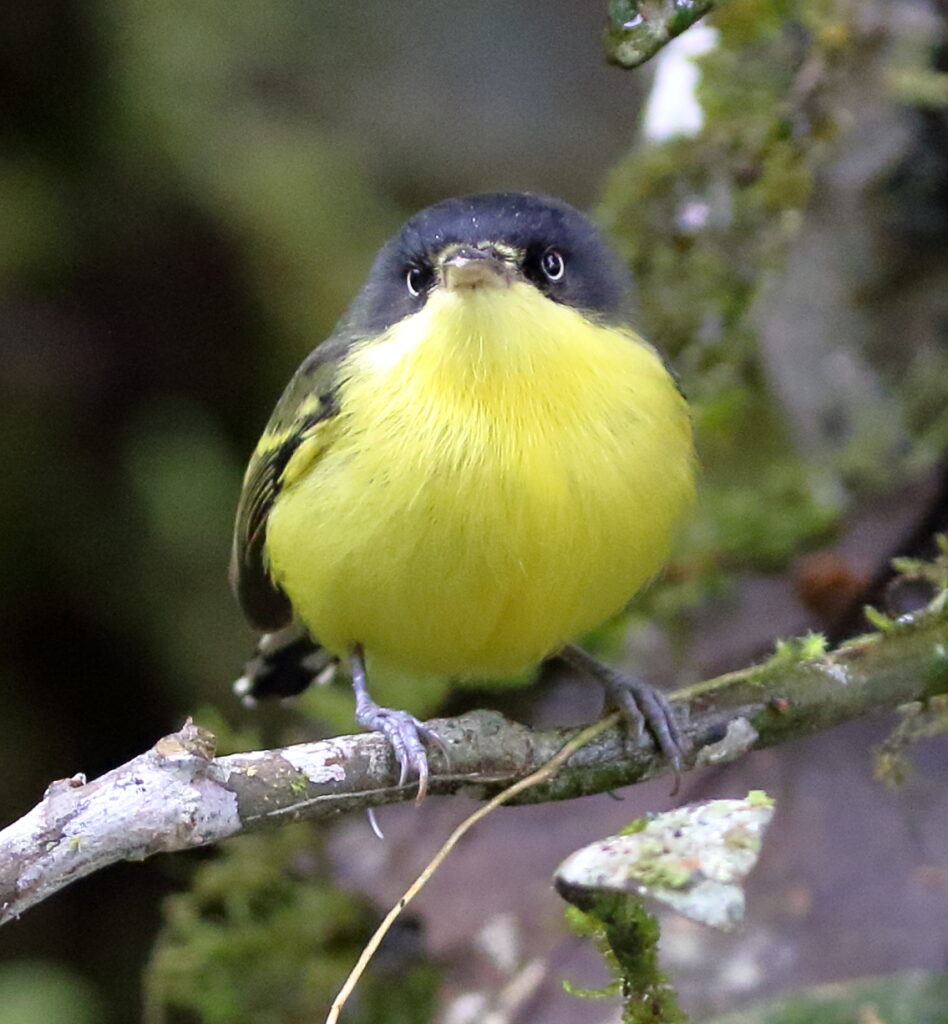
If, however, you’ve just sold some NVIDIA stock or have just benefited from recent changes to the tax code, I would definitely encourage you to opt for the Razors. Even if you’re not wealthy, but want to make sure you get the most pleasure out of your future birding, the Razors make a solid one-time investment that will last a lifetime. $500 extra sounds like a lot—and it is to most of us—but if you’re serious about birding, you will most likely forget about the price difference the first time you focus in on a Common Tody-Flycatcher in the mountains of Colombia, or perhaps even an Evening Grosbeak in the backyard.

So there you have it—and with Christmas coming up to boot. What a coincidence! Or . . . was it?

For more information on the Vortex Razor HDs including where to buy them, click here!

Seeing your first Common Tody-Flycatcher in the mountains of Colombia will likely make you forget any higher price you paid for your Vortex Razor HDs.

Vortex Bantam HD 6.5X32s: Binocs for Kids and Travelers (FSB Equipment Review)

Thank you for checking out our reviews! Braden and I write this blog to share our love of birding and provide useful information for our fellow birders. We do not receive any payment for any of our posts, but if you’d like to support our work, please consider buying one or more *new copies* of Sneed’s award-winning books such as Birding for Boomers or Warblers & Woodpeckers: A Father-Son Big Year of Birding. We appreciate your support and hope that you keep enjoying the world’s greatest activity!

Recently, my brother joined us to celebrate our youngest child’s graduation from high school. We had some extra time, so naturally we went to look for birds, an activity he has steadily been getting more interested in. He didn’t bring binoculars, so I loaned him a pair of Vortex Bantam HDs I have been testing out. The problem? When he departed, he didn’t want to give them back!

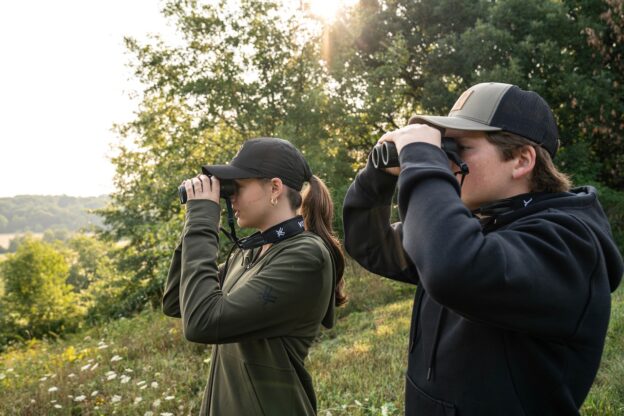
Although created and marketed for kids, the Bantam HD has terrific selling points for adults as well. But let’s start with the kids. Quite a few companies have been selling binoculars for kids lately, and that’s a no-brainer. As more and more adults get into birding, they naturally encourage their children to enjoy the activity, too. But most adult binoculars are too heavy and sometimes too complicated to use for the average kid, so it makes sense to seek out optics specifically designed for young people.

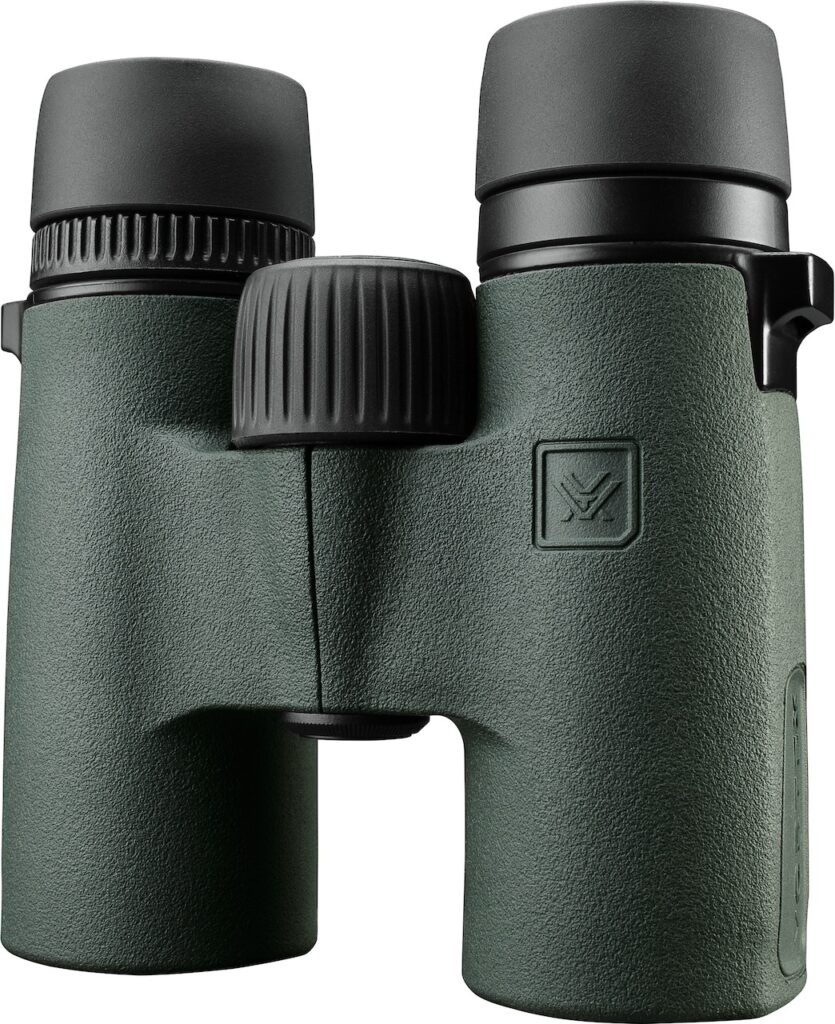
The Bantam HDs are lightweight, easy to use, and offer excellent light transmission and sharpness.

Unfortunately, many “kid binoculars” look and feel cheap—and often break almost immediately. Others come with high price tags (think $500 or more). I don’t know about you, but as a parent I can think of better places to put those extra few hundred bucks—at least until your child has shown an unquenchable passion for birds. And that’s where the Bantam’s first big selling point comes in: it can be purchased for only about $70.

More important, Bantams feel like real binoculars in your hands. They have sturdy construction, a comfortable grip, long eye-relief tubes for those with glasses, and a diopter ring to accommodate different vision between eyes. Oh, and did I mention they are waterproof, fogproof, and shockproof? Beyond all this, the clarity of the image they present is impressive. I hate to say this, but I found the focal sharpness to be better than the more expensive Triumphs we reviewed earlier in the year (see our review).

Though marketed for kids, the Bantams are an excellent choice for travelers as well.

The Bantam HDs do come with some trade-offs. While the optics are excellent, the rating 6.5X32 means that the magnification (6.5 power) is not as great as you find on most adult binoculars (including the Triumphs mentioned above). Also, minimum focal distance is a fairly lengthy 12 feet. This won’t be an issue for most users, but could come into play when looking at butterflies or other insects—or just screwing around, which of course most kids are wont to do when having a cool new toy in their hands. However, the Bantam HD’s light weight and ease-of-use more than compensate for these disadvantages.

Oh yeah, the weight, you may be thinking. I haven’t mentioned that yet, but here it is: these binoculars weigh a mere 14.4 ounces—less than a pound. In other words, they are light enough for almost all kids to carry them around for hours without complaint. And that means that they also are mighty attractive to adults as well.

On several recent birding trips that I led, I let adults use my pair of Bantams. The coordinator from our local natural history center immediately ordered half a dozen pairs!

In fact, almost everything about the Bantam HDs screams TRAVEL BINOCULARS! Even if you’re not going on a dedicated birding trip, all birders understand that it is essential to take along a pair of binoculars on every adventure. But on a casual trip a regular pair of binocs, with its awkward size and weighing a couple of pounds, can make a person hesitate to stuff it into a carry-on. Years before trying out the Bantams, I bought myself a pair of Vortex Vanquish 8X26s for backpacking, travel, and to keep in our trusty minivan for “emergency birding.” They worked just fine for this—but despite their greater magnification and slightly lighter weight, I like the Bantams better. Why?

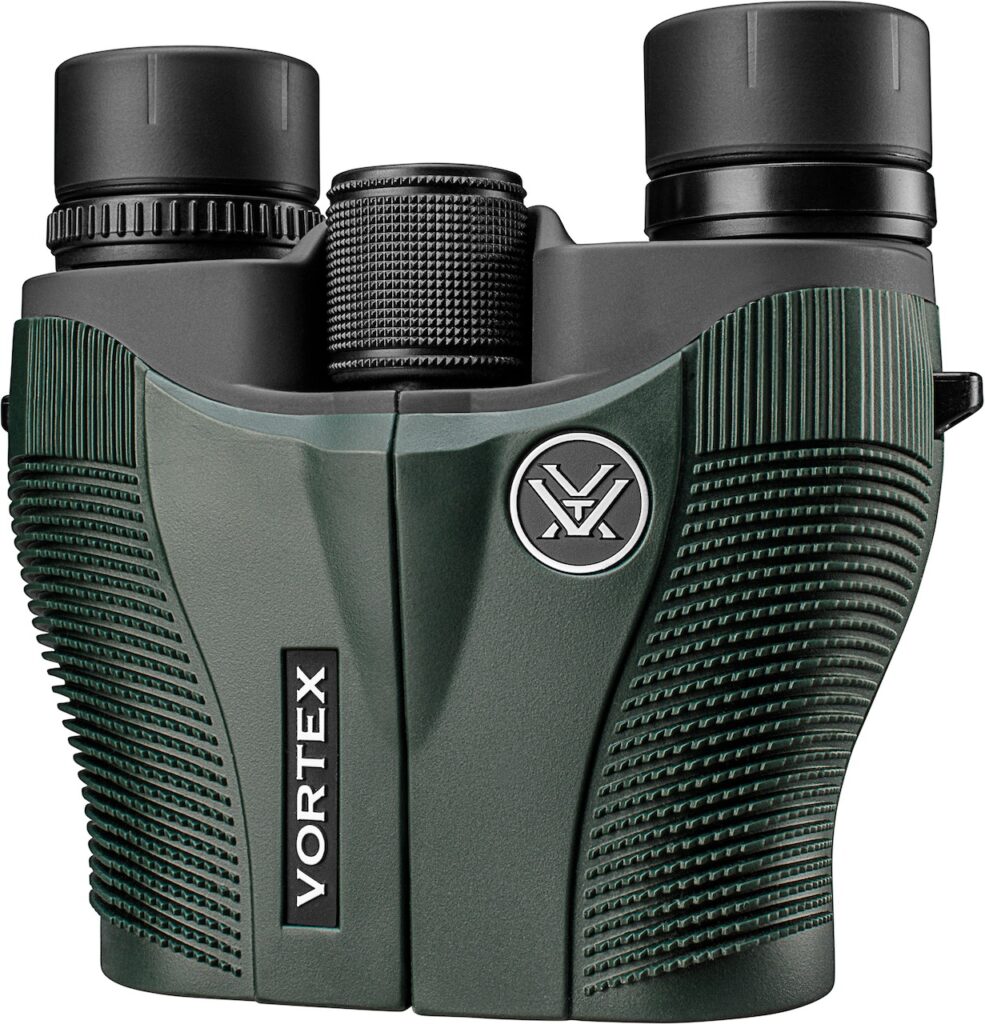
For travel, I found the Bantams to be a better choice than the more expensive Vortex Vanquish 8X26 (pictured here)—despite the greater magnification of the latter.

* The Bantam’s optics are just as good, if not better.

* Because the Bantam uses a roof prism system instead of a Porro (side-by-side) prism arrangement, I find the Bantams more comfortable to hold. According to Vortex, they also are more durable. (See this article for a comparison of roof versus Porro prism binoculars.)

* The Bantams are actually cheaper to buy.

You can probably tell that I’m unusually enthusiastic about the Bantams, and their low price makes them an almost risk-free investment—especially given that, like all Vortex products, they come with an unbelievably generous lifetime warranty. Whether you’ve got a promising young naturalist in your life or need a pair of handy travel birding binoculars, you won’t be sorry you checked these out.

Oh, and you might be wondering, Did my brother ever give my Bantams back before he left? The answer is yes—but he looked so forlorn about it I immediately ordered him his own pair!

Vortex Viper HD Binoculars (Equipment Review, and/or Texas 2025 Part 2-½)

Thank you for checking out our reviews! Braden and I write this blog to share our love of birding and provide useful information for our fellow birders. We do not receive any payment for any of our posts, but if you’d like to support our work, please consider buying one or more *new copies* of Sneed’s award-winning books such as Birding for Boomers or Warblers & Woodpeckers: A Father-Son Big Year of Birding. We appreciate your support and hope that you keep enjoying the world’s greatest activity!

I hope that you’ve enjoyed our last two posts about my recent Texas birding adventures. Never fear, more Texas posts are coming! Today, however, we’d like to offer up another in our popular new series of equipment reviews. Why? Because my Texas trip gave me a wonderful opportunity to field test a pair of Viper HD 8X42 binoculars from Vortex.

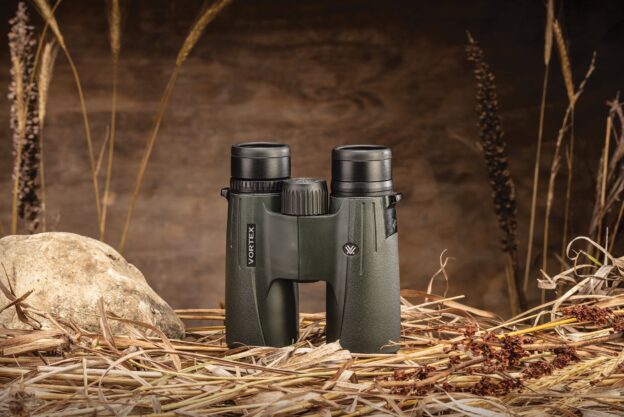
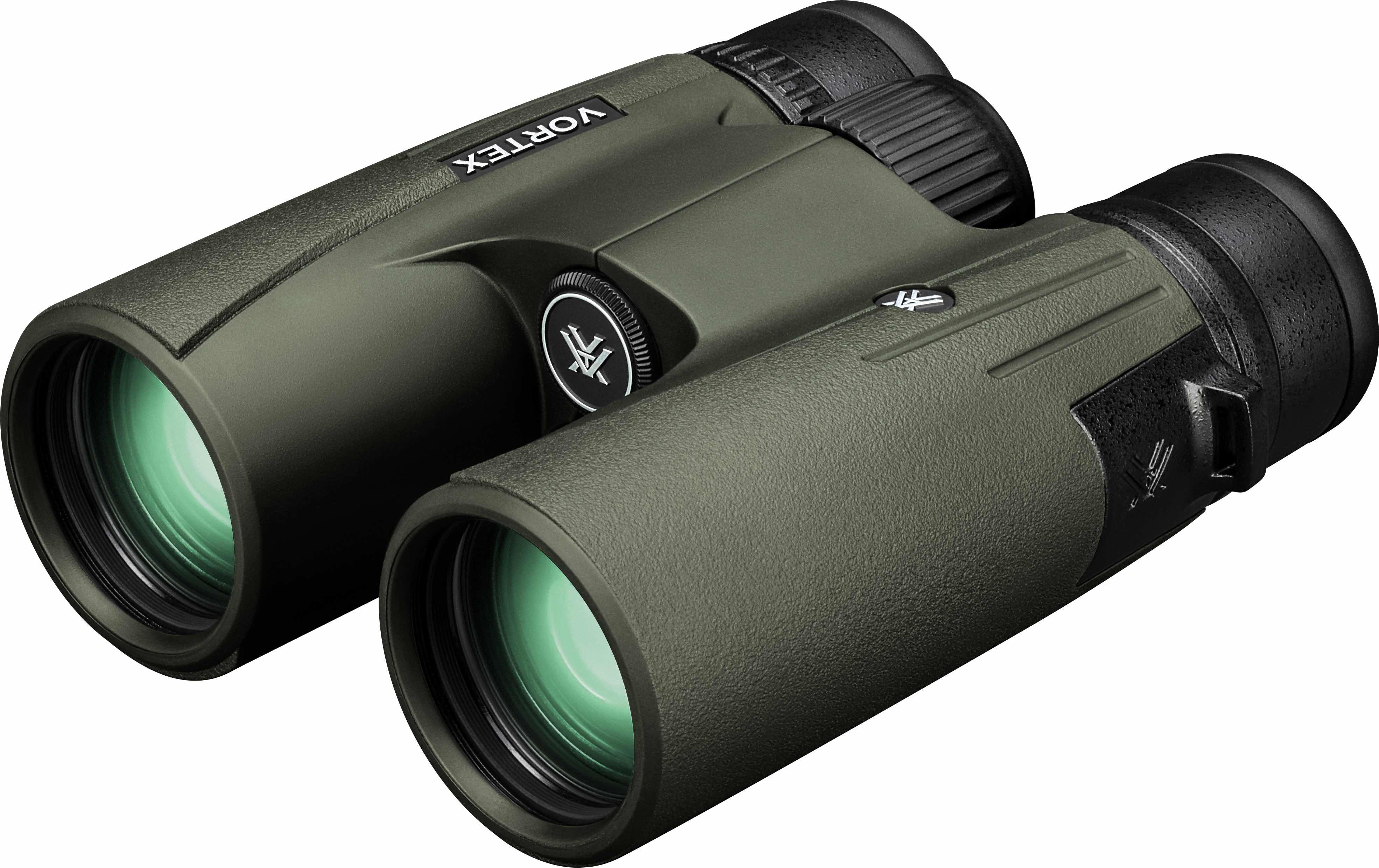
Vortex Viper HDs offer great quality at a reasonable price.

If you’re out in the field a lot, you’ll see many birders using the Viper HDs, and for excellent reasons. In hand, the binoculars are sturdy and comfortable to hold, yet lightweight enough to carry around all day without discomfort. Like all Vortex optics, they come with an incredible no-questions-asked, fully transferable, lifetime warranty—something almost priceless for the peace of mind it offers. But the question remains: how do they perform in the field?

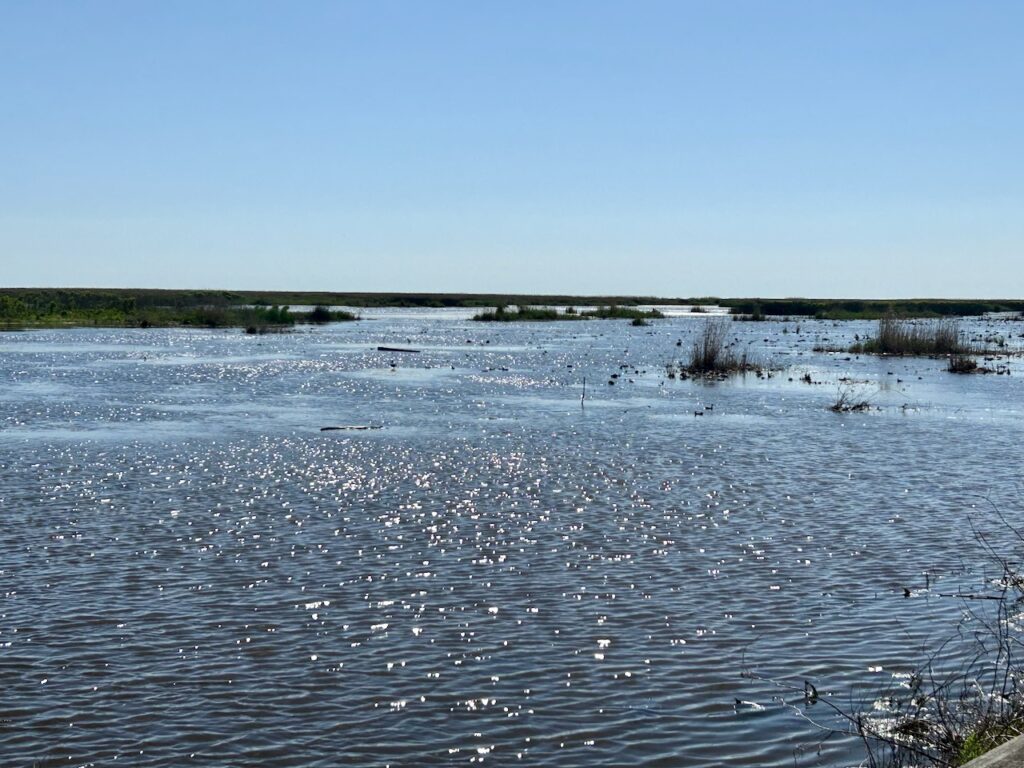
Backlit conditions—especially on water—are one of the true tests of binocular clarity and light transmission. The Viper HDs performed extremely well under these conditions.

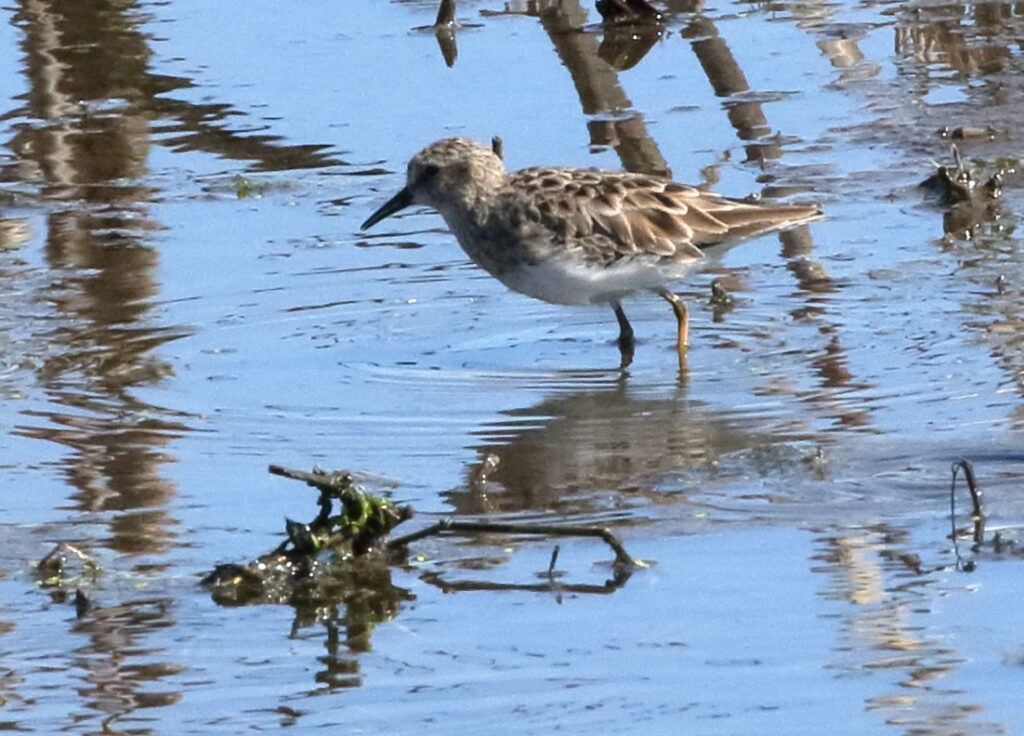
My Texas trip allowed me to test the Vipers in a variety of birding situations. In my last post, I shared my thrilling visit to the Anahuac National Wildlife Refuge (now renamed to the Jocelyn Nungaray NWR), and almost immediately, I was confronted with the daunting task of observing shorebirds and waterfowl under extreme backlit conditions. Anyone who has experienced this knows how difficult it is to discern details of birds when bright glare turns the birds into shadowy figures, and I immediately thought, “Oh man, I don’t know if I’ll even be able to start identifying some of these critters.” To my surprise, the Viper HDs cut right through the glare. One small backlit shorebird particularly caught my attention, and I was sure I wouldn’t be able to see enough details to ID it. Focusing in with the Vipers, the bird’s features just popped—including its yellow legs, which allowed me to identify it as a Least Sandpiper.

The Viper HD’s excellent light transmission allowed me to ID this Least Sandpiper and other shorebirds under badly backlit conditions.

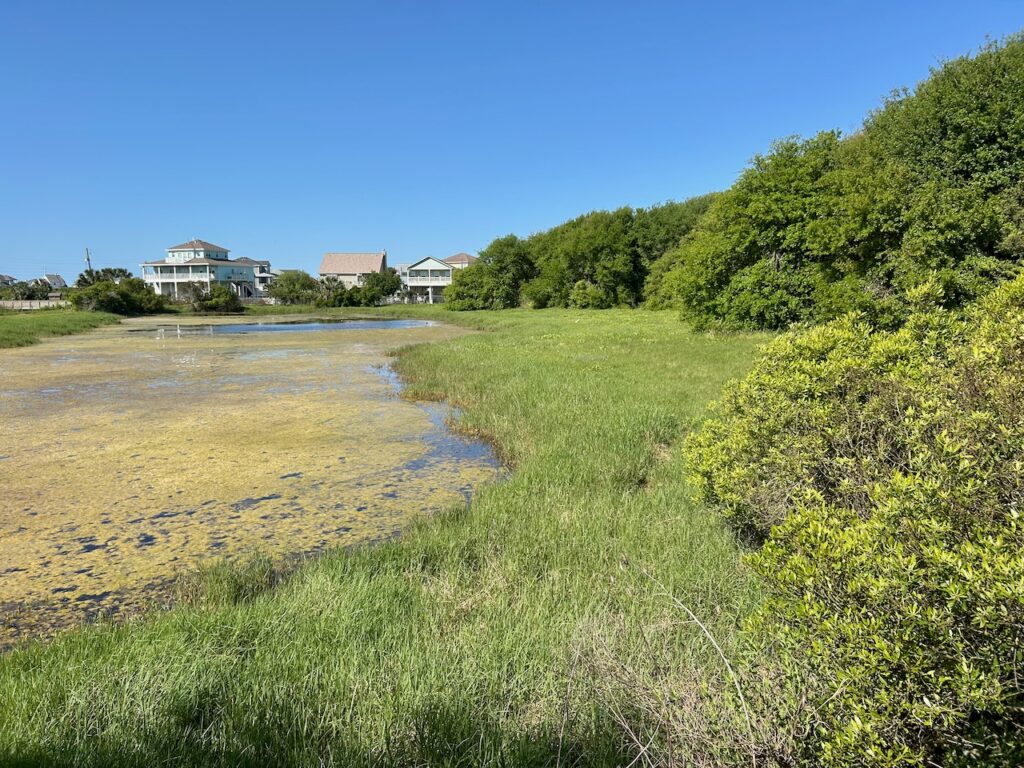
A couple of days later, I arrived at an exciting new (to me) location called Lafitte’s Cove on Galveston Island. This cool little nature reserve sits in the middle of an upscale housing development and features ponds, walking paths, and wooded areas. My main goal was to try to find migrating warblers and, thanks to the advice of some local birders, I staked out a drip in the wooded area that provides fresh drinking water for birds. Soon, I saw two shapes flitting around in deep shadow behind the drip. One leaped out into the sunlight—a Tennessee Warbler. The other bird proved much more cagy. Even as it stayed in the shadows, though, the Vipers gave me the sharp, full-color details that allowed me to confirm that it was a Nashville Warbler—a real surprise since I had never seen one before in the eastern US!

Lafitte’s Cove on Galveston Island was a wonderful addition to my list of spring migration birding hotspots—and helped me test the Viper HDs under dark, shady conditions.

As always, prospective buyers will ask, “Are the Vipers worth what they cost?” On the Vortex website, the 8X42s and 10X42s list for $719.99 and $729.99 respectively—not an inconsiderable sum. However, in “real life” the binoculars can be purchased for under $500, putting them in range of a doable investment for many birders who are ready to get serious, but can’t or don’t want to shell out thousands of dollars. Even for $500, though, you expect binoculars to be durable and weather-resistant, and the Vipers deliver on that count. Other great features include:

* a diopter ring that allows independent focus adjustment for each eye

* long (18 mm), rubberized eye-relief tubes designed to press eyeglasses against them without damage

* a close (six-foot) minimum focal distance

A comfortable grip and long, comfortable eye-relief tubes are just two great selling points for the Viper HDs.

As I have tried various brands and models of binoculars, though, for me it has become mainly about clarity. In other words, how well do the binoculars transmit light and how sharp is the image they deliver? As noted above, the Vipers deliver excellent performance in this regard. During my week in Texas, I never found a situation in which I had difficulty picking out colors and other details. That’s because, for the extra price investment, Vipers offer two advantages over many cheaper binoculars:

* extra low-dispersion glass that reduces chromatic aberrations and improves light transmission, even under difficult conditions such as those I experienced above

* high-quality coatings on both the glass and internal prisms which improve light transmission, creating a sharper, clearer image.

I have not yet found the perfect binoculars—if they indeed exist—and one thing I wasn’t crazy about is that I had to turn the focus knob quite a bit to bring the Vipers into focus between near and far situations. Presumably, this allows users to obtain a more precise focus on an object, but I found it wasted a bit of time and effort. This is a personal preference, however, and I’m guessing that most users will be just fine with this.

A final note: frequent FSB contributor Roger Kohn and his wife both happen to use Vortex Vipers. “We are very happy with them,” he says. “Really good quality glass, clear images. Feels good in the hands.”

Conclusion: the Vortex Viper HDs are an outstanding pair of binoculars for those ready to make a mid-range investment into the world’s greatest hobby. Sturdy construction, a light weight, and excellent light transmission make them suitable for almost every situation, and will provide years of satisfaction to the vast majority of birders.

Vortex Vipers

Post Update: After posting this review, I traveled to Maine for our son’s graduation (see post “Graduation Birding Bonanza in Maine”), and I took along a pair of Vortex Viper HD 8X42 binoculars. This was my first chance to use them in rainy conditions and I have to say, they performed incredibly well. While my companions’ bins were fogging up, the Viper HDs stayed clear as a bell during our two-hour drizzly session. I also had a chance to use the Vipers in “almost night” conditions to view the American Woodcock mentioned above. Again, I was impressed with the amount of light they transmitted, allowing me to easily follow the bird’s silhouette in flight. Back at our Airbnb, I let Braden look at a distant loon on the lake and he said, “Wow, those are good binoculars!” I suspect I’ll be using these a lot more!

The author received no financial compensation for this review, but binocular images and sample binoculars are provided courtesy of Vortex.