After a couple of slightly disappointing birding outings in a row, Braden and I were feeling a little down, especially because we felt like we’d missed our chances to see some uncommon fall migrants as they make their all-too-brief passages through Montana. Nonetheless, I continued taking my binoculars with me on my morning dog walks just to keep an eye on things and learn more about how fall birds behave. Early last Sunday, I decided to take Lola on one of our Top Secret routes—places we can’t tell you about or we’d have to kill you—and had just started down a street near Pineview Park when I saw activity in weird poplar-type trees up ahead. I unslung my binocs and focused.
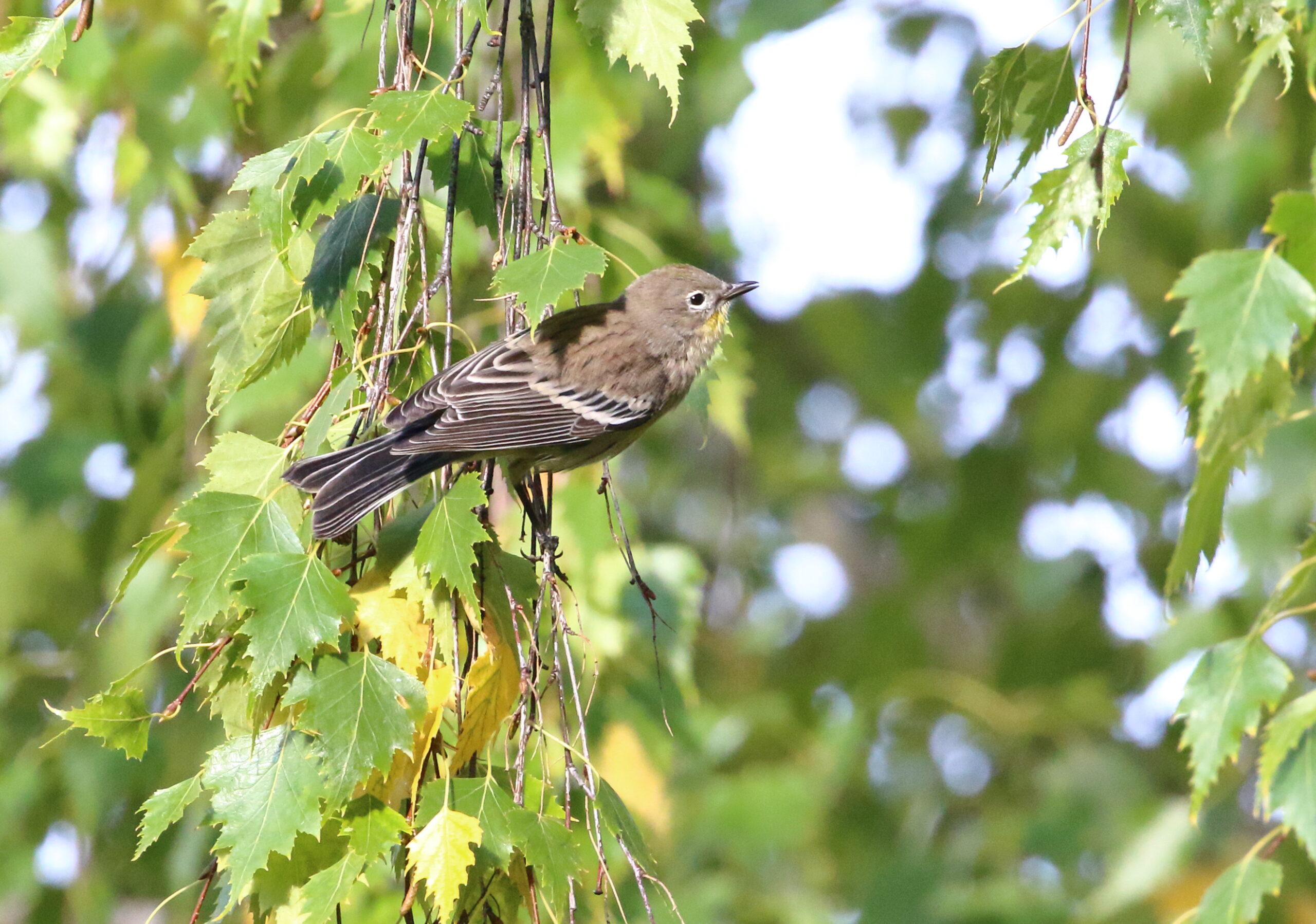
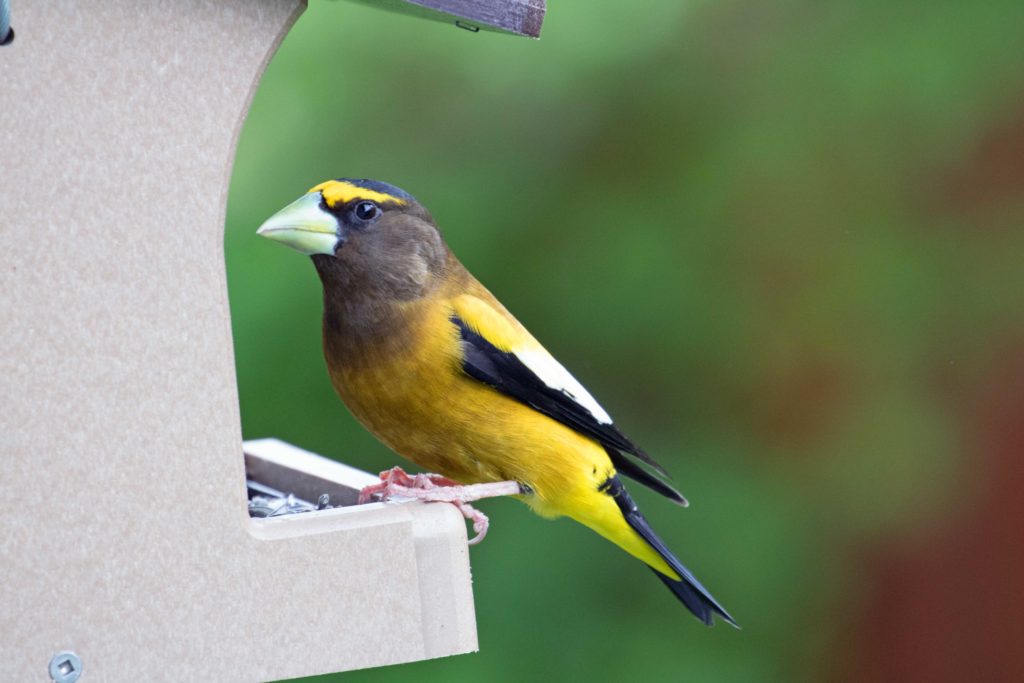
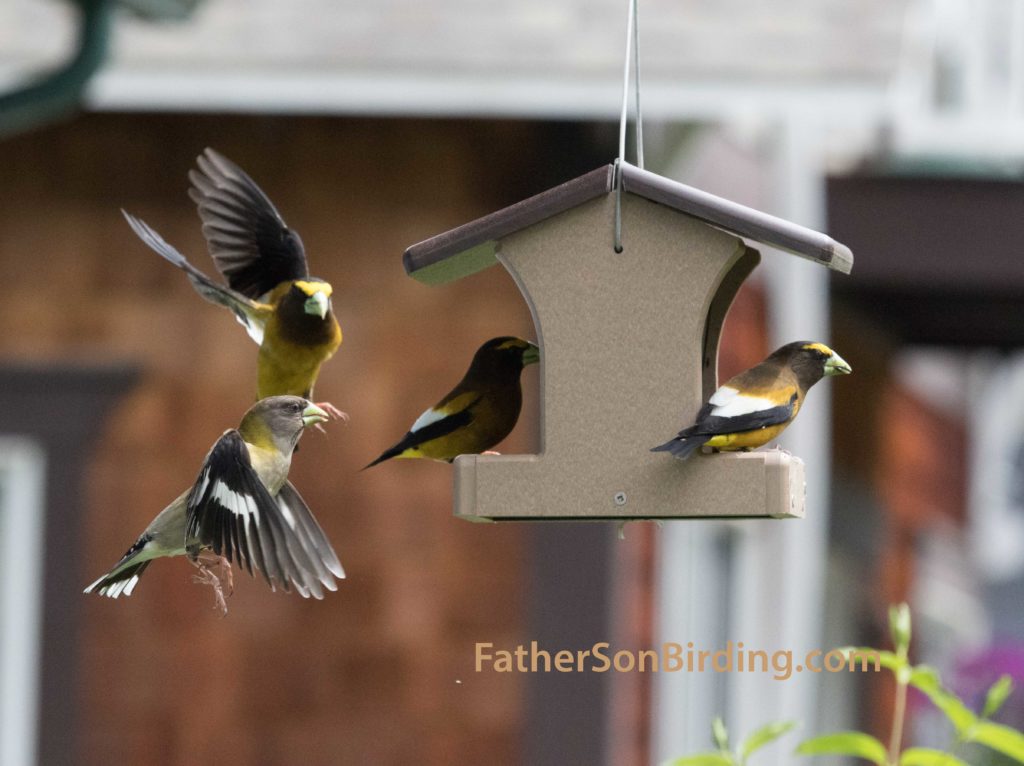
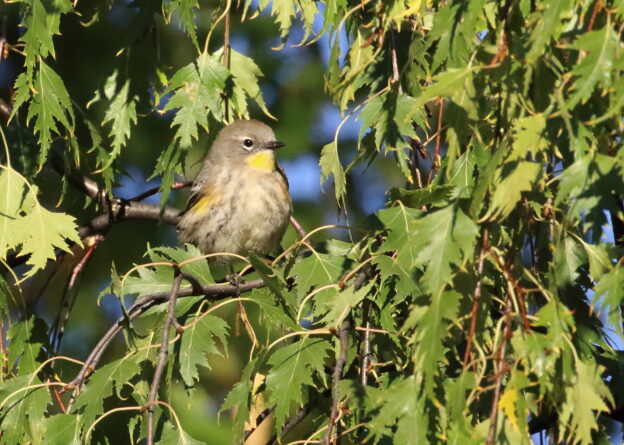
I saw about eight or ten little birds, and the first two I identified happened to be Ruby-crowned Kinglets, so I at first assumed they were all kinglets. Rookie mistake. Upon further study, I realized that many of them were Yellow-rumped Warblers (Banding Code: YRWA). What’s more, many more birds filled the surrounding trees. “Hm . . . This could be serious,” I thought and settled in for a better look. For the next twenty minutes, I did my best to identify the frantically-moving targets, finding Red-breasted Nuthatches, Black-capped Chickadees, Evening Grosbeaks—and about twenty Yellow-rumped Warblers. As I was looking at the top of a spruce tree, however, a shocking black-and-yellow face suddenly popped up: a Townsend’s Warbler! By now, TOWAs were supposed to be long gone and when I punched it into eBird, well, the app flagged it as RARE.
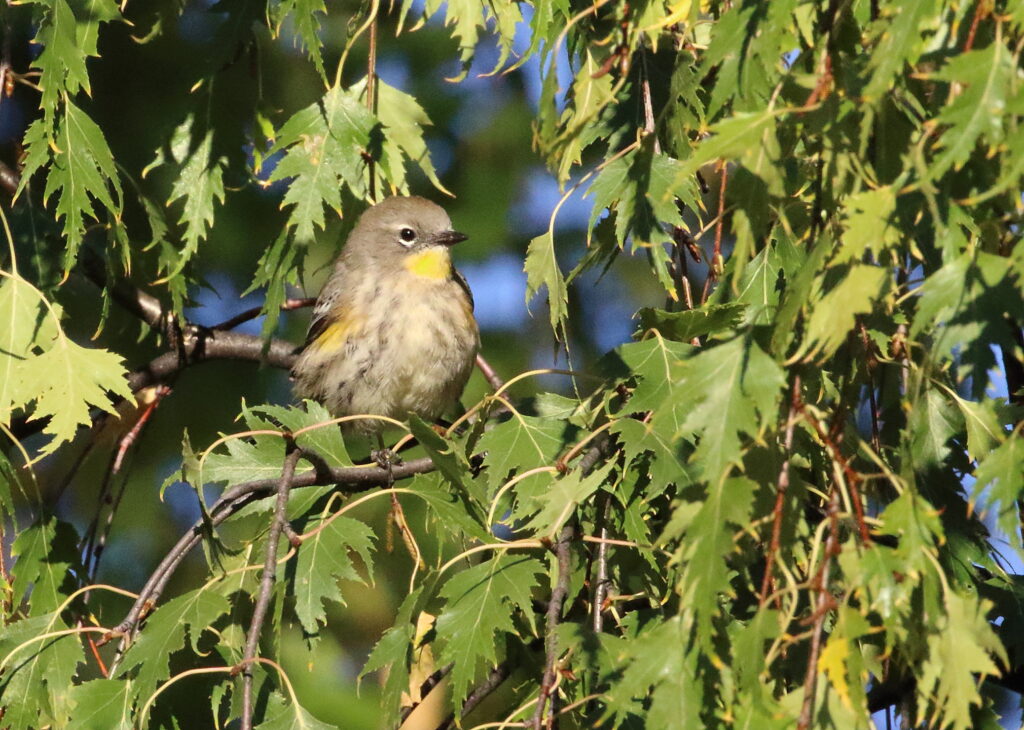
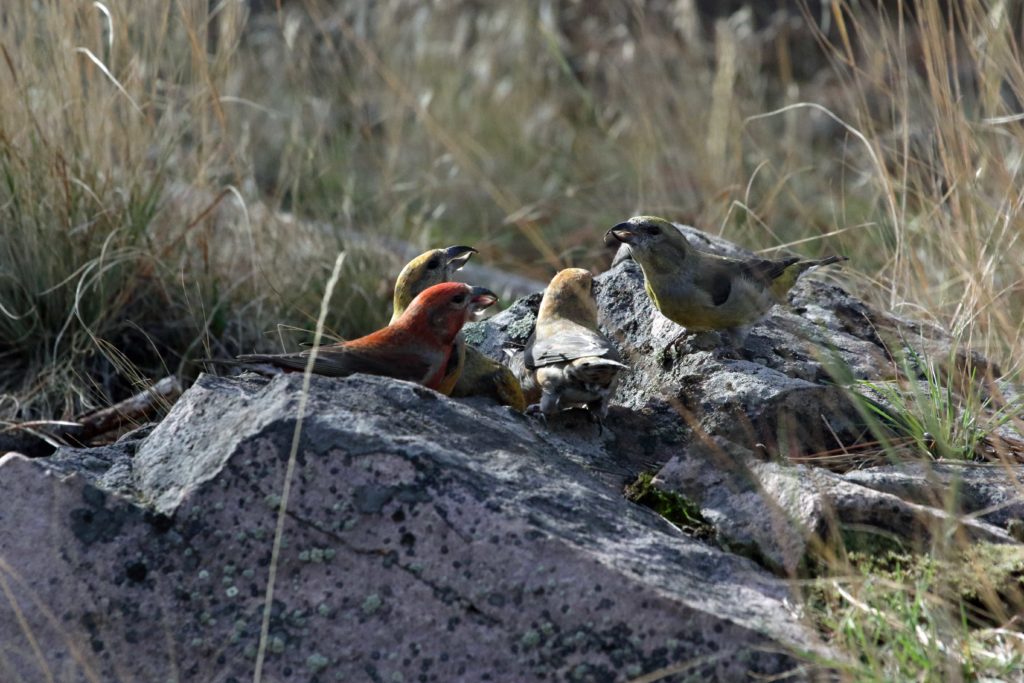
Lola and I hurried home and woke Braden. “You don’t have to come,” I told him, “but there’s an amazing mixed-species flock down by Pineview, including a Townsend’s Warbler.” Five minutes later, cameras and binoculars in hand, we zoomed down there in our ’86 4-Runner. To our relief, the birds hadn’t left, and we spent the next seventy minutes following them. My major goal was for Braden to see the Townsend’s, but together, we soon began making other discoveries. For one thing, there weren’t just twenty YRWAs. There were at least sixty of them, along with at least ten Ruby-crowned Kinglets. It wasn’t long before Braden found a Wilson’s Warbler and we both began detecting an occasional Orange-crowned in the crowd. Thanks to Braden’s ears, we also heard Pine Siskins, Red Crossbills, a Song Sparrow—even a pair of Sandhill Cranes in the distance!
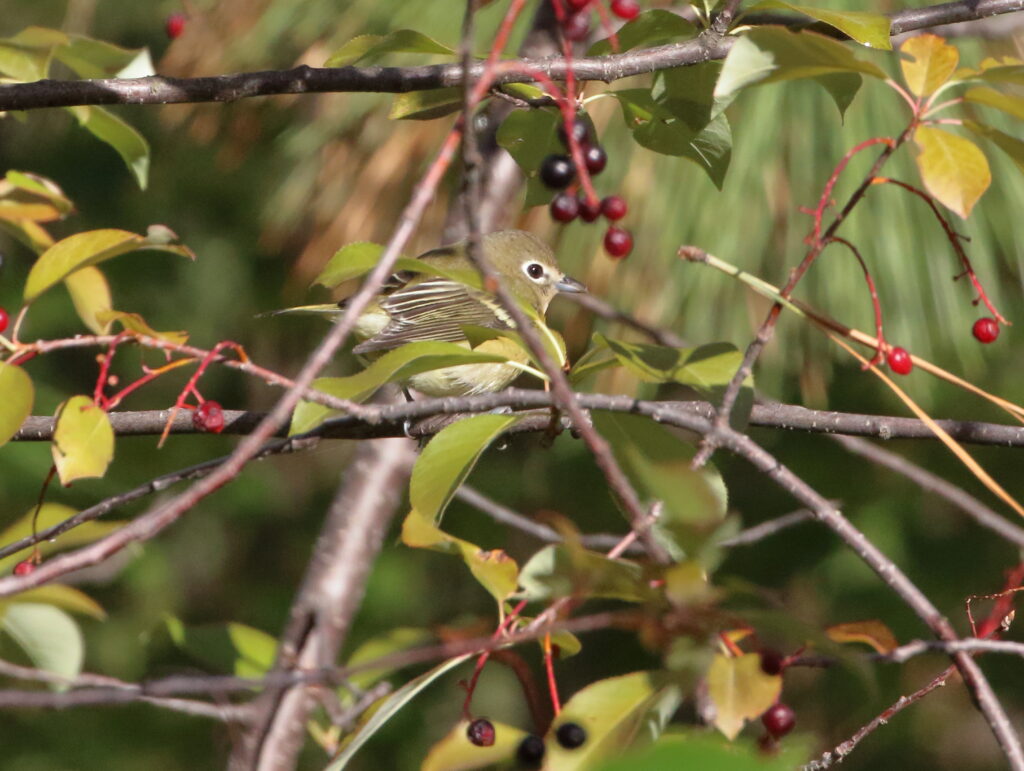
Not to be outdone, vireos made an appearance. Braden spotted a pair of one of our favorite songbirds, Cassin’s Vireo, while I saw another surprise bird face, that of a Warbling Vireo—also flagged as RARE for this time of year.
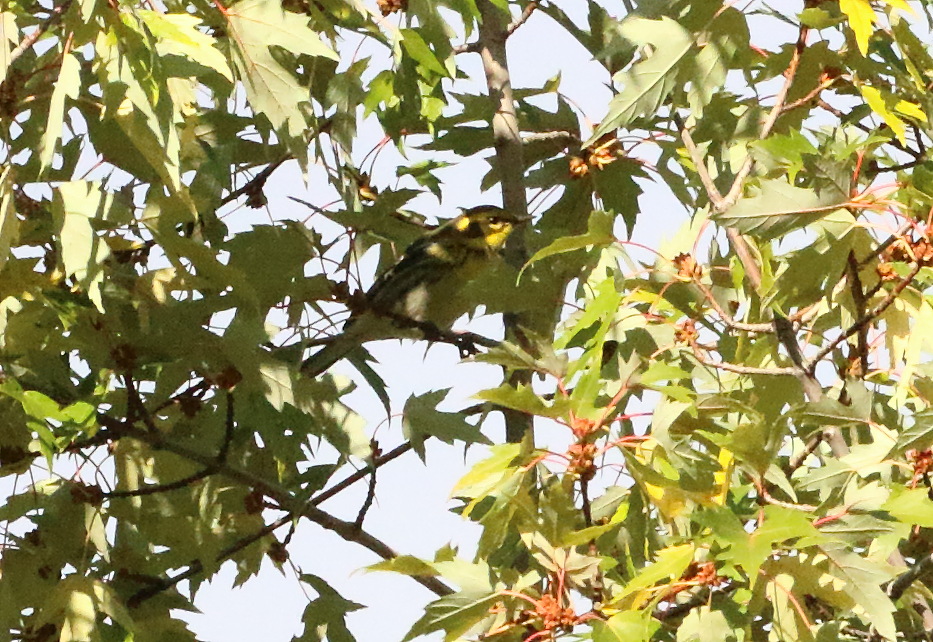
The species kept piling up with Hairy Woodpecker, flickers, and another surprise, Red-naped Sapsucker. But where was that sneaky Townsend’s Warbler? Had I been imagining it? Had it struck out on its own? Finally, after almost an hour, Braden shouted, “I’ve got the Townsend’s!” I hurried over and sure enough, there it was. I even managed a poor, but unmistakable, photo of it. As the flock made its way slowly down Rattlesnake Creek, Braden and I climbed back into the 4-Runner. “Wow,” I said, “I think that’s the best mixed-species flock we’ve ever seen in Montana!” After some thought, Braden agreed. It hadn’t provided us any Year Birds or Lifers, but had been something we would never forget—and almost in our back yard. Birding doesn’t get better than that.
Click here for our complete list: https://ebird.org/checklist/S74123665