Tag Archives: Lola

Saying Goodbye to Lola, Our Birding Dog

Today, our family sadly bids farewell to our beloved dog Lola. Those of you that have been regularly following FSB, or have read my book Warbler’s and Woodpeckers: A Father-Son Big Year of Birding, will be familiar with Lola, but to honor her memory, I’d like to share her remarkable story in more detail.

The beginning of that story will always be shrouded in mystery. We adopted Lola thanks to the always-heroic and compassionate efforts of the Humane Society of Western Montana, and Braden’s sister, Tessa, was the driving force behind adding Lola to our family. For a couple of years, Tessa had gently expressed a desire to have another dog. Amy and Braden were on board, but I hesitated. For one thing, I knew that since I work at home, I would be the main caretaker of any new mammal in the household and I wasn’t sure I felt ready to add that responsibility to my list. Honestly, saying goodbye to our previous dog, our Border collie Mattie, had taken a huge emotional toll on me. Many people don’t hesitate to get a new pet when an old one has passed, but not me. I grieved long and hard for Mattie, and wondered if I were ready to invest so much of myself into a new companion.
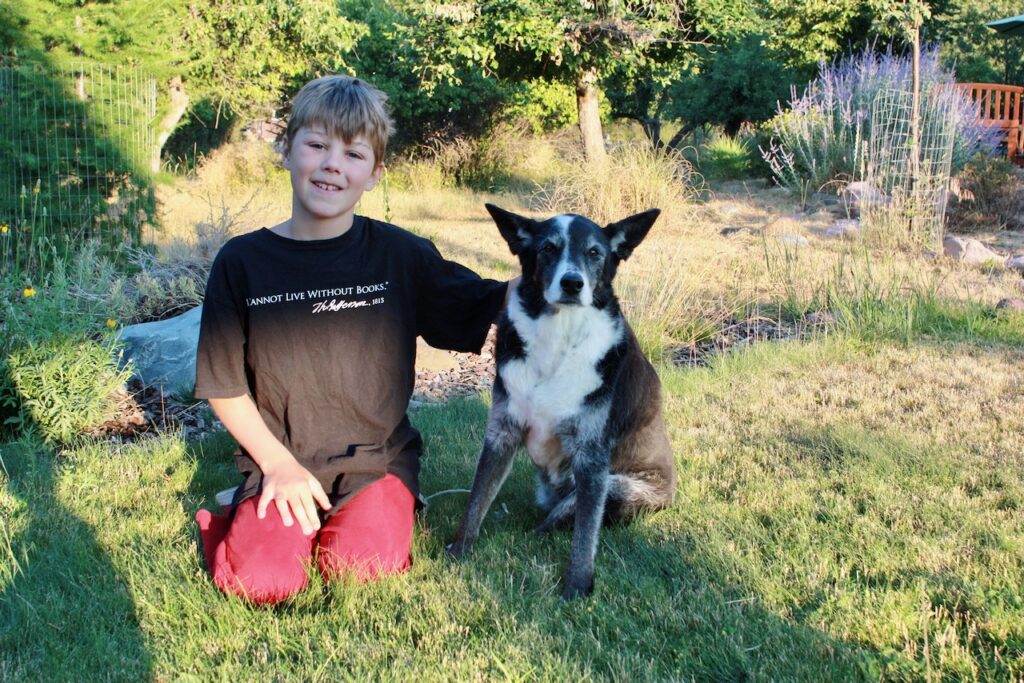
We were so heartsick over the loss of our Border collie, Mattie, that it took a few years before we were ready to welcome Lola into our family.

Nonetheless, one afternoon three years after Mattie passed, I asked Tessa, “Hey, do you want to start checking out the Humane Society website?”

Her whole face brightened. “Really? To look for a new dog?”

We both thought that a black Lab would be perfect for our family—affectionate, but active enough to go on adventures—and about once a week, we searched the website for possibilities. Black Labs are so popular that a number of them became available, but each had some quality we thought would make them a poor fit for our family. One day, though, I was looking at the site by myself when Lola popped up on the screen. HSWM estimated she was about two years old and she had been found in Polson, Montana nursing eight puppies!
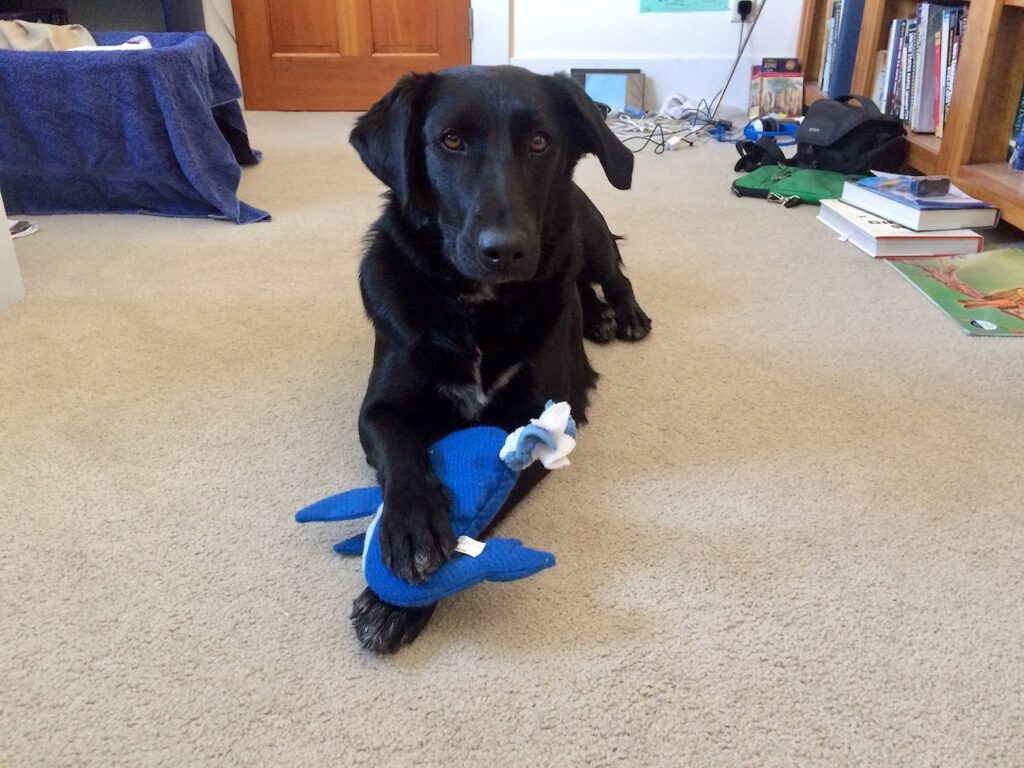
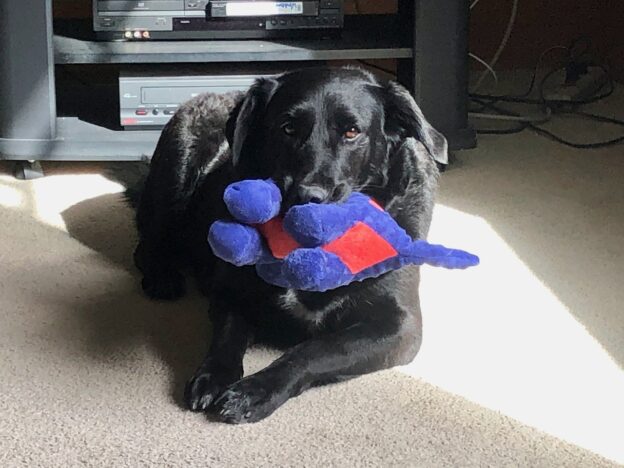
Over the years, Lola spent almost as much time in my office as I did—including time inviting me to play with her and her Whale.

I immediately called HSWM to find out if Lola was still available and got put through to the director, who actually knew me from some of my past author events. “Well,” she said, “Lola isn’t officially available yet because she and her puppies have been in quarantine for distemper.”

“Oh, is that serious?” I asked. I had heard of this disease but knew nothing about it. “It can be,” the director replied, “but Lola and her puppies have come through just fine. I’ve been keeping them all at my house, but if you’d like to see her you could come out this Saturday.”
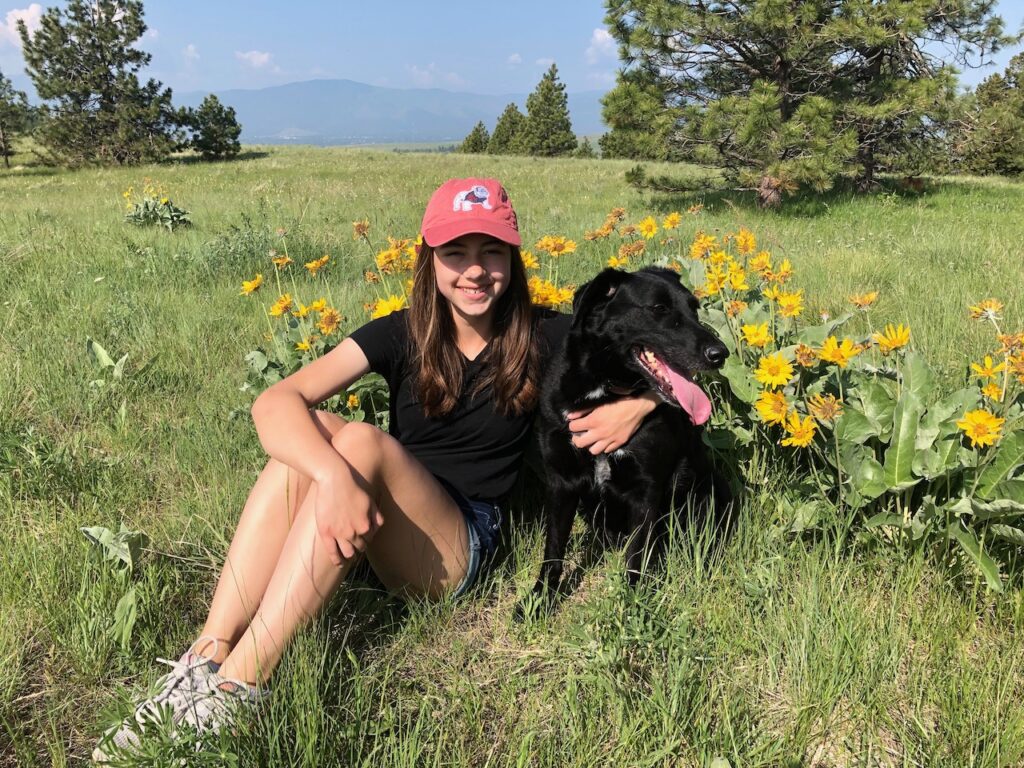
One of my favorite Lola photos, with “her girl” Tessa amid spring Arrowleaf Balsamroots.

Immediately, my devious mind began imagining surprising Tessa and Braden with a visit to see Lola, and Amy agreed that it would be a fun idea. The night before, I told the kids, “We’re going on a little outing tomorrow morning.” “Where?” they asked. “Oh, just somewhere fun,” I said.
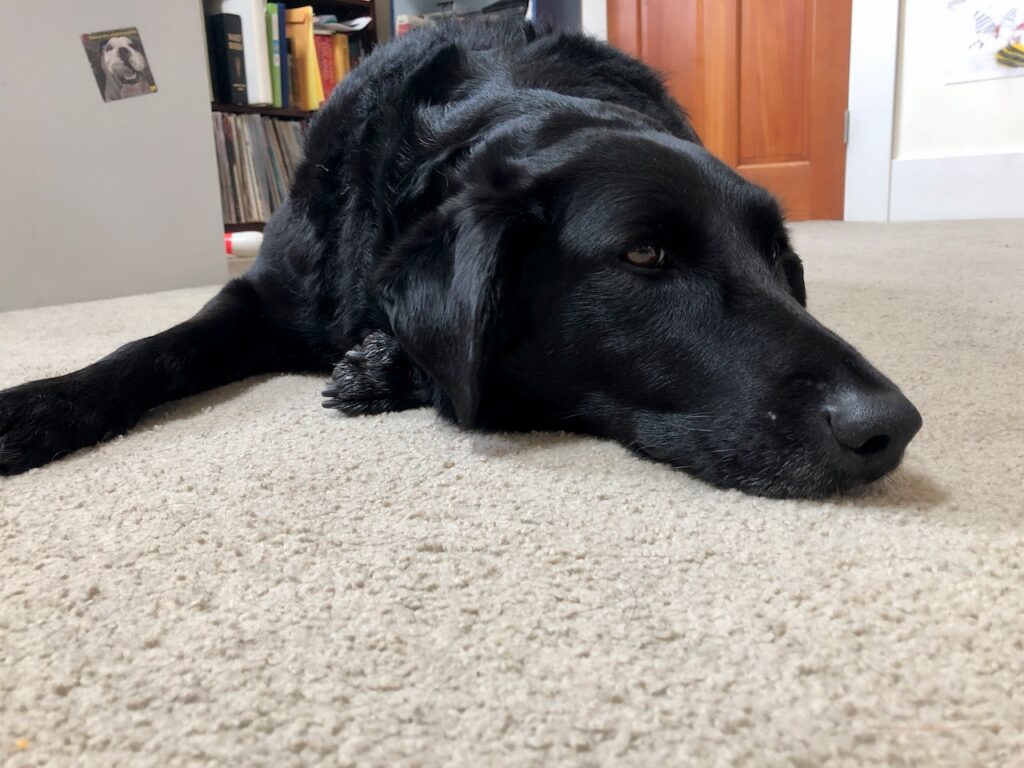
Hangin’ out in Sneed’s office, waiting for some action.

I’d like to claim that I stayed mum until we actually saw Lola the next morning, but once we climbed in the minivan I weakened and told them where we were going. “We’re going to see a dog?” Tessa asked. I’d rarely seen so much excitement in a kid, and a big smile also spread across Braden’s face. That excitement only increased when we pulled into the director’s long driveway and saw a slender black Lab trotting ahead of the director, returning from a walk.
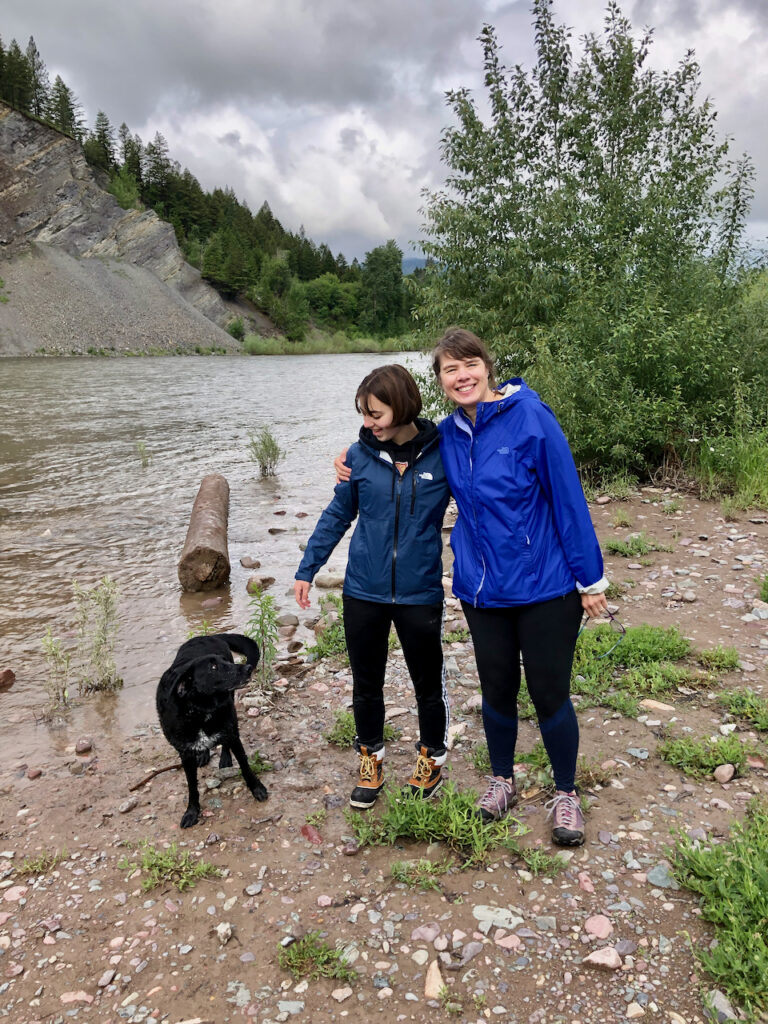
Amy, Tessa, and Lola at the flourishing reclaimed Milltown dam EPA Superfund site.

“Is that Lola?” Tessa exclaimed.

“I think so,” I said.

We parked near the house and all piled out. The director had warned me that Lola had some issues with men, so I just sat down on the blacktop next to our car and waited for her. Without so much as a growl, she trotted directly to me to receive a vigorous helping of head pets and back scratches. As Amy and the kids approached and also began petting her, none of us had any doubt that this was our dog and that we were her family. With the director’s blessings, we took her home that day.
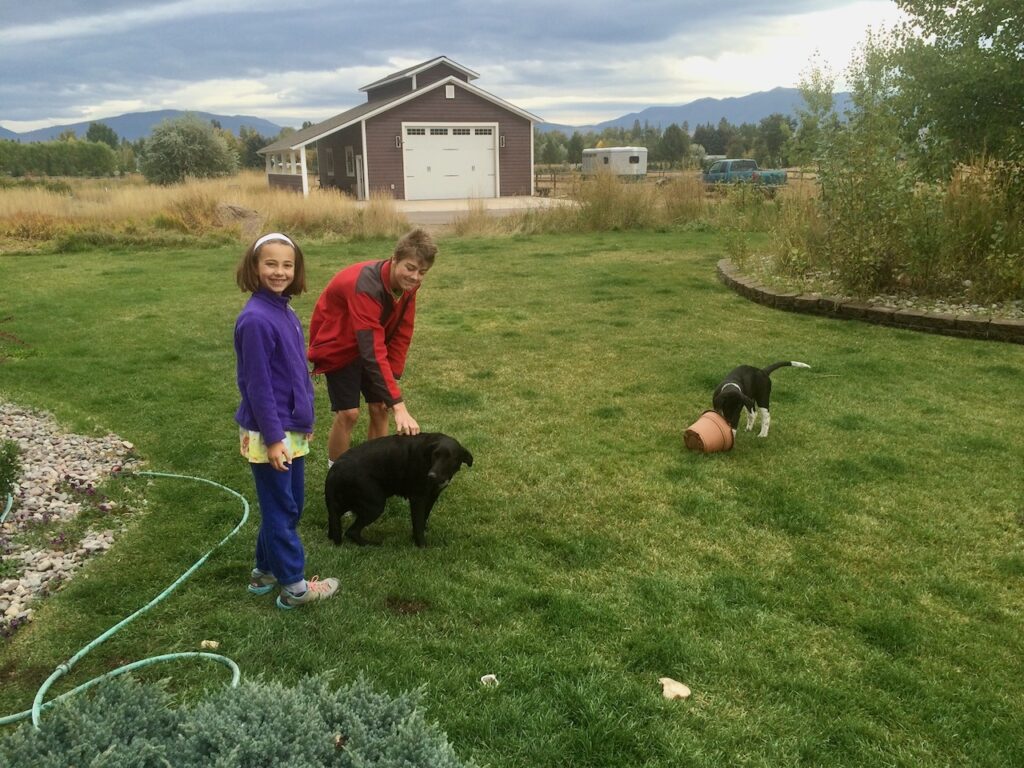
The day we picked up Lola to take her home! By the time we got there, only one of her puppies, Jagger, remained to be adopted.

I’d like to tell you that from that moment on, Lola’s integration into our lives was pure, smooth sailing, but . . . that’s not quite the case. HSWM believed that Lola had lived totally on her own for most of her two-year existence, and not surprisingly she came with some baggage. Almost from our first walk, we discovered that she viewed most adults with suspicion, and she reserved a special repertoire of warning growls and barks for tall men, skateboarders, bicyclists, and anyone carrying any stick-like object, be it a cane, broom, or baseball bat. It didn’t take a genius to conclude that in the past she had endured some hard treatment at the hands of people. It also meant that we had to be especially careful taking her out.
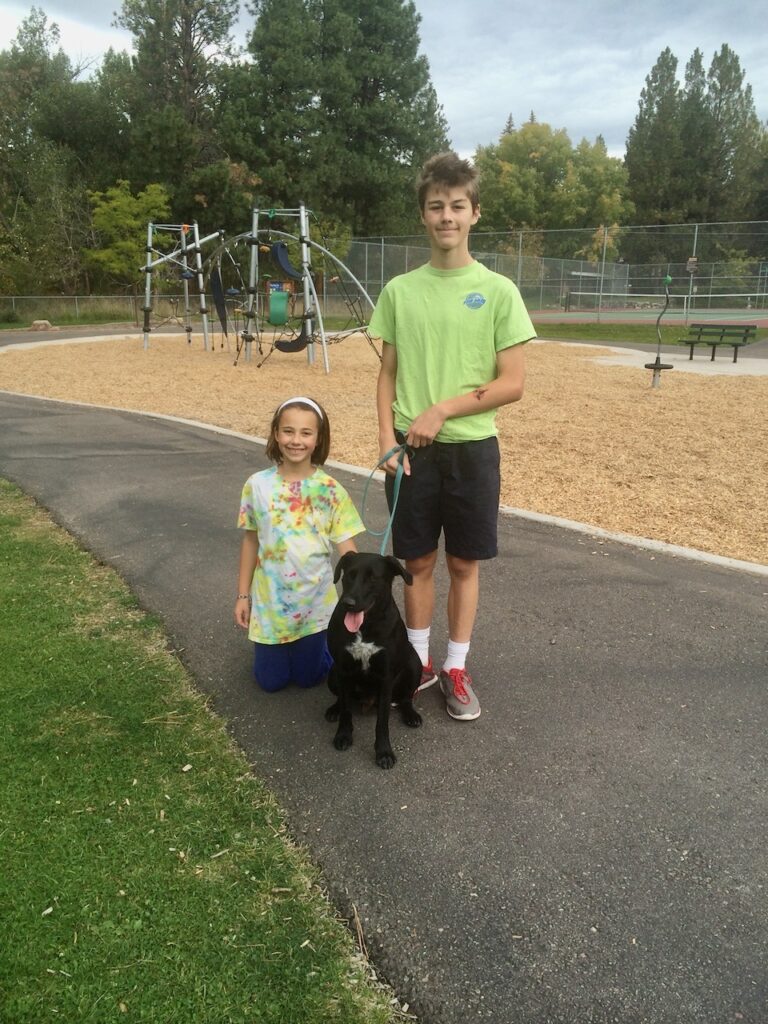
Lola’s first walk with the Collard Clan.

After a number of tense incidents, we finally booked some sessions with a dog trainer. These made all the difference, and steadily we were able to teach her to become less reactive to most of the kinds of people she found threatening. Steady doses of love and affection from Tessa and the rest of us also helped build up Lola’s trust in humanity.

Meanwhile, Braden and I were doing our first Big Year of birding, trying to pursue our personal goal of finding 350 species of birds for the year. We easily worked Lola into our birding adventures, whether it was up the Mount Jumbo Saddle, out at Fort Missoula, Blue Mountain, or Maclay Flat.
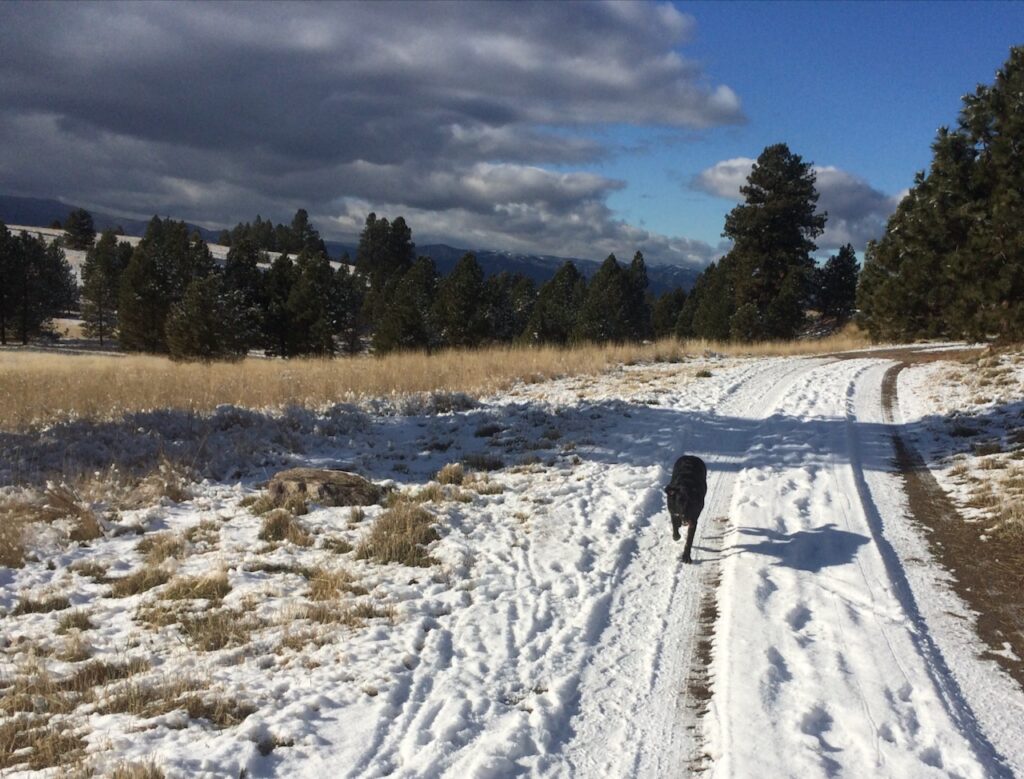
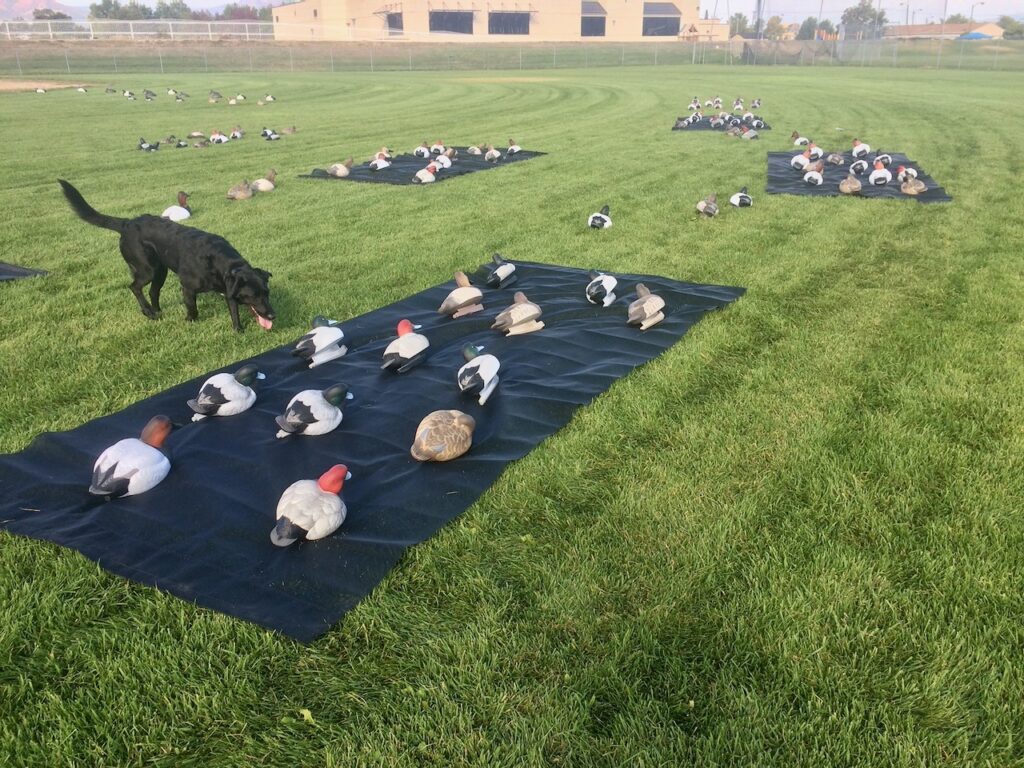
One of our first Lola birding hikes, up onto Mount Jumbo Saddle. Lola loved snow almost as much as she loved water.
Lola took great interest in this sudden appearance of ducks behind the Missoula YMCA. I’m not sure she ever learned to ID them to species.

It was during these adventures that we noticed something surprising. When we were out birding, Lola just naturally switched into “work mode.” She seemed to recognize that birding, like hunting, was a serious activity and part of her job in life. During these sessions, Lola proved amazingly responsive, obeying our commands without complaint. When we stopped, she stopped. When she smelled something, she paused in a classic “point”, one front paw frozen in an up position until we she saw us moving on. In this way, she became not only our newest family member, but Braden’s and my “birding dog.”
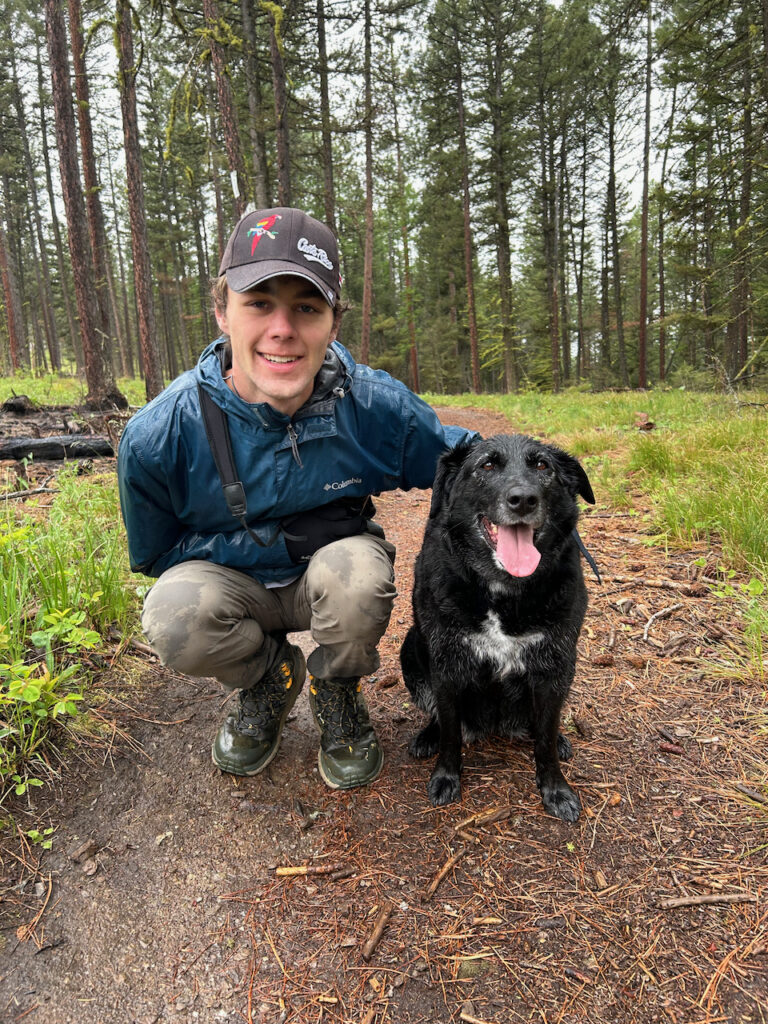
A wet morning birding hike with “her boy.”

During the next eight years, Lola accompanied our family on countless adventures—and led us on some that were strictly her own idea. She had a particular passion for chasing invasive squirrels and re-opened some of our local habitat for our native squirrels to move back in. I also brokered a deal between Lola and our neighborhood deer. In this U.N.-sponsored agreement, Lola was at liberty to chase the deer to the edge of our yard, but then had to halt—a deal to which she generally adhered.
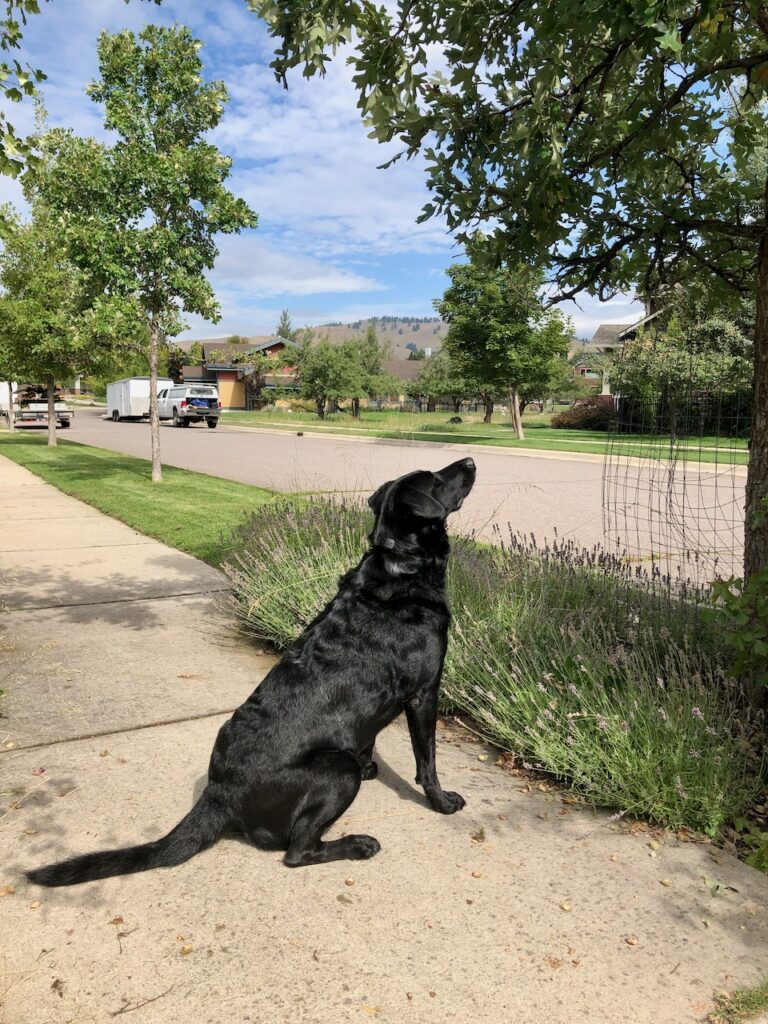
Squirrel stare down in front of our house. I could leave Lola for fifteen or twenty minutes like this and she wouldn’t budge.

To be honest, she wasn’t that great at locating birds for Braden and me, but she did find Braden a gorgeous Dusky Grouse once and, last year, rooted out some Gray Partridges from the grass in the hills near our house. She was under strict orders not to try to catch any birds, and I think she was fine with that. Squirrels were much more fun!
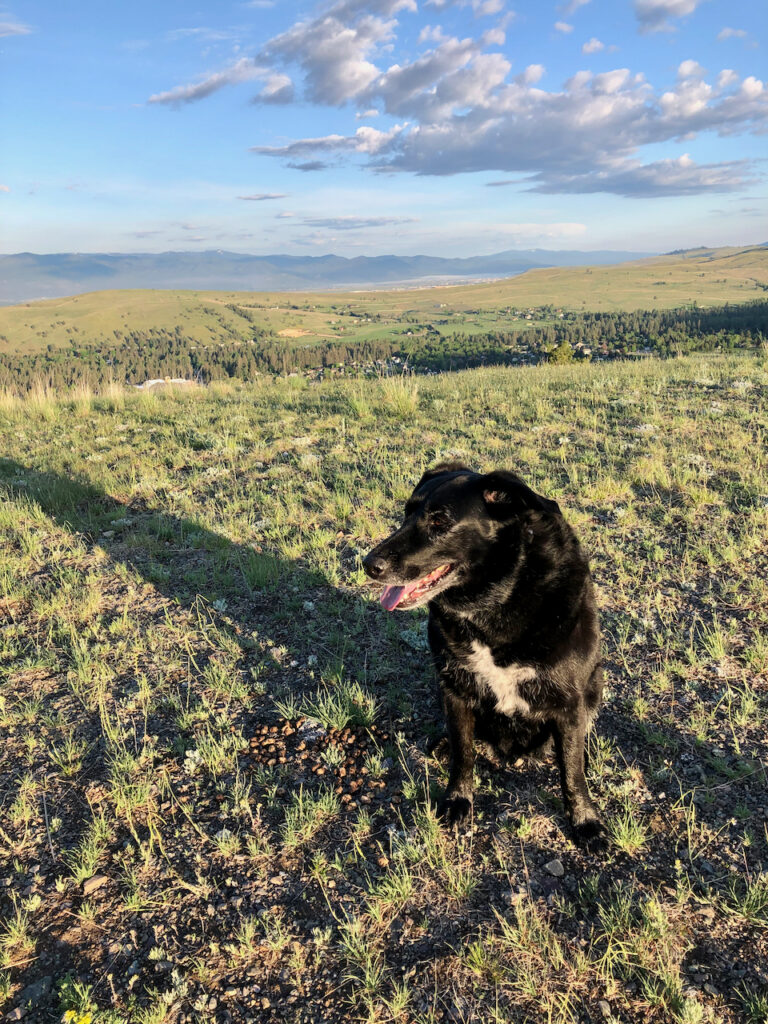
Lola at one of our favorite hiking destinations, Mount Jumbo Saddle. Dozens of times in spring, Lola and I woke before dawn to hike up here and check on whether Vesper Sparrows and meadowlarks had returned!

We thought that Lola would be part of our family until she was at least fourteen or fifteen years old. This spring, when we learned that a lump in her mouth was an aggressive oral melanoma, we were at first shocked, and then devastated. Dr. Nicole, our wonderful vet at Pruyn Veterinary in Missoula, removed as much of the tumor as she could, and told us we could elect for radical surgery combined with taking her to Bozeman for radiation treatment—but also said that probably the cancer had already metastasized, limiting chances for success. We did end up doing two more lump “debulkings” to keep the tumor from preventing Lola eating and enjoying life, but mainly vowed just to give her the best remaining time possible.
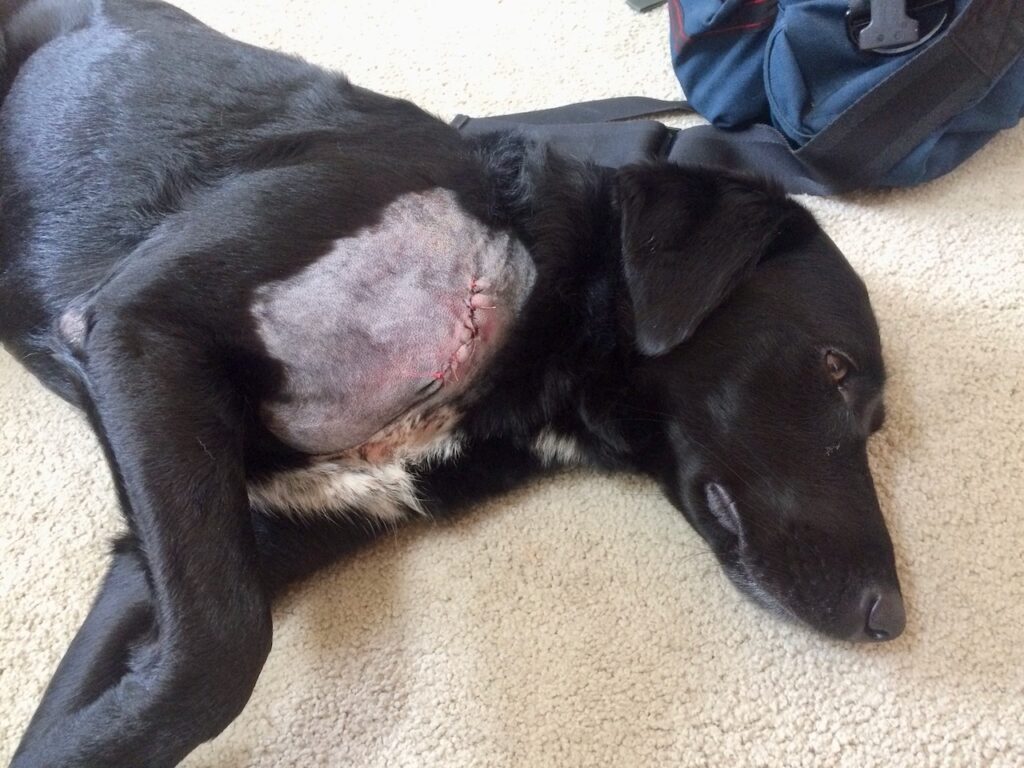
Until cancer struck, Lola’s most serious injury came from an encounter with a sneaky, sharp tree stump buried in the snow. Despite its gruesome appearance, this wound healed quickly and we thought we would get plenty more years with her.

From then on, we tried to do something special with her every single day, whether it was taking her on one of her favorite hikes, down for a swim at McCormick Park, or to Dairy Queen for a “pup cone.”  It was truly a special time for all of us, but by about three weeks ago—three months after her diagnosis—I could tell that Lola’s energy was waning and that the cancer had probably spread to some of her vital organs. Finally, when our girl was obviously beginning to struggle and her appetite decreased, I made an appointment with Dr. Nicole for a home visit.
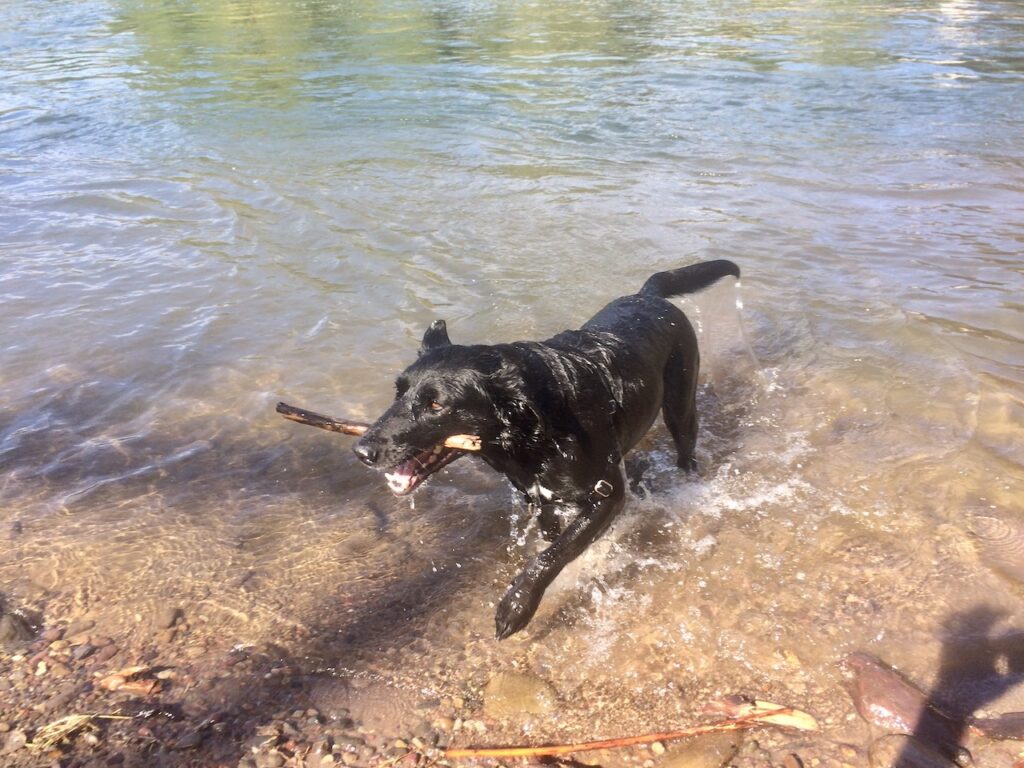
During her last couple of months, Tessa and I made sure Lola got to plenty of chances to swim after sticks, an activity that rated as one of her greatest joys in life.
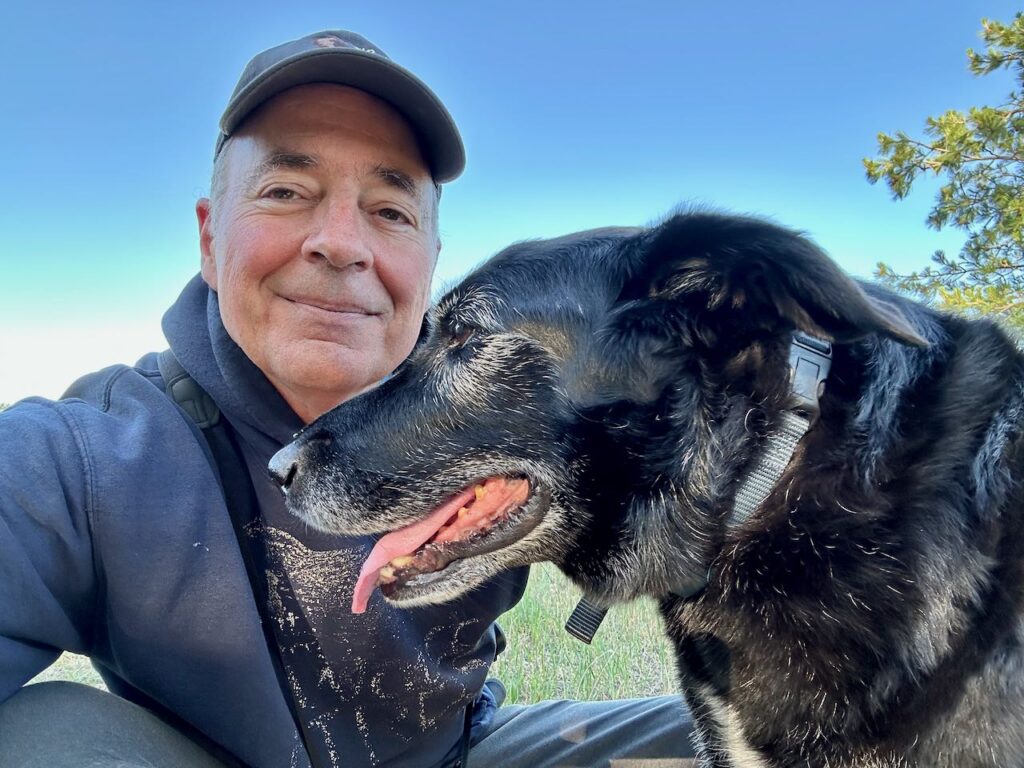
Selfie on one of our last big hikes together.

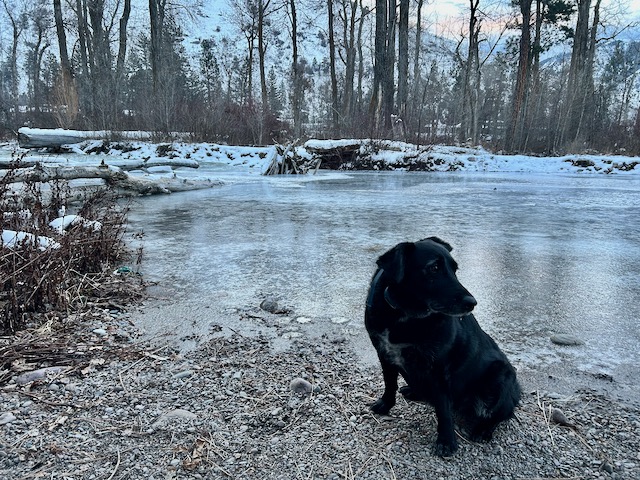
On our final morning together, we all took Lola for a pup cup at Starbuck’s and then drove out to a local pond. Lola always loved car rides and I could tell she loved this one, especially surrounded by the rest of her pack. What’s more, at the pond, she actually went for a couple of little swims and joyfully chased little splashes we made with rocks while we alternated between laughs and tears. After hanging out at the pond, we took Lola home for lots of cuddles and a nap. As happy as she’d been at the pond, I could tell it had used up her reserves. Overall, we couldn’t have asked for a better last day with our dear sweet dog, and as Dr. Nicole eased Lola out of this life, we had no doubt that she was ready to say goodbye.

Alas, we are not ready, and will be grieving and remembering her as long as our own lives last, always grateful for her joyful, crazy presence in our lives. As a friend of mine once related, we buried Lola not in the ground, but in our hearts.
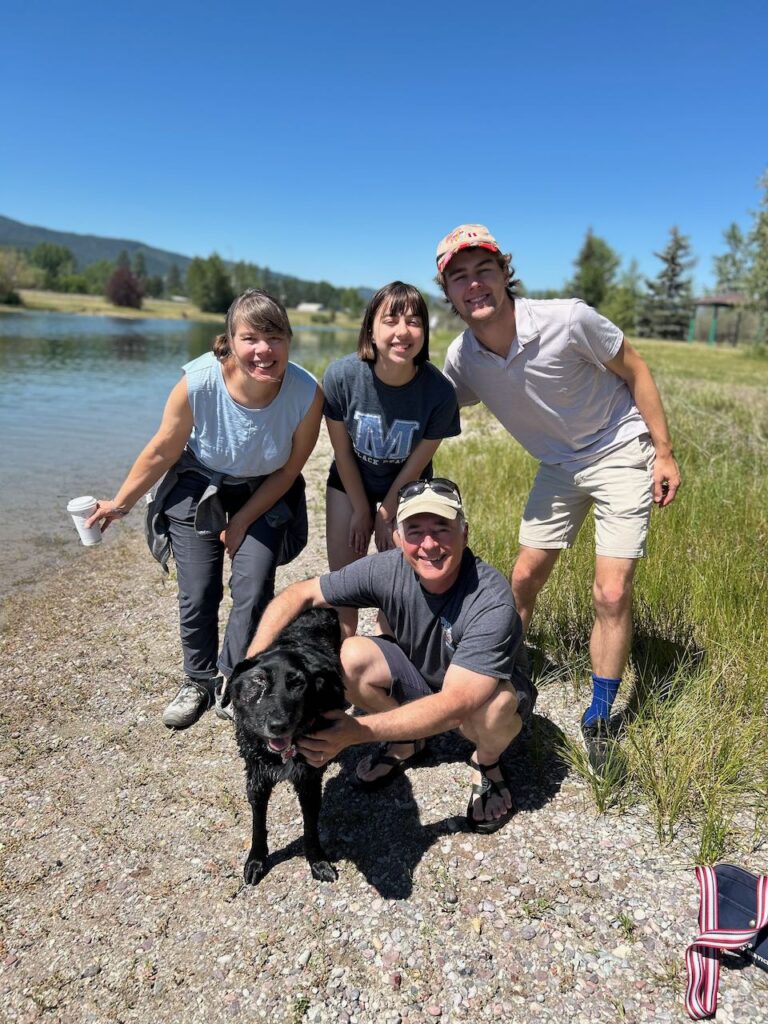
Lola on her very last outing, surrounded by her pack. We love you, Lola!

We encourage you to donate to the important work of your local Humane Society chapter and/or support both national and local animal welfare groups such as the ASPCA, Feeding Pets of the Homeless, and Dogster’s Spay & Neuter Program.
My Big Silly January

Setting and surpassing goals plays a big role for many of us birders. Big Years, Big Months, Big Days, State Big Years, Bicycle Big Days, Global Big Days—the list of ways we challenge ourselves are endless. And while I’m no longer a big fan of Big Years that require burning up a ton of fossil fuels, Braden and I still partake in local challenges, or those that unfold seemingly on their own. Such was the situation I found myself in late January.

Thanks mainly to a vigorous day of birding with Braden on January 2nd, in which I found 47 species here in western Montana, and the surprise trip to Victoria that Amy planned for my 65th birthday (38 more species), by January 20th I found that I had seen 88 bird species for the month. They were awesome birds, too, ranging from Short-eared Owls and Golden Eagles here in Montana to Pacific Loons, Harlequin Ducks, and a Marbled Murrelet in Canada (click here). Interestingly, I realized that with ten days to go, I needed to see only four more species to make this my best January of birding ever! Even so, I had a lot of writing to catch up on and I wasn’t sure that I wanted to intentionally make the effort. A couple of things convinced me to go for it.

Lola played an instrumental role in advancing my Big January goals!

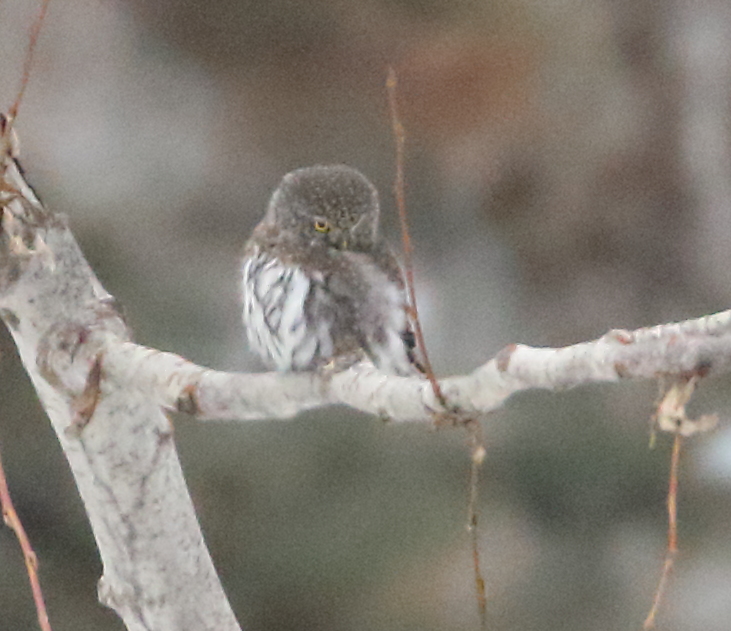
The first was that while walking our dog Lola in the neighborhood, I found my first Northern Pygmy-Owl of the year—a delightful little guy soaking up the last rays of sun high in a Ponderosa Pine. The next day—also while walking Lola, through Greenough Park—I espied my first American Dippers of the year. Three days after that, the year’s first White-breasted Nuthatch visited our backyard feeder, the first I’d seen there in a couple of years. Suddenly, just like that, I was one bird away from breaking my record. What, oh what, to do? Too much sittin’ on my butt and a forecast for a beautiful winter day answered the question. I called our friend Susan, who has been getting into birding more and more the past couple of years. I told her, “You know, there’s a Rusty Blackbird over near Deer Lodge, and we may be able to find some Snow Buntings. Do you want to go see if we can find them?” She also needed a birding break, so the next morning, we headed east.

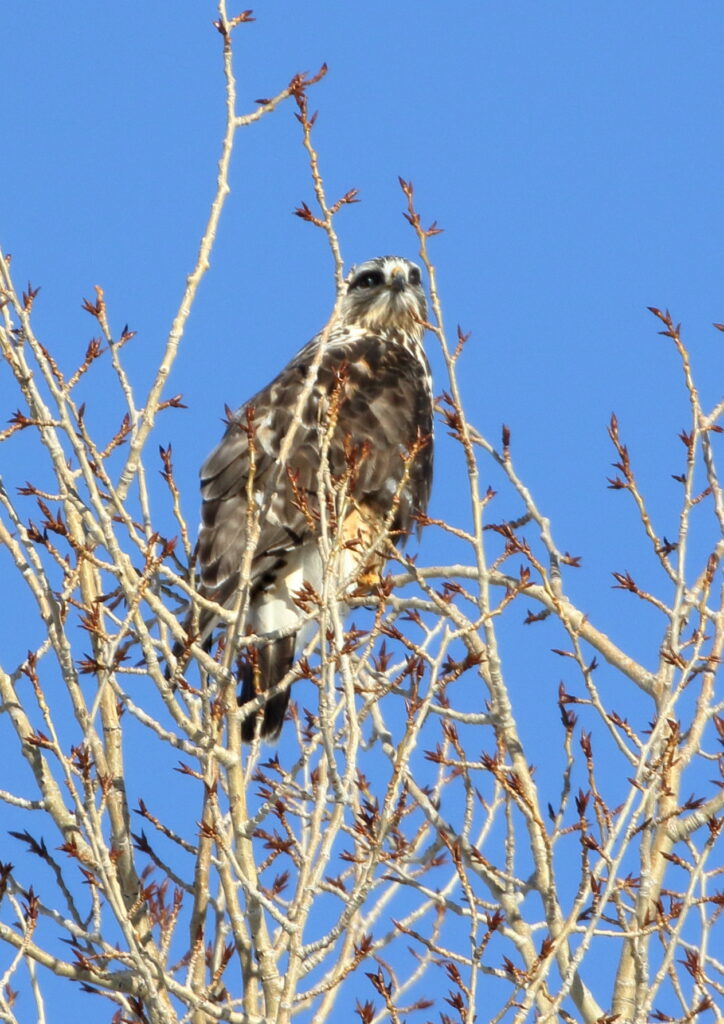
Though we didn’t find Snow Buntings or the Rusty Blackbird, Susan was especially excited to get to know Rough-legged Hawks better.

We spent a delightful morning driving the roads between Deer Lodge and Anaconda. We may have seen a Snow Bunting, but it flew away before we could make a definite ID. We also saw the Rusty Blackbird—right as a couple of other birders scared it away. Since we couldn’t ID it ourselves, we didn’t put it on the list, either. Fortunately, in the parking lot that led to the Rusty Blackbird, we found four Horned Larks! Yay! I had it! A new January record!

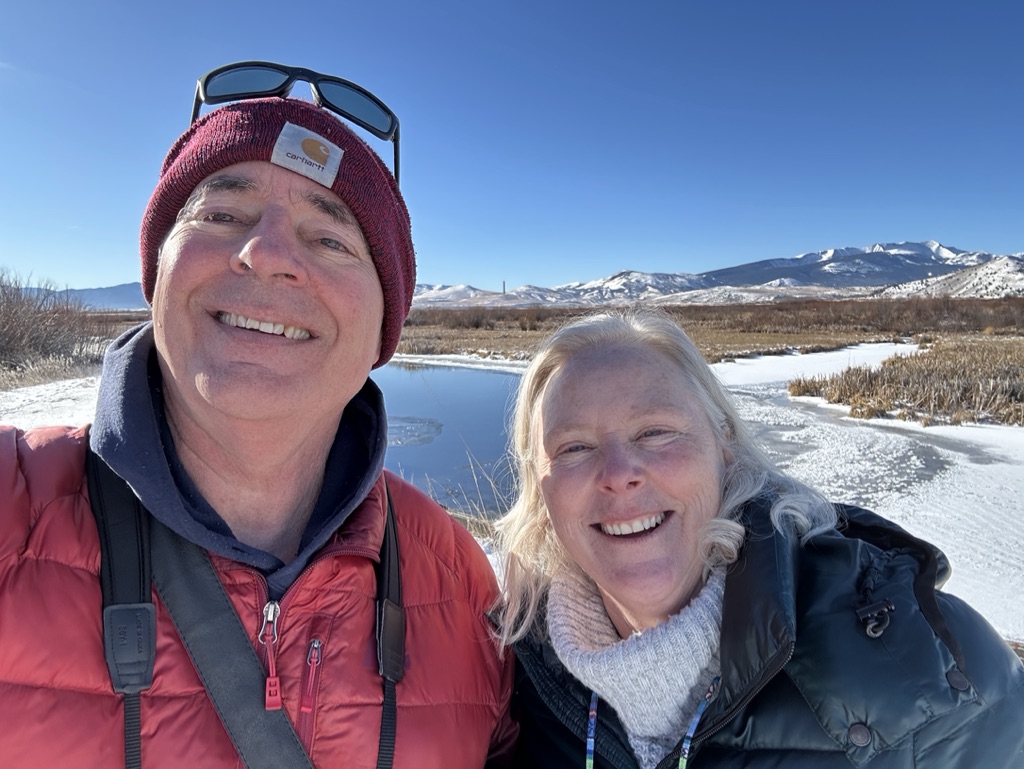
Susan and I failed to get an ID-able look at a rare Rusty Blackbird. But note the famous Anaconda smelter stack in the distance!

But here’s the problem. Once you break one record, and realize that you are perilously close to another landmark—in this case, 100 birds for the month—it’s virtually impossible not to go for it. By now, I had revealed my January ambitions to Susan, and not only did she get as excited as I did about them, she was all in on getting me to 100 species for the month. As we pulled away from the Horned Larks, I said, “Are you up for driving by Discovery Ski Area on the way home?” “Let’s do it.”

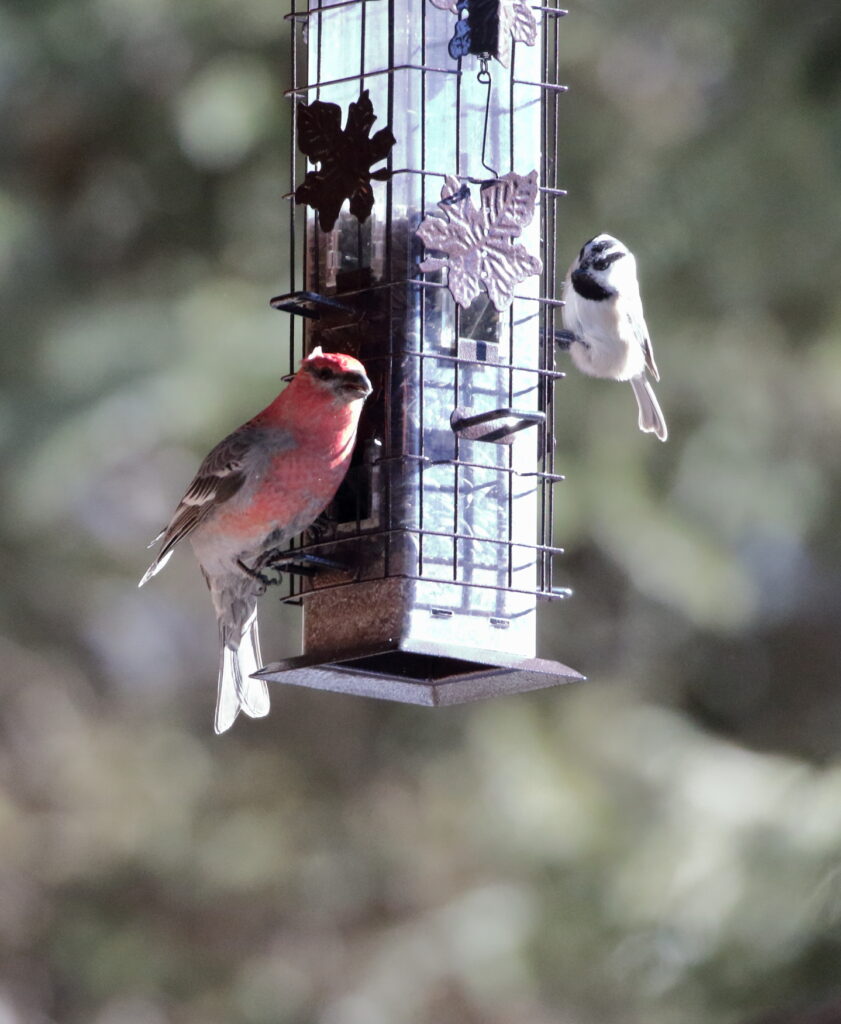
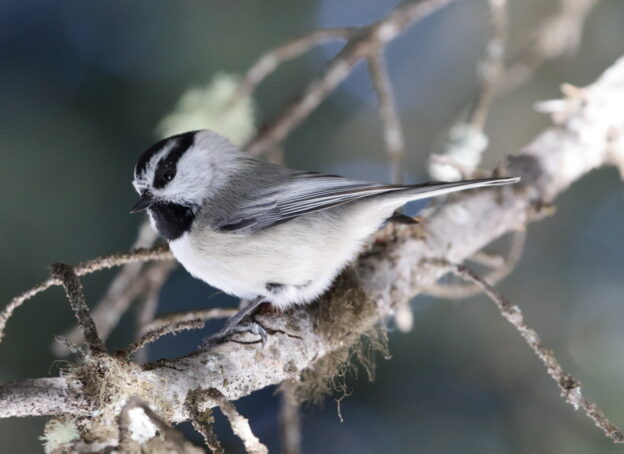
Employees at Discovery kindly put out bird feeders that keep Pine Grosbeaks, Mountain Chickadees, and other higher-altitude birds nurtured during cold winter days.

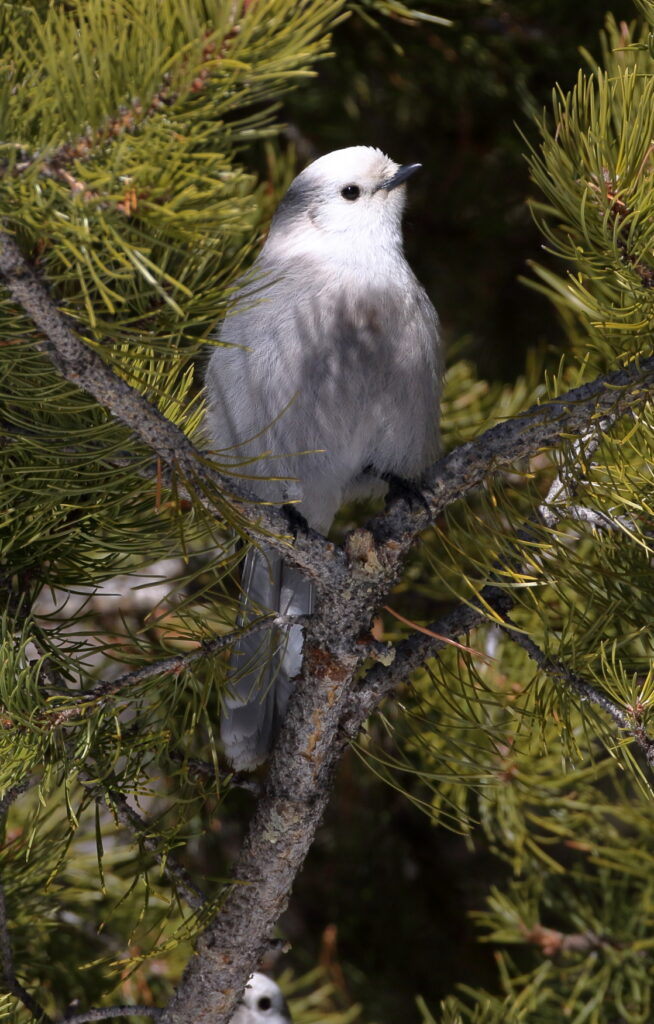
Loyal readers of FatherSonBirding will recognize that in years past, Discovery Ski Area has been a go-to place for Braden and me to pick up several challenging species, and as Susan and I approached the parking area, we saw our first of these: Canada Jay. After parking, we visited the bird feeders and had a fun time picking up two others: Mountain Chickadee and Pine Grosbeak. Clark’s Nutcracker was the only bird that didn’t cooperate with my 100-species plans, but still, I left the ski area with 96 species. Could I really get four more species before the month ran out? Did I want to? No, I decided. I didn’t need to drive around burning up gas just trying to break a silly record. However, the Universe seemed to have other plans.

Portrait of a Canada Jay. See them while you can. Canada has announced that it will no longer allow these birds to be in the US if President Trump does indeed impose tariffs on our northern neighbor.

The afternoon of January 29th, I was again walking Lola in the neighborhood when I saw two more birds I needed for the month and year: Hairy Woodpecker and Cedar Waxwing, both of which I thought I’d already seen! Then, a Greater White-fronted Goose was sighted out beyond the Missoula Airport. I had never seen one of these birds in Montana, and it was a rare opportunity to do so, so on January 31st, I loaded my spotting scope and camera into the car and headed out to the site. My January and Year lists now stood at 98 species.

Long-story short: I did not find the Greater White-fronted Goose among the Canada Geese that were out there. As I was watching other CAGOs fly in, however, I was stunned to see a white goose flying with them! Stupidly, I did not try to gauge the size of this surprising arrival. If it were a bit larger it would be a Snow Goose; a bit smaller, Ross’s Goose. Either one would get me to 99 species—but not if I couldn’t identify it! Sighing and simply putting down “white goose” on my list, I resigned myself to not breaking that magical 100 number.

Since I was out there, however, I decided to swing by Council Grove State Park for a look around. The number of birds out there in the dead of winter surprised me. I was delighted to hear a Belted Kingfisher and spot Green-winged Teals and a Great Blue Heron. Then, two Killdeer flew by. As I was following a trail back around to the parking lot, however, I espied a small, soft lump on a branch out of the corner of my eye. “No way,” I muttered, and trained my new binoculars on it. It was another Northern Pygmy-Owl—the first I’d ever found all on my own. Even though it wouldn’t help with my goal of 100 birds, I was totally psyched by this find and spent ten minutes watching it before it winged away at hyper-speed.

Even though it didn’t help me with my 100-bird goal, seeing this Northern Pygmy-Owl was an awesome way to finish out an awesome January of birding.

So, no 100 birds. No century mark.

Or so I thought.

That evening, when I happened to glance at my bird list for the month, I was surprised to see that it stood not at 98 species as I expected, but at 99! The Killdeer I saw at Council Grove, it turned out, were also a new species for me for 2025! And then, several other birders confirmed that the white goose that I saw was indeed a Snow Goose! Ka-ching!

I’ll admit that getting to 100 wasn’t pretty, but like I said, the Universe seemed to want me to get there and, well, I’ll take it. It just shows you that a lot of great things can happen in birding—even setting silly records!

Partial FSB Reveal: We won’t be posting near the end of February and early March, but if all goes as planned, we should have some truly stunning posts for you then. Stay tuned!